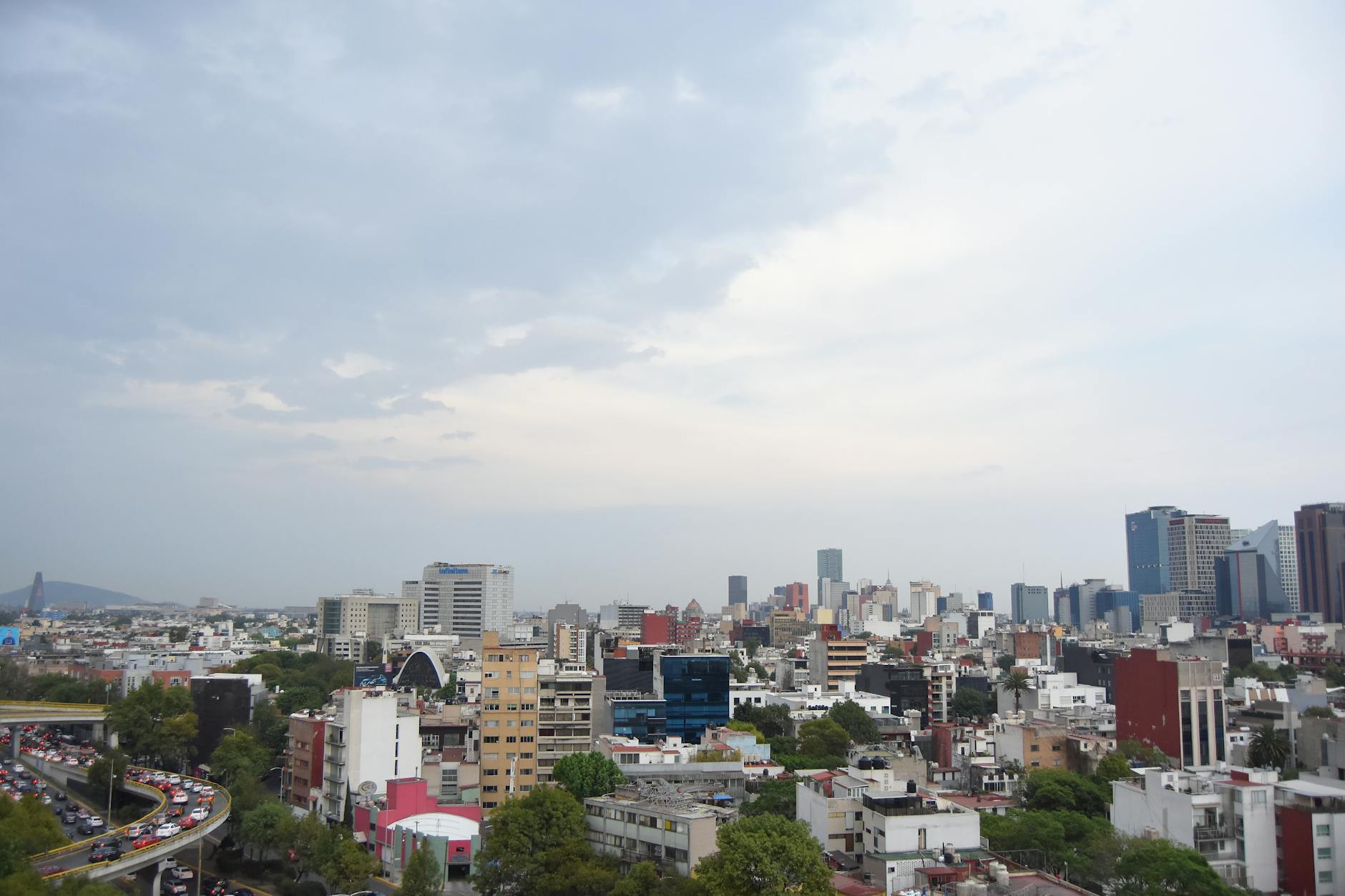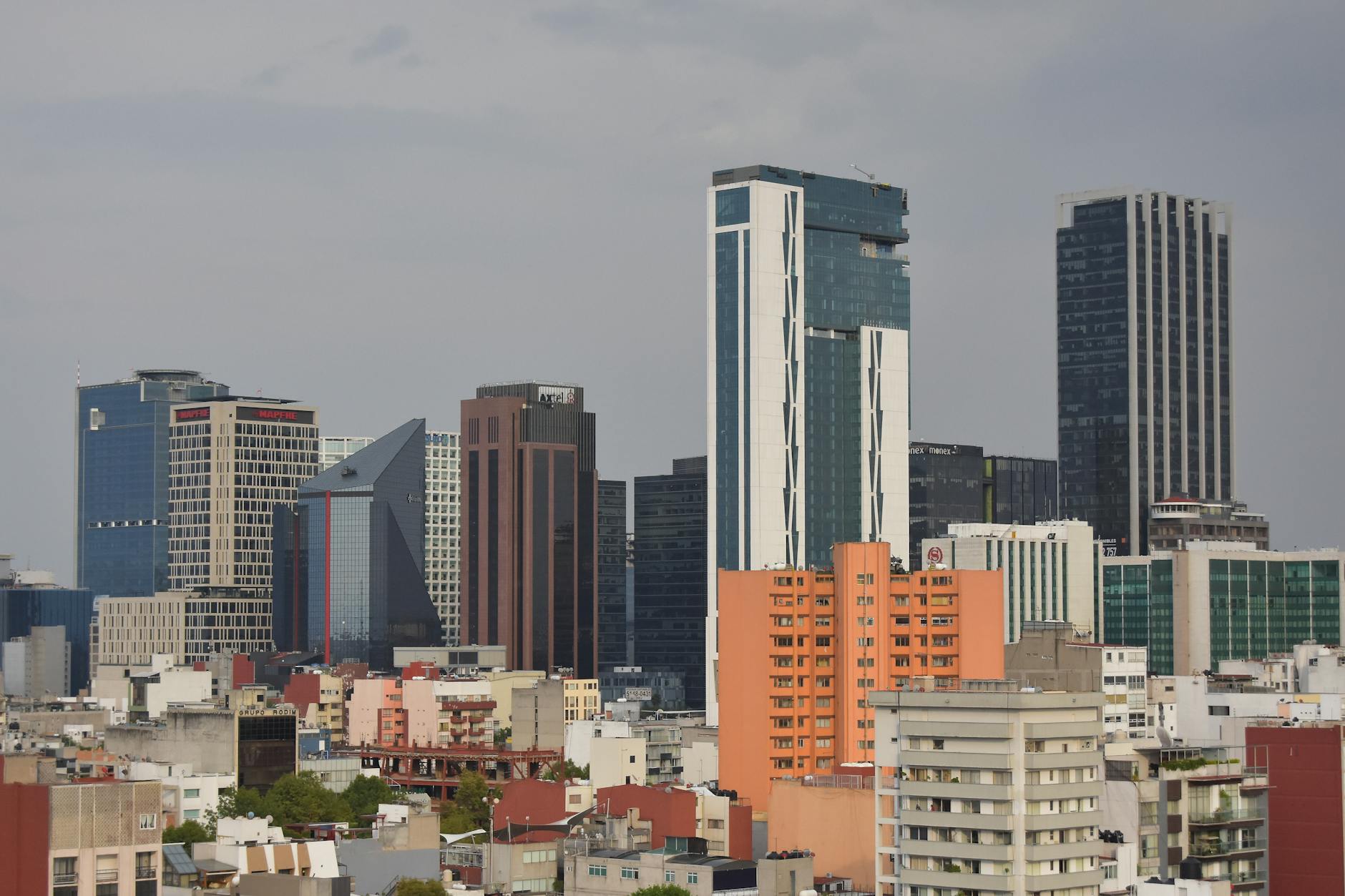
A consultant's short-term trip to Mexico City is judged by the work, not by the fact of reaching the city. The traveler may be running a workshop, interviewing stakeholders, reviewing operations, supporting a technology rollout, advising an investor, visiting a client site, or spending several days embedded with a team. Mexico City can support that work well, but only when the plan respects the city's business geography: Polanco, Reforma, Santa Fe, Roma, Condesa, Centro, Insurgentes, airport corridors, universities, government districts, and outer client sites do not create the same working day. The strongest consulting plan keeps the traveler close enough to the client to work well, rested enough to think clearly, private enough to handle sensitive material, and flexible enough to absorb traffic, altitude, rain, or schedule changes. The question is not simply where to stay. It is where the consultant needs to be sharp, how repeated movement will work, where after-hours work can happen, and which evenings need to remain available for synthesis instead of hospitality.
Map the client site before choosing the hotel
Consultants should start with the exact client address, entrance, and visitor process, not a generic preference for a popular neighborhood. A project in Santa Fe creates a different trip from a project on Reforma, in Polanco, around Insurgentes, near Centro, at a university, at an industrial site, or at an airport-adjacent office. Mexico City can make these places look reachable on a map while turning repeated transfers into the main cost of the engagement.
The hotel decision should protect the working rhythm. That means checking the client entrance, likely start time, visitor-badge process, security rules, meeting-room location, vehicle pickup, and whether the consultant will carry laptops, printed materials, workshop tools, or confidential notes. A more attractive base can be wrong if it forces a fragile morning route. A practical hotel near the client or on a clean driver route may protect the work better than a more fashionable address.
- Map the exact client address, entrance, visitor rules, start time, and likely evening geography before booking.
- Treat Santa Fe, Reforma, Polanco, Centro, Roma, Condesa, Insurgentes, and outer sites as different operating zones.
- Choose the hotel by repeated work movement, not by a generic best-neighborhood label.
Build the repeat commute with backups
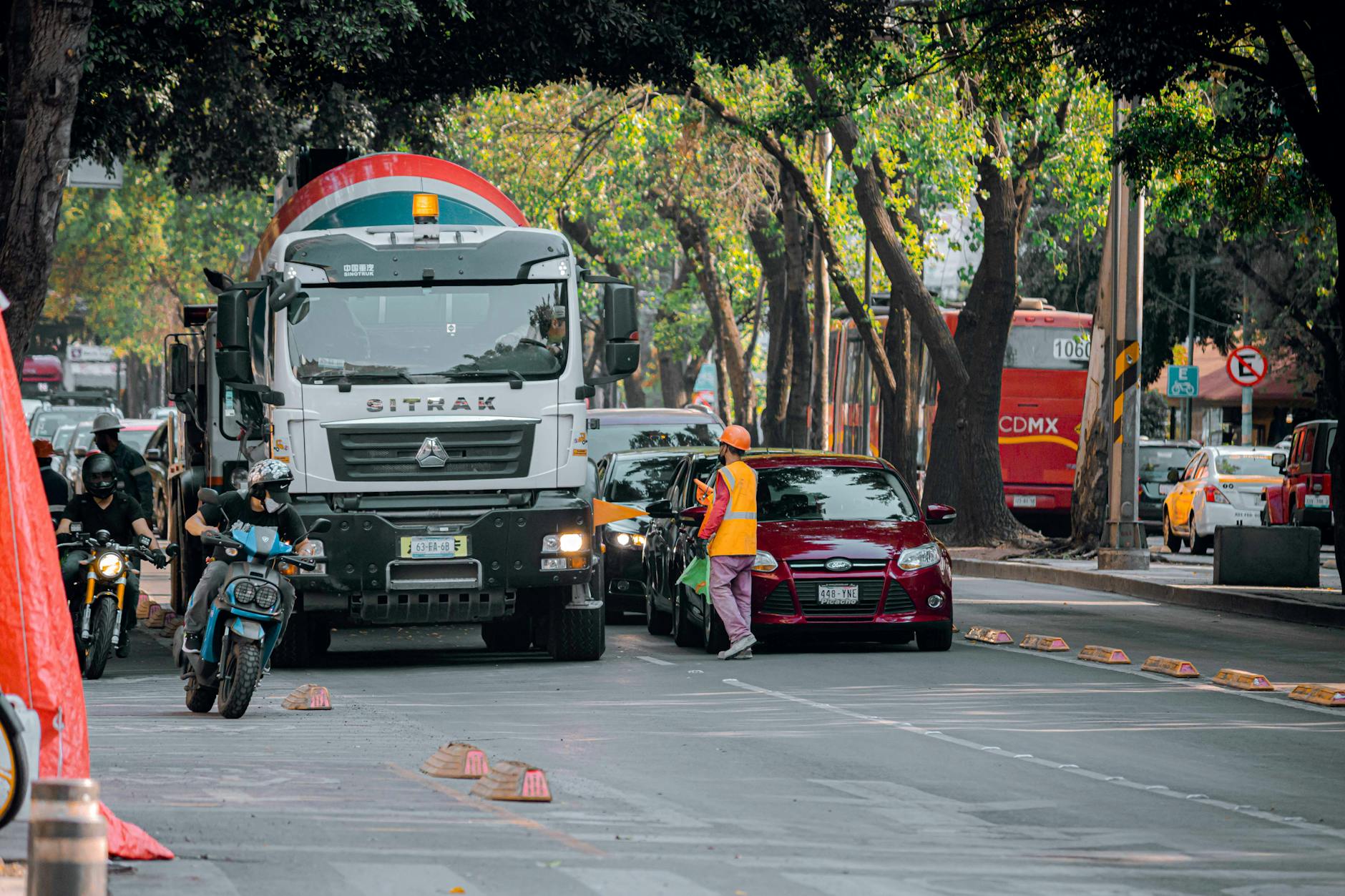
A consultant may make the same route several times, so the commute deserves more attention than a one-off meeting transfer. Traffic, rain, demonstrations, construction, security checks, elevator waits, parking access, and late finishes can all change a route that looked simple the night before. A 20-minute drive at one hour can be a very different trip at another. Public transport, app-based rides, hotel cars, taxis, and private drivers all have a place, but the right answer depends on the client location and the workday.
The plan should identify the primary route, a credible backup, and the point at which a driver is worth the cost. If the assignment requires several days at a client site, a repeat driver can save attention and reduce pickup uncertainty. If the consultant has late client dinners, sensitive calls, heavy materials, or an early workshop, transport reliability may matter more than fare savings.
- Plan a primary route, backup route, and driver threshold before the first client day.
- Check traffic, weather, demonstrations, roadwork, and building access before critical movements.
- Use a vetted driver or hotel car when late finishes, materials, confidentiality, or punctuality make reliability more valuable.
Choose a hotel that can become a temporary office
A consultant's hotel often becomes the second workplace. The room needs more than a bed and a recognizable brand. Desk height, chair comfort, Wi-Fi reliability, lighting, outlets, quiet, laundry, breakfast timing, nearby food, air conditioning, and privacy for calls can affect the quality of the work. A stylish room with a decorative table may be a poor fit when the traveler has evening analysis, slide production, file review, or calls with colleagues in another time zone.
Public areas matter too. A lobby can be useful for casual coordination, but it is usually weak for confidential calls or focused writing. The hotel should be able to receive a package, print or scan when needed, coordinate vehicles, store luggage, and provide practical food after a long day. In Mexico City, the right consulting hotel is the one that reduces working friction and keeps the traveler from turning every evening into a logistics exercise.
- Confirm desk, chair, Wi-Fi, outlets, quiet, lighting, laundry, air conditioning, breakfast, and late-food options.
- Avoid relying on public lobby space for confidential or concentration-heavy work.
- Ask about printing, package receipt, luggage storage, and vehicle coordination before treating the hotel as project-ready.
Make workshops and site visits reliable
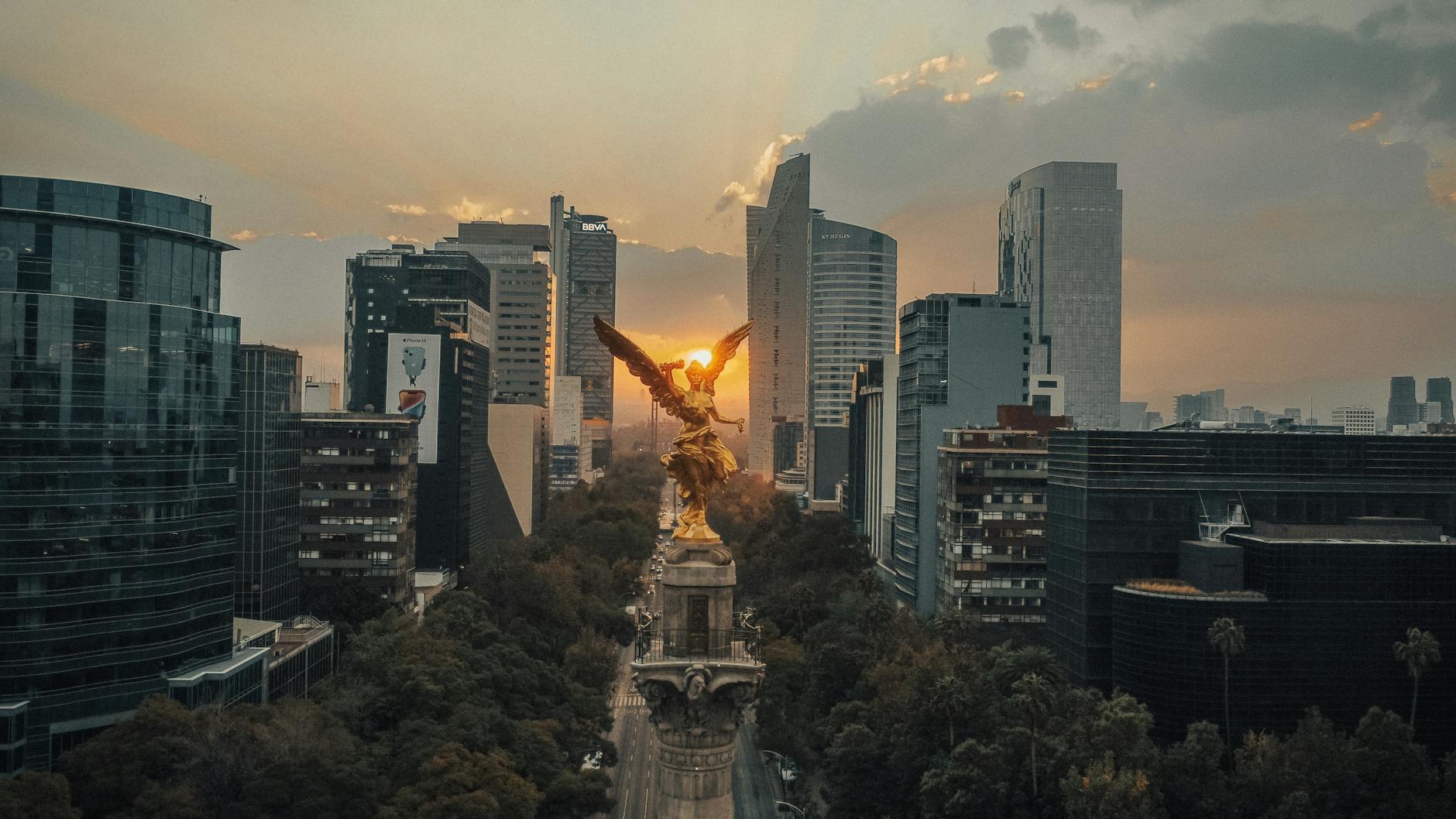
Consulting trips often hinge on a few high-value moments: a discovery interview, steering meeting, process walk-through, workshop, training session, or site inspection. In Mexico City, those moments may happen in a corporate tower, hotel meeting room, university, government office, plant, retail location, lab, museum-linked venue, or client's secondary site. Each setting changes the practical needs for visitor access, room setup, screen connection, Wi-Fi, translation, privacy, printed material, safety equipment, and timing.
Before travel, the consultant should confirm who owns the room, who can enter, whether laptops can connect to screens, whether guest Wi-Fi works, whether materials can be printed, and whether the day requires post-session synthesis. A workshop that ends at 5:30 p.m. may still need two hours of private work that evening. If the hotel, dinner plan, and transport route do not support that, the trip can lose its intellectual center.
- Confirm room ownership, visitor access, screens, guest Wi-Fi, printing, translation, and meeting materials before arrival.
- Plan site visits by transport, clothing, permissions, safety rules, note taking, and follow-up needs.
- Protect synthesis time after workshops instead of treating every evening as open for client hospitality.
Treat confidentiality and devices as travel logistics
Consultants routinely carry client-sensitive material through airports, cars, hotel lobbies, cafes, restaurants, and reception areas. Mexico City does not require theatrical caution, but consulting work does require ordinary discipline. A visible deck in a cafe, a confidential call in a lobby, a laptop left open during breakfast, printed notes in a vehicle, or a weak public network can create avoidable exposure.
The traveler should decide what can happen in public, where calls can be taken, whether a privacy screen is needed, how files will be stored, and what devices are permitted at the client site. VPN, roaming, multi-factor authentication, offline files, charging, backup internet, and power adapters belong in the travel plan. Confidentiality works best when it is built into normal movement before the consultant is tired and trying to finish work late.
- Define what work can happen in public spaces and what requires a private room.
- Check VPN, roaming, MFA, offline files, charging, backup internet, and client-device rules before the first meeting.
- Keep printed notes, visible screens, calls, and client files controlled during vehicles, cafes, and hotel transitions.
Plan meals, altitude, and evening output
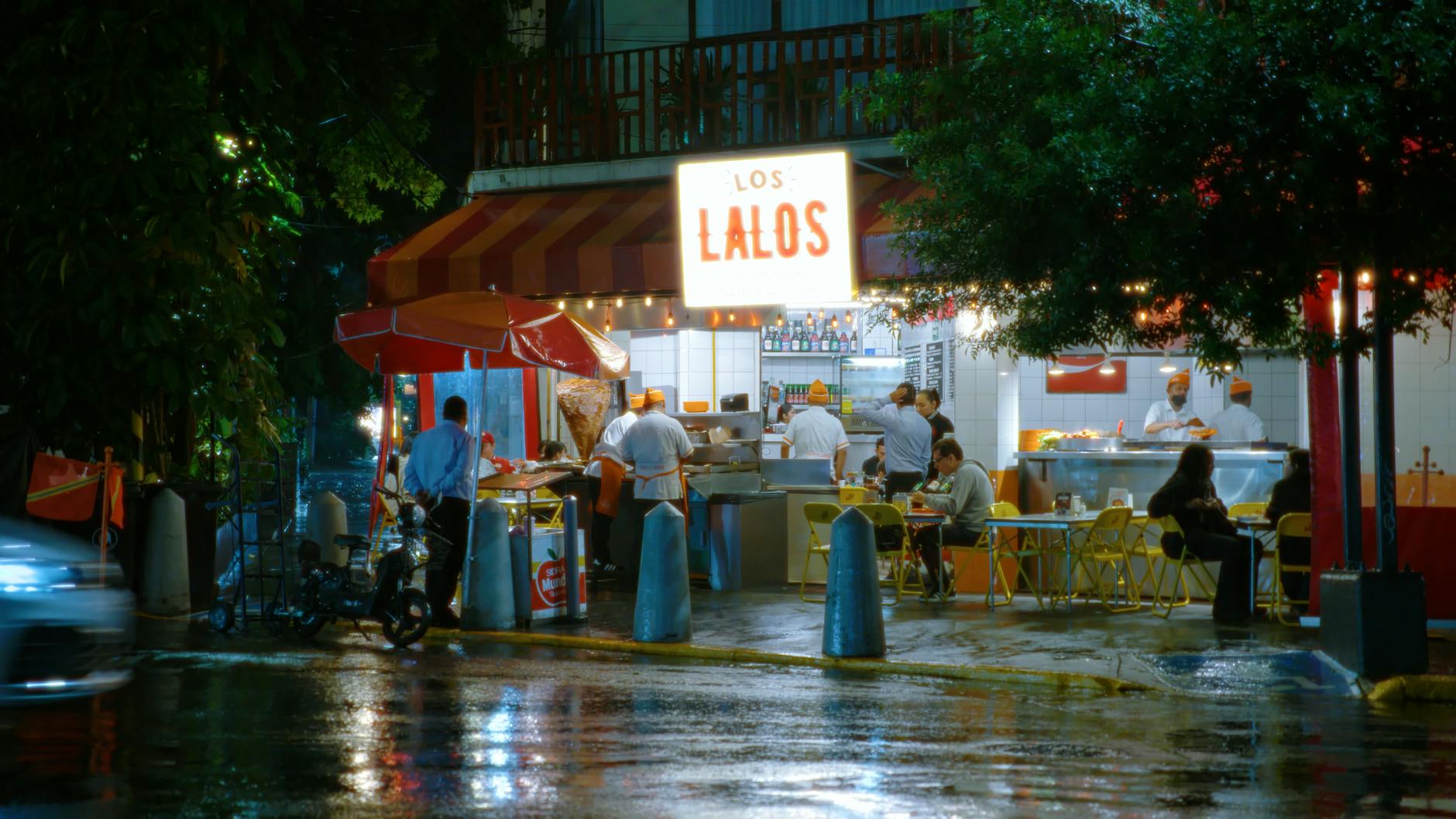
Mexico City client meals can be valuable, but they should be planned by project purpose. A formal dinner in Polanco, a working lunch near Reforma, a casual meal in Roma, a hotel breakfast meeting, and a quiet dinner close to the room all support different outcomes. The consultant should decide which meals are for relationship-building, which are for recovery, and which nights need to stay protected for analysis or deliverables.
Altitude, traffic, and long indoor days make this more important. A consultant who stacks a workshop, cross-city dinner, late return, and slide work may arrive at the next client day dull. Water, food timing, alcohol limits, quiet time, and a realistic return route are part of the work plan. Mexico City's restaurants can strengthen the engagement when they fit the route and schedule. They become a liability when they consume the evening the project needed for thinking.
- Separate client relationship meals from recovery meals and late deliverable nights.
- Choose restaurants by geography, noise, privacy, timing, traffic exposure, and return route as well as reputation.
- Protect water, sleep, and quiet work time because altitude and long client days can affect performance.
When to order a short-term travel report
A consultant visiting a familiar Mexico City client for one simple meeting may not need a custom report. A consultant supporting a new client, running workshops, visiting multiple sites, handling confidential material, choosing among Santa Fe, Reforma, Polanco, Roma, Condesa, airport, or client-adjacent hotels, managing late deliverables, or working under tight arrival timing should plan more carefully. The trip should be built around the engagement's weak points, not around generic business-travel advice.
The report should test client geography, lodging workability, arrival transfer, repeat commute, driver strategy, workshop setup, site visit sequence, device and privacy needs, traffic exposure, altitude and recovery rhythm, meal geography, evening output, and fallback options. The value is an engagement-specific operating plan that keeps the consultant punctual, composed, private, and mentally available for the work that justified the trip.
- Order when client geography, workshops, site visits, confidentiality, hotel choice, or late deliverables make friction costly.
- Provide client addresses, hotel candidates, meeting schedule, arrival details, device needs, site visits, and evening obligations.
- Use the report to protect working quality, not just to identify convenient places near the hotel.