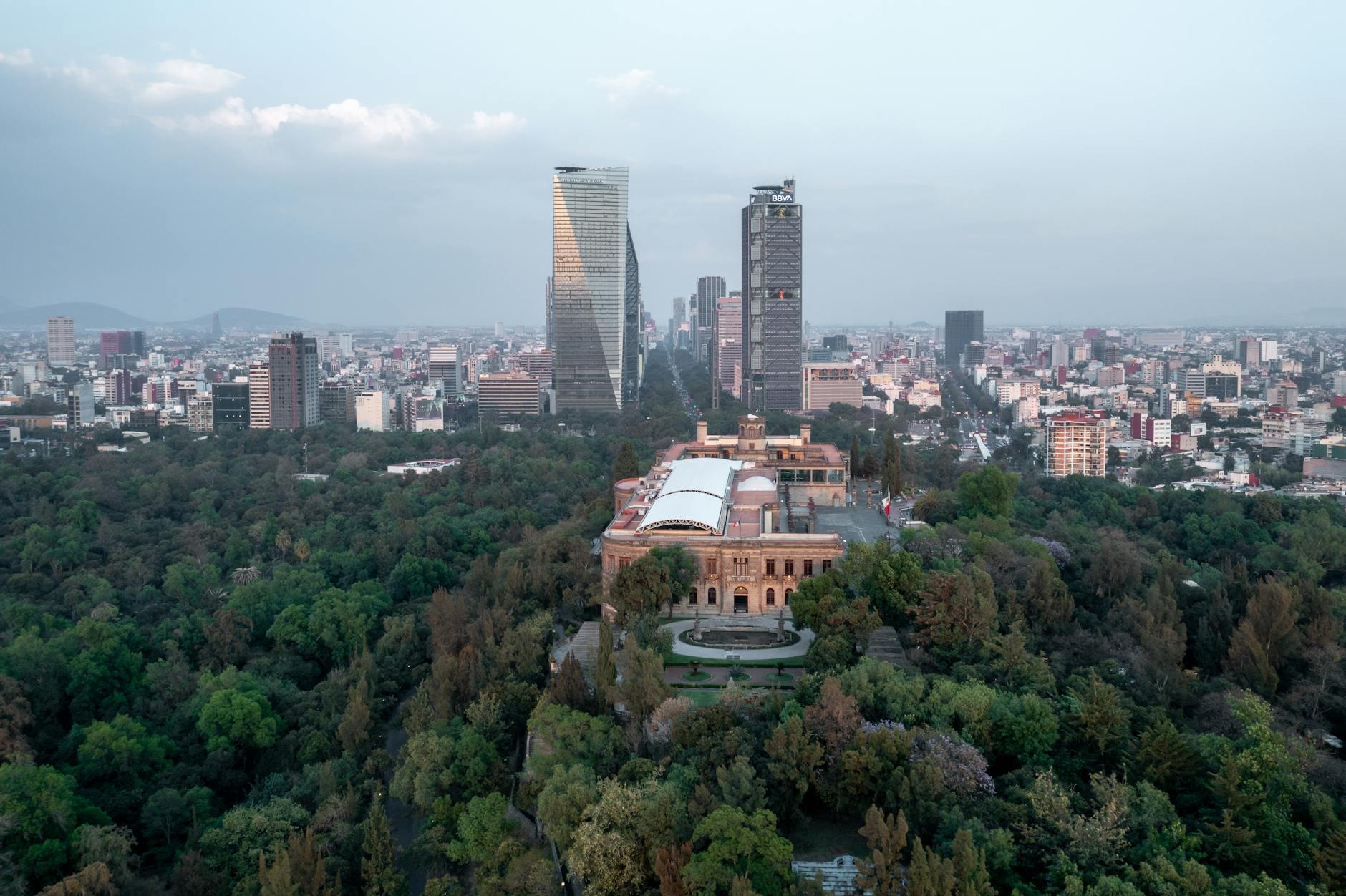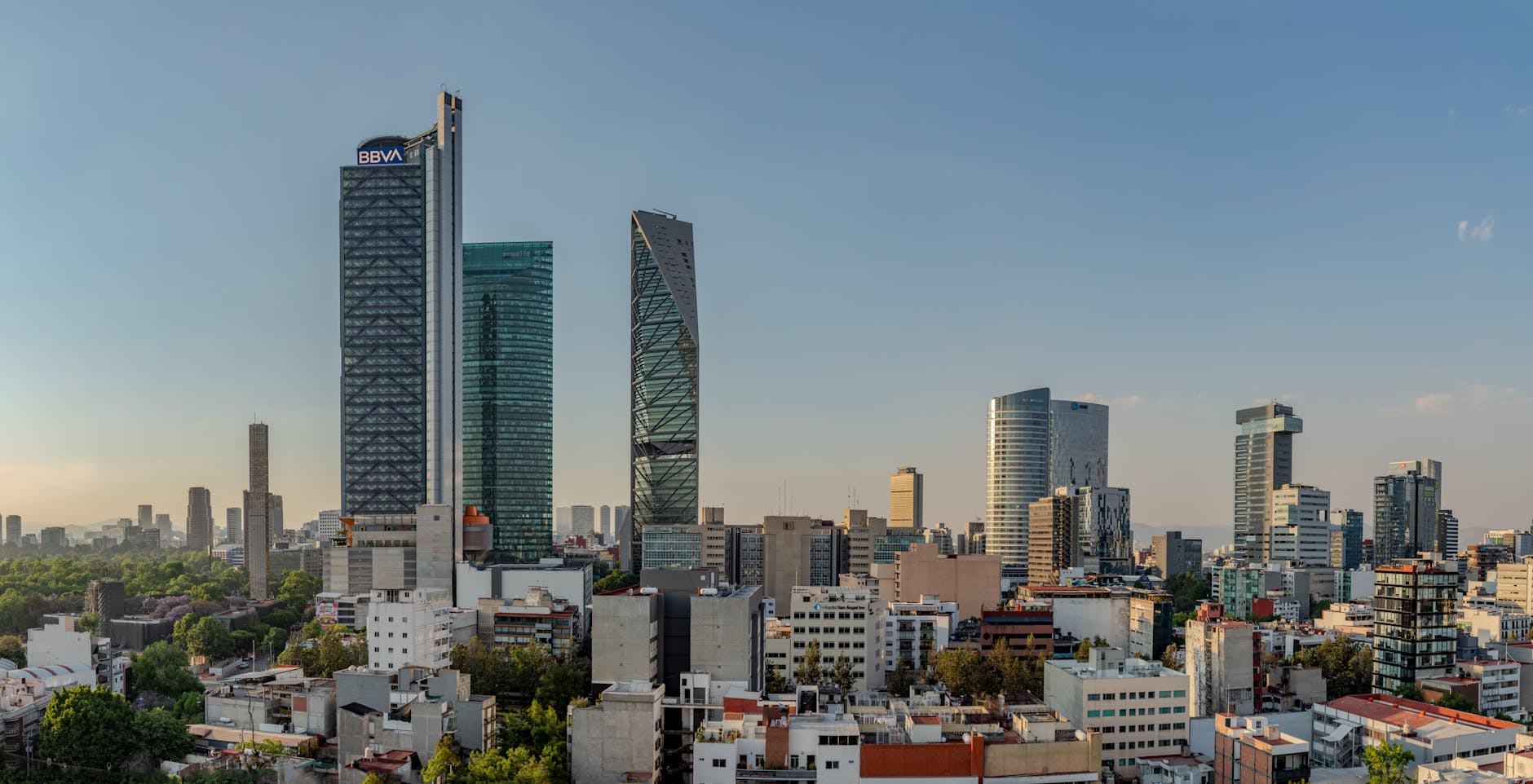
A short business trip to Mexico City can be highly productive, but it should not be treated as a simple capital-city visit. The city is large, district-driven, traffic-sensitive, and physically more demanding than some visitors expect because of altitude, air quality, long drives, and packed appointment days. A visitor may have meetings in Polanco, Reforma, Santa Fe, Roma, Condesa, Centro Historico, a government office, a university, a production site, or a peripheral corporate campus. Those locations do not behave like one interchangeable business zone. The strongest Mexico City business plan starts with the actual appointment map, then chooses the hotel, airport arrival, driver structure, meal rhythm, and security posture around that map. Mexico City can feel polished, cosmopolitan, and efficient when the trip is shaped well. It can also become a chain of late arrivals, overlong transfers, distracted street movement, and preventable fatigue when the traveler treats it as smaller than it is.
Map the business geography before choosing the hotel
Mexico City does not have one universal business center. Polanco, Reforma, Santa Fe, Roma Norte, Condesa, Centro Historico, Insurgentes, government corridors, industrial edges, universities, and airport-adjacent meetings create different operating days. A hotel that is excellent for Polanco dinners can be frustrating for Santa Fe commutes. A Reforma base can be useful for mixed meetings, but it still needs to be tested against exact addresses and hours.
The first planning step is to map every appointment, dinner, reception, site visit, and departure point. Then choose the hotel that reduces repeated friction, not merely the one with the best brand or the most familiar neighborhood. In Mexico City, a weak base can quietly consume the best hours of a short visit.
- Map exact meeting addresses before choosing Polanco, Reforma, Santa Fe, Roma, Condesa, Centro, or airport-area lodging.
- Separate client dinners, government calls, office visits, and peripheral site visits because they create different route logic.
- Choose the hotel that protects the repeated day, not just the most prestigious address.
Treat the airport arrival as a controlled handoff
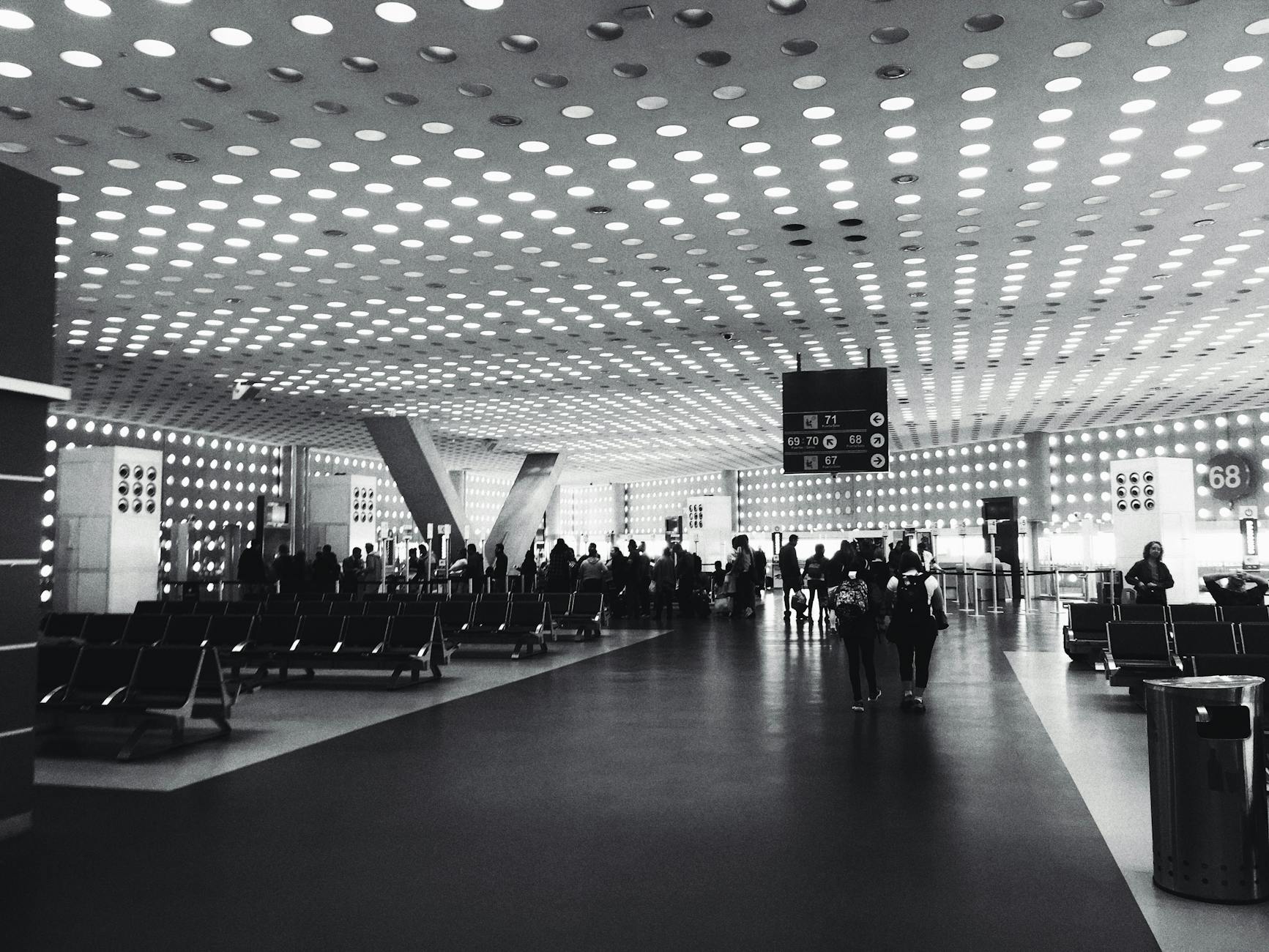
The arrival at Mexico City International Airport or Felipe Angeles should be planned as part of the working day, not as a casual first leg. Immigration, baggage, terminal meeting points, traffic, phone connectivity, driver identification, and the first hotel or office route all matter. A traveler landing before a same-day meeting should not be solving transport from the curb while tired, carrying devices, and trying to answer messages.
For many business travelers, a vetted driver or properly arranged hotel car is worth the extra cost. App-based transport can be useful in the city, but airport handoffs, luggage, seniority, privacy, and late arrivals may justify more controlled support. The traveler should know the terminal, pickup location, backup contact, and what to do if the first driver connection fails.
- Confirm airport, terminal, pickup point, driver identity, backup contact, and hotel or office route before landing.
- Use a vetted driver or hotel car when luggage, seniority, late arrival, or same-day meetings make simplicity more valuable.
- Build a recovery buffer before the first formal obligation, especially after an overnight or international flight.
Plan around traffic, altitude, and energy
Mexico City traffic is not background noise. It is one of the main forces shaping a business trip. A day that looks reasonable on a map can become a sequence of delayed arrivals if meetings are scattered across the city. Rain, protests, construction, large events, school traffic, and corridor congestion can all change the practical route. The traveler should cluster appointments where possible and avoid pretending that a cross-city hop is a minor errand.
Altitude and air quality also matter. Visitors who schedule dense meetings immediately after landing may find themselves more tired, dehydrated, or headachy than expected. A polished Mexico City trip protects food, water, sleep, and short reset windows. That is operational planning, not comfort padding.
- Cluster meetings by district and avoid unnecessary cross-city movement on the same day.
- Check traffic and event pressure before each critical movement, not only in the morning.
- Protect water, meals, sleep, and reset time because altitude and air quality can affect performance.
Choose transport for control, not just convenience
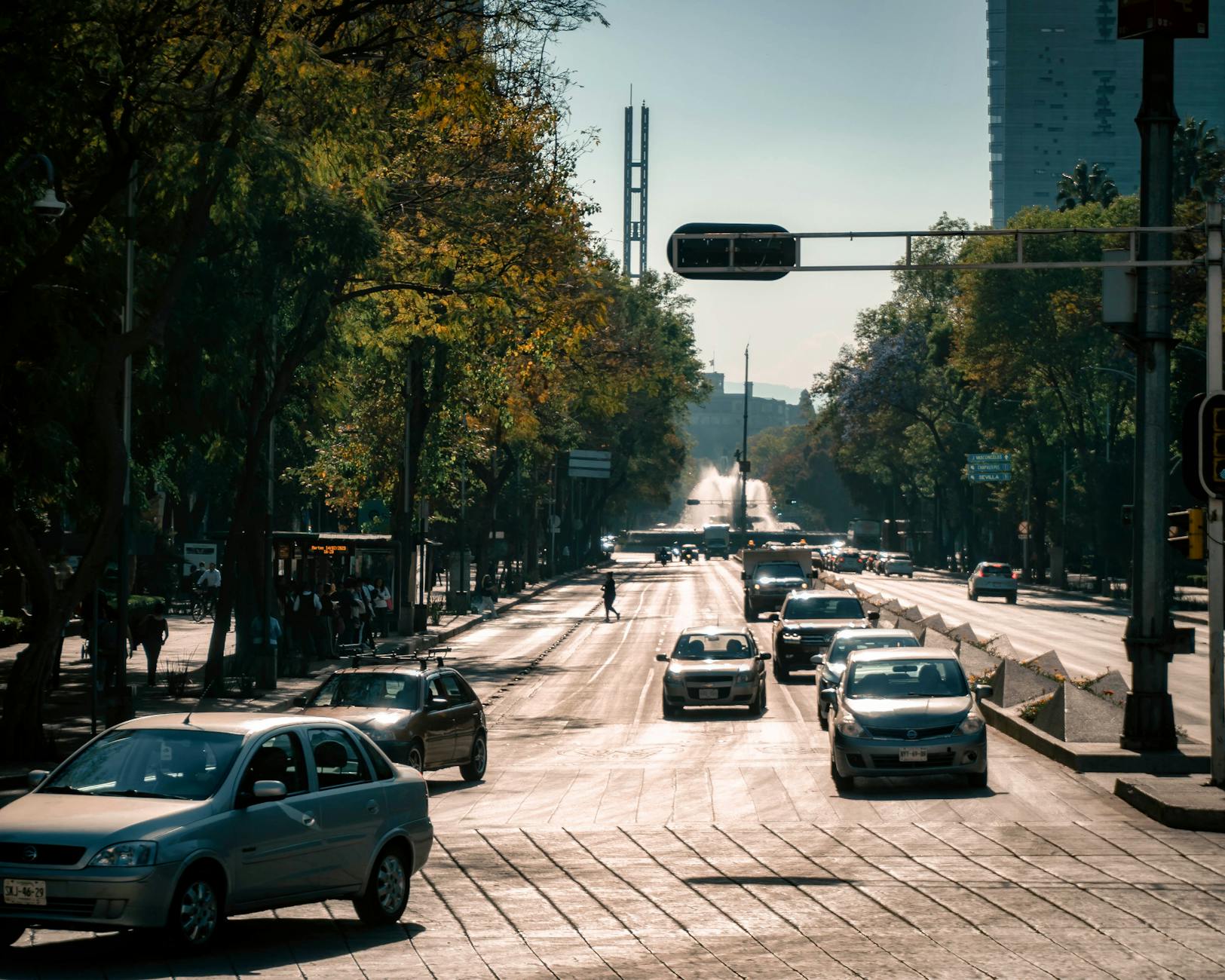
Business transport in Mexico City should be selected by route sensitivity, privacy, luggage, schedule pressure, and traveler profile. A vetted driver may be the right answer for senior meetings, multiple stops, confidential calls, heavy devices, or late evenings. App-based rides can work well for simpler movements, but the traveler should still understand pickup points, building access, and the possibility of delays. Walking can be useful in the right districts and wrong in others.
The weak points are often between formal stops: standing outside an office with a laptop bag, waiting for a car after dinner, checking messages at a curb, or using a phone visibly while distracted. The goal is not fear. The goal is to reduce exposed, uncertain moments when the traveler is tired, visible, and carrying business equipment.
- Use vetted transport for seniority, confidentiality, late evenings, multiple stops, or high-value devices.
- Confirm pickup points at offices, hotels, restaurants, and venues before the meeting ends.
- Reduce curbside waiting, distracted phone use, and exposed movement with laptops or documents.
Make the hotel a working control room
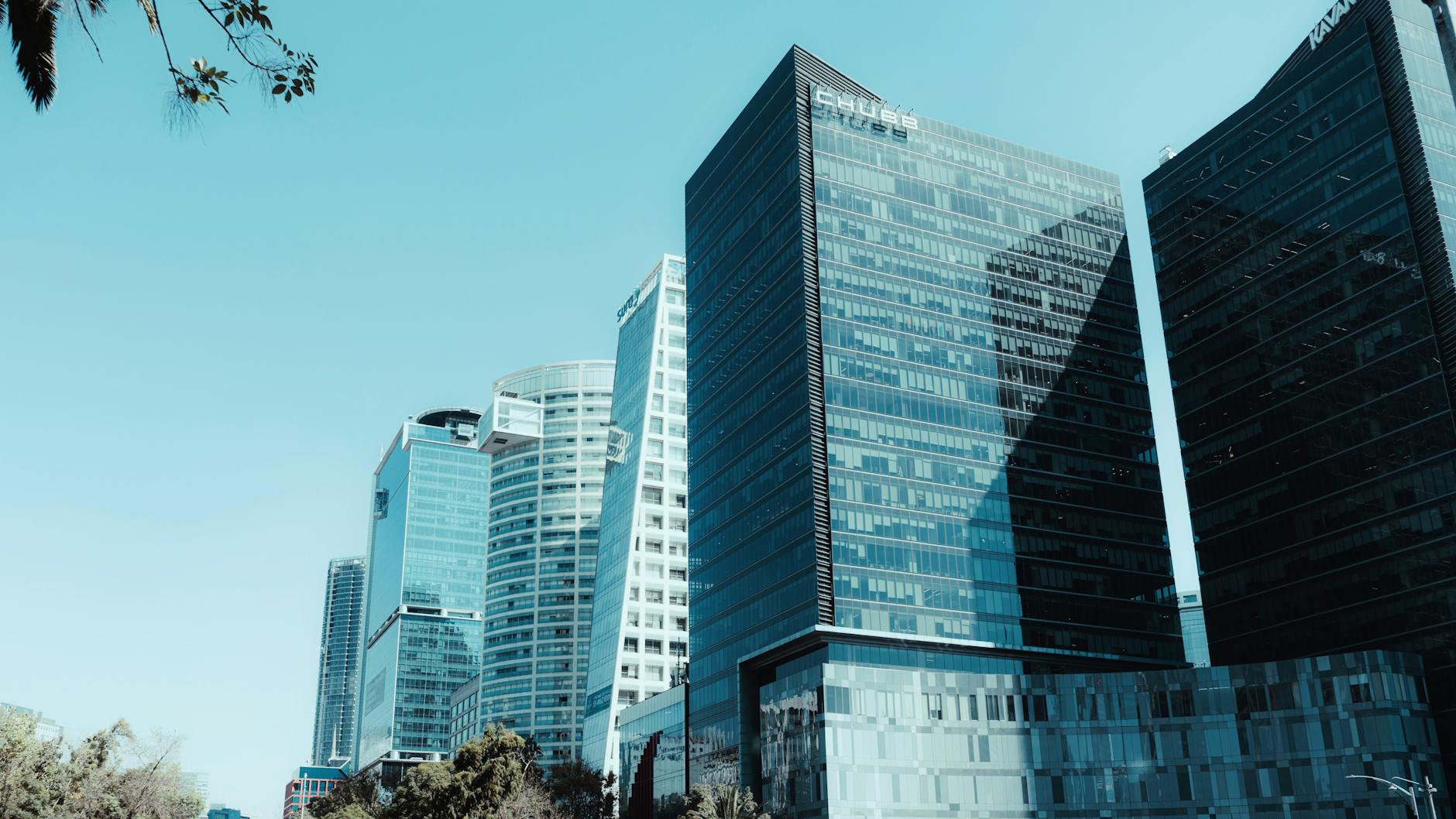
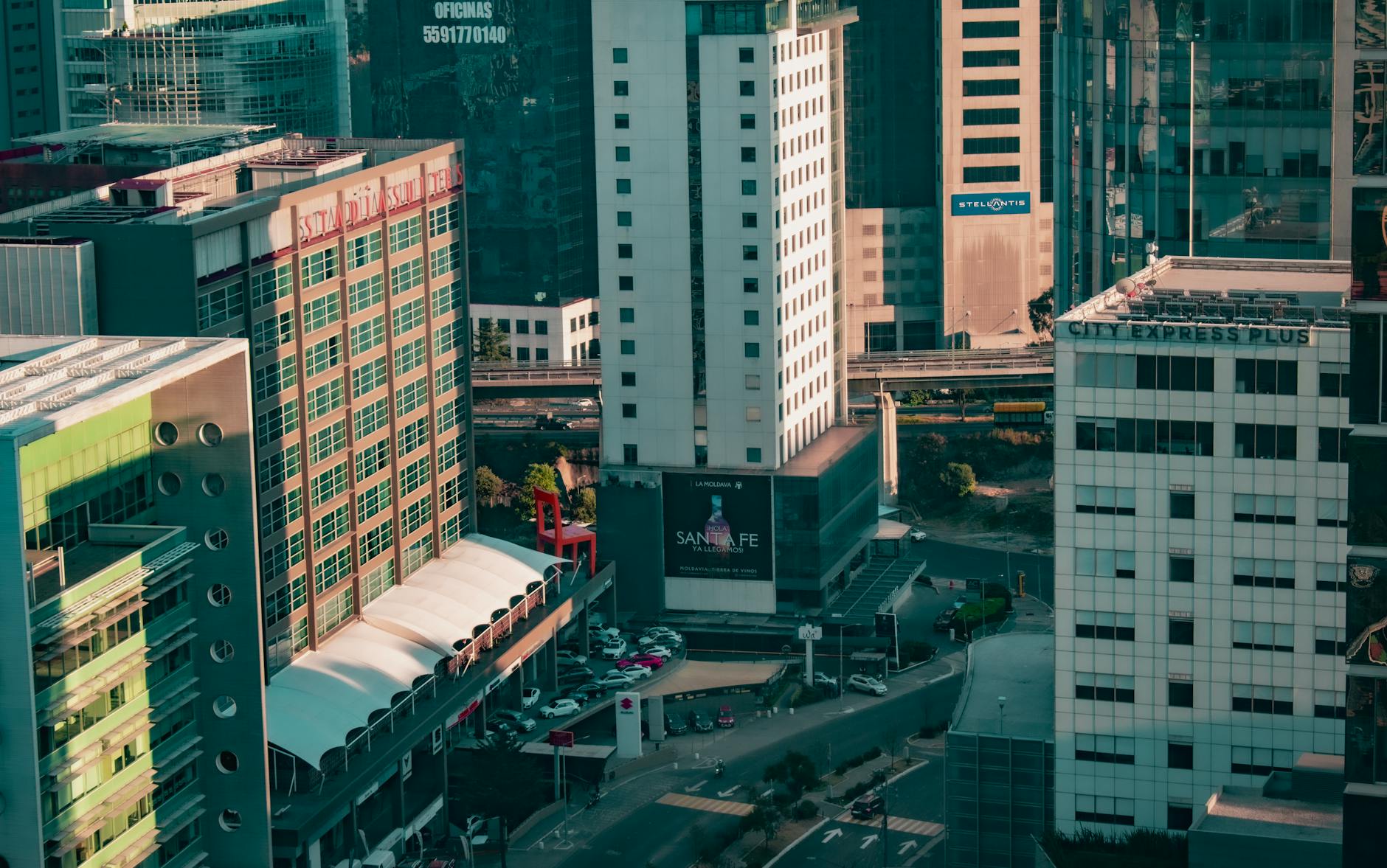
A Mexico City business hotel has to support more than sleep. It should allow clean vehicle access, reliable Wi-Fi, breakfast before early calls, a lobby that can support waiting or a quick meeting, quiet space for calls, useful concierge or driver coordination, and a neighborhood that still works after dinner. A beautiful but badly placed hotel can make each day feel improvised.
Polanco, Reforma, Santa Fe, Roma, Condesa, and airport-adjacent stays all solve different problems. The right base depends on where the traveler needs to be sharp, not on generic advice about the best neighborhood. For a two-night business visit, shaving one recurring transfer may matter more than a larger room.
- Check vehicle access, Wi-Fi, breakfast timing, lobby usefulness, quiet call space, and driver coordination.
- Use Polanco, Reforma, Santa Fe, Roma, Condesa, or airport-area hotels only when they match the appointment map.
- Prefer the base that reduces repeated transfers over the base that looks strongest in isolation.
Handle meals and evenings deliberately
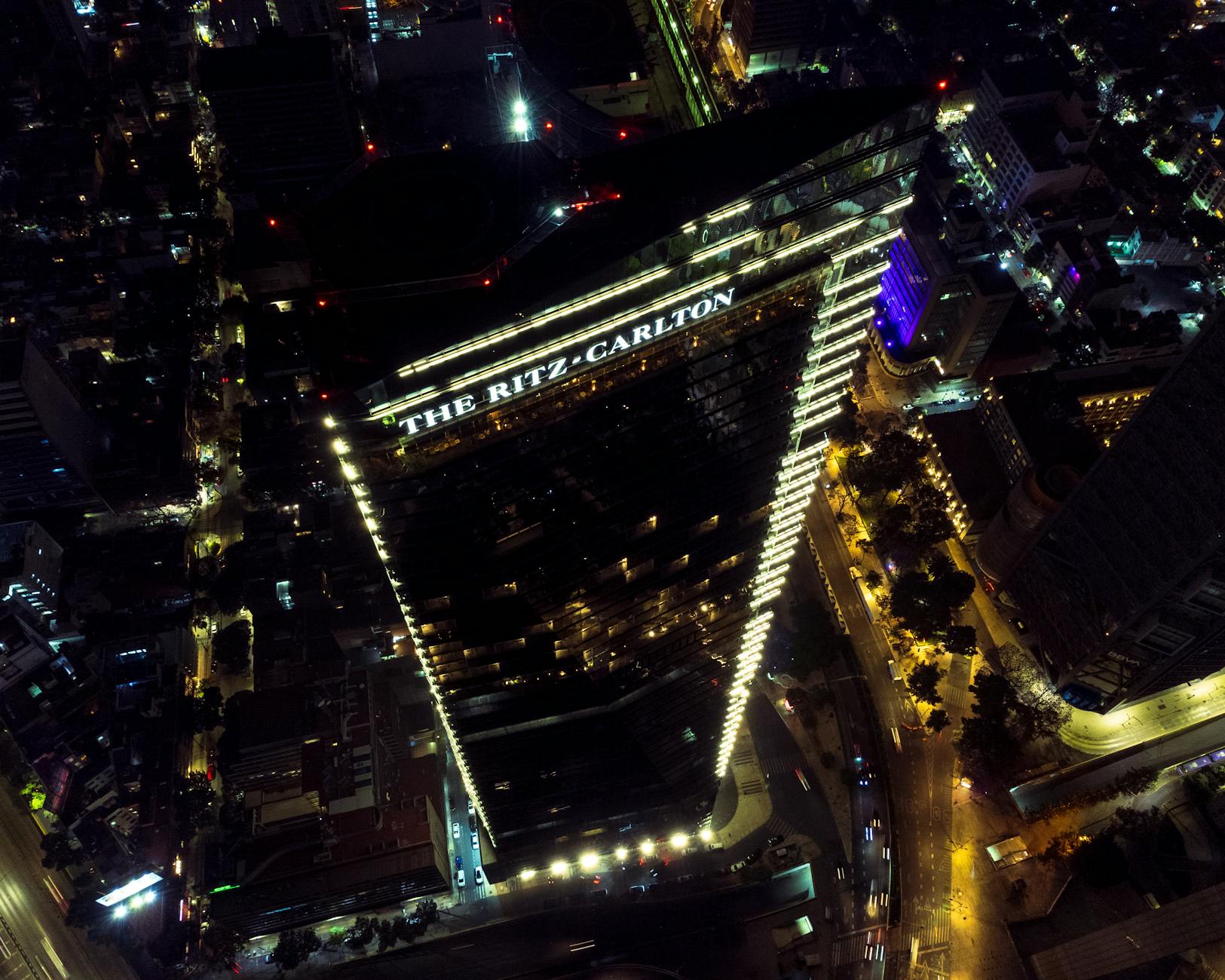
Business in Mexico City often extends into meals, drinks, and relationship-building time. That can be one of the strengths of the trip, but it should be routed carefully. A dinner that is excellent on its own can become a problem if it leaves the traveler far from the hotel, dependent on a late pickup, or facing an early meeting across town the next morning. District choice matters after dark as much as it does during the workday.
The traveler should also plan tone. Mexico City business hospitality can be warm and sophisticated, but the visitor still needs to manage alcohol, discretion, payment expectations, language, and the line between relationship building and overextending the night. The best evening supports the work purpose instead of consuming the next day's capacity.
- Choose dinner and reception locations with the hotel return and next morning in mind.
- Manage alcohol, payment, language, discretion, and late-night transport before the evening starts.
- Use business meals to strengthen the visit without sacrificing the next day's punctuality or energy.

When to order a short-term travel report
A simple Mexico City business trip with one flexible meeting and a generous schedule may not need a custom report. A report becomes useful when the traveler has seniority, confidential work, multiple districts, Santa Fe or peripheral site visits, late arrivals, unfamiliar airport choices, a tight first meeting, evening obligations, Spanish-language constraints, visible devices, or low tolerance for timing errors.
The report should test the exact hotel, airport, meeting addresses, dinner locations, driver strategy, traffic exposure, current local signals, and fallback options together. The value is not a generic statement that Mexico City is busy or interesting. It is a short operating plan that keeps a specific business visit punctual, discreet, and productive.
- Order when multiple districts, senior meetings, confidential work, late arrivals, or tight timing make improvisation expensive.
- Provide exact hotel, meeting addresses, airport, arrival time, dinner plans, language needs, and transport preferences.
- Use the report to pressure-test route, driver, hotel, evening, and fallback decisions before departure.