Mexico City can be excellent for budget travelers because much of its value is not locked behind expensive admission. Parks, street life, public plazas, markets, neighborhood walking, transit, casual food, bakeries, museums, and inexpensive taxis or rides by many international standards can make a short trip feel full without constant spending. The city also punishes the wrong kind of economy: a cheap room that adds long transfers, a late arrival without a transport plan, too many cross-city moves, or meals chosen only after the traveler is hungry in the most expensive part of the route. A strong budget plan for Mexico City is disciplined, not joyless. It decides where saving money is smart and where a little spending protects the trip from traffic, altitude, fatigue, weather, late returns, and avoidable confusion. The goal is not to prove that every choice was the cheapest one. It is to keep the trip vivid, safe, and workable while making the budget honest.
Do not let cheap lodging become costly movement
The lodging decision is the first budget test in Mexico City. A lower nightly rate can be a strong choice if the location supports the actual route, has reliable sleep, simple food nearby, clear entry, and an evening return that still feels manageable. It becomes a false economy when the traveler spends every day crossing the city, paying for extra rides, recovering from poor sleep, or avoiding the neighborhood after dark because the room only looked good on price.
Roma, Condesa, Reforma, Juarez, Centro, Polanco edges, Santa Maria la Ribera, Coyoacan, airport-adjacent stays, and cheaper outer districts all solve different budget problems. The right answer depends on the trip: museums, markets, nightlife, food, friends, work-adjacent obligations, or day trips. Budget travelers should compare lodging by total cost: room price, transport, time, sleep, final walk, baggage handling, and how often the location will force a paid ride.
- Compare lodging by nightly rate plus transport cost, sleep quality, food access, and late-return comfort.
- Pay more for a base when it prevents repeated cross-city rides or weak evening returns.
- Check the final walk, building entry, noise, and luggage plan before booking a bargain room.
Price arrival and transport before booking
Budget travelers should price the first and last movements before committing to a flight or room. Mexico City International Airport and Felipe Angeles create different transfer problems, and a cheap fare can lose value if it lands late, requires a long ride, or puts the traveler at the curb while tired with bags and a new phone setup. The best budget arrival is controlled enough to prevent the first hour from becoming the trip's most stressful hour.
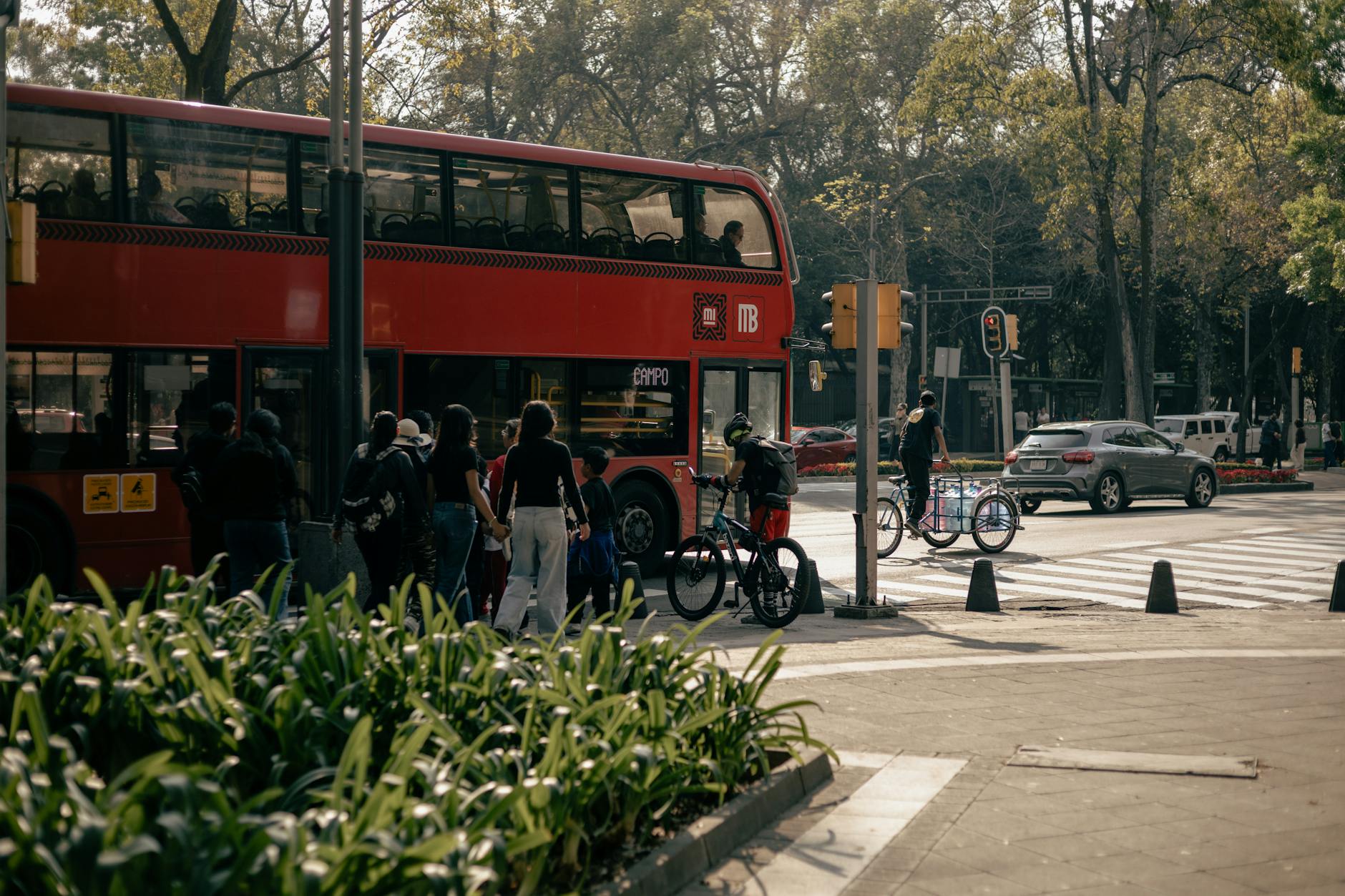
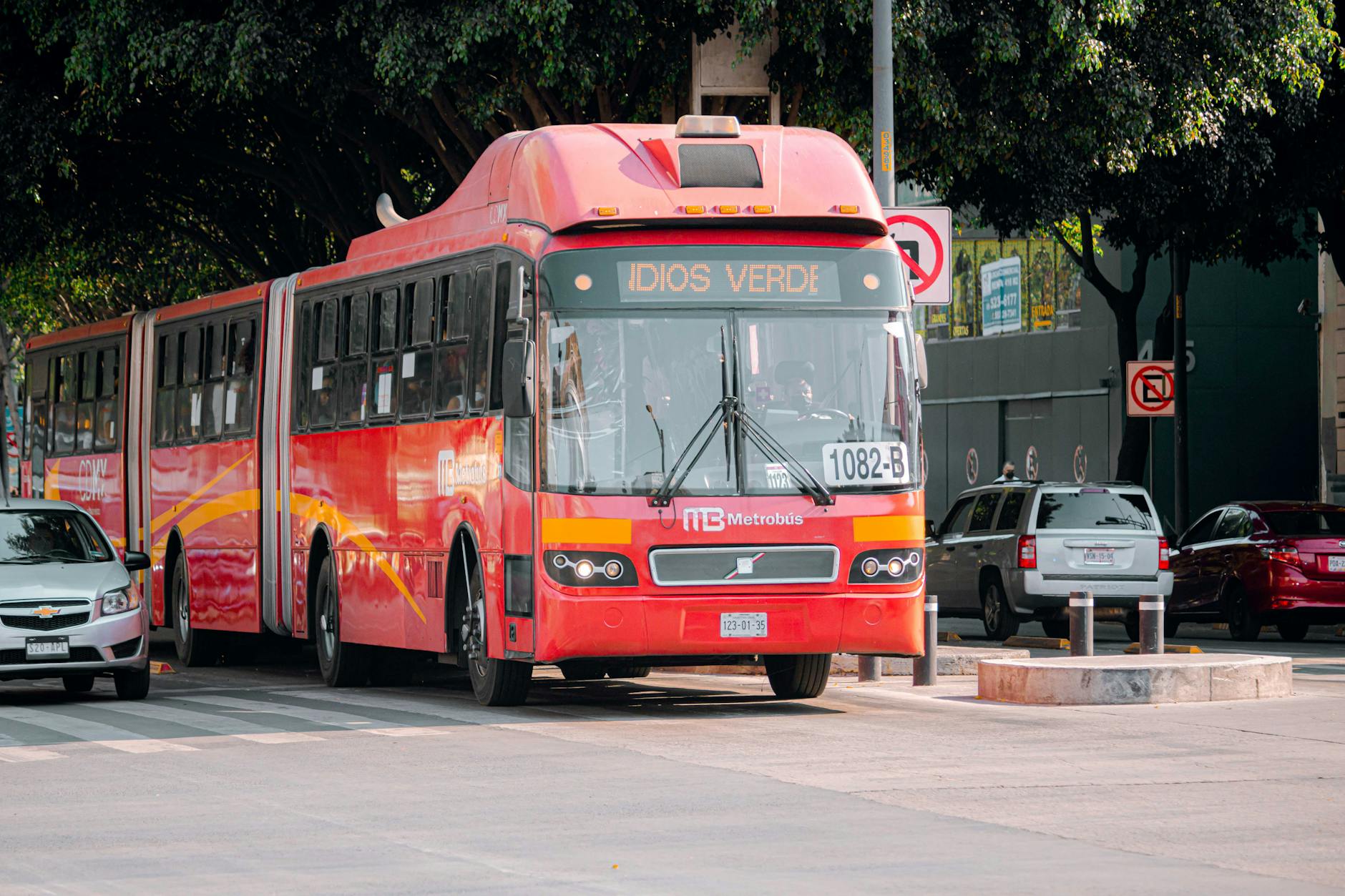
Inside the city, Metro, Metrobus, buses, walking, taxis, and app-based rides can all fit a budget trip, but not every route should be solved by the cheapest possible option. Metro and Metrobus can be useful for experienced urban travelers with light bags and clear routes. Paid rides are often worth considering for late arrivals, luggage, rain, poor air quality, cross-city jumps, or evenings. The test is whether the transport choice saves money without costing the day.
- Compare airports, landing time, transfer cost, and luggage reality before choosing the cheaper fare.
- Use Metro and Metrobus when the route, crowd level, luggage, and timing make sense.
- Spend on a simpler ride when fatigue, late timing, weather, or baggage makes the savings weak.
Build days around low-cost city strengths
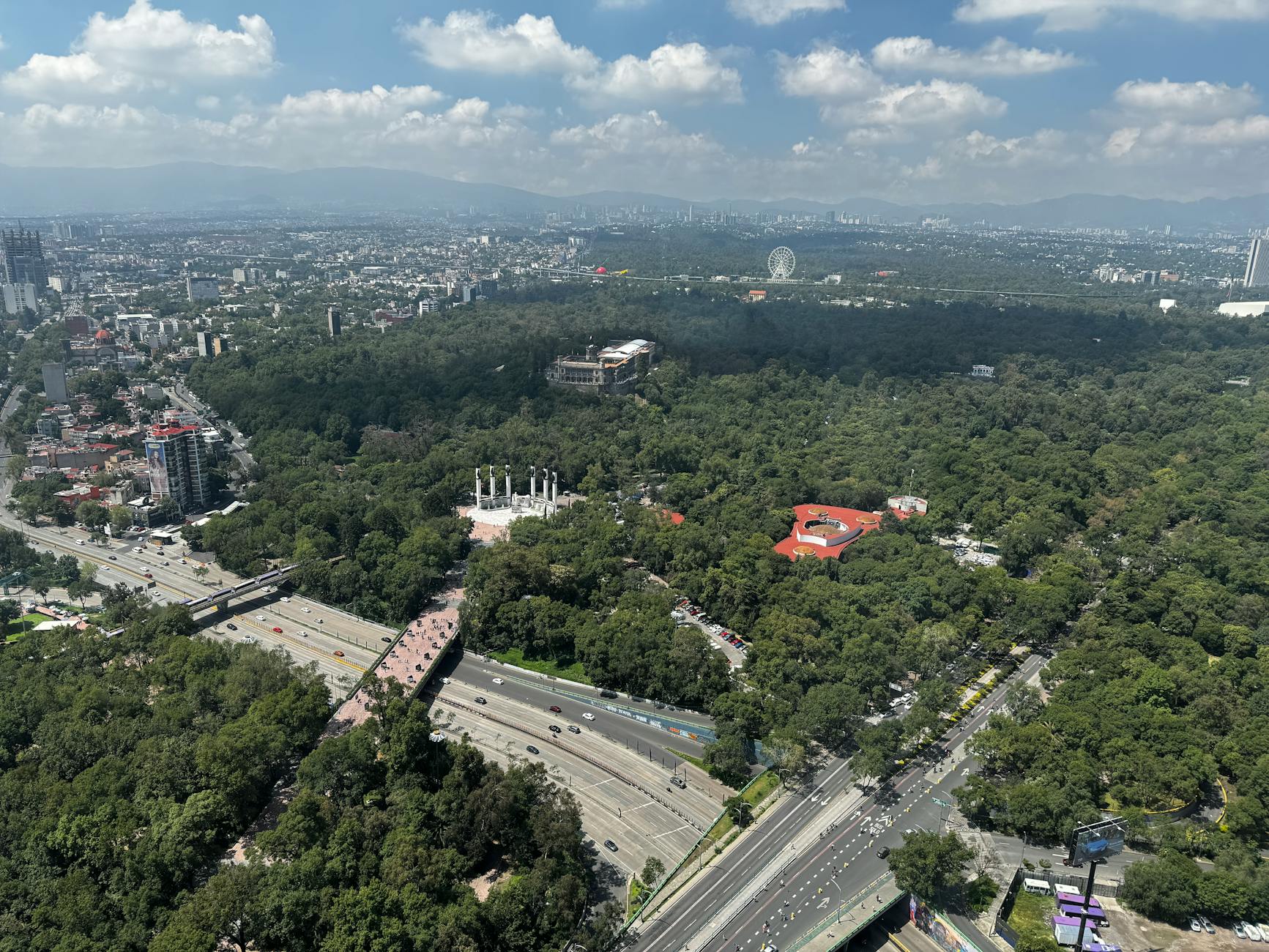
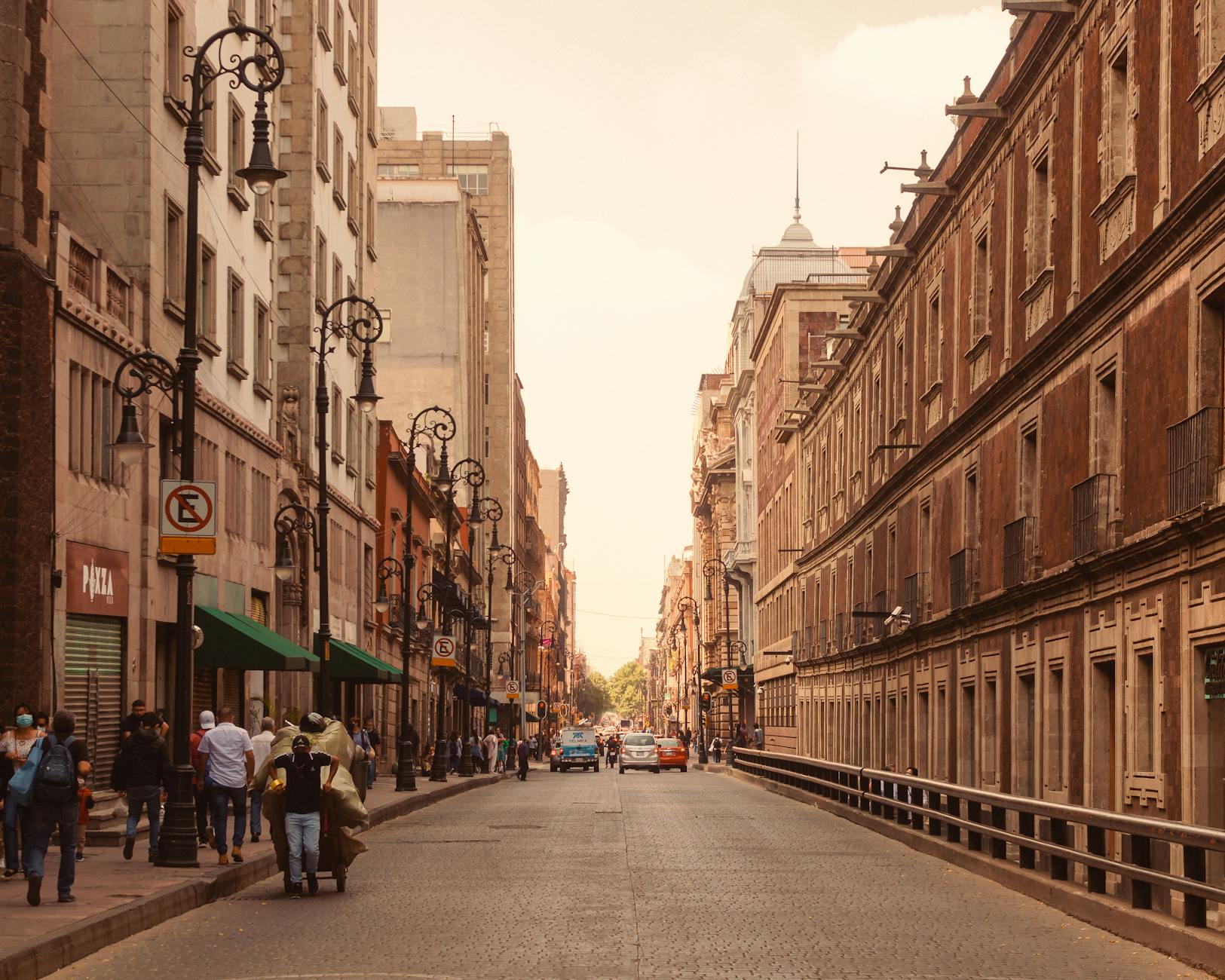
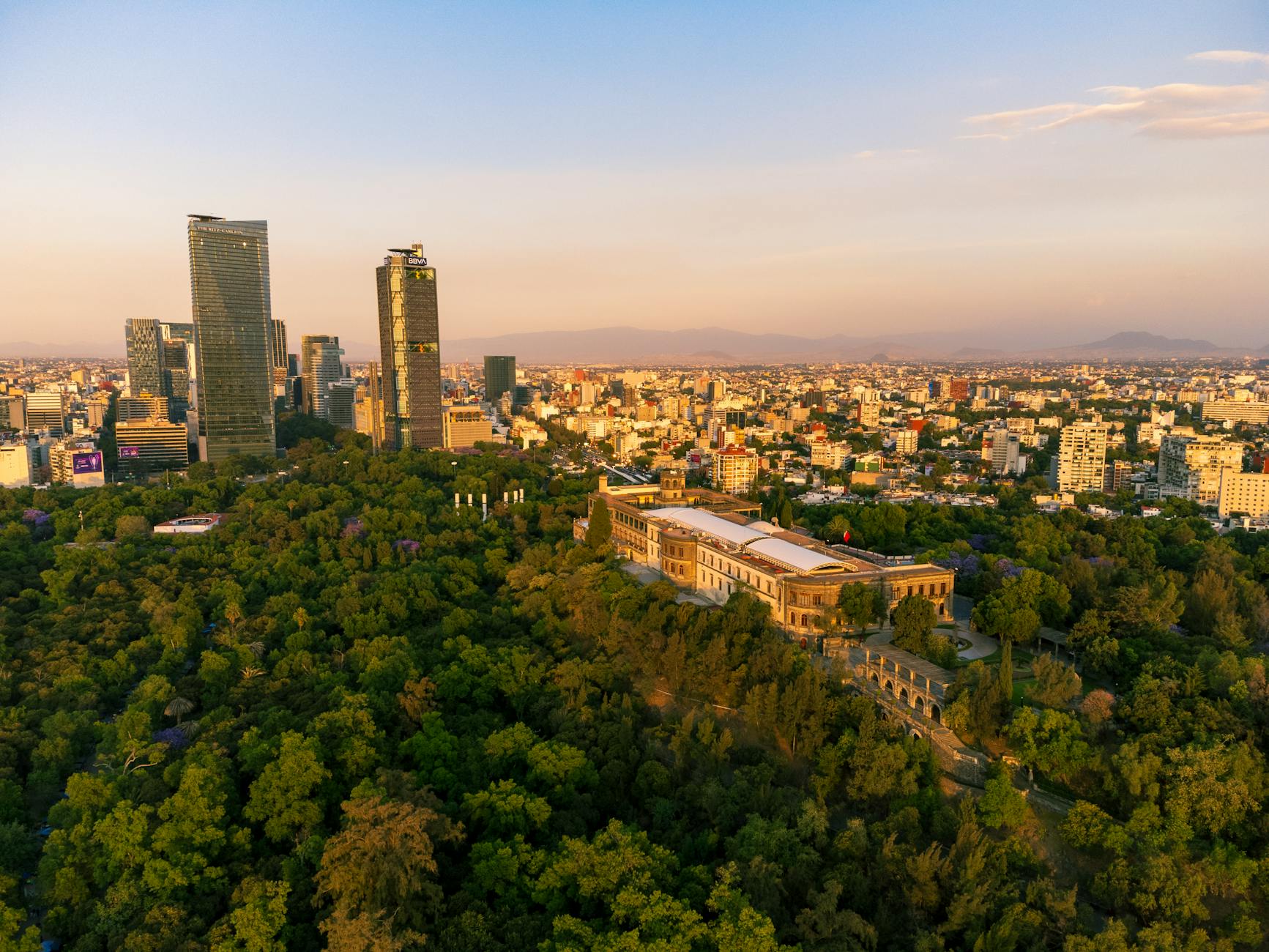
Mexico City gives budget travelers strong anchors without requiring constant ticket spending. Chapultepec, Alameda, Centro streets, public plazas, neighborhood walks, market areas, murals, parks, university and cultural districts, museum exteriors, and carefully chosen low-cost museums can carry a short trip. These should not be treated as filler around expensive experiences. They can be the main structure of the visit.
Free and low-cost time still needs design. A long park day needs water, food, bathrooms, shade, and a return plan. Centro can be rewarding but tiring if every landmark is stacked without breaks. Coyoacan, San Angel, Santa Maria la Ribera, Roma, Condesa, and Juarez each have different walking logic. Budget travelers should build clusters that feel coherent instead of spending money to compensate for scattered movement.
- Use parks, plazas, markets, neighborhood walks, and low-cost museums as real anchors.
- Cluster free sights by geography so saving money does not create exhausting movement.
- Check hours, closures, restrooms, shade, and current conditions before relying on a low-cost day.
Make food and water a budget system
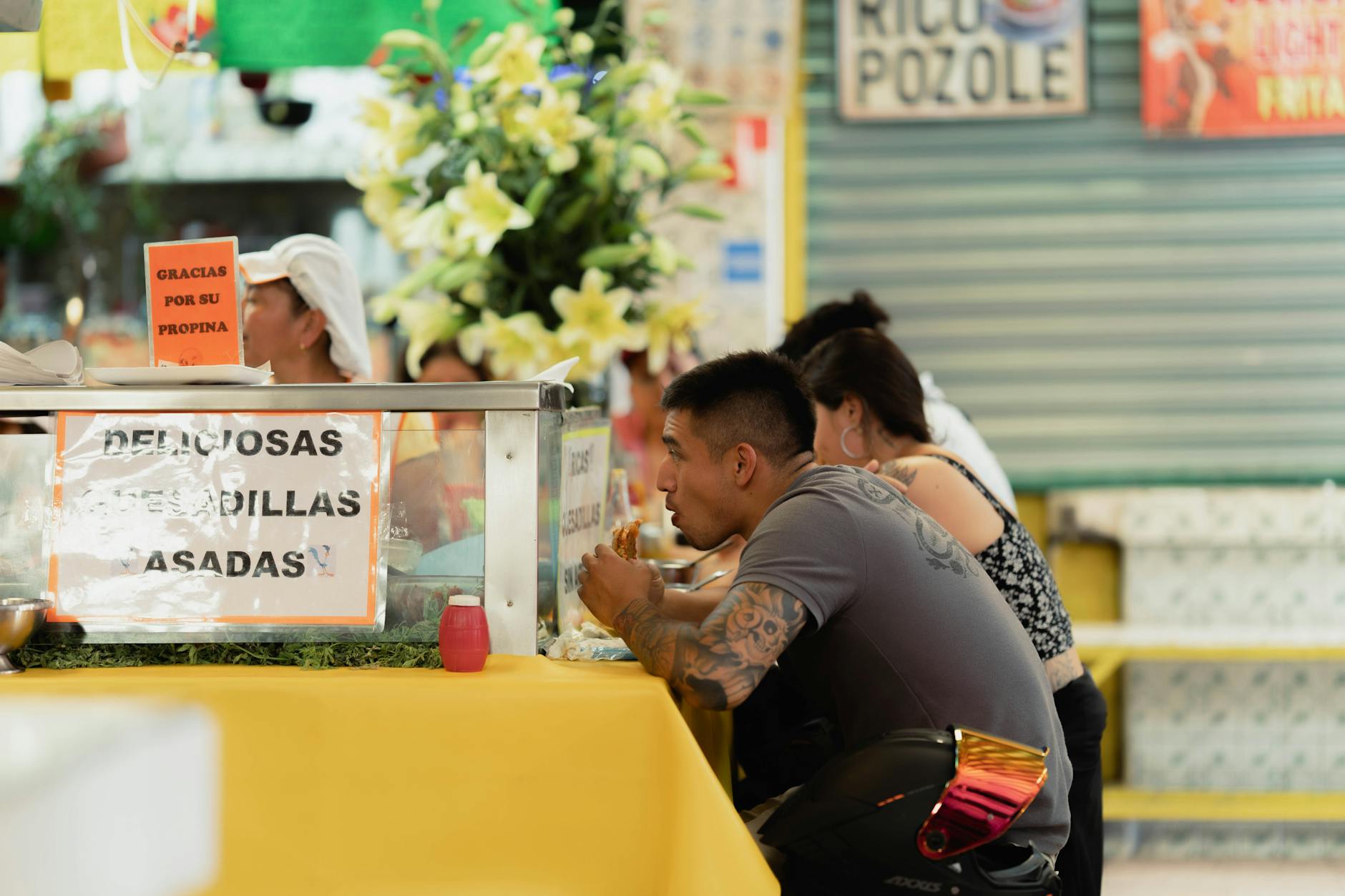
Food can make Mexico City feel generous to a budget traveler, but only when it is planned by geography. Street food, market meals, bakeries, fondas, cafes, taco stands, casual restaurants, supermarkets, and fruit vendors can keep costs reasonable while still making food a highlight of the trip. The weak version is waiting until hunger hits near a high-price museum, nightlife street, hotel lobby, or tourist-heavy square, then spending more for a meal that does not justify it.
Budget food planning should also protect health and energy. Altitude, walking, heat, alcohol, and long museum days can make water, breakfast, snacks, and seated breaks matter more than expected. The traveler should know a near-hotel breakfast, a low-cost lunch zone near each day's anchor, a dinner fallback close to the room, and which meals are worth paying more for. Saving money should not mean turning every meal into a search problem.
- Map low-cost food near the hotel, transit route, and each major daily anchor.
- Use markets, fondas, bakeries, taco stands, cafes, and supermarkets deliberately.
- Protect water, snacks, and seated meal breaks because altitude and walking can change the day.
Spend selectively on the paid moments
Budget travel in Mexico City does not mean avoiding paid experiences. It means choosing them well. A museum, special exhibition, guided route, performance, lucha libre night, serious meal, or day trip can be worth the money when it is the real reason the traveler came or when it makes the trip sharper. What weakens the budget is paying for filler all day and then skipping the one experience that would have defined the visit.
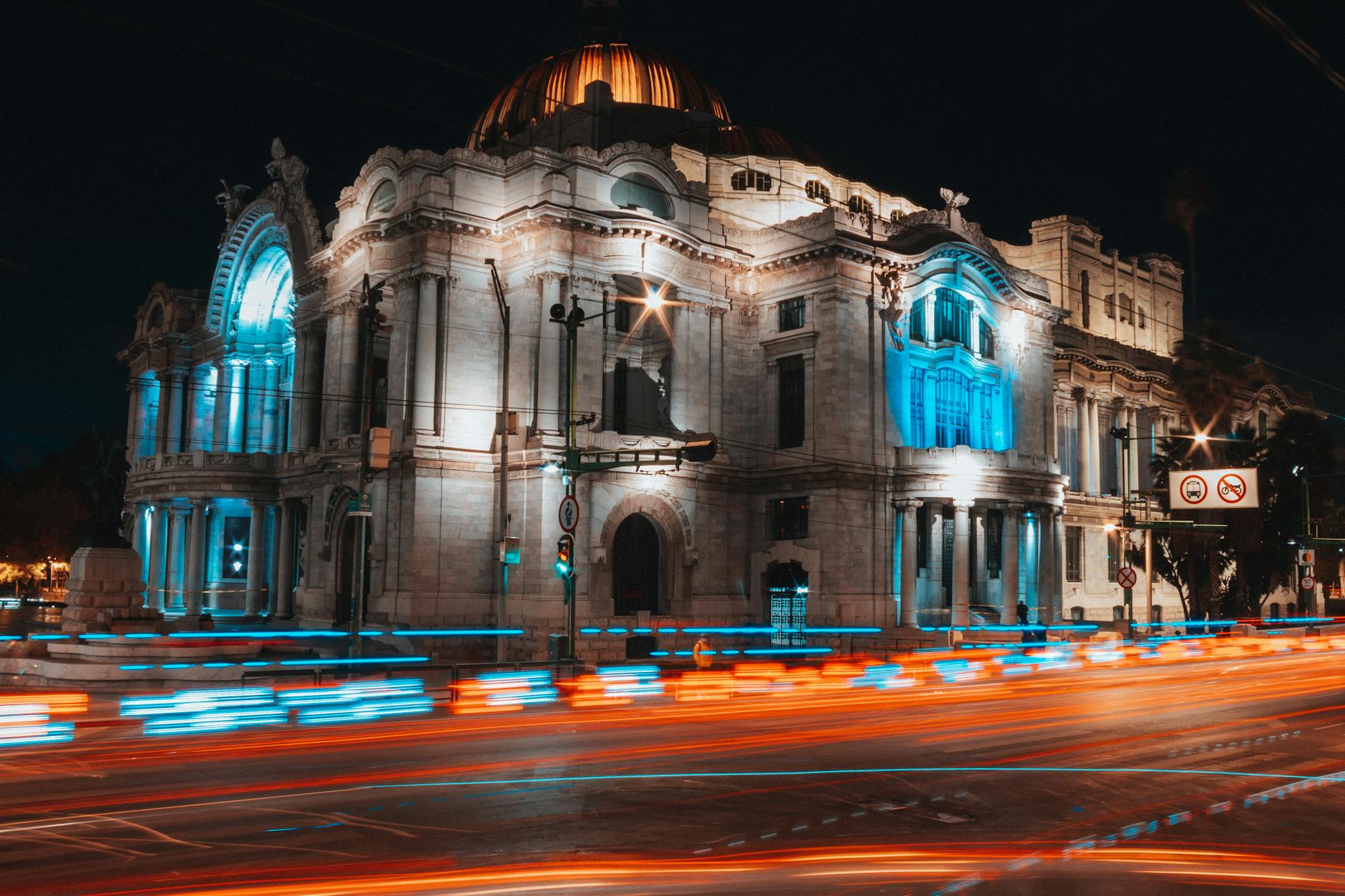
Paid anchors should be treated as structural pieces. If Bellas Artes, Anthropology, Frida Kahlo, Teotihuacan, a food tour, or a show matters, the surrounding day should be cheaper, closer, and calmer. Check current prices, opening days, reservation rules, and transport cost before buying. A ticket is not the whole cost if the site pulls the traveler across town at the wrong hour.
- Choose the paid experiences that match the trip's actual purpose.
- Build free or low-cost time around paid anchors instead of stacking tickets casually.
- Include transport, reservation rules, timing, and fatigue when deciding whether a paid item is worth it.
Avoid false economies after dark
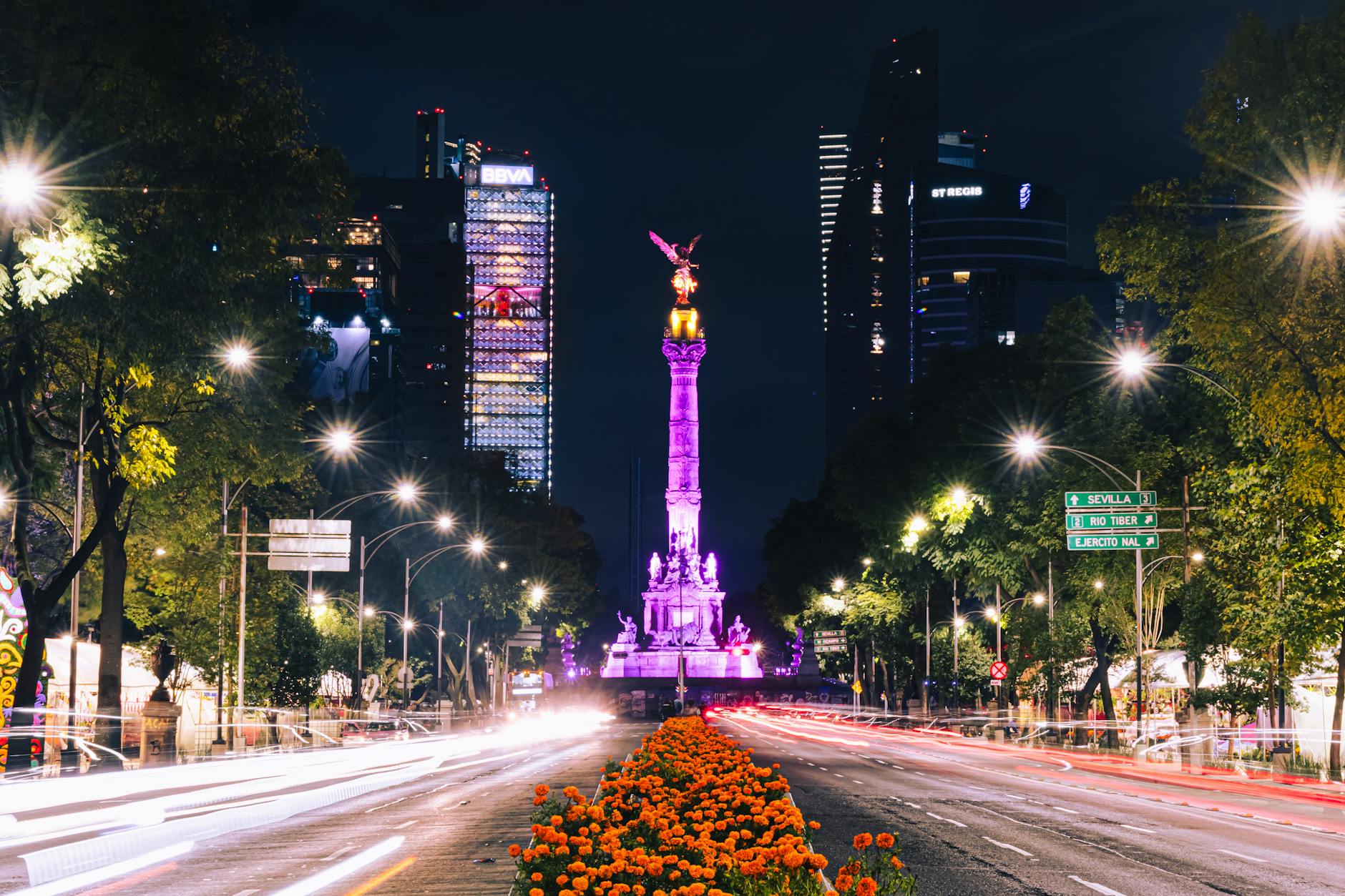
Evenings are where budget decisions can become expensive in stress. A cheap room far from dinner, a long walk after drinks, a phone battery near zero, a ride pickup chosen too late, or a refusal to pay for a safer return can undercut the savings from the entire day. Mexico City has excellent evenings, from casual tacos and cafes to bars, performances, plazas, and neighborhood walks, but the return should be planned before the traveler is tired.
Budget travelers should also protect belongings. Replacing a phone, passport, wallet, camera, glasses, or medication is far more expensive than ordinary urban discipline. Crowded transit, markets, nightlife streets, major squares, and curbside waits deserve a simple system: zipped bag, controlled phone use, backup card separated from daily cash, hotel address saved offline, and a clear point where saving a small amount stops being worth the exposure.
- Set evening return thresholds before leaving for dinner, drinks, or performances.
- Use a paid ride when distance, fatigue, weather, or late timing makes the cheaper route weak.
- Protect phone, passport, cards, cash, and medication as part of the budget strategy.
When to order a short-term travel report
A budget traveler with flexible dates, a strong lodging choice, and confident city skills may not need a custom report. A report becomes more useful when the traveler is choosing among cheap hotels in very different districts, arriving late, comparing airports, trying to use transit without overreaching, traveling solo, controlling food costs, adding paid museums or day trips, or trying to keep the trip inexpensive without making it fragile.
The report should test lodging options, arrival transfer, transit strategy, walking tolerance, free and low-cost anchors, food geography, paid-priority value, evening returns, current local signals, and false economies. The value is not a generic list of cheap things to do. It is a budget plan that shows where Mexico City can be enjoyed for very little, where spending protects the visit, and where a low price is likely to come back as friction.
- Order when lodging, airport transfer, transit, food cost, paid priorities, or evening returns could change the real budget.
- Provide hotel candidates, arrival airport, budget ceiling, walking tolerance, must-see items, food preferences, and evening plans.
- Use the report to separate smart savings from choices that only look cheap.