Mexico City is not an obvious outdoor base in the way a mountain town or beach destination is, but it can still work well for a short adventure or active travel trip. The city gives visitors access to Xochimilco canals, Bosque de Chapultepec, urban parks, Sunday cycling on major avenues, nearby forest zones, volcano views, and day trips such as Teotihuacan. The difficulty is that all of those options sit inside or beside a large, high-altitude capital where traffic, weather, air quality, crowds, permits, and return logistics matter. An outdoor traveler should not plan Mexico City as if every green area, canal, bike route, hike, and archaeological day trip can be stacked into one casual weekend. The better plan starts with the kind of movement the traveler actually wants: easy park time, kayaking, cycling, guided hiking, hot-air ballooning, photography, family-friendly outdoor time, or a harder route outside the core. The report-worthy question is how to make that movement fit the city without creating avoidable risk.
Choose the right kind of outdoor trip
Mexico City outdoor travel works best when the traveler is specific about intensity. A relaxed Chapultepec morning, a Xochimilco canal ride, a kayak outing, a Sunday cycling route, a forest hike, a Teotihuacan day trip, and a high-effort mountain excursion are not interchangeable. They require different pickup times, clothing, food, hydration, risk tolerance, and recovery time.
The traveler should decide whether the outdoor portion is the point of the trip or a break from museums, food, business, or family visits. If it is the point, the itinerary should protect the best weather window and the return plan. If it is secondary, the traveler should choose lower-friction options near the hotel rather than trying to force a demanding outing into a crowded short stay.
- Separate easy park time, canal outings, cycling, guided hikes, archaeological day trips, and mountain routes before booking.
- Match each activity to pickup time, gear, hydration, meals, recovery, and the traveler's actual fitness.
- Protect weather and return windows when the outdoor activity is the main purpose of the trip.
Treat Xochimilco as logistics, not just color
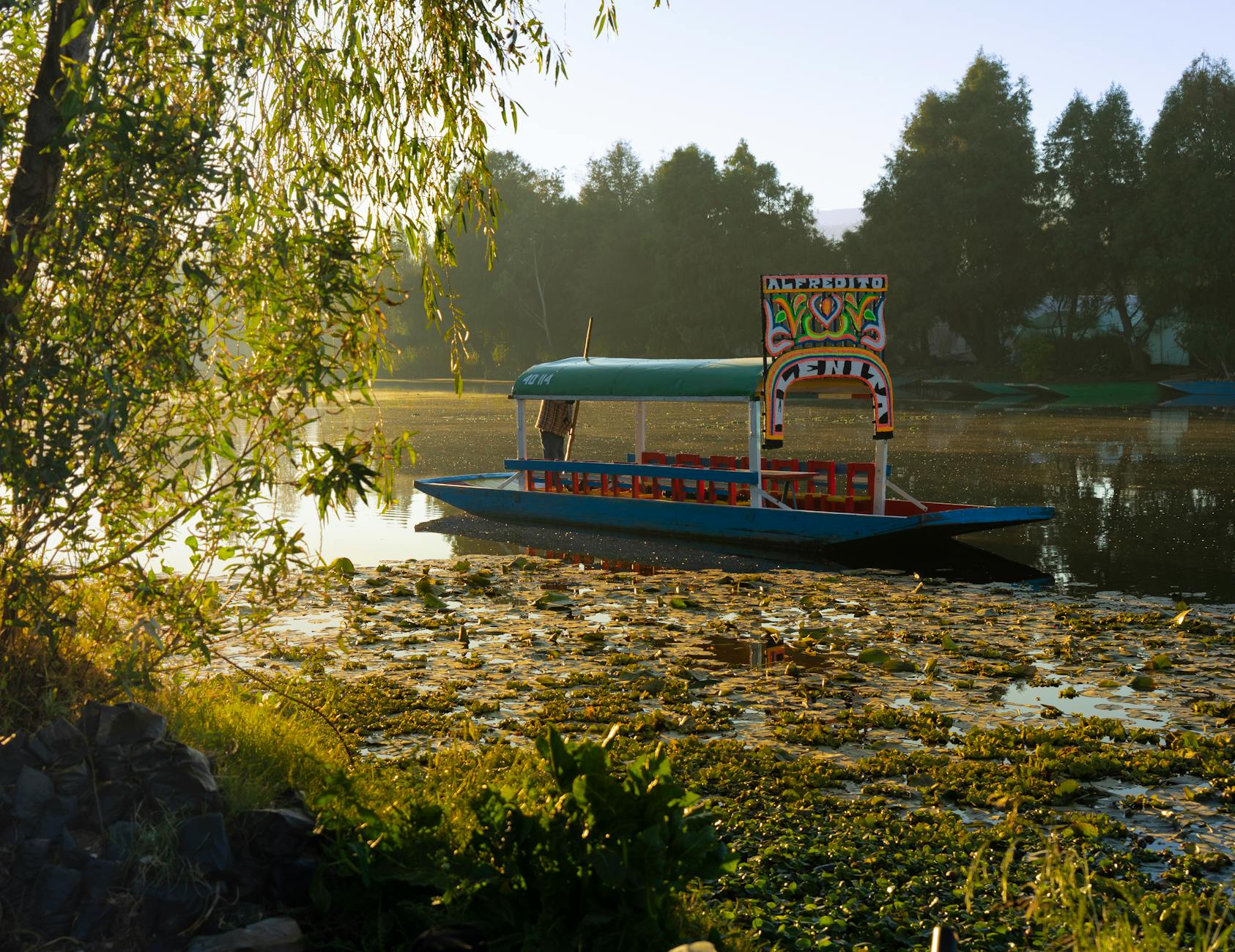
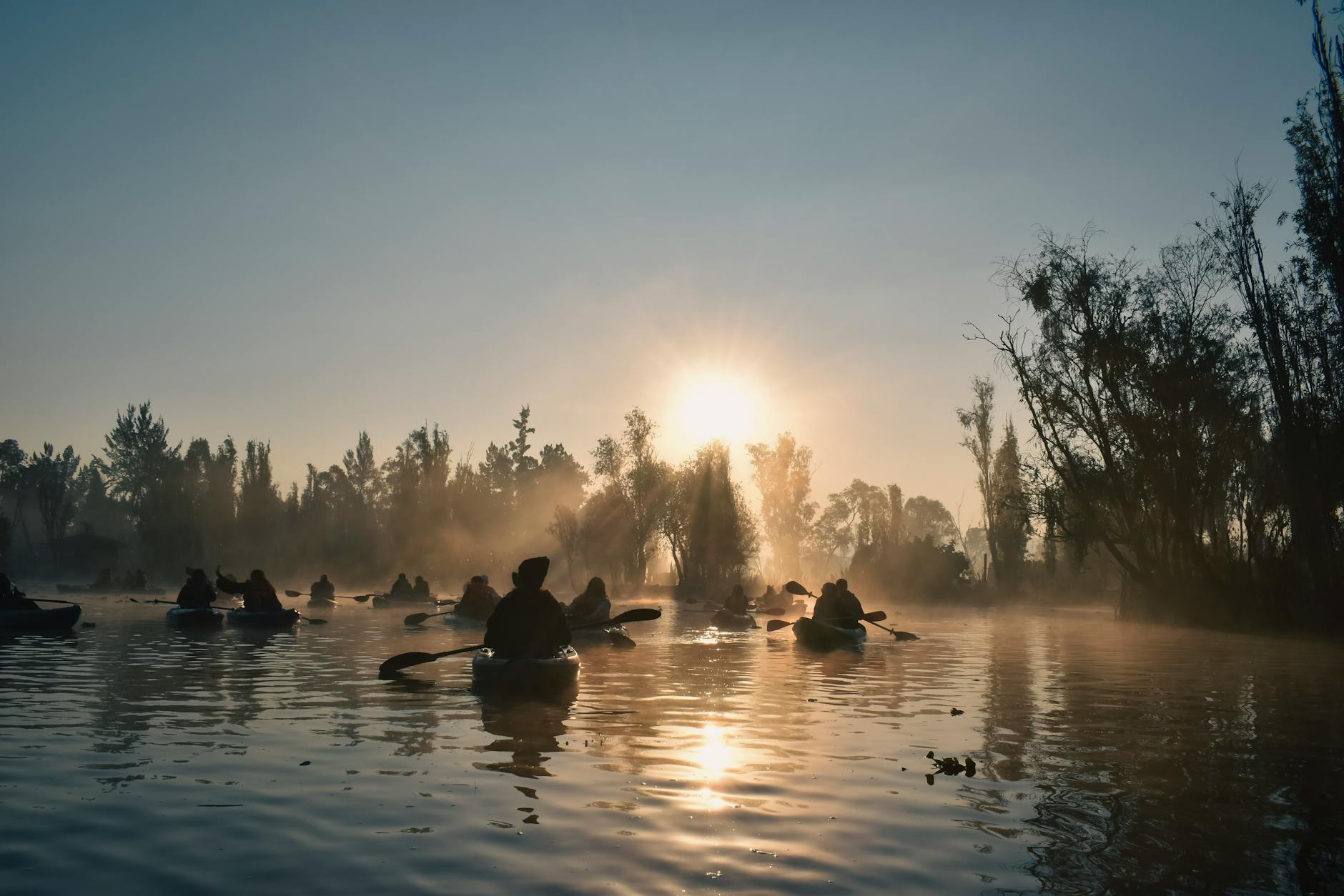
Xochimilco can be a calm canal experience, a social boat outing, a kayaking plan, a family visit, or a photography-heavy stop. Those versions do not feel the same. A visitor should decide whether they want a trajinera ride, a quieter ecological route, a paddle outing, food and music, or a short look at the canals before moving elsewhere. The starting pier, timing, group size, and operator choice matter.
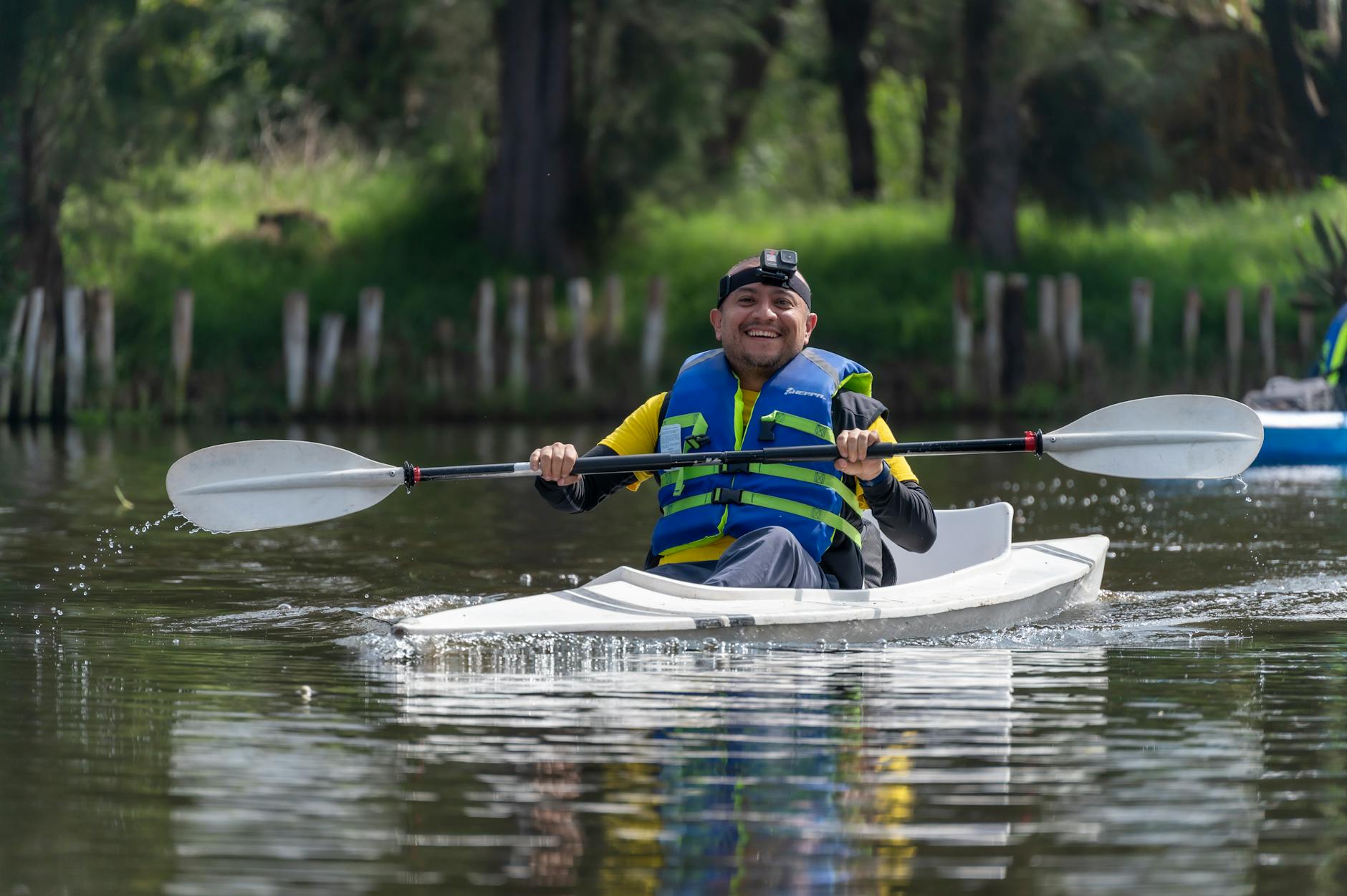
The practical questions are simple but important: how the traveler will get there, how long they will stay, what happens in rain, what food and bathrooms are available, whether anyone needs a life jacket or easier boarding, and how they will return after dark or heavy traffic. The canal experience is strongest when it has enough time and the right expectations.
- Choose between a trajinera ride, quieter canal route, kayaking, food-and-music outing, or brief cultural stop.
- Confirm pier, operator, duration, boarding, bathrooms, food, life jackets, weather plan, and return transport.
- Avoid treating Xochimilco as a quick color stop if the group actually wants a calm outdoor experience.
Use parks and cycling routes with city awareness
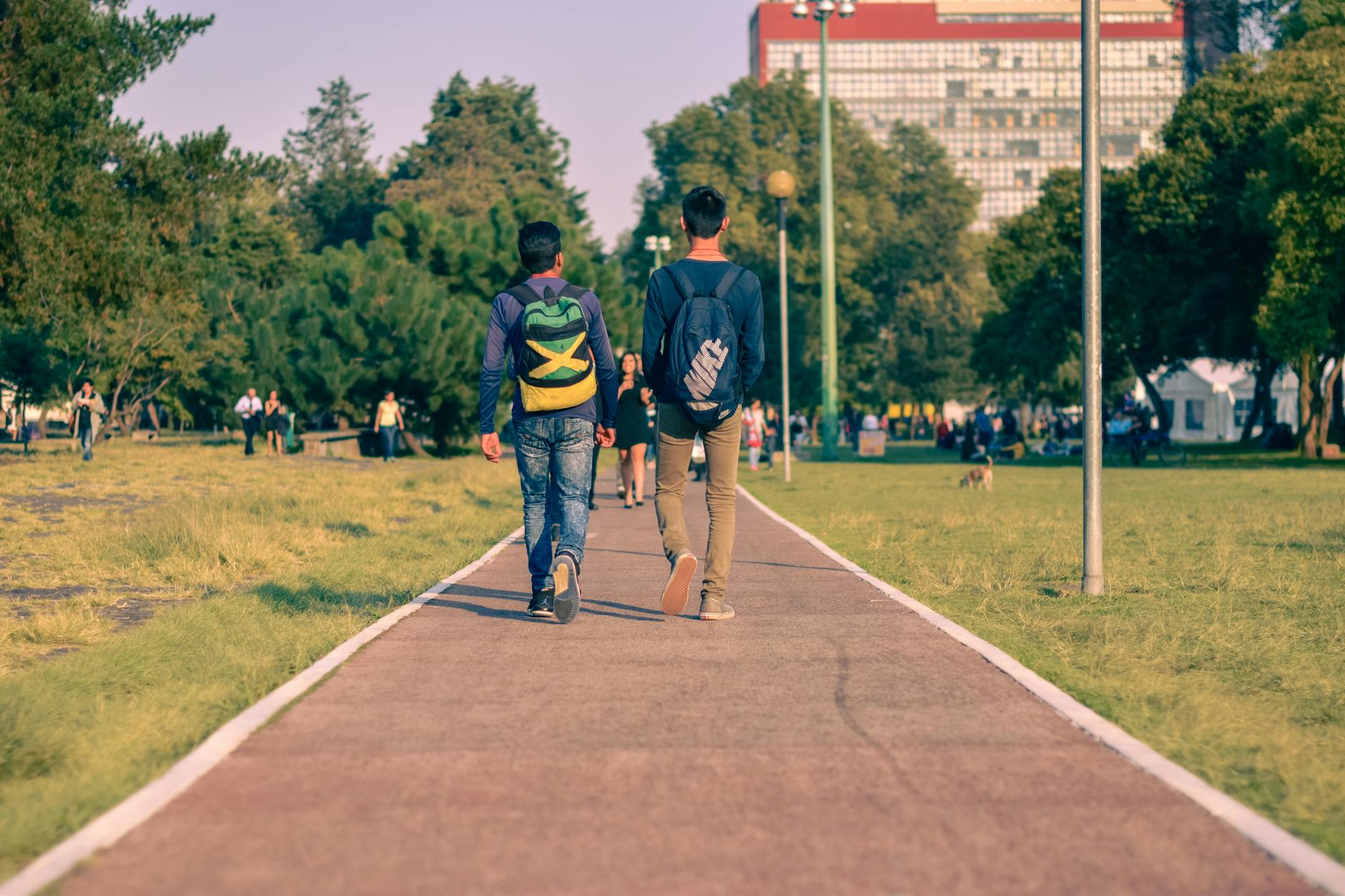
Bosque de Chapultepec, Alameda Central, neighborhood parks, Reforma, and organized cycling windows can give a visitor real outdoor time without leaving the city. They are still urban spaces. Crowds, closures, vendors, events, traffic crossings, bike availability, helmets, security, air quality, heat, and afternoon rain can change the day quickly. A traveler who wants a light outdoor plan should keep it simple and close to other useful stops.
Cycling requires particular caution. A Sunday ride, bike-share commute, guided cycling tour, and fast road ride are different activities. The traveler should choose the route by comfort in traffic, not by ambition. If the goal is to enjoy the city, an easy route with a clear end point is usually better than an improvised long loop.
- Use Chapultepec, Reforma, Alameda Central, and neighborhood parks as real outdoor anchors, not filler between indoor stops.
- Check closures, events, air quality, rain, crowds, bike availability, and traffic crossings before relying on a route.
- Choose cycling by traffic comfort and clear end points rather than by distance alone.

Respect altitude, air quality, and weather
Mexico City's altitude affects some travelers more than they expect, especially when the trip includes early flights, alcohol, long walks, stairs, heat, or a demanding activity on the first day. Air quality and seasonal rain can also change whether an outdoor plan feels pleasant or punishing. A short-term visitor should avoid scheduling the hardest activity immediately after arrival unless they already know how they respond.
The itinerary should include water, sun protection, layers, rain planning, medication, snack timing, and a realistic cutoff point. Outdoor travelers often focus on routes and equipment, but fatigue is the hidden variable. A good Mexico City plan lets the traveler stop before a scenic outing turns into a recovery problem.
- Avoid placing the hardest hike, ride, or long walking day immediately after arrival if altitude may be a factor.
- Build water, sun, layers, rain gear, snacks, medication, and rest into the outdoor plan.
- Check current air quality and weather before committing to a strenuous route or exposed viewpoint.
Be careful with forest hikes and edge-of-city routes
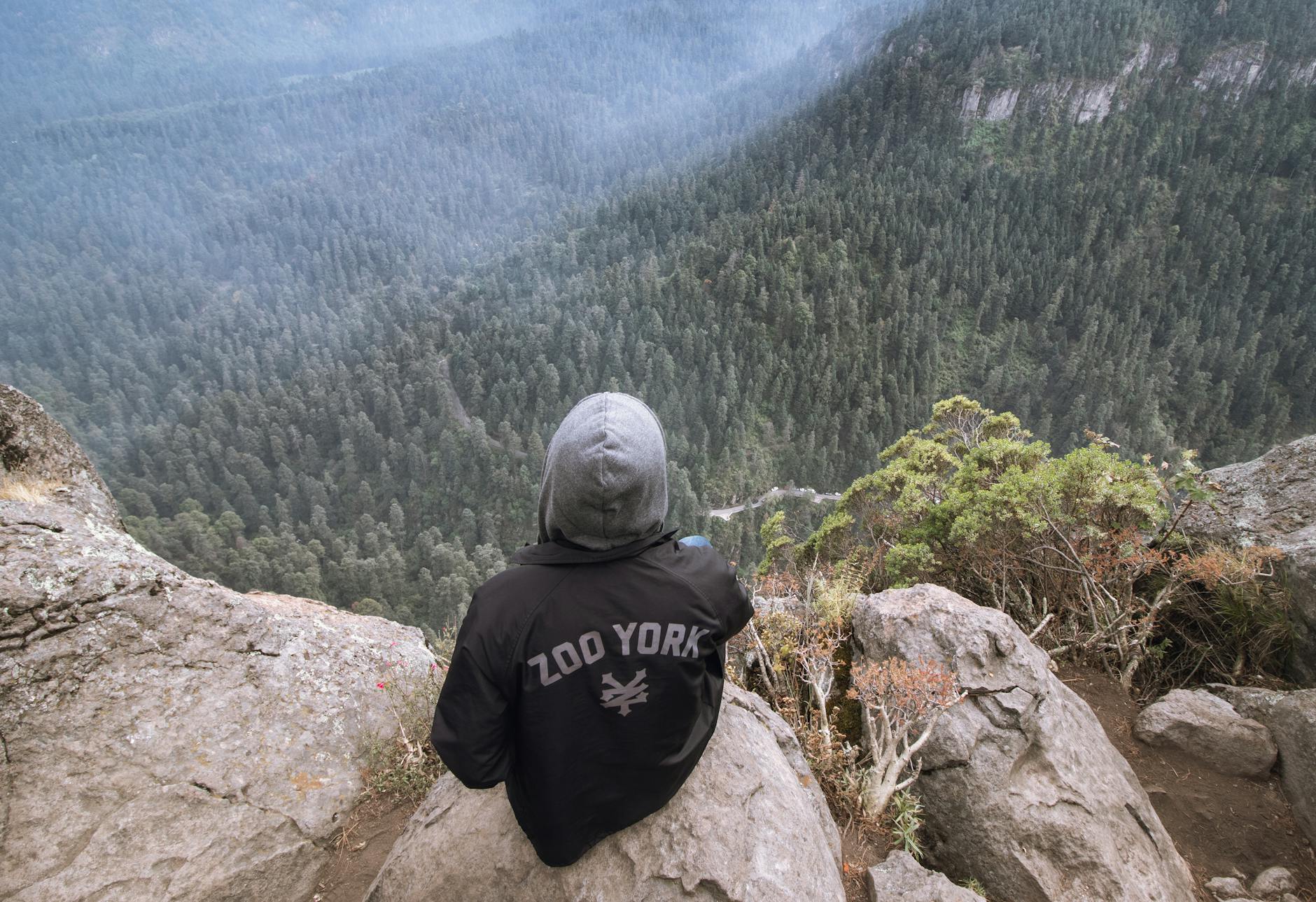
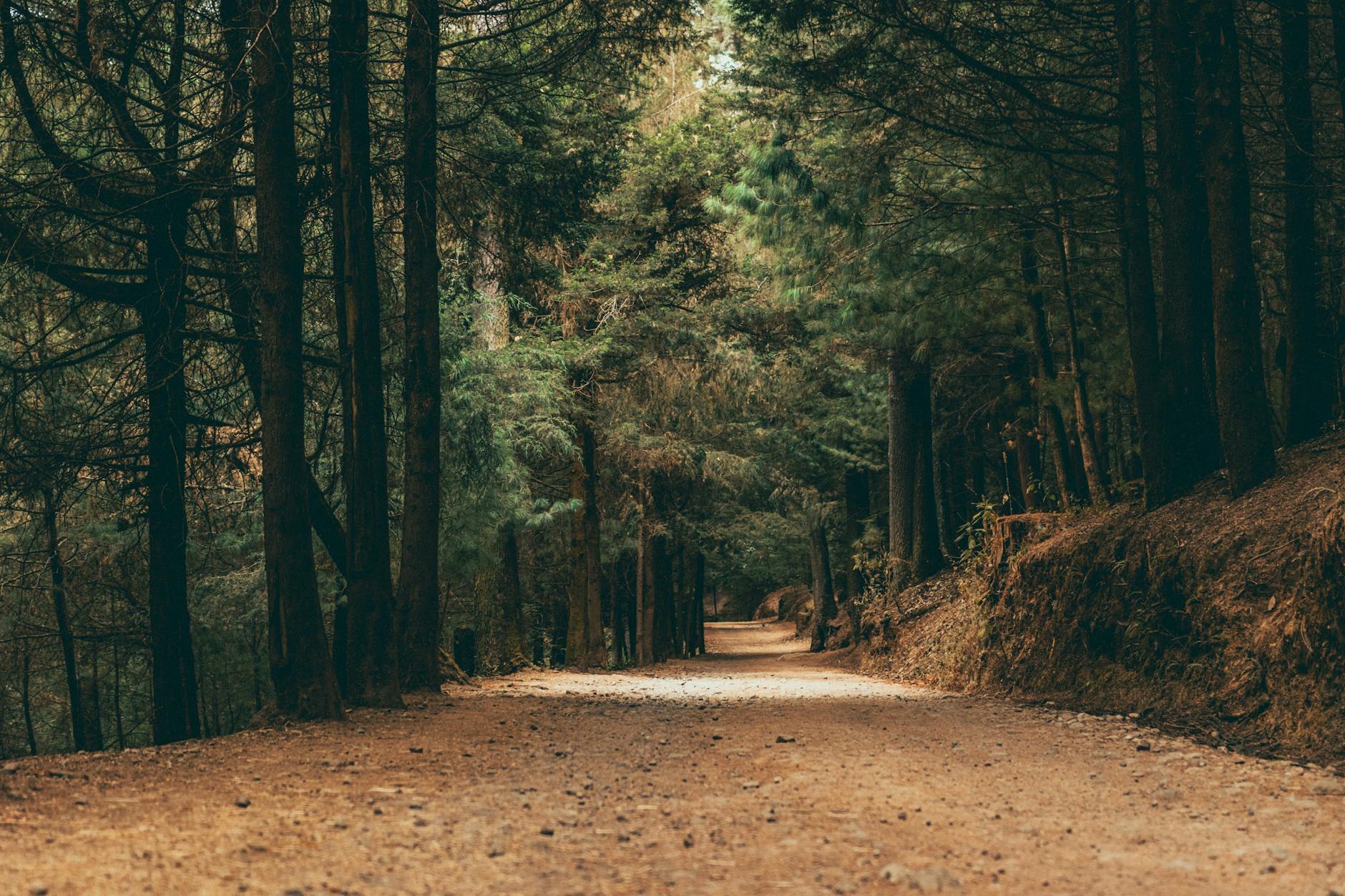
Forest and mountain-adjacent areas around Mexico City can be rewarding, but they should not be treated like casual neighborhood walks. Desierto de los Leones, Los Dinamos, Ajusco-area routes, and other edge-of-city outdoor options raise questions about trail choice, weather, road access, cell signal, guide quality, group size, daylight, and return transport. A traveler unfamiliar with the area should be wary of vague online directions or unvetted informal guides.
The safer plan is to choose established routes, go with reputable local operators when appropriate, start early, and keep a conservative turnaround time. Solo hiking, late starts, remote detours, and unclear pickup points are poor fits for a short visit when the traveler does not have local conditions in hand.
- Treat Desierto de los Leones, Los Dinamos, Ajusco, and similar routes as planned outings, not casual park walks.
- Check guide reputation, trail selection, daylight, weather, cell coverage, road access, and return transport.
- Avoid solo remote hiking, late starts, vague pickup points, and routes based only on unverified online directions.
Handle day trips without pretending they are in the city
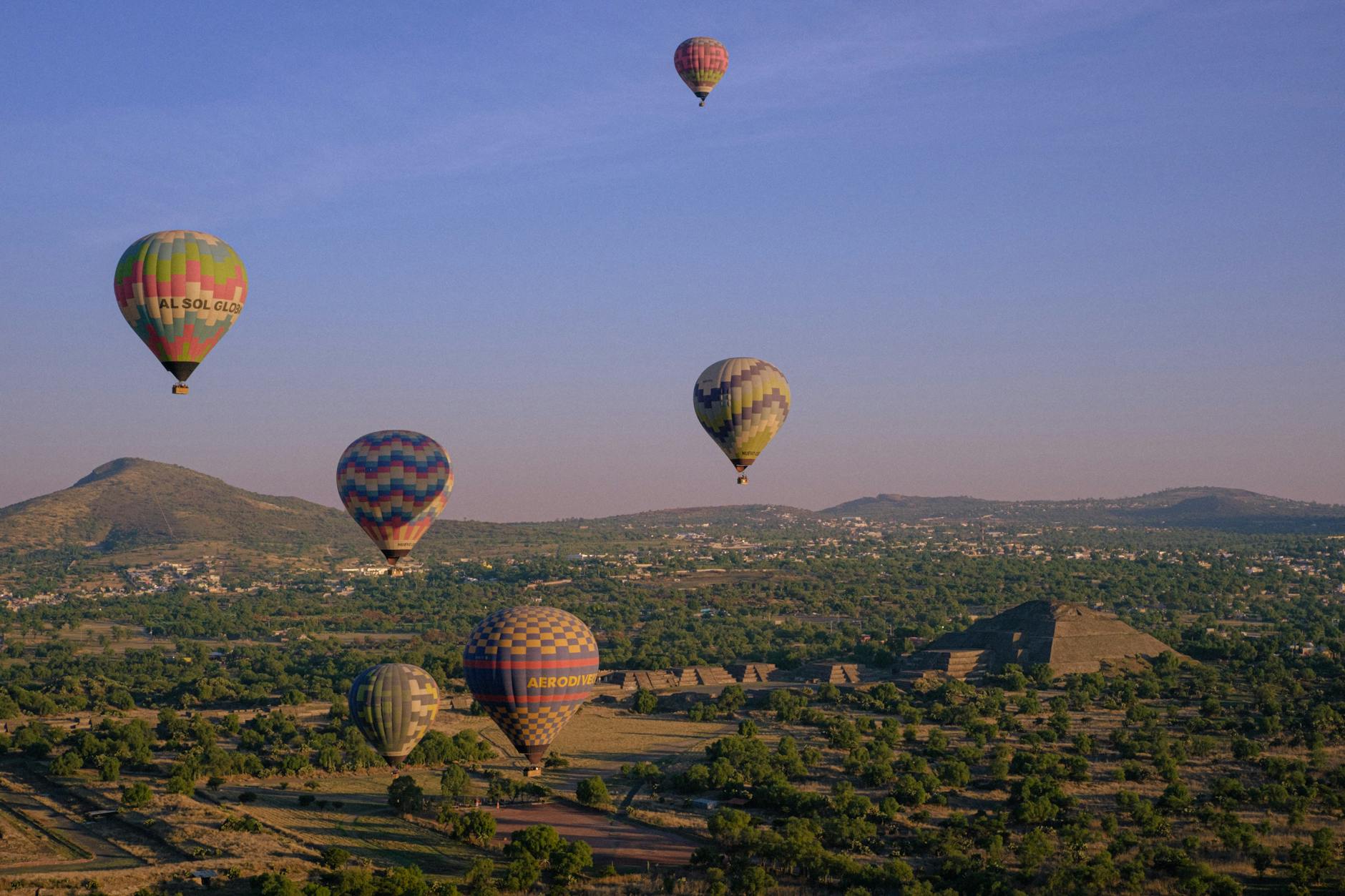
Some of the most popular adventure-adjacent experiences are outside the city proper. Teotihuacan balloon flights, archaeological site walks, volcano-view routes, and longer nature outings can all be marketed from Mexico City, but they involve early departures, highway traffic, operator quality, weather dependence, cancellation rules, and a full-day energy cost. The traveler should not mistake a common day trip for a low-effort city activity.
If a day trip is important, the plan should protect the night before and the evening after. Hot-air balloons and long transfers do not pair well with late dinners, heavy nightlife, or same-day airport pressure. If the activity is optional, the traveler should have a city-based outdoor fallback that still works if weather or logistics turn.
- Treat Teotihuacan, ballooning, volcano views, and longer nature outings as day trips with real transfer and weather risk.
- Check operator quality, pickup time, cancellation terms, site access, meals, bathrooms, and return timing.
- Keep a city-based outdoor fallback for weather, fatigue, traffic, or canceled tours.
When to order a short-term travel report
A traveler who only wants a short park walk or a relaxed Xochimilco boat ride may not need a custom report. A report becomes useful when the trip includes kayaking, cycling, guided hikes, edge-of-city forests, Teotihuacan ballooning, family outdoor time, mobility limits, medical constraints, tight transfers, rainy-season travel, or a need to choose between several operators. Outdoor mistakes in Mexico City often come from underestimating distance, altitude, weather, and return logistics.
The report should test activity fit, neighborhood and hotel geography, pickup points, operator reputation, current weather patterns, air quality risk, gear needs, food and water planning, insurance assumptions, bathroom access, daylight, after-dark return, and fallback options. The value is not a generic list of outdoor things to do. It is a movement plan that fits the traveler, the city, and the time available.
- Order when kayaking, cycling, hikes, forests, ballooning, family needs, health limits, or tight timing make logistics consequential.
- Provide hotel candidates, activity goals, fitness level, medical constraints, mobility needs, budget, dates, and operator options.
- Use the report to match outdoor ambition to transport, weather, altitude, safety, and recovery time.