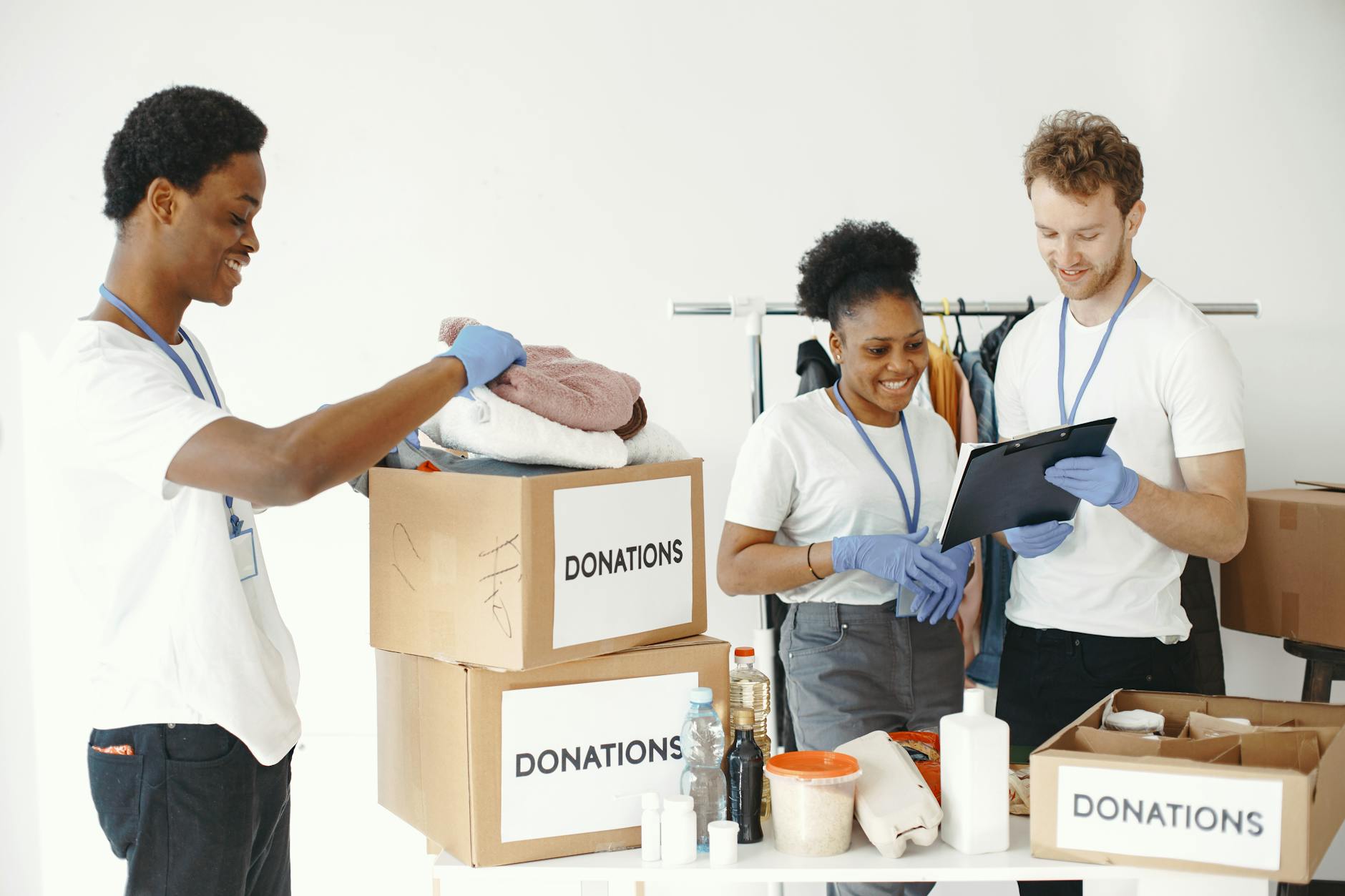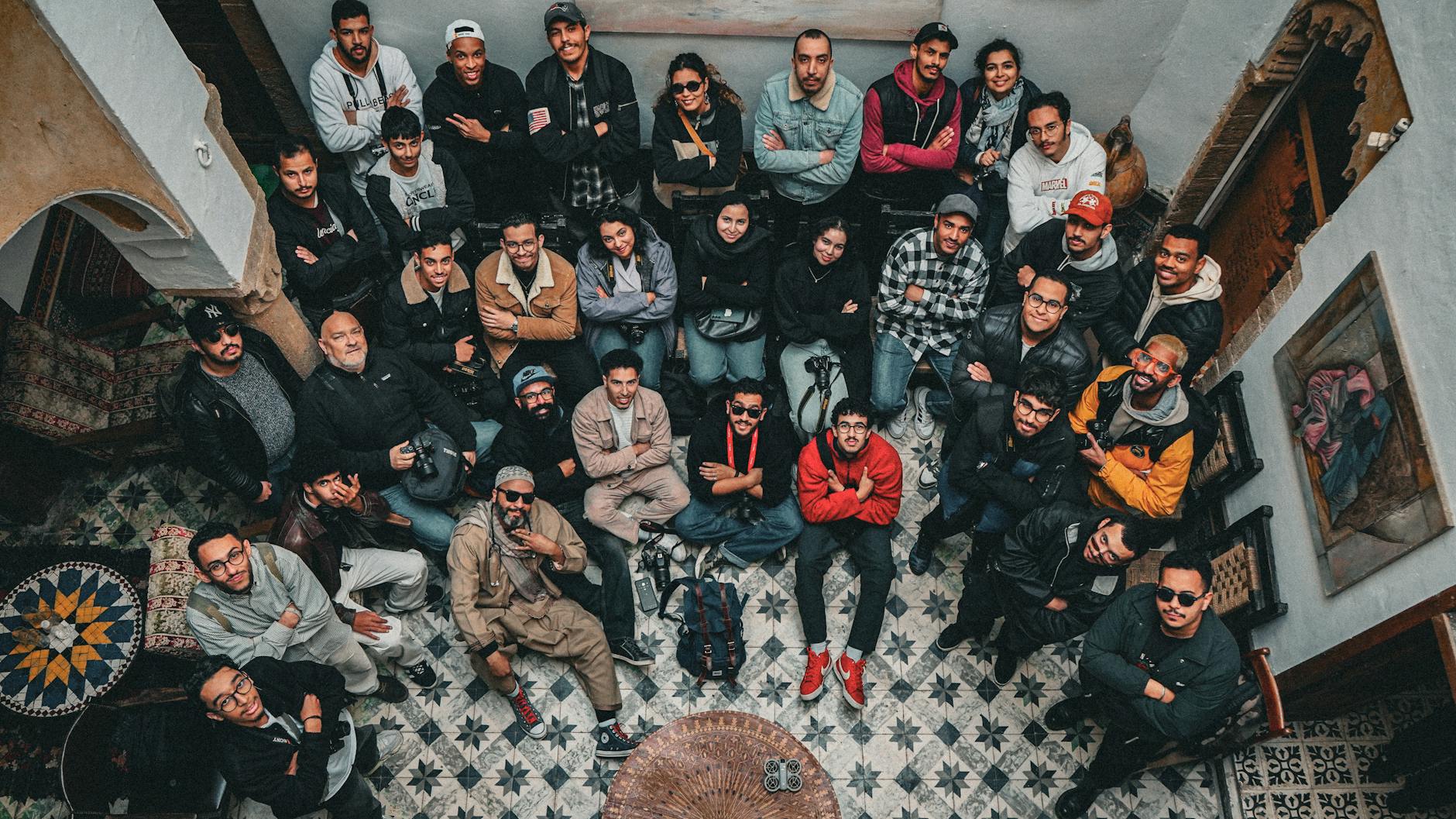
A volunteer or NGO traveler going to Marrakech should not treat the trip as tourism with a service project attached. The traveler may be joining a school group, faith organization, university service program, development nonprofit, health outreach, women's cooperative, youth program, environmental project, refugee or migrant support effort, craft social enterprise, or short placement with a local partner. Marrakech has real civic, educational, social, and environmental work happening around it, but short-term help is useful only when the traveler arrives prepared, supervised, and clear about their limits. The practical questions matter as much as the good intention: who is hosting the traveler, who is responsible locally, where the work happens, what contact with vulnerable people is permitted, what can be photographed or shared, how the traveler moves each day, and whether the assignment helps the partner more than it consumes staff time. Marrakech can support meaningful work, but it rewards humility, clear logistics, and ethical boundaries.
Start by vetting the host and local partner
The first question is not where the traveler wants to help. It is who has responsibility for the placement. A credible Marrakech host should be able to explain the local partner, the assignment, supervision, schedule, emergency contact, insurance expectations, training, language needs, transportation, safeguarding rules, and what the traveler is not allowed to do. If the answers are vague, the traveler may be relying on enthusiasm where structure is needed.
Short-term volunteers can unintentionally create work for local organizations when duties are unclear or symbolic. The traveler should ask whether the role is observation, logistics, administration, fundraising, translation support, outreach, classroom assistance, environmental work, social-enterprise support, or direct service. If the placement involves children, patients, survivors, migrants, women in vulnerable situations, legal support, or medical vulnerability, the standards should be explicit before travel.
- Confirm the host, local partner, supervision, schedule, insurance, emergency contact, training, and assignment limits.
- Be cautious with any placement involving children, patients, migrants, survivors, legal issues, or medical vulnerability.
- Ask what concrete task the traveler will perform and how it reduces burden for the local partner.
Understand the placement geography
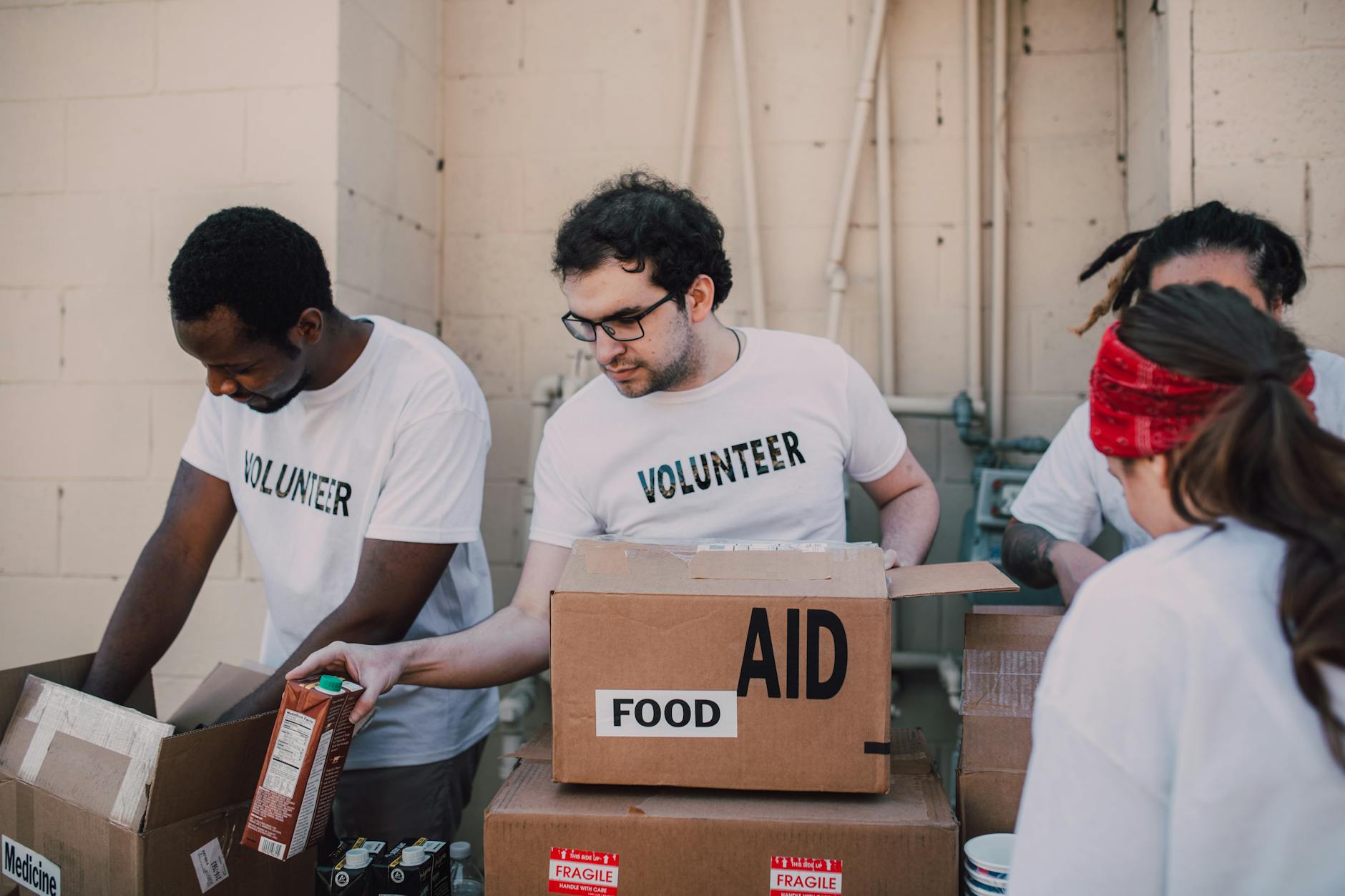
Volunteer work around Marrakech can sit in very different settings. A project may be in the medina, Gueliz, a school, clinic, community center, cooperative, hotel-training site, market-adjacent office, peri-urban neighborhood, rural village, farm area, mountain route, or environmental site outside the city. The traveler should understand where the work actually takes place, not just the Marrakech label on the itinerary.
That geography affects clothing, timing, language, transport, food, toilets, phone signal, and what local staff can support. A city-center orientation is not enough for a rural field day. A medina worksite may require different pickup points and walking routes than a Gueliz office. The traveler should know the exact meeting point, route, lunch plan, return plan, and where staff recommend waiting or not waiting.
- Map the worksite, meeting point, food, toilets, pharmacy access, phone signal, and return route.
- Treat medina, Gueliz, peri-urban, rural, school, clinic, cooperative, and environmental sites as different settings.
- Ask local staff which routes, waiting places, and arrival times are appropriate for the placement.
Plan housing and movement around reliability
Volunteer housing may be arranged through a school, NGO, faith group, host family, riad, hostel, hotel, apartment, or group residence. The right base should help the traveler show up on time, sleep well, keep belongings secure, and maintain a clear separation between service time and private time. A beautiful riad can still be wrong if it creates difficult pickups or confusing late returns. Cheap lodging can become expensive if it causes daily transport stress.
Movement should be planned for the actual service rhythm. Early starts, supply runs, rural visits, evening sessions, heat, Ramadan or holiday schedules, and group supervision can all change the best route. The traveler should know whether transport is arranged, whether taxis are reimbursed, whether walking alone is expected, and what happens if a session runs late. If the traveler is younger, inexperienced, or carrying donations or equipment, the margin should be larger.
- Check room type, secure entry, curfew, laundry, Wi-Fi, storage, late-entry rules, and after-hours support.
- Confirm daily transport, pickup points, taxi expectations, reimbursements, rural-visit logistics, and late-return plans.
- Choose housing that protects punctuality, rest, boundaries, and safe movement rather than only price or atmosphere.
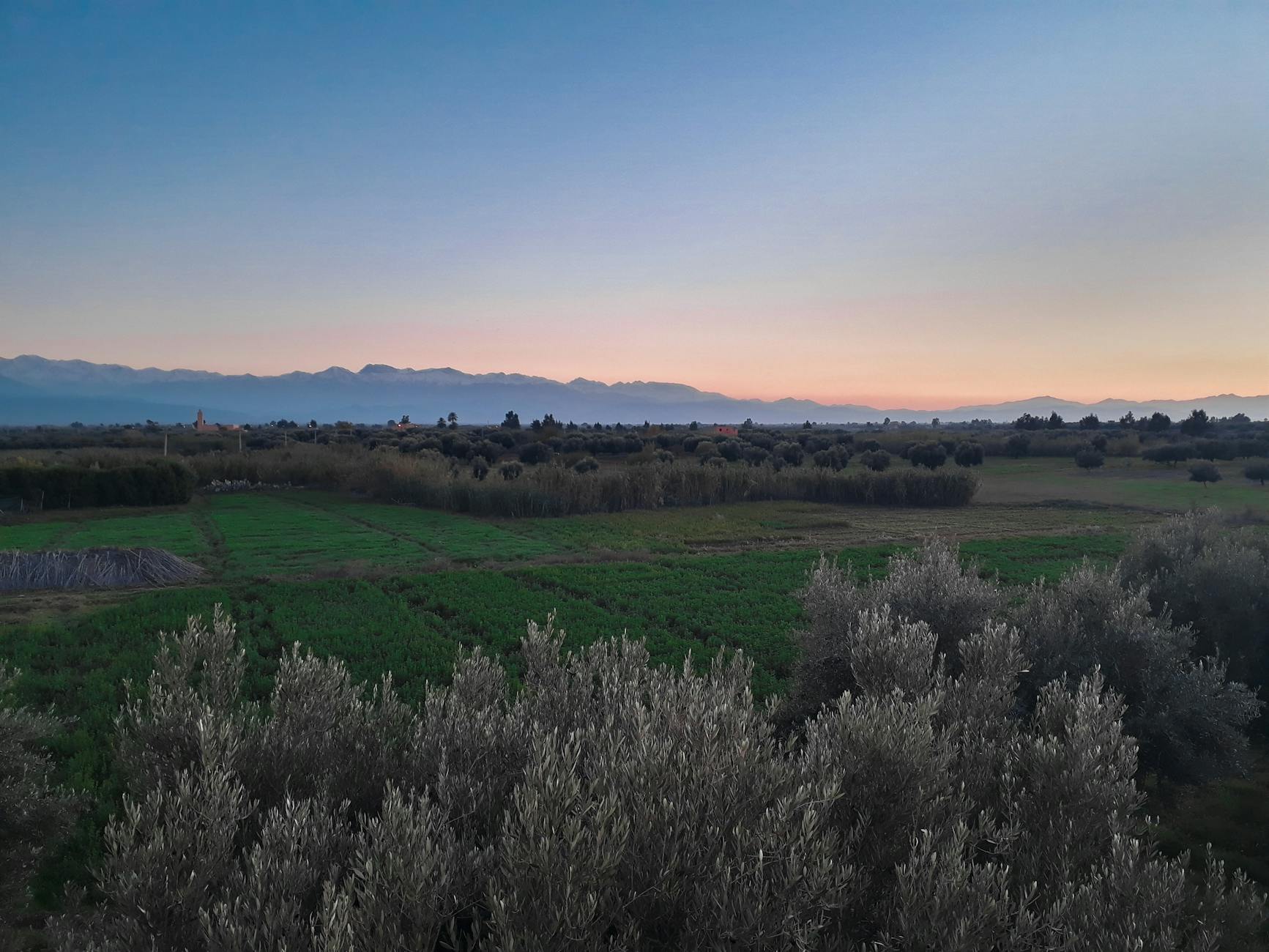
Respect safeguarding, consent, and documentation
Safeguarding is central to responsible volunteer travel. A Marrakech placement may have rules about photography, names, social media, home visits, gift-giving, cash, physical contact, one-on-one conversations, translation, personal phone use, and contact after the placement ends. These rules protect local people, local staff, and the traveler. They should be learned before the first workday, not after a preventable mistake.
Documentation also deserves attention. The host may require identity checks, references, waivers, vaccination information, training, proof of insurance, or clear permission for the activity under the traveler's status. A traveler should not assume that unpaid work is automatically simple or appropriate. If a program encourages photos with children or vulnerable adults without clear consent rules, that is a serious planning warning.
- Clarify rules for photos, names, social media, gifts, cash, home visits, phone use, and contact after departure.
- Confirm identity checks, training, waivers, insurance, health requirements, and activity permissions before travel.
- Treat vague consent or child-photo practices as a warning that the placement may not be well governed.
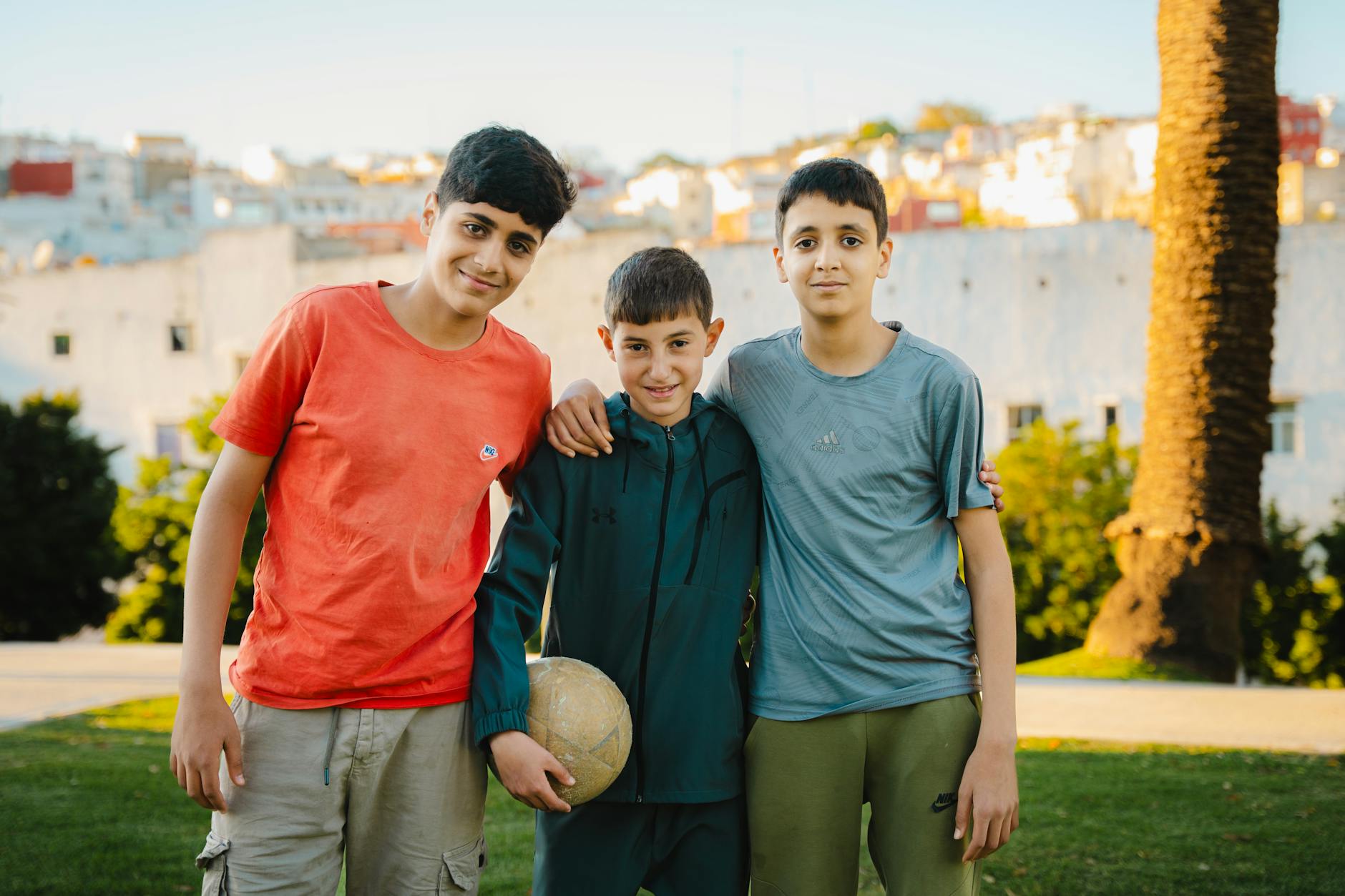
Prepare for language, clothing, supplies, and heat
Marrakech volunteer work may involve Arabic, Darija, French, English, Amazigh languages, or a mix through local staff. The traveler does not need to be fluent for every placement, but they should know what communication is realistic and when staff interpretation is required. They should also avoid making promises, giving advice, or collecting stories when they cannot understand context or follow-up obligations.
Practical preparation matters. Clothing should fit the site, task, weather, and community expectations. Closed shoes, sun protection, water, snacks, notebook, charged phone, ID copy, modest layers, and any requested supplies may matter more than tourist gear. Donations should be coordinated with the host rather than improvised. Heat is not a side issue; it affects patience, judgment, walking routes, and the ability to remain useful.
- Clarify which languages are used and when interpretation is required for respectful communication.
- Bring clothing, shoes, water, sun protection, ID copies, notebooks, and supplies matched to the actual task.
- Coordinate donations through the host and avoid promises, advice, or storytelling beyond the traveler's role.
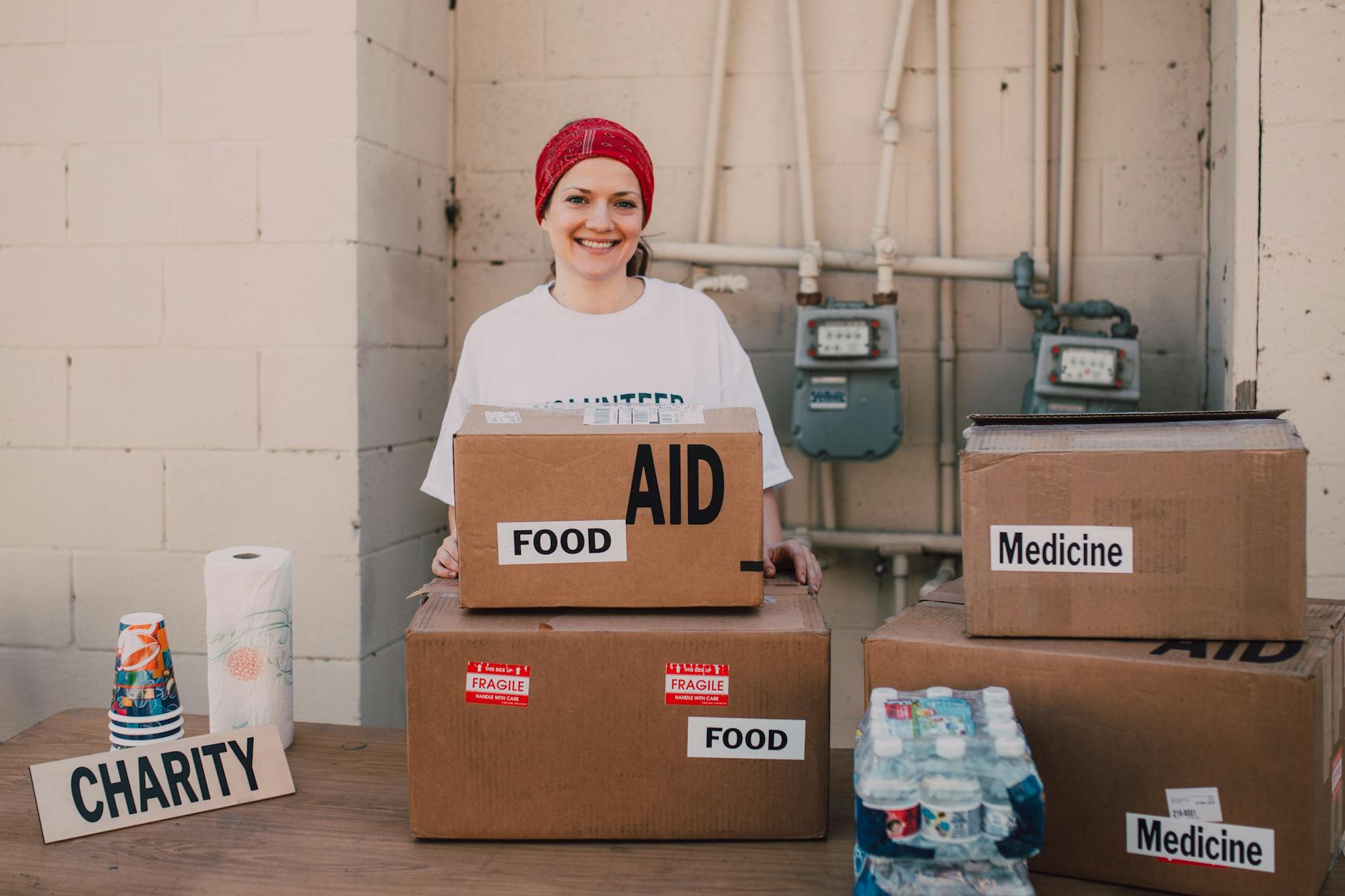
Protect role limits and emotional capacity
Volunteer and NGO work can be emotionally demanding even when the task is practical. Poverty, health needs, youth work, disability, migration, domestic vulnerability, environmental strain, and rural hardship are not material for a travel story. A short-term traveler should be ready to listen, follow staff direction, avoid savior behavior, and accept that the most useful task may be modest, repetitive, or behind the scenes.
The traveler also needs enough rest to stay useful. Debriefing, meals, hydration, quiet time, and realistic evenings matter. Someone who overextends can become emotionally reactive, miss boundaries, or require additional staff care. A good volunteer is punctual, humble, discreet, prepared, and clear about the limited role they are there to play.
- Treat people's stories and living conditions as private, not as social media material.
- Follow staff direction even when the assigned work feels smaller than expected.
- Build in food, water, rest, and debrief time so the traveler remains grounded and useful.
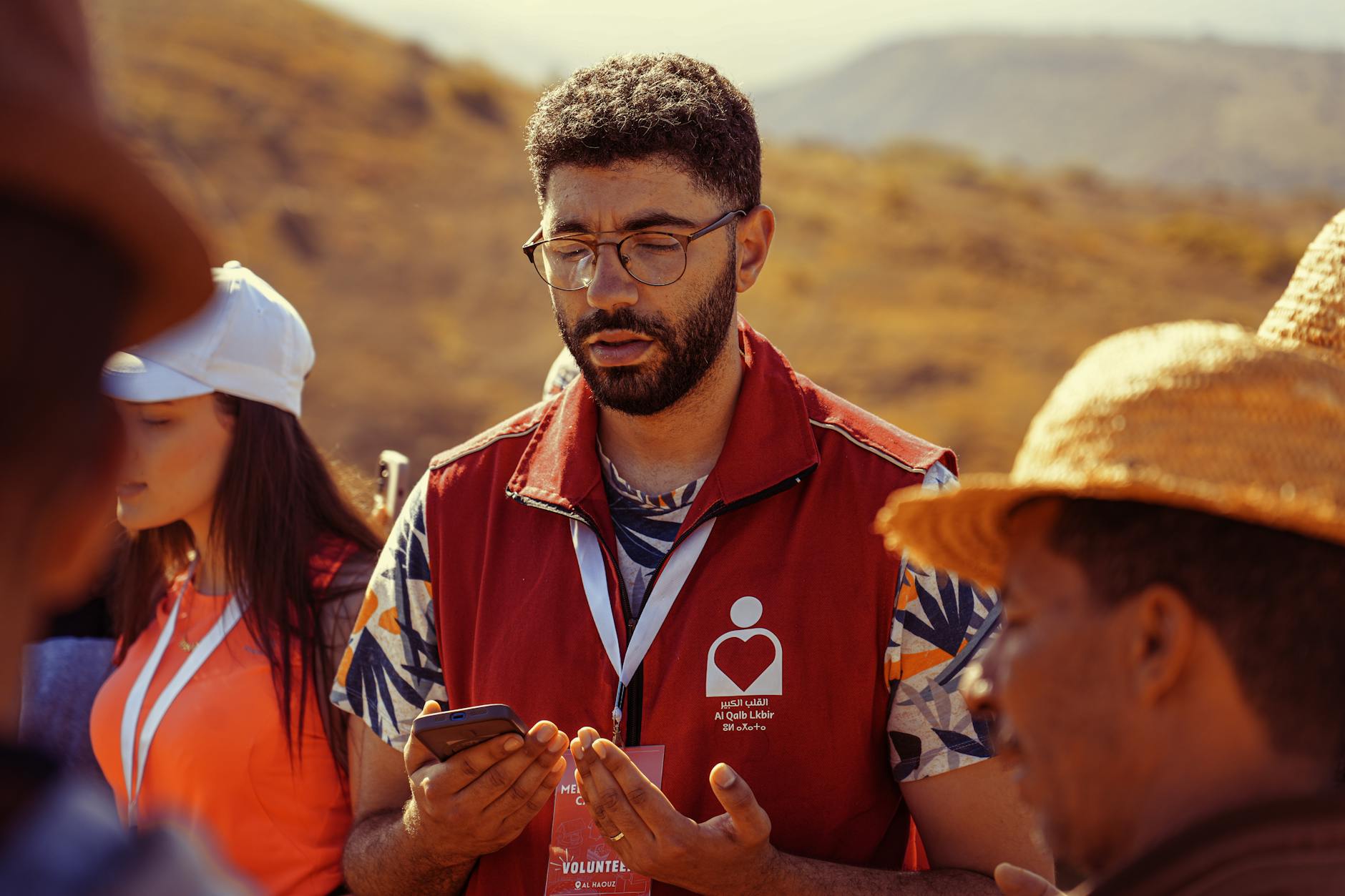
When to order a short-term travel report
A traveler joining a well-run, fully supervised program may need only the host's orientation. A volunteer traveling independently, arriving before the group, choosing housing, moving between sites, carrying supplies, working with vulnerable people, or unsure about safeguarding and transport should plan more carefully. Marrakech is manageable, but the details matter when a traveler is representing a school, church, nonprofit, donor, or community partner.
The report should test host information, local partner clarity, placement geography, housing fit, transport routes, heat rhythm, language needs, documentation requirements, emergency contacts, current local disruptions, privacy expectations, and after-hours support. The value is a placement-aware operating plan that helps the traveler arrive useful, respectful, and steady without pushing extra work onto the local organization.
- Order when host vetting, safeguarding, housing, movement, vulnerable-person contact, or after-hours support is unclear.
- Provide host details, worksite addresses, housing options, schedule, age or experience level, and support contacts.
- Use the report to reduce burden on the local partner and protect the traveler from avoidable mistakes.