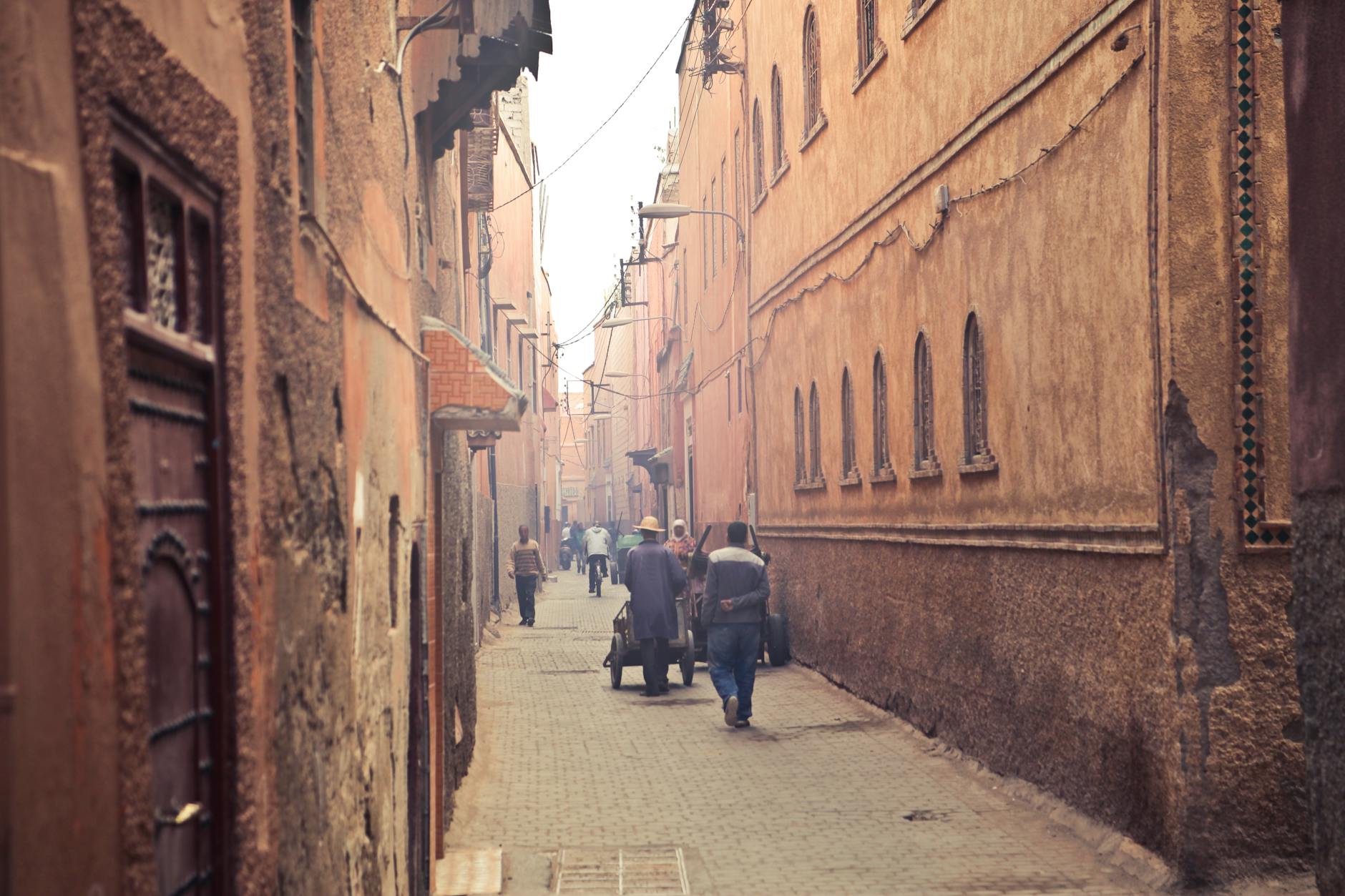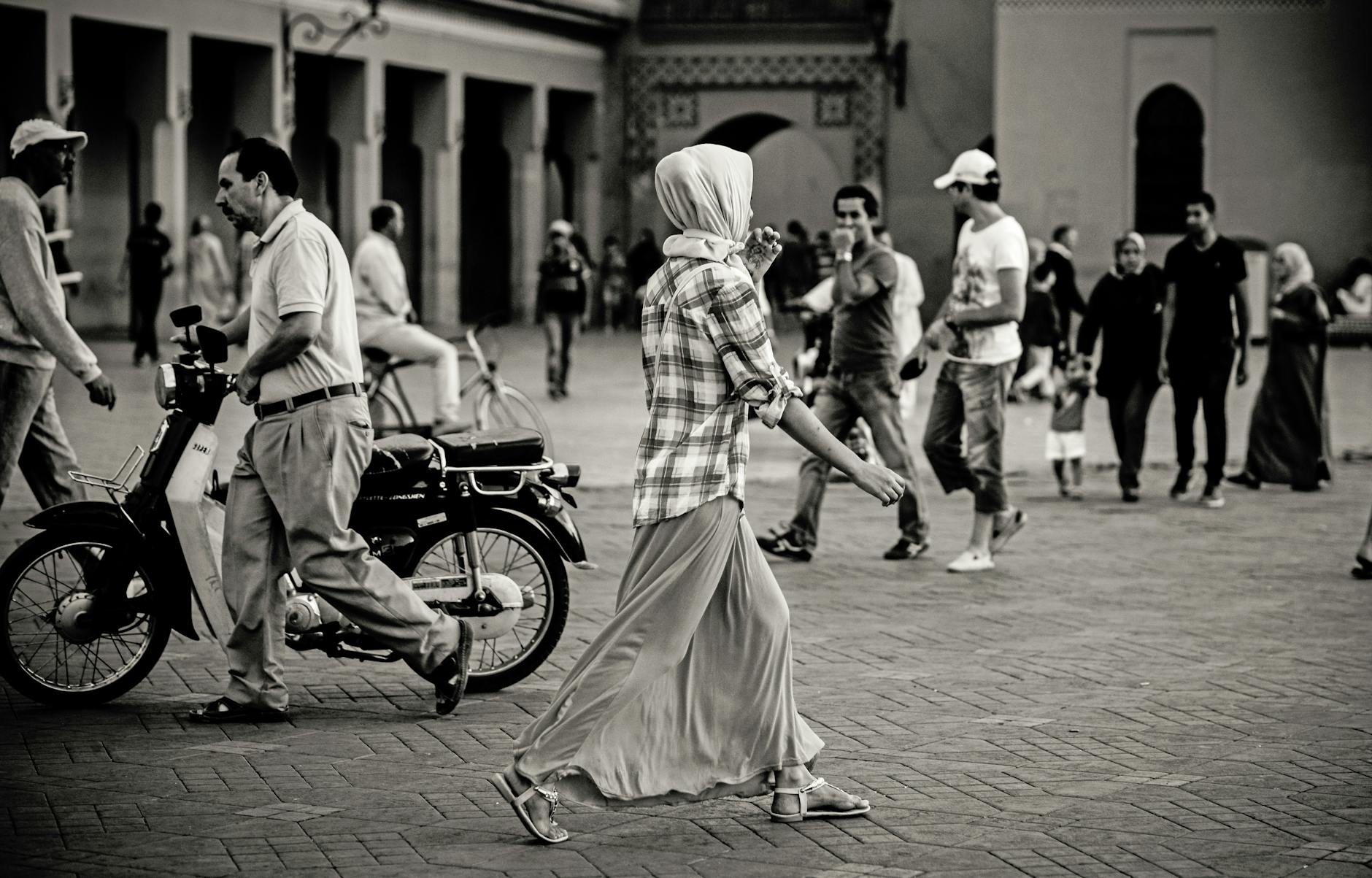
Marrakech can be vivid, beautiful, and rewarding for travelers with mobility limitations, but it should not be planned from a map alone. Short distances can include narrow lanes, uneven paving, steps, scooters, crowds, heat, curb gaps, dim returns, and riad entrances that a car cannot reach. A traveler using a wheelchair, scooter, cane, rollator, brace, companion support, or limited-distance walking plan needs to know how each movement actually works from door to door. The planning challenge is not whether Marrakech is possible. It is which Marrakech fits the traveler's body and equipment. A medina riad may be atmospheric but demanding. A hotel in Hivernage or Gueliz may be smoother but less immersive. A palace, garden, market, rooftop, or dinner can be excellent when the arrival, surface, seating, restroom, heat, and return route are known in advance. A good short trip protects dignity and energy before the traveler is already standing at a step, stuck at a gate, or trying to bargain for a taxi after fatigue has arrived.
Choose the base by the door-to-door route
For a traveler with mobility limitations, the most important Marrakech lodging question is not whether a property is beautiful. It is whether the traveler can move from vehicle to room, room to breakfast, and room to the first daily route without preventable friction. Many riads are intimate and memorable, but some involve narrow lanes, steps, small lifts or no lift, low lighting, rooftop dining reached by stairs, uneven thresholds, and a car drop point that may be several minutes away. A hotel-forward base in Hivernage, Gueliz, or near a practical road can reduce these variables.
The right choice depends on the traveler's actual needs. A cane user with good stair tolerance may accept a short medina approach. A wheelchair user, scooter user, rollator user, traveler with pain flares, or companion managing equipment may need level entrance, larger rooms, reliable lifts, vehicle access, and food close by. Do not rely on a general accessibility label. Ask for photos or measurements of the entrance, lift, bathroom, shower, internal stairs, rooftop access, and the exact street or gate where vehicles stop.
- Confirm vehicle drop point, lane distance, entrance steps, lift reach, room path, bathroom setup, and rooftop access before booking.
- Use a medina riad only when the approach and internal circulation fit the traveler, not just the trip's atmosphere.
- Consider Hivernage, Gueliz, or a road-accessible hotel when predictable transfers and nearby food matter most.
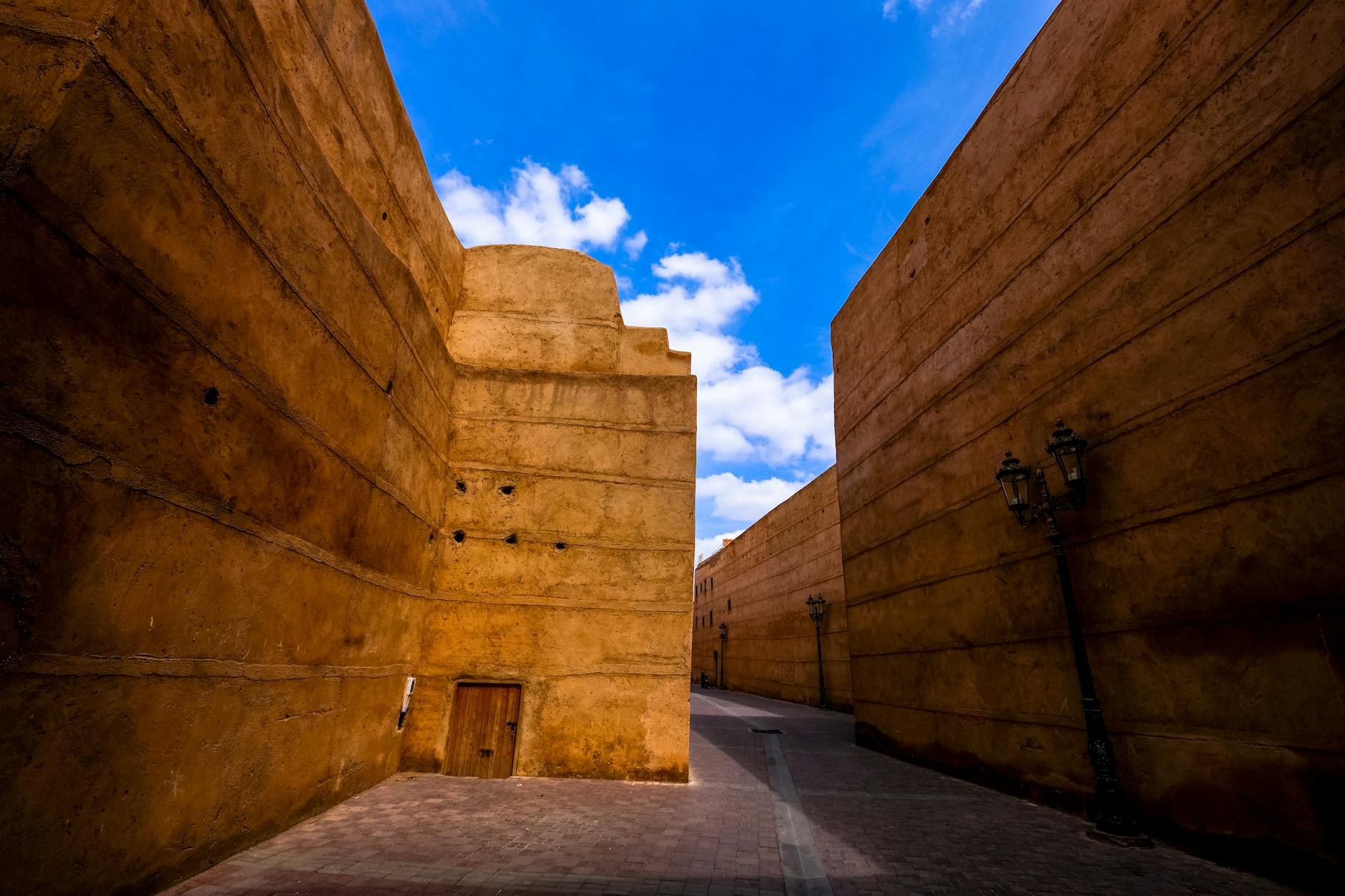
Make arrival controlled before the city begins
Marrakech Menara Airport is close to the city, but the first hour can still be the weakest moment for a mobility-limited traveler. Luggage, equipment, heat, late arrival, airport walking distance, taxi negotiation, cash, phone setup, and a medina drop point can all collide before the traveler has learned the city. A prearranged transfer is often worth it, especially when the lodging is inside the medina or when the traveler cannot comfortably stand, wait, or manage bags while decisions are made.
The transfer should be specific. Know the driver or company, meeting point, vehicle size, luggage handling, whether equipment can fit, where the vehicle stops, who meets the traveler if the property is down a lane, and what happens if the flight is delayed. The first evening should stay simple: check in, eat close to the room, verify the next morning's first route, and avoid turning arrival into the most demanding movement of the trip.
- Arrange airport transfer when luggage, equipment, late timing, heat, or medina lodging makes improvisation risky.
- Confirm driver, vehicle fit, meeting point, luggage help, drop point, and property escort before landing.
- Keep the first evening close so the traveler can recover and test the immediate route calmly.
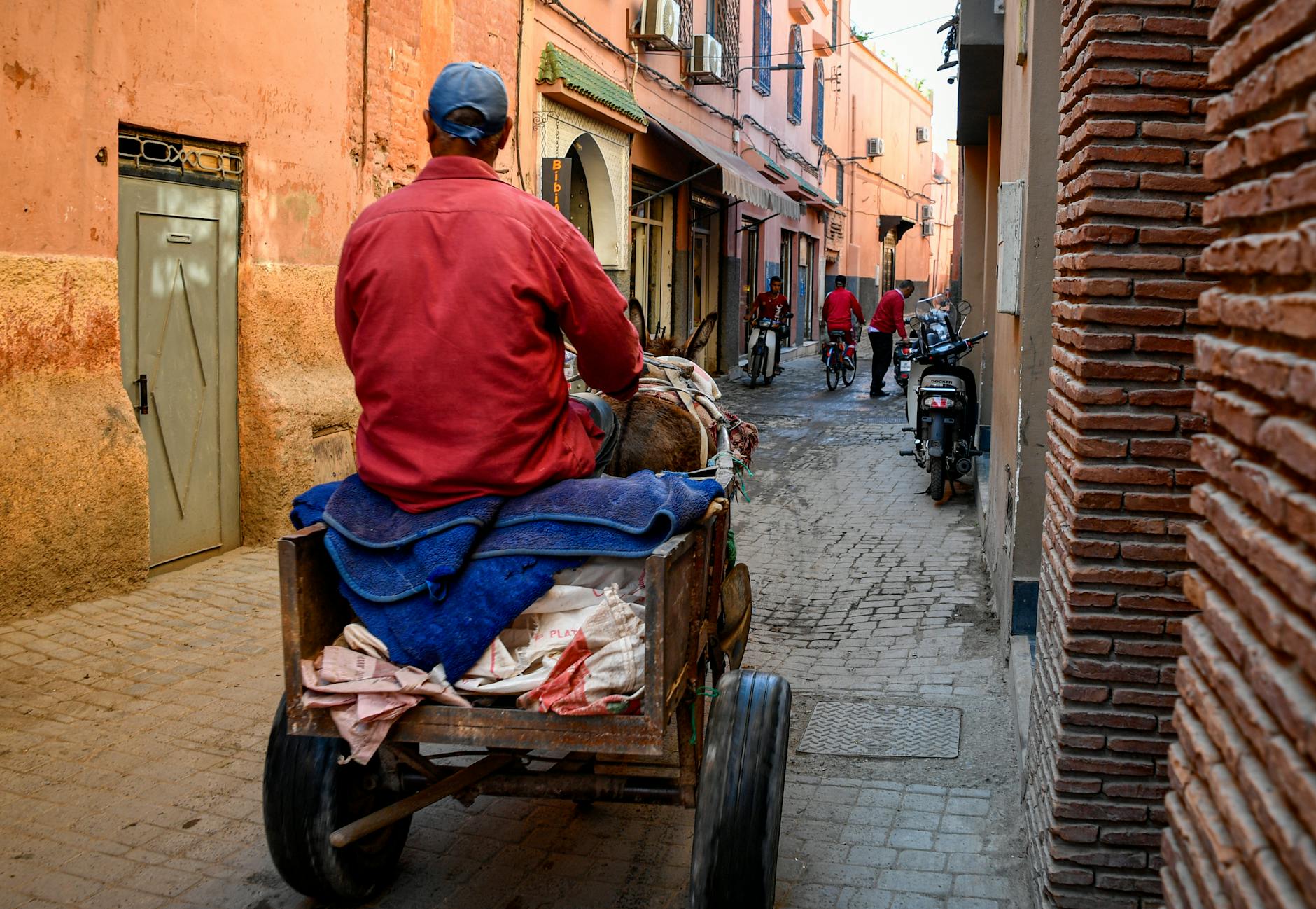
Treat the medina as high-reward, high-friction terrain
The medina is central to many Marrakech trips, but it is not a neutral walking environment. Surfaces can change quickly. Lanes may narrow, carts and scooters may pass close, crowds may compress, and a route that looks short can become tiring when the traveler has limited balance, pain, respiratory limits, low vision, wheelchair needs, or reduced standing tolerance. The medina can still be worthwhile, but it should be entered with a route, exit, rest point, and transportation plan rather than treated as open-ended wandering.
A guide can be useful when chosen for route control, not just commentary. The guide should understand mobility limits, avoid unnecessary steps and tight stalls, pace the walk, manage pressure from unsolicited helpers, and know where the traveler can sit or leave. Souk time should be shorter than the traveler's maximum capacity. Marrakech is easier to enjoy when the traveler exits with energy left instead of waiting until the route has already become a problem.
- Plan medina time by surface, lane width, crowds, scooters, rest points, toilets, exits, and return transport.
- Use a guide when route control and pressure management would preserve energy.
- Keep souk and lane exploration shorter than the traveler's maximum tolerance.
Check gardens, palaces, and landmarks one by one
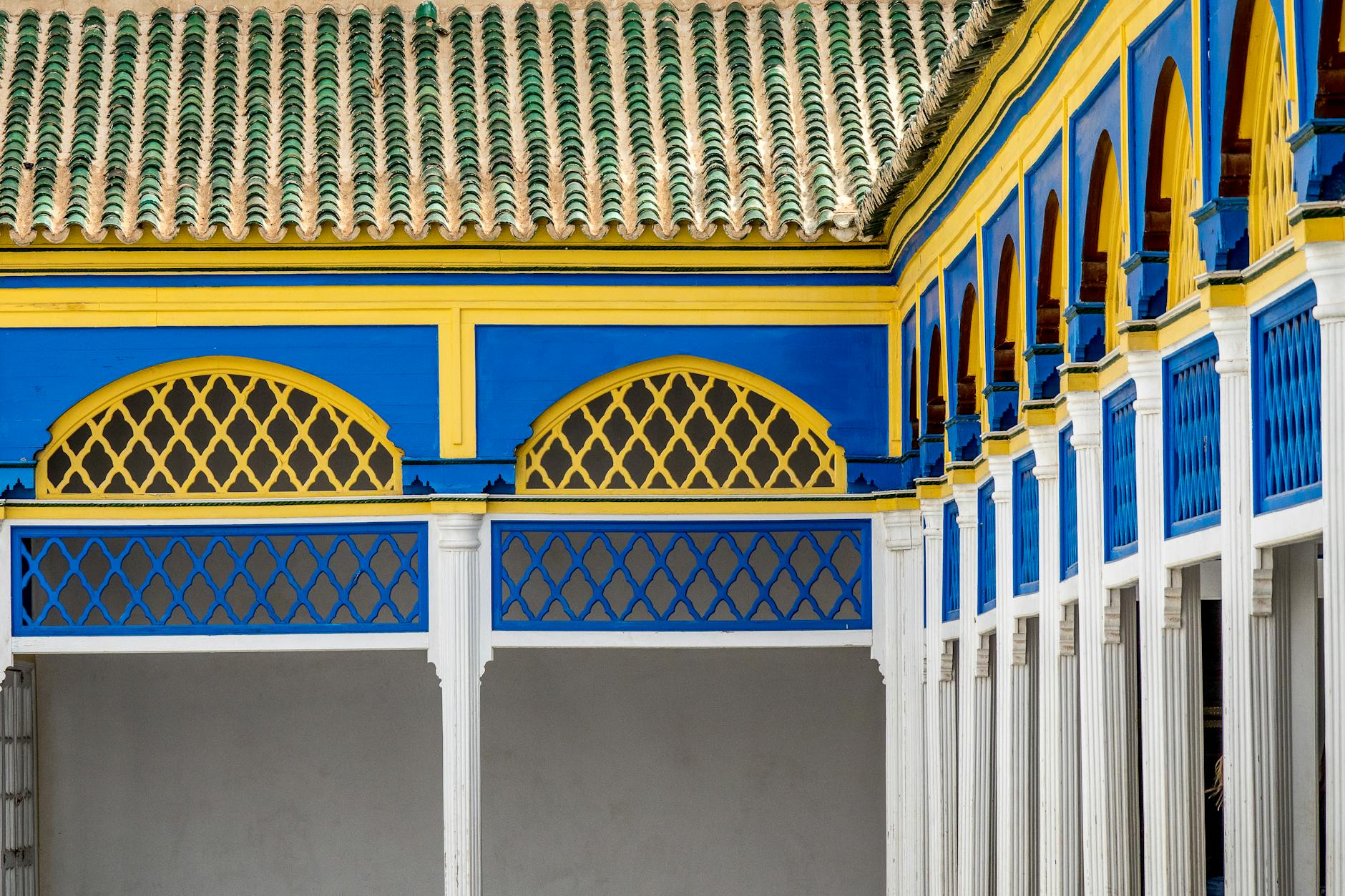
Marrakech gardens, palaces, museums, and landmark areas can give a mobility-limited traveler some of the best moments of the trip, but each site has its own access pattern. Bahia Palace, El Badi Palace, Jardin Majorelle, Le Jardin Secret, Koutoubia surroundings, museum courtyards, and rooftop viewpoints should not be grouped together as if they share the same ground conditions. Entrances, thresholds, gravel, tiles, steps, crowds, queues, shade, bathrooms, and exit routes can vary sharply.
A practical itinerary uses one access-sensitive anchor at a time. The traveler should know the entrance, ticket timing, seating, toilet options, shade, taxi drop point, and whether the site has areas that are worth skipping. A partial visit can be a successful visit. The goal is not to force every landmark into the day. It is to choose the sites where effort, beauty, and recovery time make sense together.
- Check entrances, thresholds, gravel, steps, queues, shade, toilets, and drop points before each major site.
- Use one access-sensitive anchor per half day instead of stacking palaces, gardens, souks, and rooftops.
- Allow partial visits when the best accessible areas are enough for a strong experience.
Use heat, shade, food, and rest as access tools
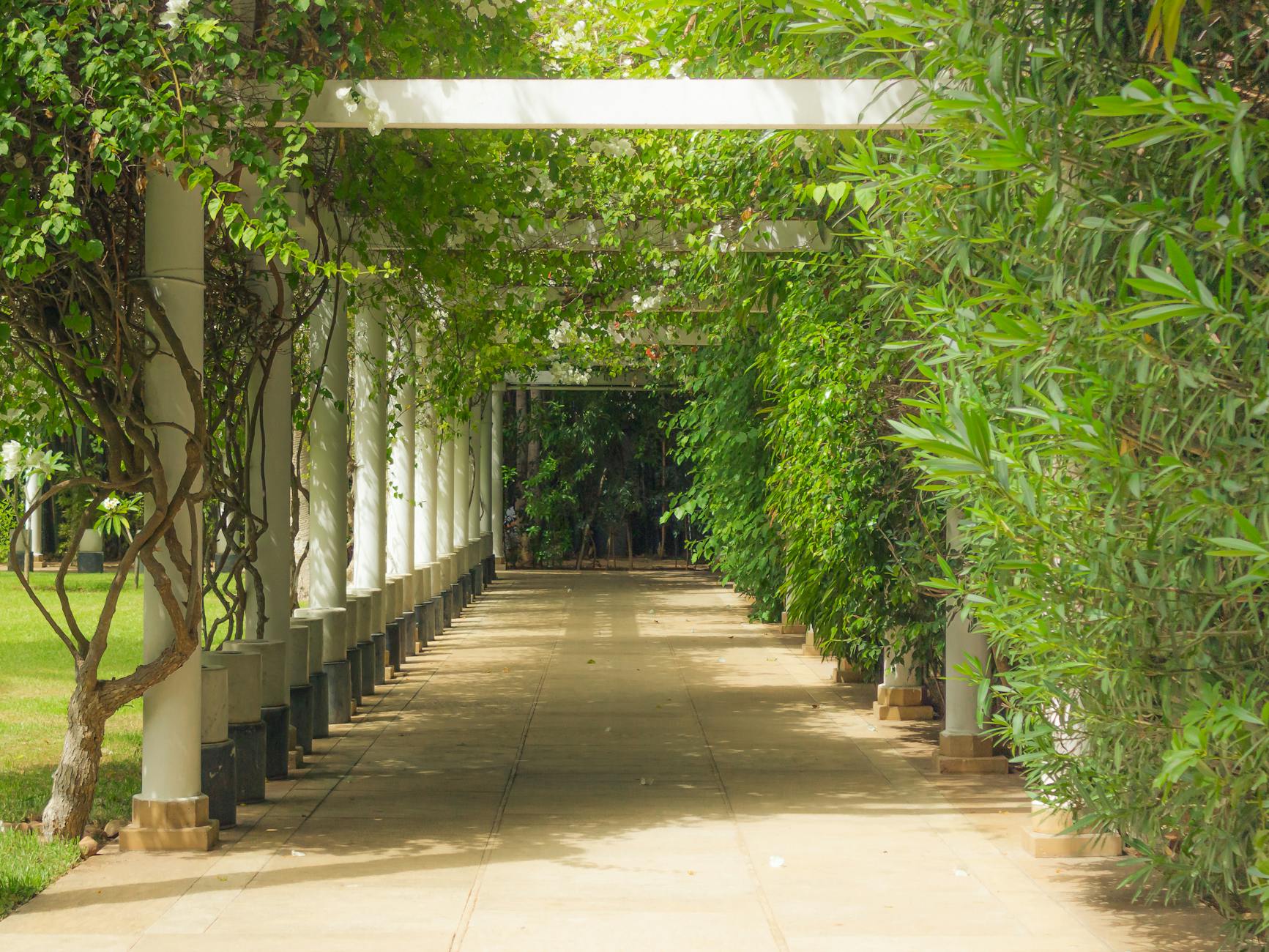
Heat can change mobility faster in Marrakech than the map suggests. A route that is manageable at 9 a.m. can feel punishing after lunch, especially for travelers with fatigue, pain, medication timing, cardiac or respiratory constraints, heat sensitivity, or reduced standing tolerance. Shade, water, air conditioning, seated meals, hotel returns, hammam or spa timing, and quiet courtyard pauses are not luxuries in this context. They are part of making the itinerary usable.
Meals should be planned by access as well as taste. A rooftop restaurant may be atmospheric but wrong if stairs are difficult. A market meal may be memorable but hard if seating, toilets, or crowds are poor. A nearby hotel restaurant, garden cafe, or road-accessible dinner can protect the day when the traveler has already spent energy on a palace or medina route. Food geography should reduce friction, not create another access test after dark.
- Build the day around morning movement, shade, water, air conditioning, seated breaks, and hotel recovery.
- Check restaurant entrances, stairs, table spacing, restroom reality, noise, and vehicle access before reserving.
- Use simple nearby meals when the day's main access effort has already been spent.
Set taxi and driver thresholds before fatigue
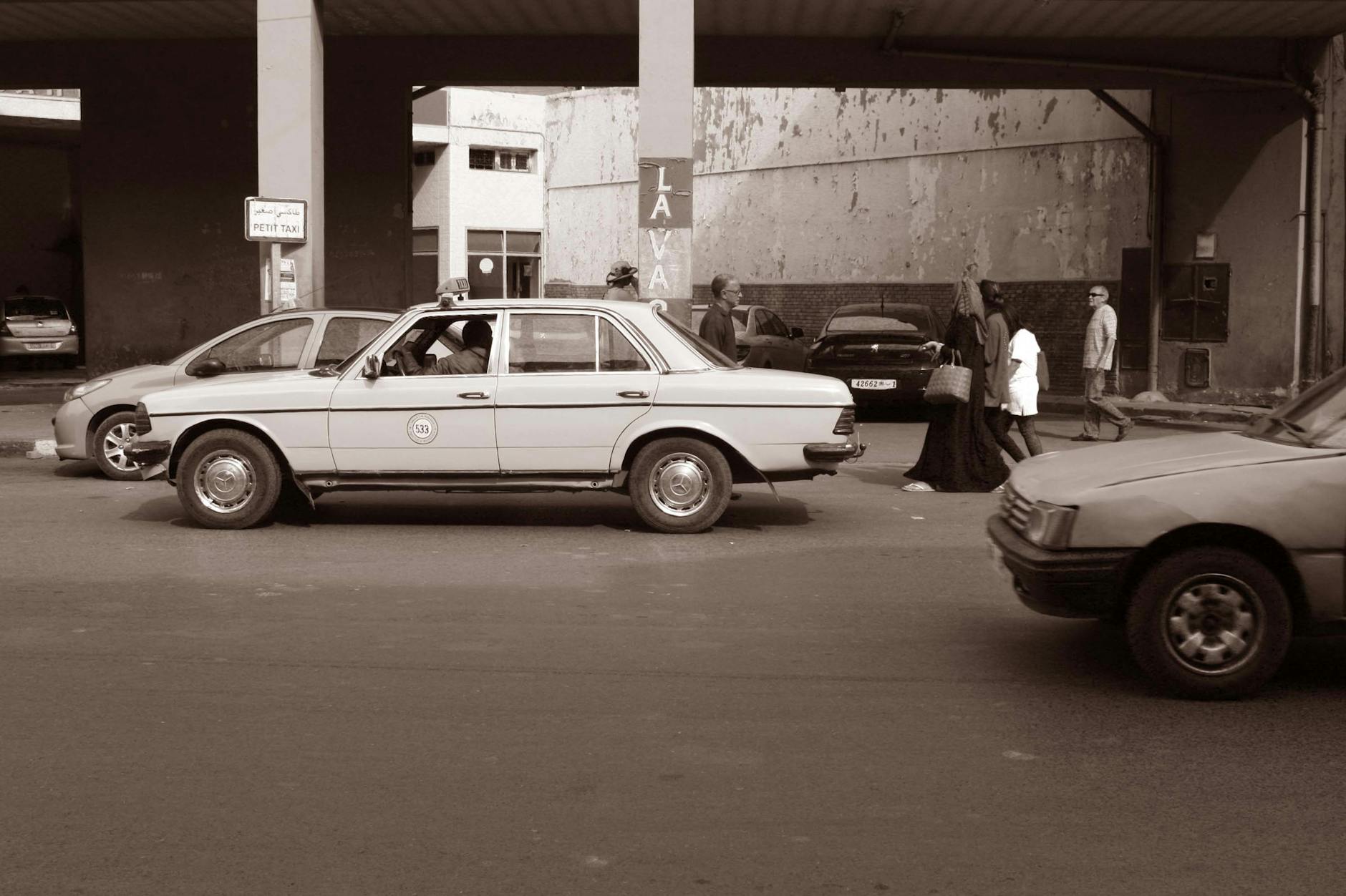
Taxis and drivers are not only convenience in Marrakech. For a mobility-limited traveler, they can be the difference between a full day and a day that fails at the return. The traveler should know when a taxi is mandatory: airport arrival, late dinner, hot afternoon, garden-to-medina transfer, tired return from a palace, or any movement where the final approach is uncertain. Waiting until the traveler is already depleted makes the taxi decision harder and often more stressful.
A trusted driver can also help with drop points that ordinary apps or maps do not solve well. Medina gates, restaurant approaches, garden entrances, Palmeraie transfers, and day trips to the Atlas foothills or Agafay area all depend on where the vehicle can actually stop. The plan should identify reasonable fares or hotel-arranged options, pickup landmarks, phone backup, and what the traveler will do if a driver cannot reach the door.
- Decide taxi thresholds for heat, fatigue, late returns, uncertain surfaces, luggage, and cross-city transfers before the day starts.
- Use a trusted driver when drop points, equipment, or companion support make ordinary improvisation weak.
- Confirm pickup landmarks, vehicle fit, phone contact, and fallback points for medina gates and restaurant returns.
When to order a short-term travel report
A traveler with mild limitations, a road-accessible hotel, and a very light Marrakech plan may be able to manage with direct hotel questions and site checks. A custom report becomes more useful when the traveler uses a wheelchair, scooter, rollator, cane, brace, or companion support; has variable stamina; is choosing between riads and hotels; wants medina, palace, garden, rooftop, hammam, or day-trip time; or needs an arrival and return plan that does not depend on improvising under pressure.
The report should test lodging access, vehicle drop points, lane distance, bathroom setup, airport transfer, medina route choices, guide value, taxi thresholds, garden and palace access, restaurant entrances, heat rhythm, rest stops, pharmacy and urgent-care backup, and evening returns. The value is practical route-level clarity. Marrakech can be extraordinary for travelers with mobility limitations, but it works best when the plan is built around the actual chain of doors, lanes, surfaces, vehicles, seats, shade, and exits.
- Order when mobility equipment, variable stamina, riad access, medina routes, heat, or vehicle drop points could define the trip.
- Provide hotel candidates, mobility aid, walking and standing tolerance, stair tolerance, arrival details, must-see sites, and food needs.
- Use the report to convert Marrakech from a set of access assumptions into a route plan the traveler can actually use.