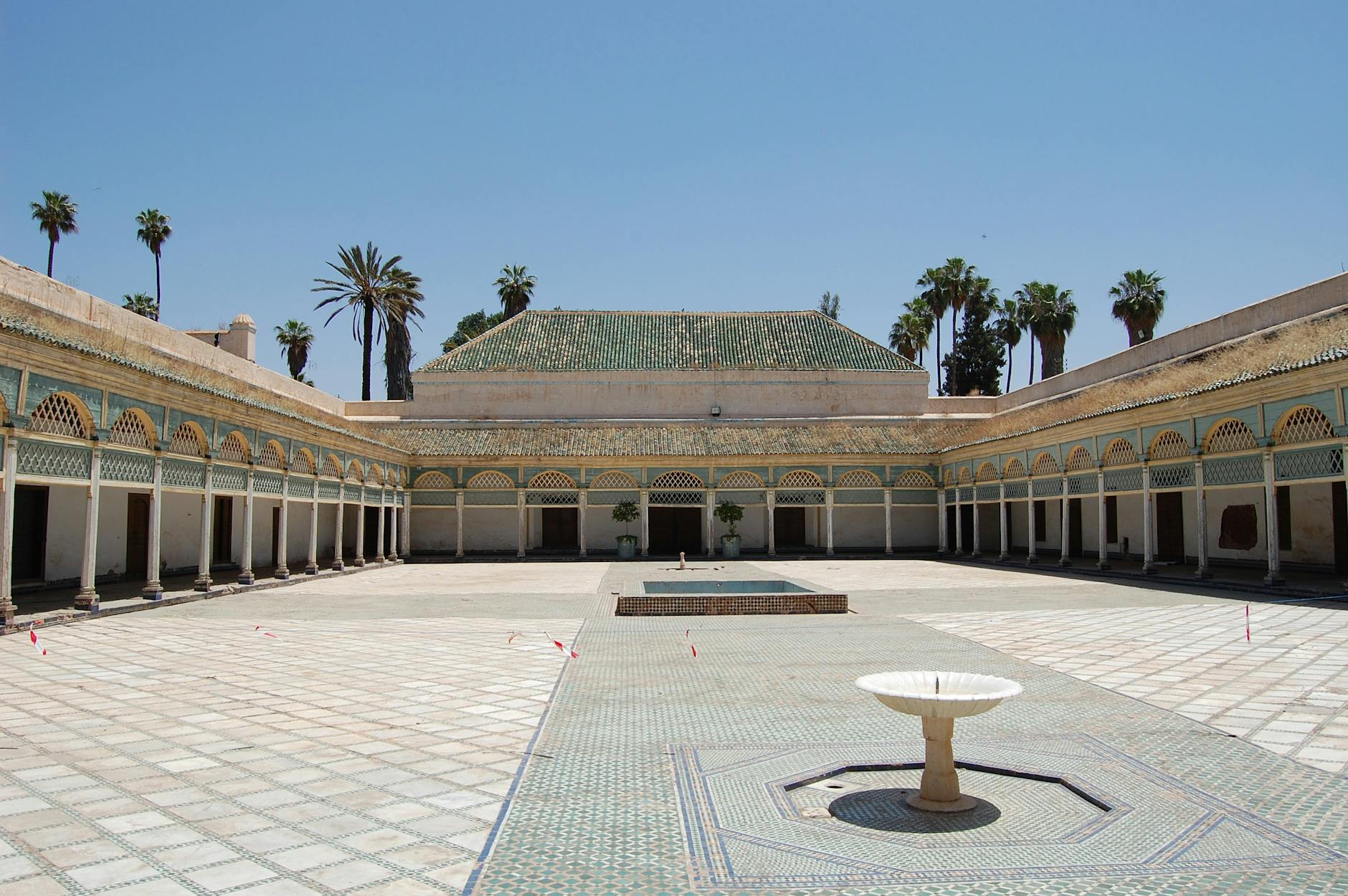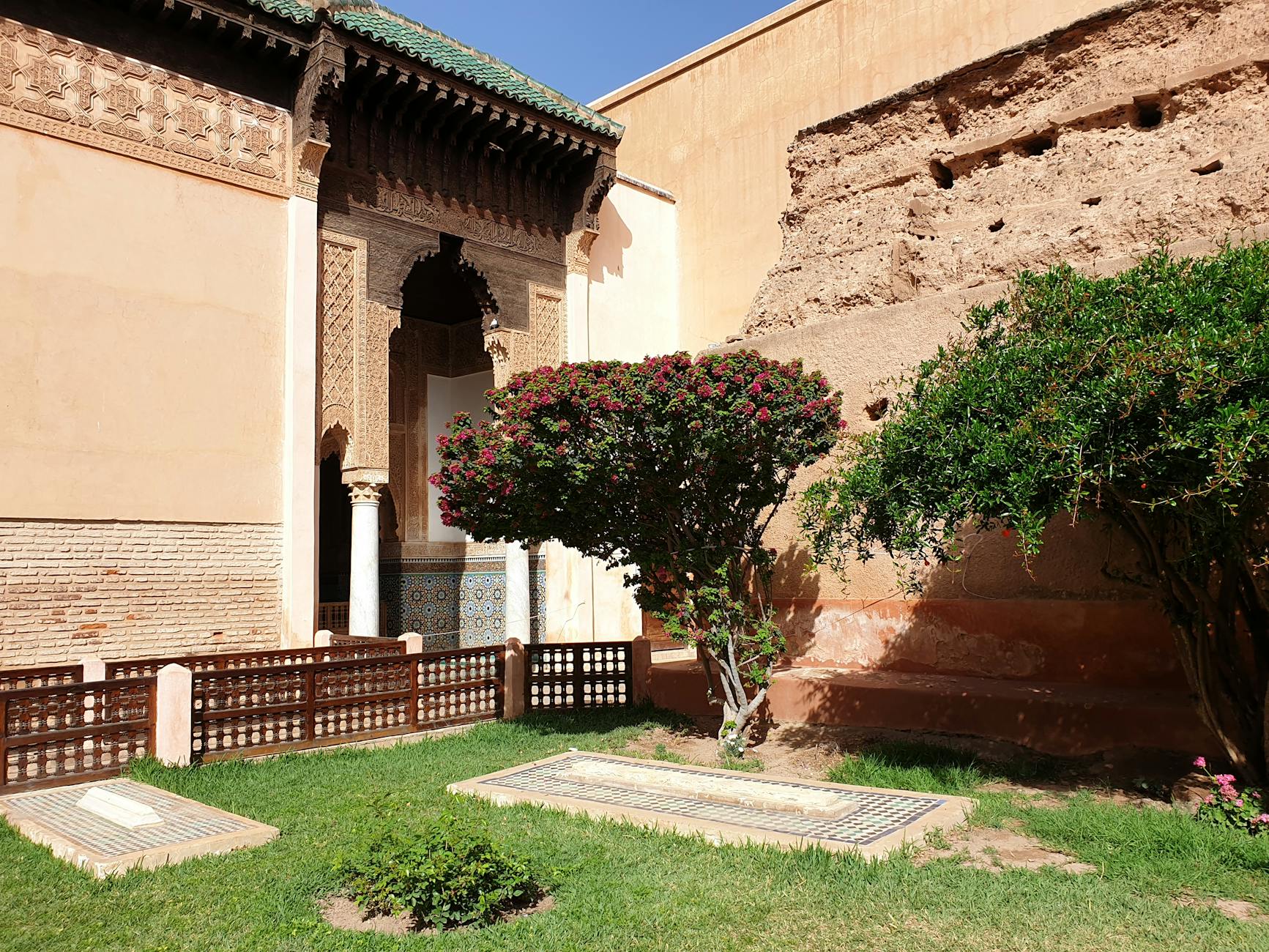
Marrakech can still be a strong short trip for a traveler with medical constraints, but it should not be planned like an ordinary weekend escape. The city is vivid, beautiful, and logistically specific. Heat, uneven lanes, scooters in the medina, stairs inside riads, dust, long walks, unfamiliar food, late dinners, and language friction can all turn a manageable condition into a harder day. The answer is not to avoid Marrakech. The answer is to remove avoidable uncertainty before the traveler is tired or symptomatic. A good medical-constraints plan for Marrakech starts with medication and documentation, chooses a base that protects recovery, treats arrival and local movement as health-control decisions, and maps food, pharmacy, clinic, and hotel fallback options before they are needed. This is not medical advice and it is not a substitute for a clinician's guidance. It is the practical travel layer that helps the trip remain enjoyable when the traveler has limits that the itinerary must respect.
Start with medication, documents, and heat reality
The first Marrakech planning question is whether the traveler can keep medical continuity from departure to return. Essential medication, device supplies, prescriptions, and medical documents should travel in hand luggage, with enough buffer for delays. A concise medical summary should include generic medication names, doses, allergies, relevant diagnoses, physician contact, emergency instructions, insurance details, and any device, injectable, refrigerated, or controlled-substance requirements. The traveler should know what cannot be missed, what can be replaced locally, and what would require medical help.
Heat deserves equal respect. Marrakech can make dehydration, fatigue, dizziness, respiratory sensitivity, migraine, blood-sugar management, pain, mobility limits, and medication timing more consequential. A traveler who handles a city well in mild weather may need a different structure here. The plan should protect morning starts, shaded pauses, water access, reliable meals, and the right to cut a route short without treating that as failure.
- Carry essential medication, medical documents, device supplies, and delay buffers in hand luggage.
- Use generic medication names, doses, allergies, diagnoses, clinician contacts, and emergency instructions in the summary.
- Plan around heat, hydration, food timing, fatigue, and symptom thresholds before choosing ambitious sightseeing.
Choose the hotel for access and recovery
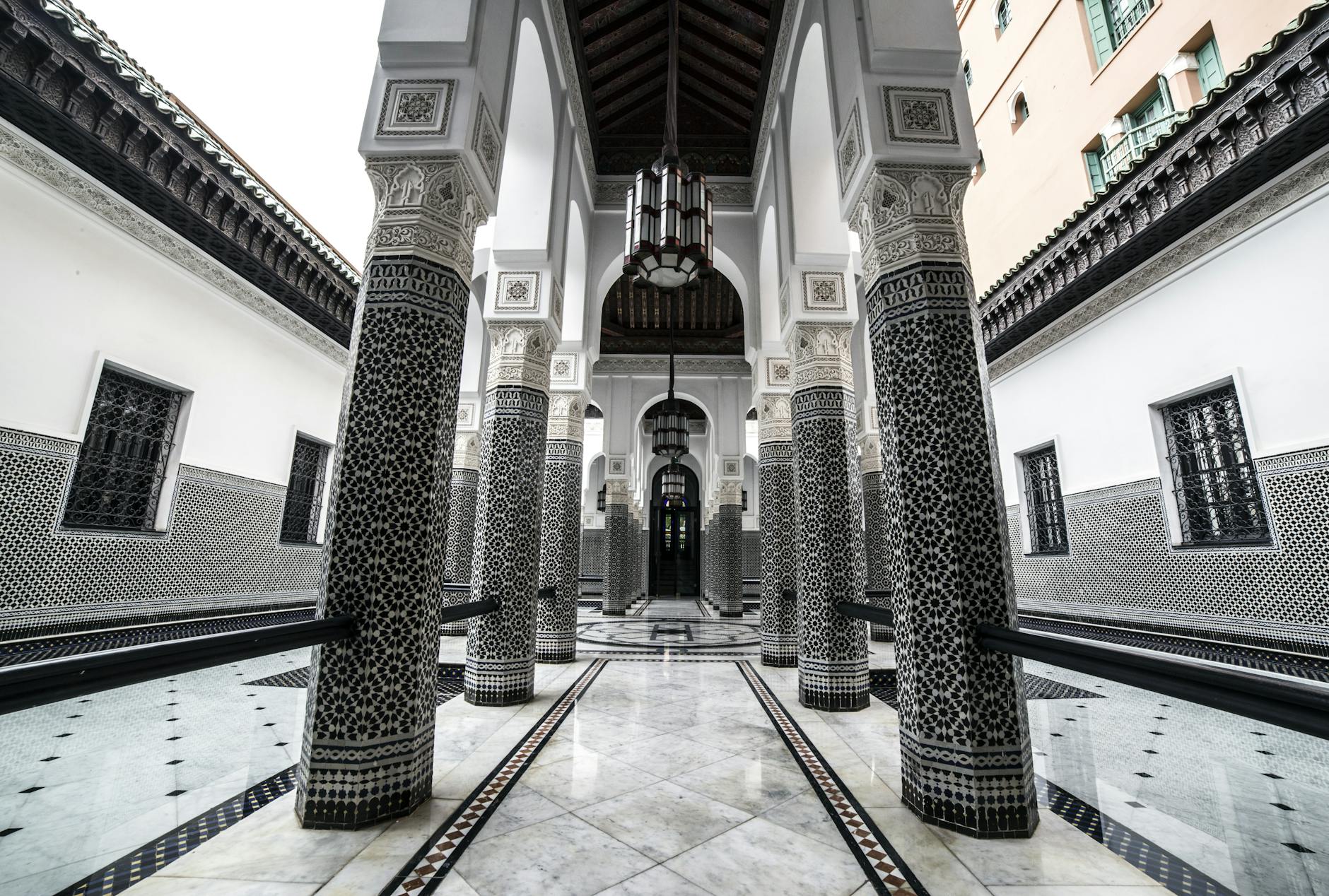
The hotel or riad is part of the medical plan. A medina riad may have beauty, quiet, and atmosphere, but it can also involve stairs, uneven approaches, limited vehicle access, small rooms, rooftop dining, or a walk from the nearest gate. That may work for some travelers and be wrong for others. A more accessible hotel in Hivernage, Gueliz, Palmeraie, or an edge-of-medina location may reduce the number of medically expensive movements in the day.
Room details should be confirmed before booking, not discovered on arrival. The traveler may need elevator reliability, a walk-in shower, refrigerator access, air conditioning, quiet sleep, minimal stairs, space for equipment, nearby food, vehicle pickup, or staff who can help arrange transport or care. The best base is not necessarily the most atmospheric one. It is the one that lets the traveler recover quickly and leave again without paying for every decision physically.
- Confirm stairs, elevator, shower, refrigerator, air conditioning, room quiet, equipment space, and vehicle access.
- Treat medina charm as a tradeoff when the final walk or stairs could affect symptoms.
- Choose a base that supports fast returns, nearby food, and recovery between outings.
Treat the medina as a route, not a maze
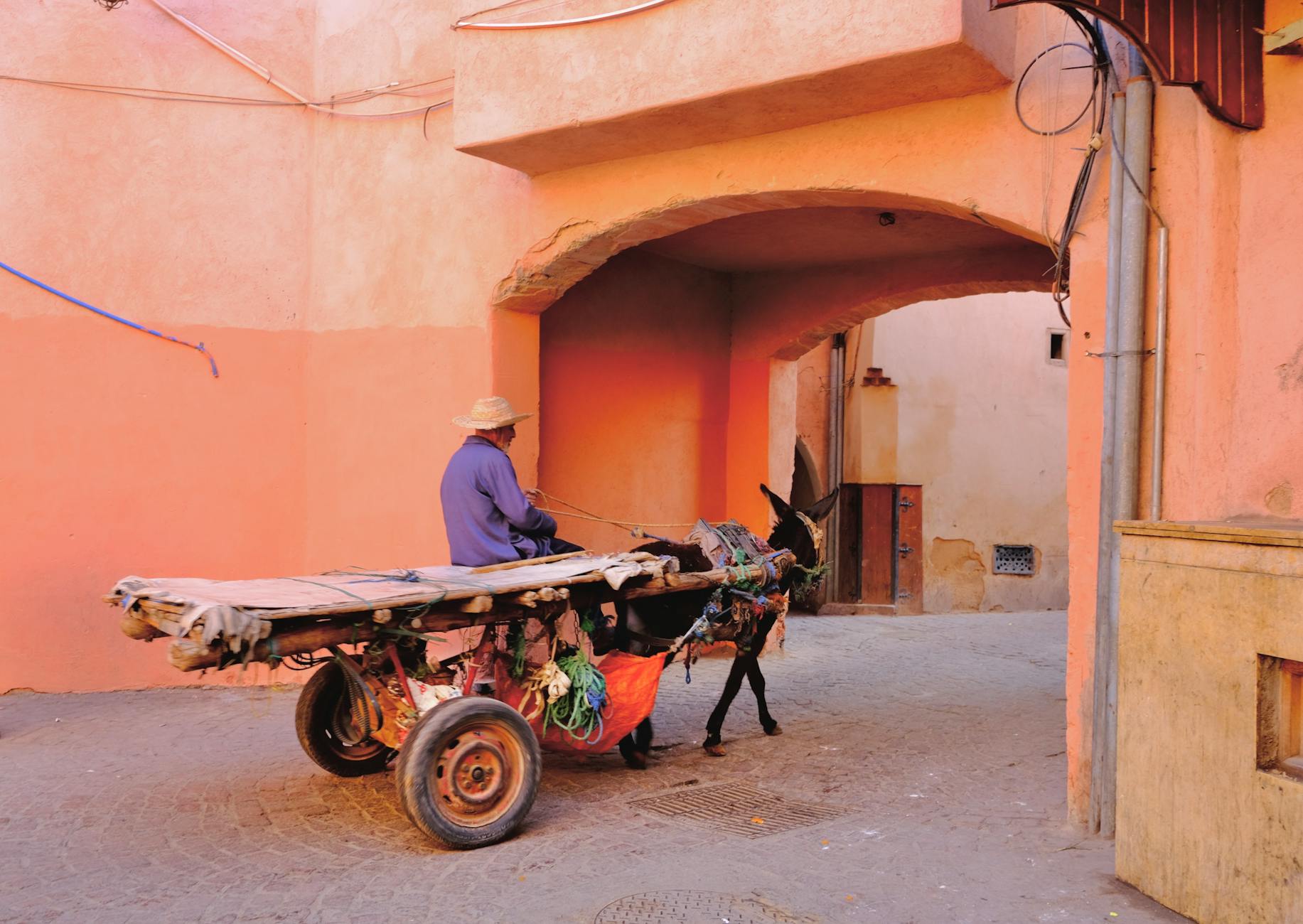
For travelers with medical constraints, the medina should be planned in usable sections. Uneven surfaces, scooter traffic, crowds, dust, heat, limited seating, stairs, vendors, and navigation pressure can add up quickly. A traveler with pain, fatigue, balance issues, respiratory sensitivity, anxiety, gastrointestinal concerns, or limited standing tolerance should not rely on open-ended wandering. The route should have a clear entry, a small number of stops, a rest point, and a known exit.
A guide can be useful when it reduces wayfinding strain and allows the traveler to focus on the place rather than the route. It is also reasonable to skip parts of the medina that do not fit the traveler. The goal is not to prove toughness. It is to preserve energy for the experiences that matter: a palace courtyard, a craft stop, a short souk visit, a rooftop view, or a calm meal. Marrakech becomes easier when the medina has edges.
- Use short medina routes with a clear entry, focused stops, rest point, and exit.
- Book a vetted guide when route control matters more than independent wandering.
- Leave before heat, pain, fatigue, respiratory symptoms, or crowd pressure become the main event.
Make arrival and transport symptom-aware
Marrakech Menara Airport is close to the city, but the transfer can still be a medical friction point if the traveler is tired, dehydrated, in pain, managing blood sugar, sensitive to heat, or carrying equipment. A prearranged driver, clear meeting point, known fare, luggage help, and riad escort when needed are worth arranging. The traveler should not be solving the first transfer from a curb while symptoms are already rising.
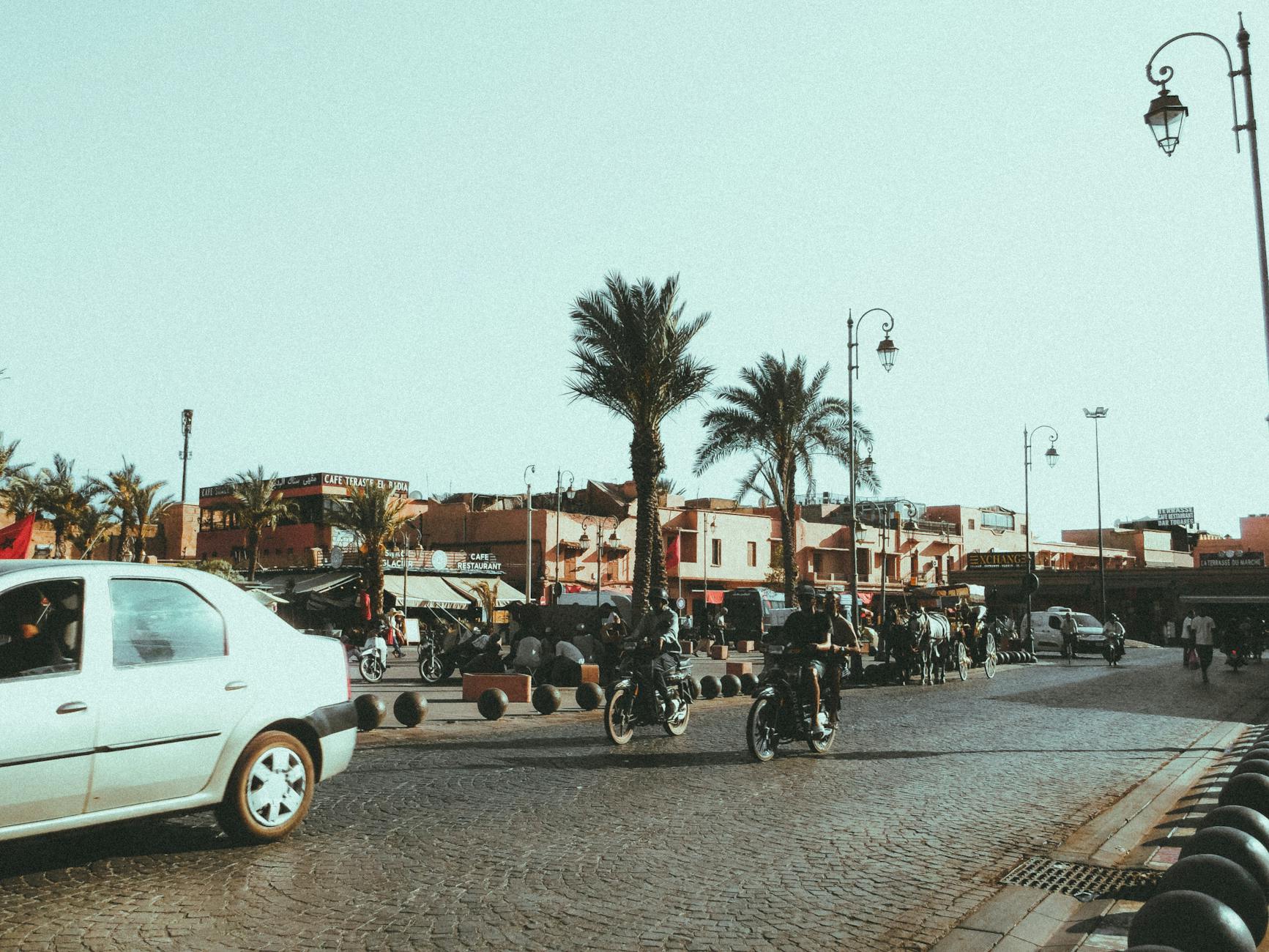
Daily transport should also be chosen by the body, not by map distance alone. A short walk through intense heat or uneven lanes may cost more than a longer car transfer. Taxis, private drivers, hotel cars, and short walks can all be useful when matched to the day. The plan should include the threshold for switching to a car, returning to the hotel, or canceling the next stop. A controlled movement plan gives the traveler more city, not less.
- Prearrange airport pickup, luggage help, and riad escort if the car cannot reach the door.
- Choose daily movement by heat, symptoms, walking surface, and recovery needs, not only by distance.
- Set a clear threshold for switching to a car, returning to the hotel, or dropping a planned stop.
Map pharmacy, clinic, and insurance fallbacks
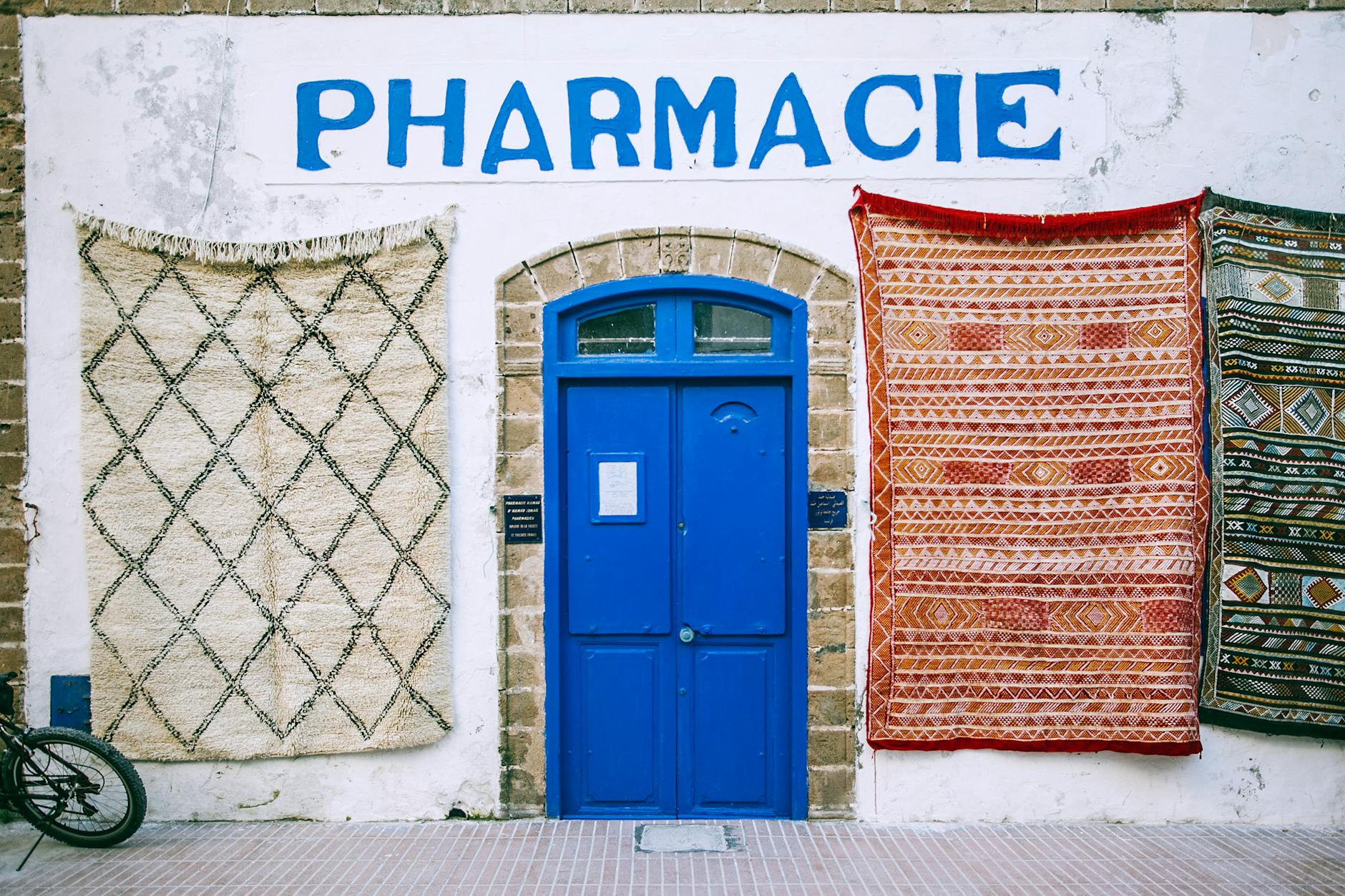
Marrakech has pharmacies and private medical options, but a traveler with medical constraints should not treat that general fact as a plan. Pharmacy hours, medication names, prescription expectations, language, brand substitutions, insurance procedures, and clinic suitability can all matter. Before arrival, the traveler should know the nearest practical pharmacy to the hotel, a second fallback, how the hotel can help, and what the travel insurer expects if care is needed.
The plan should stay current because providers, opening hours, and availability can change. A report or hotel concierge should verify specific clinic and pharmacy options close to the trip date. The traveler should also know when the situation is no longer a hotel or pharmacy issue and requires emergency services. Written medical details reduce the chance that care depends on memory during stress, pain, or language friction.
- Identify near-hotel pharmacy options, hotel assistance, insurer procedures, and care fallbacks before arrival.
- Verify current pharmacy hours, clinic suitability, and access details close to the trip date.
- Carry written medical details so care is not dependent on memory during stress.
Make food, hydration, and rest boring
Food and hydration should be treated as infrastructure. A traveler managing diabetes, gastrointestinal issues, food allergies, immune concerns, medication timing, migraine, fatigue, or heat sensitivity should not rely on chance meals after long routes. The day should identify reliable near-hotel food, a meal near the main outing, water access, snack backup, and a plan for what happens if a restaurant is closed, crowded, or not suitable.
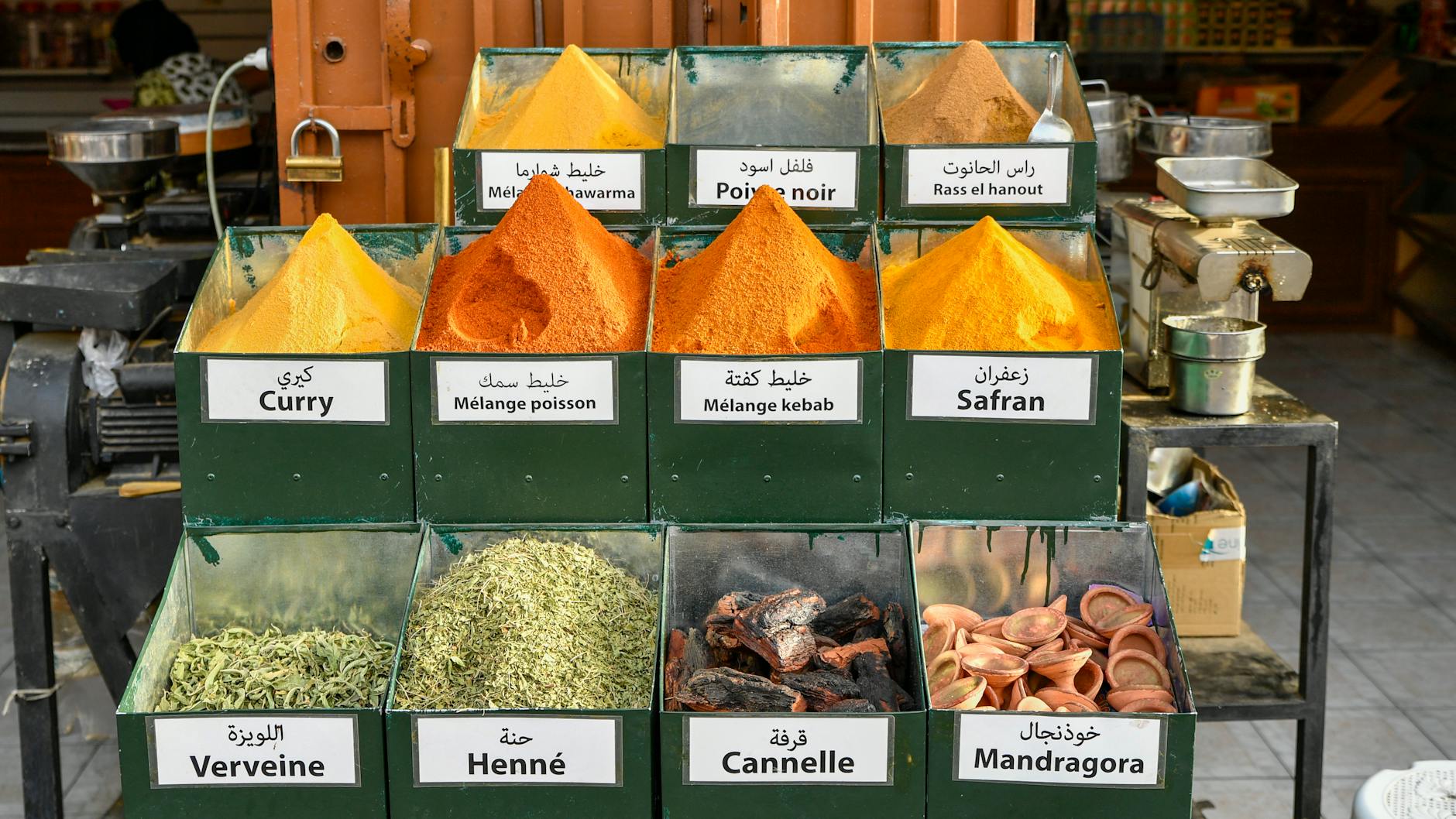
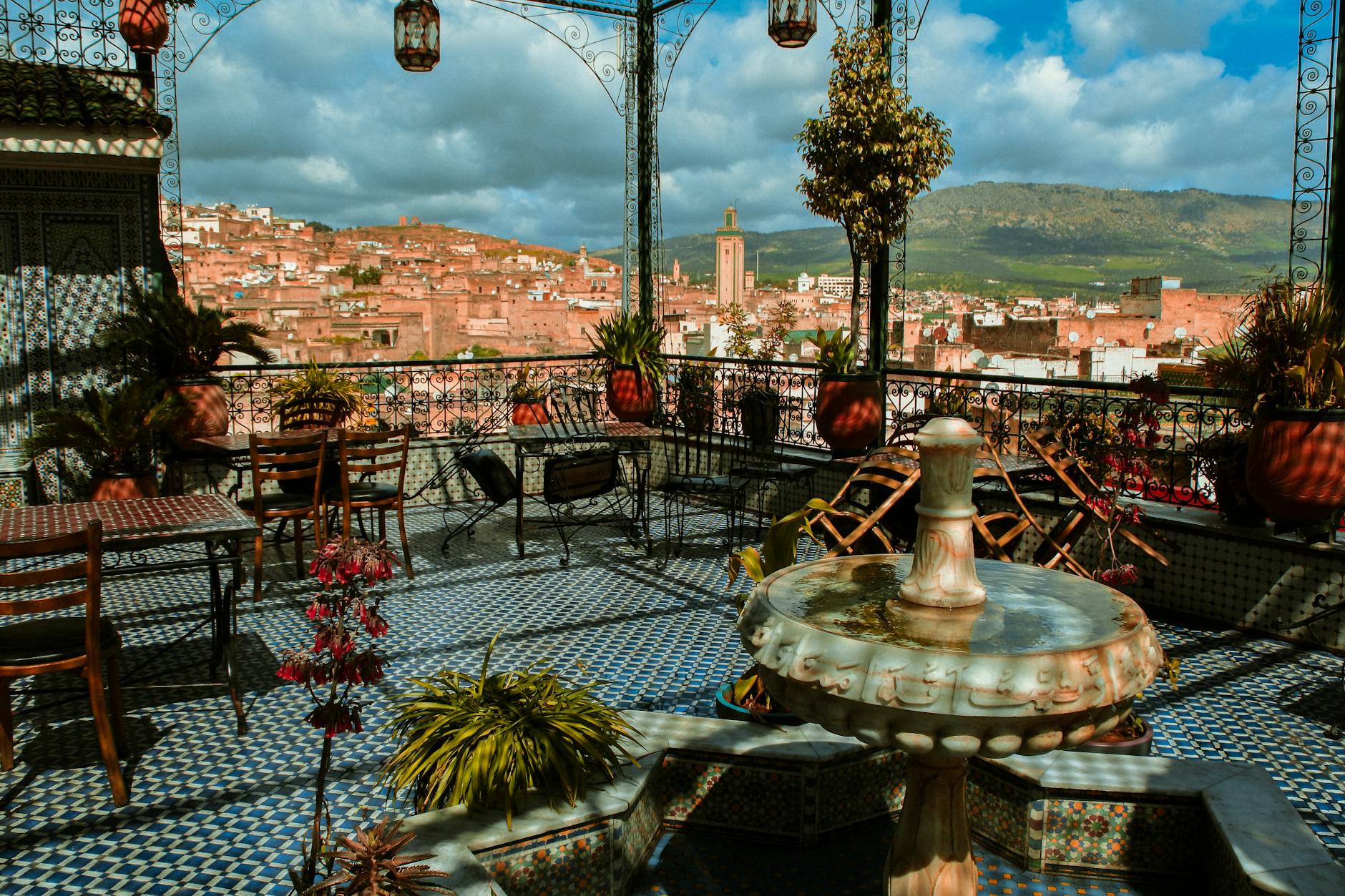
Marrakech food can be a pleasure, but the medically constrained traveler should separate culinary curiosity from physical stability. Some meals can be atmospheric. Others should simply be easy, predictable, and close. Alcohol, hammams, long market meals, rooftop dinners, and excursions should all be judged by how they interact with medication, hydration, heat, digestion, and sleep. The boring parts of the plan are what allow the vivid parts to work.
- Plan reliable meals, water access, snacks, and timing around medication and symptom needs.
- Keep first-night and recovery-day meals close to the hotel.
- Judge food, alcohol, hammams, and rooftop dinners by their effect on hydration, sleep, digestion, and medication timing.
When to order a short-term travel report
A traveler with a minor, stable condition and an accessible hotel may need only ordinary preparation. A report becomes useful when the trip includes complex medication, refrigeration, mobility limits, heat sensitivity, food allergies, immune concerns, respiratory issues, post-procedure recovery, late arrival, medina lodging, excursion plans, or uncertainty about local care options. Marrakech is manageable for many travelers, but it rewards precise planning more than optimistic improvisation.
The report should test medication continuity, hotel access, room requirements, arrival handoff, medina route, guide need, transport fallbacks, food and hydration timing, pharmacy and clinic options, insurance steps, excursion realism, and recovery windows. The value is operational clarity. It should help the traveler and any companions know what to do before discomfort, fatigue, heat, or symptoms make decisions harder.
- Order when medication, mobility, heat, food, immunity, respiratory needs, lodging access, or local care fallbacks need precision.
- Provide medication needs, mobility limits, hotel candidates, arrival time, diet constraints, insurer rules, and symptom triggers.
- Use the report for travel logistics; it does not replace advice from the traveler's own clinician.