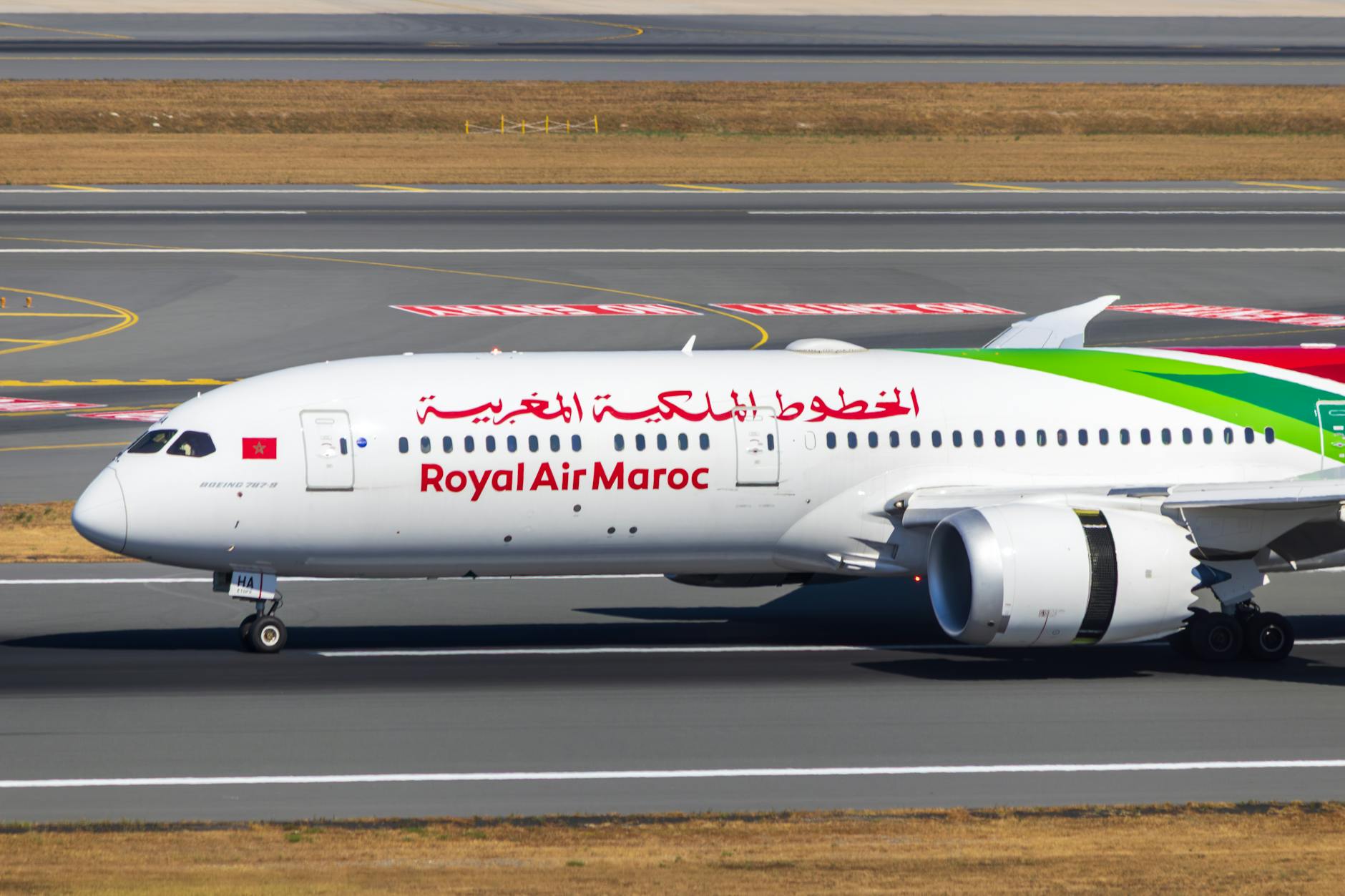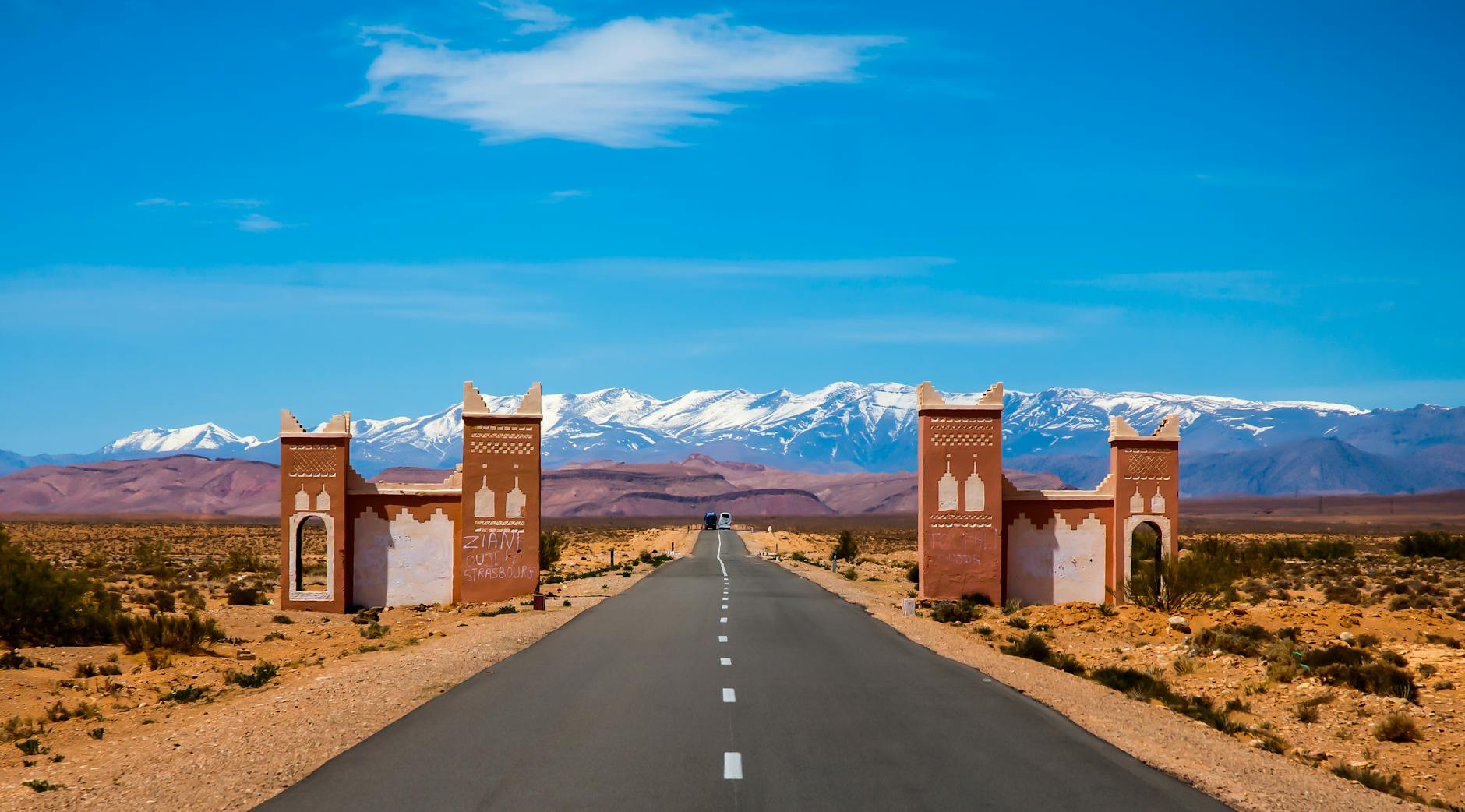
A transit or stopover traveler in Marrakech is usually not taking a normal city break. The trip may be a long layover at Marrakech Menara Airport, a one-night reset before an Atlas, desert, Essaouira, or Casablanca transfer, a rail or coach handoff, or a short gap between a flight and a riad check-in. Marrakech looks easy on a map because the airport is close to the city and the medina is famous. The mistake is treating that proximity as usable time. A strong Marrakech stopover is built around controlled handoffs: immigration, baggage, driver pickup, luggage storage, hotel access, meal timing, phone power, and the return to the airport, train station, coach departure, or onward driver. A traveler with a clean five-hour window can have a worthwhile glimpse of the city. A traveler with an optimistic five-hour window can spend most of it solving basic movement.
Calculate usable time, not the visible gap
A Marrakech stopover should begin with a sober time calculation. The scheduled gap is not the usable gap. The traveler has to include deplaning, passport control, baggage, customs, ATM or SIM needs, driver pickup, traffic, hotel or luggage storage, the walk into the medina if relevant, and the return to the airport, station, coach terminal, or onward vehicle. Menara Airport is close to the city, but close does not mean frictionless.
The same discipline applies to rail and coach gaps. A traveler arriving by train before a late flight, or landing before a Supratours, CTM, private driver, or desert-route pickup, needs a clear cancel point. If the inbound leg slips, the city plan should shrink or disappear before it starts eating into the protected onward margin.
- Measure usable time after passport control, baggage, pickup, storage, city movement, and re-entry are included.
- Set a delay threshold that cancels or shortens the Marrakech plan before arrival.
- Treat flight, train, coach, and private-driver handoffs as separate timing problems.

Match the stopover to the arrival point
Marrakech transit feels different depending on where the traveler actually lands in the system. Menara Airport can support a controlled hotel meal, a short Gueliz or Hivernage pause, or a carefully managed medina visit if the window is long enough. The ONCF rail station is more naturally tied to Gueliz, coach departures, and hotel resets. A private driver pickup for the Atlas, Agafay, Essaouira, or a desert route may make the airport or hotel the smarter base than the medina.
The traveler should not choose the most famous Marrakech experience first. The arrival point should choose the route. If the onward leg is from the station, do not bury the traveler deep in the medina with luggage. If the onward leg is a driver to the mountains, prioritize a clean meeting point and a rested start over one more rushed sight.
- Use Menara Airport, the ONCF station, coach departures, and private-driver pickups as different stopover designs.
- Choose Gueliz, Hivernage, a hotel base, or the medina according to the next departure point.
- Avoid deep-medina plans when luggage, pickup access, or onward timing is fragile.
Decide between airport-adjacent, hotel-led, and medina time
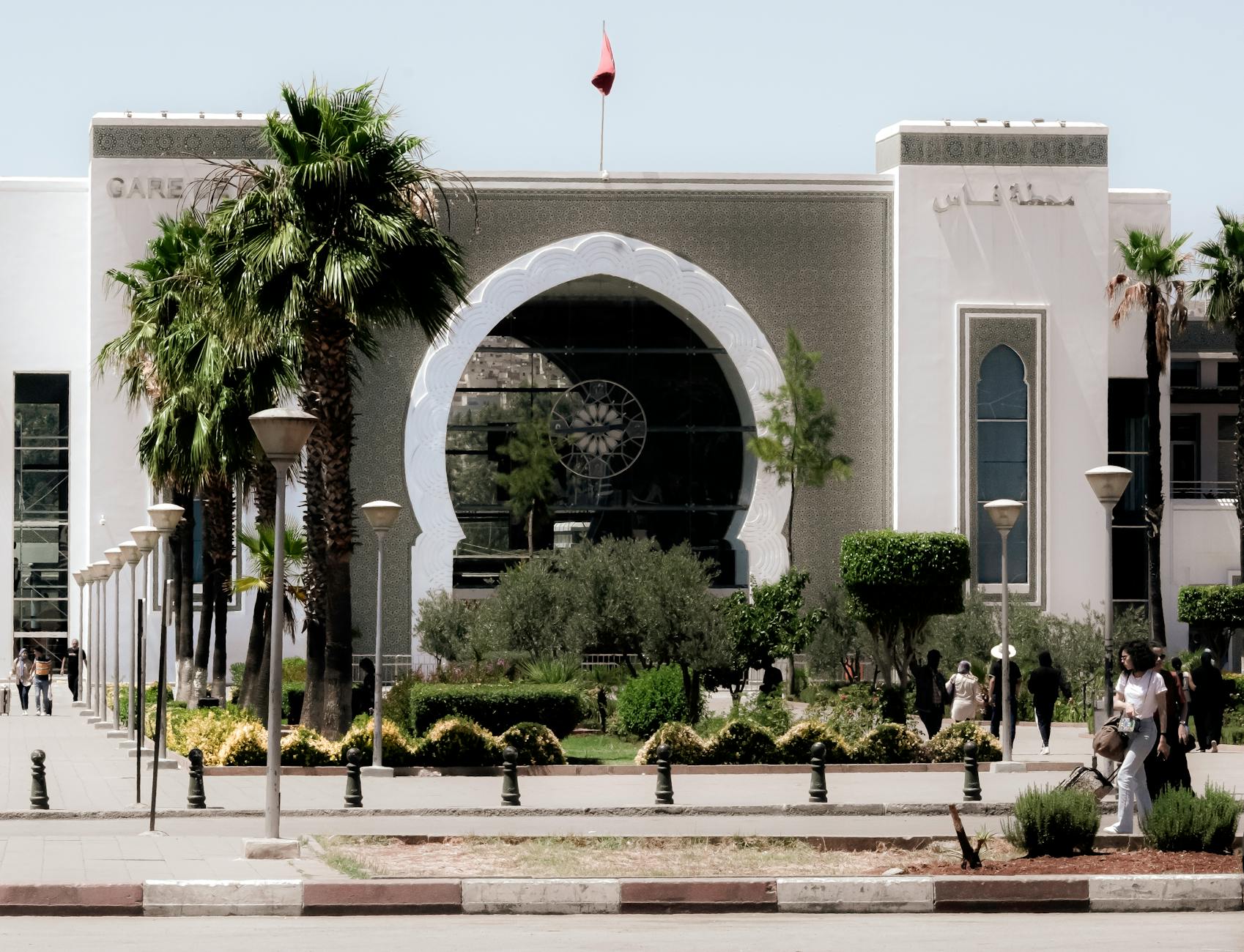
A short Marrakech stopover does not automatically justify going into the medina. Sometimes the best answer is an airport-adjacent meal, a hotel pool and shower, a Gueliz cafe, or a quiet reset before the onward leg. A longer layover or overnight can support a focused medina plan, but even then the traveler should treat the route as a controlled entry and exit rather than open wandering.
The medina is rewarding, but it is not a neutral transit environment. Narrow lanes, scooters, heat, bargaining pressure, wrong turns, and unclear pickup points can consume the margin quickly. If the traveler has only a few hours, a less romantic but cleaner stopover may be the higher-quality choice.
- Use airport-adjacent or hotel-led plans when the window is short, late, hot, or luggage-heavy.
- Enter the medina only with enough time for a clean exit and a named pickup point.
- Do not turn a stopover into a checklist of sights when the main goal is preserving the onward trip.

Solve luggage before solving sightseeing
Luggage is often the detail that decides whether a Marrakech stopover works. Checked-through baggage may simplify an airport layover, but the traveler still has cabin bags, duty-free purchases, medication, documents, work devices, and valuables. A train or coach stopover can be harder because the bags may be fully in hand. Rolling luggage through uneven medina lanes is usually a sign that the plan was designed in the wrong order.
The traveler should know where bags will be stored, who is responsible for them, when they can be retrieved, and whether the storage point still makes sense for the onward leg. Passport, medication, payment backup, phone charger, and any essential travel documents should stay accessible even if the larger bag is left with a hotel, driver, or storage service.
- Confirm checked-through baggage, hotel storage, driver-held luggage, or station storage before leaving the transit path.
- Keep documents, medication, payment, phone power, and fragile items under direct control.
- Avoid medina wandering with full-size luggage unless the route and pickup point are explicitly arranged.

Protect late arrivals and early departures
Many Marrakech stopovers happen at awkward hours: late flights, early onward drivers, morning desert pickups, or rail and coach departures that force a quick overnight. These trips should be planned for sleep, shower, food, and reliable transfer first. A beautiful riad can be the wrong stopover base if the traveler arrives late, cannot get a vehicle close, and has to leave before breakfast through lanes they do not yet understand.
For a short overnight, vehicle access and operational reliability may matter more than atmosphere. A hotel in Hivernage, Gueliz, or near the airport can outperform a more romantic address if it reduces late-night confusion and morning stress. The stopover is successful when the traveler reaches the next leg rested and on time, not when the hotel photographs best.
- Prioritize sleep, shower, food, and confirmed transfers on late-arrival or early-departure stopovers.
- Choose a base with vehicle access when timing, luggage, fatigue, or darkness make medina access fragile.
- Confirm breakfast, checkout, porter help, and driver pickup time before committing to an overnight plan.
Keep the city glimpse compact and reversible
If the traveler leaves the airport, station, or hotel, the Marrakech route should be compact and reversible. A short plan might be one garden, one cafe, one medina edge, or one meal with an easy return. A longer stopover might support a Koutoubia-area walk, a controlled souk pass, and lunch, but it still needs an exit strategy. The wrong plan depends on several distant stops, multiple drivers, or an uncertain pickup in a crowded lane.
Marrakech is strong enough that one clean experience can be worthwhile. A traveler does not need to prove the stopover by seeing everything. Heat, traffic, prayer-time rhythms, market pressure, and phone battery all matter more when the next flight, train, coach, or driver is waiting.
- Use one anchor experience and one nearby option, not a citywide mini-itinerary.
- Choose routes that can be reversed quickly if timing, heat, or fatigue worsens.
- Name the return pickup point before the first stop, especially near the medina.
When to order a short-term travel report
A traveler staying airside, using a protected short connection, or sleeping at a simple airport hotel may not need a custom report. A Marrakech transit or stopover traveler should consider one when the window is tempting but fragile, when the traveler is self-connecting, when luggage is unclear, when the onward leg is a driver, train, or coach, when an overnight base must be chosen, or when a short medina visit has to be made reliable rather than hopeful.
The report should test the exact arrival time, airport or station, ticket structure, baggage status, hotel or storage option, driver handoff, planned city route, return threshold, and backup plan. The value is not a generic list of Marrakech highlights. It is a disciplined answer to whether the traveler should leave the transit path, where to go if they do, and when to abandon the city plan.
- Order when the stopover is long enough to tempt a city visit but short enough to punish delays.
- Provide flight, train, coach, or driver details, luggage status, timing, hotel options, and mobility needs.
- Use the report to decide whether to leave the transit path, what to do, and when to return.