A sales trip to Marrakech is a compressed commercial campaign inside a city where client trust, timing, hospitality, and movement all matter. The traveler may be meeting hotel operators, retail buyers, distributors, craft suppliers, investors, hospitality partners, nonprofit buyers, cultural institutions, or regional prospects. The value of the trip depends less on whether Marrakech is interesting and more on whether the traveler can arrive composed, present the right materials, choose the right setting for each conversation, and capture next steps before the day blurs. Marrakech sales travel has its own weak points. A medina meeting can be powerful but hard to time. A hotel lunch can be useful but too formal for discovery. A market or site visit can reveal the buyer's real priorities but consume far more energy than expected. Heat, traffic, taxi uncertainty, language, payment methods, phone data, and late returns can all affect the quality of client-facing moments. A strong plan protects the account map first, then uses the city as a relationship tool rather than an uncontrolled source of friction.
Build the trip around the account map
A sales traveler should start with the account map, not with a generic Marrakech itinerary. A prospect in Gueliz, a hotel buyer in Hivernage, a resort partner in the Palmeraie, a supplier in the medina, a distributor outside the center, and a dinner contact near a venue can all belong to the same sales trip but create very different movement demands. The day should be built around commercial priority and geography together, not around whichever meetings fit a calendar first.
The highest-value account deserves the strongest buffer, best meeting setting, and least fragile route. A discovery coffee can be placed near the hotel if it is lower stakes. A serious buyer meeting may justify a driver and a quieter room. A market or site visit may need more time than a formal presentation. Marrakech sales momentum improves when the traveler knows which account is the anchor and which conversations are useful only if they do not weaken that anchor.
- Map prospects, existing accounts, distributors, suppliers, meals, and site visits before choosing the hotel.
- Cluster meetings by Hivernage, Gueliz, medina, Palmeraie, or outlying zones when possible.
- Give the highest-value account the best buffer, transfer plan, and meeting environment.
Protect punctuality and first impressions
In sales travel, lateness changes the commercial tone. Marrakech can make punctuality more fragile than it looks on a map because traffic, heat, event timing, medina gates, hotel pickup points, and unclear addresses can all add minutes at the wrong time. The traveler should plan door-to-door: hotel room to vehicle, vehicle to correct entrance, entrance to reception or meeting point, and enough time to settle before opening a pitch or discovery conversation.
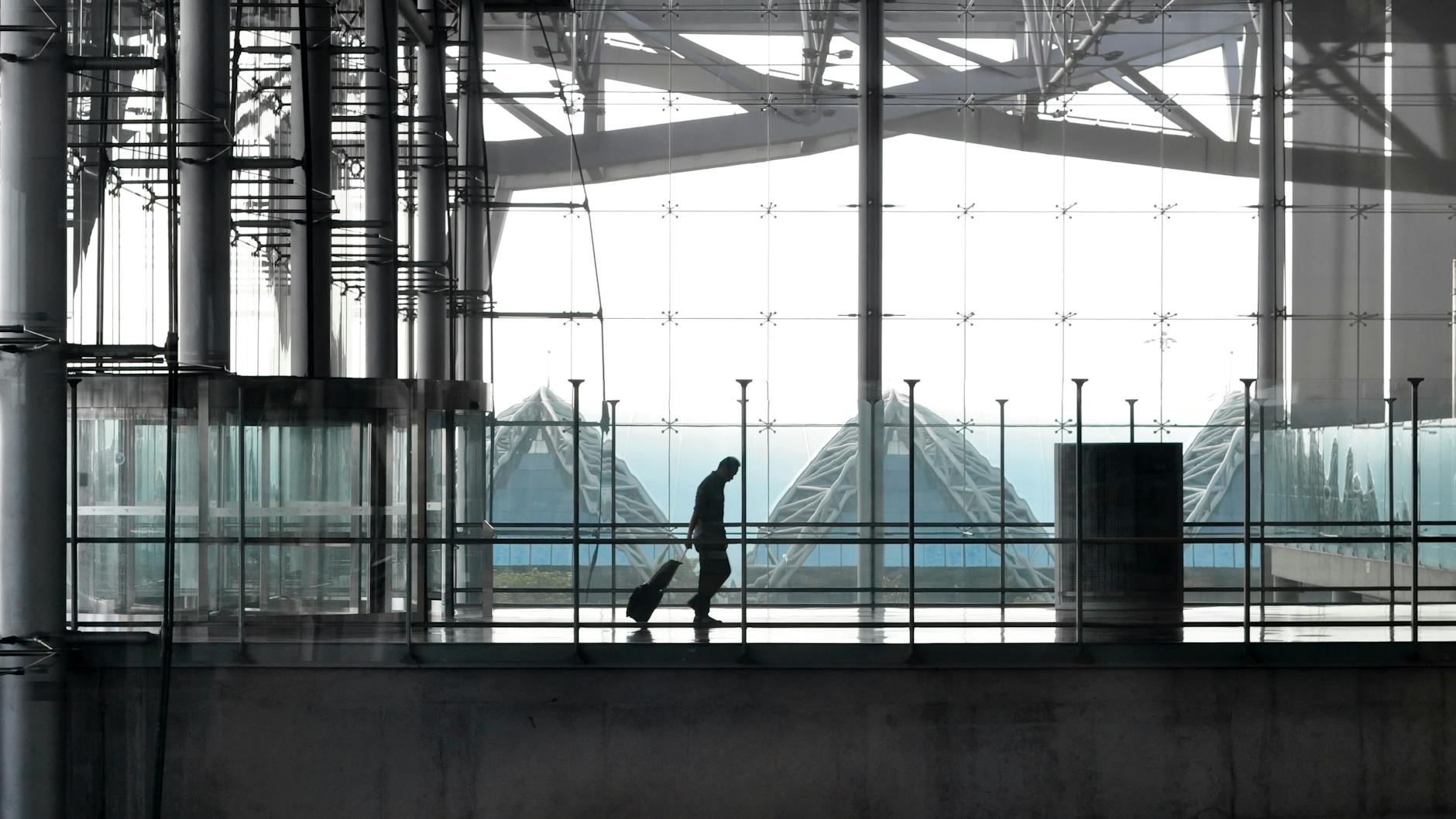
Arrival from the airport should also protect first impressions. A traveler landing close to a major buyer meeting should not depend on improvising taxis, phone setup, cash, and luggage handling at once. A prearranged transfer or trusted driver may look excessive for a short distance and still be the correct commercial decision. The question is not whether the traveler can get there eventually. It is whether the traveler arrives composed, equipped, and ready to sell.
- Plan arrival to the client's actual entrance or meeting point, not just the neighborhood.
- Use prearranged transfers or trusted drivers when timing, luggage, heat, or address uncertainty could affect the meeting.
- Build buffers around medina gates, hotel pickup points, event traffic, and first-day airport arrival.
Treat pitch materials as controlled cargo
Sales travelers often carry more risk than they acknowledge: samples, catalogs, pricing sheets, demo devices, presentation decks, chargers, adapters, proposal drafts, contracts, business cards, buyer lists, and follow-up notes. A missing charger or weak cloud connection can damage a meeting. A sample bag can make a medina route or taxi negotiation more awkward. A printed price sheet can create confidentiality concerns if it is handled casually between meetings.
The packing plan should separate critical items from replaceable ones. The traveler should know what stays in carry-on, what can be checked, what can be shipped, what must be backed up offline, and what can be replaced locally. If a buyer needs to see a product, fabric, image, menu, technical sheet, or live demo, the traveler should test the presentation path before the meeting. Marrakech can support sophisticated sales work, but it should not be asked to rescue a fragile materials plan.
- Keep core pitch materials, demo access, chargers, adapters, and critical samples under direct control.
- Prepare offline backups for decks, pricing, product sheets, and buyer-specific notes.
- Match transport and hotel choice to the actual materials load, especially for samples or printed collateral.

Choose a hotel that supports selling
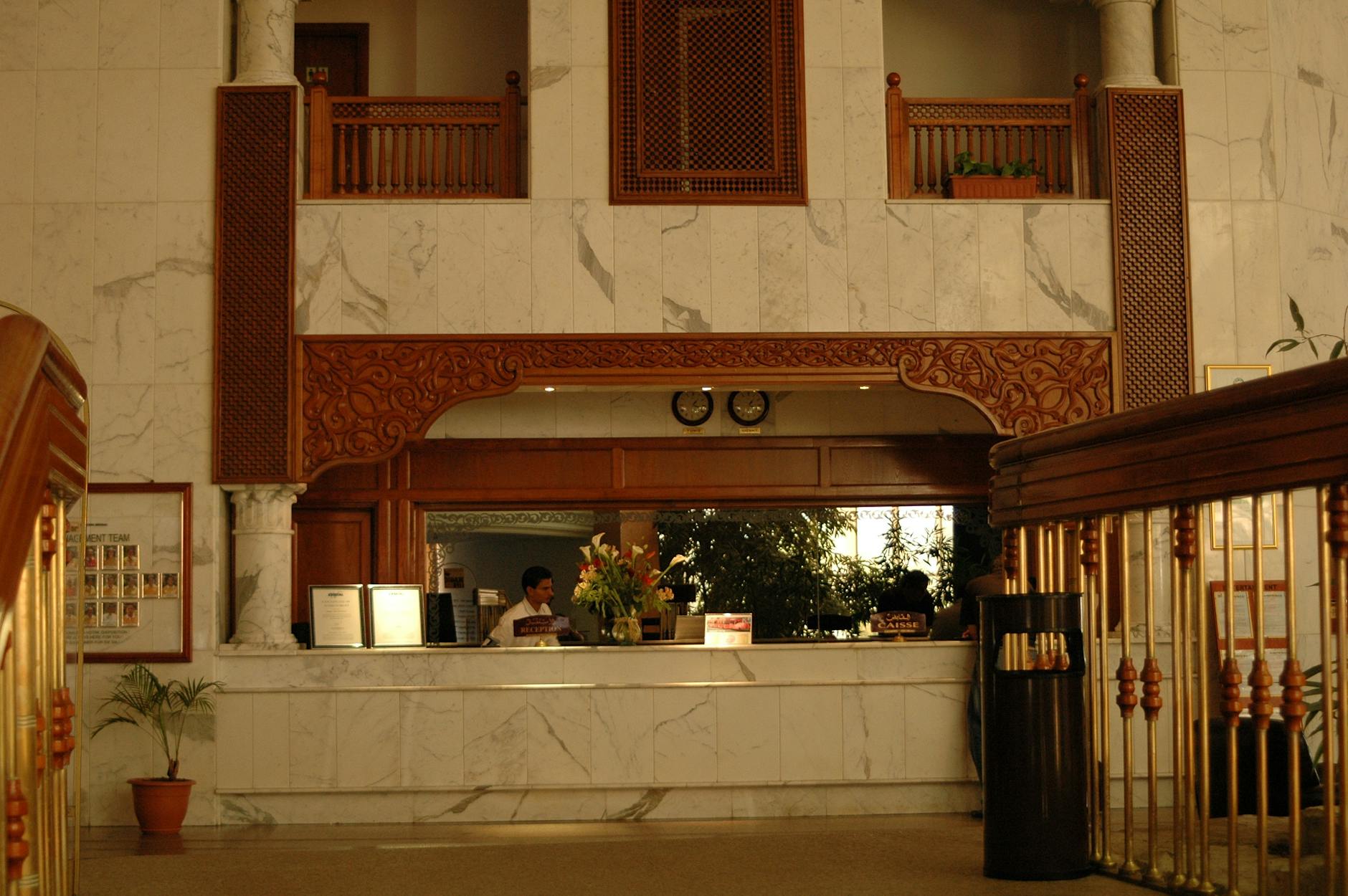
A sales hotel in Marrakech should help the traveler prepare, recover, and continue the commercial conversation. It needs reliable Wi-Fi, a usable desk, quiet call space, air conditioning, practical breakfast timing, laundry, sample storage, road access, and food nearby when the traveler has to write follow-up after dinner. A striking riad can be the wrong sales base if it makes pickup, late work, or materials handling difficult. A more conventional hotel can be the stronger tool when the account plan is serious.
Hotel geography should follow the accounts. Hivernage may work for formal meetings, event venues, and smoother vehicle movement. Gueliz can be useful for practical restaurants and business errands. The medina can support specific relationship or sourcing moments but should not be chosen by default if it weakens repeated client movement. The best base lets the traveler prepare privately, depart quickly, regroup between meetings, and avoid wasting decision energy on basic logistics.
- Confirm Wi-Fi, desk, quiet calls, air conditioning, laundry, sample storage, breakfast, road access, and nearby food.
- Use Hivernage or Gueliz when practical business movement matters more than immersion.
- Choose medina lodging only when it strengthens the sales purpose and does not weaken daily operations.
Use meals and hospitality as sales tools
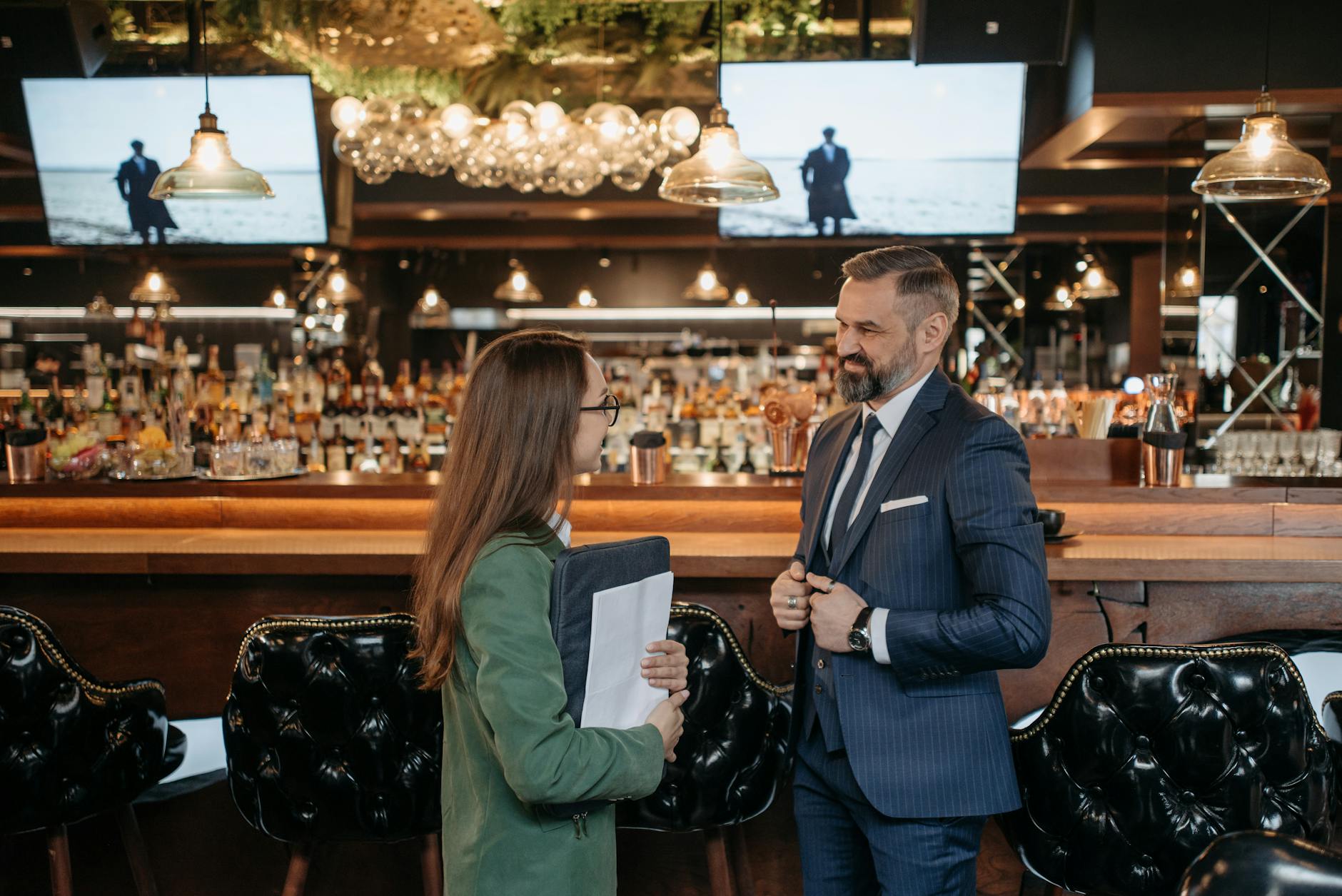
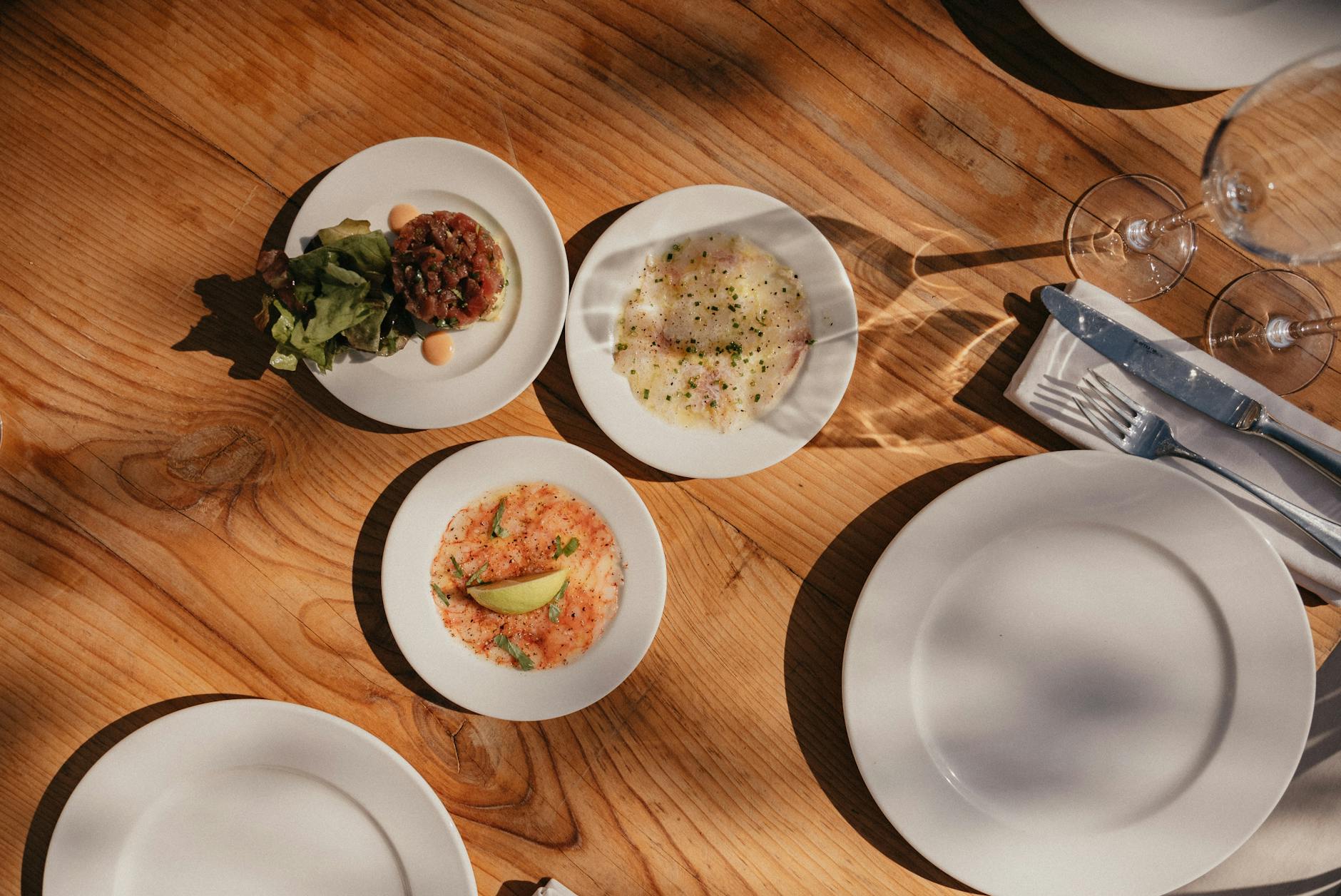
Marrakech can make client meals memorable, but sales travelers should choose hospitality by buyer fit rather than atmosphere alone. A quiet hotel lunch may be better for pricing or next steps. A Moroccan dining experience may be better for relationship-building. A cafe in Gueliz may be better for a short discovery conversation. A rooftop dinner may be excellent for one buyer and distracting, noisy, or logistically weak for another. The setting should serve the relationship stage.
Evening plans need return discipline. A long dinner after a full meeting day can be commercially useful, but it should not leave the traveler without transport, notes, or the energy to send promised follow-up. If alcohol, late timing, noise, or cross-city movement will weaken the next morning's pitch, the traveler should choose a simpler format. Hospitality should increase trust and clarity, not consume the trip's commercial value.
- Choose meals by buyer profile, conversation need, noise, timing, geography, and return route.
- Use atmospheric dinners selectively when they strengthen the relationship rather than distract from the sale.
- Protect time after meals for notes, promised follow-up, and next-day preparation.
Turn market and site visits into buyer insight
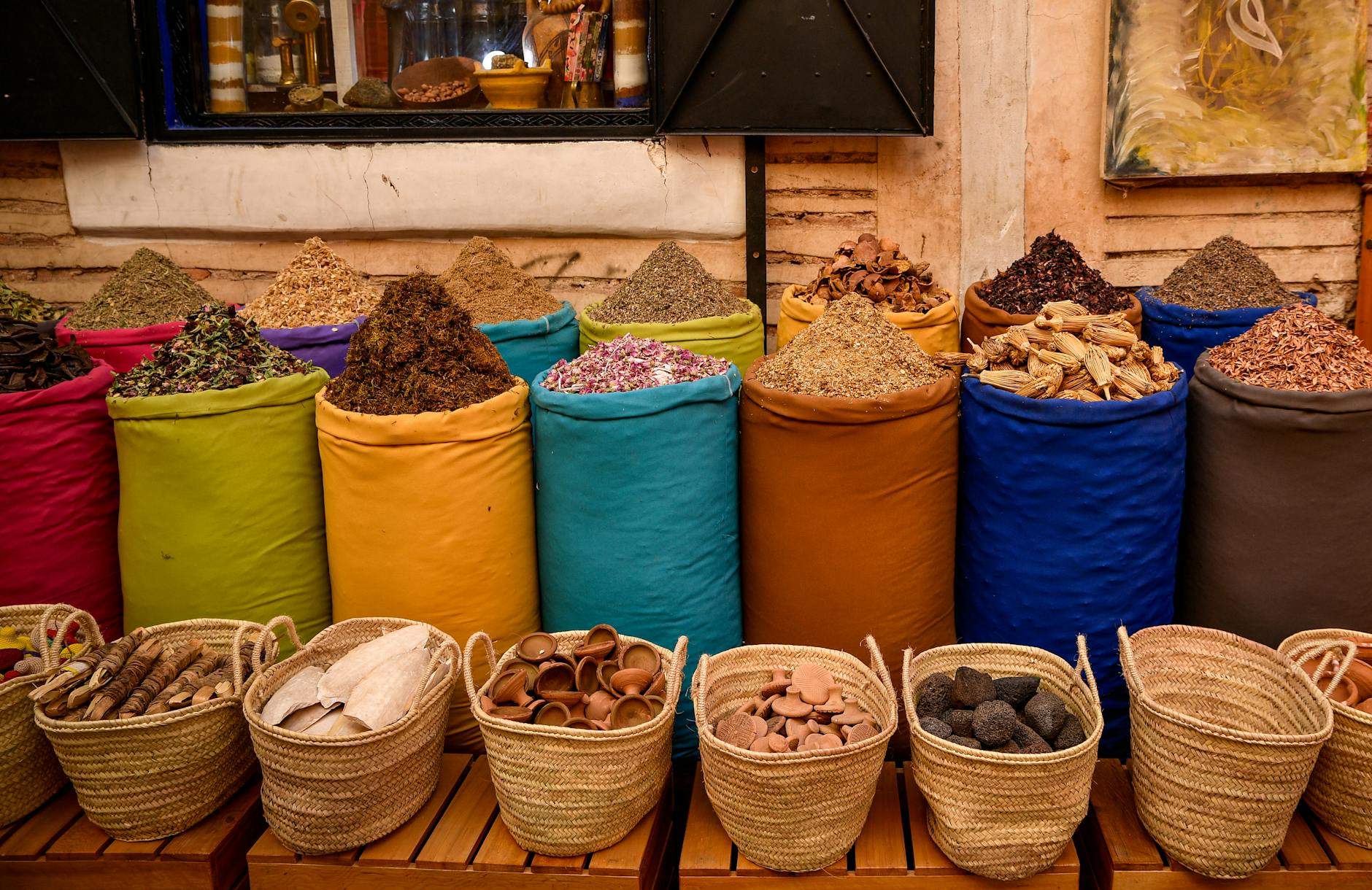
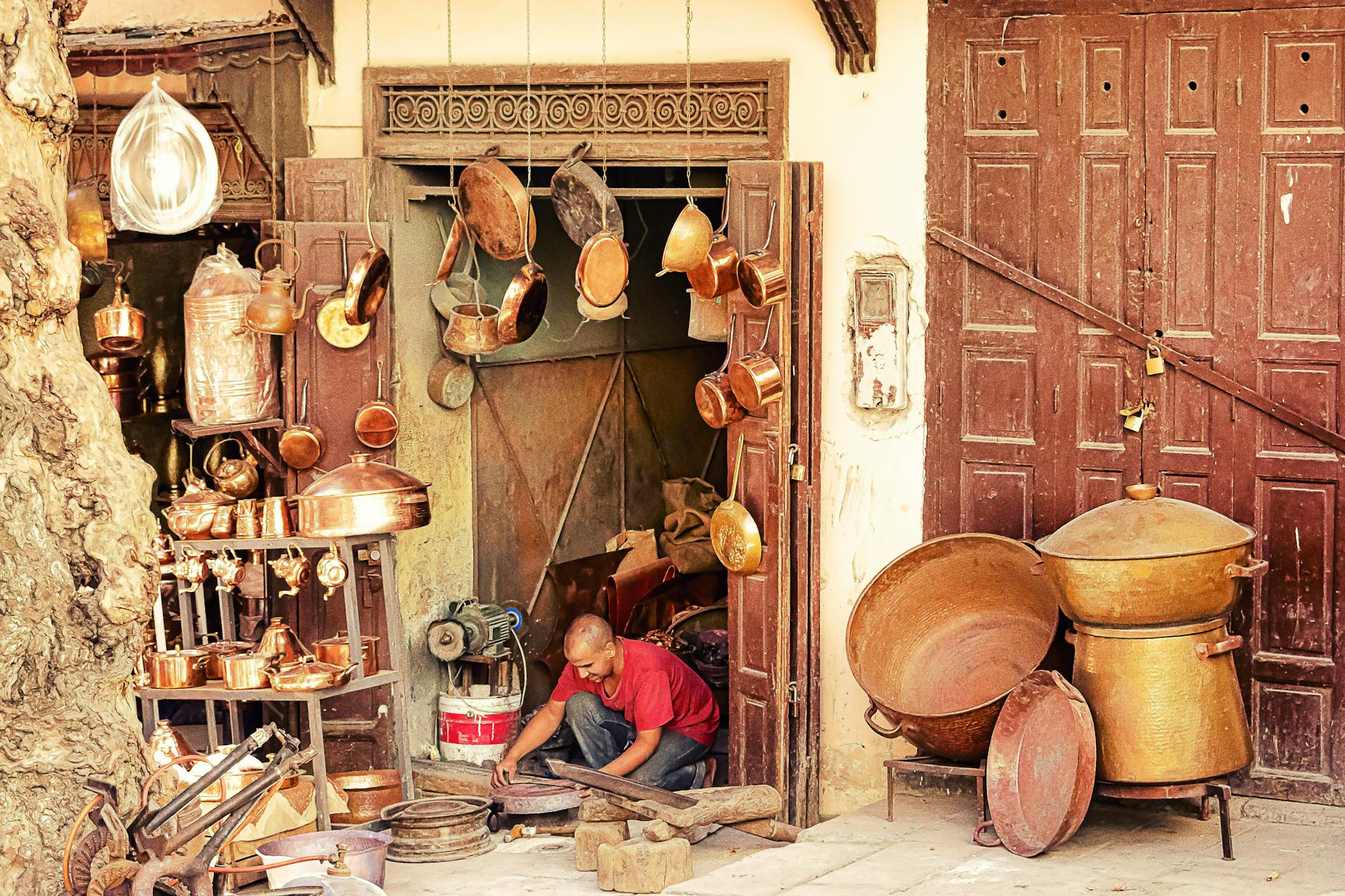
Some Marrakech sales trips include more than office meetings. A buyer may want to see a workshop, hotel property, restaurant operation, retail display, market stall, craft supplier, textile contact, spice seller, event venue, or logistics site. These visits can reveal needs that a conference-room conversation misses. They can also sprawl, especially when translation, traffic, bargaining, heat, or informal introductions take over the schedule.
The traveler should define the purpose of each visit before going: qualify a prospect, demonstrate fit, understand operations, collect requirements, support a distributor, or deepen a relationship. The plan should capture photos, names, measurements, objections, buying signals, and next steps while the visit is happening. A vivid site visit has little value if the traveler cannot convert it into a proposal, quote, sample shipment, or follow-up meeting.
- Treat market, workshop, hotel, restaurant, retail, and supplier visits as structured sales discovery.
- Use guides, translators, or local contacts when route control or qualification quality matters.
- Capture buying signals, objections, photos, contacts, measurements, and next steps before leaving each site.
When to order a short-term travel report
A sales traveler with one familiar account and flexible timing may not need a custom report. A traveler with several prospects, a major buyer pitch, samples, hospitality plans, market visits, distributor meetings, or account locations split across Hivernage, Gueliz, the medina, Palmeraie, and outlying sites should plan more carefully. Marrakech rewards relationship-building, but it also punishes vague movement and weak follow-up discipline.
The report should test account geography, hotel fit, airport arrival, driver strategy, meeting buffers, client-meal locations, sample handling, demo reliability, market or site-visit sequencing, heat rhythm, evening returns, and follow-up windows. The value is not a generic Marrakech guide. It is an account-aware operating plan that helps the traveler stay punctual, composed, equipped, and ready to convert conversations into commercial movement.
- Order when account value, geography, samples, hospitality, or site visits make improvisation expensive.
- Provide account addresses, meeting sequence, hotel candidates, materials, airport details, buyer meals, and side visits.
- Use the report to protect sales momentum, buyer trust, and follow-up quality across the whole trip.