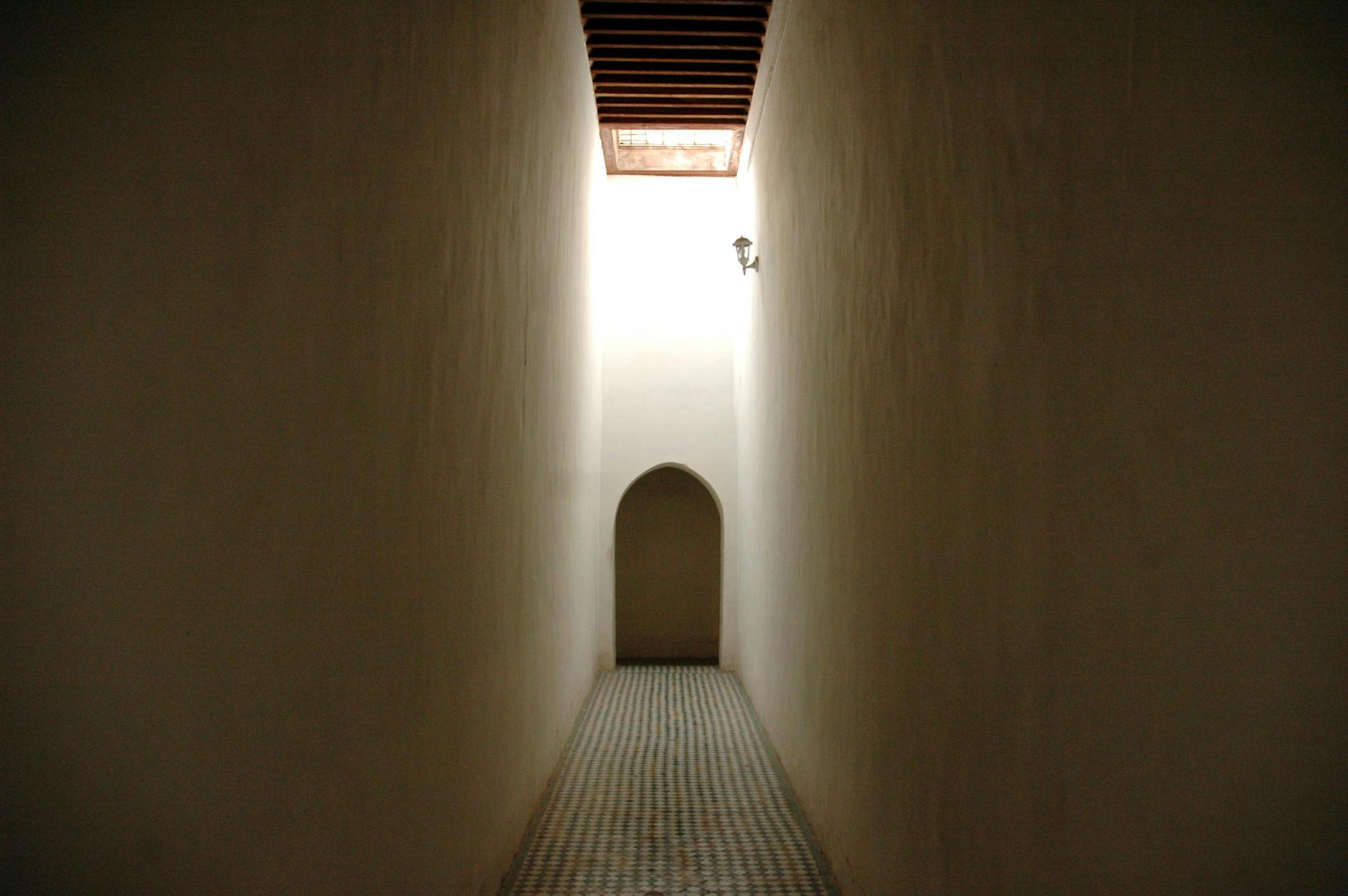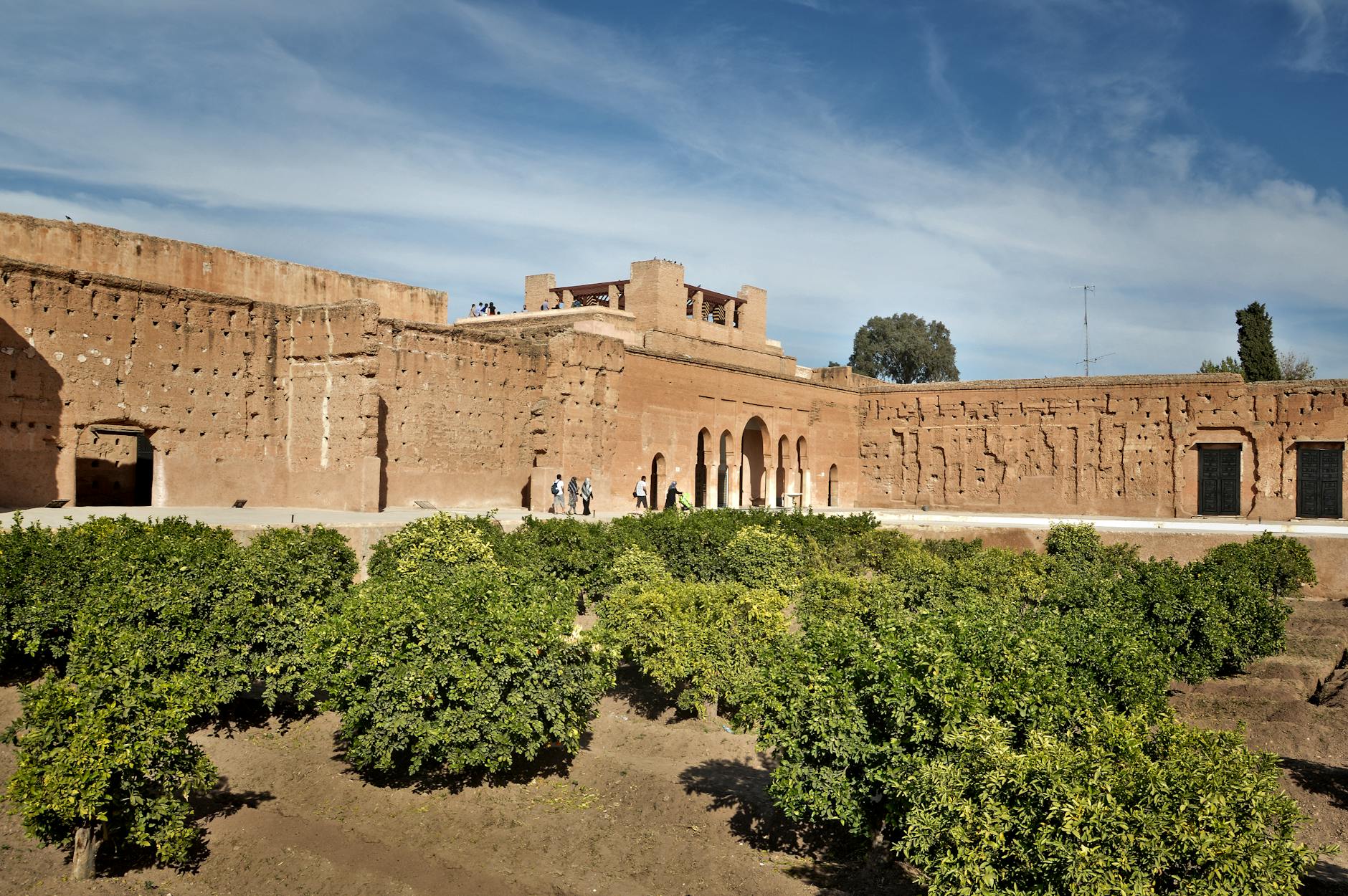
Marrakech can be deeply rewarding for older travelers, but it should not be planned as if charm will erase friction. The city asks visitors to manage heat, uneven surfaces, medina crowds, scooters, steps, long walks between calm places, persuasive street attention, and the practical gap between a beautiful riad and an easy daily base. None of that makes Marrakech unsuitable. It means the trip has to be shaped around comfort, control, and recovery before the sightseeing list is allowed to expand. The best older-traveler Marrakech itinerary is not timid. It still includes atmosphere, gardens, courtyards, craft, food, architecture, and evening light. It simply refuses to spend energy carelessly. It chooses a base with realistic access, arranges transfers when needed, keeps the medina route short and purposeful, protects medications and hydration, and builds pauses into the day as part of the destination. Marrakech works best when intensity is chosen, not endured.
Choose comfort before romance
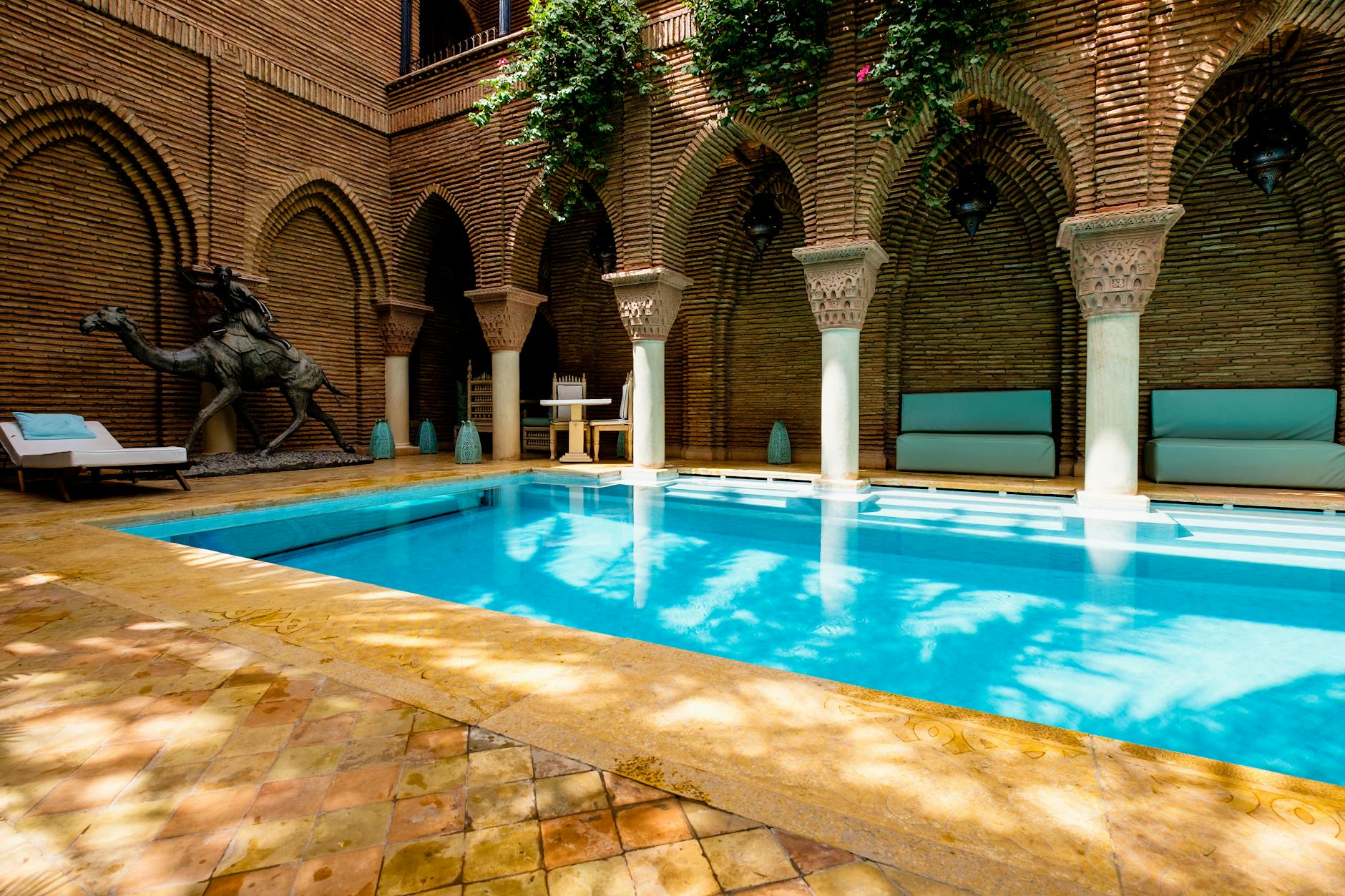
The older traveler should treat the hotel decision as the foundation of the whole Marrakech stay. A medina riad can be beautiful, quiet, and memorable, but it may require walking from a drop point, climbing stairs, navigating uneven lanes, and handling luggage where cars cannot reach the door. A larger hotel in Hivernage, Gueliz, or a more accessible resort area may feel less intimate, but it can offer elevators, easier vehicles, pools, larger rooms, reliable air-conditioning, and simpler late returns.
The right base depends on mobility, stamina, sleep needs, heat tolerance, and how much street contact feels enjoyable rather than draining. Older travelers should ask specific questions before booking: where exactly does the car stop, are there stairs, is there a lift, can staff handle luggage, how quiet are the rooms, and how easy is it to leave for dinner? In Marrakech, comfort is not a luxury afterthought. It is what keeps the city pleasurable.
- Confirm vehicle access, stairs, elevators, luggage help, room quiet, air-conditioning, and late-return logistics before booking.
- Choose a riad only when its access and staffing match the traveler's mobility and energy.
- Use a more accessible hotel when easier transfers, pools, larger rooms, or predictable recovery matter most.
Make arrival and transport low-friction
Arrival should be deliberately easy. Marrakech Menara Airport is close to the city, but a tired traveler with luggage, medication, mobility concerns, or a late arrival should not have to negotiate the whole first transfer on the curb. A prearranged driver, clear hotel contact, known drop point, and help with bags can change the tone of the trip immediately. The same principle applies to daily movement. A taxi or driver is not a failure of independence when it preserves energy for the city itself.
Older travelers should decide in advance which movements deserve a car and which can be walked. Some medina lanes are best entered on foot with a guide or hotel escort, while other cross-city moves are better handled by vehicle. The plan should also include where the traveler sits, where the driver waits, how to call for pickup, and when to stop instead of pushing through heat or crowds.
- Use arranged pickup when arrival is late, luggage is heavy, or the hotel is inside or near the medina.
- Save walking energy for meaningful city time rather than routine cross-town transfers.
- Confirm pickup points, driver contact, waiting policy, and hotel escort details before each higher-friction outing.
Keep medina time short, purposeful, and supported
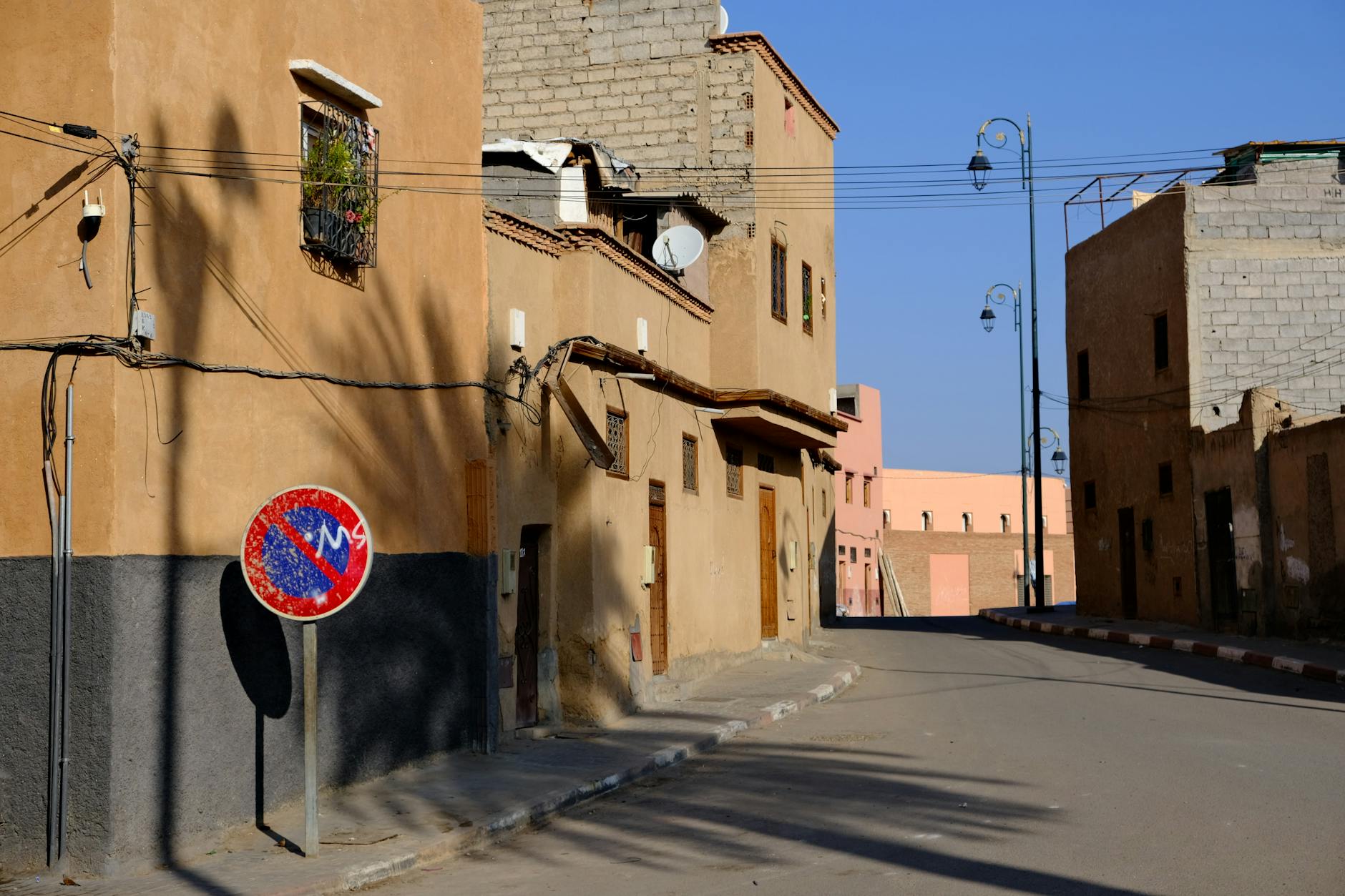
The medina is often the reason travelers want Marrakech, but it is also where older visitors can lose energy fastest. Uneven paving, crowds, scooters, heat, bargaining, steps, and sensory overload can turn a vague wander into a draining afternoon. That does not mean avoiding the medina. It means entering with a clear route, a known exit, a guide if useful, and permission to stop before the experience becomes too much.
A focused medina visit might include one craft area, one historic stop, one tea pause, and a clean return. Shopping should be selective, not a marathon of negotiations. If the traveler has balance issues, slower walking speed, hearing difficulty, or fatigue after long standing, the route should be shorter and the stops more seated. The medina is more rewarding when the traveler has enough energy left to notice it.
- Plan one manageable medina route with a known exit rather than open-ended wandering.
- Use a guide or hotel escort when wayfinding, crowds, or bargaining would drain the traveler.
- Build in seated pauses and stop before fatigue turns curiosity into stress.
Use gardens, palaces, and courtyards as structure
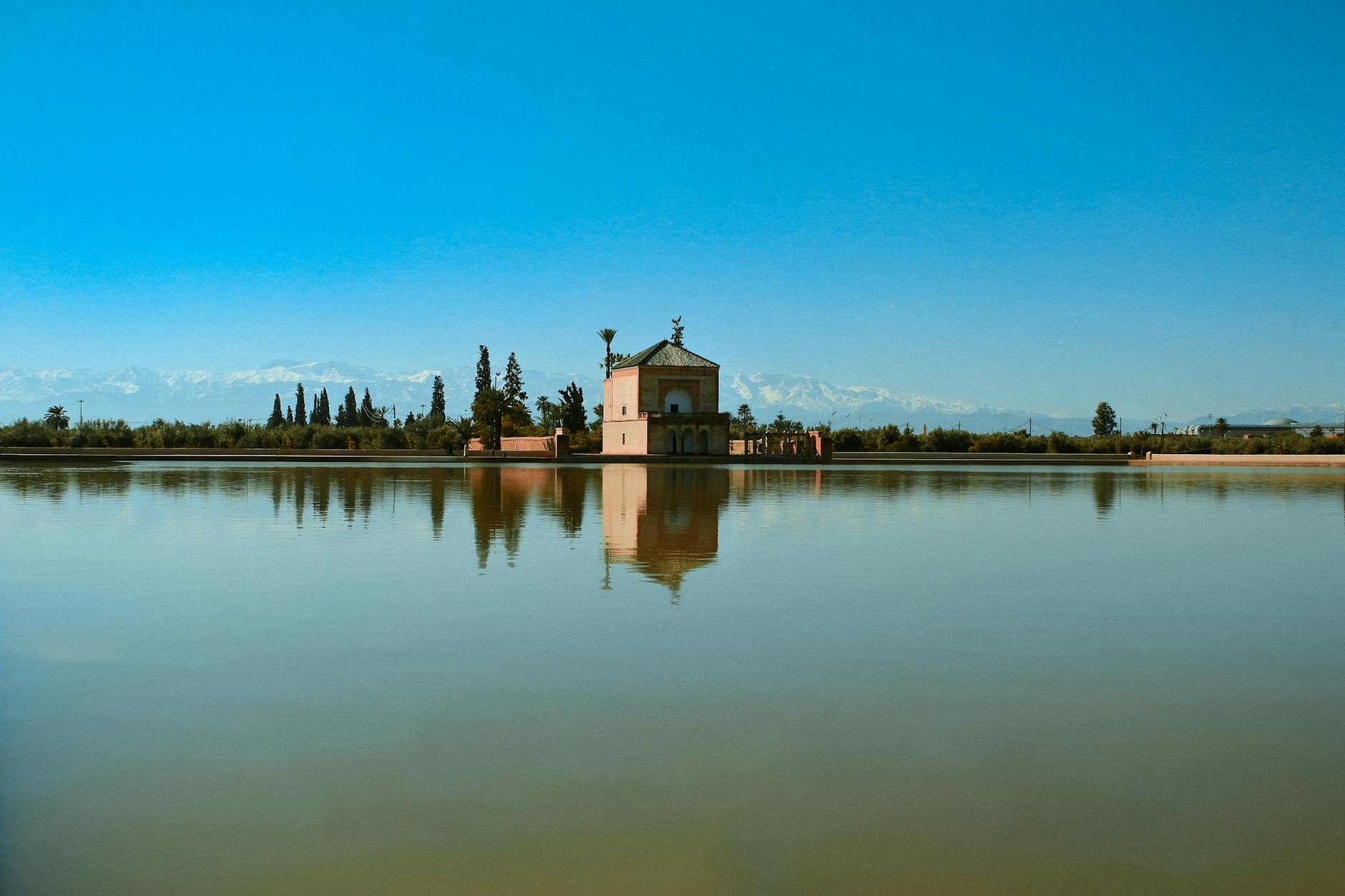
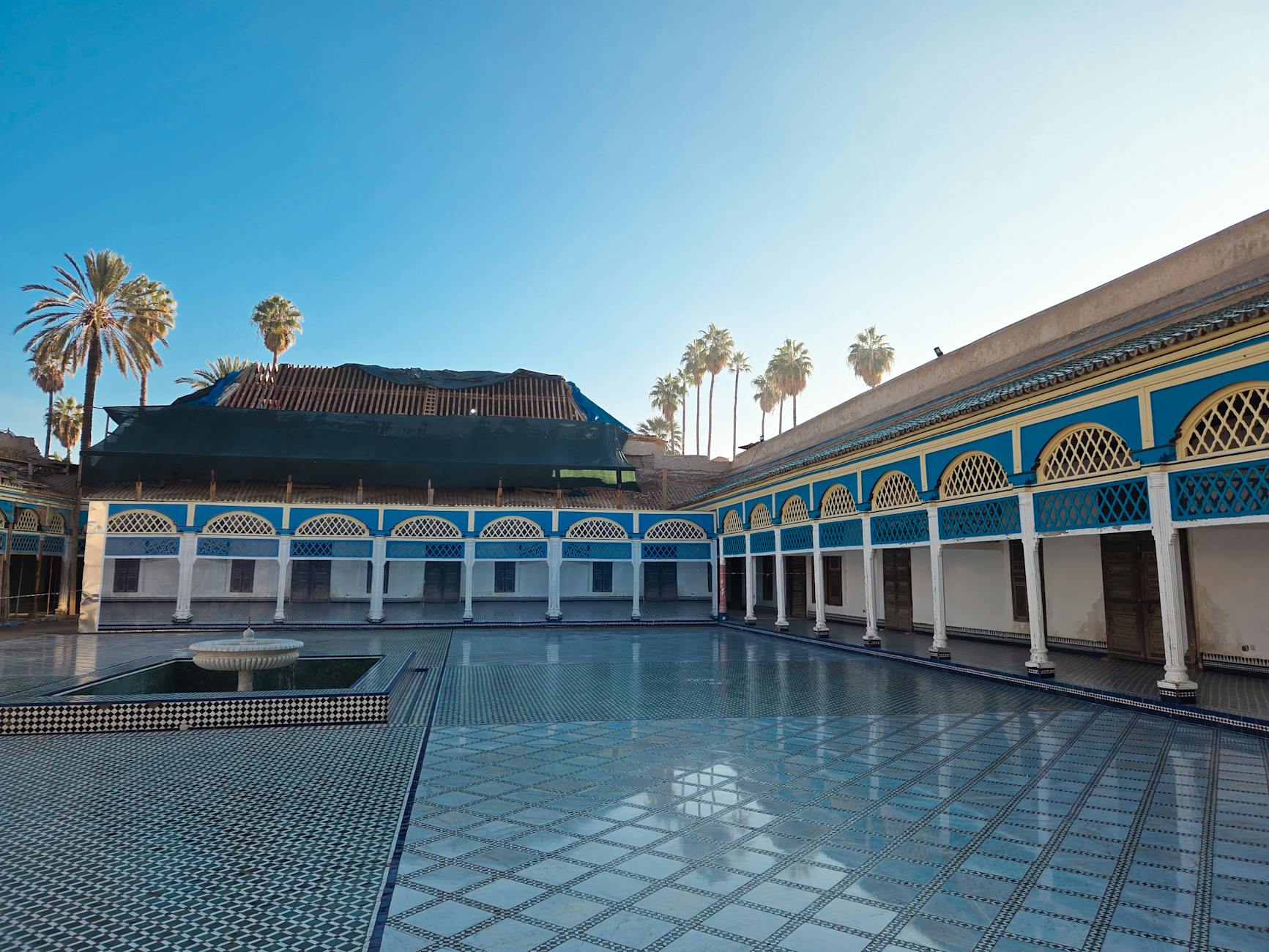
Marrakech has calm places that are not merely decorative. Gardens, palace courtyards, shaded arcades, museum-like houses, and hotel courtyards can turn a difficult day into a satisfying one. Older travelers should use these spaces as the architecture of the trip. A morning garden, a palace visit with a planned car pickup, lunch in shade, and a pool or room break can produce more pleasure than a busier route with constant street exposure.
The key is sequencing. Do not place the most demanding medina walk at the hottest hour. Do not follow a long palace visit with another standing-heavy stop unless stamina is strong. Choose places with seats, shade, toilets, and easy exits where possible. Marrakech becomes much more generous when the day alternates intensity with real relief instead of treating rest as wasted time.
- Use gardens, palace courtyards, shaded houses, and hotel breaks as planned parts of the itinerary.
- Check seats, shade, toilets, walking surfaces, and pickup points before higher-stamina visits.
- Avoid stacking several standing-heavy sights in the same heat window.
Plan heat, meals, medication, and recovery
Heat can quietly decide the quality of an older traveler's Marrakech trip. Even visitors who are healthy and active may need a slower rhythm than they would use in cooler cities. The day should protect hydration, medication timing, shade, electrolytes if normally used, meal regularity, and a reliable place to rest. Long lunches and afternoon hotel breaks are not signs of weakness in Marrakech. They are often the reason the evening remains enjoyable.
Medication and medical basics should stay controlled. Carry essential medication in hand luggage, keep a small day supply with the traveler, know how heat affects storage, and keep travel insurance and emergency contacts accessible. If dietary needs, diabetes, heart conditions, respiratory concerns, or mobility limits shape the trip, restaurants and daily timing should be chosen around those facts. Marrakech is manageable when the body is not treated as an afterthought.
- Plan hydration, shade, meal timing, medication access, and a real rest block into each full day.
- Carry essential medication, insurance details, emergency contacts, and hotel information in an accessible place.
- Choose restaurants and day timing around actual health and stamina needs, not only atmosphere.
Make evenings beautiful but easy to end
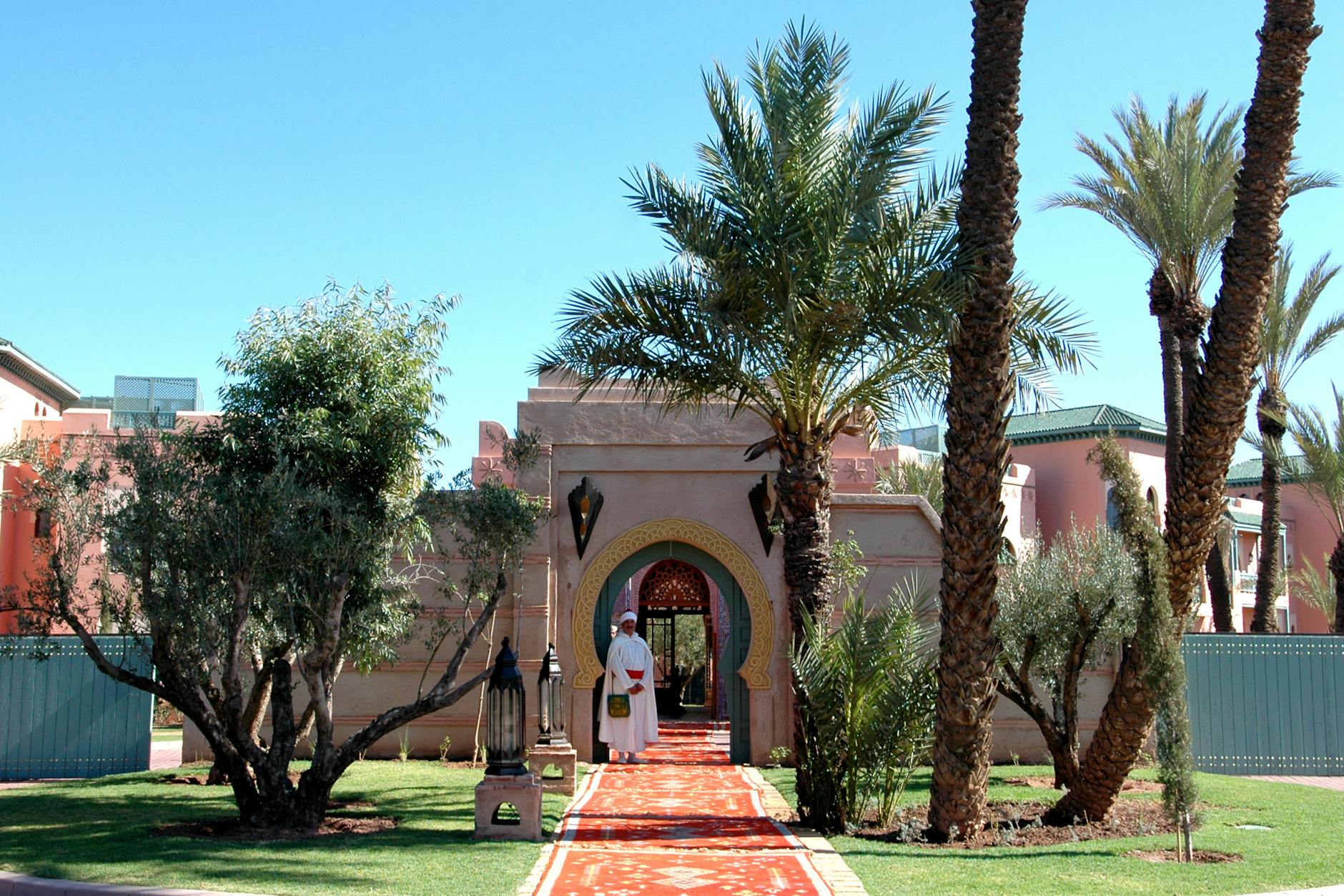
Marrakech evenings can be the most rewarding part of the trip for older travelers because the light softens, heat eases, and the city becomes more atmospheric. That does not mean every evening should involve a long walk, a crowded square, or a difficult return through the medina. A rooftop, courtyard dinner, hotel restaurant, short Koutoubia-area outing, or guided evening route can give the traveler a rich sense of the city without exhausting the next morning.
The return plan matters as much as the reservation. Know whether the route is walkable after dark, where the driver meets the traveler, whether the restaurant can call a trusted taxi, and how much energy the guest will have after dinner. Older travelers often enjoy Marrakech more when nights are not overextended. One strong evening experience, safely ended, is better than a beautiful plan that becomes hard to leave.
- Choose evening plans with clear seating, manageable noise, and a known route back.
- Confirm driver, taxi, or hotel pickup details before dinner rather than after fatigue sets in.
- Use one polished evening experience instead of several late, high-friction stops.
When to order a short-term travel report
An active older traveler with a simple hotel stay and flexible timing may not need a custom report. A report becomes useful when the trip includes uncertain riad access, mobility concerns, heat sensitivity, medication routines, dietary needs, late arrival, heavy luggage, a multigenerational group, a desire to see the medina without overdoing it, or questions about whether a day trip outside Marrakech is realistic. Those are the situations where generic first-time advice is too loose.
The report should test hotel access, arrival handoff, walking surfaces, transfer plans, medina route, guide use, gardens and palaces, restaurant choices, rest windows, heat strategy, medication timing, emergency contacts, and fallback options. The value is a Marrakech trip that remains vivid without becoming punishing. It should help the traveler enjoy the city's beauty while spending energy only where it truly improves the stay.
- Order when mobility, heat, medication, riad access, luggage, dietary needs, or multigenerational pacing require precision.
- Provide hotel candidates, flight times, walking limits, health constraints, must-see priorities, and comfort preferences.
- Use the report to balance Marrakech atmosphere with realistic energy, recovery, and transfer planning.