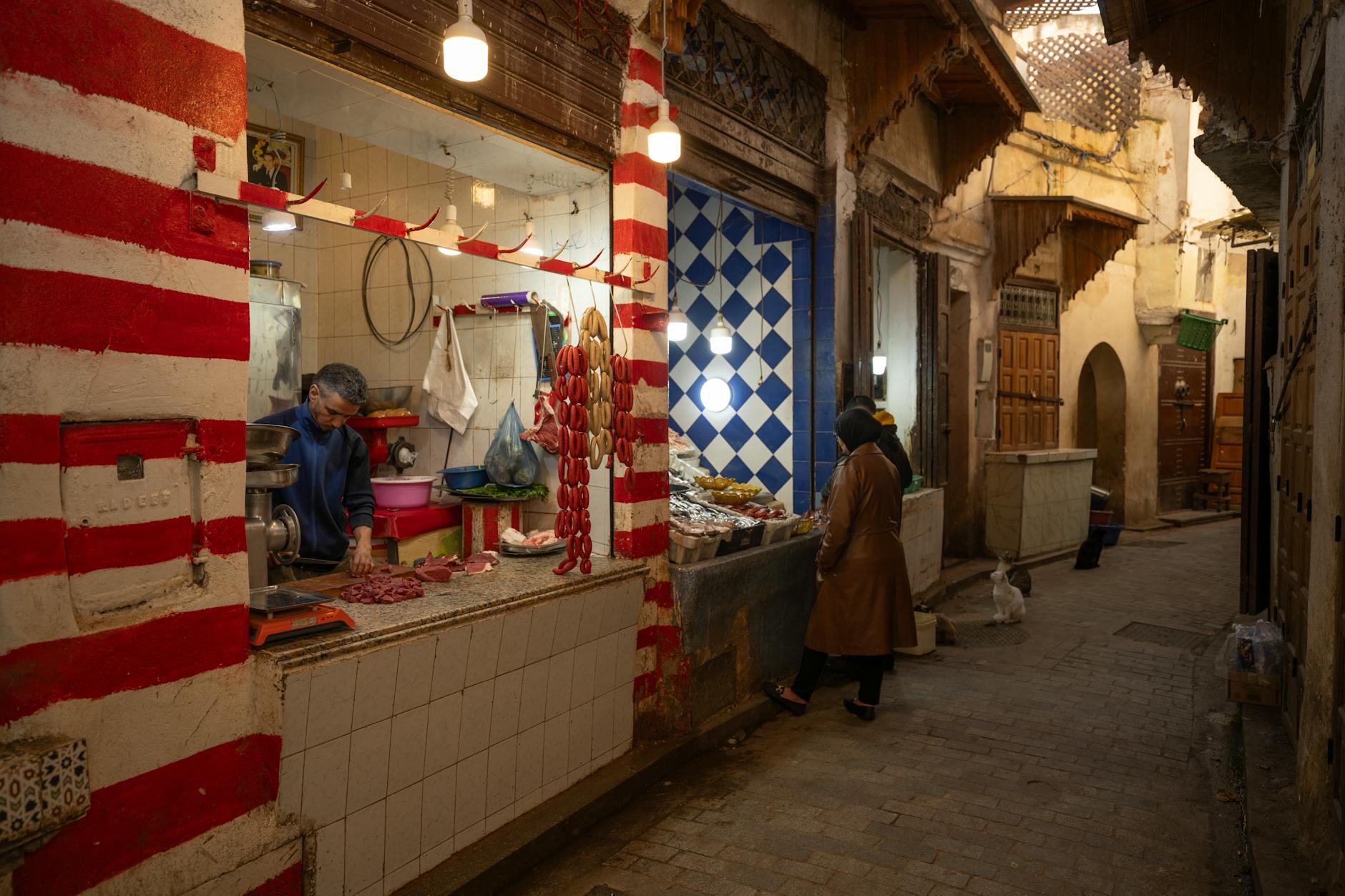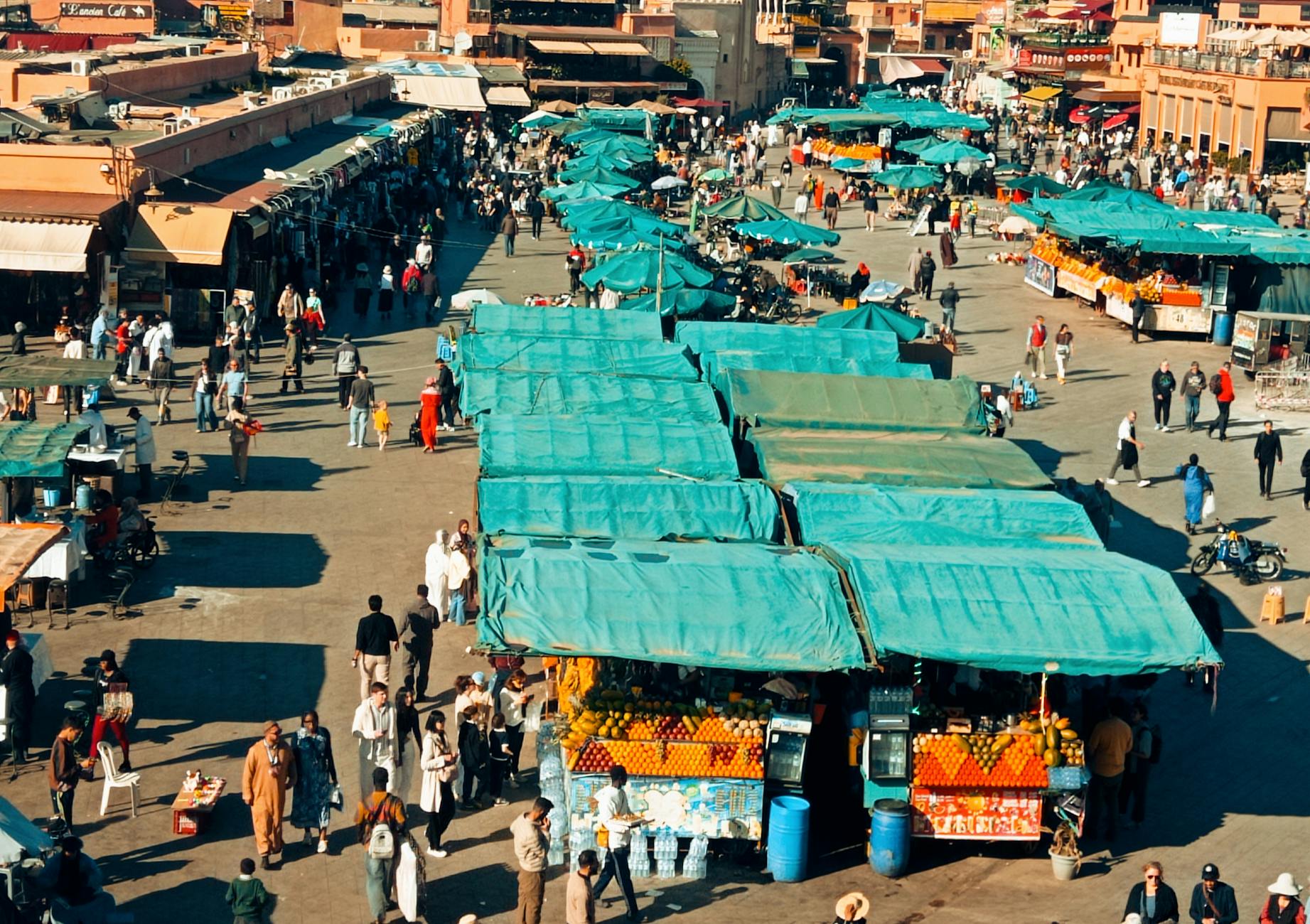
A nightlife-focused trip to Marrakech can mean a lively evening around Jemaa el-Fnaa, rooftop dining, Gnawa music, a riad dinner, hotel bars, Gueliz restaurants, Hivernage lounges, clubs, casino-adjacent venues, late tea, street food, or a quiet courtyard night that feels more atmospheric than loud. Marrakech can support all of that, but it is not a city where nightlife should be treated as one continuous open-ended route. The best plan decides what kind of evening the traveler wants, where it belongs, and how the traveler will return before fatigue, crowds, alcohol, negotiation, or phone battery shape the decision. The weak points are usually not inside the first venue. They appear after dinner, when the group has split, a riad is hard for a driver to reach, a taxi fare is unclear, a phone is visible in a crowded square, a traveler has misread alcohol availability, or the medina feels different after the shops close. Good nightlife planning protects the evening by deciding where it starts, where it can safely continue, and how it ends.
Choose the night before choosing the district
Marrakech nightlife is not one scene. A traveler who wants atmosphere, street performance, food stalls, and sensory energy may build the evening around Jemaa el-Fnaa and nearby rooftops. Someone who wants cocktails, lounges, clubs, or a more international restaurant scene may look toward Gueliz, Hivernage, or specific hotel venues. A traveler who wants a romantic or quiet evening may be better served by a riad dinner, courtyard, rooftop, or booked restaurant than by chasing late venues.
The traveler should also decide how much movement is acceptable after dinner. One strong zone with nearby fallbacks usually works better than bouncing between the medina, Gueliz, and Hivernage after midnight. Marrakech distances are not huge, but vehicle access, taxi negotiation, medina walking routes, and fatigue can make late moves harder than they looked at 8 p.m.
- Match the area to the actual night: square energy, rooftop dinner, hotel bar, club, live music, late food, or quiet riad evening.
- Use one primary nightlife zone with nearby backups instead of chasing distant venues late.
- Choose lodging with the return journey in mind, especially if the riad is inside a hard-to-reach lane.
Understand venue rules and alcohol context
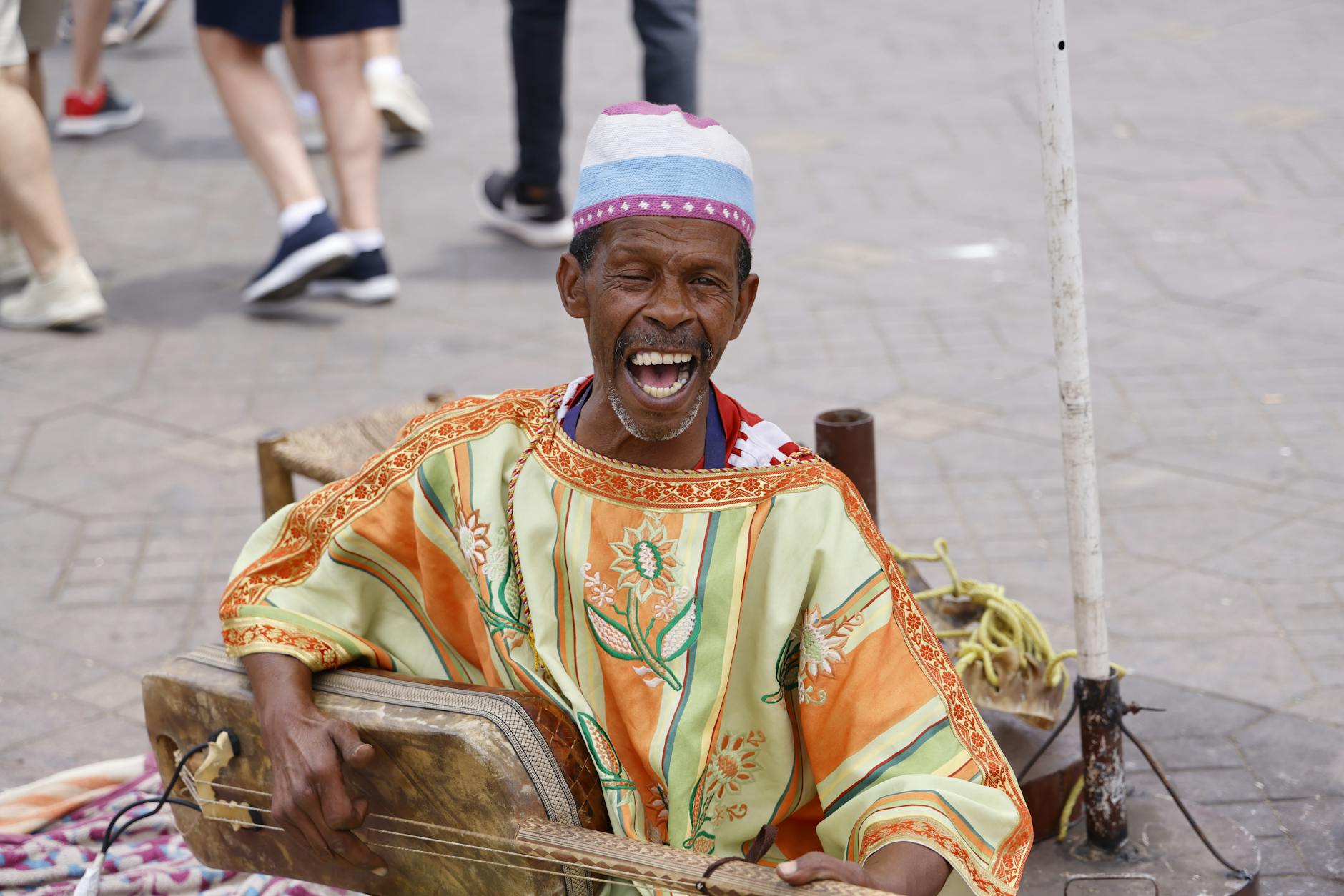
Marrakech venues can feel informal, but details still matter. A rooftop restaurant, hotel bar, lounge, club, casino-adjacent venue, music night, or private riad dinner may have reservations, dress expectations, minimum spend, ticketed entry, private-event closures, bag checks, card rules, or last-entry times. A traveler should not assume that every place visible online is open, easy to enter, or appropriate for the same group.
Alcohol also needs context. It is available in many hotels, bars, restaurants, and clubs, but not everywhere, and public behavior that feels normal in another nightlife city may read differently in Marrakech. Ramadan, religious holidays, local licensing, neighborhood norms, and venue type can all affect service and expectations. The plan should identify which parts of the evening are fixed, which are flexible, and where the traveler can enjoy the night without creating avoidable cultural or legal friction.
- Check reservations, dress, entry rules, minimum spend, last-entry times, card acceptance, and private-event closures.
- Confirm alcohol availability and expectations instead of assuming every restaurant, rooftop, or music venue serves it.
- Adjust plans around Ramadan, holidays, licensing, neighborhood norms, and the group's comfort level.
Plan the return before the first drink
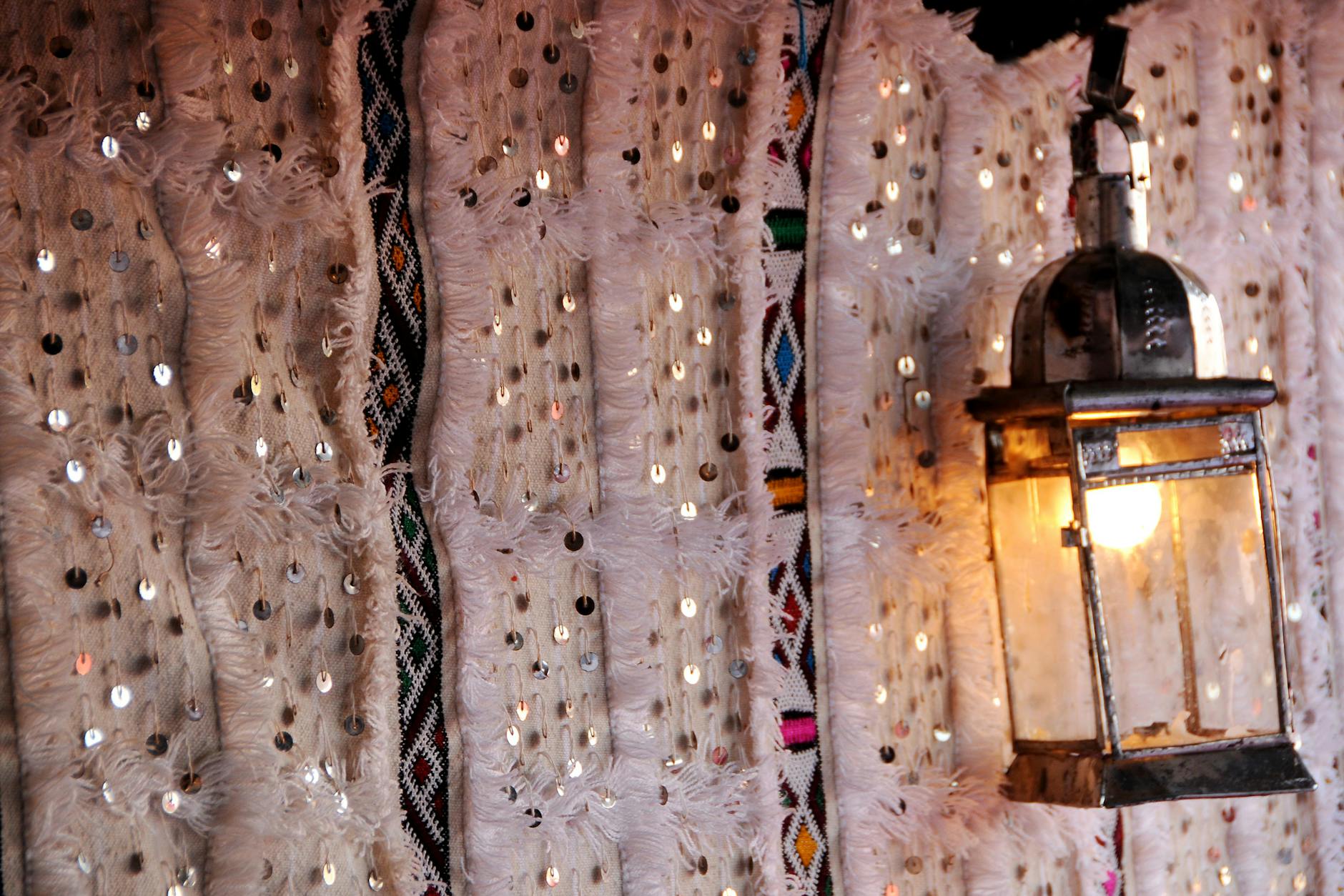
Late transport is the core nightlife planning issue in Marrakech. A taxi, hotel driver, booked transfer, or short walk can all work, but not every riad or restaurant has clean vehicle access, and not every pickup point is obvious after dark. A traveler should know the nearest vehicle-accessible edge, landmark, gate, or hotel meeting point before alcohol, fatigue, weather, or crowds make the decision harder.
The return plan should be simple enough to follow at the end of the night. That may mean asking the riad to arrange a driver, having the restaurant call a taxi, agreeing a fare before departure, using a known pickup point outside the medina, or choosing a venue near the hotel. Phone battery, cash, offline address details, and a screenshot of the accommodation matter. A late walk through unfamiliar lanes should not be the default because the traveler forgot to plan the exit.
- Identify the late return method, pickup point, fare approach, and vehicle-accessible landmark before leaving the hotel.
- Keep phone battery, cash, payment backup, accommodation address, and offline map access available.
- Use hotel or restaurant-arranged transport when late timing, unfamiliar lanes, or group fatigue makes taxis uncertain.

Treat crowds, phones, and belongings as the main exposure
Most nightlife problems for short-term visitors are ordinary and preventable: losing a phone, leaving a bag under a table, overdrinking before a transfer, accepting unclear invitations, separating from friends, or trying to solve transport while distracted in a crowd. Around busy squares, markets, taxi areas, and late food spots, a phone held loosely at the curb is exposed. The traveler should assume that attention, sales pressure, and distraction increase after dark.
Drink discipline is part of travel planning, not a moral lecture. Know what is being consumed, keep drinks under personal control, avoid leaving with strangers without a plan, and do not let one traveler become the group's unmanaged problem. A good night out includes a simple plan for phone, ID, medication, room key, payment, and a sober-enough decision point.
- Keep phones, bags, passports, cards, medication, and room keys under deliberate control in crowds, taxis, queues, and restaurants.
- Do not leave drinks unattended or accept unclear drinks, invitations, or private transfers from strangers.
- Use one payment method for the night and keep a backup card, cash, or phone access separate.
Keep the group together without killing the night
Nightlife trips often involve different energy levels. One person wants music, another wants food, another wants the hotel, and another has met new people. That is normal, but it should not be unmanaged. A traveler should agree on check-ins, split rules, return expectations, and what happens if phones die or someone leaves early. This is especially important for solo travelers, students, women travelers, LGBTQ travelers, and anyone who is new to Marrakech nightlife norms.
The goal is not to make the group rigid. The goal is to prevent one person from becoming isolated with no clear route home. If the night splits, the split should be intentional: who is leaving, how they are going, what route or driver they are using, and when someone expects confirmation. A familiar meeting point outside a venue is better than a vague promise to reconnect nearby.
- Agree on check-ins, split rules, and hotel-return expectations before moving between venues.
- Avoid letting the most impaired or least confident traveler navigate alone late at night.
- Use specific meeting points and confirmation messages when the group separates.
Let food, noise, and the next morning shape the night
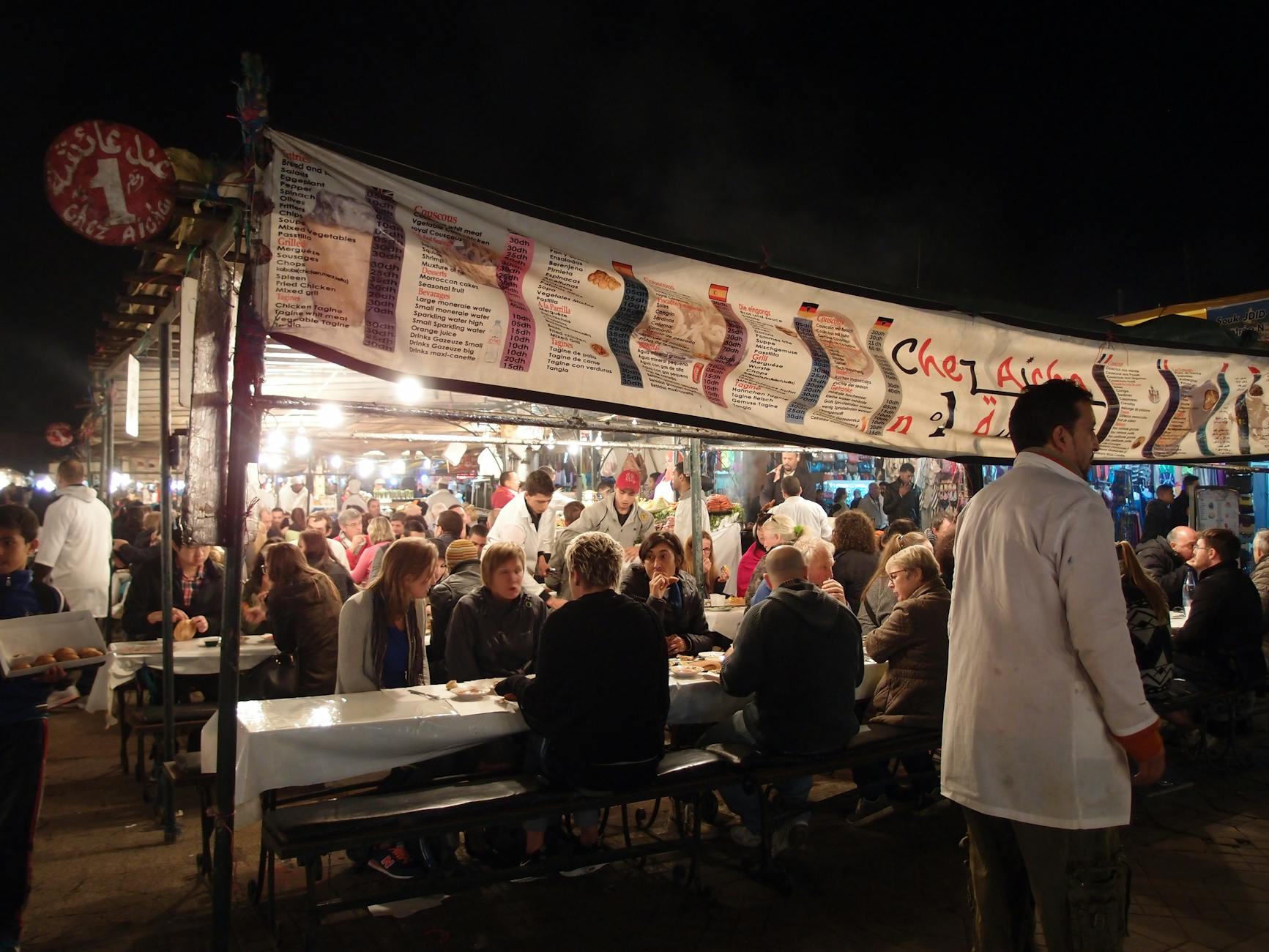
Nightlife-focused travel can fail because the traveler only plans the exciting part. Late food in Marrakech can be memorable, but it is not evenly available in the same format everywhere. Jemaa el-Fnaa, hotel kitchens, Gueliz restaurants, simple snack stops, tea, sweets, and riad arrangements all behave differently. A hungry group after closing time is not making its best decisions, so the last realistic food option should be known before the night stretches too far.
Recovery also matters. If the next morning includes an Atlas pickup, desert excursion, flight, train, business meeting, tour, or family obligation, the night needs a firm endpoint. A riad near night energy can be useful, but noise, hard-to-find lanes, and late door procedures can affect sleep. The best plan lets the traveler enjoy the evening without sacrificing the next day by accident.
- Know where late food is realistic near the final venue, not only near the first dinner.
- Set a hard endpoint when the next morning has an excursion, flight, meeting, tour, or family plan.
- Balance lodging atmosphere against noise, vehicle access, late entry, and sleep quality.
When to order a short-term travel report
A traveler planning one nearby riad dinner or hotel bar probably does not need a custom report. A nightlife-focused traveler should consider one when the trip involves multiple districts, late returns, solo travel, a hard-to-reach riad, VIP or guest-list access, club plans, alcohol-sensitive timing, student groups, women travelers, LGBTQ travelers, unfamiliar transport, private drivers, or a schedule that has to recover quickly the next morning.
The report should test the evening against actual Marrakech conditions: hotel or riad base, district selection, venue timing, entry rules, alcohol context, taxi strategy, phone-theft exposure, group movement, current local signals, and fallback options. The value is not telling the traveler that Marrakech is lively at night. The value is making the night enjoyable without losing control of the route, the group, or the next day.
- Order when late movement, multiple venues, solo travel, group dynamics, riad access, or next-day commitments create risk.
- Provide venue names, hotel or riad candidates, group composition, mobility needs, and the desired type of night.
- Use the report to plan a good ending, not only a good start.