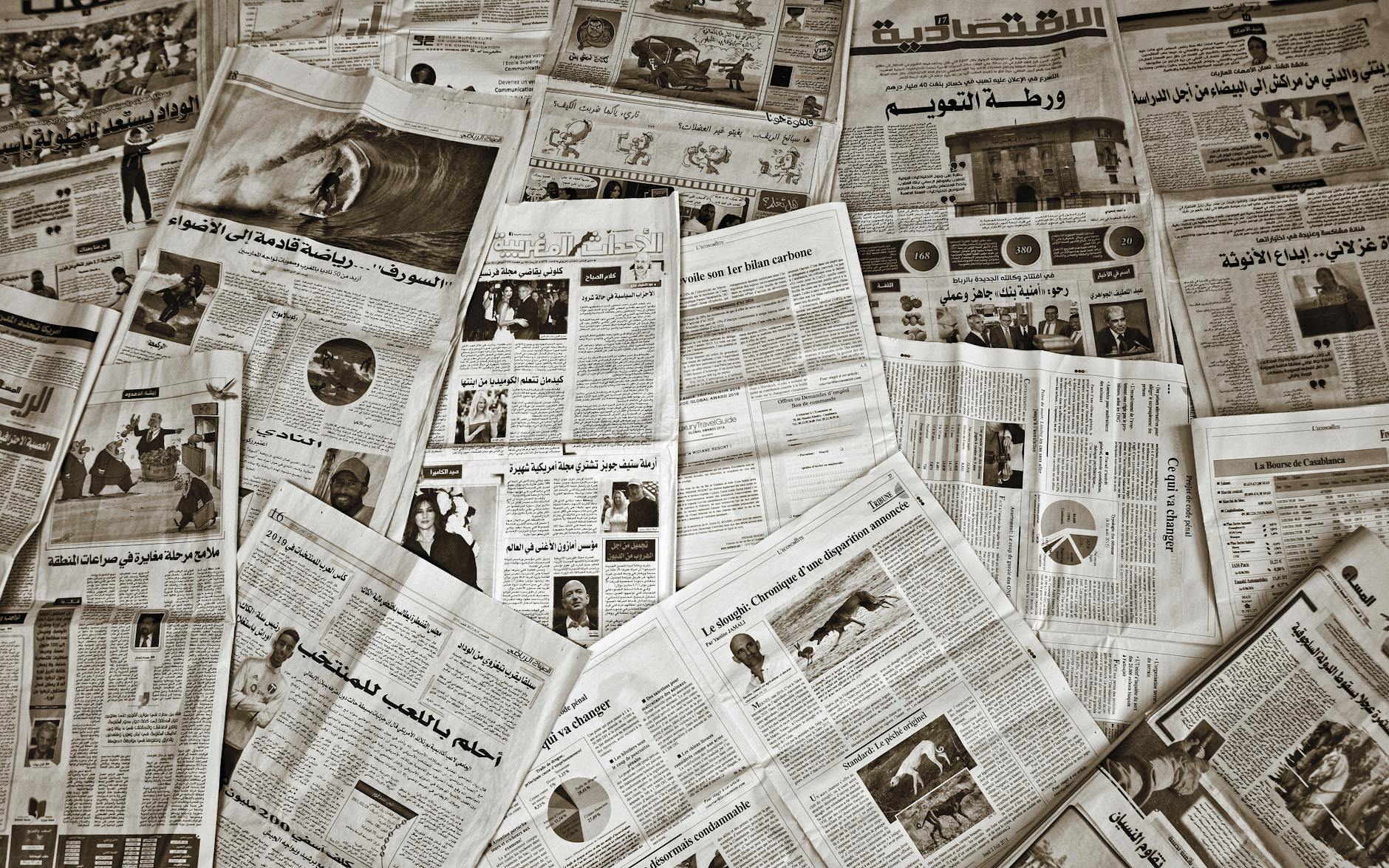
A journalist traveling to Marrakech for a short assignment is not just entering a photogenic tourism city. The story may involve hospitality, heritage, culture, design, climate, water, public health, development, migration, craft economies, religion, sport, business, luxury travel, festivals, rural communities, or politics elsewhere in Morocco. Marrakech can provide strong visual context and useful sources, but the city can also compress difficult logistics into a short reporting window: medina movement, heat, language, permissions, equipment security, source privacy, and tight filing deadlines. The strongest plan protects both the reporting and the people involved in it. A journalist should know where the assignment actually happens, what access is controlled, how interviews will be arranged, where sensitive notes and footage will be handled, how public events or crowds will be covered, and where filing can happen without losing the day to movement. The goal is not to make Marrakech sound unworkable. It is to keep the reporting from being weakened by avoidable confusion.
Map the assignment by beat and geography
Marrakech reporting works best when the journalist maps the assignment by beat rather than by sightseeing district. A tourism or hospitality story may sit between hotels, riads, restaurants, guides, airport arrivals, and event venues. A culture or heritage story may involve the medina, museums, gardens, craft workshops, archives, religious-adjacent sites, and local experts. Development, climate, health, education, or social enterprise reporting may require interviews in Gueliz, community offices, peri-urban areas, or rural sites outside the city.
Fixed points should be identified first: interviews, filming windows, site permissions, source availability, event times, transport pickup points, translator or fixer availability, and filing deadlines. Then the hotel, daily route, and backup plan can support the work. A Marrakech assignment can look compact on a map while still becoming fragile when heat, traffic, narrow lanes, language, or a delayed interview compresses the day.
- Map interviews, filming sites, event times, source locations, translator availability, and filing deadlines before choosing the base.
- Treat the medina, Gueliz, Hivernage, Palmeraie, airport, rural routes, and partner offices as different reporting zones.
- Build the hotel and transport plan around the assignment rather than around a generic Marrakech stay.
Clarify access, permissions, and credentials
A journalist should not assume that a camera, outlet name, or prior reporting experience will solve access in Marrakech. Hotels, conferences, festivals, museums, private riads, religious sites, government-adjacent offices, hospitals, schools, cooperatives, and businesses can all have different rules for photography, audio, video, entry, and publication. Some sources may be comfortable speaking informally but not on record or on camera.
Before arrival, the traveler should confirm who is arranging access, what identification or accreditation is needed, whether equipment must be declared or cleared, where filming is allowed, what cannot be recorded, and whether a local fixer, translator, or institutional contact is expected. Freelancers and independent media workers should know who can verify the assignment if challenged. The goal is to avoid losing the story at a doorway, checkpoint, reception desk, or source introduction.
- Confirm access, ID, accreditation, equipment rules, photography permissions, recording limits, and arrival windows.
- Clarify whether each source is on record, on background, off record, photographable, or usable only for context.
- Carry outlet, editor, assignment, fixer, translator, and emergency contact details in a form that can be shown quickly.
Plan equipment, data, and source protection
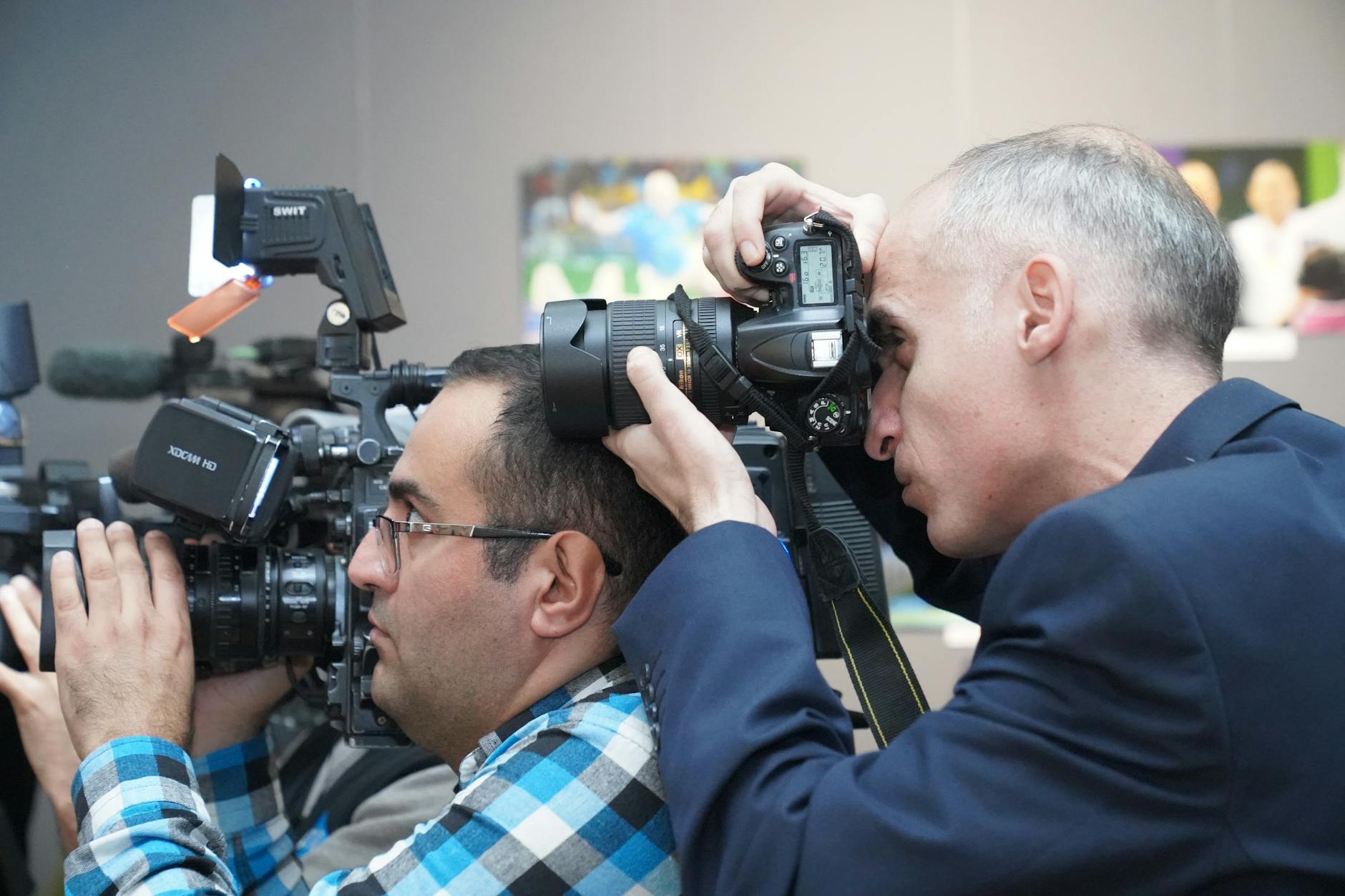
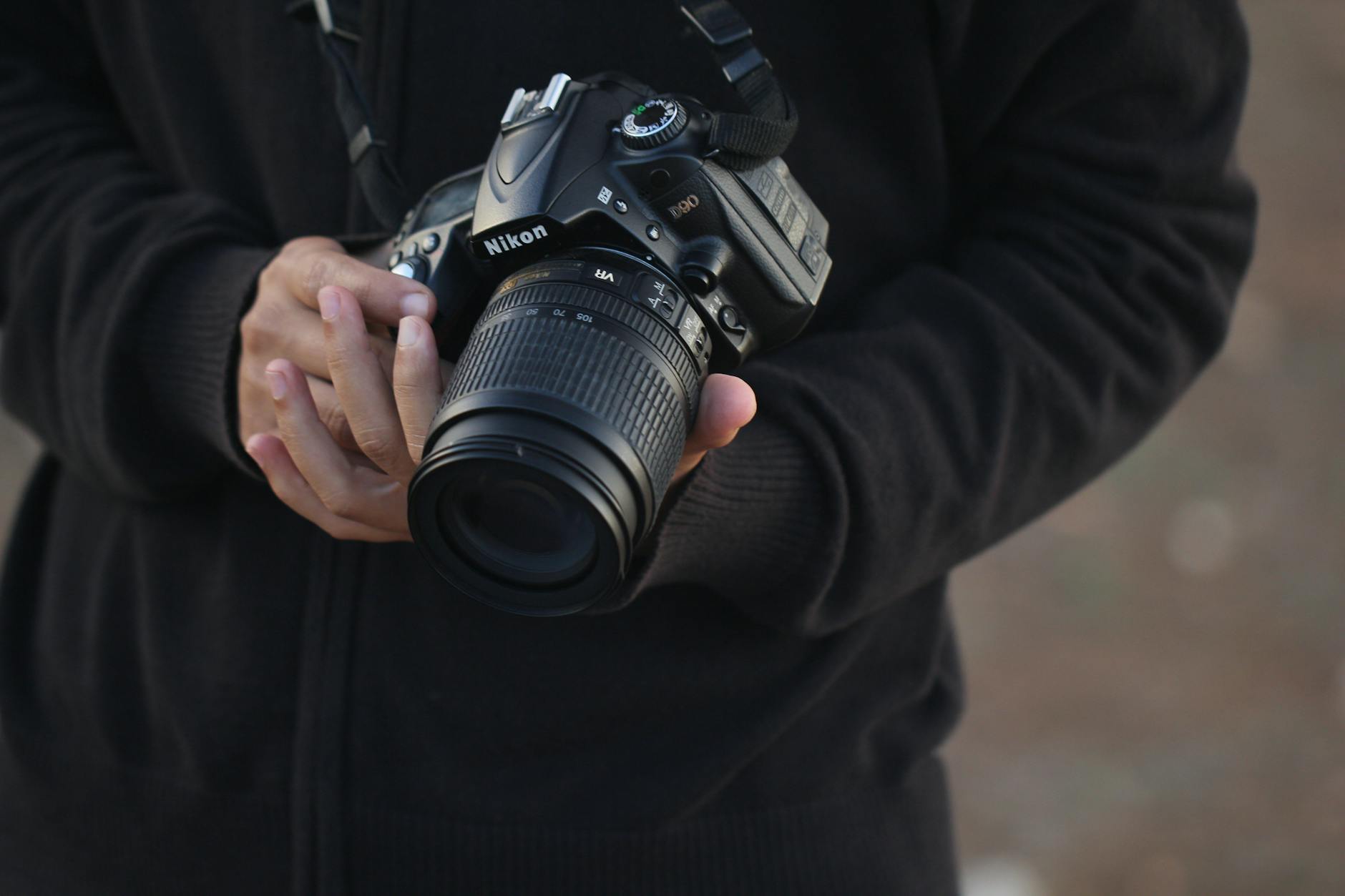
A Marrakech equipment plan should match the assignment. A writer with a phone, notebook, recorder, and laptop has different needs from a photographer, documentary crew, podcast producer, or live video team. Batteries, adapters, storage cards, encrypted backup, mobile data, dust protection, heat protection, quiet upload space, and a plan for equipment left at the hotel should be settled before the first interview.
Source protection belongs in the travel plan. A medina cafe, hotel courtyard, taxi, airport lounge, or riad reception area may feel private while still exposing names, notes, screens, calls, and footage. If the story involves vulnerable communities, commercially sensitive interviews, local officials, political topics, protest activity, labor conditions, or health information, the journalist should decide where conversations happen and how material is stored. Public workspaces are public.
- Match batteries, adapters, storage, data, microphones, dust protection, and upload workflow to the assignment.
- Plan where sensitive calls, notes, names, footage, and source communications will be handled.
- Use secure backups and avoid exposing source material in cafes, taxis, lobbies, courtyards, and shared vehicles.
Treat crowds and public-space reporting as fieldwork
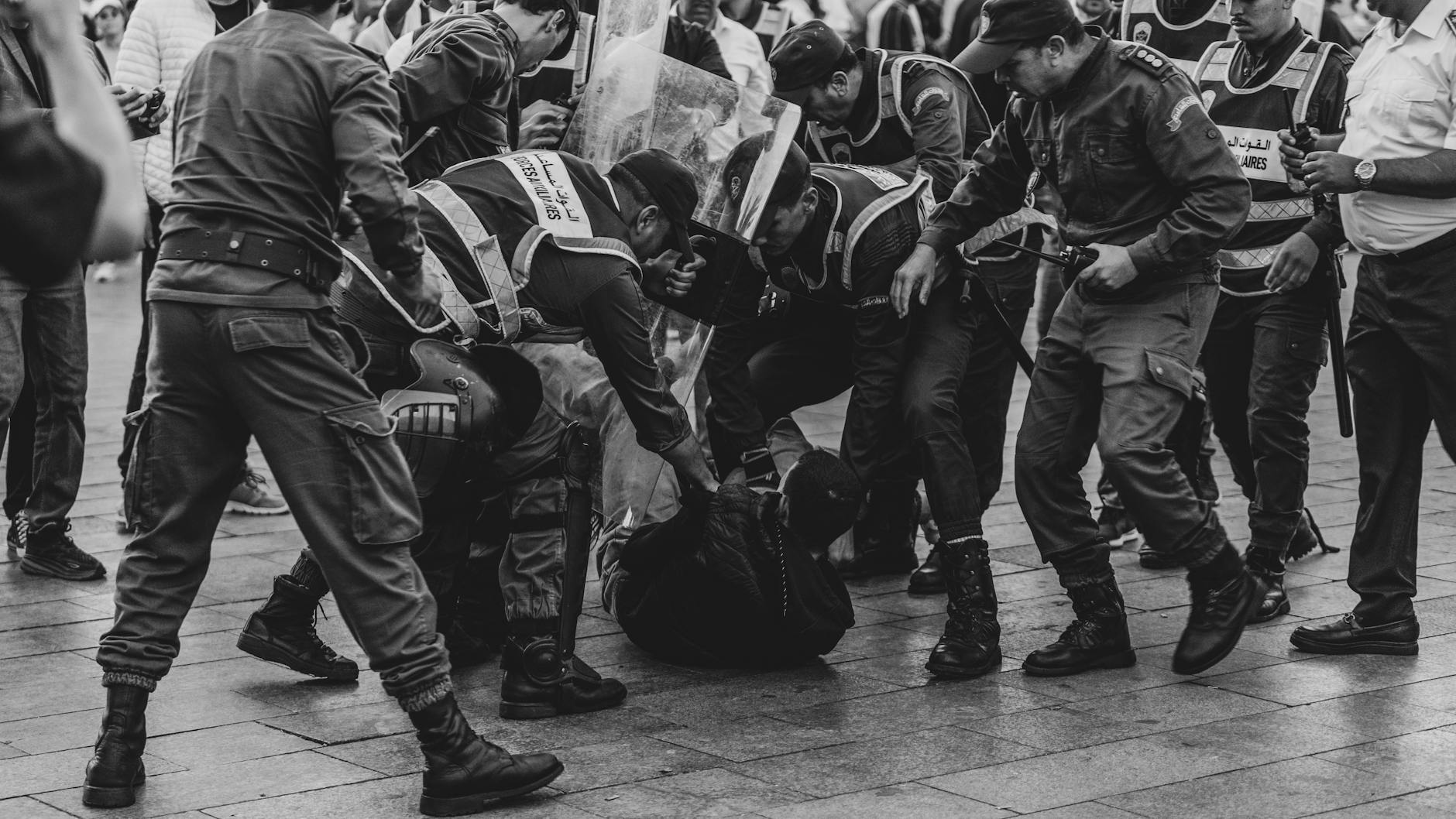
Public-space reporting in Marrakech can range from festival crowds and markets to transport hubs, sports events, neighborhood gatherings, official ceremonies, demonstrations, or issue-specific public activity elsewhere in Morocco. A journalist should not rely only on an announced time or meeting point. Crowds, traffic, road closures, police presence, counter-activity, and weather can change both access and exit routes.
Before covering a crowded or fluid scene, the reporter should plan approach, exit, editor check-ins, power, footwear, water, visibility, and what to do if separated from a colleague or fixer. Camera visibility, live posting, and interviewing people in charged situations can change how bystanders, officials, and participants respond. The aim is to cover the event without becoming part of the event or making avoidable movement mistakes.
- Plan approach, exit, check-ins, footwear, water, battery, and transport alternatives before entering a fluid crowd.
- Monitor police presence, road closures, counter-activity, and route changes rather than relying only on the announced plan.
- Use clear credentials and colleague or editor check-ins when covering public-order-sensitive scenes.
Handle sensitive people and institutions carefully
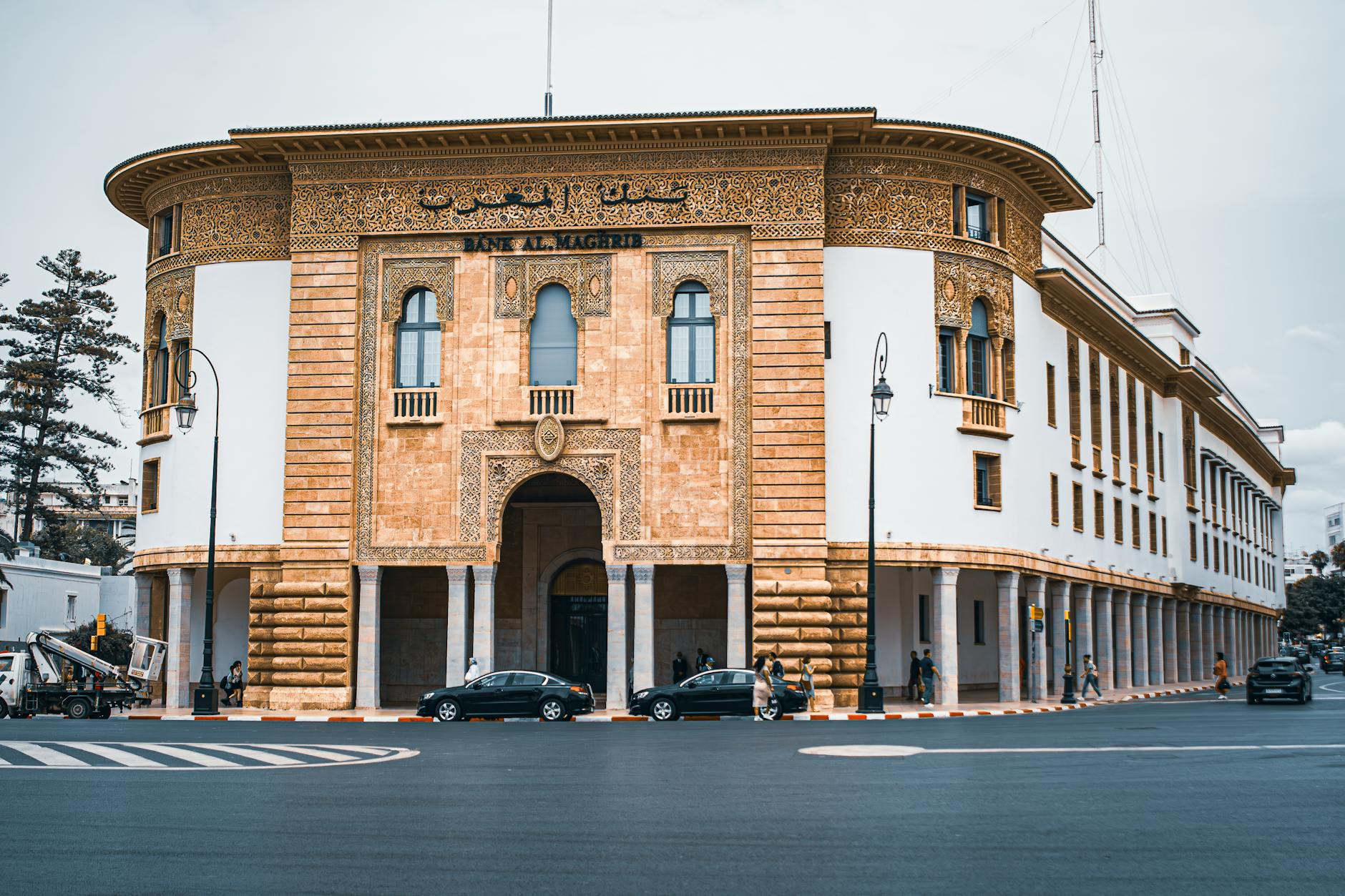
Sensitive reporting in Marrakech may involve courts, police-adjacent settings, government offices, hospitals, schools, shelters, religious spaces, private homes, cooperatives, hotels, labor sites, or communities already under outside scrutiny. The journalist should know when to film, when to ask, when to withhold identifying details, and when local law, host rules, or editorial policy requires a slower approach. A short trip is not an excuse for rushed consent.
This is especially important when reporting on vulnerable people or power imbalances. A source may agree to speak without fully understanding audience, translation, publication timing, social media reach, or consequences inside their community. The travel plan should leave time to confirm consent, review identification choices, protect minors and vulnerable adults, and avoid forcing sensitive interviews into exposed public settings.
- Verify rules for courts, offices, hospitals, schools, shelters, religious spaces, private homes, and controlled venues.
- Protect vulnerable sources by checking consent, identification, translation, photography, and publication risk.
- Build time to confirm rules instead of making rushed decisions at a gate, reception desk, or interview site.
Build movement and filing around heat and timing
Journalists often underestimate the space between reporting and filing. Marrakech can make that gap harder when the day includes narrow-lane movement, taxi negotiation, field sites, language coordination, equipment, heat, dust, and last-minute source calls. A route that is fine for a leisure traveler may be poor for a journalist who needs to protect footage, upload images, verify a quote, or file before an editor's deadline.
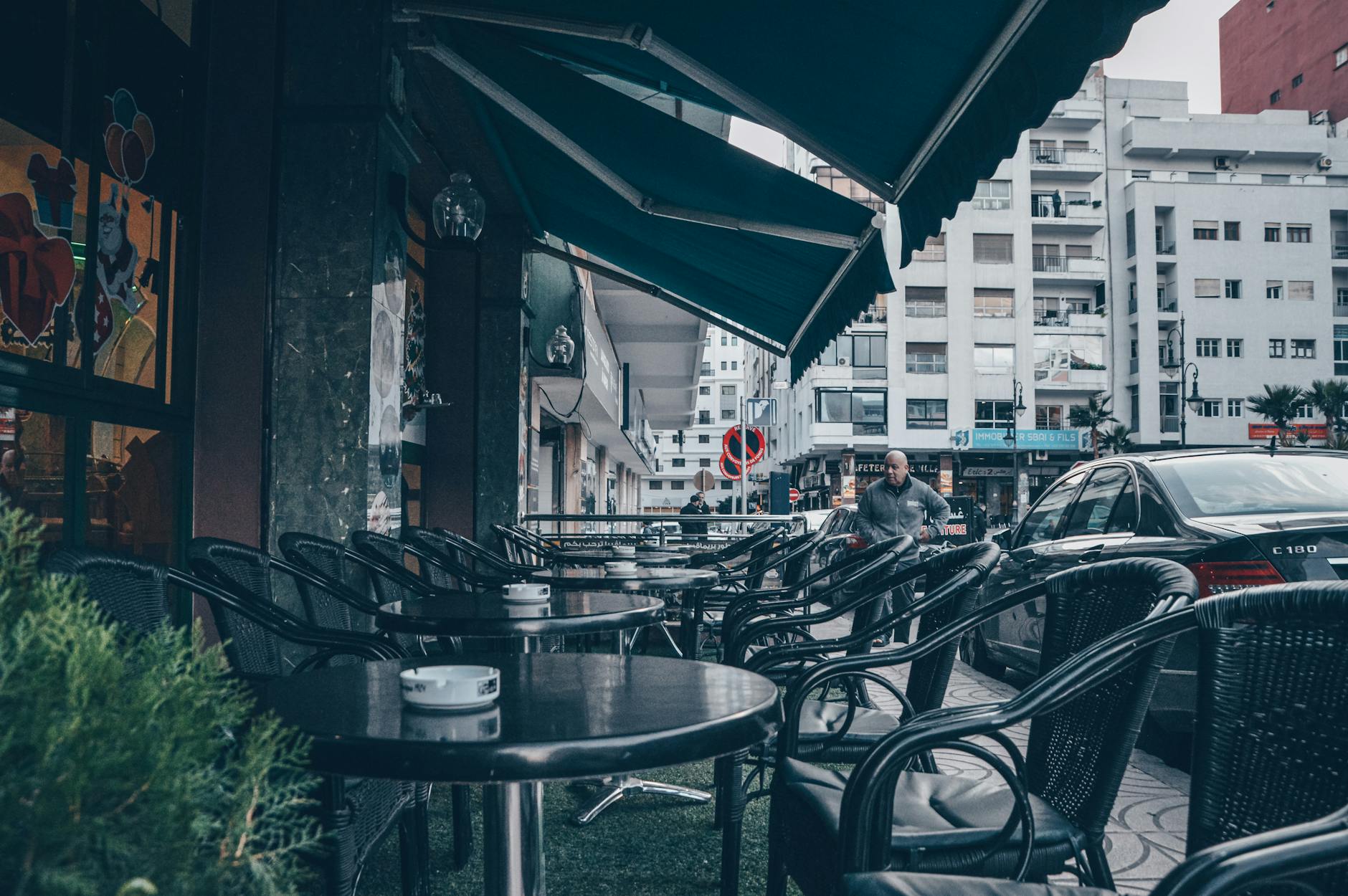
The working day should include filing locations: hotel room, coworking space, quiet cafe, newsroom, client office, festival media room, or another controlled place with power and connection. The journalist should know where they can sit without exposing notes or gear, when mobile data is enough, and when the day needs a driver or taxi rather than another walk across heat. The best movement plan preserves time to think, verify, edit, and send.
- Identify filing locations with power, data, quiet, shade, and enough privacy for calls or source review.
- Keep a movement buffer for upload, verification, editing, translation checks, and source follow-up before deadline.
- Use drivers or taxis selectively when equipment, heat, deadline pressure, or late movement makes walking too fragile.
When to order a short-term travel report
A journalist covering a familiar, low-risk event with strong local support may not need a custom report. A reporter working on a sensitive story, coordinating multiple interviews, covering crowds, visiting controlled sites, carrying equipment, working near deadline, or reporting without a trusted local fixer should plan more carefully. Marrakech is workable, but assignment quality can suffer when logistics are improvised.
The report should test assignment geography, access requirements, source-protection needs, equipment risks, transport routes, filing locations, heat rhythm, current local disruptions, language support, event conditions, and the points where the schedule is most exposed. The value is an assignment-aware operating plan that helps the journalist arrive with the right access, move without wasting the day, protect sources and material, and preserve time to file.
- Order when access, source protection, equipment, crowds, controlled sites, multiple interviews, or deadline pressure create risk.
- Include assignment sites, source schedule, venue rules, equipment, hotel candidates, filing needs, and local support contacts.
- Use the report to protect reporting quality, source safety, and deadline resilience.