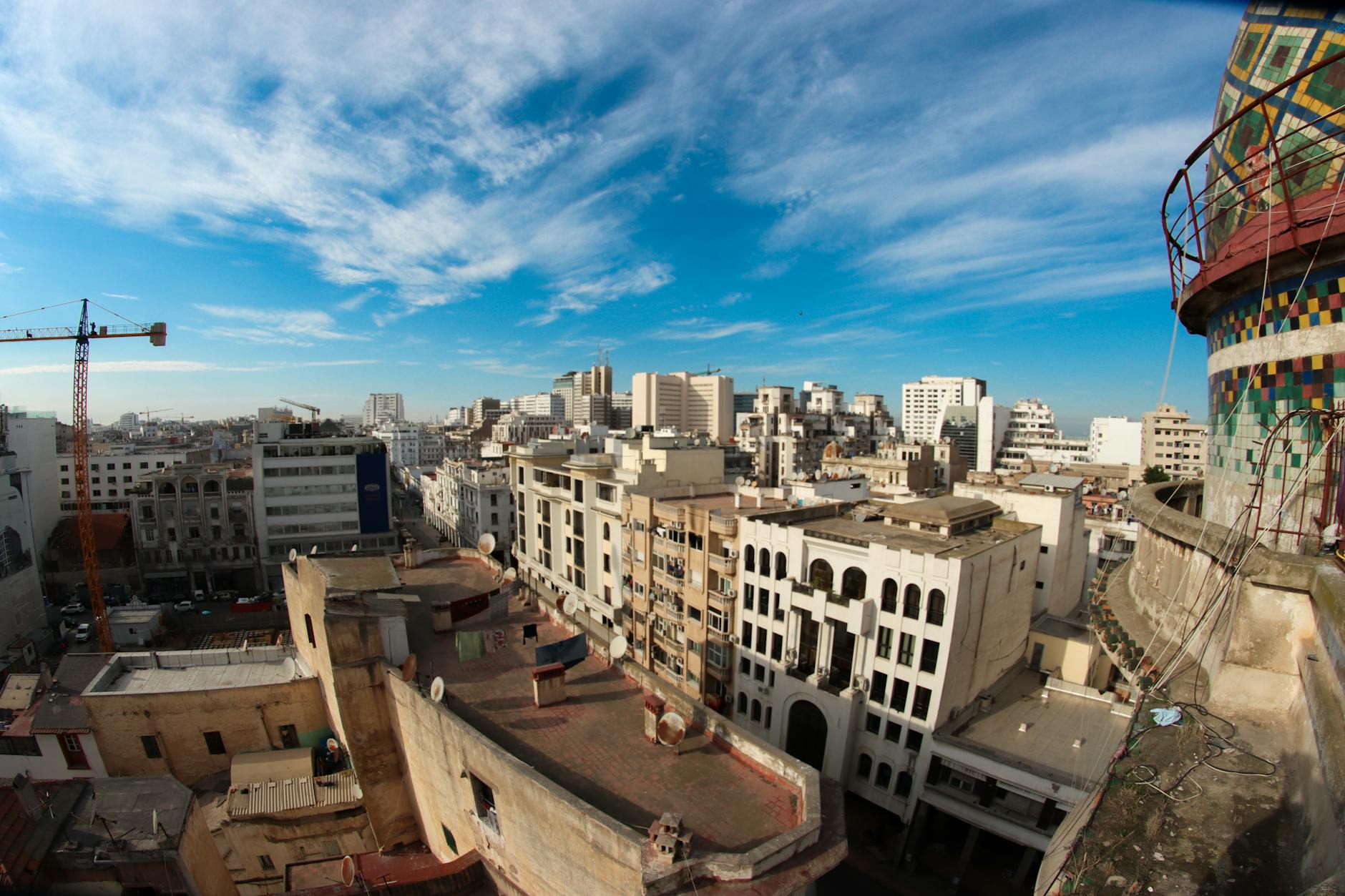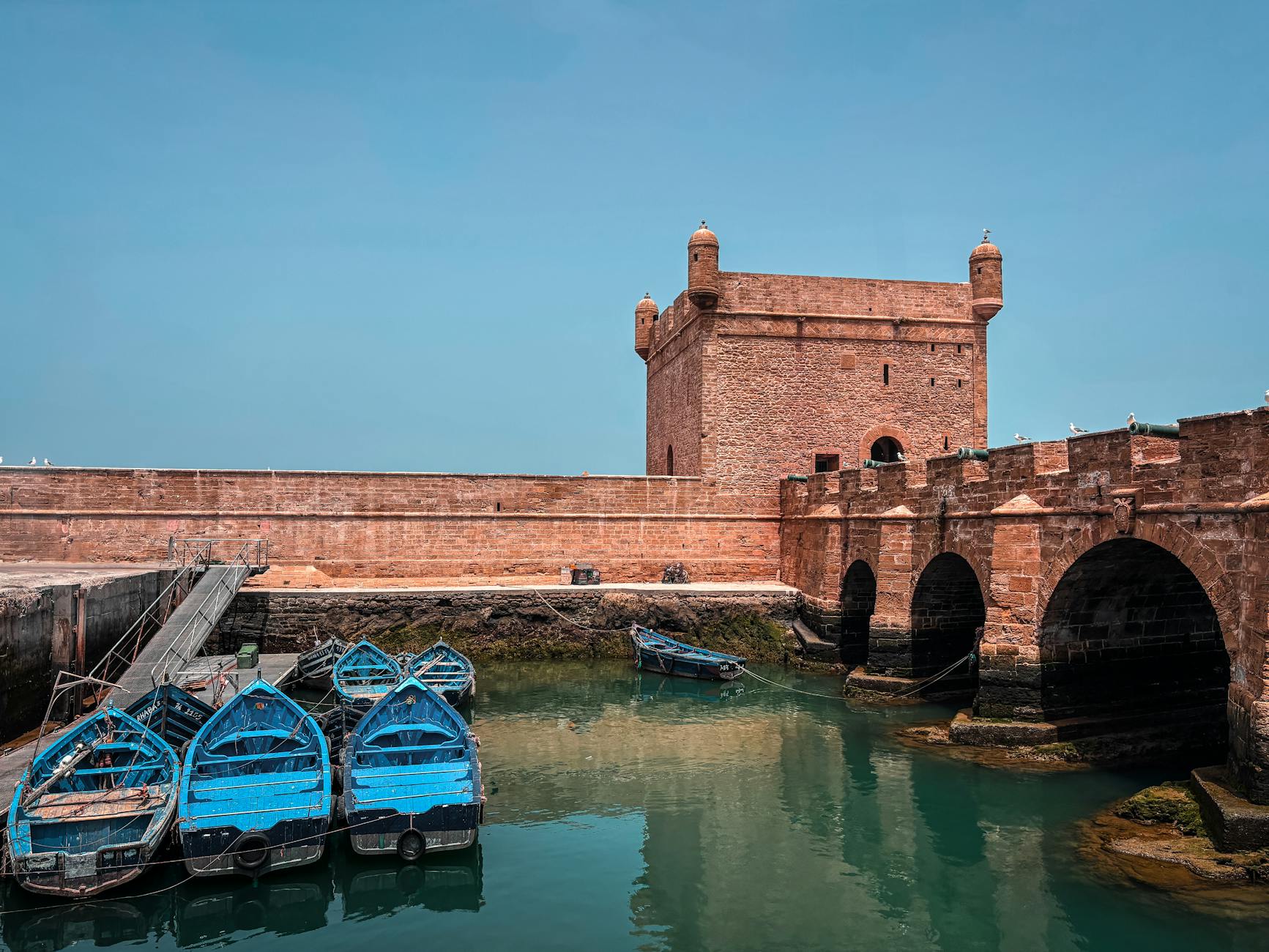
A cruise or port-call traveler considering Marrakech has to start with an awkward truth: Marrakech is not a cruise port. The city is usually reached from Casablanca, Safi, Agadir, Essaouira, or as a pre-cruise or post-cruise overland extension. That makes the trip less like a normal city break and more like a timed logistics problem. The traveler may be leaving a ship, crossing a long road or rail segment, entering a dense medina, managing heat and crowds, and still needing to return to the gangway before the ship closes. Marrakech can be a memorable port-related day, but only when the plan is honest about distance, buffers, vehicle access, guide quality, food, toilets, medication, and the limits of the schedule. A hotel-based visitor can lose an hour and recover. A port-call traveler has a hard endpoint, and the best Marrakech plan is built backward from that endpoint.
Start with the real Moroccan port
The word Marrakech can appear in a cruise context even when the ship is nowhere near the city. A traveler may be docked in Casablanca, Safi, Agadir, or another coastal gateway, or may be using Marrakech before or after the sailing. Those scenarios are not interchangeable. Port clearance, meeting points, terminal access, road distance, rail options, and all-aboard time all change the risk profile of the day.
Before choosing a palace, garden, souk, or lunch spot, confirm the exact port, terminal, berth or meeting area, ship time, shore-excursion departure time, and all-aboard time. If a cruise brochure says Marrakech but the map says Casablanca or Safi, plan from the port reality, not from the marketing label. The inland transfer is the controlling fact.
- Confirm the exact port, terminal, meeting point, ship time, and all-aboard deadline before planning Marrakech.
- Separate Casablanca, Safi, Agadir, Essaouira, and pre- or post-cruise extensions because each has a different transfer risk.
- Do not build the day from the word Marrakech alone; build it from the gangway and return route.
Decide whether this is a shore day or an extension
A same-day shore excursion to Marrakech is a very different decision from an overnight, a hotel transfer, or a post-cruise rail or driver segment. A long day from Casablanca or Safi can work when the ship schedule is generous and the operator is strong, but it leaves little space for improvisation. A pre- or post-cruise extension can absorb more of the city, but then luggage, hotel access, flight timing, and fatigue become the main constraints.
The traveler should decide early whether the goal is a compact taste of Marrakech or a proper inland stay. Trying to make a short port window behave like a full city break leads to rushed monuments, pressured shopping, late lunches, and return anxiety. If the ship timing is tight, the correct plan may be a narrower shore day or a different Moroccan stop.
- Classify the trip as a same-day shore excursion, overnight, embarkation transfer, disembarkation transfer, or extension.
- Use same-day Marrakech only when the ship schedule and operator leave real return margin.
- Move bigger Marrakech ambitions into a pre- or post-cruise stay instead of overloading a port call.
Build the day around the ship clock
For a port-call traveler, the most important appointment is not lunch, a museum slot, or the best photo light. It is the all-aboard deadline. Marrakech plans should be built backward from that deadline with a conservative return buffer for traffic, road works, police checks, fuel stops, terminal access, security screening, and the time it takes to move from vehicle drop-off to the gangway.
Digital map estimates are not enough on their own. They rarely capture port-exit delays, medina pickup confusion, shopping detours, group pace, heat fatigue, or the difference between ship time and local assumptions. A good plan has a firm turn-back time and a clear rule for dropping optional stops before the return margin becomes fragile.
- Build backward from all-aboard time and protect a return buffer before adding sightseeing.
- Set a firm turn-back time that overrides shopping, lunch delays, and optional sights.
- Check whether ship time, local time, driver time, and ticket times are being interpreted the same way.

Choose transport and guide structure carefully
A cruise-line excursion may feel less original, but it can reduce the most important risk: getting back to the ship. A private driver and guide can make the day better, especially for travelers who want a quieter route through Marrakech, but only if the operator is vetted, punctual, reachable, and honest about the road time. The traveler should know whether the driver stays with the vehicle, where the guide joins, and where the return pickup actually happens.
Marrakech's medina is not a place to solve logistics at the last minute. Vehicle access changes by gate and district, unofficial guides can distract from the schedule, and a riad, restaurant, or shop may be harder to find than it appears. Use written pickup points, WhatsApp contact, backup phone numbers, and a route that the driver can execute without relying on guesswork.
- Use cruise-line excursions when the return guarantee matters more than customization.
- Use private touring only with a vetted driver, clear pickup points, backup contacts, and written timing.
- Avoid informal medina logistics that depend on finding a driver, guide, shop, or gate at the last minute.
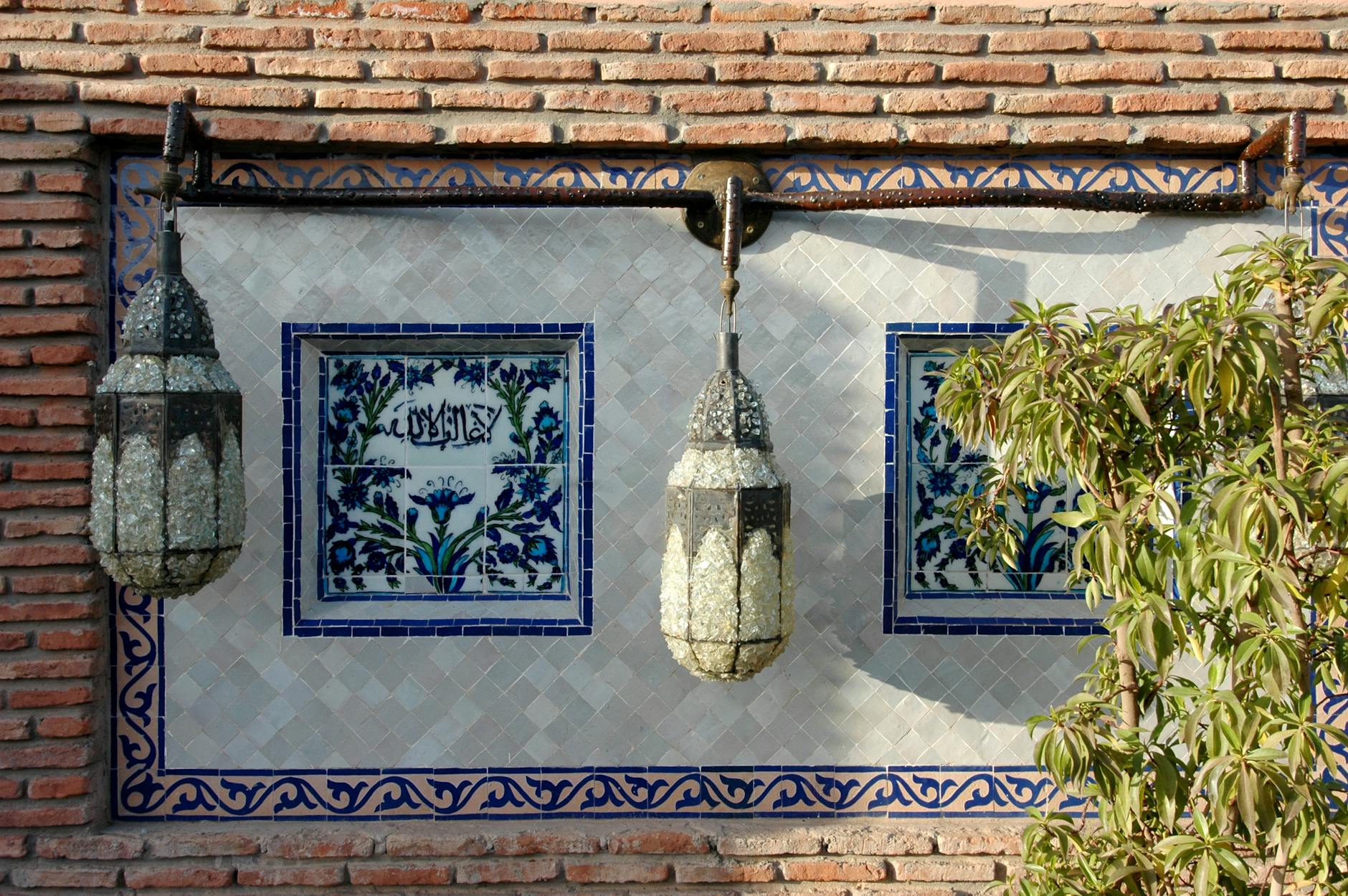
Keep the Marrakech route compact
A shore-related Marrakech day works best when it has a small number of strong pieces: perhaps a Koutoubia exterior stop, one palace or madrasa, a controlled souk walk, lunch with reliable timing, and an optional garden or rooftop pause. It should not try to combine every famous sight, a hammam, a cooking class, deep shopping, and a distant dinner before returning to the coast. The medina consumes time in ways that are easy to underestimate.
Compact routing also protects energy. Heat, crowds, uneven lanes, bargaining pressure, restroom uncertainty, and repeated vehicle transitions can wear down travelers who still have a return journey. The best route has a meaningful Marrakech feel, but every stop should earn its place.
- Choose one or two anchor sights and keep optional stops physically close.
- Treat souk time, lunch time, and vehicle pickup time as real schedule items, not empty space.
- Drop low-priority stops early if heat, crowds, shopping, or group pace starts shrinking the buffer.
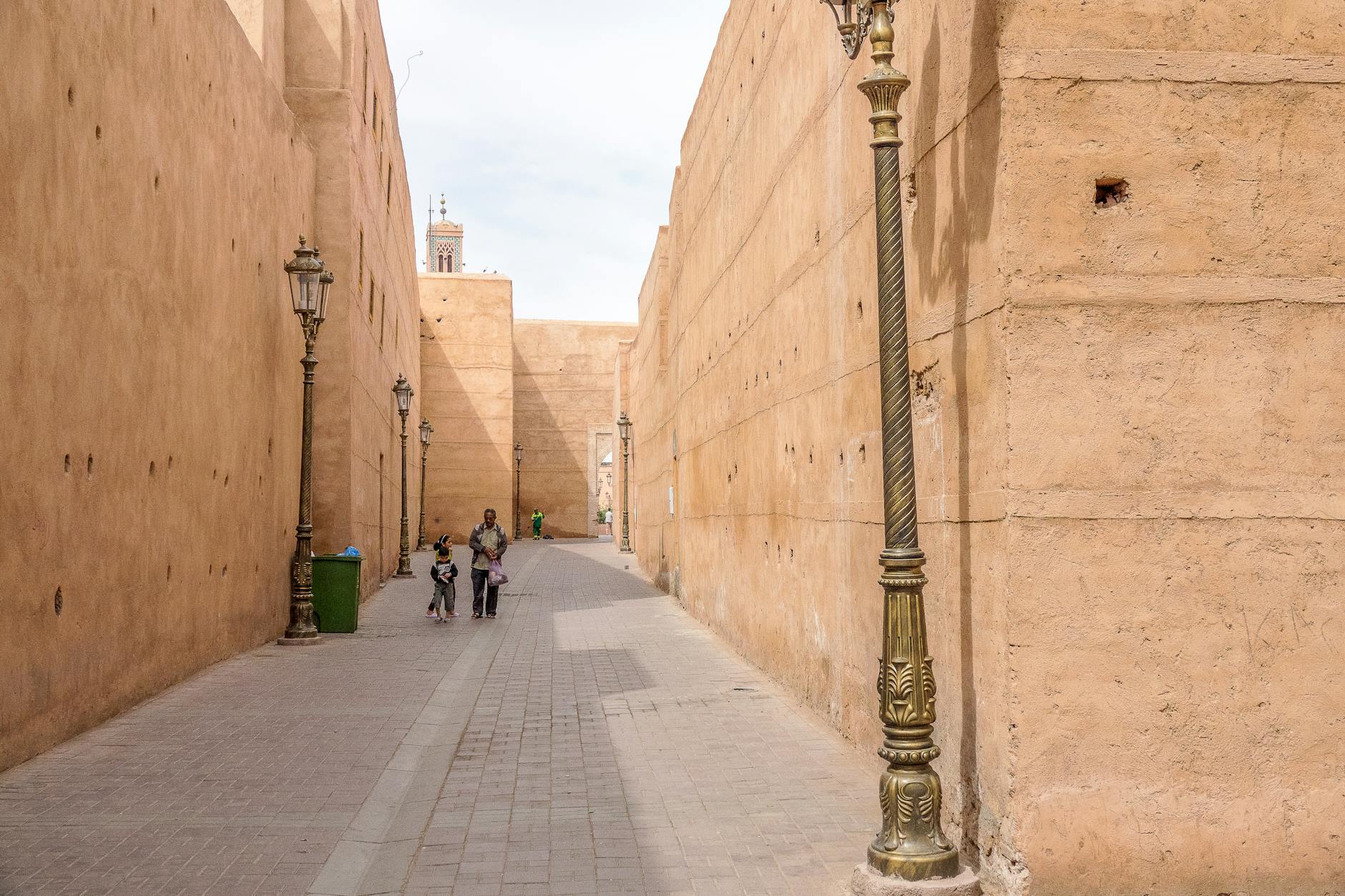
Plan bags, documents, meals, and medication
Cruise travelers often underestimate the practical items because the ship feels like a safe base. Once the traveler is several hours inland, small gaps matter. Passport or ID rules, cruise card, phone battery, payment cards, local cash, medication, sun protection, water, modest clothing, stomach-sensitive meal choices, and restroom timing should be settled before leaving the port or hotel.
If Marrakech is part of embarkation, disembarkation, or an overnight extension, luggage changes the plan. Full-size cruise bags do not belong in the medina unless storage and vehicle access are explicit. Medication and valuables should stay with the traveler, not disappear into luggage handling that may reconnect later at the ship, hotel, airport, or train station.
- Carry ship card, passport or ID as required, payment, phone power, medication, water, and sun protection.
- Arrange luggage storage or door-to-door handling before adding sightseeing to transfer day.
- Choose meals and restroom stops for reliability when the return drive is long and the ship deadline is fixed.
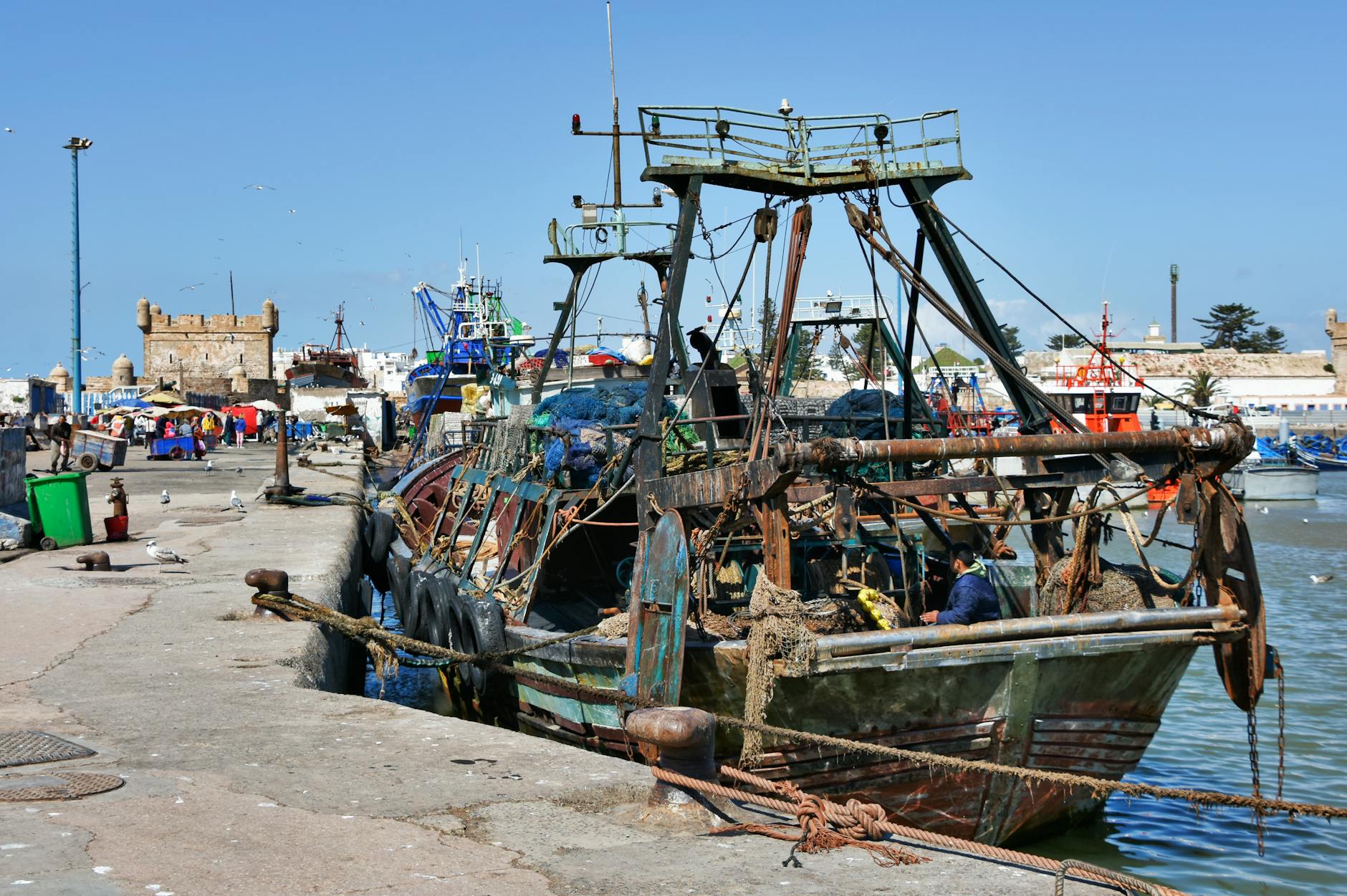
When to order a short-term travel report
A traveler taking a cruise-line excursion with a simple fixed route may not need a custom report. A cruise or port-call traveler should consider one when Marrakech depends on a private driver, a distant port, a tight all-aboard time, older travelers, mobility limits, children, multiple luggage handoffs, a pre- or post-cruise hotel change, or uncertainty about whether the advertised shore day is realistic.
The report should test the exact ship, port, terminal, arrival time, all-aboard time, driver or excursion plan, city route, meal timing, mobility constraints, luggage handling, and fallback options. The value is not a generic list of Marrakech sights. It is knowing how much Marrakech can safely fit between the coast and the ship.
- Order when distance, private touring, mobility, luggage, children, or all-aboard timing make the day fragile.
- Provide ship name, port, terminal, timings, excursion details, hotel or flight plans, luggage load, and mobility needs.
- Use the report to protect the return deadline while still getting a coherent Marrakech experience.