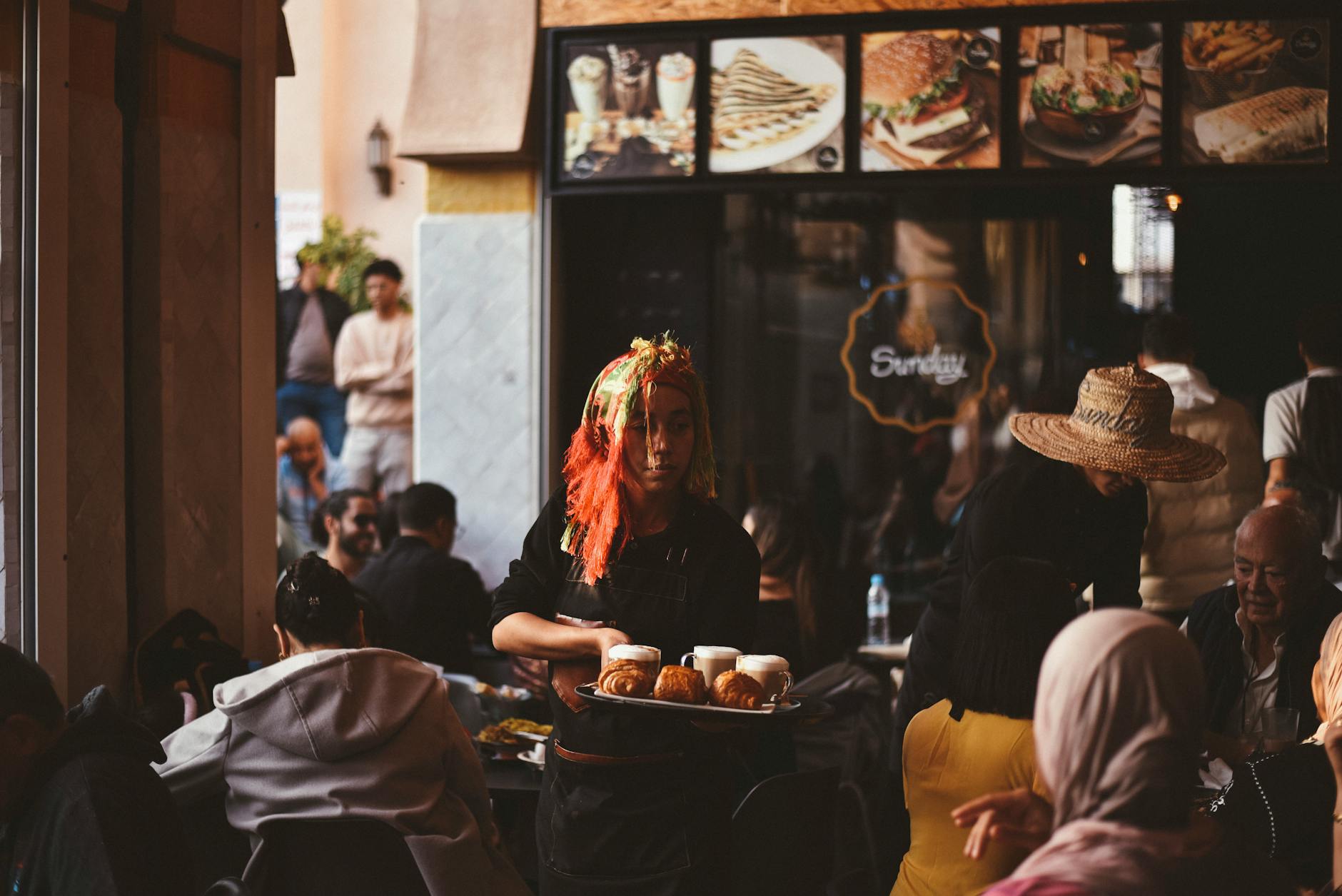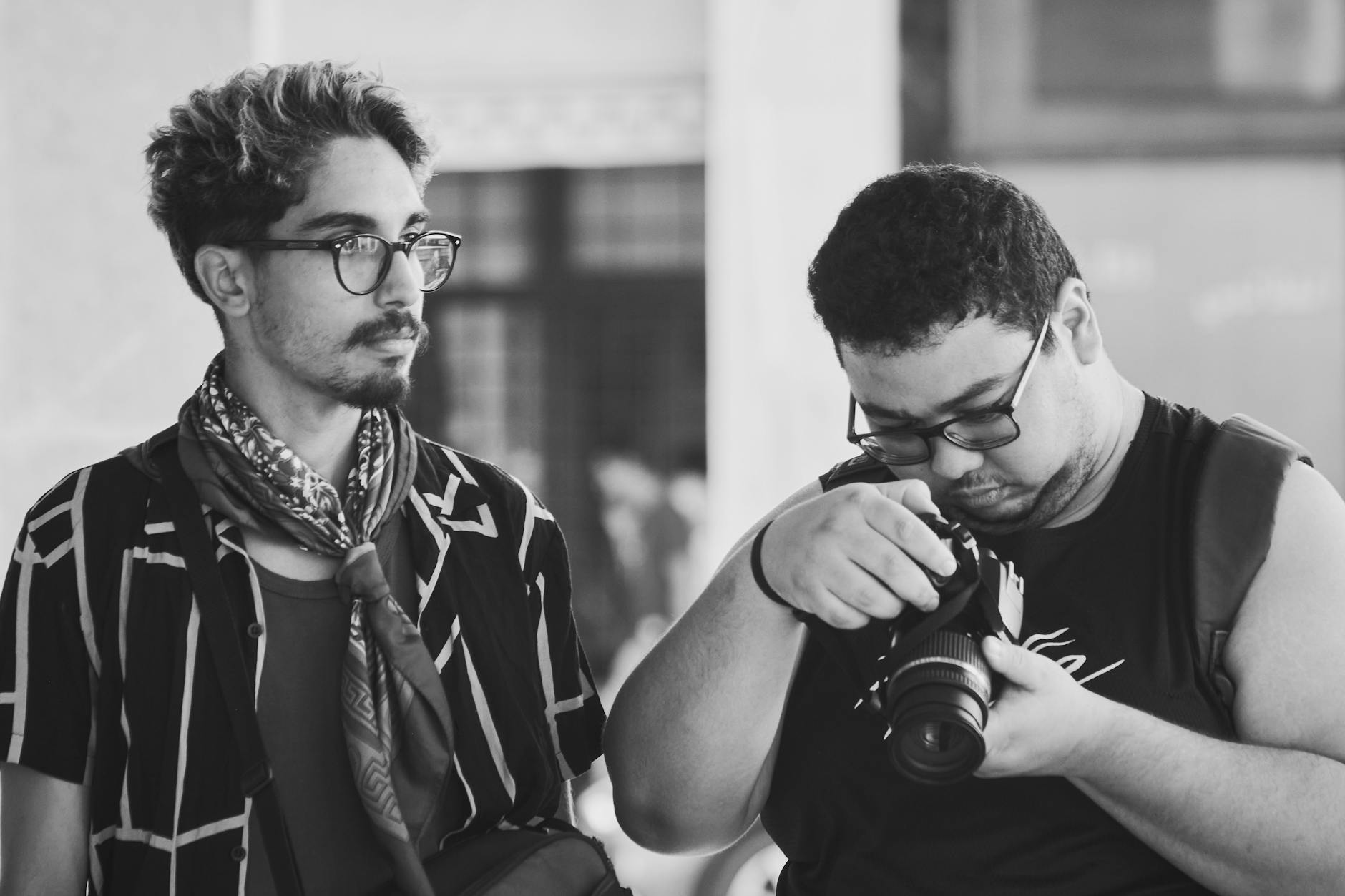
A content creator traveling to Marrakech is not just looking for beautiful scenes. The city can support food videos, riad and hotel content, design, architecture, fashion, craft markets, gardens, desert excursions, luxury travel, budget travel, student life, wellness, nightlife, and social-enterprise stories. That visual richness is useful, but it also creates traps: crowded souks, private-property rules, heat, dust, harsh midday light, gear fatigue, bargaining pressure, identifiable people in sensitive contexts, and upload deadlines that do not care how atmospheric the day felt. The best plan treats Marrakech as a production environment. It decides what story the creator is telling, which neighborhoods and venues serve that story, what permissions or cultural sensitivities apply, how gear and footage will be protected, and where editing and uploading can happen. Good content comes from choosing the right constraints, not from trying to film every photogenic corner of the city.
Start with the content thesis, not the shot list
Marrakech is too visually dense to approach without a point of view. A creator can capture riads, lanterns, spices, rooftops, gardens, camels, mint tea, souks, and desert roads and still end up with generic material. The first planning question should be what the audience is supposed to learn, feel, buy, compare, save, or understand. A luxury-hotel creator, food reviewer, budget-travel channel, fashion creator, family-travel account, design writer, wellness creator, and student creator all need different versions of Marrakech.
The trip should be organized around a few clear content lanes rather than a frantic list of famous scenes. A food day might combine market sourcing, a cooking class, a simple meal, and one strong dinner. A design day might focus on a riad, tilework, gardens, and craft workshops. A budget day needs prices, routes, meals, and tradeoffs rather than only atmosphere. The story should decide the geography, not the other way around.
- Define the audience, platform, deliverables, and story angle before choosing locations.
- Group shoots by content lane: food, riads, craft, design, budget, luxury, wellness, desert, family, or student travel.
- Avoid a famous-scene day that produces attractive but interchangeable Marrakech footage.
Plan neighborhoods as production blocks
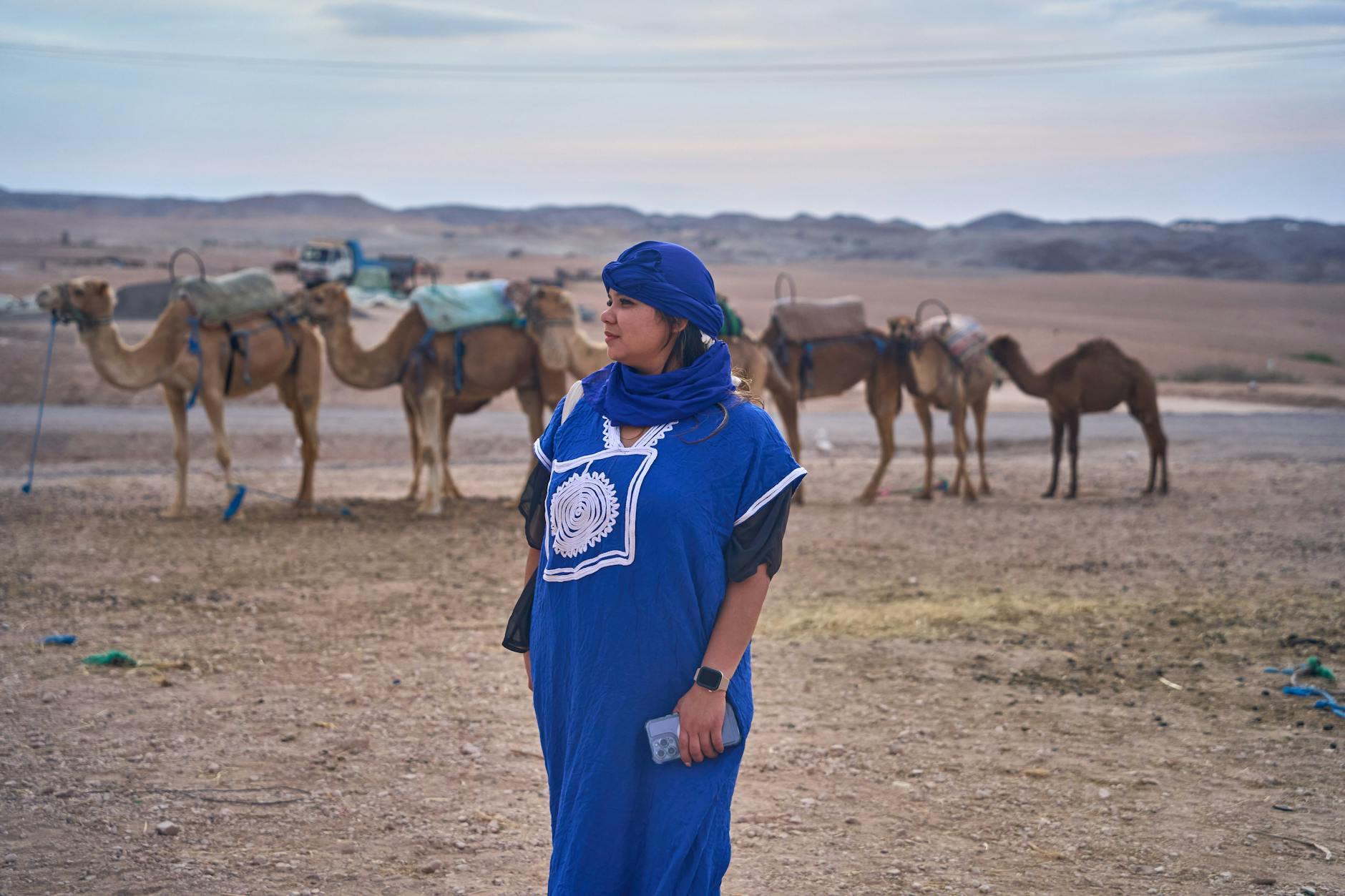
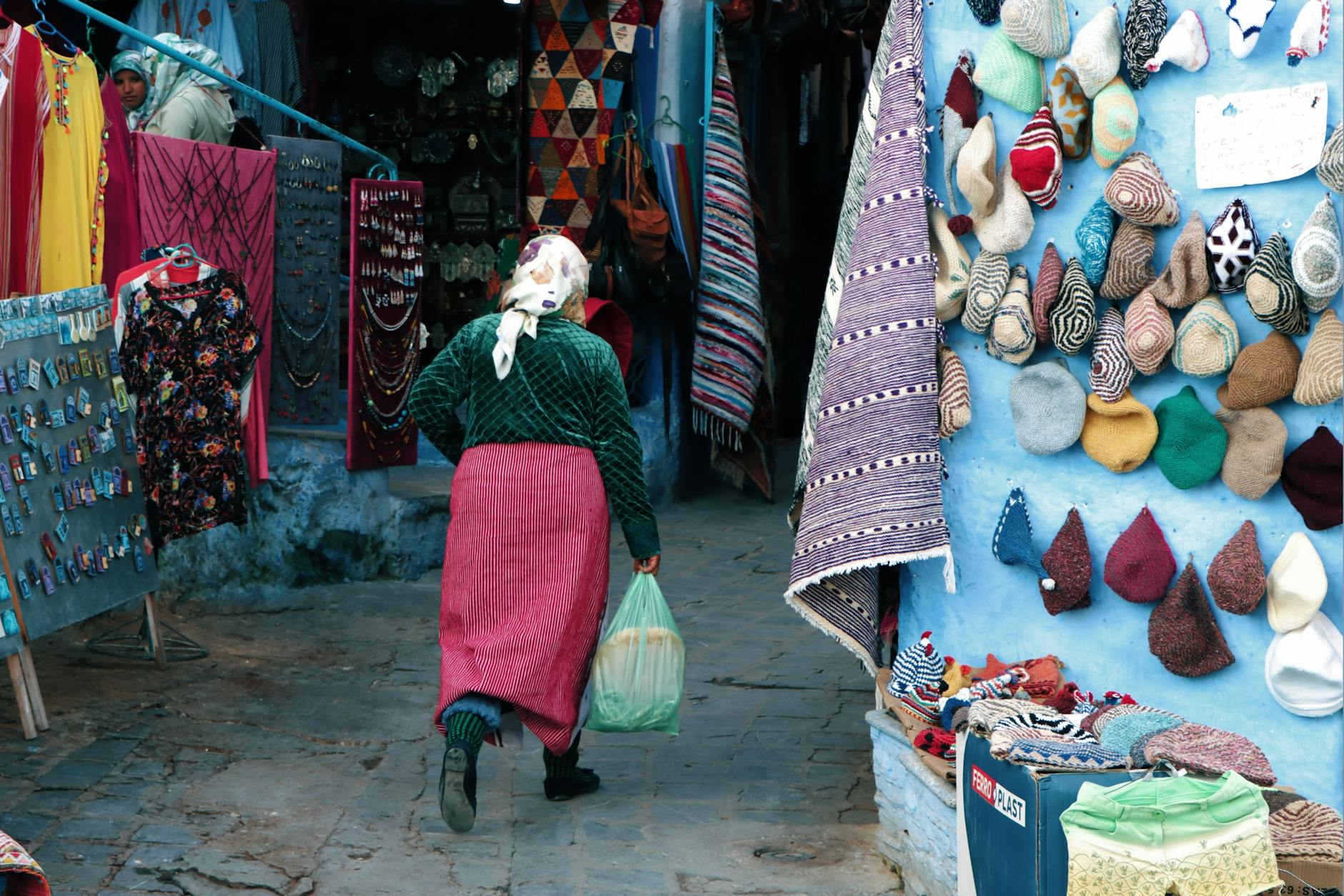
Marrakech works better for creators when areas are treated as production blocks. The medina, Gueliz, Hivernage, Palmeraie, Majorelle-area gardens, Menara, hotel districts, rooftop restaurants, craft workshops, and excursion routes each have different light, crowd pressure, permissions, transport, and visual language. Moving between too many zones can waste energy, battery, wardrobe control, and the best light of the day.
A strong shoot day usually combines one anchor location with nearby supporting scenes. A medina day might pair an early rooftop, a market lane, a workshop, a courtyard break, and evening food. A design day might work better around a riad, garden, boutique, and quiet cafe. A desert or Agafay concept should be treated as its own production day, not squeezed between city shoots. The creator should use Marrakech intensity deliberately instead of letting it scatter the day.
- Build each shoot day around one anchor area and nearby supporting scenes.
- Protect light, battery, rest, wardrobe, and upload time by avoiding excessive cross-city moves.
- Treat medina, Gueliz, Hivernage, gardens, Palmeraie, riads, and excursion routes as different production settings.
Know where filming is easy and where it is not
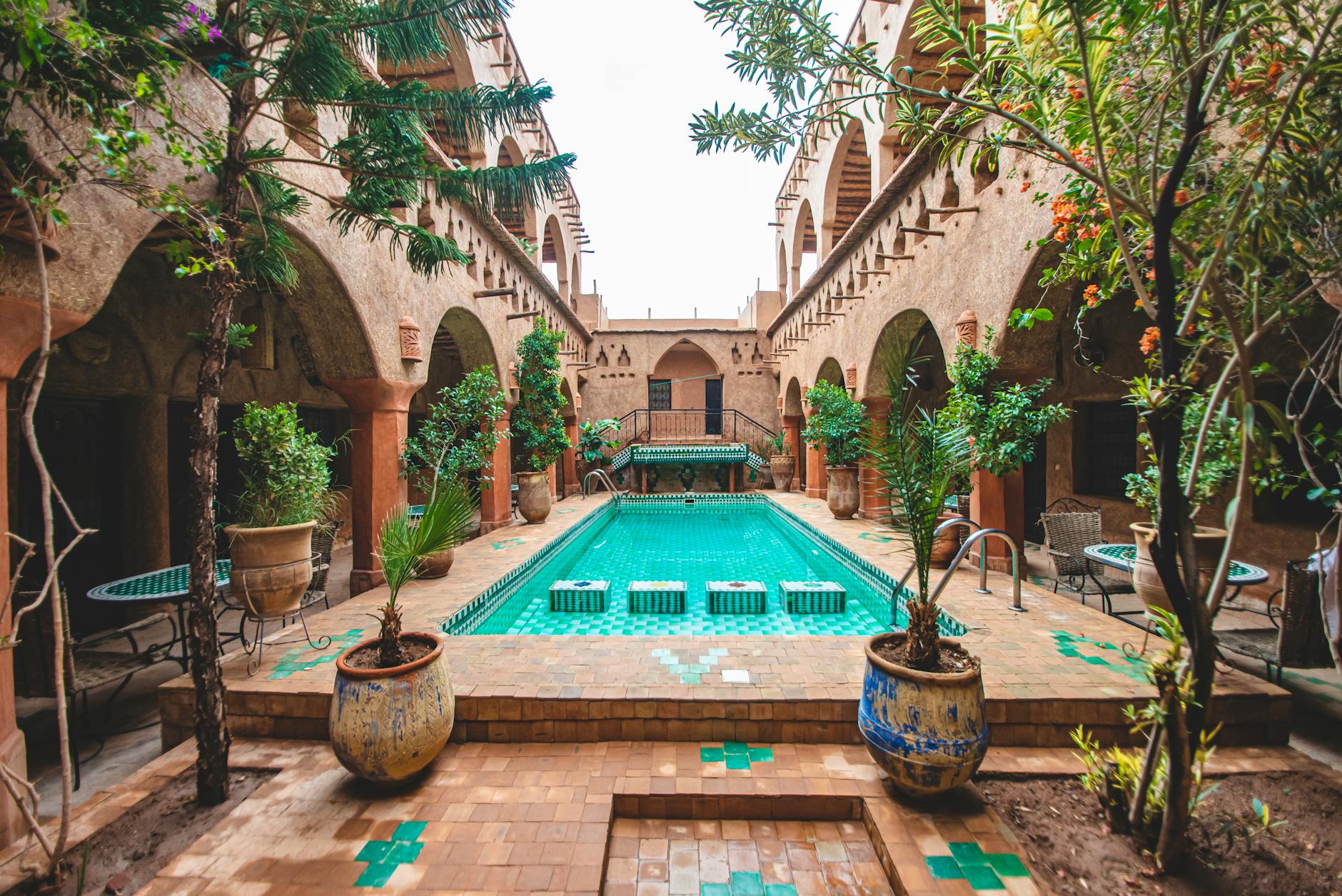
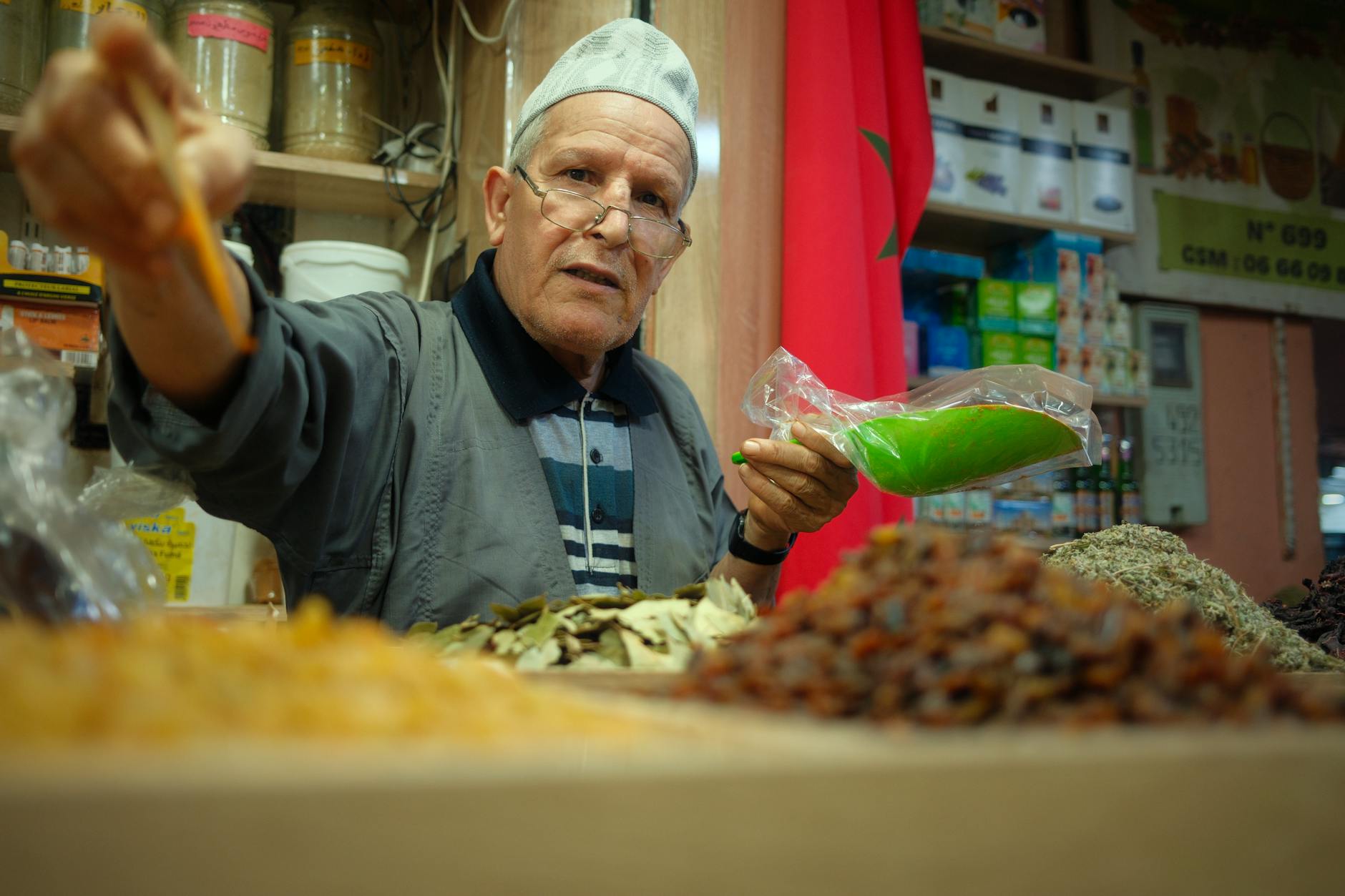
Creators should distinguish casual public filming from controlled or sensitive filming. A quick phone clip in a street is different from tripods, drones, lighting, gimbals, microphones, commercial shoots, filming inside riads, museums, gardens, shops, markets, hammams, restaurants, hotels, private homes, religious-adjacent spaces, or craft workshops. Many photogenic places are also workplaces or private businesses with their own rules.
Permission should be checked before promising deliverables. Restaurants, hotels, attractions, guides, and shops may welcome content but still require approval for commercial use, drone footage, staff filming, or sponsored posts. If people are identifiable, especially children, workers, women in private settings, or people in awkward moments, the creator should think beyond whether the shot is possible and ask whether it is fair, necessary, and brand-safe.
- Check rules for tripods, drones, gimbals, microphones, lighting, commercial work, and interior filming.
- Treat riads, shops, hammams, gardens, museums, workshops, hotels, and restaurants as controlled spaces.
- Avoid using identifiable people as background material when the context is private, sensitive, or unfair.
Protect gear, footage, and working capacity
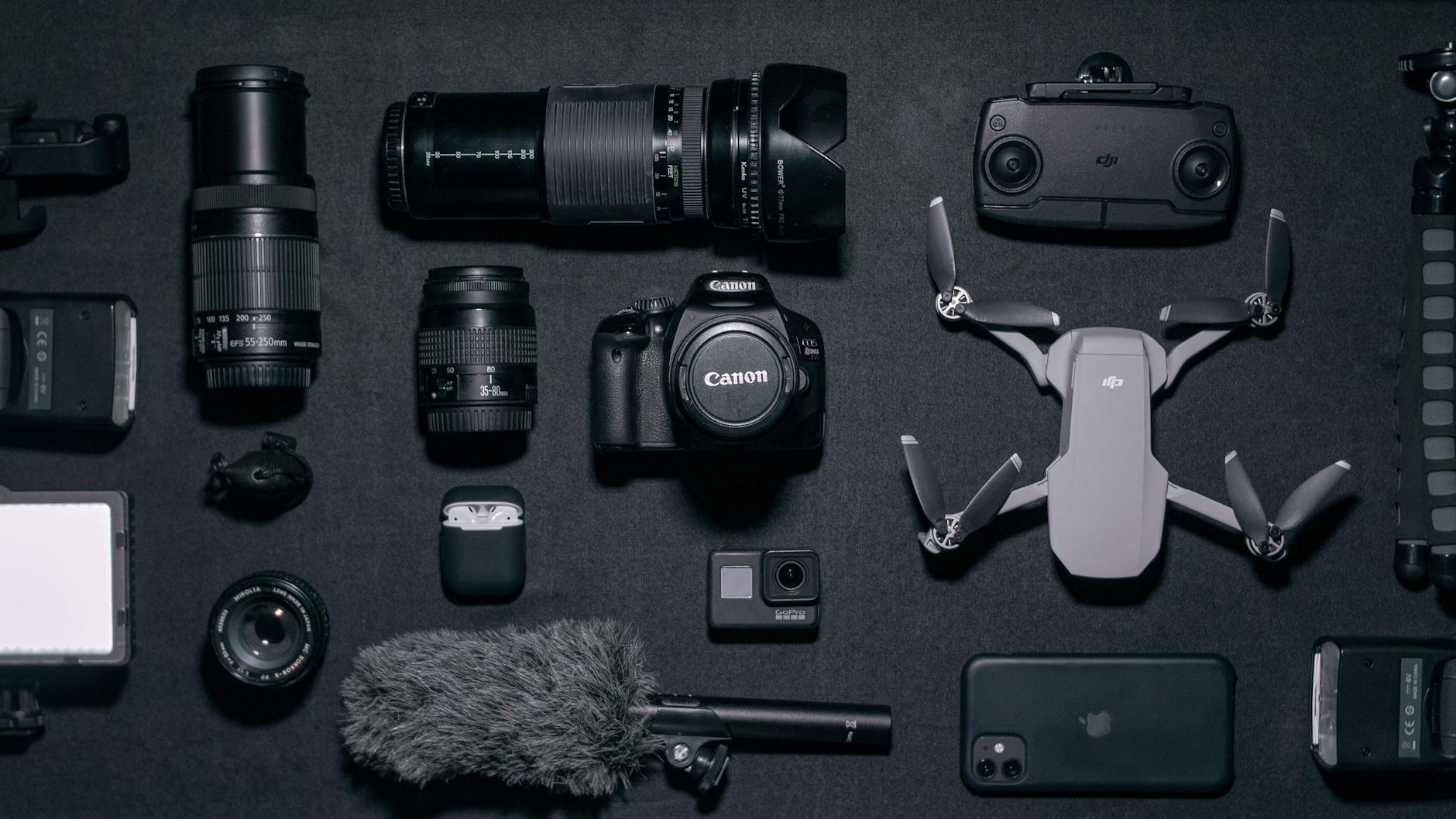
Content creators often carry a compact but expensive setup: phone, camera, lenses, gimbal, microphone, tripod, laptop, power bank, memory cards, hard drive, lights, backup phone, and product samples. Marrakech is manageable, but crowded souks, rooftop stairs, scooters, taxis, restaurants, night streets, and busy photo spots create real loss, dust, heat, and theft exposure. The creator should carry only what the day requires and keep backups separate from primary gear.
Footage management matters as much as the camera. A full memory card, overheated phone, dusty lens, dead power bank, weak hotel Wi-Fi, missing adapter, or no quiet editing space can damage the whole trip. The plan should include charging, cleaning cloths, weather and dust protection, file transfer, cloud backup, local data, and realistic recovery time. Shooting all day without a file workflow is not production discipline.
- Carry the smallest viable kit for the shoot day and keep backup storage separate.
- Plan charging, dust protection, file transfer, cloud backup, local data, and quiet editing space.
- Avoid opening gear bags casually in crowded souks, cafes, taxi areas, rooftops, and night streets.
Treat transport, heat, and light as production constraints
Marrakech movement is part of the production schedule. Walking, taxis, hotel drivers, guides, excursion vehicles, and airport transfers all affect what can realistically be filmed. The medina can be slow with gear. Midday heat can flatten footage and drain the creator. Golden hour can be valuable but short. A route that is fine for a leisure traveler may be poor for a creator carrying equipment, changing outfits, keeping food fresh, or trying to reach a reservation before the light disappears.
The plan should pair every high-value shoot with a route that protects timing. If the creator needs early souk footage, a specific rooftop sunset, a desert pickup, or evening food content, weak transport planning can ruin the shot. A nearby base may matter more than the cheapest lodging. When gear, heat, wardrobe, or deadline pressure is high, a driver or trusted taxi can be a production tool rather than a luxury.
- Plan routes around light, heat, gear, wardrobe, food timing, reservations, and upload windows.
- Use drivers or taxis selectively when equipment, heat, timing, or fatigue makes walking fragile.
- Keep high-value sunrise, sunset, rooftop, desert, and dinner shoots protected from overpacked routing.
Manage brand obligations and personal safety together
Creators with sponsors, affiliate obligations, comped stays, event access, paid deliverables, or product integrations should plan like professionals. A brand shot list, approval deadline, disclosure requirement, usage rights, venue permission, backup location, and weather or heat fallback should be clear before the trip. Marrakech atmosphere can be powerful, but it cannot replace deliverables that a partner expects in a specific format.
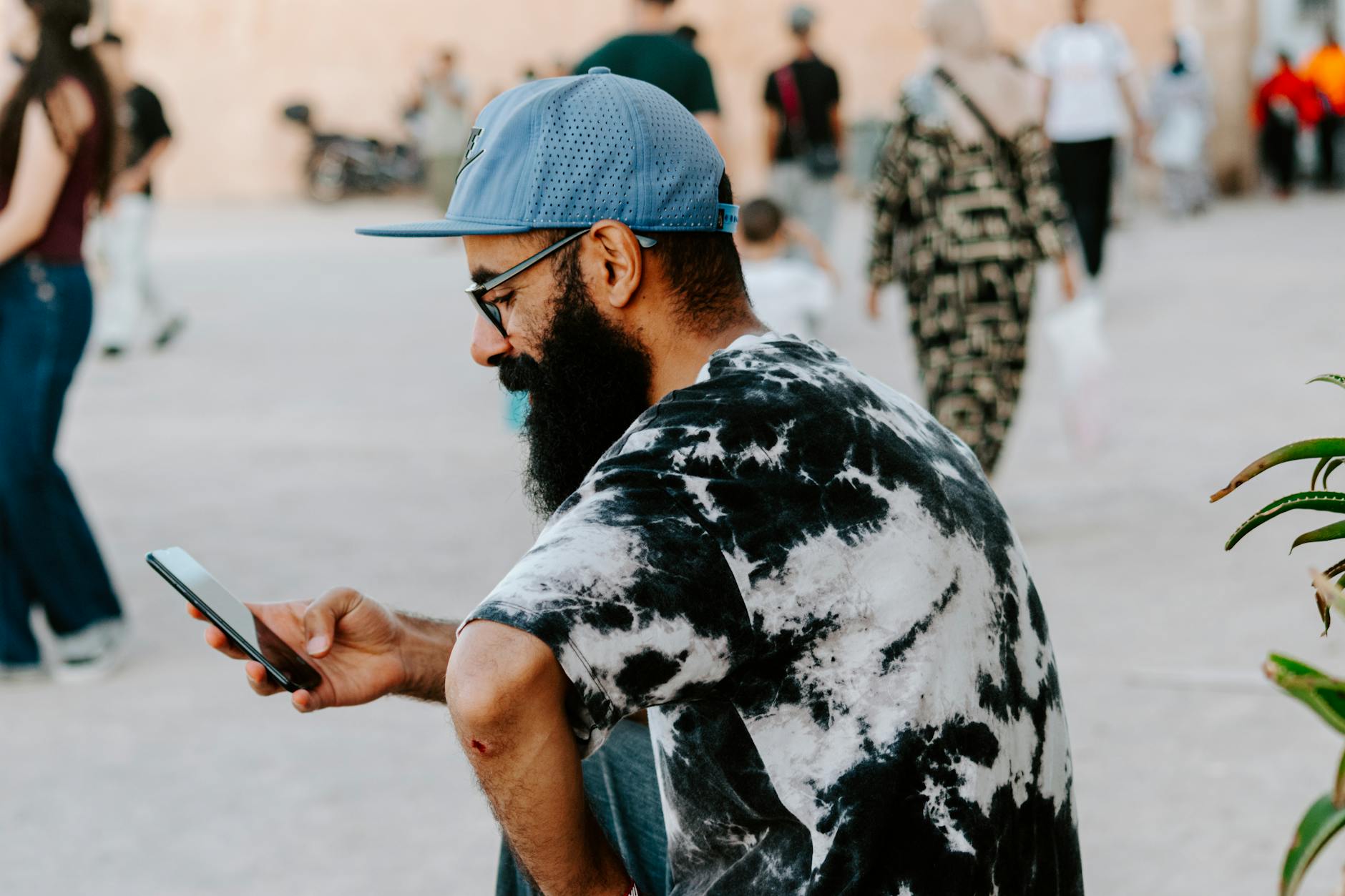
Personal safety belongs in the same plan. A creator focused on framing, sound, and engagement can become distracted in crowded or unfamiliar spaces. Public filming may attract comments, sales pressure, unwanted attention, theft attempts, or pressure to keep shooting after dark. Solo creators should be careful with real-time location sharing, hotel reveals, repeated routines, and late-night shoots. Good content is not worth making the creator easy to track or separate from their gear.
- Clarify sponsor deliverables, permissions, disclosures, usage rights, backup shots, and approval timing before travel.
- Avoid real-time hotel reveals, predictable routines, and solo late-night shoots without a return plan.
- Pause filming when attention, theft risk, sales pressure, crowding, or unwanted interaction starts to control the scene.
When to order a short-term travel report
A casual creator visiting Marrakech for personal posts may not need a custom report. A creator with paid deliverables, multiple shoot days, expensive gear, solo filming, brand partners, venue permissions, food or hotel content, desert excursions, nightlife shoots, or time-sensitive light should plan more carefully. The report should test shoot geography, hotel base, permission issues, transport, heat, current disruptions, equipment risks, upload workflow, personal safety, and backup locations.
The value is not a list of pretty places. It is a production-aware travel plan that helps the creator get usable material without burning the trip on avoidable friction. A good report can show where to base, which areas to cluster, what filming rules to check, when to use a driver, where to edit, and where the creator's safety or brand obligations need more structure.
- Order when paid content, gear, permissions, solo filming, desert routes, multiple areas, or deadline pressure creates risk.
- Include platform, content lanes, shot list, hotel candidates, gear, brand obligations, and must-shoot locations.
- Use the report to protect production quality, personal safety, and delivery commitments.