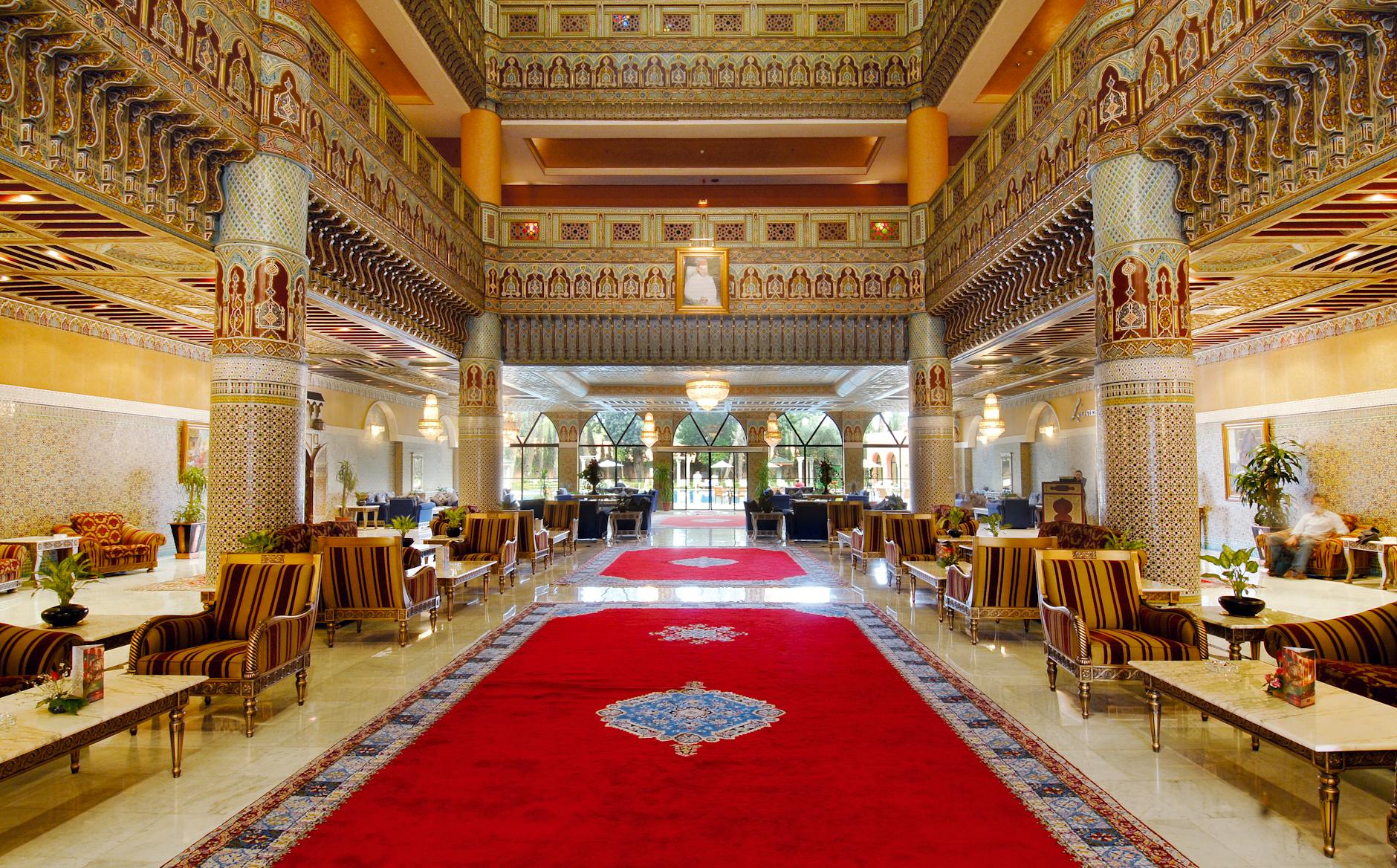
A consultant's short-term trip to Marrakech is not just a business visit with a distinctive setting. The traveler may be supporting a hotel group, advising a retailer, running a workshop, evaluating hospitality operations, meeting investors, visiting a cultural or nonprofit partner, reviewing a site, or working with a client whose day moves between a hotel, office, venue, medina contact, and dinner. Marrakech can support that work well, but the city rewards deliberate operating choices. The consultant needs a base that can function as a temporary office, transfers that do not consume working energy, meetings clustered around realistic geography, and enough recovery time to think clearly after heat, crowds, and client-facing hours. A beautiful riad, atmospheric dinner, or medina walk can be excellent when it serves the engagement. It becomes a liability when it adds weak Wi-Fi, poor desk space, difficult pickup, late returns, or confidential calls in public corners. The strongest Marrakech consulting plan protects the work first, then uses the city intelligently around it.
Map the client before choosing the base
A consultant should start with the exact client geography, not with a generic idea of staying somewhere atmospheric. A client in Gueliz, Hivernage, the Palmeraie, a resort corridor, a university setting, a medina workshop, a cultural institution, a hotel, or an outlying site creates a different working trip. The base should support the repeated route, not simply give the traveler a strong sense of place. A riad can be excellent for immersion and client hospitality, but it can be weak for early pickups, late deck work, site-visit equipment, and quick resets between meetings.
The first planning pass should identify the client entrance, vehicle stop, expected start time, visitor process, meeting room, and likely dinner or side-meeting zone. If the consultant is moving between a hotel boardroom, a medina operator, and a client restaurant, the day needs buffers. If the work is concentrated in Hivernage or Gueliz, a road-accessible hotel may protect the assignment better than a prettier base deep in the medina.
- Map the exact client address, entrance, vehicle stop, start time, and side-meeting geography before booking.
- Treat Gueliz, Hivernage, Palmeraie, medina, resort, and outlying sites as different operating zones.
- Choose a base that protects repeated work movement, not only atmosphere.
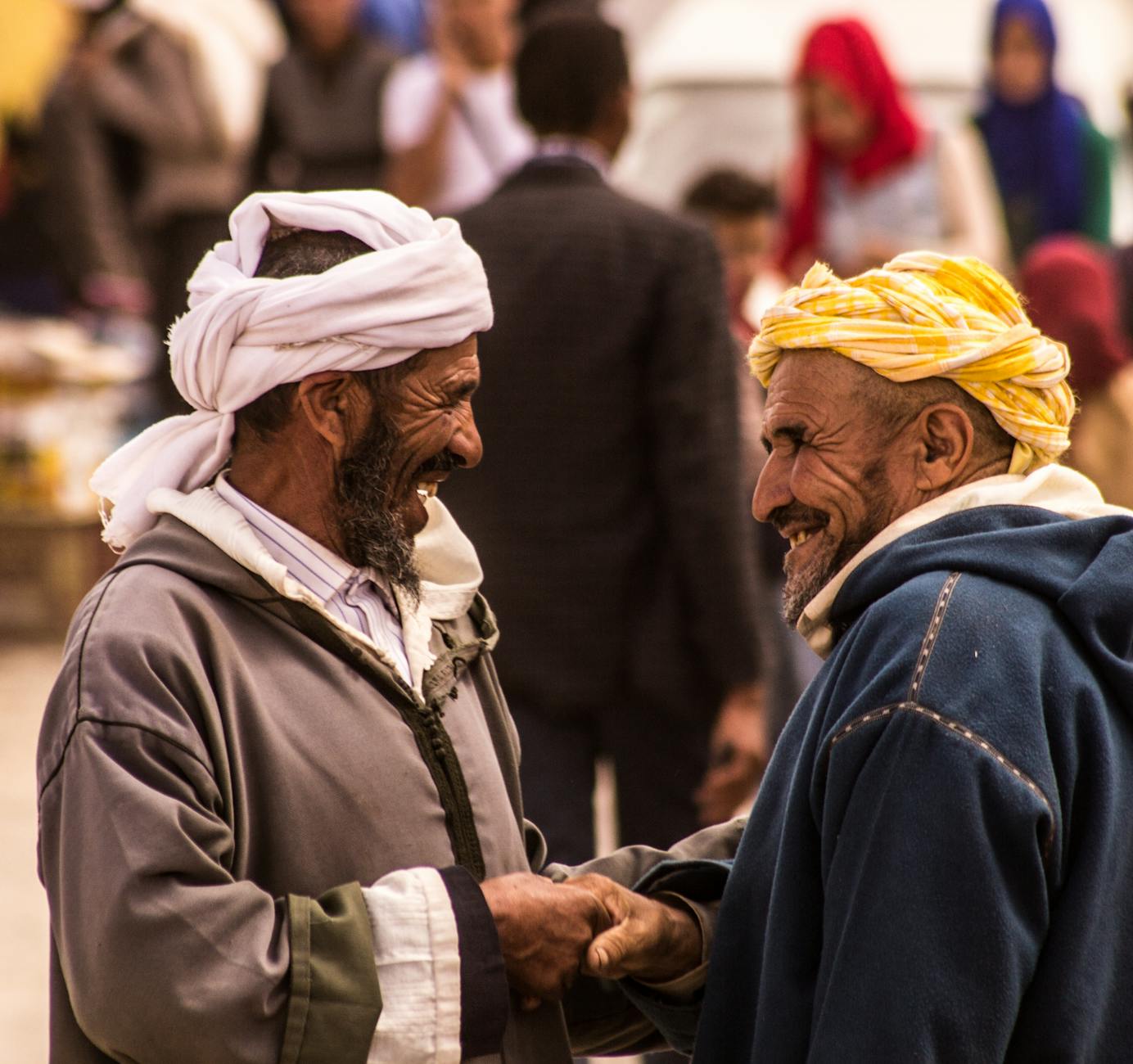
Protect arrival and repeat transfers
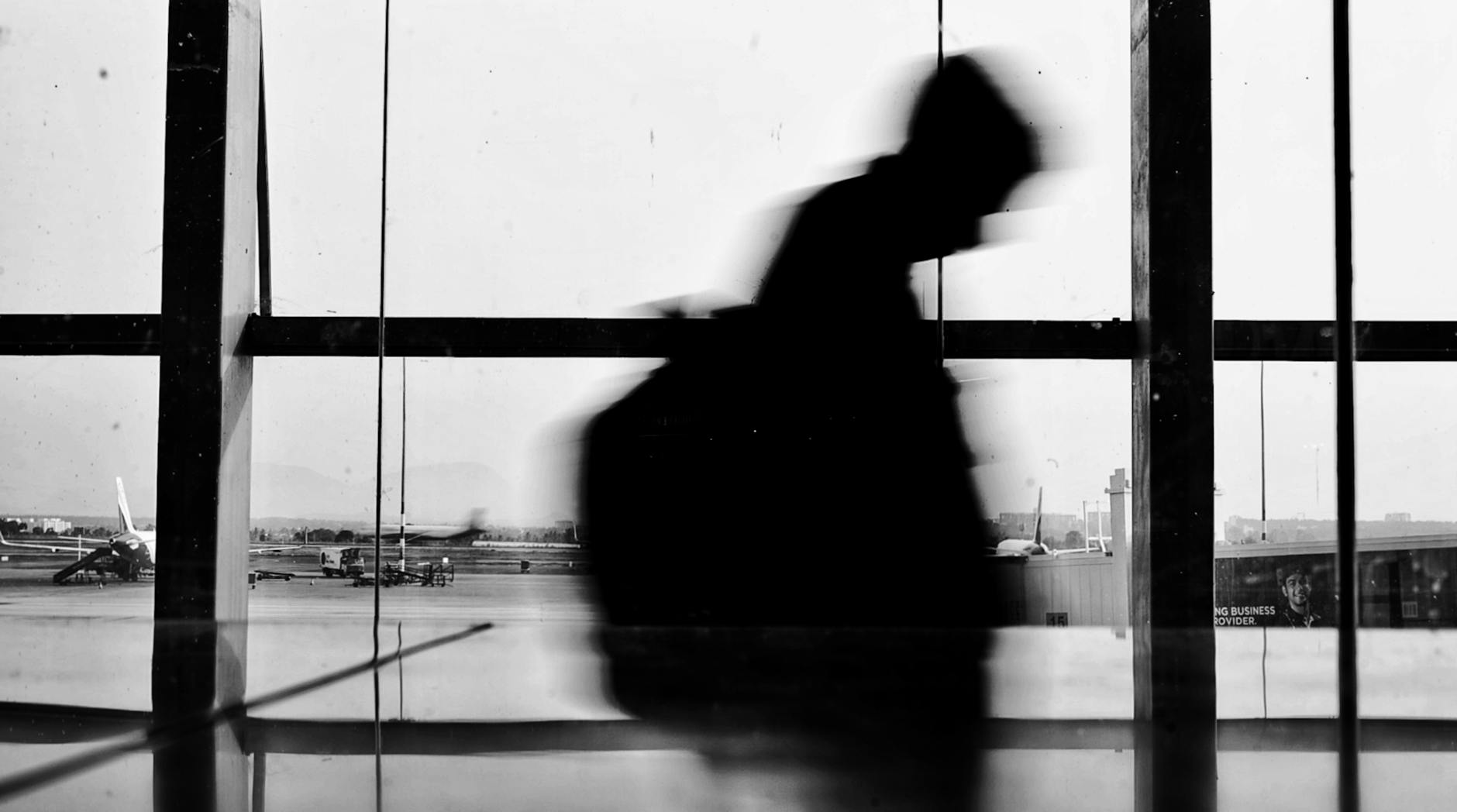
Marrakech Menara Airport is close to the city, but a consultant should still treat arrival as a working risk. A delayed flight, weak pickup, missing bag, poor phone setup, or unclear hotel drop point can damage the first client day before it begins. The traveler may be carrying a laptop, printed materials, workshop supplies, samples, research notes, or clothing that has to be ready immediately. A prearranged transfer is often the right choice, especially for late arrivals or lodging that is not directly reachable by car.
Repeat transfers matter even more. A route that is acceptable once can become draining after three long client days, heat, traffic, and late follow-up work. The plan should name the primary morning transfer, the backup route, the point at which a driver replaces a taxi search, and the return method after dinner or a workshop. The consultant's attention should be available for the client, not spent renegotiating basic movement every few hours.
- Arrange airport pickup when luggage, equipment, late timing, or medina lodging creates first-day risk.
- Define primary and backup transfers for each client day, including dinner returns.
- Use a trusted driver when timing, confidentiality, materials, or fatigue make improvisation costly.
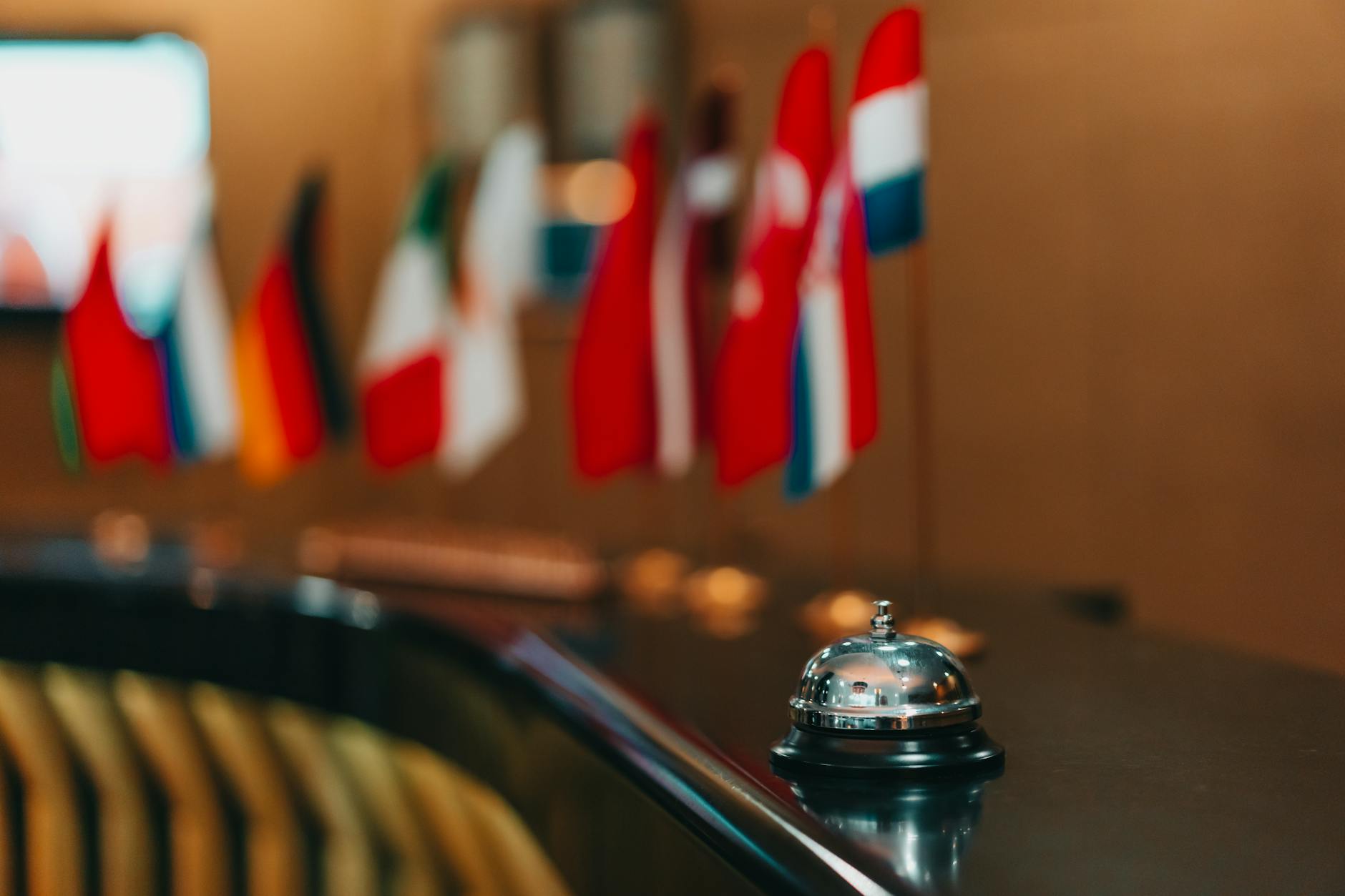
Choose a hotel that can become a temporary office
A Marrakech consulting hotel needs to support work, not just sleep. The room should have reliable Wi-Fi, a real desk or workable table, comfortable chair, outlets, quiet enough walls, good lighting, air conditioning, laundry, breakfast timing, nearby food, and a place for calls that does not expose client information. A beautiful room with low furniture and weak connectivity can become a problem when a deck is due after dinner.
The public areas matter too. A lobby can help for casual arrivals, but it may be too visible for confidential calls or document review. A rooftop may be scenic but wrong for work if it is noisy, hot, dark, or reached by stairs. Ask whether the hotel can print, receive a package, store bags, arrange cars, and keep food available after a long client day. For a consultant, hospitality value includes the hotel's ability to reduce work friction.
- Confirm desk, chair, Wi-Fi, outlets, quiet, lighting, air conditioning, laundry, and practical food options.
- Avoid relying on scenic rooftops or public lobbies for confidential or concentration-heavy work.
- Ask about printing, package receipt, luggage storage, car arrangements, and late food before committing.
Handle workshops and site visits deliberately
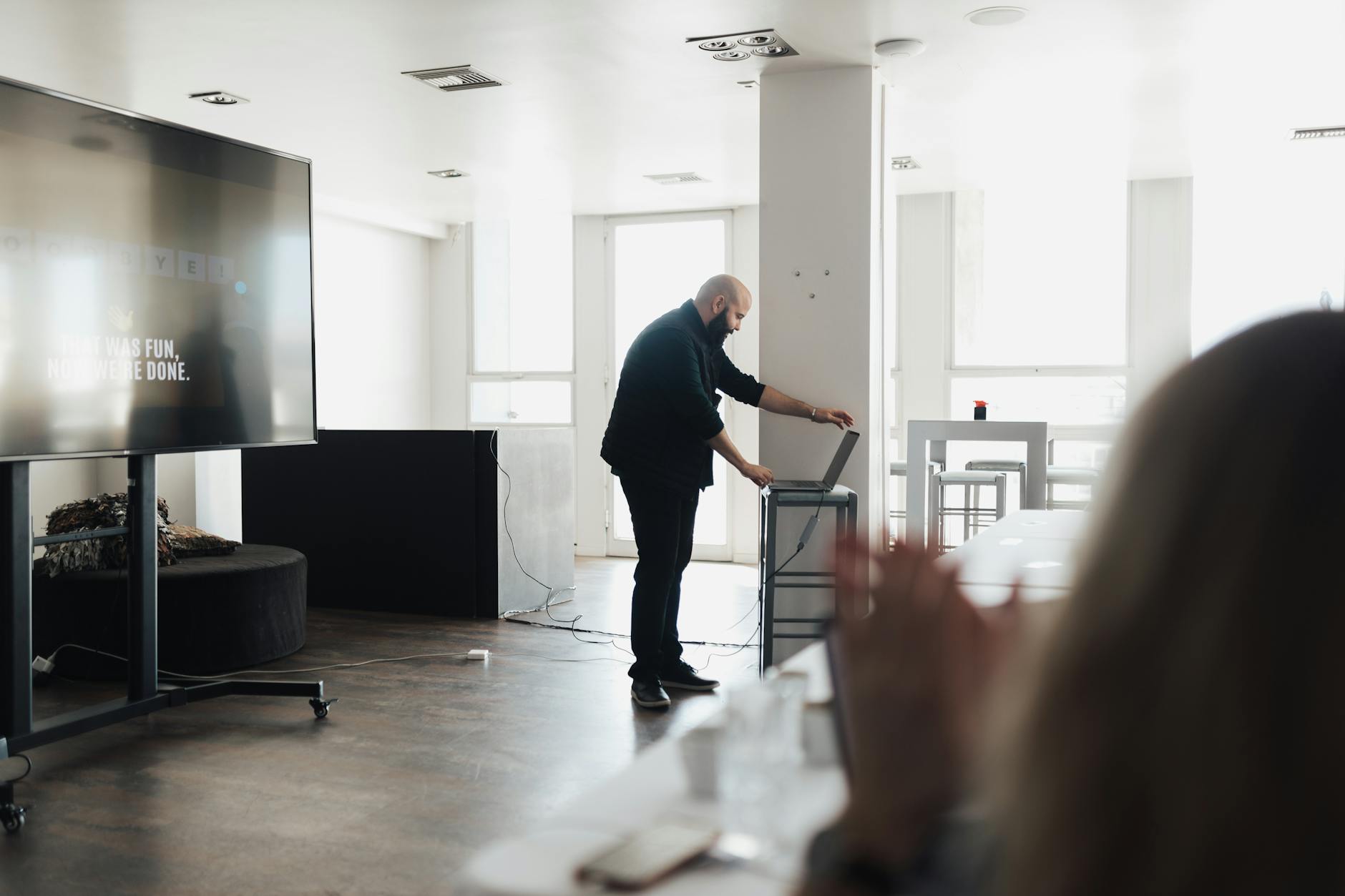
Consulting trips often depend on one or two moments that are easy to under-plan: a strategy workshop, an operations walk-through, a stakeholder interview, a training session, a site inspection, or a steering meeting. In Marrakech, those moments may happen in a hotel meeting room, client office, resort back-of-house area, medina workshop, cultural venue, restaurant, or partially outdoor site. Each setting changes the practical needs for projection, Wi-Fi, translation, privacy, note taking, shade, seating, and movement.
Before travel, the consultant should confirm who owns the room, who can enter, whether a screen works, whether materials can be printed, whether interviews need a quieter space, and whether site visits require specific shoes, clothing, permissions, or transport. The day after the workshop also matters. If the consultant needs two hours to synthesize findings, the itinerary should protect that time instead of filling every evening with hospitality.
- Confirm room ownership, screen connection, Wi-Fi, printing, privacy, translation, and visitor access before the session.
- Plan site visits by transport, clothing, heat, permissions, note taking, and follow-up needs.
- Protect synthesis time after workshops instead of treating every evening as available for client hospitality.
Treat confidentiality and devices as travel logistics
Consultants routinely carry client-sensitive work through airports, hotel lobbies, cafes, taxis, restaurants, and meeting rooms. Marrakech does not require paranoia, but it does require ordinary discipline. A screen visible in a lobby, a confidential call in a courtyard, a laptop left at breakfast, printed notes in a taxi, or a weak public network can create avoidable risk. The traveler should decide in advance where calls, document review, data upload, and sensitive writing will happen.
Device planning should match the engagement. Some trips need only standard caution. Others need a privacy screen, VPN, downloaded files, offline maps, backup authentication, spare charger, power bank, adapter, local data, and a clear rule against working in public. The consultant should also consider heat and dust around devices during site visits. Travel logistics are part of the confidentiality plan because the client will judge the work, not the difficulty of maintaining it on the road.
- Plan where confidential calls, document review, uploads, and sensitive writing will actually happen.
- Prepare VPN, MFA, adapters, chargers, local data, offline files, and privacy screens where needed.
- Keep printed notes, devices, and client files controlled during taxis, site visits, cafes, and hotel transitions.

Plan meals, heat, and evening output
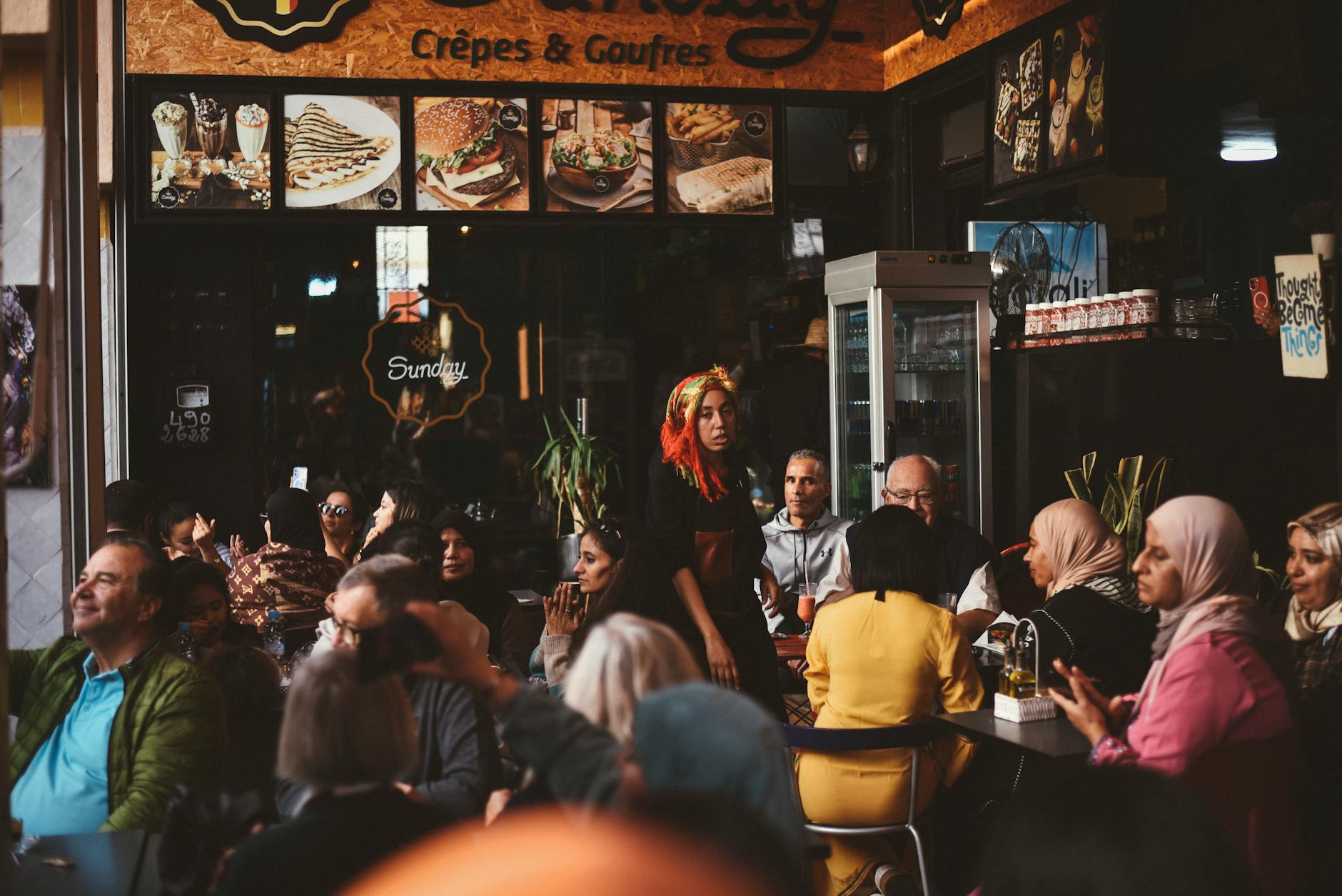
Meals in Marrakech can build client trust, but they can also scatter the working day. A lunch in Gueliz, coffee near a hotel, a medina rooftop, a resort dinner, and a late return can all be worthwhile for the right relationship. They are not interchangeable. The consultant should separate relationship meals from recovery meals and deliverable nights. After a workshop or site visit, the project may need a quiet room and room-service dinner more than another atmospheric reservation.
Heat makes this more important. A full morning of interviews followed by a hot transfer and a long outdoor dinner can leave the consultant too tired to write useful notes. The plan should include water, shade, air conditioning, realistic clothing, nearby food, and the right to decline a nonessential evening invitation. Marrakech hospitality is valuable when it supports the engagement. It should not consume the analysis the trip was meant to produce.
- Separate client relationship meals from recovery meals and late deliverable nights.
- Choose restaurants by geography, noise, privacy, heat, timing, and return route as well as atmosphere.
- Protect evening work time after workshops, interviews, or site visits that need same-day synthesis.
When to order a short-term travel report
A consultant visiting a familiar Marrakech client for one meeting may not need a custom report. A consultant supporting a new client, running a workshop, visiting multiple sites, handling confidential material, choosing among medina and road-accessible hotels, managing late deliverables, or working across hospitality, retail, cultural, nonprofit, or investment contexts should plan more carefully. The trip should be built around the assignment's weak points, not around a generic city overview.
The report should test client geography, lodging workability, arrival transfer, repeat commute, driver strategy, workshop setup, site visit sequence, device and privacy needs, heat rhythm, meal geography, evening output, and fallback options. The value is an engagement-specific operating plan. Marrakech can add insight, relationships, and local context to the work, but only if the consultant has enough structure to stay punctual, composed, private, and mentally available.
- Order when client geography, workshops, site visits, confidentiality, hotel choice, or late deliverables make friction costly.
- Provide client addresses, hotel candidates, meeting schedule, arrival details, device needs, site visits, and evening obligations.
- Use the report to protect working quality, not just to identify pleasant places near the hotel.