Marrakech can work well for a short business visit, but only if the traveler resists treating it like a leisure city with a meeting added on top. The business version of Marrakech is shaped by airport handoffs, hotel geography, resort conference properties, Gueliz and Hivernage appointments, client hospitality, heat, traffic, Ramadan or Friday rhythm when relevant, language expectations, and the practical difficulty of moving cleanly between the medina and more vehicle-friendly districts. A good trip starts with the calendar and the map, not with the photographs. The strongest Marrakech business plan makes room for the city's hospitality without letting atmosphere take over the operating logic. It chooses a base that supports punctual meetings, protects a driver plan, keeps calls and luggage simple, and uses the medina, restaurants, gardens, and riads deliberately rather than as default scenery. Marrakech can make a business visit memorable, but it punishes vague movement. The traveler needs a plan that knows exactly when to be polished, when to be flexible, and when to step out of the city's intensity.
Start with business geography, not the postcard
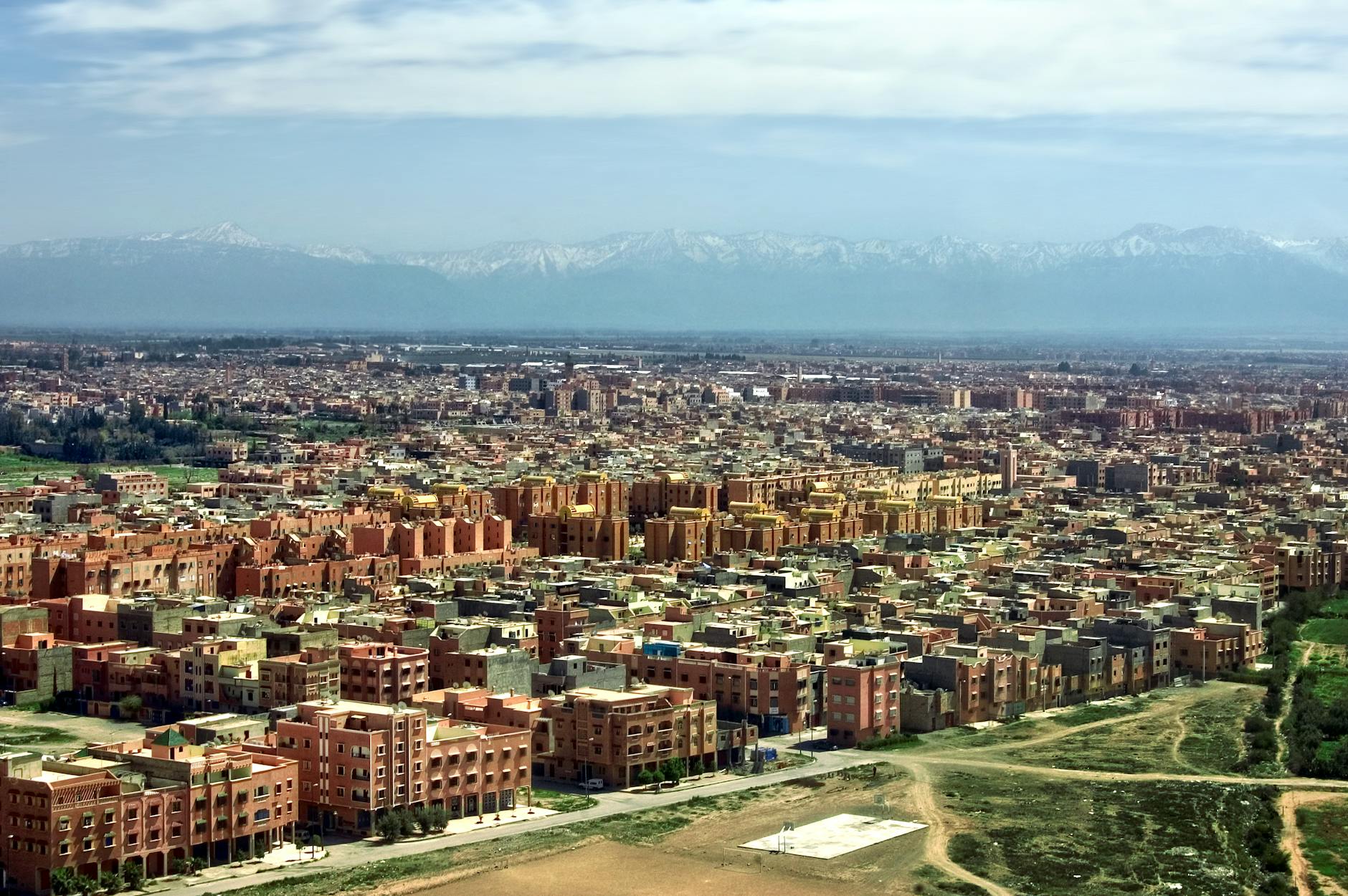
Marrakech does not behave like a city with one obvious central business district. A visitor's appointments may sit in Gueliz, Hivernage, a conference hotel near Menara, a Palmeraie or resort property, a government or institutional site, a showroom, a restaurant, a riad, a medina address, or a peripheral commercial zone. Those are not interchangeable places when the traveler is wearing business clothes, carrying documents, and trying to arrive calm.
The base should be chosen after the meeting map is known. A medina riad can be elegant for hospitality, but it may add vehicle access, luggage, wayfinding, and late-return friction. A hotel in Hivernage or Gueliz may feel less romantic but work better for cars, calls, breakfast meetings, and quick resets. Marrakech rewards the business traveler who separates the working city from the leisure fantasy before making hotel and dinner decisions.
- Map appointments by district before choosing a hotel or deciding how much medina time is realistic.
- Treat Gueliz, Hivernage, Menara-area hotels, resort properties, and medina addresses as different operating environments.
- Choose atmosphere only after vehicle access, meeting timing, calls, luggage, and recovery needs are solved.
Treat arrival and daily movement as scheduled work
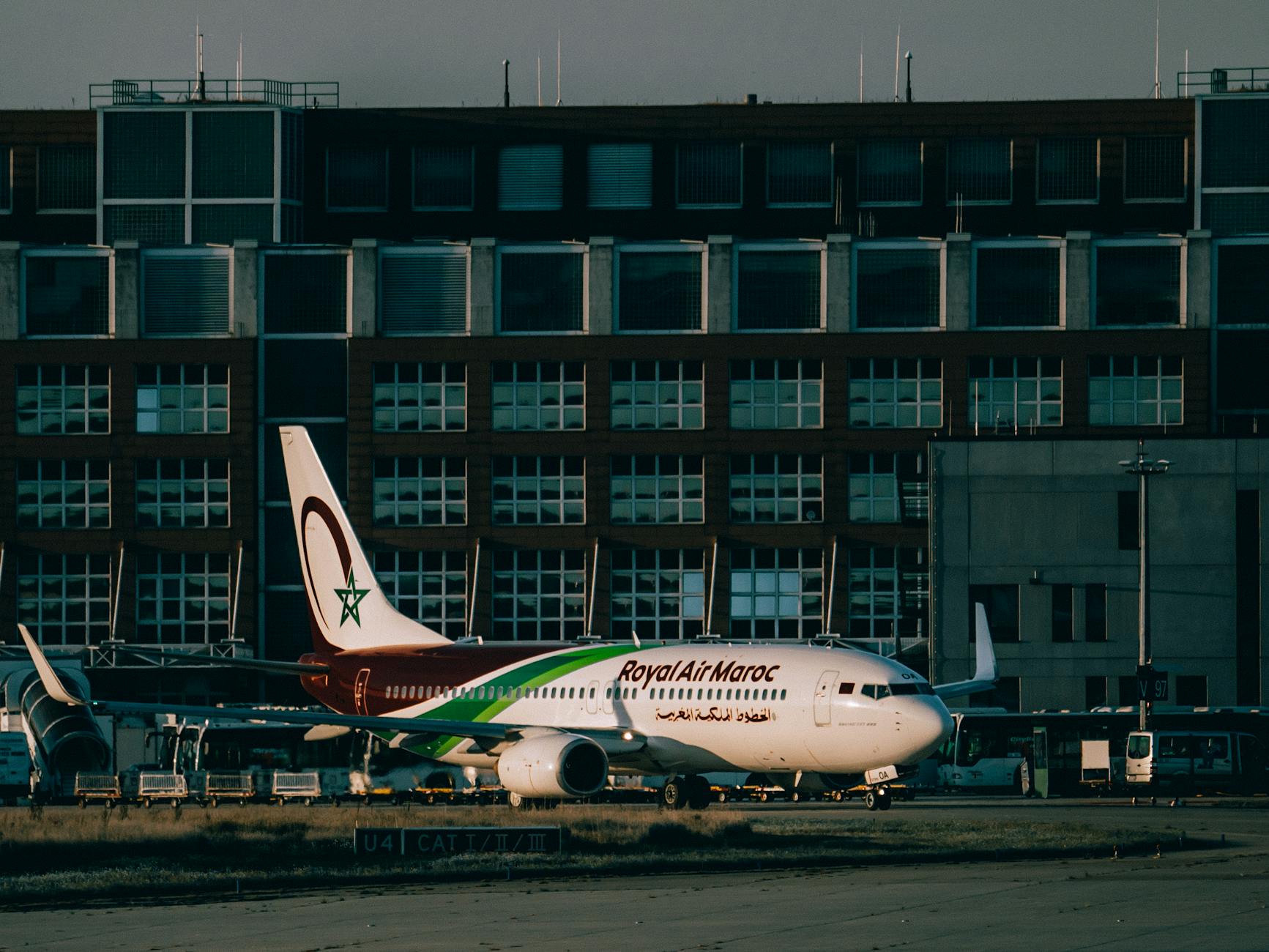
Marrakech Menara Airport is close enough to the city that travelers often underestimate the importance of the arrival handoff. The first business decision is not whether the city is near. It is whether the traveler will step out of the airport into a named driver, a clear pickup point, confirmed luggage handling, and a route that fits the first appointment or hotel check-in. A loose taxi negotiation may be acceptable on a casual trip. It is a poor start before a client dinner or morning meeting.
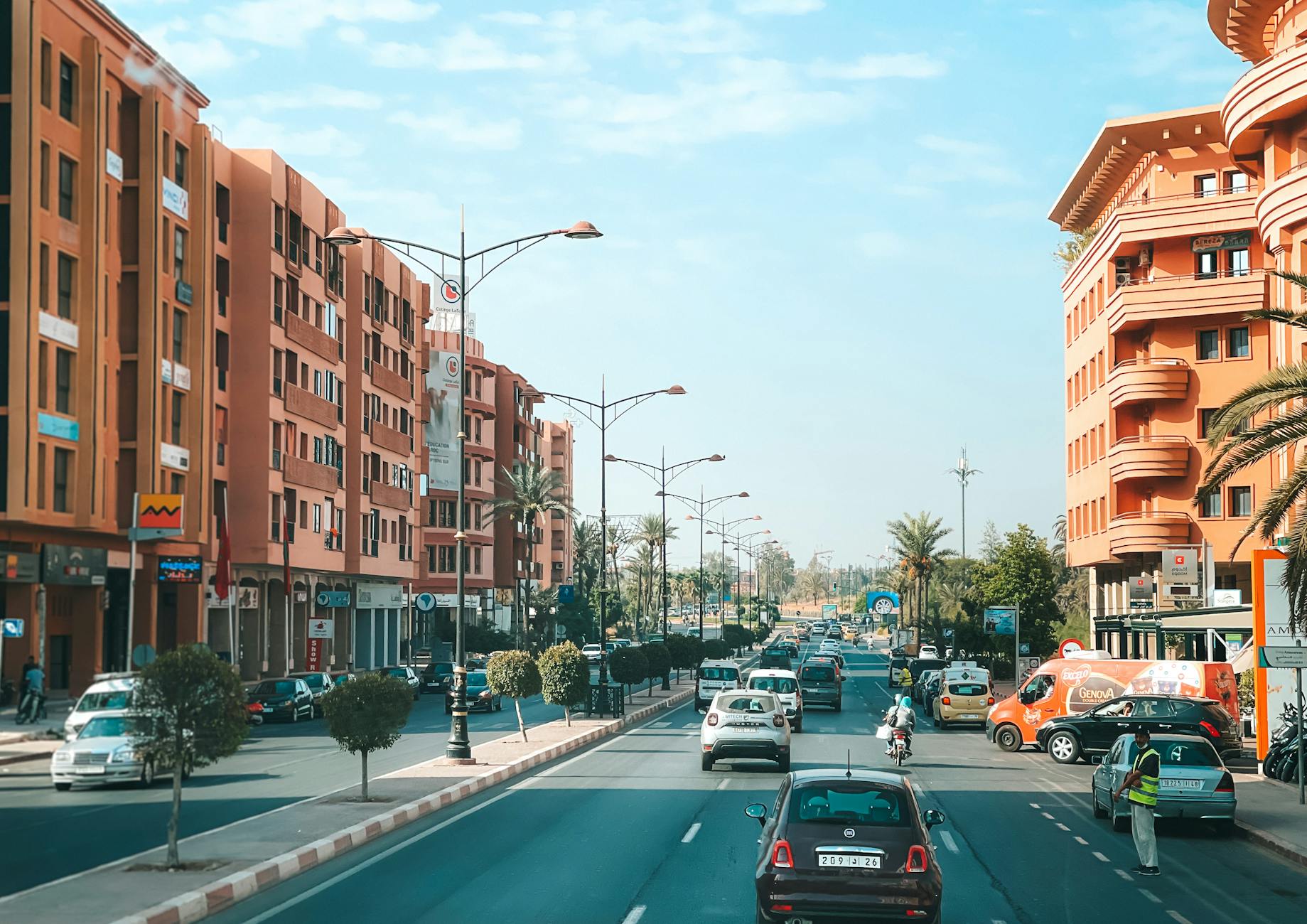
Daily movement needs the same discipline. Medina lanes, one-way streets, hotel entrances, traffic around popular areas, heat, and parking can all turn short distances into high-friction transfers. Business visitors should use arranged cars when timing matters, keep meeting addresses in French or Arabic when possible, confirm pickup points, and build enough buffer to arrive composed rather than visibly rushed.
- Arrange airport pickup when the first day includes a meeting, dinner, site visit, or tight check-in.
- Use a driver or confirmed car plan for time-sensitive appointments across medina, hotel, resort, and commercial zones.
- Carry exact addresses, pickup points, phone contacts, and enough buffer for heat, traffic, and vehicle-access limits.
Choose hotels for function before atmosphere
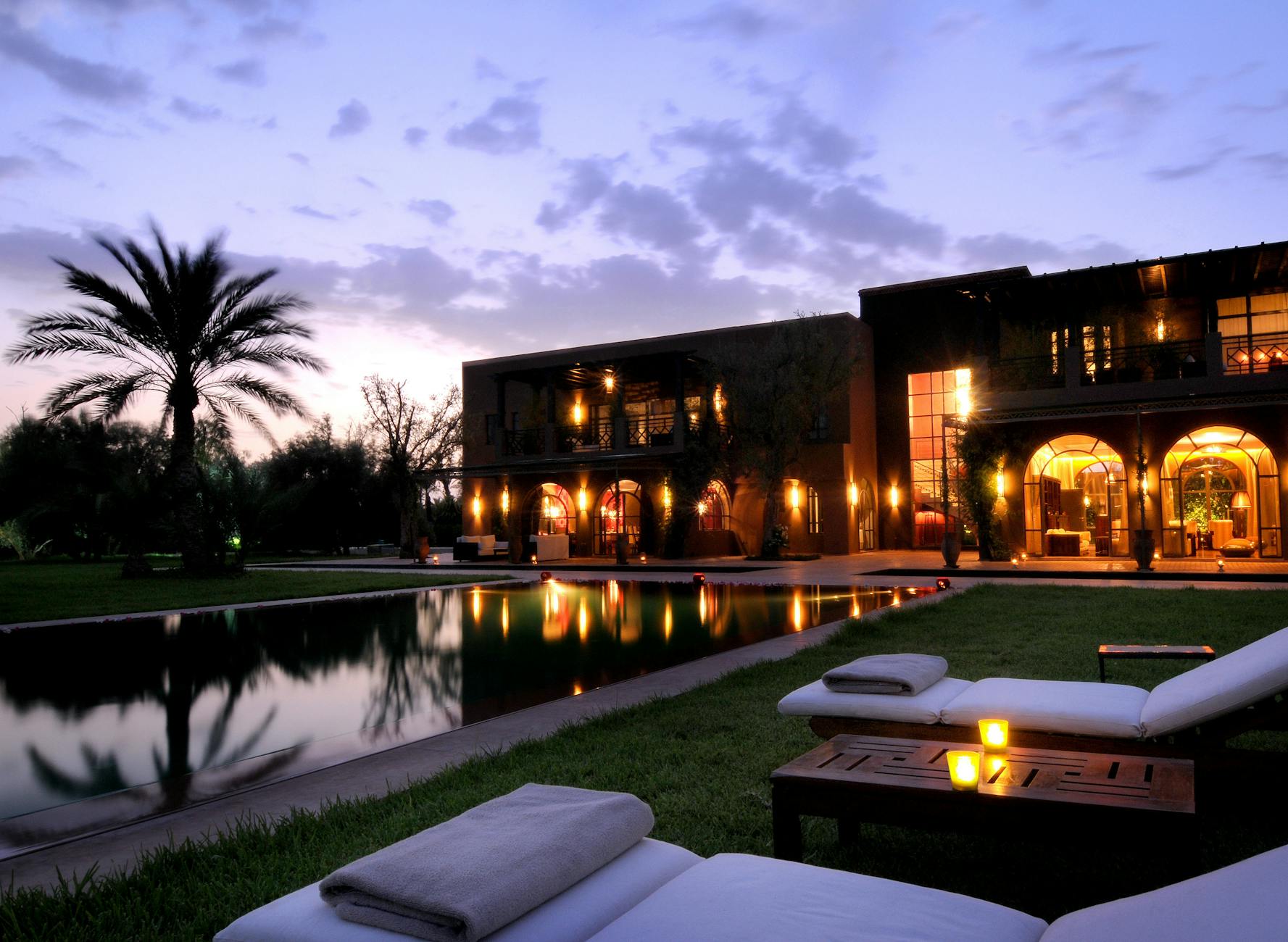
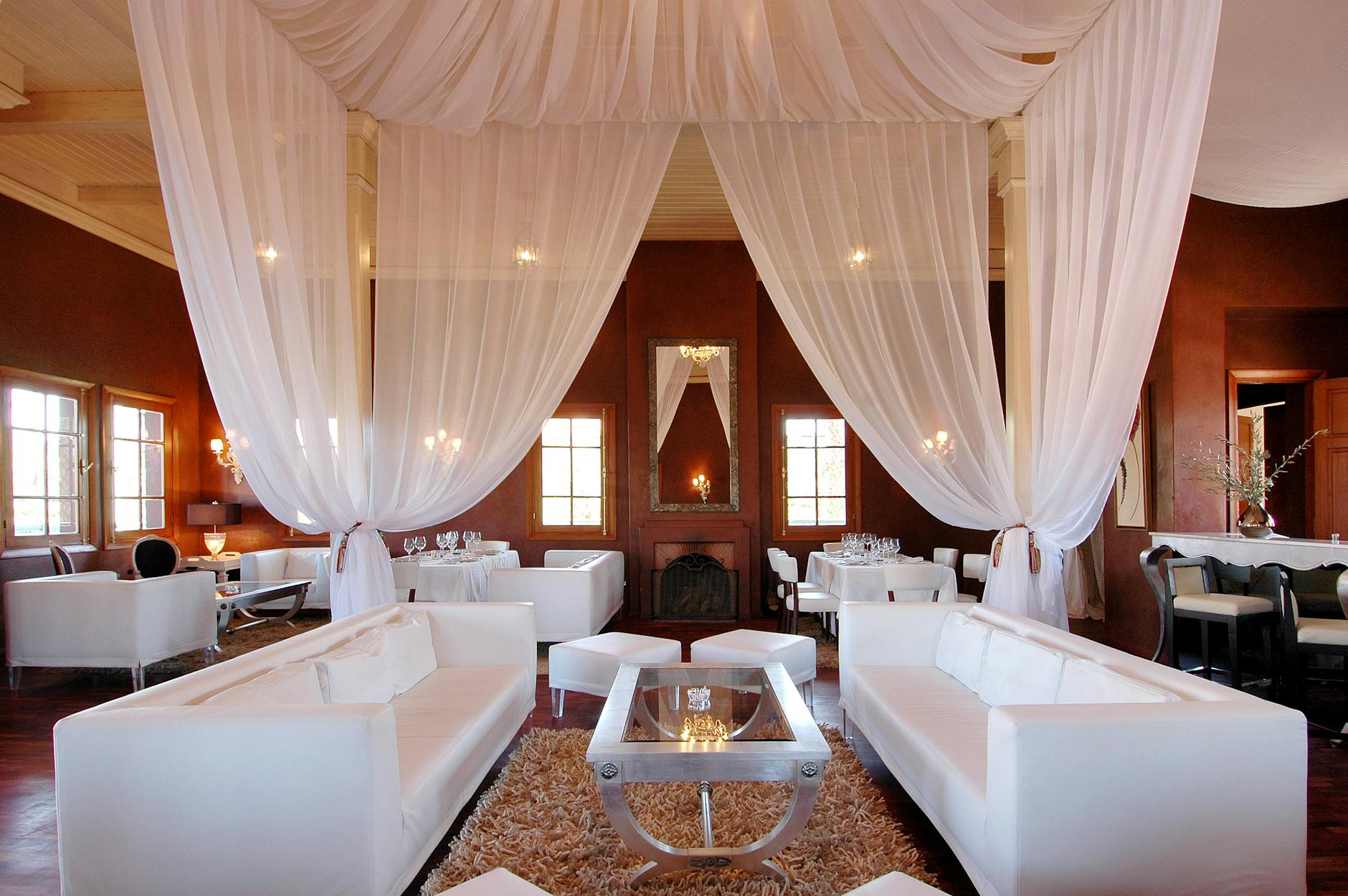
The hotel is the business visitor's control room in Marrakech. It needs to support calls, sleep, fast breakfasts, late returns, driver access, secure luggage, laundry if the trip is compressed, and a place to regroup between appointments. A beautiful riad can be the right answer when the trip is hospitality-led and the operator is strong. It can be the wrong answer when the visitor needs elevators, quiet work space, easy vehicle pickup, predictable air-conditioning, or a lobby where a colleague can wait without confusion.
Business travelers should ask operational questions before being persuaded by design. Is the entrance car-accessible? Can the hotel print, hold luggage, arrange drivers, provide quiet seating, and handle early or late movement? Is the Wi-Fi reliable in the actual room, not just the lobby? Can the traveler take a confidential call without the whole courtyard hearing it? In Marrakech, beauty is useful only when it does not undermine control.
- Check car access, Wi-Fi, quiet workspace, luggage handling, air-conditioning, breakfast timing, and driver coordination.
- Use a riad only when its access and operating standards fit the business schedule.
- Prefer a functional Hivernage, Gueliz, or conference-hotel base when calls and punctual transfers matter most.
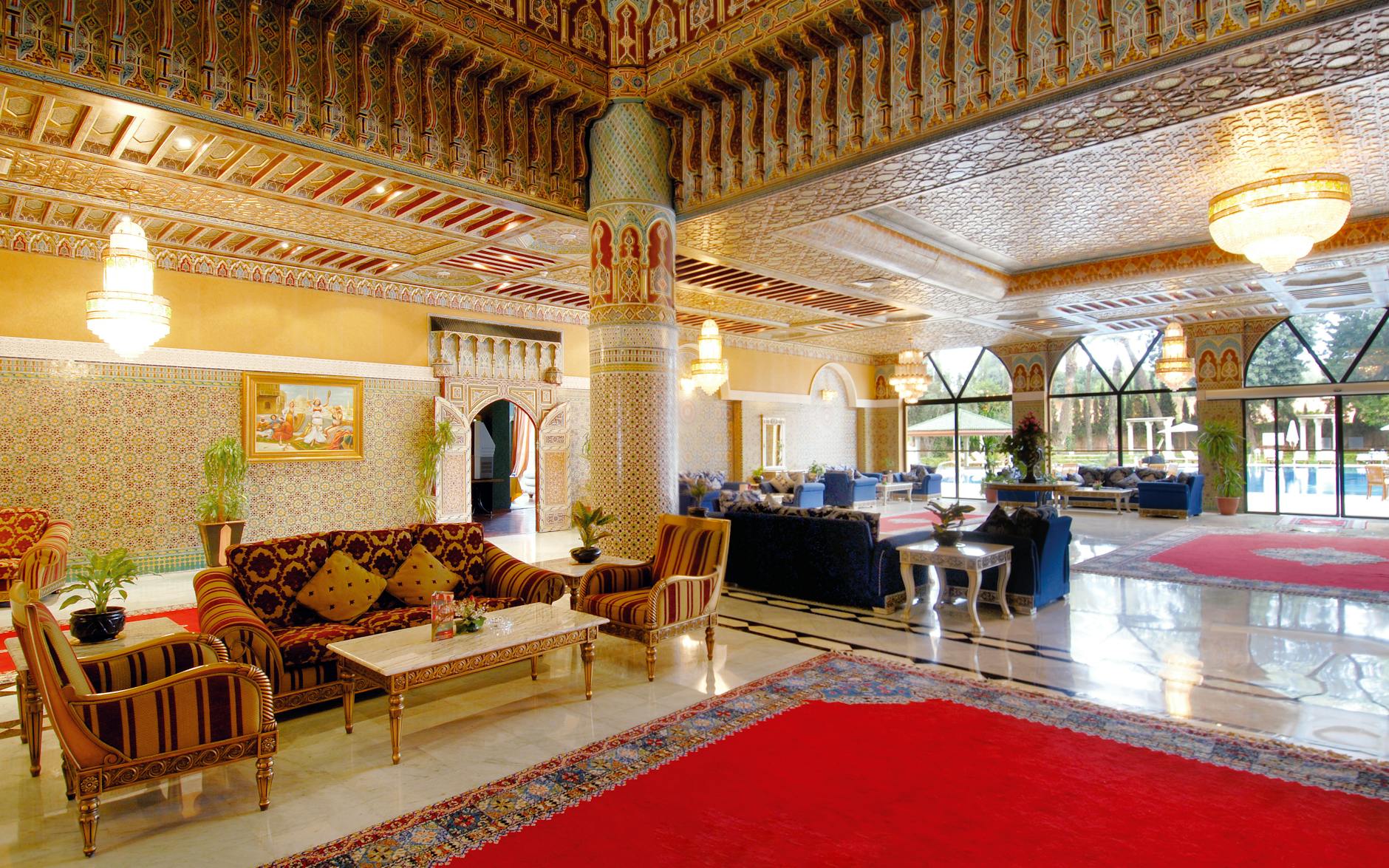
Build meetings around rhythm, language, and hospitality
Marrakech business rhythm can feel warm and relationship-led, but that does not mean the visitor should arrive loose. Meetings benefit from confirmation, clear timing, and a respect for the day around them. French is often useful, Arabic matters, and English may work well in hotels, tourism, international events, and some commercial settings while still leaving gaps in more local contexts. A visitor who needs precision should not assume every logistical detail will translate smoothly on arrival.
The calendar also needs cultural and climatic intelligence. Friday timing, Ramadan schedules when applicable, heat, long lunches, hospitality rituals, and evening invitations can all affect how a business day breathes. Leave space for tea, conversation, and relationship building without letting the whole schedule become vague. Marrakech often rewards patience, but the traveler should decide in advance where flexibility is acceptable and where the day needs a firm handoff.
- Confirm meeting time, address, language expectations, attendees, and transport handoff before the business day begins.
- Allow for tea, meals, and relationship-building without letting hard appointments lose their buffers.
- Check Friday, Ramadan, seasonal heat, and evening hospitality before locking the meeting sequence.
Use the medina deliberately, not as a shortcut
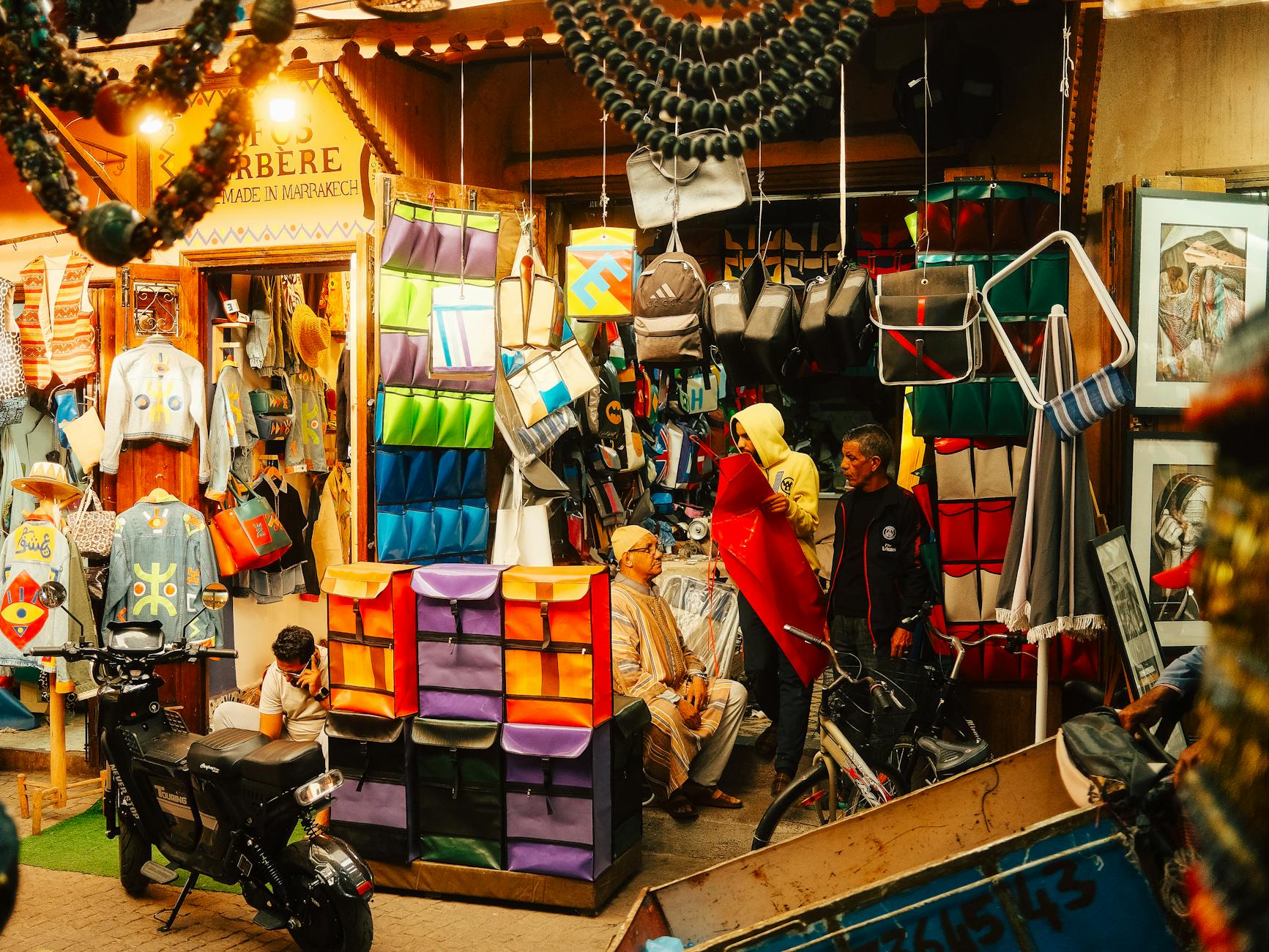
The medina can be valuable on a business trip. It can support client hospitality, craft sourcing, a restaurant evening, a cultural walk, a site visit, or a more memorable setting than another hotel lounge. It should not be treated as an easy shortcut between meetings. Crowds, scooters, heat, uneven lanes, aggressive wayfinding moments, delivery traffic, and limited vehicle access can make a short line on a map feel much longer in business conditions.
If a meeting or dinner is inside the medina, the plan should include the exact gate or drop point, a walking route, a phone contact, and a return strategy. If the visitor is hosting clients, choose the setting by comfort and exit quality, not just atmosphere. The medina is one of Marrakech's strengths, but business travelers should enter it with a purpose and leave before it starts stealing energy from the work.
- Use the medina for hospitality, sourcing, dinners, and cultural context, not for rushed cross-city transfers.
- Confirm drop points, walking routes, contact numbers, and return plans before entering for a business appointment.
- Choose client settings that have atmosphere, seating, temperature control, and a clean exit.
Manage presentation, privacy, and client entertainment
Business presentation in Marrakech should be polished without becoming performative. Lightweight formal clothing, conservative judgment, good shoes for uneven surfaces, and a change plan for heat all matter. The visitor may move from a hotel boardroom to a courtyard restaurant, from a driver to a medina walk, or from a site visit to a client dinner. Clothing and equipment should survive those shifts without making the traveler look uncomfortable or careless.
Privacy deserves similar attention. Sensitive calls, deal conversations, documents, laptops, and client introductions should not be handled casually in open courtyards, public lounges, or crowded restaurant spaces. Client entertainment should be generous but context-aware: alcohol, photography, gifting, dietary needs, and late evenings may be read differently depending on the host and setting. Marrakech hospitality can be excellent, but business visitors should keep control of tone, visibility, and boundaries.
- Dress for heat, formality, uneven walking, and quick transitions between hotel, vehicle, medina, and dinner settings.
- Protect confidential calls, documents, laptops, and introductions in courtyards, lounges, cars, and restaurants.
- Handle alcohol, photography, gifts, dietary needs, and late-night plans with host-specific judgment.
When to order a short-term travel report
A simple Marrakech business trip with one hotel, one meeting, and generous timing may not need a custom report. A report becomes useful when the traveler is juggling several districts, senior clients, driver logistics, a conference property, medina events, tight airport timing, a site visit outside the easy hotel zone, Ramadan or heat concerns, language needs, security or privacy questions, or a business-leisure blend that risks becoming too ambitious.
The report should test the meeting map, airport arrival, hotel base, driver plan, medina use, restaurant or hospitality choices, translation needs, current disruption risks, weather, dress expectations, confidential work requirements, and fallback sequence. The value is not a longer list of Marrakech ideas. It is a short trip that lets the business visitor use the city's hospitality without losing punctuality, composure, or control.
- Order when meetings span multiple zones, involve senior clients, depend on drivers, or include medina and resort properties.
- Provide appointment locations, hotel candidates, flight times, language needs, privacy concerns, and hospitality plans.
- Use the report to turn Marrakech's intensity into a controlled business visit rather than a beautiful logistical gamble.