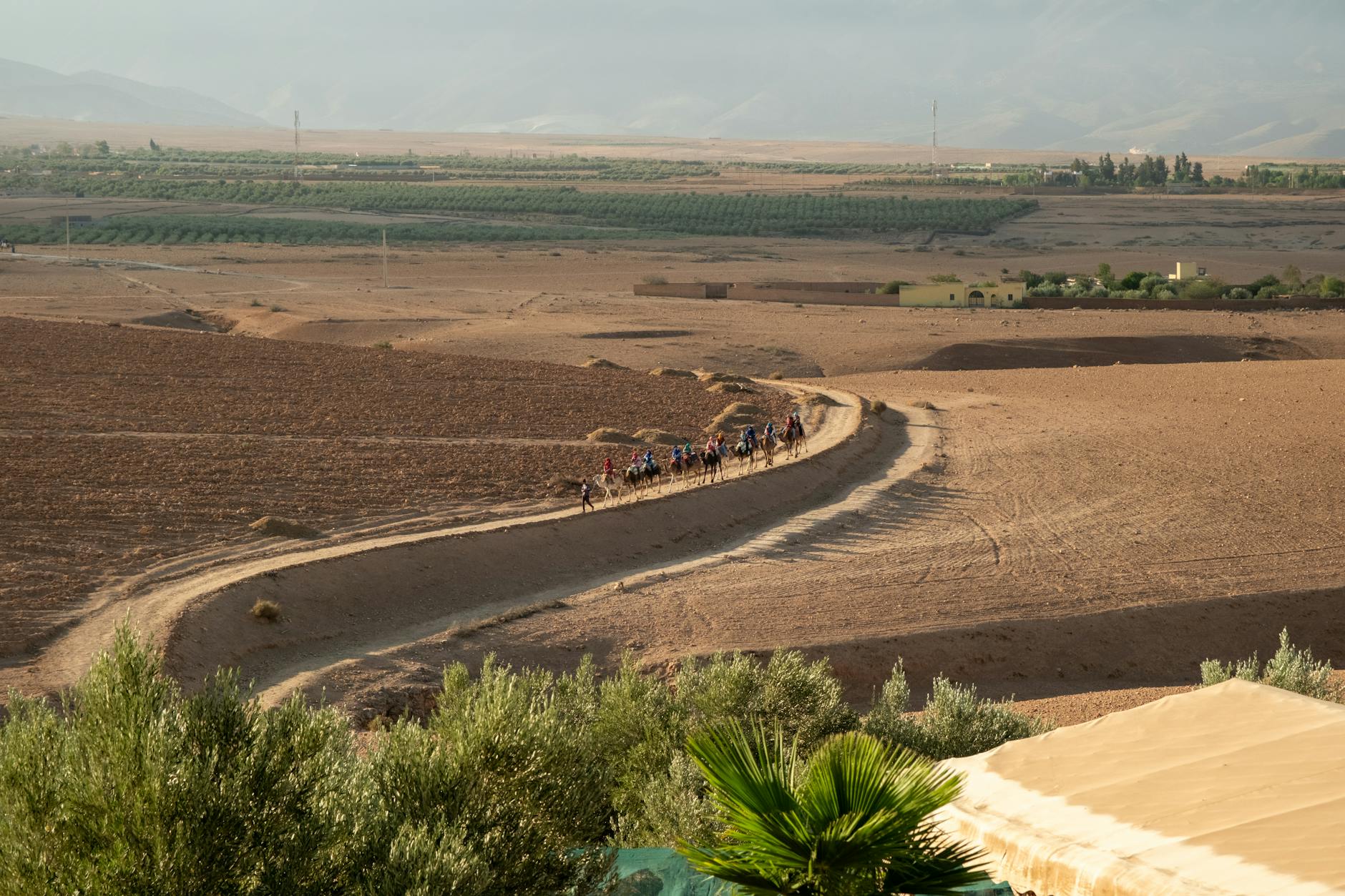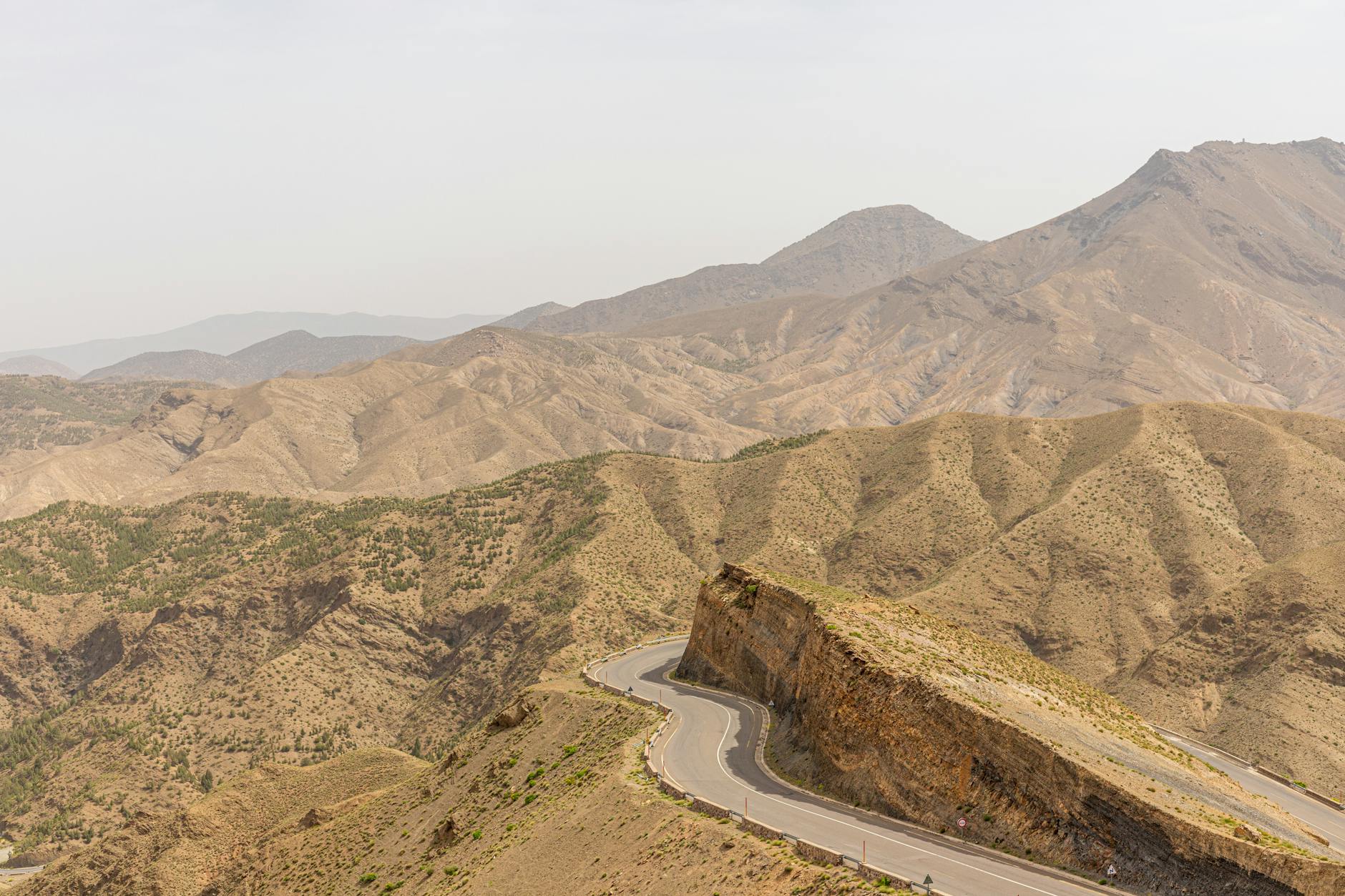
An adventure or outdoor traveler coming to Marrakech is usually using the city as a base rather than treating the medina as the whole trip. The outdoor pull may be the Atlas Mountains, Imlil, Ourika Valley, Ouzoud Falls, Agafay Desert, camel trekking, quad biking, cycling, hot-air ballooning, garden walks, canyon scenery, trail days, or a guided excursion that begins before breakfast. That variety makes Marrakech a strong short-trip base, but it also creates planning traps. Mountain weather, desert heat, long transfers, operator quality, road conditions, altitude, water, footwear, daylight, and recovery time matter more than a generic list of excursions. The best plan chooses the outdoor day Marrakech can actually support for the traveler, the season, and the available time. A traveler who wants a gentle garden-and-view day, a guided valley walk, a desert sunset, a cycling route, and a serious mountain hike is not planning one activity; they are planning very different operating conditions.
Define the outdoor trip Marrakech can actually support
Marrakech can support excellent outdoor travel, but the traveler should choose a specific mode before booking anything. A half-day garden walk, Agafay sunset, camel ride, quad-bike circuit, Atlas valley hike, waterfall excursion, mountain biking day, hot-air balloon flight, and Toubkal-area trek are not interchangeable. They involve different pickup times, fitness levels, road time, clothing, heat exposure, operator standards, and recovery needs.
A short trip should usually have one clear outdoor anchor per day. A desert sunset can pair with a slow morning. A valley walk can pair with a simple dinner. A hard mountain day should not be squeezed between late nightlife and an early flight. The point is to choose the outdoor experience first and let the Marrakech itinerary support it, rather than treating excursions as easy add-ons after sightseeing.
- Choose a specific outdoor mode: desert, valley, hiking, cycling, camel trekking, quad biking, ballooning, waterfall, or garden day.
- Use one outdoor anchor per day instead of stacking several transfer-heavy excursions.
- Match the plan to season, fitness, road tolerance, gear, and recovery time.
Choose terrain by effort, not just scenery
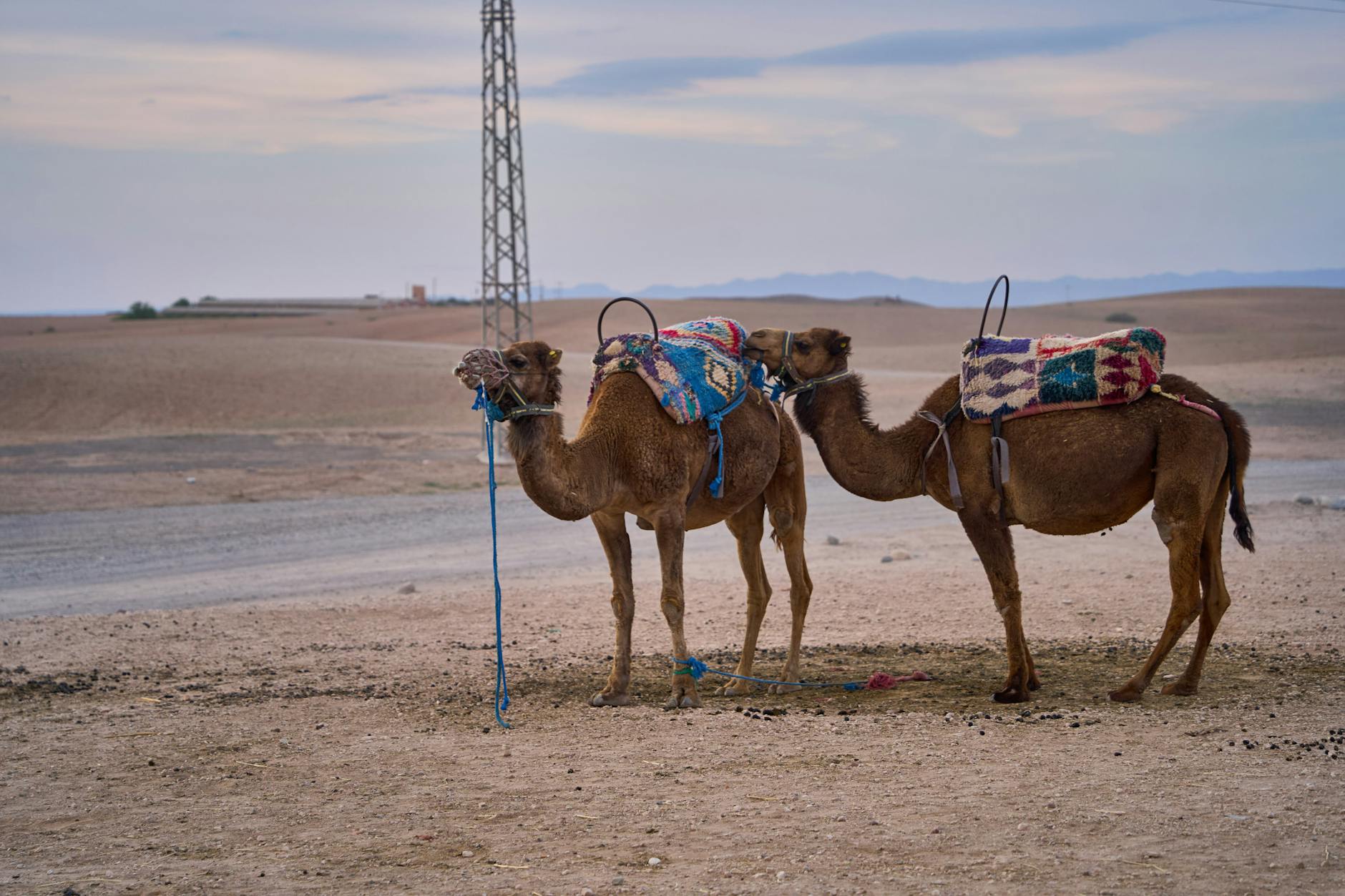
The outdoor choice should match the traveler's body, season, and risk tolerance. Agafay is visually open and close enough for a half-day or evening desert experience, but it is still exposed to sun, wind, dust, and rough roads. Imlil and Atlas routes can be beautiful and physically rewarding, but altitude, weather, trail surfaces, and transfer time make them different from a city walk. Ouzoud or other waterfall routes can involve long drives, stairs, slippery surfaces, and crowds. Ourika or valley trips may be easier than a trek but still require footwear and heat judgment.
The traveler should avoid choosing by photos alone. A scenic place may be wrong for a family with young children, an older traveler, a person with knee issues, or someone who has only one full day in the city. Conversely, an active traveler may be underwhelmed by a passive desert dinner if they actually wanted a guided hike or cycling day. Effort level should be explicit.
- Separate gentle scenic outings from real hiking, riding, biking, and long-drive excursion days.
- Check altitude, road time, trail surface, heat, dust, stairs, crowds, and bathroom access before booking.
- Choose the activity that fits the traveler, not the most dramatic photo.
Vet operators, vehicles, and safety rules
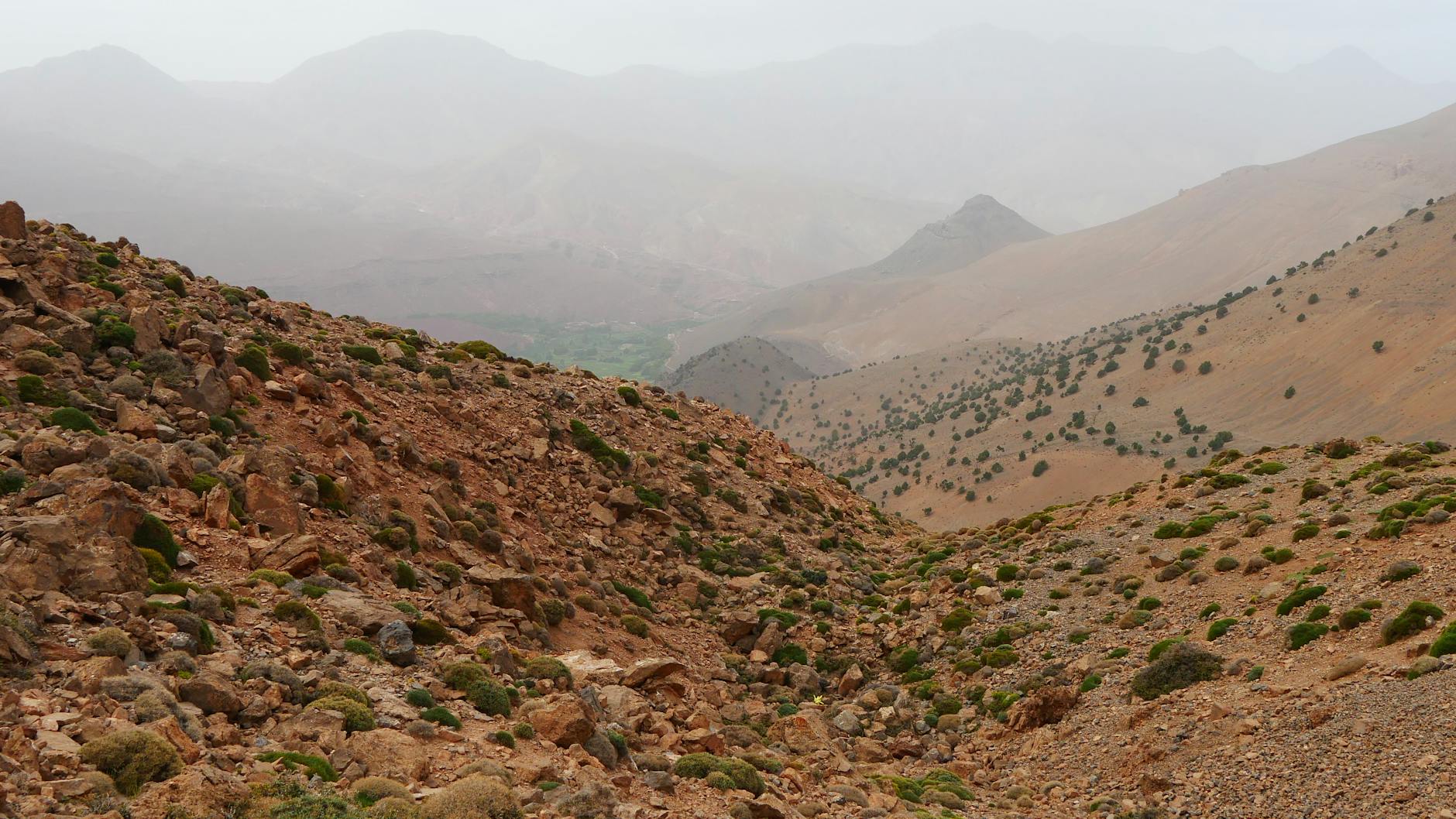
Outdoor travel from Marrakech often depends on operators. The driver, guide, vehicle, helmets, insurance, route choice, weather judgment, animal handling, equipment maintenance, and group size can matter more than the brochure. Quad biking, camel trekking, mountain biking, canyon routes, ballooning, and mountain hikes should not be booked only by lowest price or fastest pickup. A cheap excursion can become expensive if safety, timing, or support is weak.
Before booking, the traveler should ask who operates the activity, what is included, what safety briefing is given, what equipment is provided, whether helmets or seatbelts are standard, how medical issues are handled, what happens in high heat or bad weather, and whether the itinerary is private, small-group, or large-group. If animals are involved, welfare and handling standards should be considered part of the travel decision, not a decorative detail.
- Check operator licensing, insurance, guide language, vehicle quality, safety briefing, equipment, and group size.
- Confirm helmets, seatbelts, animal handling, weather cancellation, and medical response before activity day.
- Avoid choosing desert, bike, camel, balloon, or mountain activities by price alone.
Build routes around transport, daylight, and heat
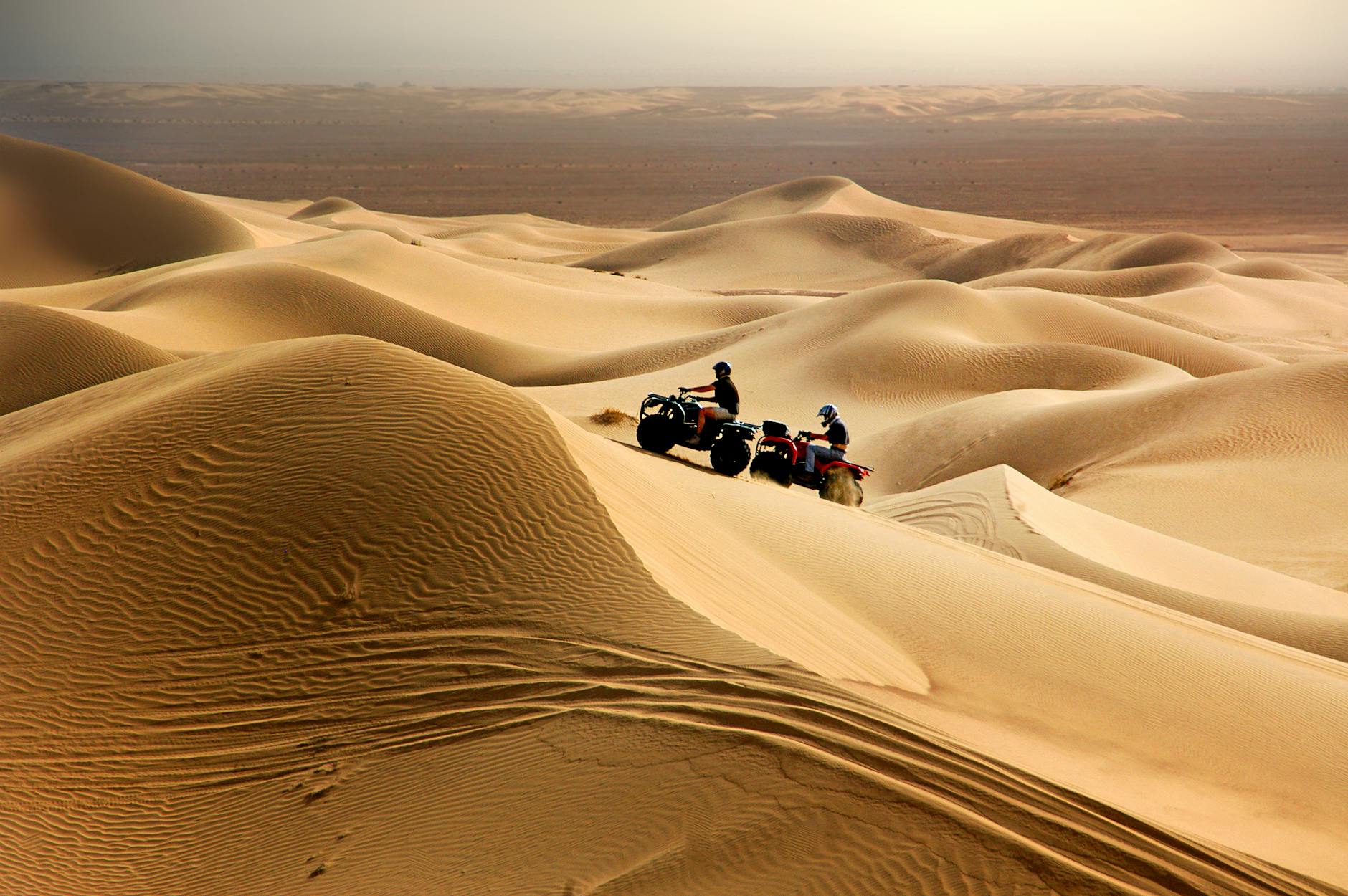
Marrakech outdoor movement depends on transfer timing. A pickup that looks early may be necessary to beat heat, traffic, or crowds. A return that looks relaxed can become tiring after dust, altitude, sun, or a long road. The plan should check exact pickup point, whether a riad is vehicle-accessible, how long the drive really takes, where stops happen, and whether the traveler will be returned to the hotel, a medina edge, or a central meeting point.
Daylight and heat should shape the day. Summer midday exposure can make a moderate activity feel hard. Winter mountain conditions can be cold or snowy. Desert evenings can cool quickly. Rain can change valley and waterfall routes. The best outdoor plan includes a shorter option, a shaded or indoor recovery plan, and a realistic exit before the traveler is overheated, dehydrated, carsick, or returning through unfamiliar lanes in the dark.
- Confirm pickup point, vehicle access, drive time, stops, return point, and whether the route changes with weather.
- Plan around heat, winter cold, dust, road motion, fading daylight, and late returns.
- Keep a shorter or lower-effort alternative for fatigue, heat, illness, or weather changes.
Carry Marrakech-appropriate outdoor gear
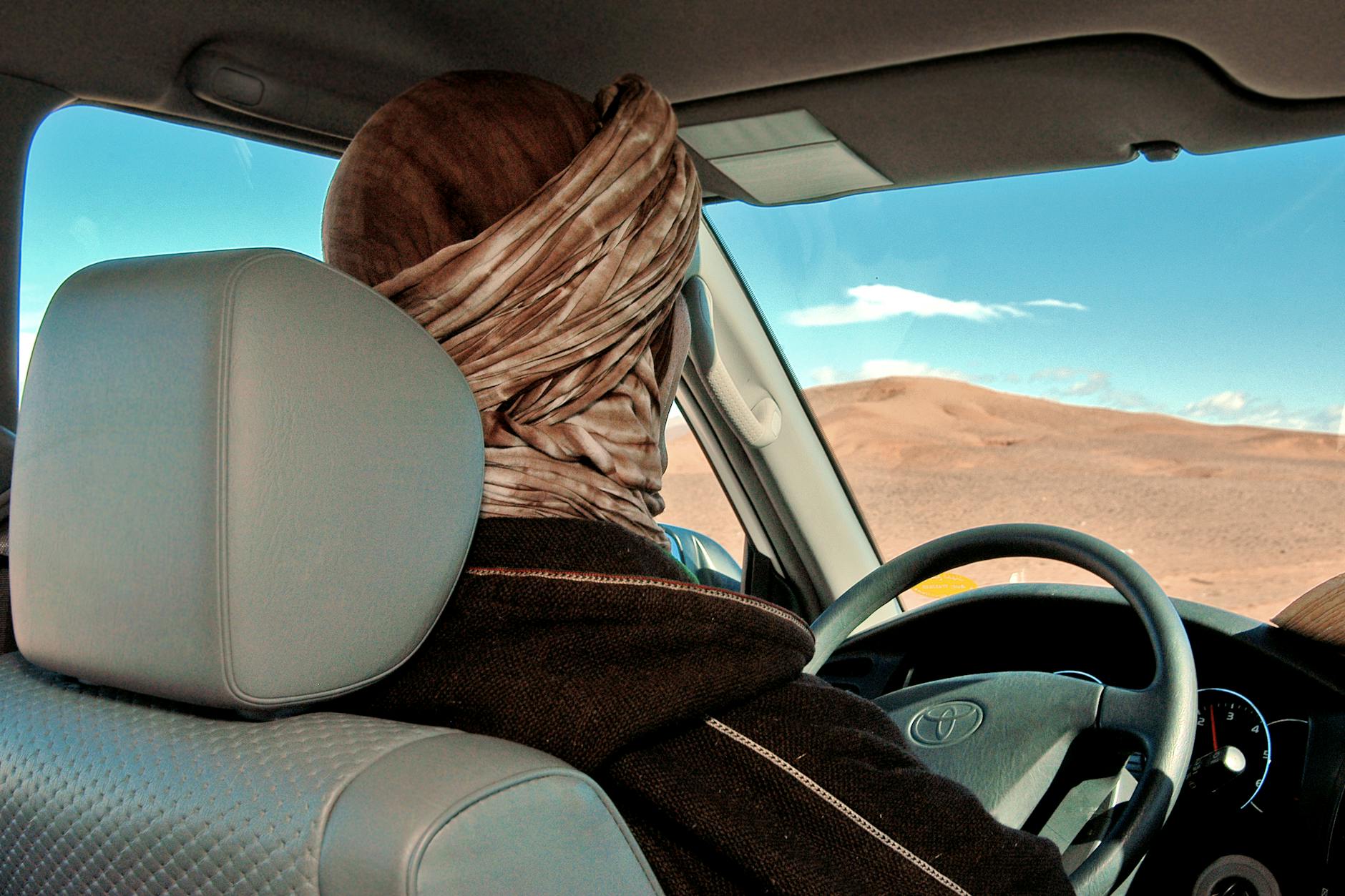
Marrakech outdoor gear is usually about sun, dust, hydration, and transitions rather than heavy expedition packing. Comfortable closed shoes, sun hat, sunglasses, sunscreen, light layers, a warmer layer for desert evening or mountains, refillable water, snacks, electrolyte backup, offline maps, phone power, medication, and a compact day bag are often more useful than bulky gear. A traveler planning a real hike, bike ride, or technical activity should confirm what equipment is included rather than assuming rentals will be adequate.
The city setting creates its own gear issues. The traveler may move from a dusty trail to a restaurant, from a camel ride to a car, from a waterfall path to a medina return, or from a mountain route to a hotel lobby. Wet shoes, dusty clothes, exposed phones, and bulky bags can make the day less comfortable and less secure. The right kit lets the traveler stay active without becoming overloaded.
- Prioritize closed shoes, sun protection, water, electrolytes, layers, phone power, offline maps, and medication.
- Confirm rentals, helmets, gloves, walking poles, towels, changing space, and operator equipment before activity day.
- Pack for the transition from trail, desert, or waterfall route back to vehicle, hotel, and dinner.
Manage safety without making the outdoors sound inaccessible
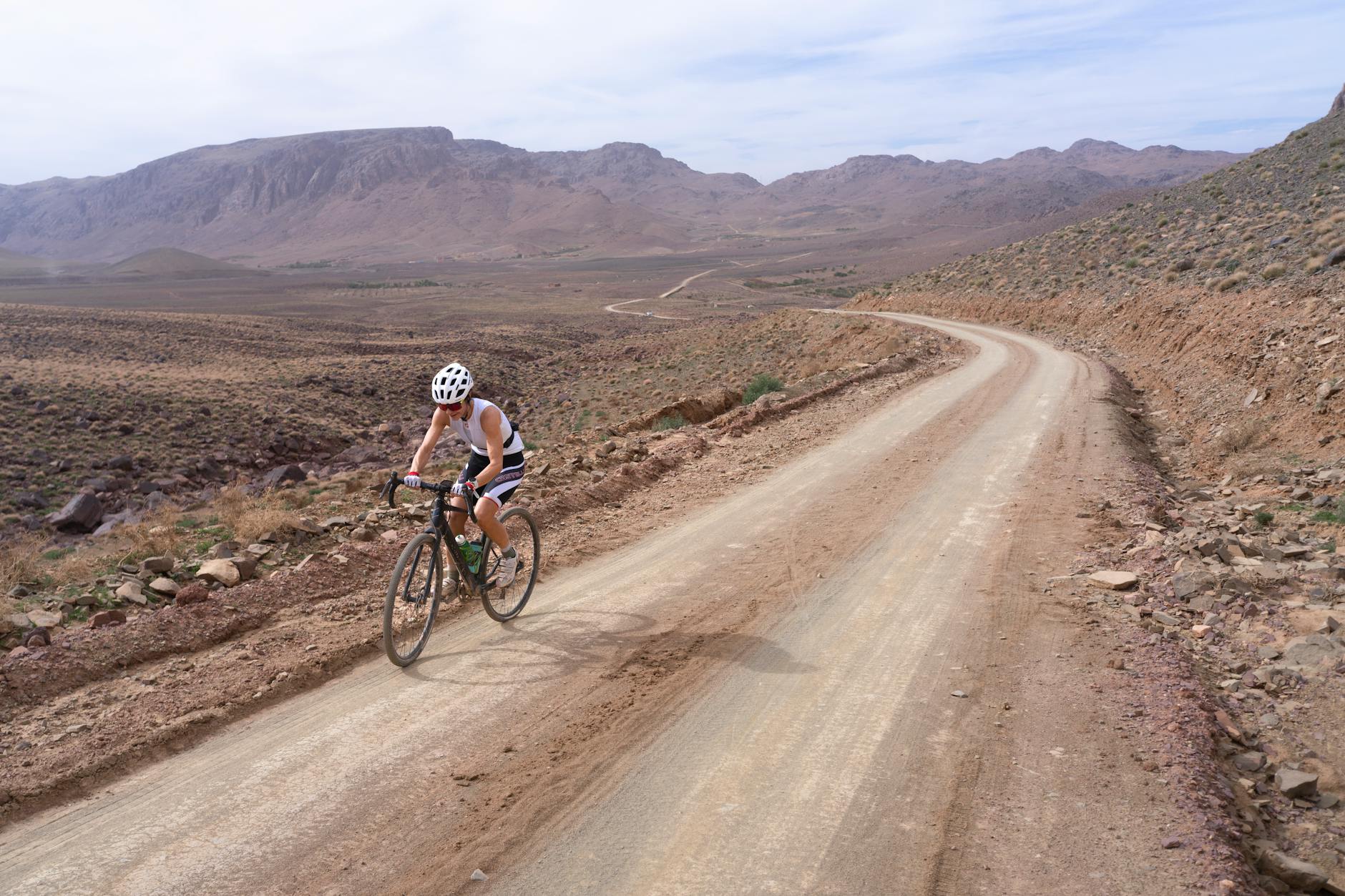
Marrakech outdoor safety is usually about ordinary discipline: heat, hydration, footwear, road time, operator quality, group awareness, and knowing when to stop. The traveler should watch for dehydration, sunburn, loose rock, slippery waterfall steps, dusty eyes, motion sickness, altitude effects, aggressive driving, and fatigue after a long transfer. A tired traveler trying to squeeze one more stop into a hot day can become the weak point in the plan.
Solo travelers should be careful with remote routes, unofficial guides, late returns, real-time location posting, and separating from the group for photos. Families and groups should set meeting points before splitting up. Anyone with asthma, heart issues, knee problems, mobility limits, allergies, pregnancy, or medication timing should plan the exit before the route gets hard. The goal is not to avoid outdoor Marrakech. It is to avoid pretending the environment has no cost.
- Use known operators, daylight routing, clear meeting points, and conservative heat decisions.
- Keep phones, passports, medication, water, and payment controlled during transfers and activity stops.
- Plan exits and lower-effort choices for asthma, heart issues, knee problems, pregnancy, allergies, or mobility limits.
When to order a short-term travel report
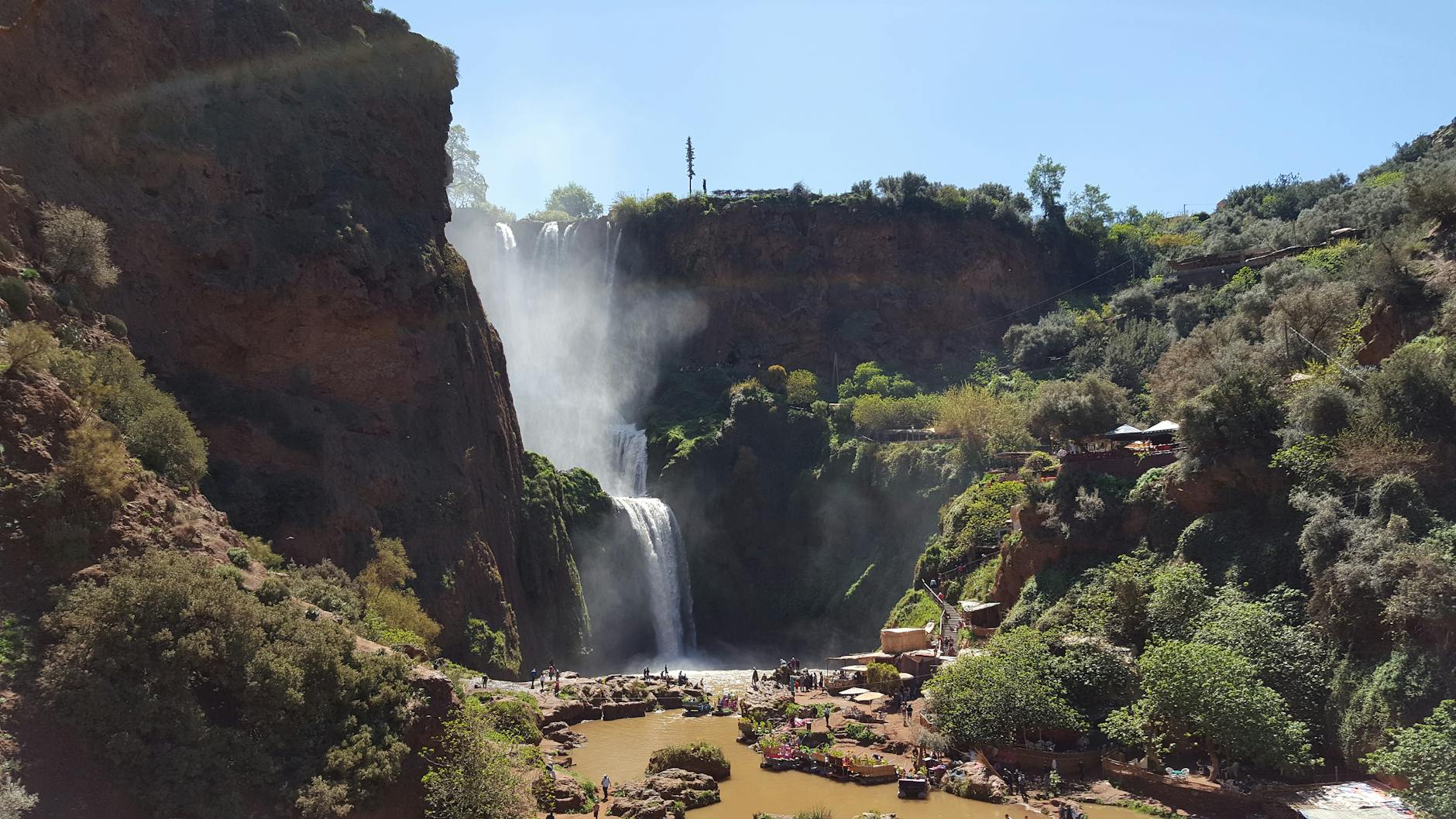
A traveler planning one gentle garden walk probably does not need a custom report. An adventure or outdoor traveler should consider one when the trip includes Atlas routes, Agafay or desert excursions, quad biking, camel trekking, mountain biking, waterfall visits, ballooning, dawn or sunset timing, solo movement, children, older travelers, mobility limitations, medical constraints, multiple operators, or tight weather-dependent timing.
The report should test the outdoor plan against the actual Marrakech context: hotel base, pickup access, route sequence, drive time, daylight, heat, season, activity rules, operator standards, gear, current disruptions, and backup lower-effort options. The value is not simply naming the most dramatic excursion. It is making the active day work without wasting the trip on avoidable transfers, weak operators, bad heat decisions, or routes that do not fit the traveler.
- Order when outdoor activities, operators, weather, heat, solo movement, or day trips add fragility.
- Provide activity type, fitness level, dates, hotel candidates, medical needs, gear assumptions, and must-do routes.
- Use the report to connect outdoor ambition with safe, realistic Marrakech routing.