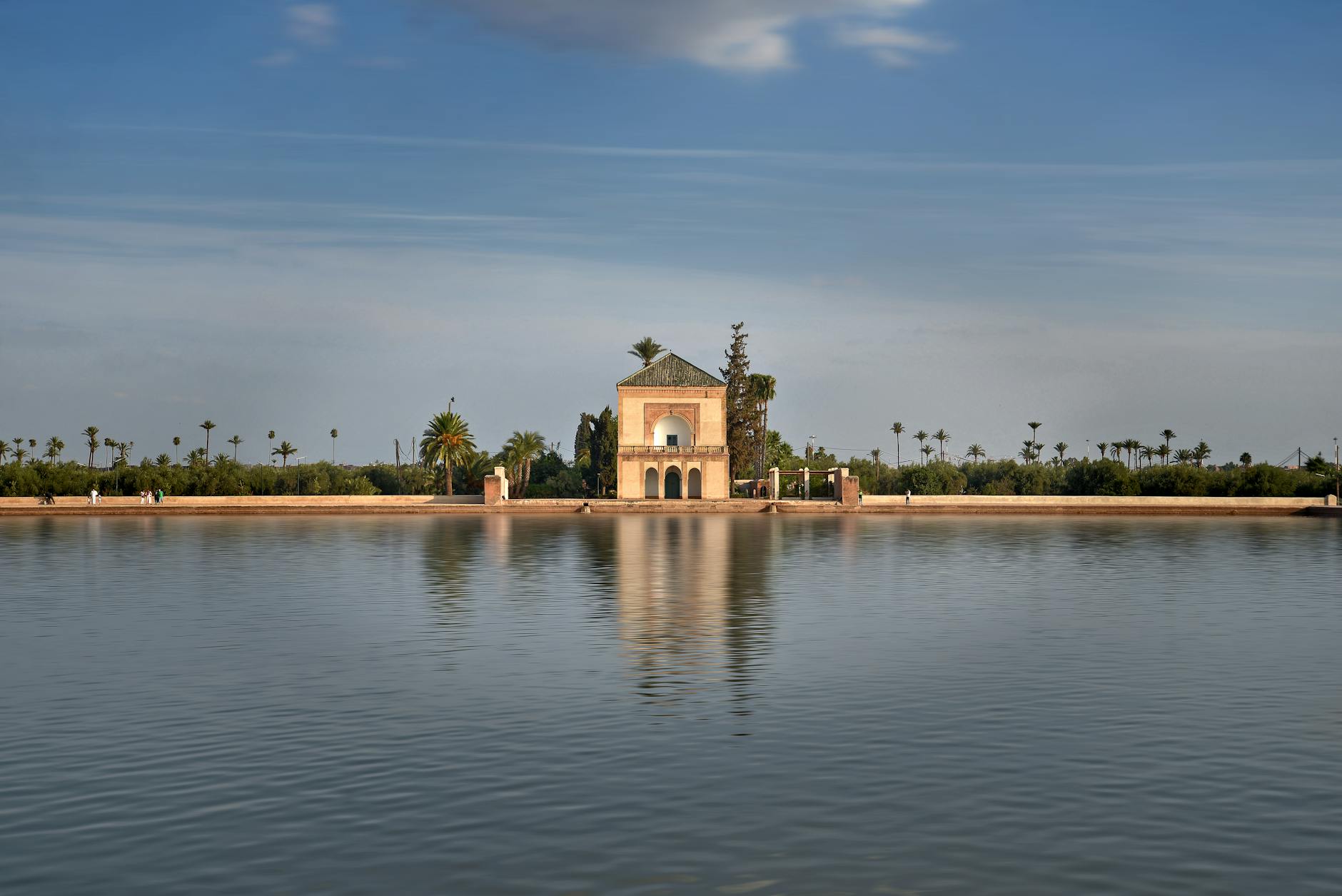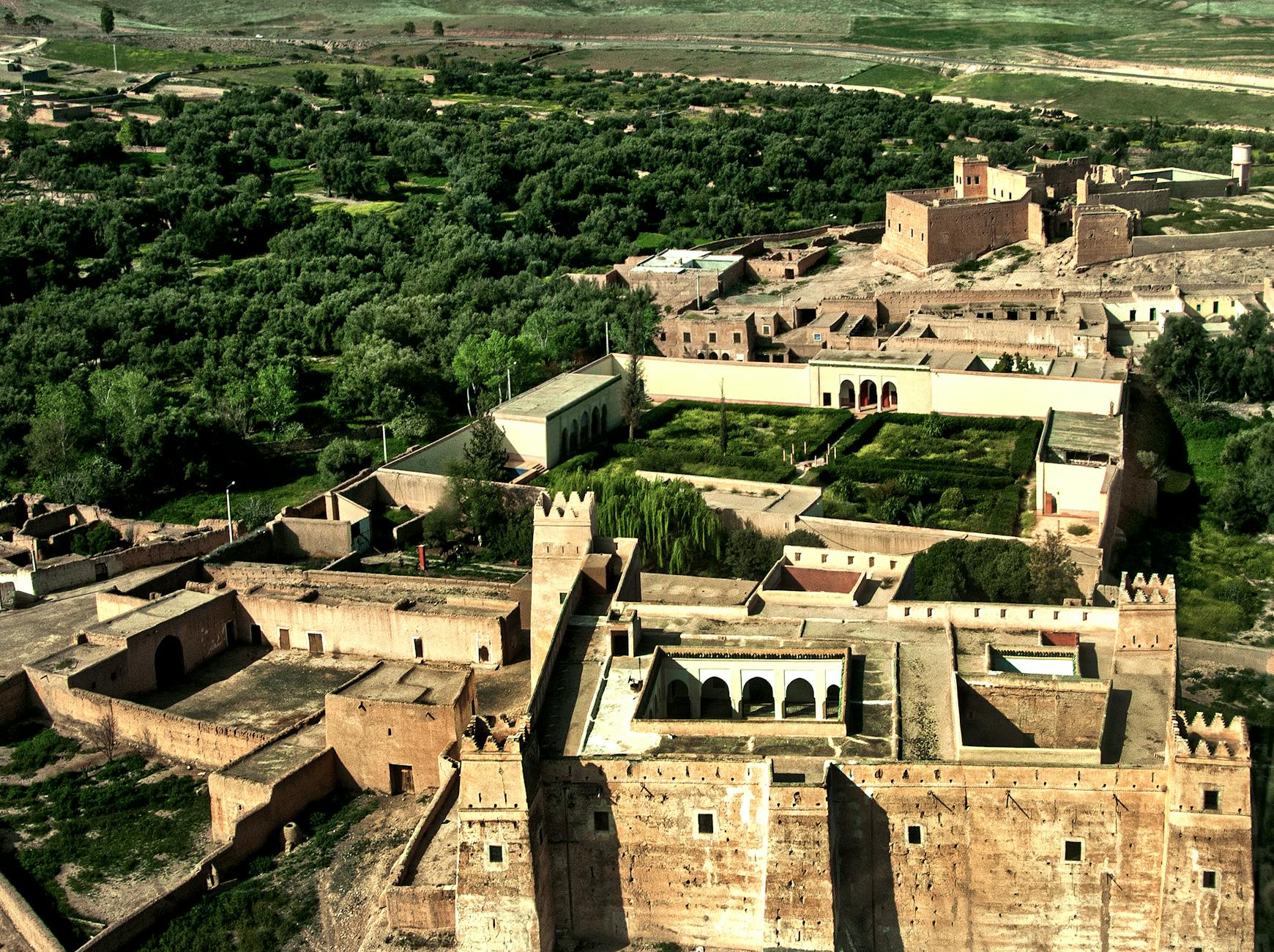
An academic conference in Marrakech can be intellectually useful and personally memorable, but it needs a different plan from a leisure stay. The traveler is not simply visiting the medina between panels. They may be presenting a paper, carrying a poster tube, arriving after a long flight, navigating a resort or hotel conference venue, meeting colleagues across language and institutional lines, and trying to use the city without losing the program. Marrakech adds atmosphere, but it also adds heat, traffic, wayfinding friction, and a strong pull toward overfilled evenings. A good short conference trip treats the venue, hotel, airport, registration desk, session rooms, receptions, meals, and recovery time as one system. It decides whether the traveler should sleep near the conference hotel, in Gueliz or Hivernage, inside the medina, or at a quieter resort property. It also protects the professional purpose of the trip. Marrakech can enrich an academic visit, but only when the attendee keeps enough structure to arrive at sessions prepared, rested, and able to think.
Start with the conference geography
Marrakech conferences often operate through hotels, resort properties, convention spaces, and institutional partners rather than one obvious academic campus. The venue might be near Hivernage, the Menara area, Gueliz, Palmeraie, a large resort, or a property that feels close on a map but still requires careful car movement. An attendee should not choose a medina riad or romantic base until the actual session location, reception sites, and shuttle plan are clear.
This matters because conference days are rigid in a way leisure days are not. A missed opening session, late panel, or rushed presentation cannot be recovered by simply lingering over dinner. The first planning move is to map venue, hotel, airport, official social events, poster sessions, and any campus or site visit. Once that map is honest, the traveler can decide how much Marrakech atmosphere belongs inside the trip.
- Confirm the exact venue, registration desk, session rooms, reception locations, and shuttle arrangements before booking the base.
- Treat Hivernage, Gueliz, Menara-area hotels, Palmeraie resorts, and medina addresses as different conference logistics.
- Do not choose a romantic riad until session timing and transport friction have been tested.
Choose a base for session days, not just evenings
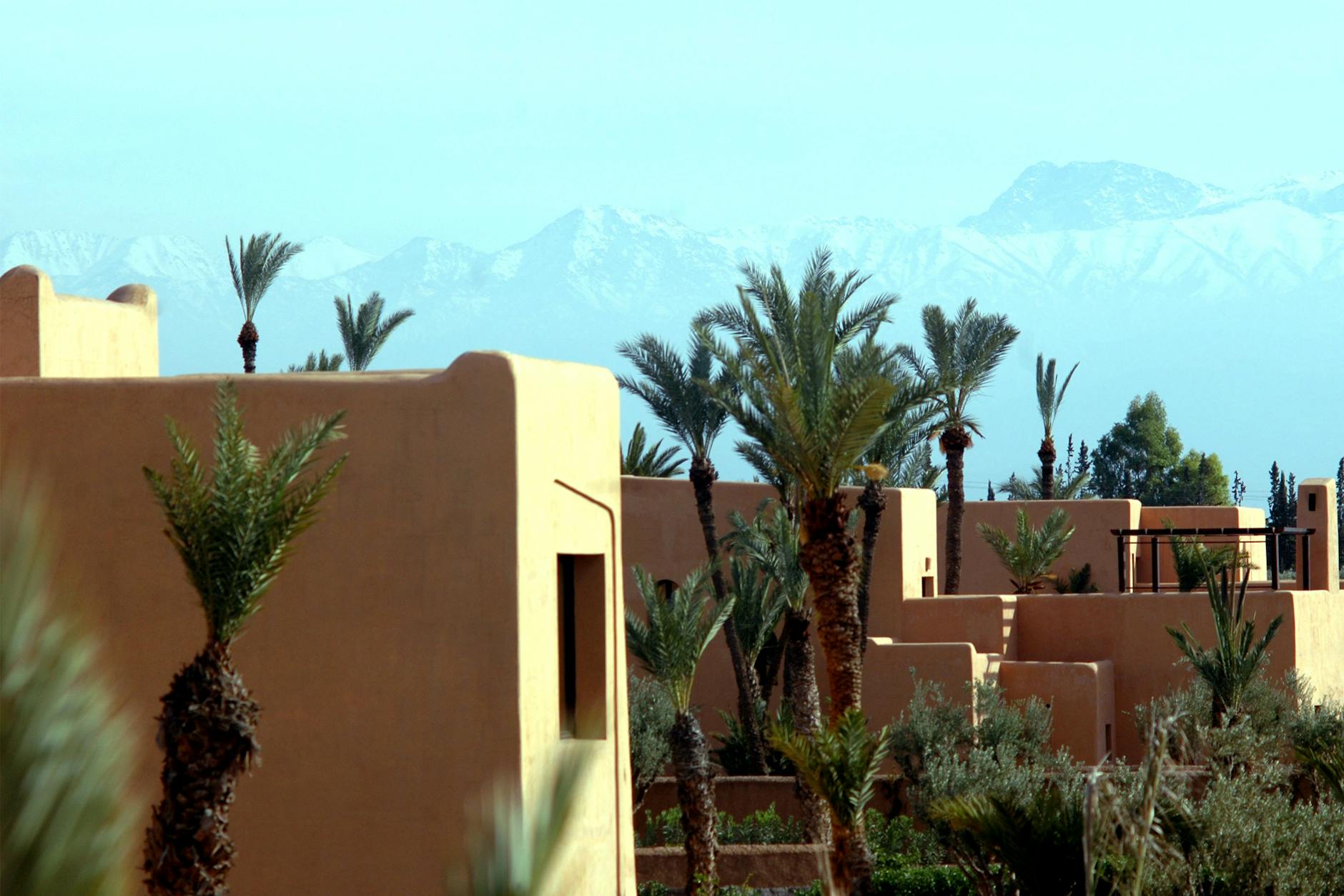
Academic attendees often underestimate how much the hotel affects intellectual energy. The base needs to support early breakfasts, quiet sleep, quick returns between panels, poster storage, laptop work, reliable Wi-Fi, printing or scanning help, and a place to meet colleagues without turning every conversation into a transport problem. A beautiful medina stay can be rewarding after the program ends, but it may be awkward during presentation days if vehicle access and wayfinding are weak.
A venue hotel or nearby business-oriented property can feel less distinctive but make the conference substantially cleaner. The right compromise may be to stay close during core sessions and use scheduled evenings for the city. If the attendee is chairing, presenting, interviewing, recruiting, or managing students, the functional hotel usually beats the more atmospheric one. Marrakech is easier to enjoy when the professional obligations are not constantly being dragged through its logistics.
- Prioritize sleep, Wi-Fi, breakfast, workspace, poster storage, printing help, and fast access to the venue.
- Use a medina base only when transport and session timing remain reliable under conference pressure.
- Consider staying near the venue for core program days and saving a more atmospheric stay for before or after.
Protect arrival, registration, and presentation materials
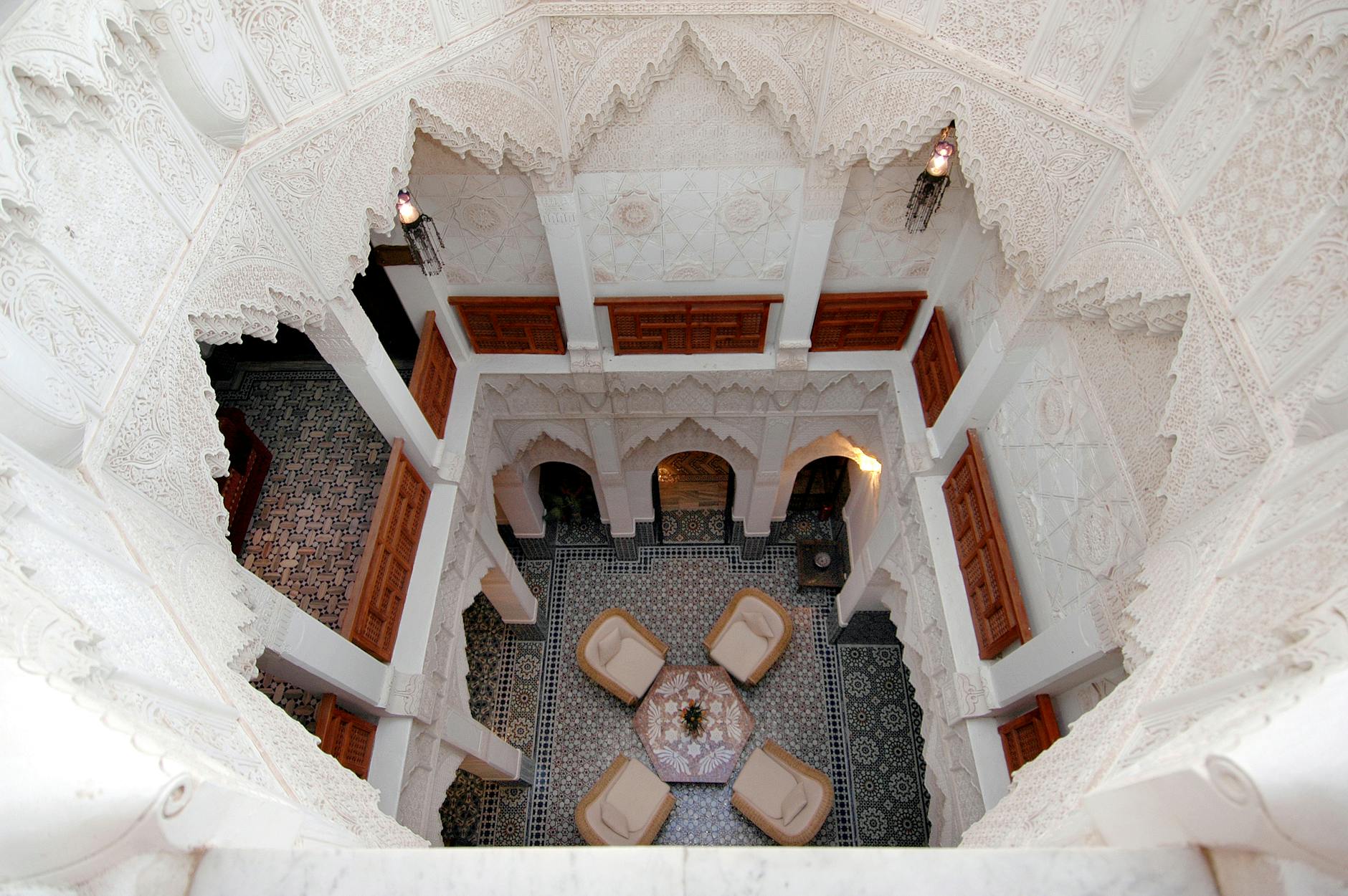
The arrival day should be built around readiness, not optimism. Marrakech Menara Airport is manageable, but passport control, baggage, taxi or driver handoff, hotel check-in, heat, and fatigue can still consume the first usable hours. Presenters should avoid arriving so late that a delayed bag, missing adapter, lost poster tube, or registration queue becomes a professional problem. The conference badge and first session deserve protected time.
Travelers carrying research materials should think through failure points. Keep slides in the cloud and on a local drive. Carry the presentation laptop or essential notes in hand luggage. Know whether the venue supplies adapters, HDMI, clickers, microphones, poster boards, or printing services. Marrakech is not hard to use when the basics are arranged. It becomes stressful when academic materials are treated like ordinary vacation baggage.
- Arrive with enough margin for airport processing, baggage, hotel check-in, registration, and the first official session.
- Keep slides, notes, laptop, adapters, poster documents, and essential research materials under direct control.
- Confirm presentation equipment, poster dimensions, printing options, and technical support before travel.
Handle language, hierarchy, and networking deliberately
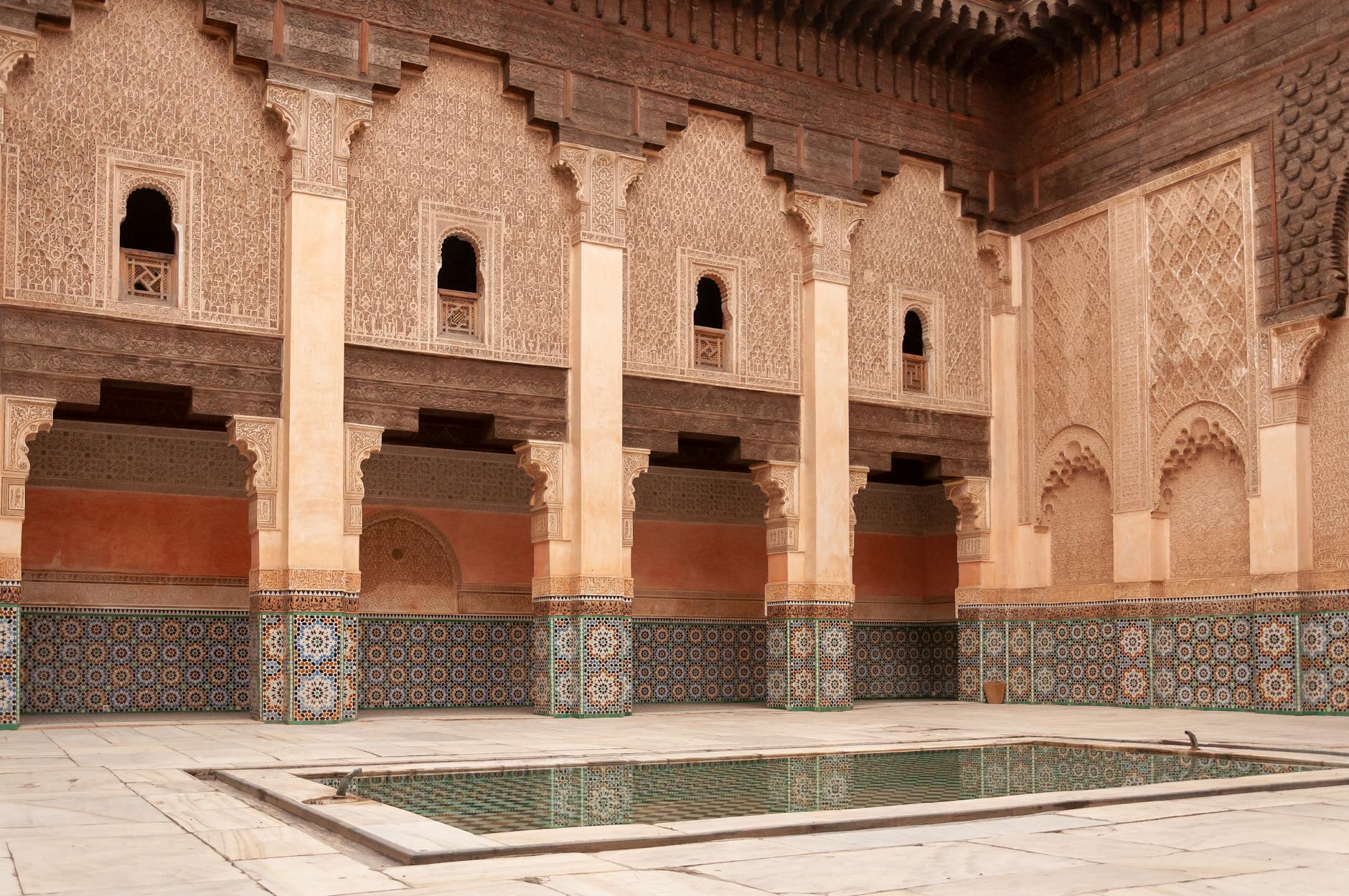
Marrakech can be a rewarding conference setting because formal sessions often spill into meals, courtyards, receptions, and longer conversations. Attendees should still prepare for language and hierarchy. French may be useful, Arabic matters locally, and English may dominate international panels without solving every practical exchange. Names, titles, institutional affiliations, and introductions can carry more weight than the casual conference traveler expects.
Networking should be paced rather than forced. Coffee breaks, official receptions, hotel lobbies, small dinners, and post-panel walks can all be productive, but Marrakech encourages lingering. The attendee should decide which meetings are essential, which can be casual, and which evenings need to remain free for rest or preparation. The best conference conversations happen when the traveler has enough margin to be generous, not when every invitation creates a scheduling crisis.
- Prepare names, titles, affiliations, and language expectations before panels, receptions, and hosted meals.
- Use coffee breaks, hotel lounges, and official receptions for planned conversations rather than relying on chance.
- Leave enough evening margin for preparation, rest, and unexpected invitations that are genuinely worth accepting.
Use the city without letting it swallow the program
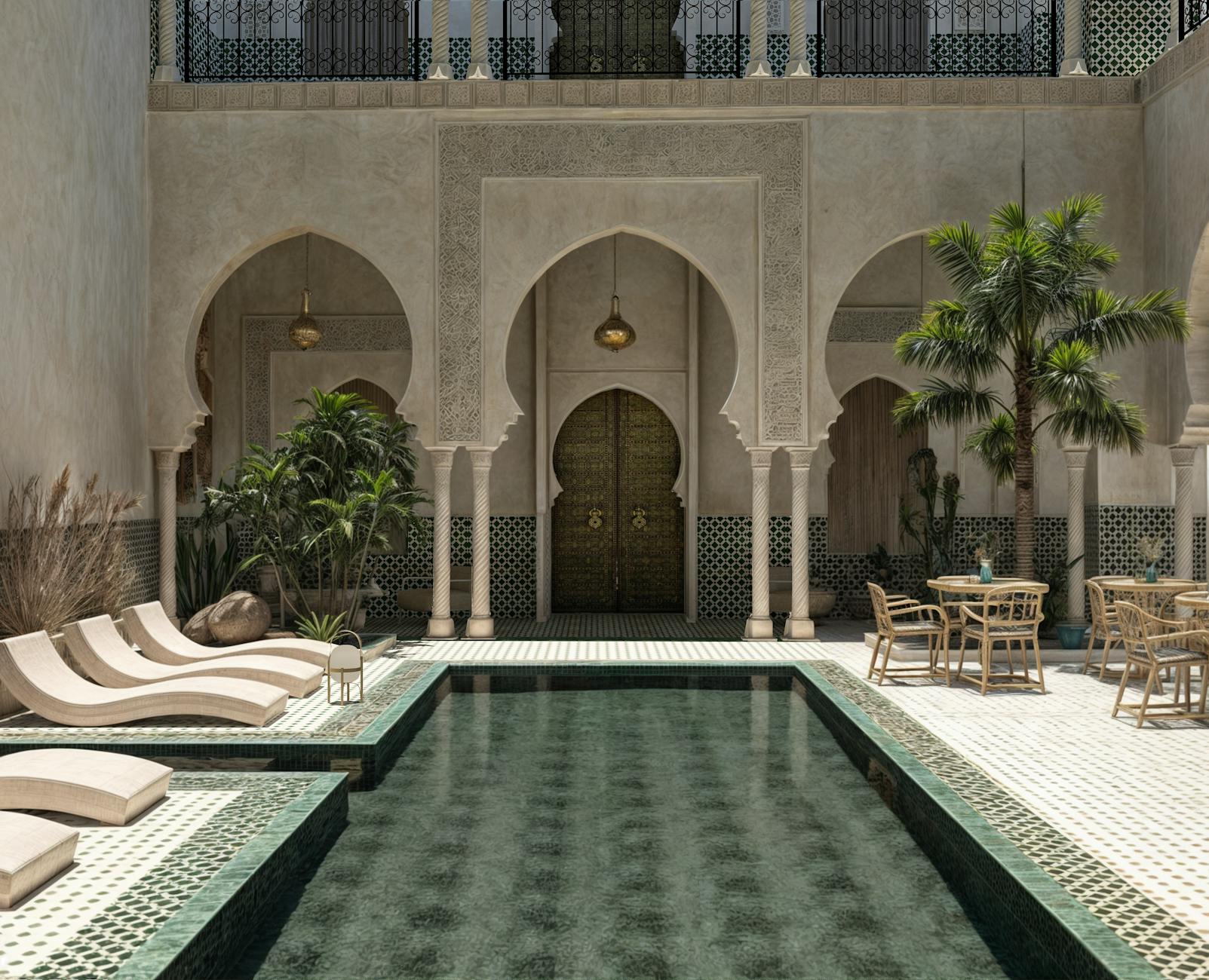
Marrakech is a tempting conference city because the medina, gardens, craft streets, restaurants, rooftops, and historic sites are close enough to feel easy. They are not always easy on a conference schedule. A one-hour gap can disappear into transport, heat, wayfinding, crowds, and the need to return presentable for the next panel. Attendees should pick a few city experiences that fit the program instead of trying to bolt a full leisure itinerary onto working days.
The medina is best used deliberately: one guided walk, one dinner, one craft visit, or one carefully timed evening rather than daily improvisation. Gardens and museum-like houses can be better between sessions because they offer shade and reset time. If colleagues are joining, choose places with clear access and exits. The goal is to let Marrakech deepen the conference, not turn every free hour into a logistical experiment.
- Choose a few city experiences that fit the academic program instead of building a full leisure itinerary around sessions.
- Use the medina for a planned walk, dinner, or cultural stop, not repeated rushed gaps between panels.
- Favor gardens, calm houses, and accessible restaurants when the traveler needs recovery before returning to the venue.
Plan for heat, dress, and cognitive stamina
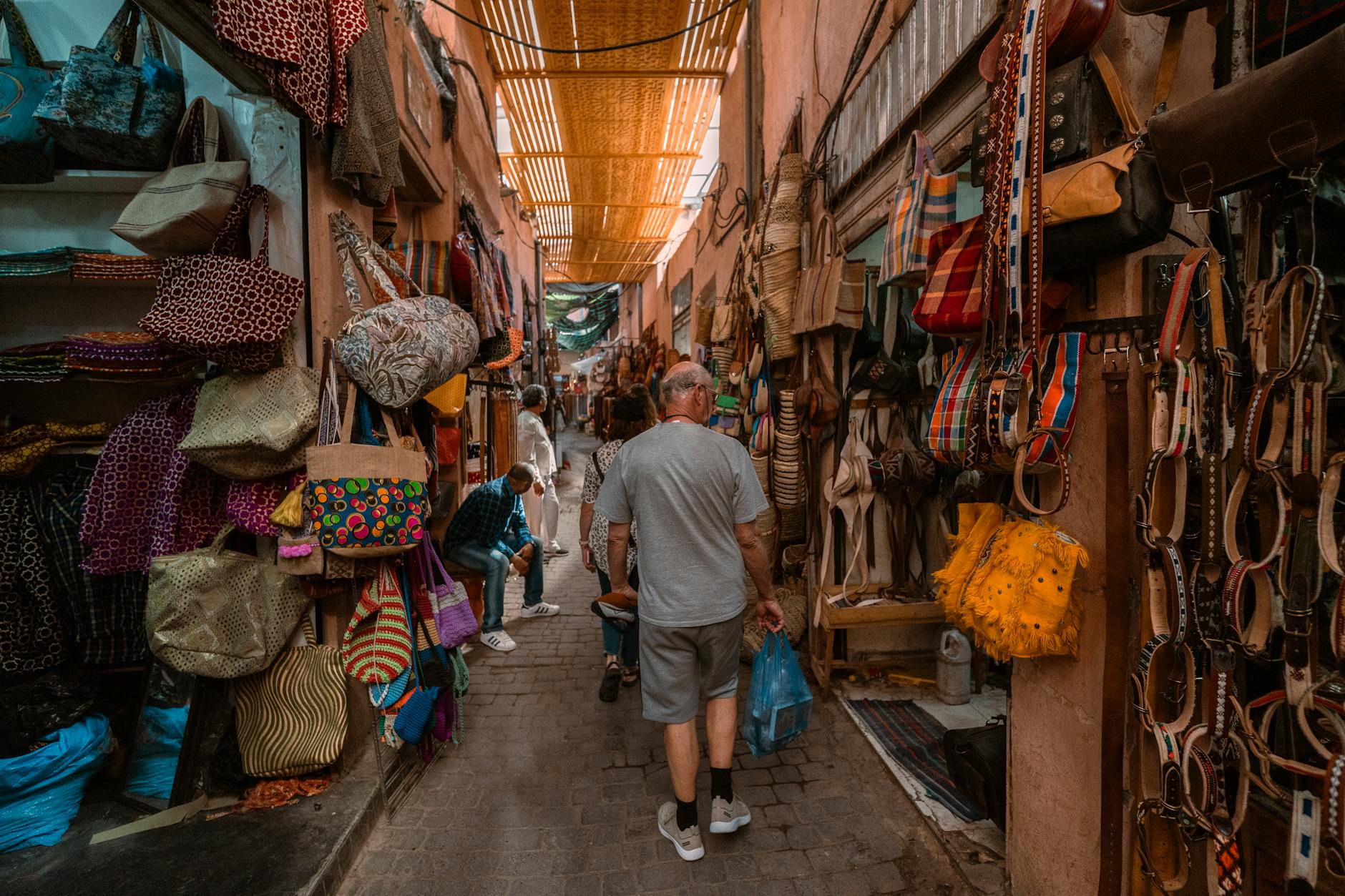
Academic conferences demand sustained attention, and Marrakech can quietly tax that attention. Heat, dry air, long indoor sessions, late dinners, jet lag, heavy meals, and medina intensity can leave an attendee depleted before the important conversation begins. The practical plan should include hydration, conservative but breathable dress, comfortable shoes, sun protection, and a willingness to skip one optional outing in order to think clearly the next morning.
Dress should work across lecture rooms, hotel corridors, site visits, receptions, and short city walks. A jacket or formal layer may be useful for presentation settings, but the traveler needs a heat strategy. Equipment deserves the same realism: adapters, charged devices, backup batteries, offline documents, and a bag that can move through a conference hotel and a medina lane without becoming a burden. Professional composure in Marrakech is partly logistics.
- Plan hydration, breathable formal clothing, comfortable shoes, sun protection, and recovery time into conference days.
- Bring adapters, backup batteries, offline materials, and a bag that works for both venue and city movement.
- Protect cognitive energy by skipping optional outings when the next morning's session or presentation matters.
When to order a short-term travel report
A conference attendee with a single venue hotel, no presentation, and generous free time may not need a custom report. A report becomes useful when the trip includes a paper or poster, multiple venues, unclear shuttle arrangements, a medina hotel, late arrival, early departure, students or colleagues to coordinate, dietary constraints, accessibility needs, language concerns, field visits, or a serious attempt to add Marrakech experiences around a dense program.
The report should test the venue map, hotel base, airport transfer, registration timing, session schedule, presentation equipment, poster handling, meal plan, language needs, city breaks, networking events, heat exposure, and fallback transport. The value is a conference trip that protects the academic purpose while still making intelligent use of Marrakech. It should help the attendee arrive prepared, speak clearly, meet the right people, and leave with more than a blur of panels and rushed taxi rides.
- Order when the trip has presentations, multiple venues, medina lodging, shuttle uncertainty, field visits, or complex colleagues.
- Provide flight times, venue details, hotel candidates, session schedule, presentation needs, and any accessibility or diet constraints.
- Use the report to protect academic obligations while shaping a realistic Marrakech experience around them.