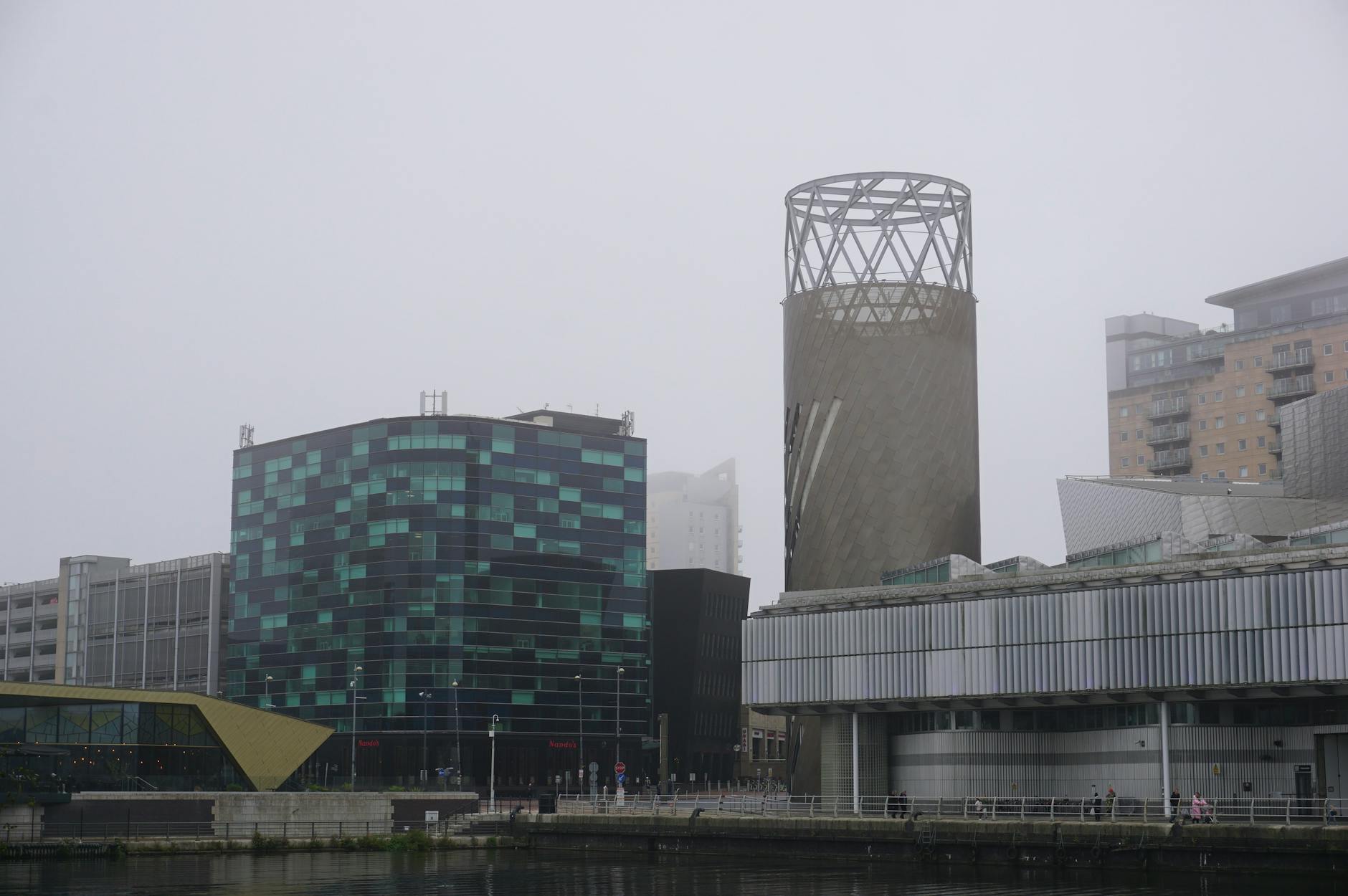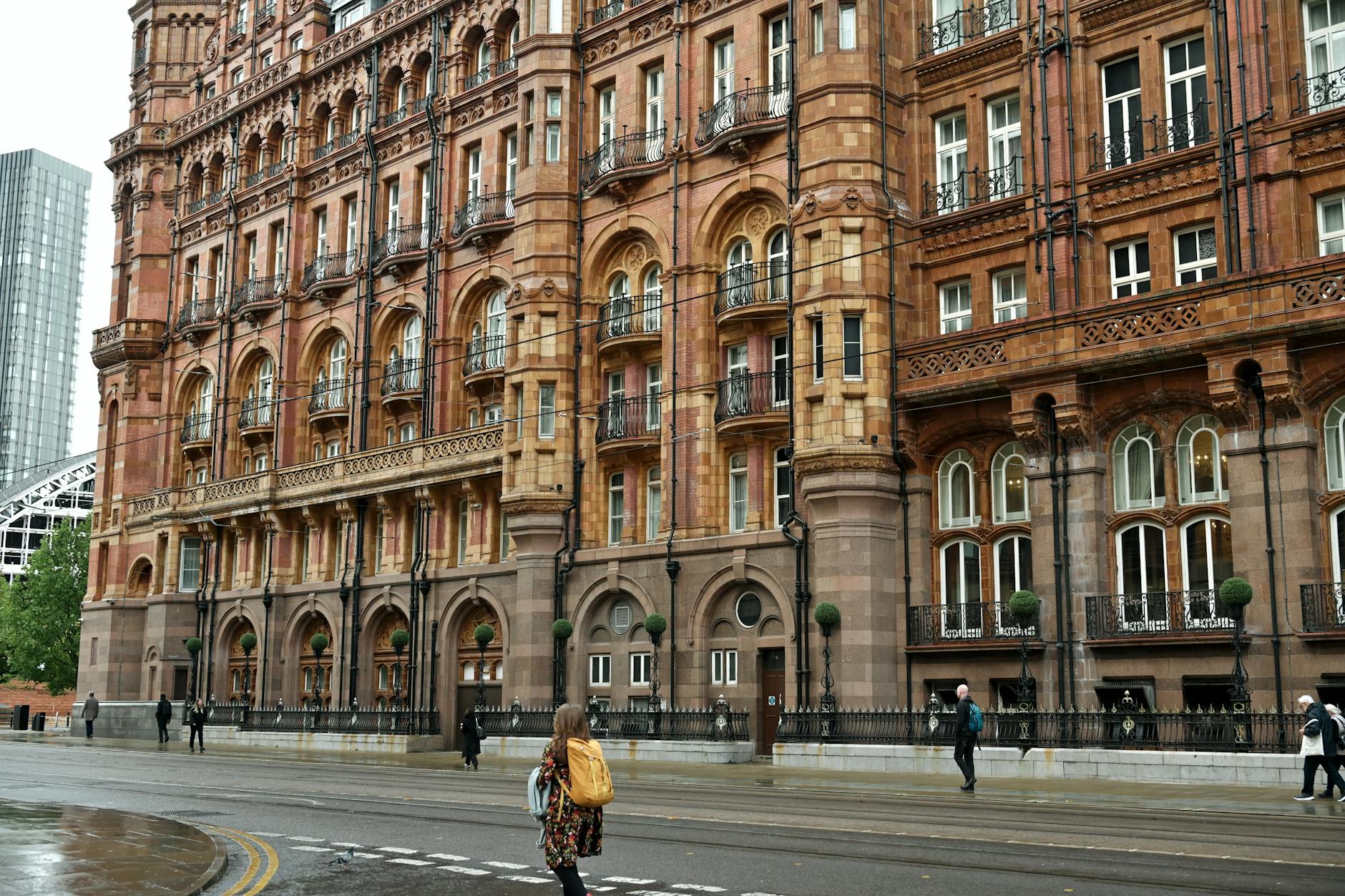
Manchester can be a good city for women traveling alone, with friends, for work, or as part of a mixed trip. It is compact, lively, and practical, with useful trams, strong cafes, libraries, music and theatre, shopping streets, canals, and Salford Quays. The important planning question is not whether women can enjoy the city. They can. The question is whether the trip has made ordinary friction easy: arrival from the airport or station, the hotel street at night, solo meals, phone use, weather, unwanted attention, late returns, and the choice between walking, tram, taxi, or rideshare.
Choose the hotel for the street around it
For women travelers, hotel choice in Manchester should include the street outside the door, not only the room. A central hotel can be excellent if the final block feels easy, pickup points are clear, and nearby food is practical. A hotel that looks attractive online can feel less useful if the last walk is poorly lit, confusing, exposed to late-night crowds, or awkward in rain. The base should make independence easier.
City centre, St Peter's Square, Deansgate, Piccadilly, the Northern Quarter edge, and Salford Quays can all be right in different trips. The traveler should judge them by arrival route, evening return, nearby meals, transport, and the kind of trip she wants. A good Manchester base gives choices: walk when it feels right, take a tram when it is convenient, and use a taxi or rideshare without having to explain the decision.
- Look at the final street, pickup point, nearby food, and evening return before booking.
- Choose a base that supports the actual trip: work, culture, nightlife, shopping, Salford Quays, or a quiet stay.
- Avoid a hotel that makes every late or rainy return feel like a separate problem.
Make arrival feel controlled
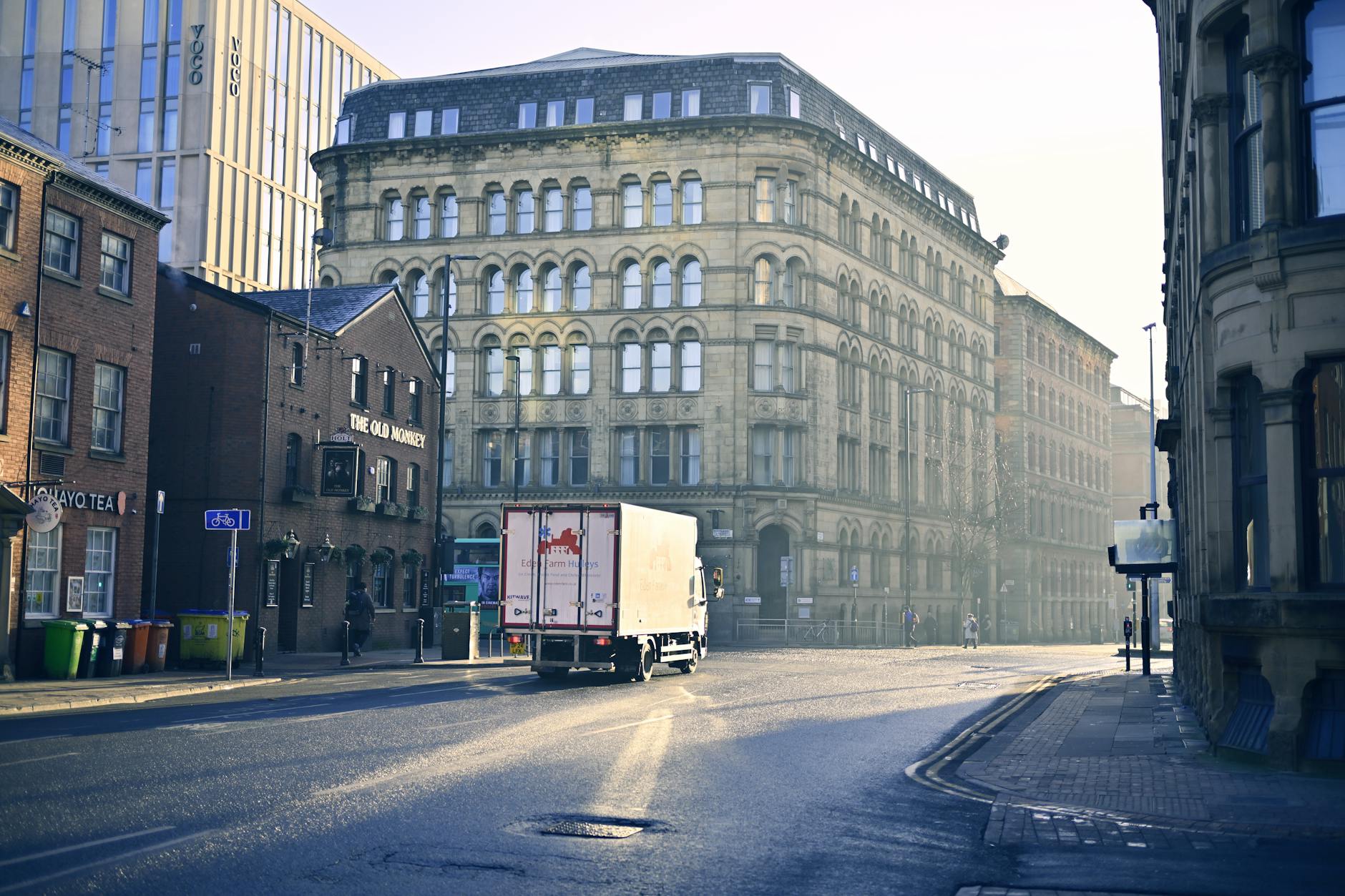
Manchester arrival should be pre-decided, especially for a woman arriving alone, late, with luggage, after a long flight, or into bad weather. Manchester Airport, Piccadilly Station, Oxford Road, Victoria, taxis, trams, and rideshare can all work, but the traveler should know the primary route and backup before stepping out of the terminal or station. The first transfer is not the moment to test confidence.
A controlled arrival means the hotel address is saved offline, the phone is charged, payment backup is available, and the traveler knows when to switch from public transport to a taxi or car. If the arrival is late, if luggage is heavy, or if the final walk is unclear, paying for the more direct transfer may be the most practical choice. Manchester becomes easier once the traveler is settled.
- Decide the airport or station route before arrival, with a taxi or rideshare fallback.
- Save hotel address, payment backup, offline map, and driver contact details before the transfer starts.
- Use the direct option when late arrival, bags, rain, or uncertainty would make the final segment harder.
Use daytime Manchester by zones
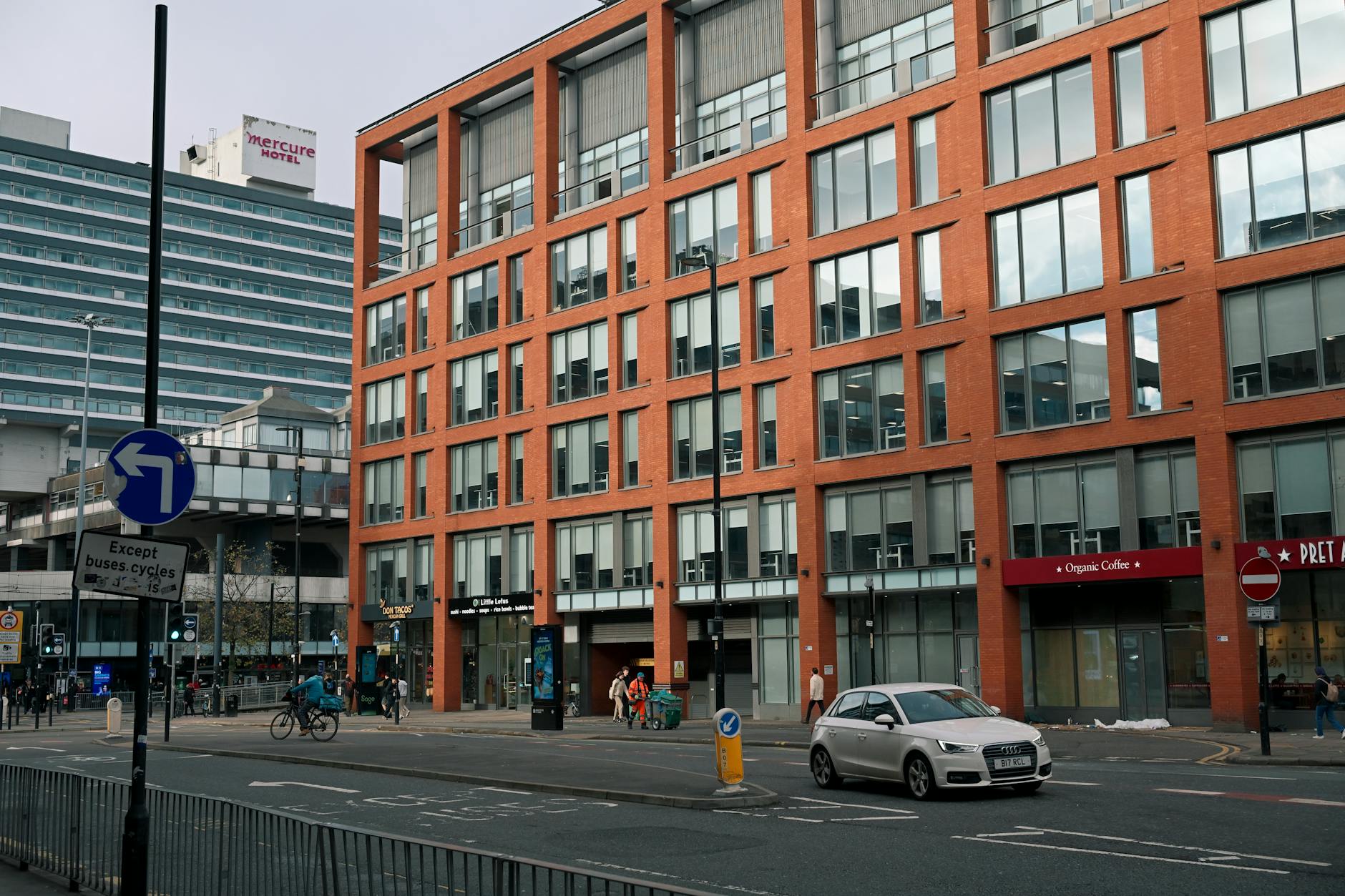
Daytime Manchester is easier when the traveler uses zones rather than chasing scattered stops. A library and civic core day can stay around St Peter's Square, John Rylands, galleries, and nearby cafes. A Northern Quarter or Ancoats day can focus on shops, coffee, street art, and lunch. A waterfront day can use Salford Quays or MediaCity with a clear tram or taxi plan. Staying within a zone reduces the number of navigation decisions.
This matters because many women's travel concerns are cumulative. One confusing route is manageable. Repeated small decisions in rain, crowds, or low battery can become draining. The traveler does not need to shrink the trip; she needs to make the day legible enough to enjoy. Manchester rewards curiosity when the route remains coherent.
- Build days by zones: civic core, Northern Quarter and Ancoats, canals, Salford Quays, or shopping streets.
- Limit cross-city jumps when traveling alone, carrying purchases, or managing weather.
- Keep a clear tram, taxi, or walking fallback for each zone before the day starts.
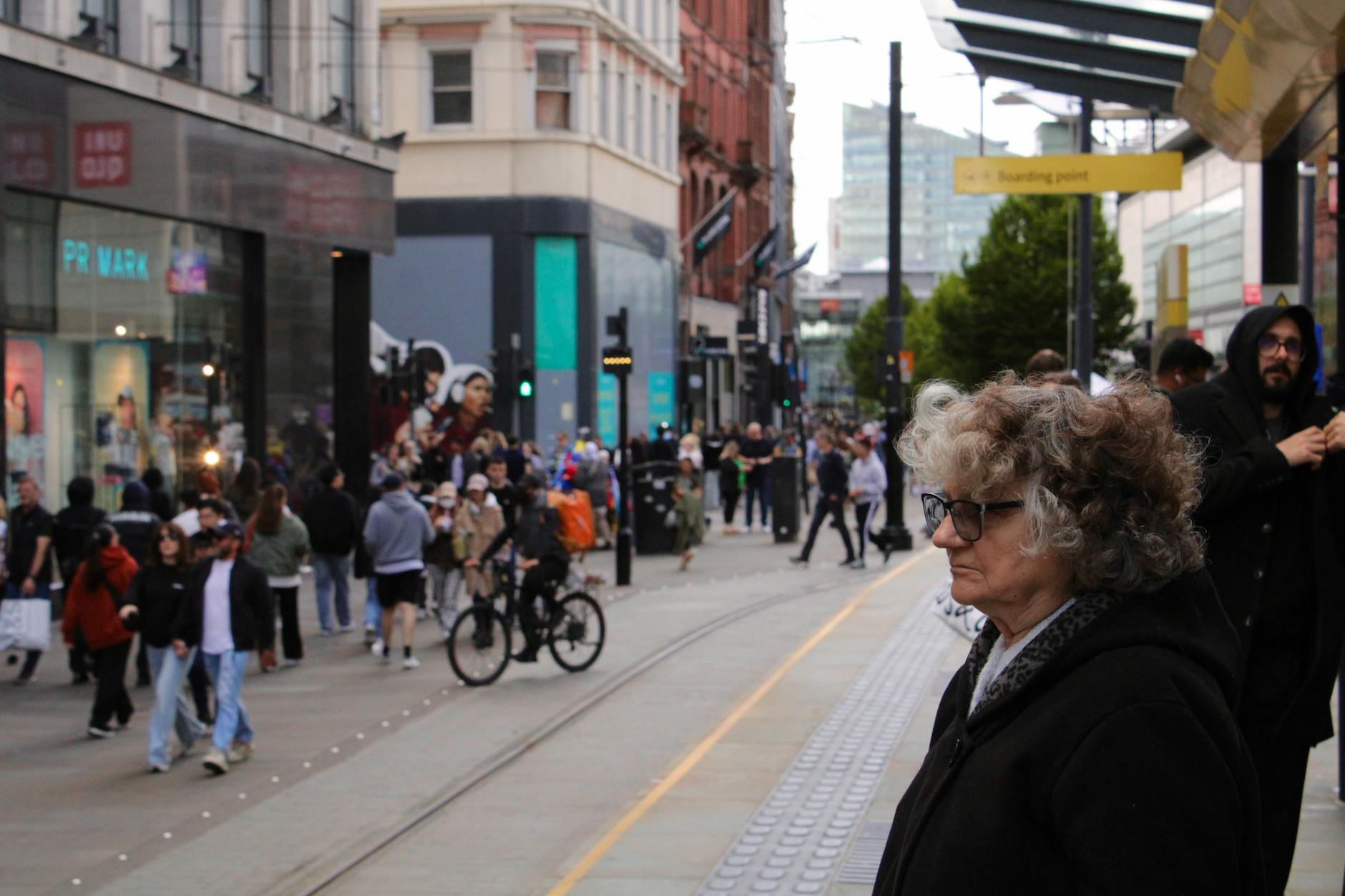
Make meals and pauses intentional
Women traveling solo or in a small group should treat cafes, lunches, hotel bars, and early dinners as infrastructure, not filler. A comfortable place to sit can solve more than hunger: it gives time to charge a phone, review the next route, use a bathroom, send a check-in message, or wait out weather. Manchester has plenty of casual and polished options, but the best one is the one that fits the route and mood.
Solo dining should not feel like a compromise. Choose counter seating, a cafe, a hotel restaurant, a market-style venue, or a reservation that feels comfortable. If dinner is late or drinks are involved, decide the return route before ordering. A meal that is chosen well can make the trip feel more independent; a meal chosen when tired can become unnecessary friction.
- Use cafes and meals for charging, bathrooms, route checks, weather pauses, and check-in messages.
- Choose solo-friendly seating or reservations instead of waiting until tired to find food.
- Set the return route before late dinners, drinks, theatre, music, or nightlife.
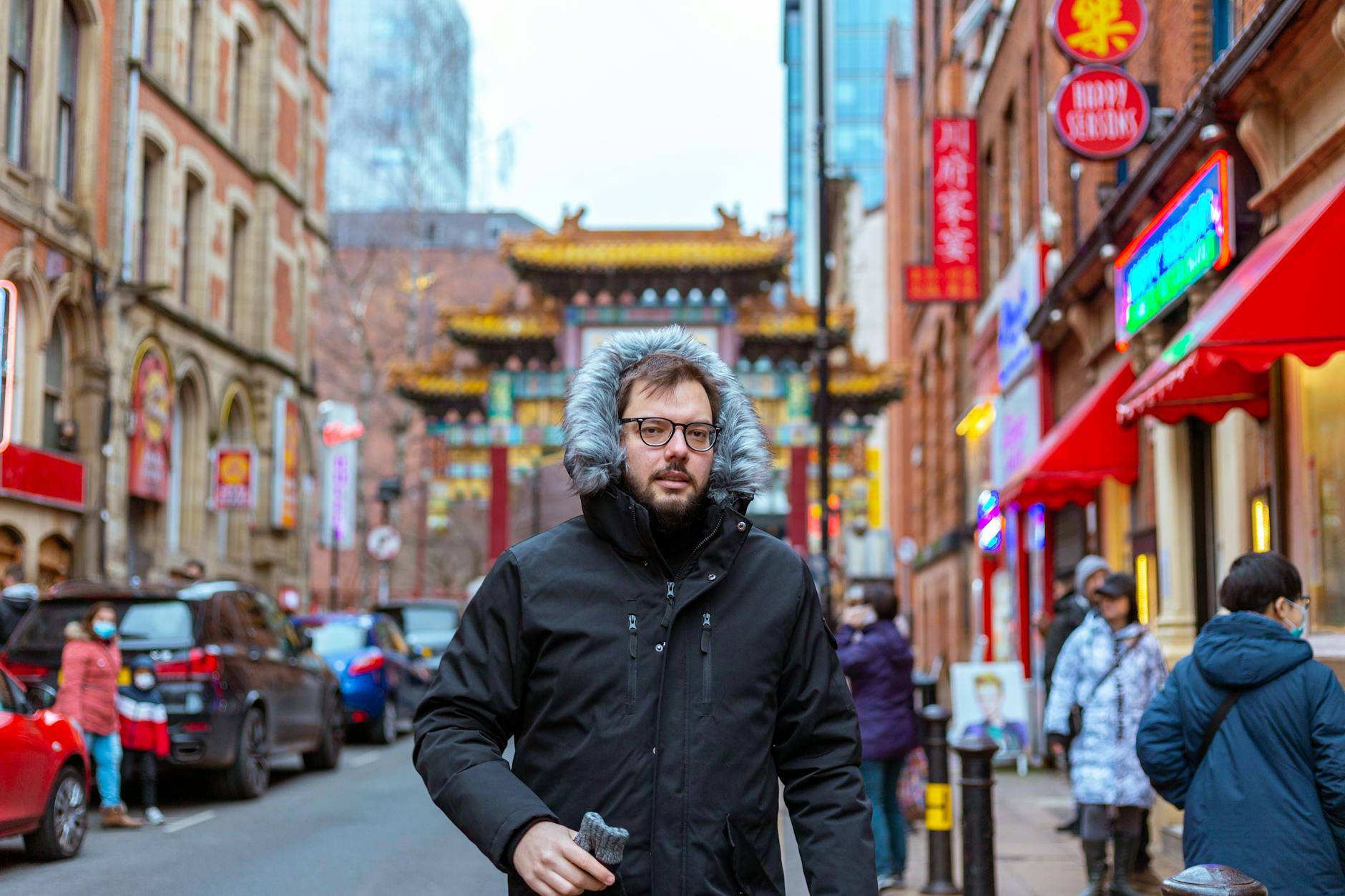
Set after-dark boundaries before going out
Manchester evenings can be a highlight: theatre, music, restaurants, pubs, football atmosphere, Chinatown, Canal Street, the Northern Quarter, and waterfront views all have a place. The key is deciding boundaries before the evening begins. Which districts feel comfortable? Which routes will be walked? When does a tram make sense? When does taxi or rideshare become the better option? Those decisions are easier before the traveler is tired or the weather changes.
The point is not fear. It is avoiding avoidable exposure. A woman traveling alone may decide that a short central walk is fine, but a canal path, empty side street, or cross-city route after drinks is not. A small group may still need a clear meeting point and return plan. Manchester works better at night when the exit is part of the evening, not a problem saved for the end.
- Decide evening district, return mode, and latest comfortable return before leaving the hotel.
- Use taxis or rideshare when weather, alcohol, fatigue, empty streets, or uncertain routes change the calculation.
- Keep phone battery, payment backup, and hotel address available for the final move.
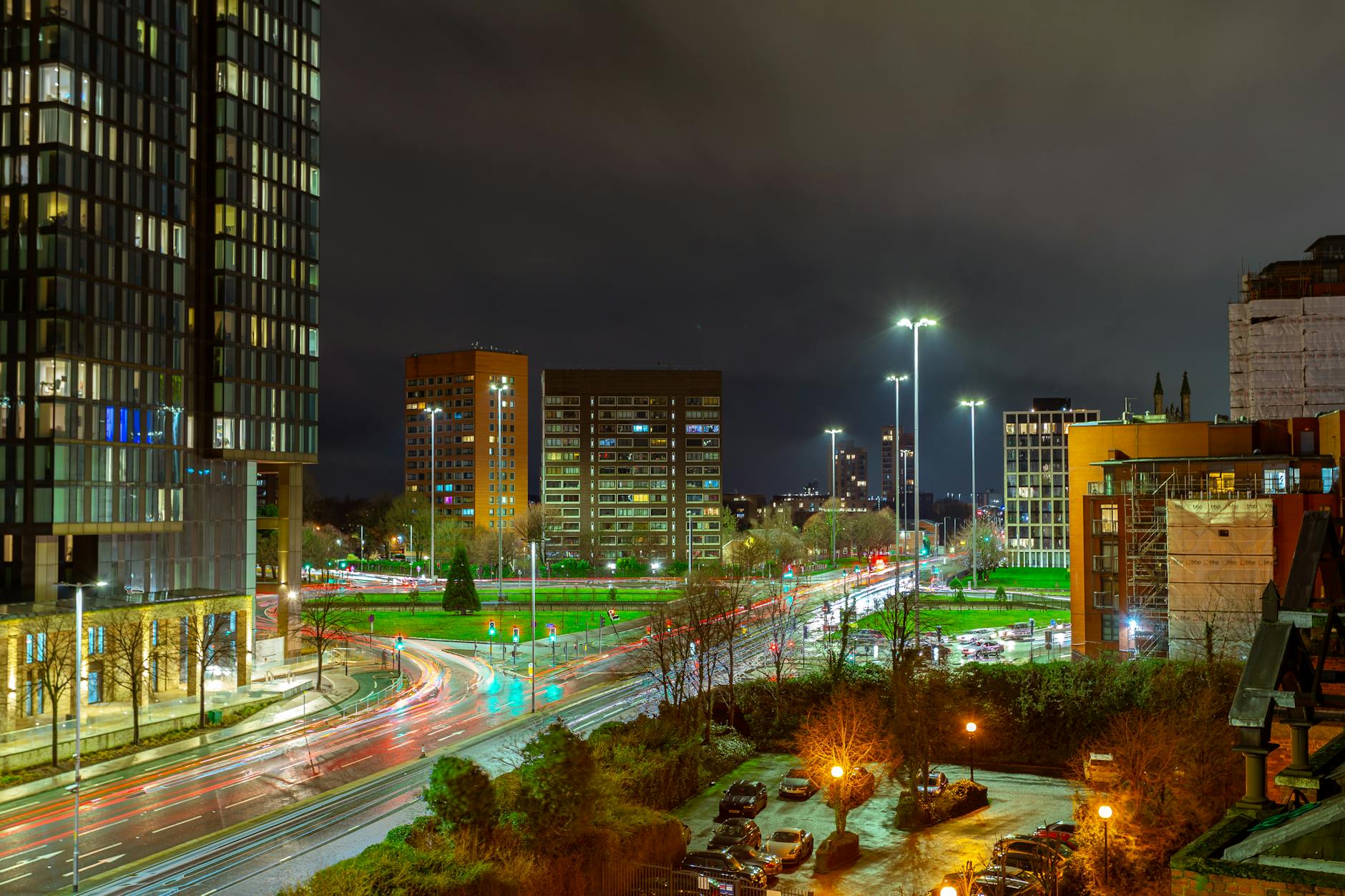
Keep health, documents, and visibility practical
Practical backup matters for women travelers because small issues can shape the whole day. Know where to find a pharmacy near the hotel or main districts. Carry medication, period products, payment backup, ID, insurance details, and a battery pack in a way that does not depend on one bag or one phone. Manchester has ordinary urban services, but they are easier to use when the traveler is not searching under pressure.
Visibility should be deliberate too. Keep phone use controlled in busy streets and tram stops. Avoid leaving bags open in cafes or bars. Use headphones selectively, especially when crossing streets or walking after dark. If unwanted attention appears, the best plan is usually to move toward staffed, lit, public spaces or a pre-decided transport option rather than debating the situation.
- Carry medication, period products, payment backup, ID, insurance details, and battery reserve.
- Know nearby pharmacy options before a small health issue becomes a route problem.
- Move toward staffed, lit, public spaces or direct transport when attention or discomfort changes the mood.

When to order a short-term travel report
A woman traveler with a central hotel, familiar city habits, and flexible plans may not need a custom Manchester report. A report becomes useful when the trip includes late arrival, first solo travel, work obligations, nightlife, concerts, football, multiple districts, Salford Quays movement, medical needs, mobility concerns, privacy concerns, or anxiety about which routes and hotel areas will feel comfortable.
The report should test hotel street context, airport or rail transfer, daytime zones, solo meal options, after-dark boundaries, tram and taxi choices, current events, weather, pharmacy and health fallback, phone and payment resilience, and the point where the traveler should simplify. The value is a Manchester trip that lets the traveler move with confidence without asking her to ignore ordinary urban realities.
- Order when late arrival, solo travel, nightlife, events, medical needs, or multiple districts make route choice important.
- Provide hotel candidates, arrival details, evening plans, comfort concerns, health needs, and must-do priorities.
- Use the report to make independence feel supported, not restricted.