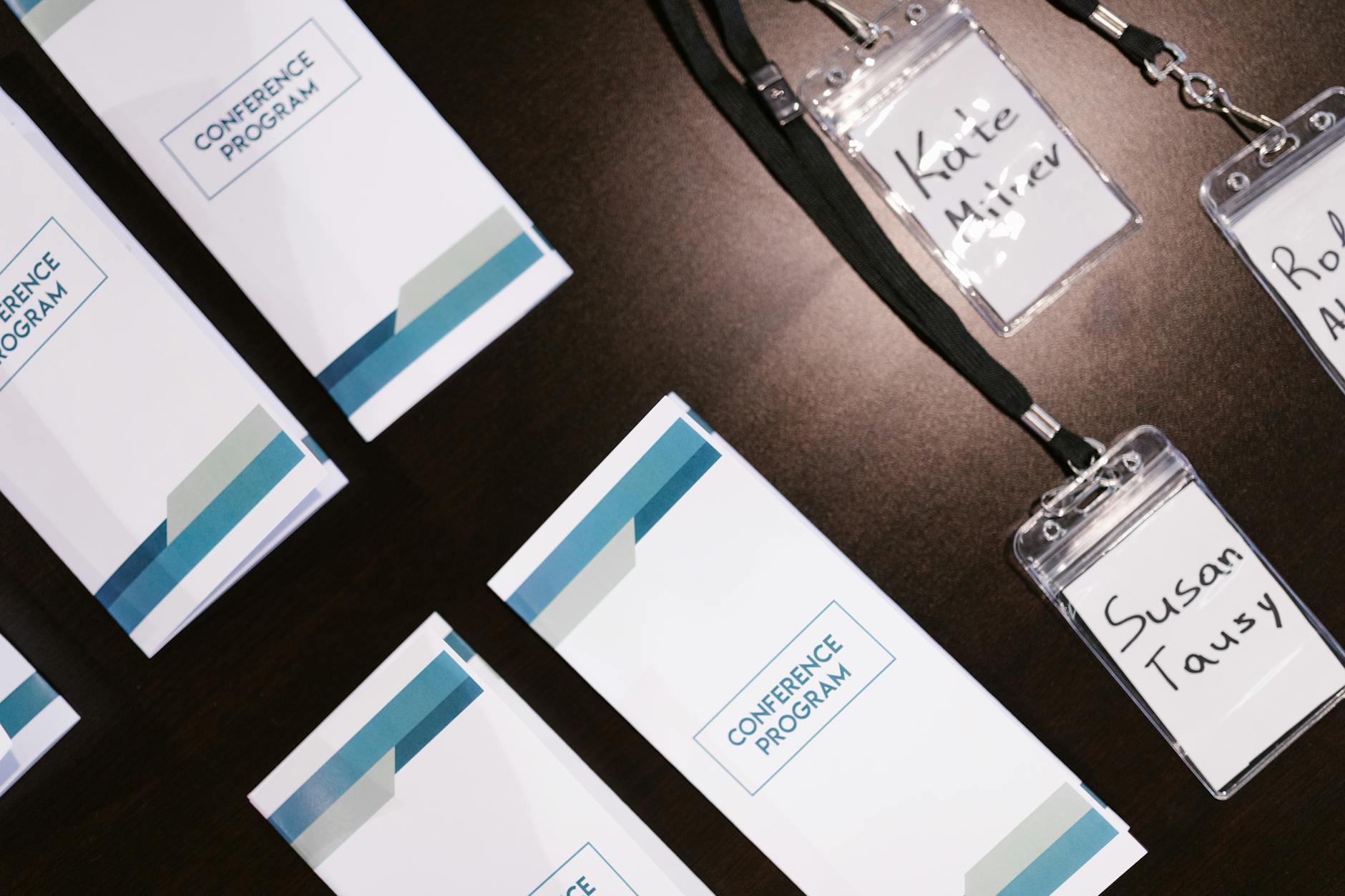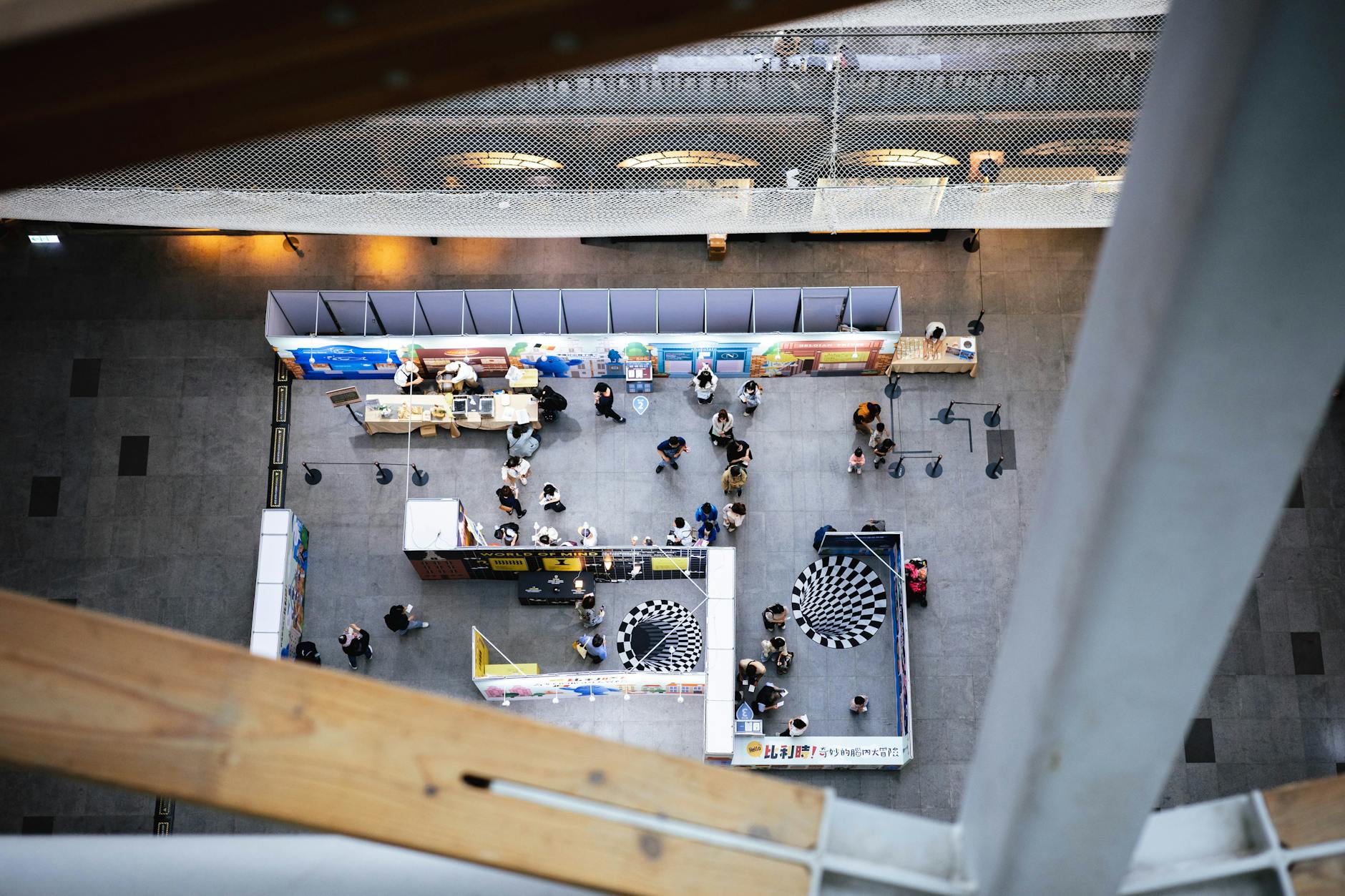
A trade-show trip to Manchester is more operational than a normal business visit. The traveler may be attending as a buyer, staffing a stand, carrying samples, managing printed material, demonstrating equipment, scheduling supplier meetings, or moving between the show floor and client dinners. Manchester can support that well, but the plan has to start with the event address and the working rhythm rather than a generic idea of staying somewhere central. Manchester Central, venue hotels, university or business-school event spaces, Salford Quays and MediaCity venues, stadium-area events, and smaller industry gatherings create different trips. The useful plan protects setup, badge pickup, morning transfer, booth materials, show-floor stamina, side meetings, evening networking, and teardown. A trade-show attendee should treat the city as a work environment with logistics, not simply as a destination around an event.
Start with the exact venue and entrance
The first Manchester trade-show decision is not the hotel brand, the restaurant district, or whether the traveler wants to be near nightlife. It is the exact venue, hall, entrance, badge pickup, exhibitor access, delivery point, and opening rhythm. Manchester Central creates a different operating day from a Salford Quays event, a university venue, a hotel-based show, a stadium-area exhibition, or a smaller private trade gathering. The correct entrance and access route can matter more than the venue name on the calendar.
Visitor logistics and exhibitor logistics should be separated early. A buyer walking the floor with a badge has a different problem from a team member carrying display material, demo devices, catalogs, samples, or giveaway stock. The hotel, transport, arrival time, meal plan, and evening route should be built around the real operating pattern: setup, registration, show hours, buyer meetings, receptions, teardown, and departure.
- Confirm venue, hall, entrance, badge pickup, exhibitor access, delivery point, and setup window.
- Separate visitor logistics from exhibitor logistics before booking hotels or trains.
- Build the trip around setup, show hours, meetings, receptions, teardown, and departure timing.
Choose lodging for the working day
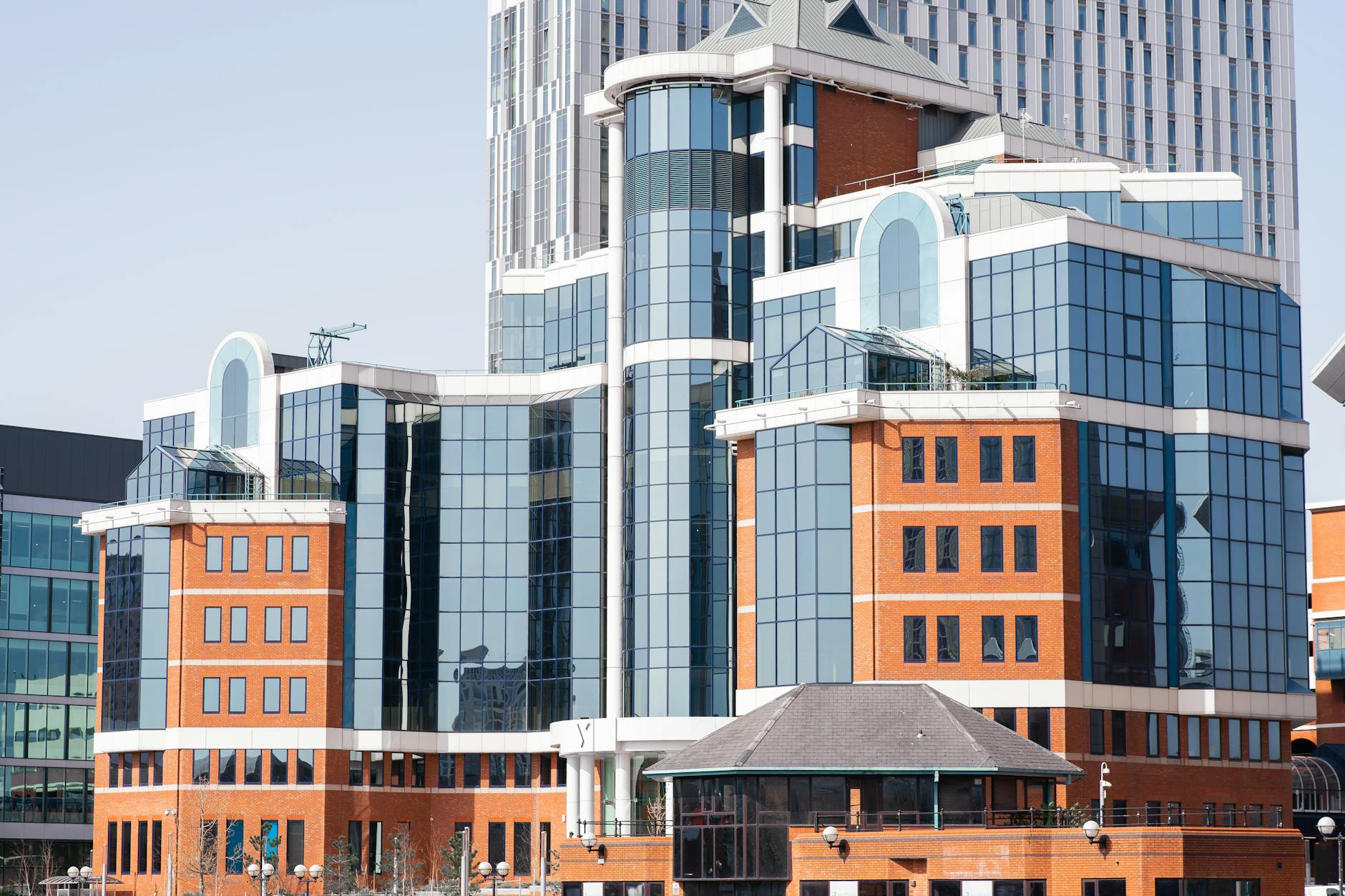
A trade-show hotel is partly bedroom, partly storage room, partly workroom, partly wardrobe base, and partly transport decision. A stylish central hotel can be wrong if it forces a difficult early transfer with boxes, banners, samples, or tired staff. A venue-adjacent hotel can be right when setup, morning booth duty, and quick returns matter. A more central or Deansgate-area base can be better when client dinners and private meetings matter more than hall proximity.
The hotel should be tested against the actual working day: early breakfast, taxi or rideshare pickup, parcel receipt, sample storage, lift access, room desk, ironing or pressing, quiet sleep, late return, and nearby food after a long floor day. The best hotel is not necessarily the most attractive one. It is the one that keeps the commercial purpose of the trip from being weakened by friction.
- Check package receipt, storage, lift access, taxi pickup, breakfast timing, workspace, and quiet sleep.
- Stay nearer the venue when setup, samples, booth duty, and quick returns matter most.
- Stay more central only when buyer dinners and private meetings justify the extra movement.
Control samples, badges, and booth materials
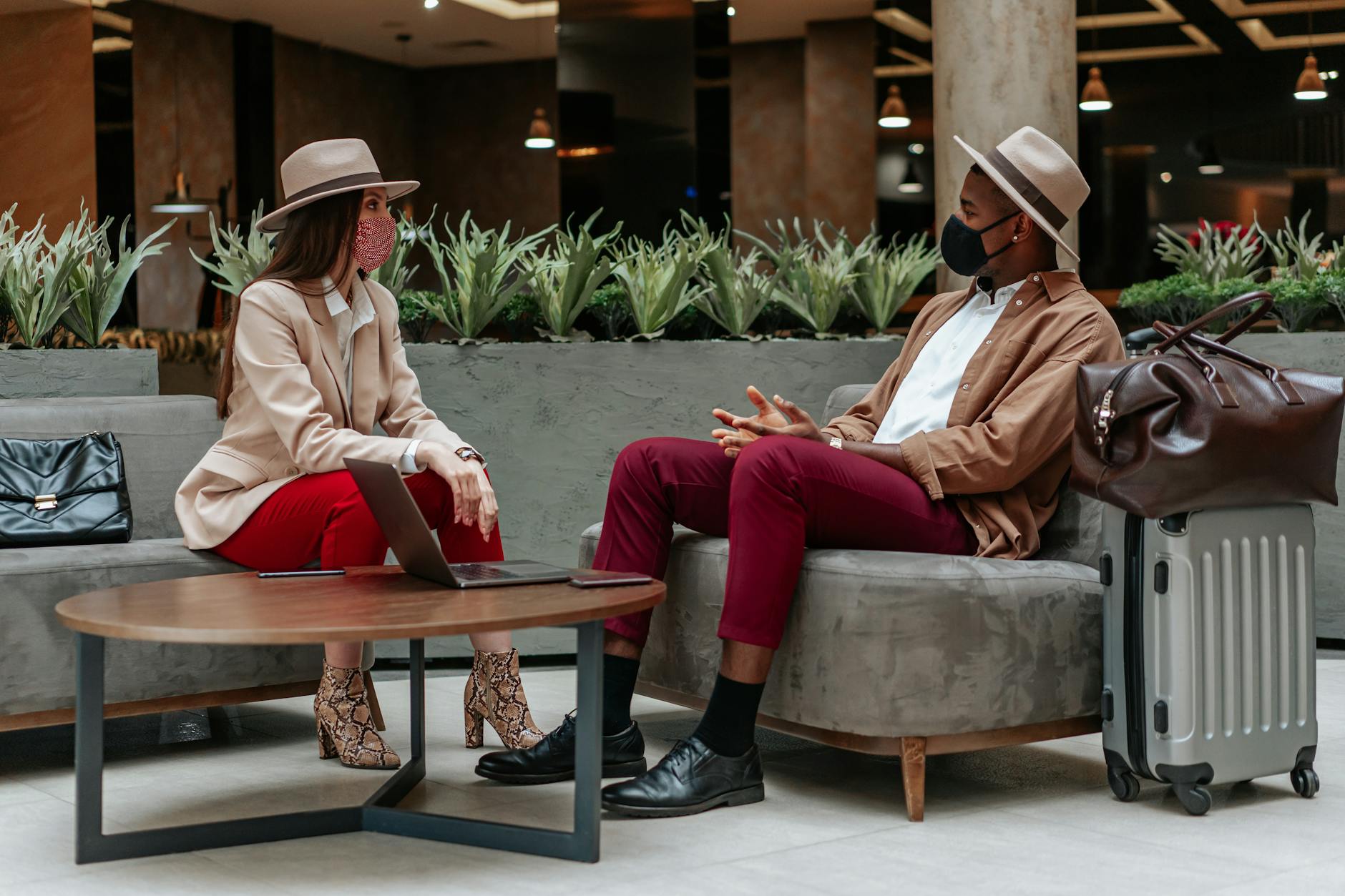
Trade-show trips fail when materials are treated as ordinary luggage. Samples, brochures, signage, chargers, adaptors, demo devices, branded clothing, QR codes, order sheets, business cards, and spare shoes all need a plan. If the attendee is exhibiting, shipping windows, venue delivery rules, onsite storage, customs or courier details, and return shipment should be checked before the travel day. If the attendee is only walking the floor, the same logic applies in smaller form: what must be carried, what can stay at the hotel, and what cannot be replaced quickly in Manchester?
Mission-critical items should not depend on one bag or one cloud connection. A badge, presentation, sample set, demo phone, charger, or printed backup may decide whether the first conversation works. The show-day bag should be deliberate: light enough to carry, complete enough to protect the work, and organized enough that the traveler is not sorting through everything in front of a buyer.
- Create separate plans for shipped freight, checked bags, hand luggage, and show-day carry.
- Duplicate or back up critical badges, demo files, chargers, QR codes, and contact materials.
- Keep the show-day bag purposeful rather than carrying every possible sample all day.
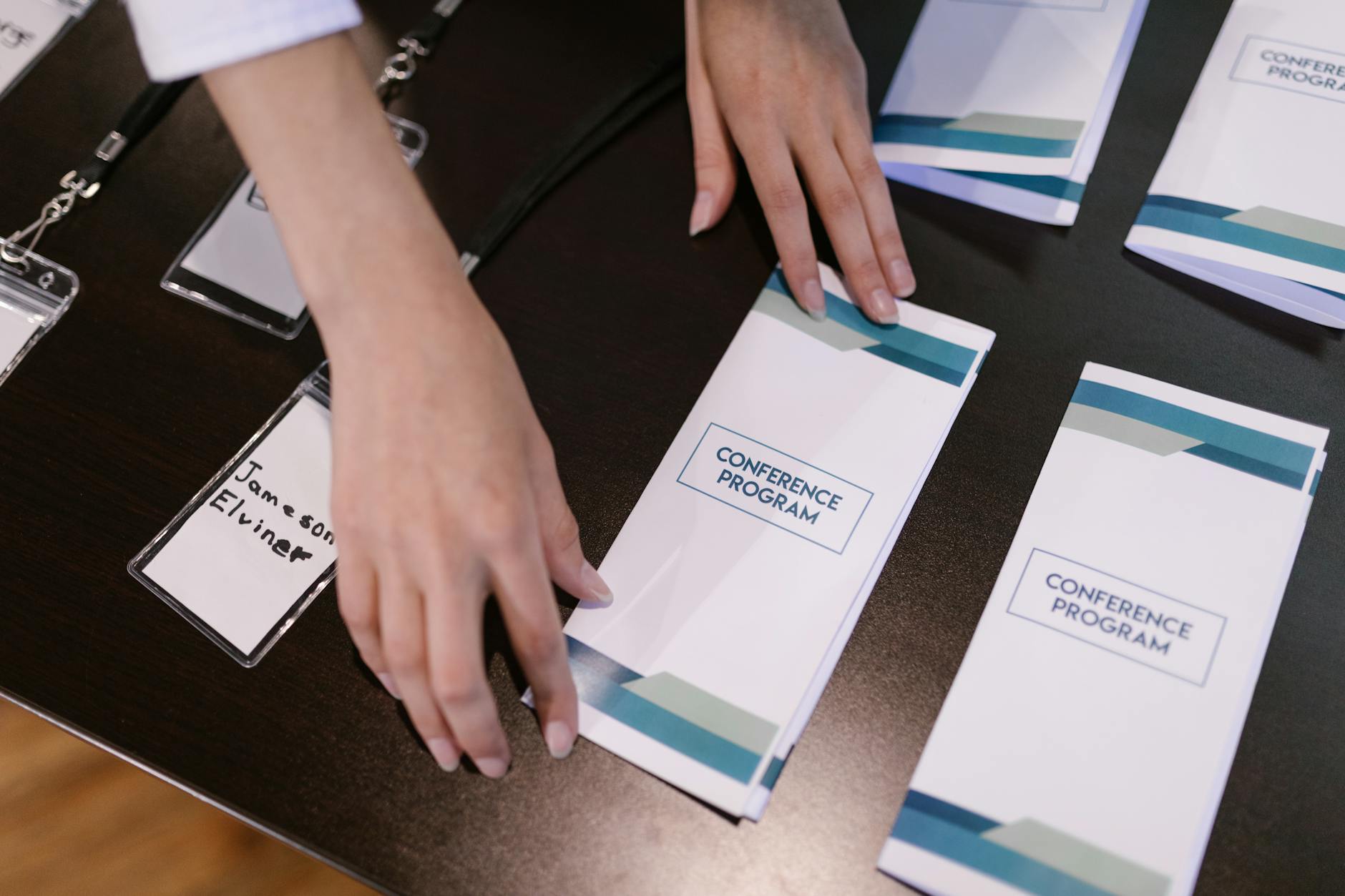
Plan arrival backward from setup
Manchester Airport, Piccadilly, Victoria, Oxford Road, and coach arrivals create different trade-show risks. The right arrival choice depends on the first hard obligation: exhibitor setup, badge pickup, booth walkthrough, buyer meeting, team briefing, or opening session. A same-day arrival can work for a light attendee and be reckless for someone carrying display material or facing a fixed setup window.
The transfer should be chosen around luggage volume, equipment sensitivity, formal clothes, fatigue, weather, and deadline pressure. A train, tram, taxi, or prearranged car may each be right on different days. The mistake is deciding while tired at the station or airport with a suitcase, sample case, and event deadline. The first evening should confirm materials, badges, clothes, chargers, route timing, and food before the traveler starts accepting extra invitations.
- Plan airport or rail arrival backward from setup, badge pickup, team briefing, or first buyer meeting.
- Choose train, tram, taxi, or car by material load, fatigue, weather, and deadline risk.
- Use the first evening to confirm materials, route timing, wardrobe, chargers, and next-day food.
Run the floor day like an operating plan
Trade-show floor days are physically and commercially dense. The attendee may stand for hours, talk continuously, scan badges, answer technical questions, handle samples, review competitors, restock materials, coordinate staff, and still leave the venue with enough energy for dinner meetings. A vague plan to simply work the room is not enough when the floor is crowded and the day is long.
Before the hall opens, decide who covers each shift, which meetings are protected, where water and food come from, how leads will be tagged, what notes need to be captured immediately, where backup chargers are, and when the traveler is allowed to step away. The show is not finished when the doors close if the leads and notes are already becoming messy. Reconcile follow-up each night before the next show day overwrites the details.
- Set booth shifts, protected meetings, food, water, chargers, lead capture, and follow-up rules before the day starts.
- Protect stamina for buyer conversations rather than spending it all on unfocused floor wandering.
- Reconcile notes and follow-up every evening while names and context are still clear.
Treat networking as geography
Trade-show value often continues after the hall closes, but Manchester can make after-hours plans too scattered if they are accepted casually. A venue-area reception, a dinner near Deansgate, drinks in the Northern Quarter, a buyer meeting in Spinningfields, and a hotel in Salford Quays may all be reasonable separately and still form a poor evening together. The attendee should decide which commitments matter commercially and which ones only add movement.
The stronger networking plan clusters people and places. For Manchester Central, Deansgate, St Peter's Square, Spinningfields, Castlefield, and parts of the city centre can be practical. For Salford Quays or MediaCity events, staying west may beat a famous central dinner. For university or Oxford Road events, the route and dinner geography change again. A high-value meeting across town can still be worth it, but it should be chosen deliberately and paired with a clean return.
- Cluster receptions, dinners, side meetings, and hotel returns around the venue geography when possible.
- Spend cross-city movement only on networking that justifies the time and fatigue.
- Confirm the return route before accepting late or distant invitations.
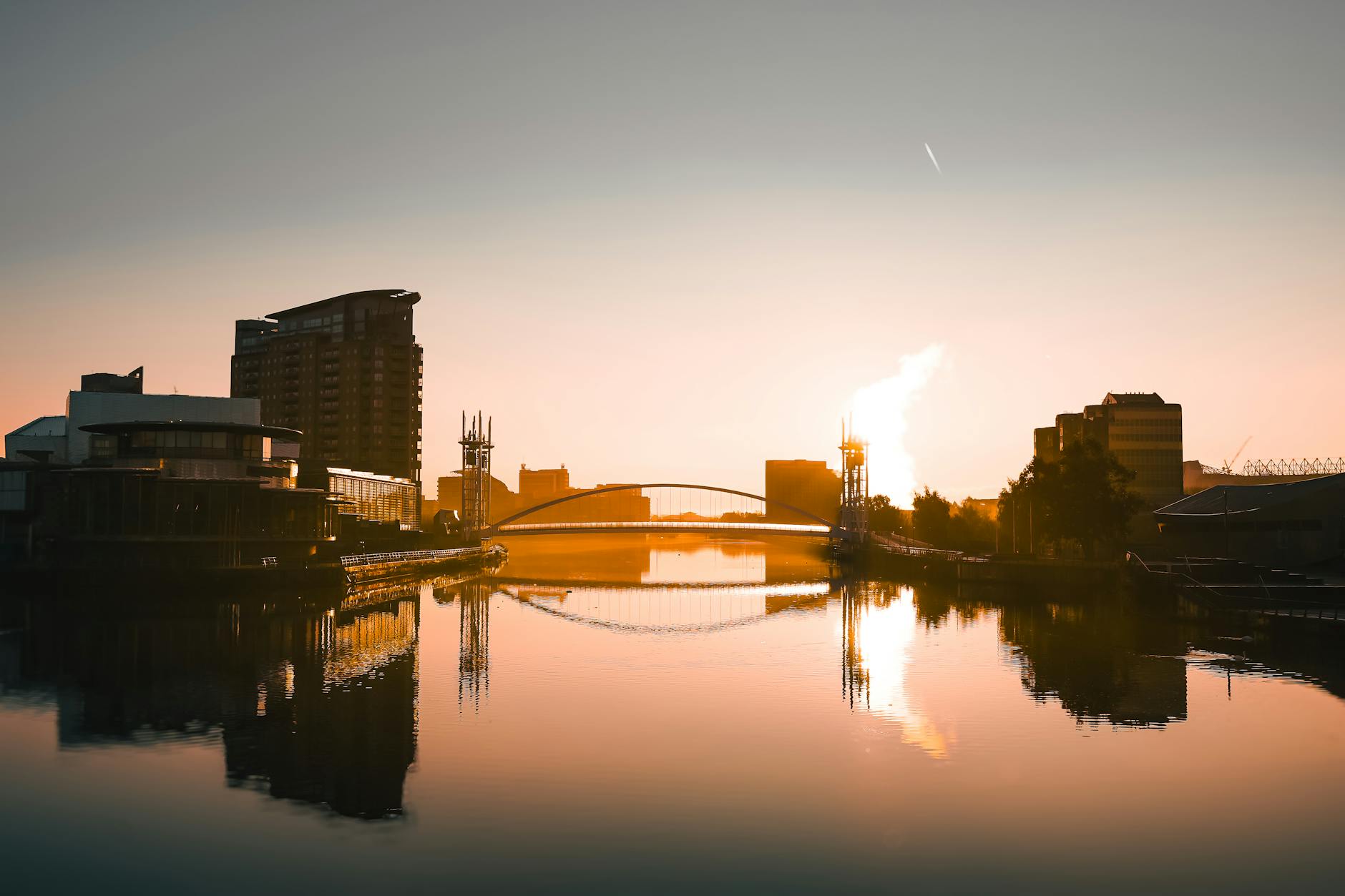
When to order a short-term travel report
A local attendee walking a familiar floor for a few hours may not need a custom Manchester report. A traveler exhibiting, carrying samples, staffing a booth, coordinating colleagues, arriving close to setup, choosing between central and venue-adjacent hotels, or scheduling buyer meetings and dinners around the show should plan more carefully. The report should test the exact venue, hotel candidates, airport or rail arrival, exhibitor access, material handling, daily transfers, networking geography, teardown, current local disruptions, and departure timing.
The value is not a generic event checklist. It is a Manchester operating plan for the trade-show trip: where to stay, how to move materials, when to leave, what transfers are fragile, where not to schedule dinner, and how to keep enough energy for the meetings that justify the trip. In trade-show travel, small logistical mistakes can erase the value of expensive floor time.
- Order when exhibiting, carrying samples, staffing a booth, coordinating colleagues, or meeting buyers raises the stakes.
- Provide venue, hall, setup times, hotel candidates, arrival details, material list, meeting targets, dinners, and departure timing.
- Use the report to protect commercial value rather than merely attending the show.