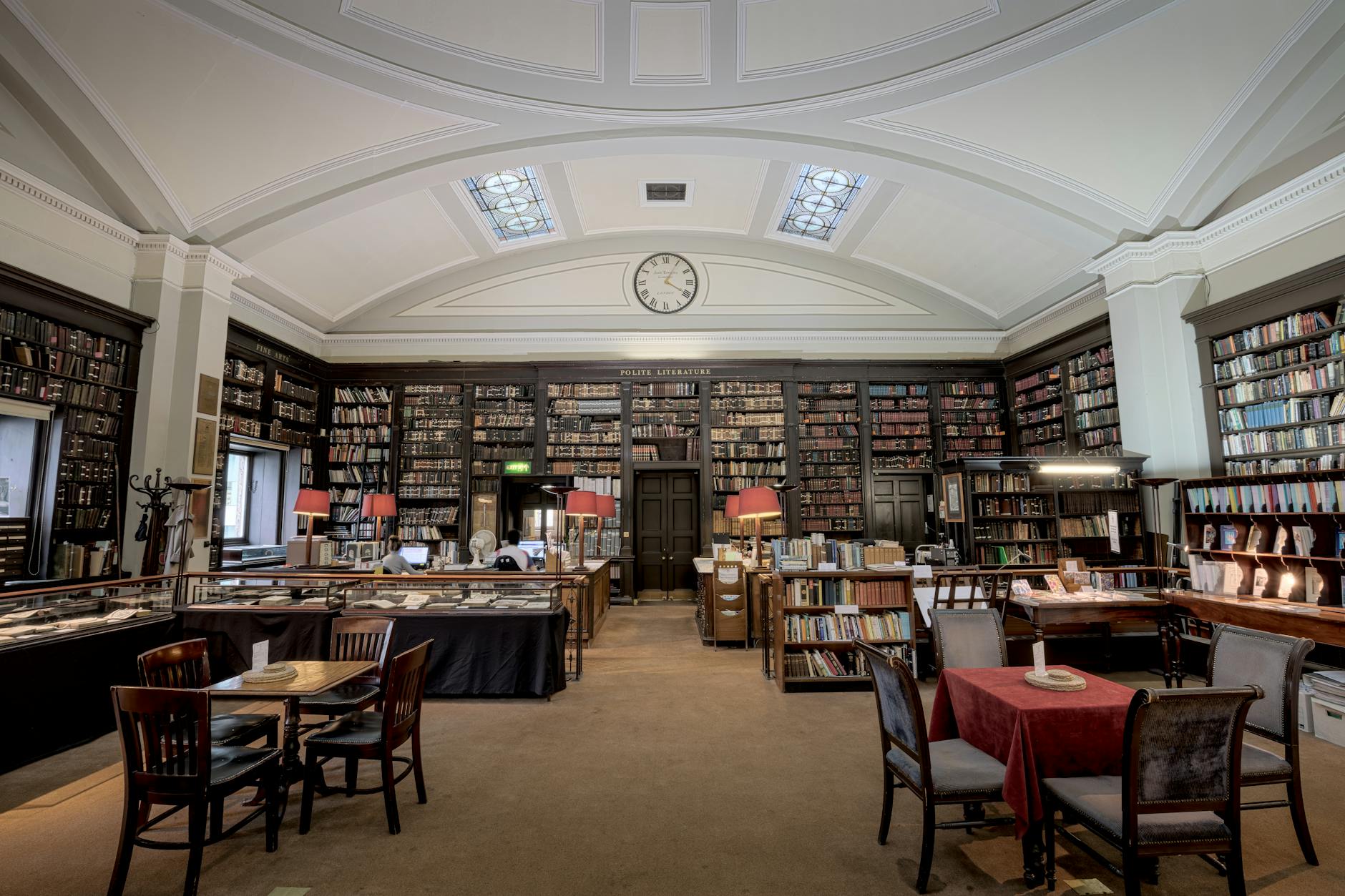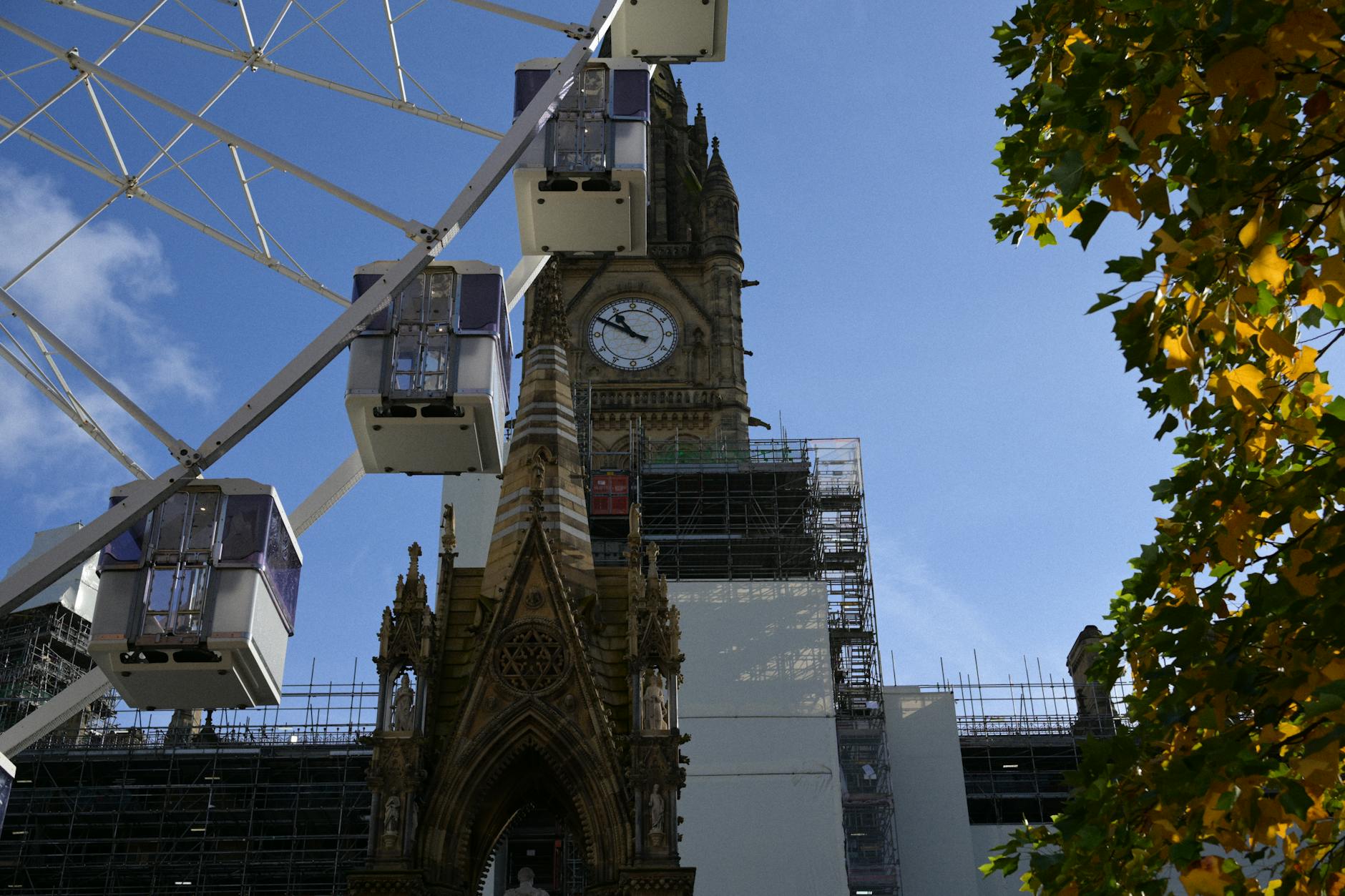
Manchester is a rewarding tourist city when it is treated as a set of connected districts rather than a single list of sights. A short visitor can build a strong trip around the civic core, Central Library, John Rylands Library, Manchester Cathedral, the Northern Quarter, Ancoats, Castlefield, canals, Salford Quays, football history, music venues, shopping streets, museums, and good meals without needing the day to feel like a race. The city is compact enough for curiosity and varied enough to punish poor sequencing. The stronger Manchester tourist plan respects weather, walking surfaces, event surges, hotel placement, tram choices, and the need for warm indoor anchors. It decides which neighborhoods belong together, where to pause, when football or concerts will change crowd patterns, and how to get back to the hotel after a wet or full day. Manchester is at its best when the visitor leaves room to notice the city instead of only checking off names.
Plan by districts, not by sight names
Manchester's tourist sights are close enough to tempt improvisation and spread out enough to make bad sequencing tiring. The civic core, St Peter's Square, Central Library, Manchester Art Gallery, John Rylands Library, Deansgate, Castlefield, the Northern Quarter, Ancoats, Chinatown, Salford Quays, and football sites do not all belong in one loose walking day. A visitor who keeps crossing the city for isolated stops may see more names and less Manchester.
A better plan gives each day a shape. The civic core can pair with libraries, galleries, Deansgate, and an evening meal. The Northern Quarter and Ancoats can carry cafes, shops, street art, music history, and a slower wander. Castlefield and canals can pair with a museum or waterside walk. Salford Quays works best when the tram plan is clear. Football sights deserve their own timing rather than being squeezed into the edge of an already full day.
- Group the civic core, Deansgate, Northern Quarter, Ancoats, Castlefield, Salford Quays, and football sites by real route logic.
- Build each day around one primary district plus nearby optional stops.
- Avoid a scattered checklist that spends the best hours crossing the city.
Choose a hotel for evenings and weather
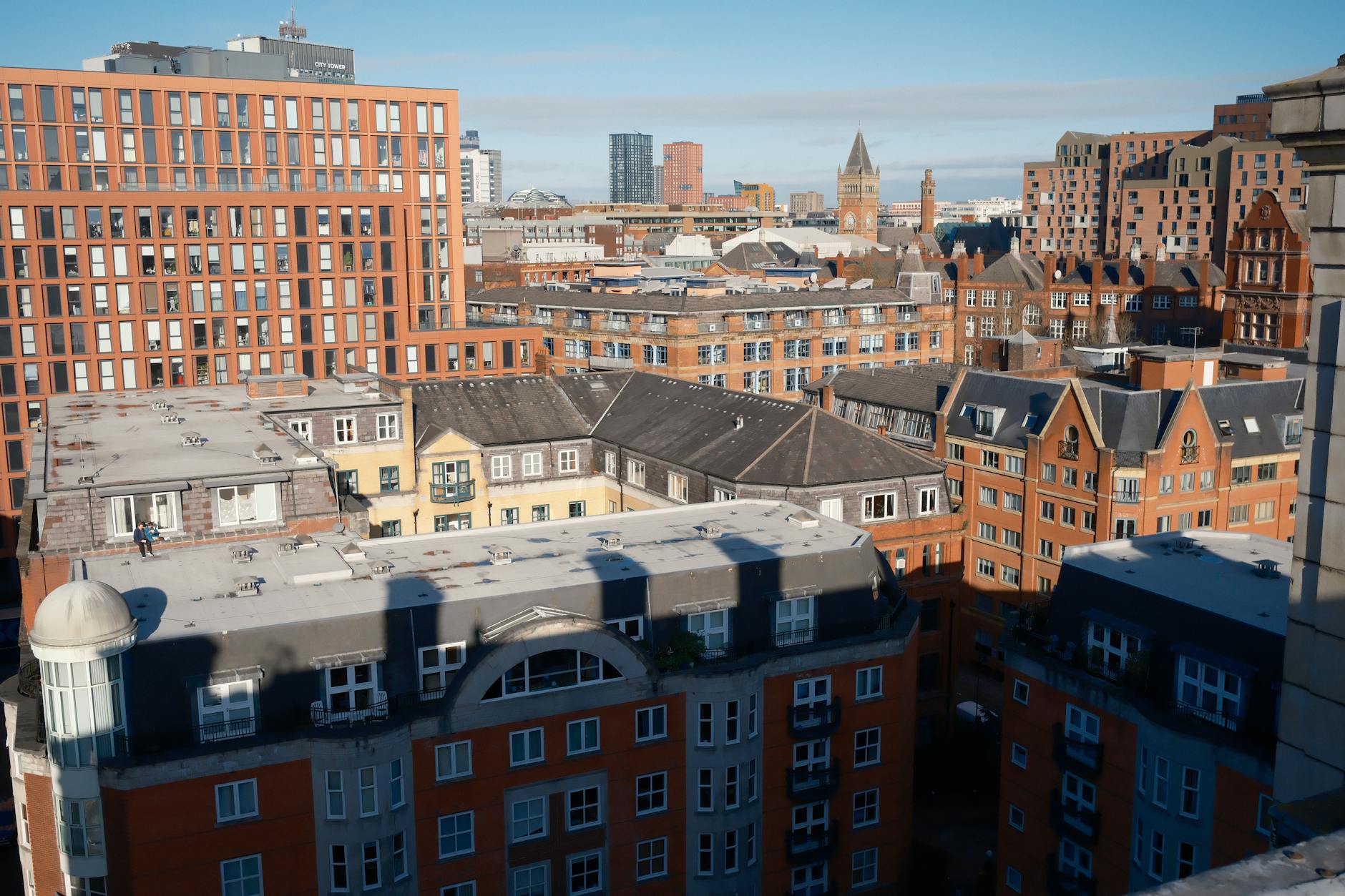
A Manchester tourist hotel should be chosen for the whole day, not only the first morning. City centre, St Peter's Square, Deansgate, Piccadilly, the edge of the Northern Quarter, and Salford Quays can all be useful, but they create different evenings, food options, tram habits, taxi pickup points, and rainy-day returns. A central label is not enough. The final street, nearby meals, quiet sleep, and route back after dinner matter.
For classic first-time sightseeing, a base near the civic core, Deansgate, or St Peter's Square can make libraries, galleries, cathedral, shopping, and meals easier. For a waterside or MediaCity-heavy trip, Salford Quays may be practical. For nightlife, music, or creative districts, the Northern Quarter or Ancoats edge can work if the traveler is comfortable with the evening route. The best hotel is the one that makes a wet, tired return feel simple.
- Choose the base after mapping the first two days and the likely evening districts.
- Check food, tram stops, taxi pickup, noise, and the final walk before trusting a central location.
- Use Salford Quays, Deansgate, Piccadilly, St Peter's Square, or Northern Quarter logic only when it fits the actual trip.
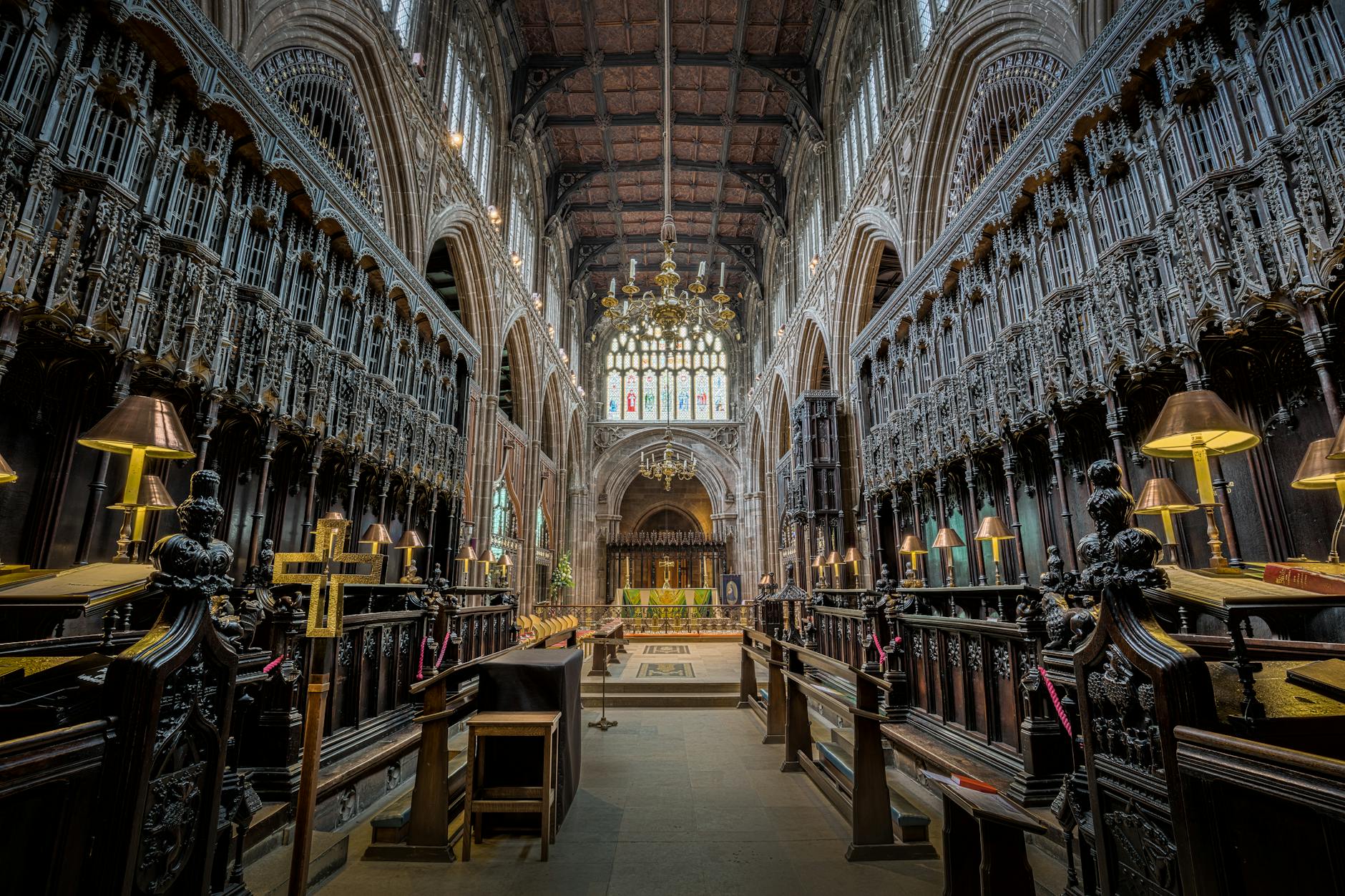
Use libraries, cathedral, and museums as anchors
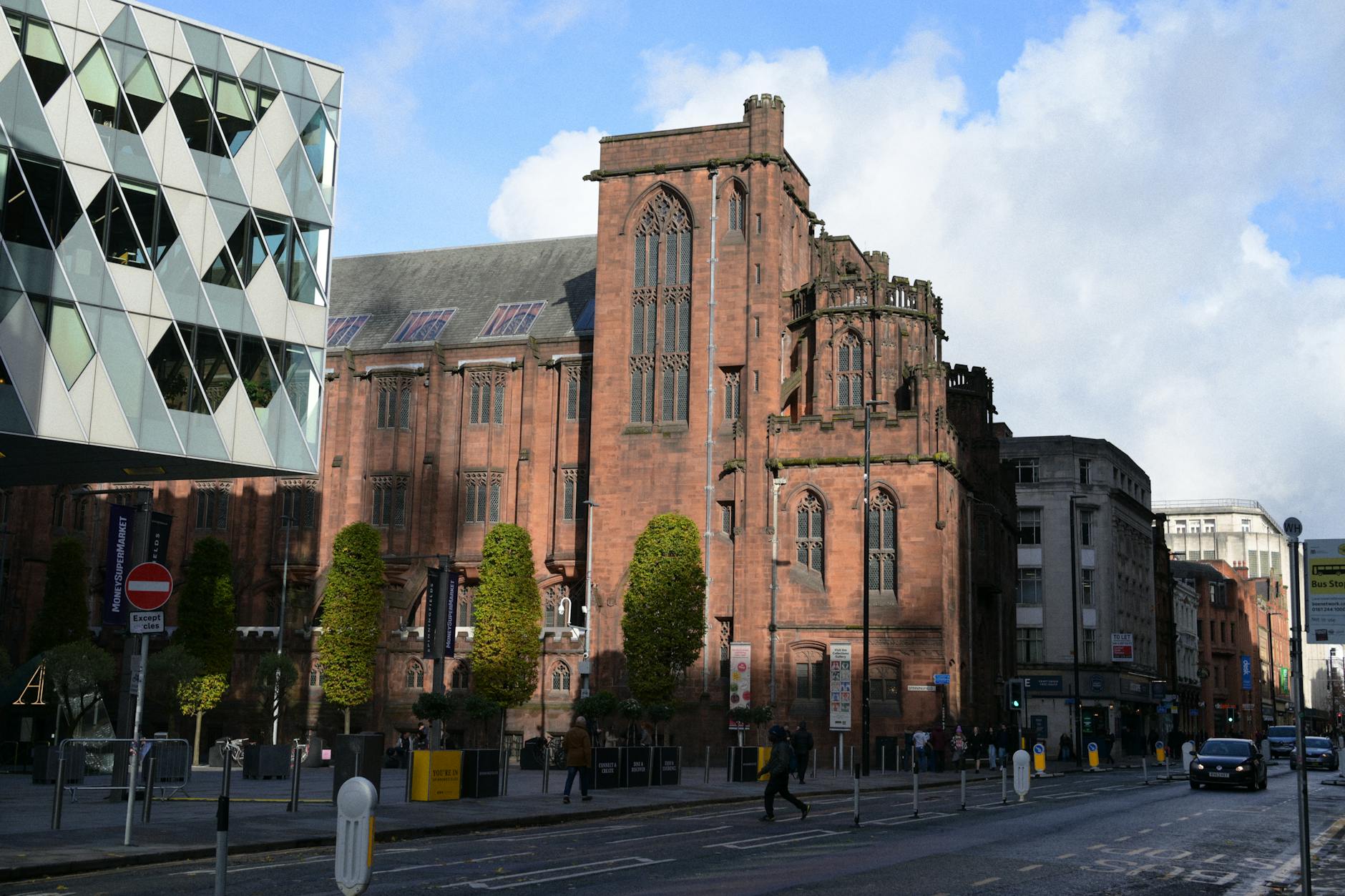
Manchester's indoor cultural anchors are more than rainy-day substitutes. Central Library, John Rylands Library, Manchester Cathedral, Manchester Art Gallery, the Science and Industry Museum, and smaller galleries can structure a day without making it feel dull. These places give the visitor architecture, history, warmth, seating, bathrooms, and a reason to slow down. They also help keep the trip from becoming only shops, meals, and street photos.
The key is not to stack every indoor sight. Pick the anchor that fits the district and build around it. A John Rylands or Deansgate block can lead naturally into Castlefield or a meal. Central Library and the civic core can pair with Manchester Art Gallery or an evening performance. Cathedral and the older centre can sit with a short shopping or riverfront route. Manchester rewards depth more than a rapid sweep through every interior.
- Use Central Library, John Rylands, Manchester Cathedral, galleries, and museums as route anchors.
- Pair each indoor stop with nearby food, walking, or a simple return route.
- Avoid turning the city into a rushed sequence of interiors with no time to absorb them.
Give canals and Salford Quays their own rhythm
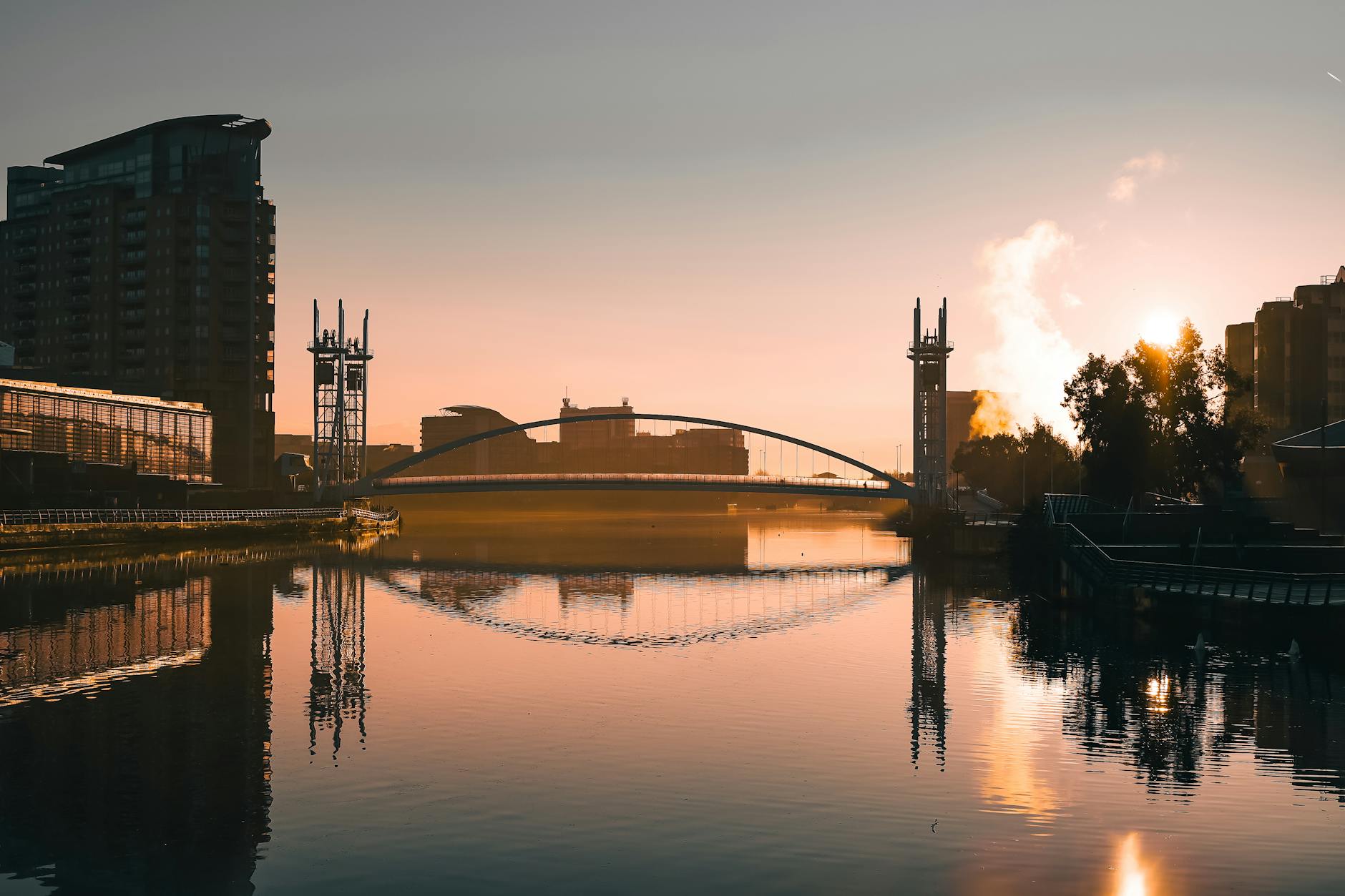
Castlefield, canals, bridges, converted warehouses, and Salford Quays can make a Manchester tourist trip feel more spacious, but they should not be treated as incidental connectors between unrelated sights. The routes can be beautiful, especially in good light, but rain, wind, low light, construction, uneven surfaces, and distance can change the experience quickly. A canal walk that feels atmospheric in the afternoon may feel like the wrong route after dinner.
Salford Quays and MediaCity are easiest when planned as a block with tram timing, food, weather, and return in mind. A visitor can use the waterfront for a slower reset, a museum or gallery visit, an architecture walk, or a sunset view. The point is to make the waterside part of the day, not the accidental long way back to the hotel.
- Treat Castlefield, canals, bridges, and Salford Quays as planned blocks rather than filler.
- Check weather, light, surfaces, tram timing, and the return route before committing to longer waterside walks.
- Use waterfront time for a reset when central streets, shopping, or museums become tiring.
Plan football and event days deliberately
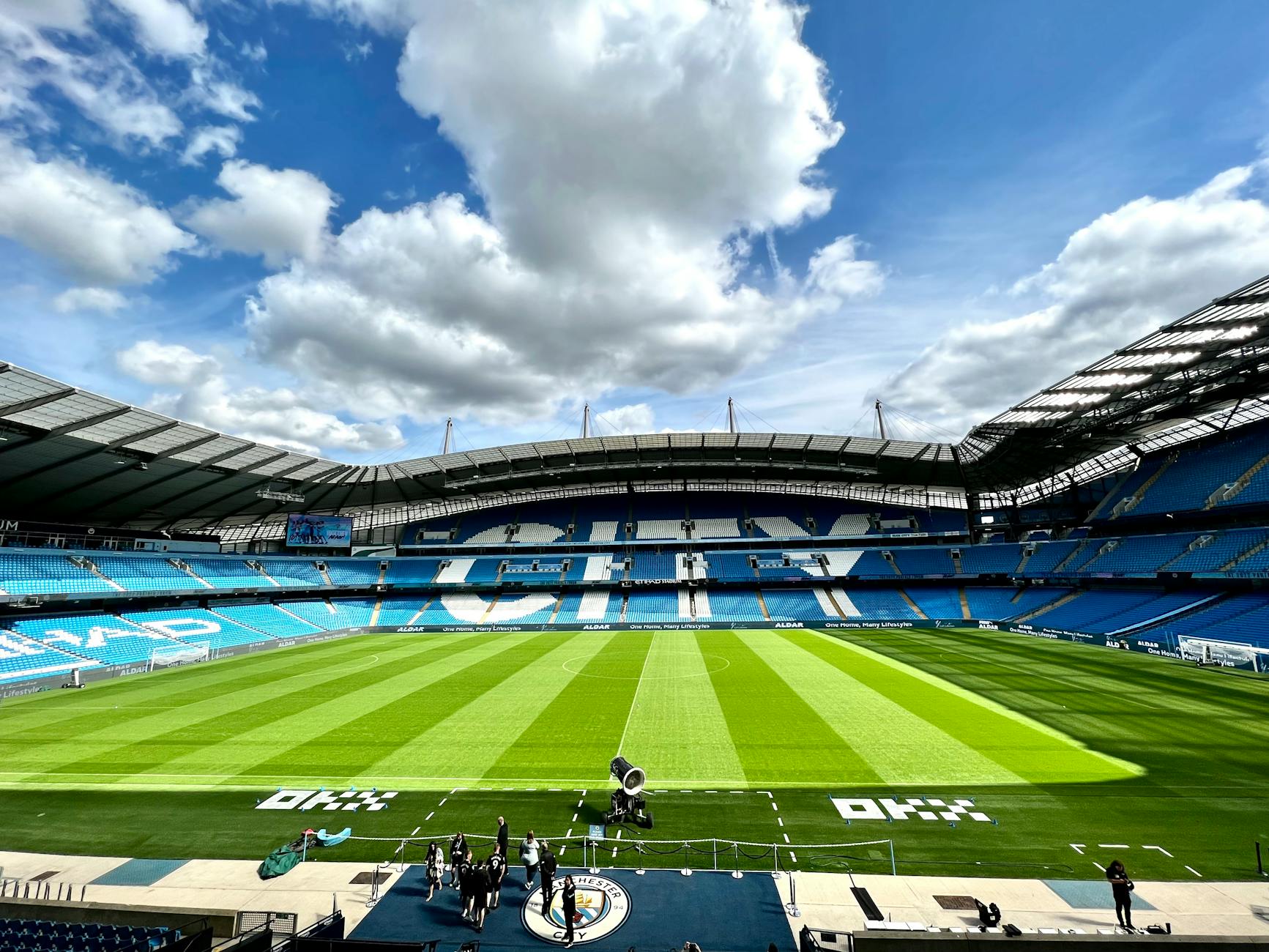
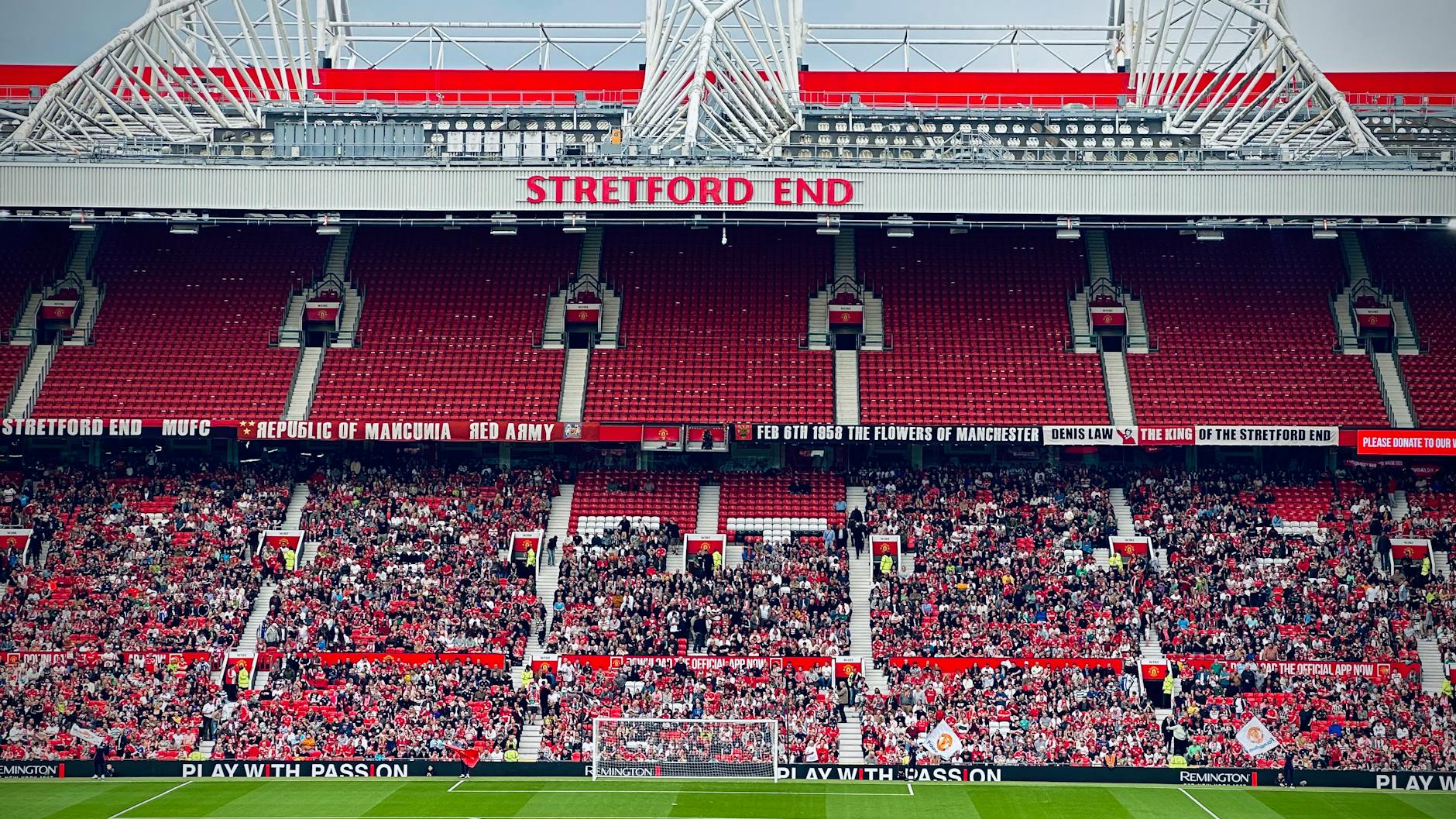
Football is part of Manchester's tourist identity, but it changes the logistics of a short stay. Old Trafford, Etihad Stadium, the National Football Museum, stadium tours, match days, fan crowds, tram pressure, taxi demand, and pub timing all need deliberate thought. A visitor who only wants a stadium tour should plan differently from a visitor attending a match. A visitor who does not care about football should still know when major fixtures may affect transport and hotel rates.
The same principle applies to concerts, conventions, university events, and busy shopping periods. Manchester can absorb crowds, but tourists feel them in tram stops, restaurant availability, road closures, and late returns. A good tourist day checks the event calendar before fixing dinner, tram routes, or a tight airport departure. The goal is not to avoid atmosphere. It is to decide when atmosphere is the point and when it is just friction.
- Separate stadium tours, match attendance, football museums, and fixture-day crowd effects.
- Check concerts, conventions, university events, and shopping surges before locking the day.
- Expect tram, taxi, restaurant, and hotel pressure around major events.
Keep weather, meals, transport, and phone habits practical
Manchester tourists should plan for weather as a normal operating condition, not an emergency. Rain, wind, damp clothing, and colder evenings can change how much walking feels reasonable. Trams are useful, but taxis or rideshare may be the better choice after a full museum day, after shopping, with children, in heavy rain, or late at night. Walking is often rewarding, but it should serve the day rather than prove endurance.
Meals deserve the same practical attention. Know where lunch fits, where dinner is likely, and what the hotel-area fallback is if the group is tired or wet. Keep phone and bag habits disciplined in crowded streets, stadium approaches, tram stops, markets, and busy evening districts. Step aside before reading maps, keep bags zipped, do not leave phones on outdoor tables, and decide the return route before the evening stretches.
- Build rain, wind, warmth, and indoor backups into each tourist day.
- Use trams, taxis, walking, and rideshare according to fatigue, weather, shopping, children, and time of night.
- Control phones and bags in crowded streets, tram stops, stadium areas, markets, and nightlife districts.
When to order a short-term travel report
A repeat visitor with a loose Manchester weekend may not need a custom report. A first visit, short stay, family group, older traveler, medical or mobility constraint, football plan, concert timing, museum interest, bad-weather concern, or uncertainty between city-centre and Salford Quays hotels raises the planning stakes. Manchester is not hard to visit, but a short trip can lose quality quickly when the hotel, weather plan, food geography, and event calendar are not working together.
The report should test the hotel base, arrival route, district sequence, libraries and museum timing, canal and Salford Quays movement, football or event pressure, meal geography, tram and taxi fallbacks, current disruptions, weather implications, and evening returns. The value is not another list of Manchester attractions. It is a practical design for what belongs together, what should be dropped, where to stay, when to rest, and when to spend money to keep the trip coherent.
- Order when hotel choice, short timing, family needs, mobility, football, events, museums, weather, or Salford Quays logistics matter.
- Provide hotel candidates, arrival details, must-see sights, event plans, food interests, pace, budget, and evening needs.
- Use the report to make Manchester coherent rather than merely full.