A religious or pilgrimage trip to Manchester may center on Manchester Cathedral, Salford Cathedral, city-centre churches, a family congregation, mosque visits, Jewish heritage, Sikh, Hindu, Buddhist, Orthodox, Protestant, Catholic, or interfaith appointments, a faith-based conference, a school or parish group, a charitable visit, or private prayer woven into an ordinary short stay. That makes the trip different from ordinary sightseeing. The traveler may care about worship times, dietary needs, modest conduct, photography restraint, Sabbath or festival constraints, group pace, step-free access, and whether the site is functioning as a place of worship when they arrive. Manchester is practical for faith-linked travel, but it is not one compact sacred district. Religious commitments can sit in the city centre, Salford, Cheetham Hill, Rusholme, Didsbury, Longsight, Old Trafford, university areas, suburban communities, or a host's local congregation. A strong plan treats sacred purpose, city movement, weather, meal access, and community boundaries as one problem rather than forcing the traveler to improvise between services and transport.
Name the purpose before the route
Religious travel can look like culture travel from the outside while operating by different rules. One traveler may want to attend a cathedral service, another may be visiting a mosque for Friday prayer, another may be tracing family religious history, and another may be bringing a parish, school, student, or interfaith group through several communities in a short window. A route that only names interesting buildings will miss the commitments that actually matter.
The first planning question should be what must be protected: worship, prayer, silence, heritage research, family ritual, dietary observance, pastoral care, charitable engagement, group education, or a specific community appointment. If the day is devotional, it needs space for reverence. If it is educational, interpretation and access matter more. If the group is mixed, the schedule should not let the fastest walker or least observant participant define the pace for everyone else.
- Clarify whether the trip is worship, pilgrimage, heritage, retreat, interfaith learning, family observance, or group education.
- Separate fixed religious commitments from optional cultural stops before building the day.
- Let prayer, services, meals, mobility, and quiet time shape the route.
Build around Manchester's sacred geography
Manchester's faith geography is wider than the visitor core. Manchester Cathedral, Salford Cathedral, St Ann's area churches, Catholic, Anglican, Free Church, Orthodox, Muslim, Jewish, Sikh, Hindu, Buddhist, university chaplaincy, and charitable settings do not all sit on the same easy walking loop. A traveler may need a city-centre service in the morning, a community visit in north or south Manchester later, and a meal or rest stop between them. That should be planned as a working route, not a hopeful sequence.
Hotel choice should follow the commitment that is hardest to move. A Sabbath or festival need, early service, evening prayer, mobility limitation, family group, halal or kosher meal requirement, or host appointment may matter more than being near the best-known attraction. Manchester's trams, buses, trains, taxis, and walks can combine well, but rain, event crowds, and Sunday or holiday service patterns can make a theoretical route less reliable.
- Map sacred sites, community appointments, meal needs, and rest points before choosing lodging.
- Treat city centre, Salford, north Manchester, Rusholme, Didsbury, Longsight, and outer communities as different movement problems.
- Choose the base near the hardest fixed commitment, not automatically near the most famous site.
Confirm service, visitor, dress, and photography rules
Faith sites can function as worship spaces, visitor attractions, heritage buildings, concert venues, schools, charities, and community anchors in the same week. A cathedral, church, mosque, synagogue, temple, gurdwara, chapel, cemetery, museum, or faith-based organization may have service windows, visitor hours, bag checks, donation expectations, ticketing, restricted areas, dress expectations, photography limits, or closures for funerals, holidays, private ceremonies, security issues, or restoration work.
The traveler should verify directly before depending on a site. Modest clothing, a quiet phone policy, conservative photography, and a backup plan are basic respect. A tourist photo of stonework is one thing; photographing worshippers, children, clergy, private prayer, security-sensitive entrances, or vulnerable people connected to a charity is another. The rule should be simple: living religious practice is not scenery.
- Check service times, visitor hours, bags, entry procedures, dress expectations, donations, and photography limits.
- Build backups for funerals, holidays, private events, closures, restoration, and security changes.
- Avoid photographing worshippers, children, clergy, private prayer, or sensitive community activity without permission.
Plan meals, holidays, and interfaith needs
Manchester can support many religious and dietary needs, but support is not evenly distributed around every sacred site or available at every hour. A traveler may need halal, kosher, vegetarian, vegan, alcohol-free, fasting-aware, family-style, or simple predictable meals near the actual route. Rusholme and other food corridors may be useful for some needs, while other requirements may depend on specific neighborhoods, host advice, or advance reservations.
Holidays change the logic further. Ramadan, Eid, Easter, Christmas, Diwali, High Holy Days, Sikh festivals, major cathedral services, university terms, football matches, and bank holidays can affect crowds, transport, restaurants, security, and opening hours. Interfaith or community visits also need preparation around dress, language, gendered spaces, identification, appointment timing, and whether visitors observe or participate. A plural city does not mean every community is open for drop-in observation.
- Map halal, kosher, vegetarian, fasting-aware, and family-suitable meals near the actual religious route.
- Check how holidays, festivals, university terms, match days, and service windows affect the day.
- Ask active communities about dress, language, gendered spaces, appointment rules, and participation boundaries.
Protect groups, elders, children, and mobility
Pilgrimage and religious travel often includes mixed-capacity groups: older relatives, children, clergy, students, visitors with mobility limitations, or travelers managing medication, fatigue, sensory needs, grief, or dietary restrictions. Manchester's rain, stone thresholds, stairs, tram platforms, bus waits, security queues, uneven pavements, and crowded event periods can make a short religious day harder than it looks on a map. The plan should name those limits openly.
A taxi from the hotel to a service, a shorter walking loop between city-centre sites, a planned rest stop, or a slower return after a personally important visit may protect the purpose of the trip better than an ambitious route. Group leaders should decide where people gather, where toilets are available, who manages tickets or donations, how children are supervised, and what happens if one person needs to leave early.
- Plan for stairs, rain, uneven pavements, queues, toilets, seating, tram platforms, and mixed mobility.
- Use taxis, shorter loops, or scheduled rests when they preserve the group's purpose and dignity.
- Set group meeting points, supervision roles, bathroom plans, and early-exit options before the day starts.
Leave room for prayer, silence, and sensitivity
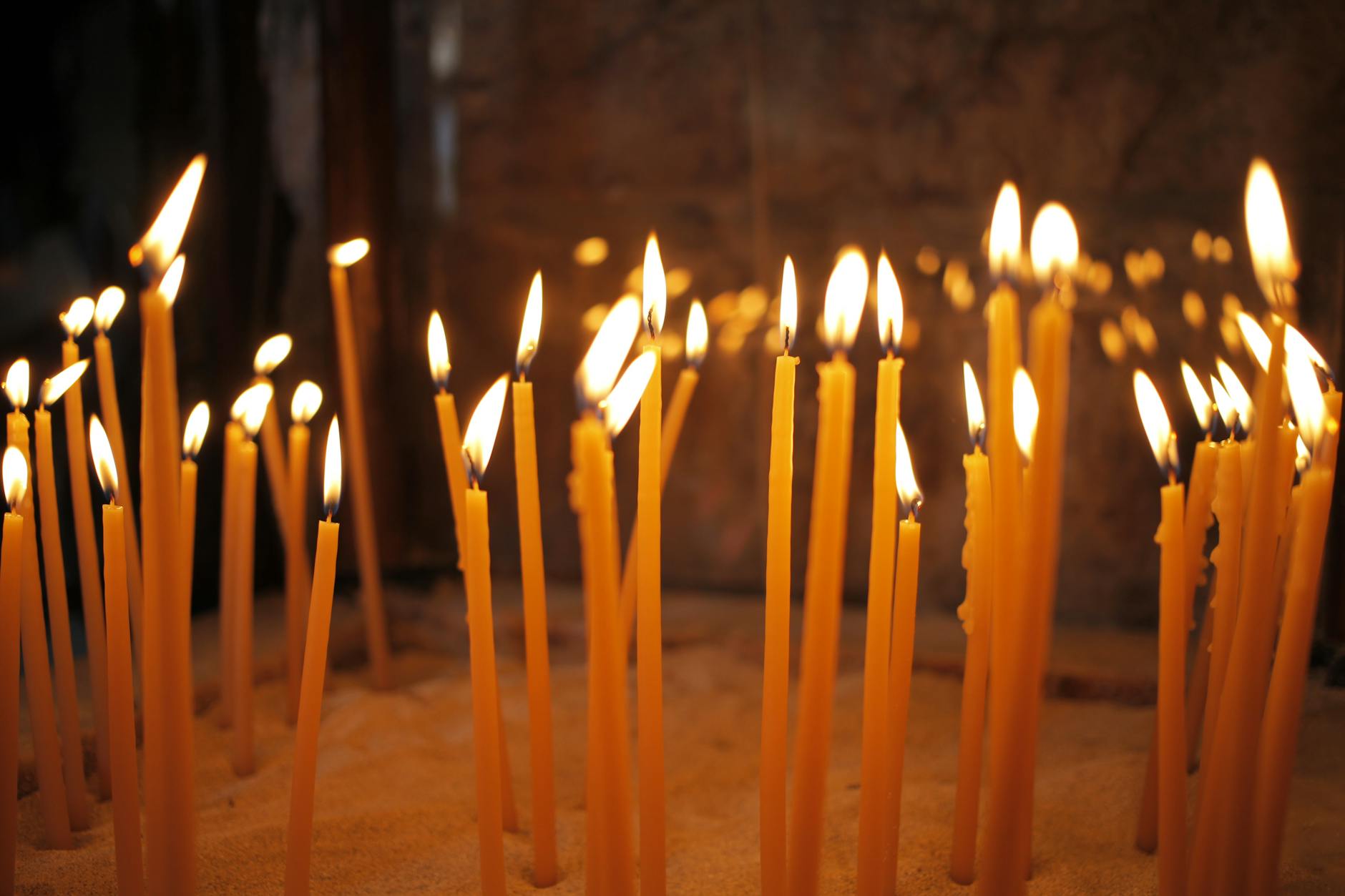
A Manchester religious itinerary can become hollow if every sacred stop is timed like a museum. Travelers may need time to attend a service, pray quietly, light a candle, sit with grief, speak with a clergy member, journal, or simply slow down after a personally important visit. That time is easy to erase when the day is packed with restaurants, museums, football traffic, shopping streets, and transport connections. A pilgrimage does not need to be slow everywhere, but it should be slow somewhere.
Sensitivity also matters outside the site itself. Visible religious identity, political demonstrations, international events, security checks, or local tensions can affect how exposed a traveler feels. The answer is steady awareness, not alarm: check current conditions, avoid demonstrations unless attendance is intentional, use reliable transport late, and follow local host advice. Religious respect includes how the traveler moves through the city after leaving the sacred space.
- Protect time for worship, prayer, candles, silence, journaling, pastoral contact, or personal reflection.
- Check current events, demonstrations, and security notices around visible religious identity or high-profile sites.
- Use local host advice and conservative movement choices when religious context makes the day more sensitive.
When to order a short-term travel report
A simple visit to Manchester Cathedral or one arranged service may not need a custom report. A religious or pilgrimage traveler should consider one when the trip includes fixed worship times, several sacred sites, a parish or school group, older travelers, mobility constraints, dietary requirements, Sabbath or fasting limits, a festival date, interfaith meetings, private appointments, security sensitivity, or a site that carries special family or spiritual meaning. Those trips need more than a list of churches.
The report should test the sacred-site sequence, hotel base, service windows, tram, bus, walking, and taxi logic, meal access, holiday effects, dress and etiquette rules, group movement, weather exposure, current disruption, security posture, accessibility, and backup plans. The value is a Manchester plan that respects both religious purpose and the ordinary mechanics of the city, so the traveler is not forced to choose between reverence and practicality.
- Order when worship times, dietary rules, group needs, mobility, holidays, interfaith visits, or several sacred sites add complexity.
- Provide faith needs, must-visit sites, service requirements, dates, group composition, mobility limits, and meal requirements.
- Use the report to protect reverence, access, timing, physical comfort, and respectful backup options.