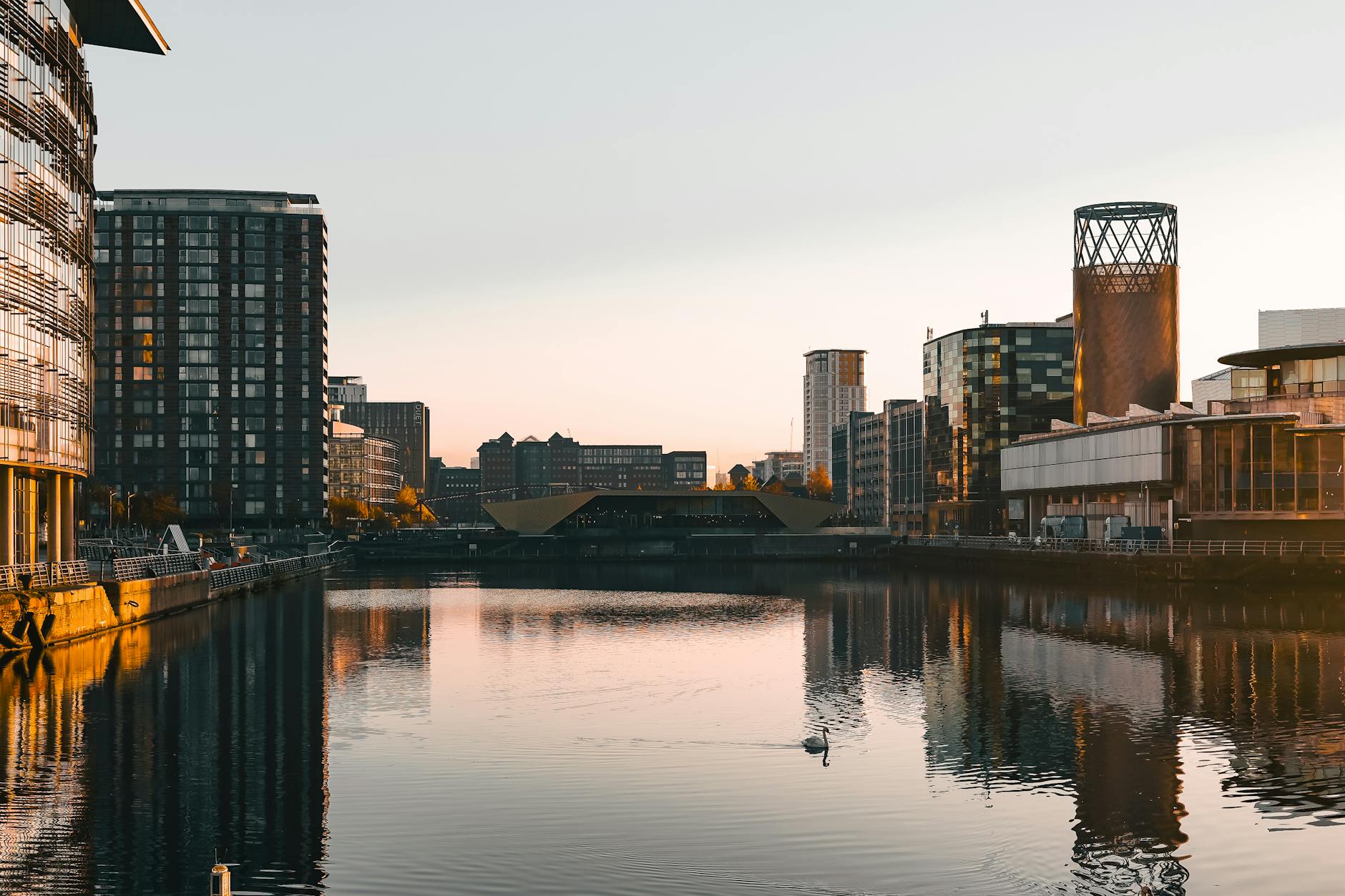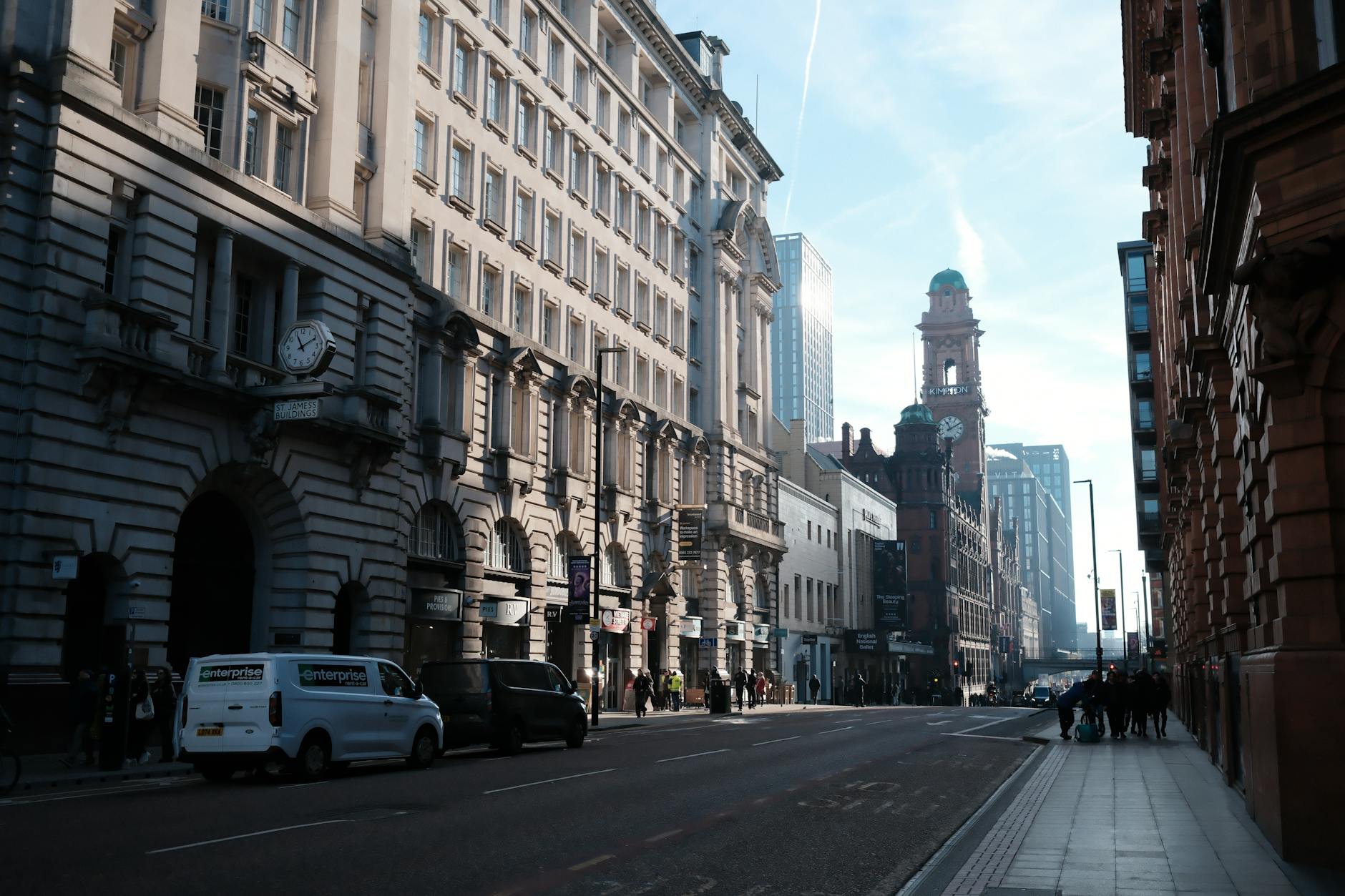
Manchester can be a good short-trip city for older travelers because many rewarding parts of the visit are close together: civic buildings, libraries, canals, galleries, restaurants, music history, and Salford Quays. The challenge is that closeness on a map does not remove stairs, rain, uneven canal paths, busy tram platforms, late restaurant timing, or the fatigue that follows an airport or rail arrival. A strong plan lets the traveler enjoy Manchester without turning every day into a stamina test. The right base, realistic routes, medical fallback, weather discipline, and quiet recovery windows matter more than a long list of places.
Start with the real walking day
Manchester looks compact, but an older traveler should plan by the real walking day, not by mapped distance. A route from hotel to library, gallery, lunch, canal walk, tram stop, and dinner may look gentle until weather, crossings, stairs, cobbles, crowds, and fatigue are added. The city is manageable when the day has one demanding block and several easy transitions. It becomes harder when every short segment is stacked without rest.
The practical approach is to identify the hardest movement before building the itinerary. That may be airport arrival, a walk along Castlefield, a transfer to Salford Quays, a football or concert crowd, or a late return from dinner. Once that movement is protected, the rest of the day should be designed to preserve energy rather than prove that every neighborhood can be reached.
- Plan by total walking, stairs, surface quality, weather, and fatigue, not just distance.
- Use one demanding activity or route per day, then surround it with easier choices.
- Shorten the route before tiredness becomes the main memory of the trip.
Choose the hotel for access first
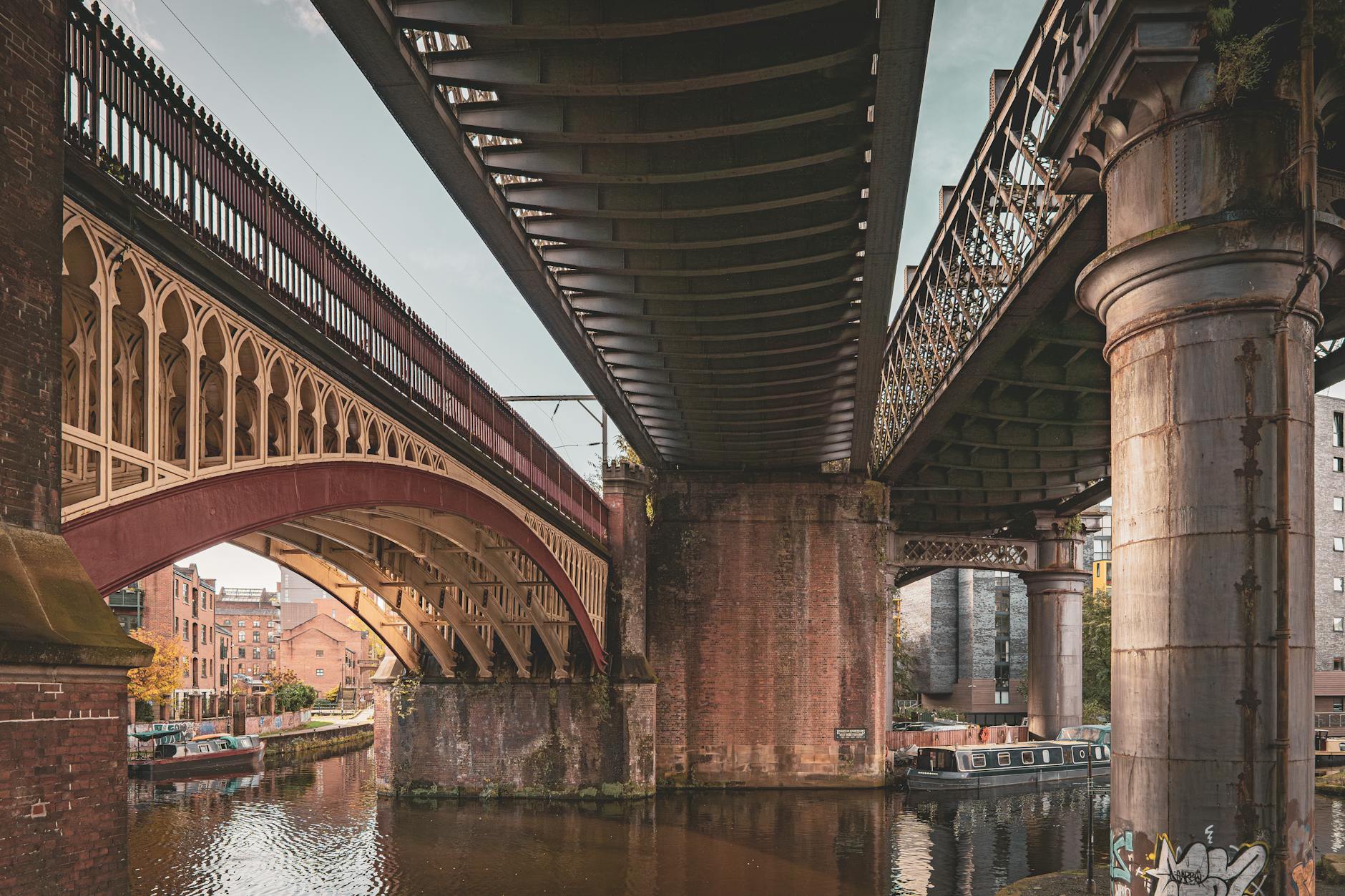
Older travelers should choose a Manchester hotel for access before charm. The most useful hotel is not always the prettiest or cheapest one. It is the hotel with reliable lift access, a quiet room, easy taxi pickup, predictable breakfast, nearby meals, luggage help, and a location that reduces repeated transfers. A beautiful neighborhood can become a poor choice if every day begins with awkward stairs, long crossings, or a confusing final walk.
For many short visits, a central base near St Peter's Square, Deansgate, Piccadilly, or a known tram stop can work well. If the trip centers on Salford Quays, the waterfront may be appropriate, but it should be chosen deliberately. The hotel should make recovery easy: a place to return between activities, not just a bed at the end of a long day.
- Prioritize lift access, quiet rooms, nearby meals, taxi pickup, breakfast, and luggage help.
- Choose the base by repeated daily movement, not by brochure appeal alone.
- Use the hotel as a recovery point between blocks when the trip is short but full.
Make arrival deliberately low-strain
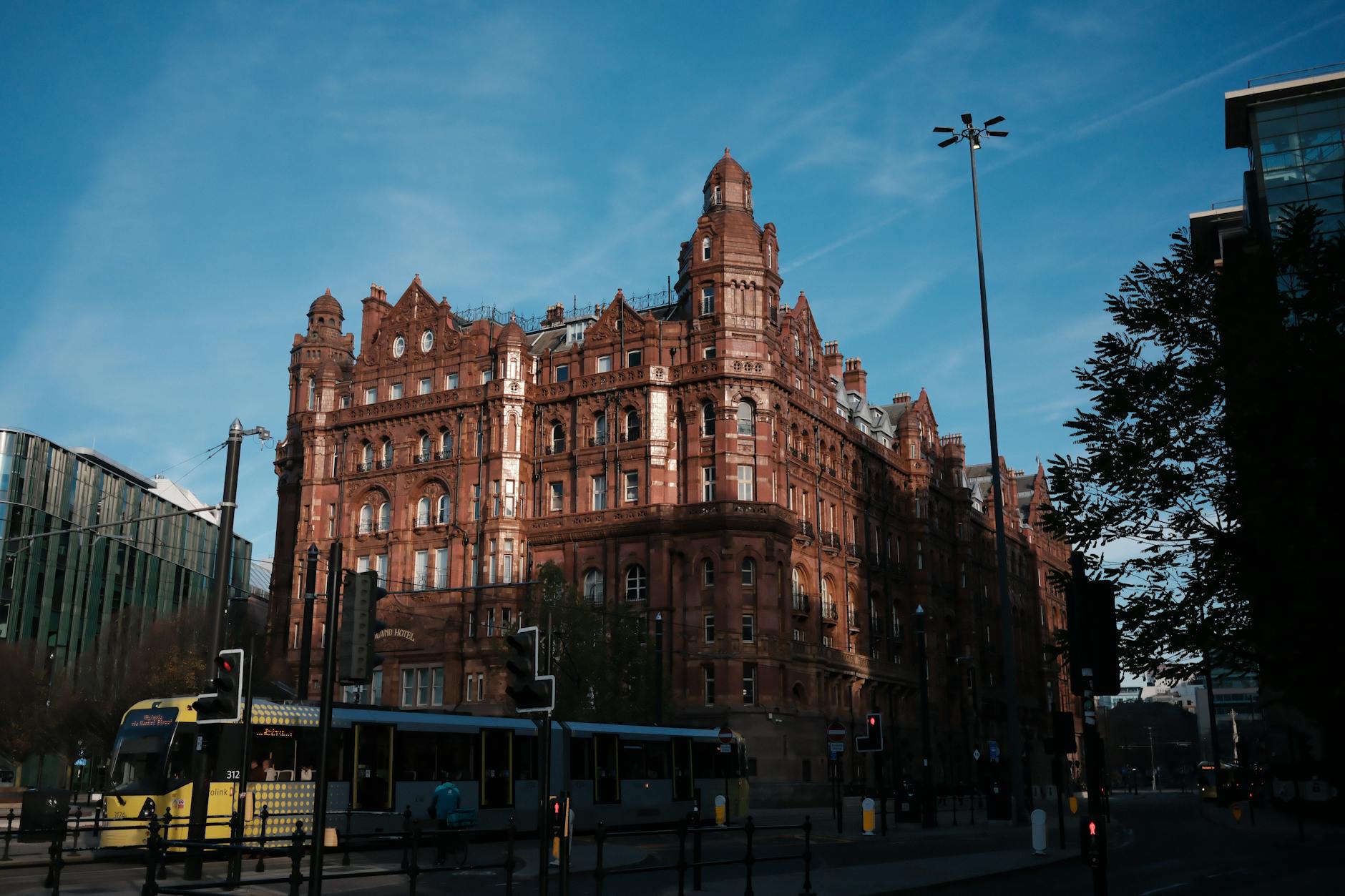
Arrival is where many older travelers lose the margin they need for the rest of the visit. Manchester Airport, Piccadilly Station, taxis, rail links, tram platforms, luggage handling, and hotel check-in can all be straightforward, but they still take energy. A late arrival, long immigration line, heavy bag, rain, or first unfamiliar street can make the first evening feel harder than planned.
The arrival day should be intentionally simple. Decide before travel whether the first transfer is by train, taxi, car service, or hotel-arranged pickup. Know whether luggage can be stored before check-in. Keep dinner near the hotel unless the traveler has energy to spare. A successful arrival in Manchester is not ambitious. It is calm, seated when possible, and designed to leave enough strength for the first full day.
- Choose airport or rail transfer by luggage, weather, mobility, and arrival time.
- Confirm check-in, luggage storage, and a nearby first meal before travel day.
- Keep arrival evening modest so the first full Manchester day starts with energy.

Use trams, taxis, and walks selectively
Manchester's tram network can be helpful, but older travelers should use it selectively. The tram may solve a Salford Quays, Deansgate, or city-centre movement, yet the full route includes walking to the stop, waiting, boarding, crowding, weather exposure, and the walk at the other end. Taxis can be the better choice when luggage, rain, evening timing, or fatigue makes the public-transport version too demanding.
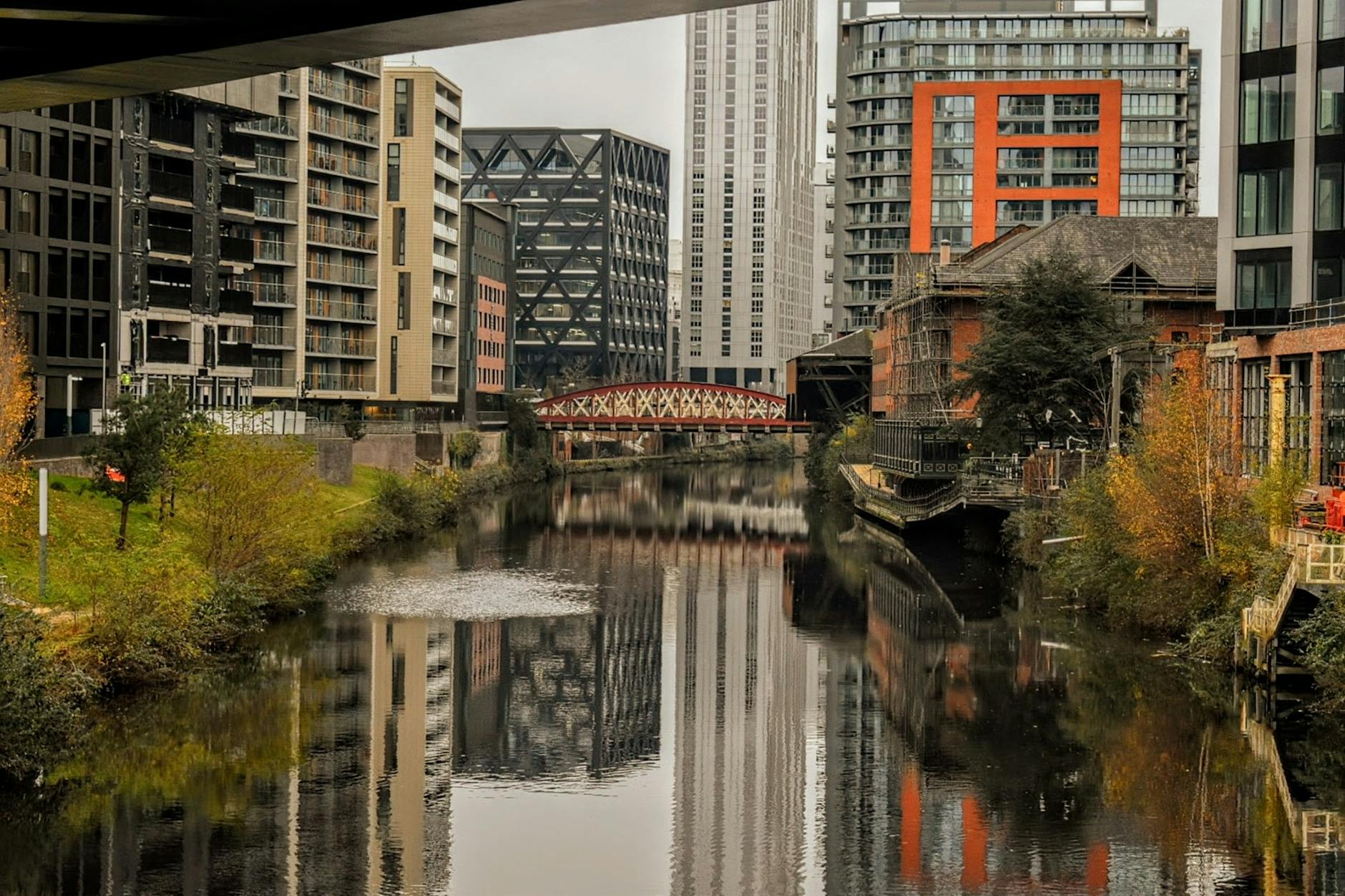
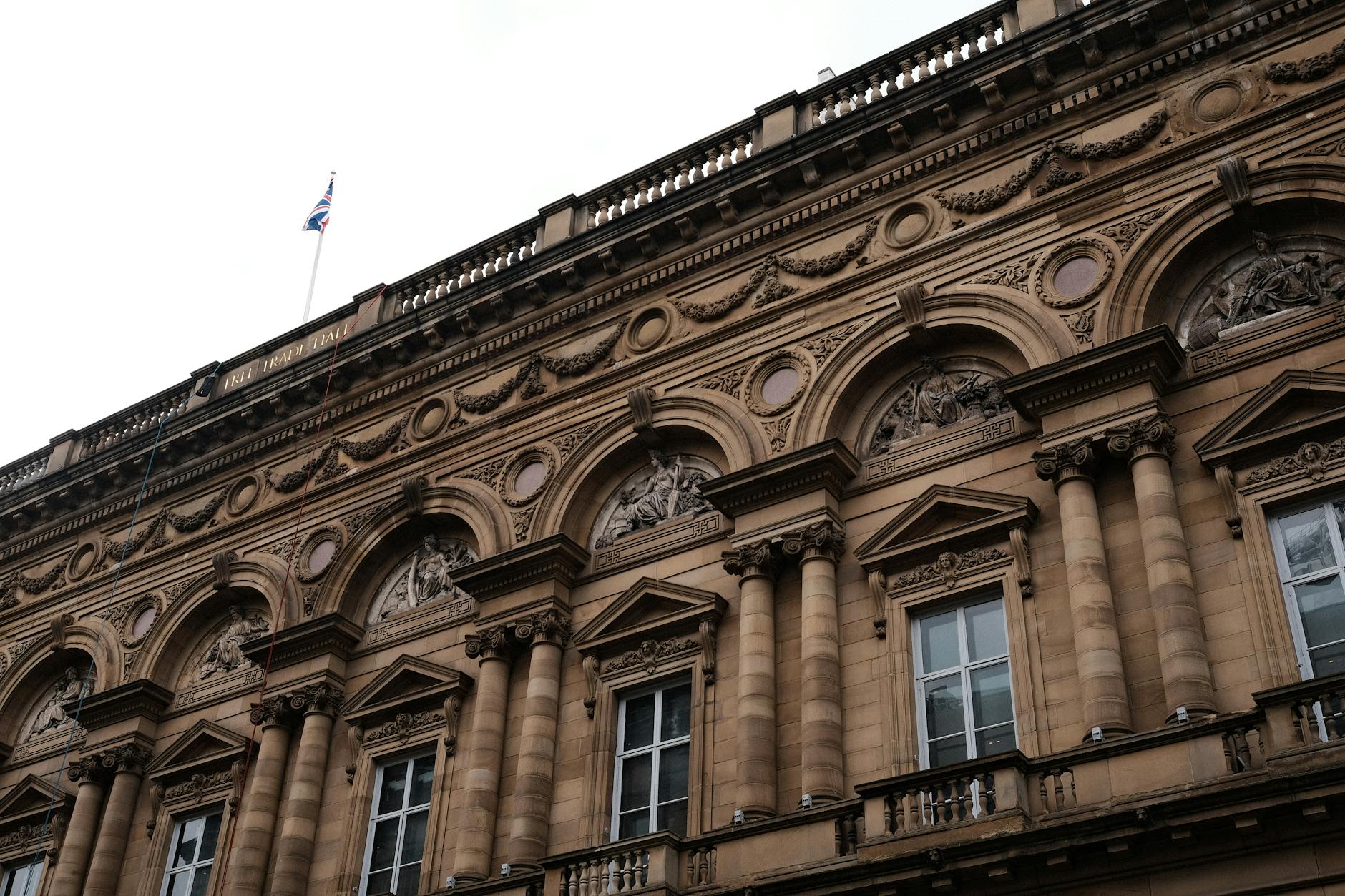
Walking is still part of the pleasure of Manchester, especially around libraries, civic streets, and canals, but it should be chosen rather than assumed. A canal path or riverside route can be rewarding in good conditions and less comfortable in wet, windy, or low-light conditions. The best plans name the easy walking sections and use transport for the parts that would drain the traveler before the day has properly begun.
- Judge tram journeys by the full door-to-door route, not only the ride itself.
- Use taxis when weather, luggage, evening returns, or fatigue make public transport fragile.
- Keep scenic walks optional when surfaces, rain, or low light would make them harder.
Build days around rest, meals, and weather
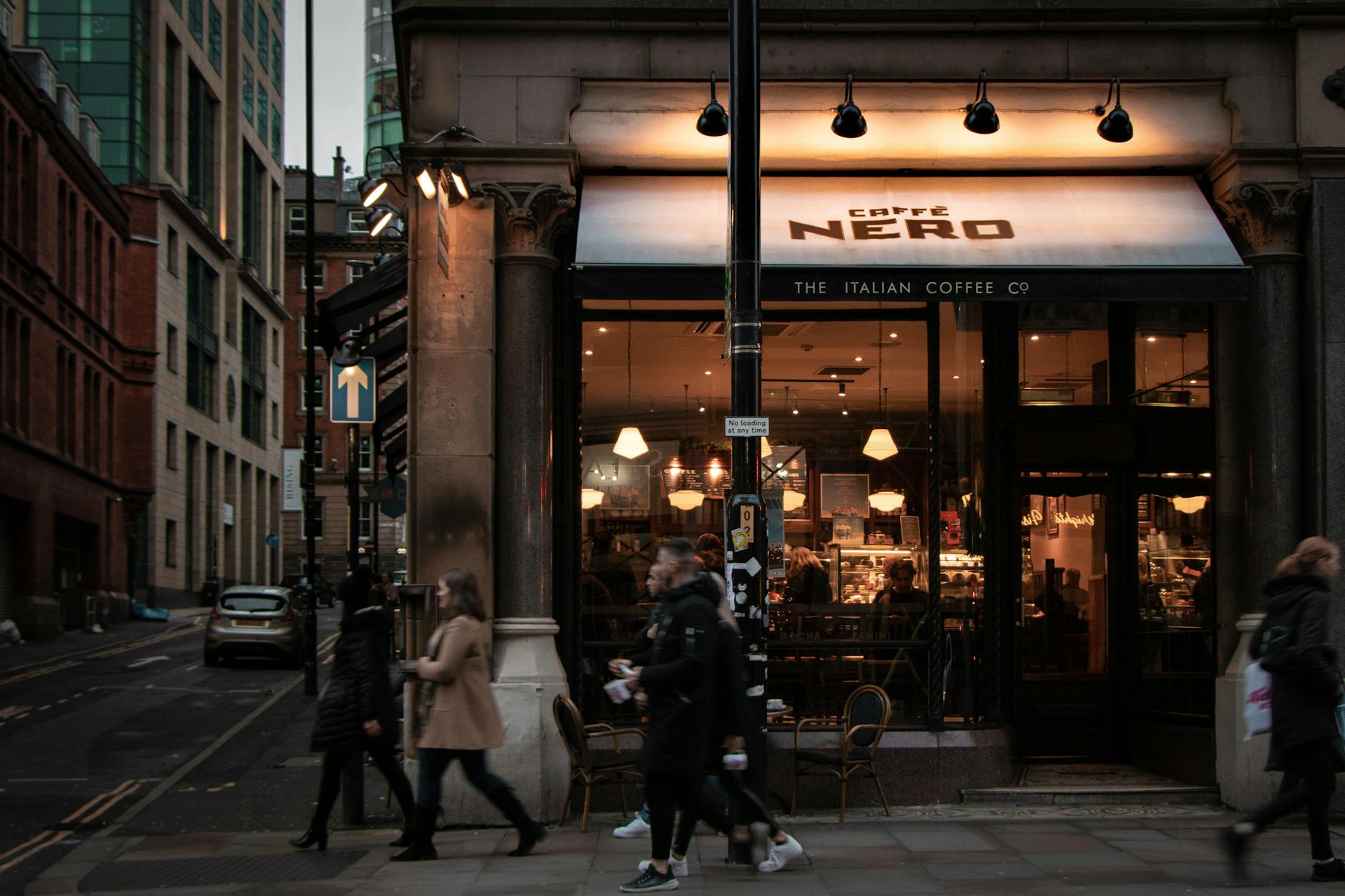
Older travelers often have a better Manchester visit when the day is structured around rest and meals as seriously as landmarks. The city has good indoor anchors, including libraries, galleries, cafes, restaurants, and museums, which can make a short trip comfortable even when the weather changes. The plan should not depend on walking outdoors for hours because the forecast looked acceptable the night before.
Meal timing matters too. A traveler managing medication, energy, or digestion should not rely on a late, crowded dinner after a long day. Build the route around seated breaks, bathrooms, hydration, and nearby food. Manchester can support relaxed travel, but only if the itinerary leaves space to sit down before the traveler needs to.
- Place seated breaks, bathrooms, hydration, and meals into the day before adding extra stops.
- Use libraries, galleries, cafes, and museums as weather-proof anchors.
- Avoid late or crowded meals when medication, sleep, or energy timing would suffer.
Keep medical continuity quiet but explicit
Medical planning does not need to dominate a Manchester trip, but it should be explicit. Older travelers should carry medication in hand luggage, keep a medication list and doctor contact details accessible, know the nearest pharmacy to the hotel, and understand when travel insurance or private medical support should be used. If the traveler has mobility limits, heart or respiratory concerns, diabetes, dietary needs, or fatigue sensitivity, the itinerary should reflect that from the beginning.
The goal is not to make the trip anxious. It is to remove avoidable uncertainty. Manchester has urban services, but an unfamiliar city is still more difficult when someone is tired, unwell, or separated from documents. A good plan keeps essentials close, avoids overlong days, and gives the traveler permission to stop early without feeling that the trip has failed.
- Carry medication, prescriptions, insurance details, and emergency contacts in accessible hand luggage.
- Know the nearest pharmacy and realistic medical fallback before it is needed.
- Adapt walking, meal timing, and evening plans to actual health needs, not ideal energy.
When to order a short-term travel report
An older traveler with a central hotel, relaxed timing, good mobility, and a modest wish list may not need a custom Manchester report. A report becomes useful when the trip includes tight arrival or departure timing, multiple districts, mobility limitations, medication or dietary needs, older companions with different stamina levels, football or concert crowds, Salford Quays transfers, a desire to include canals and libraries, or anxiety about weather and evening returns.
The report should test hotel access, arrival transfer, daily walking load, tram and taxi choices, rest breaks, meal timing, pharmacy and medical fallbacks, weather alternatives, event pressure, evening return routes, and what to omit if energy changes. The value is a Manchester visit that feels rich without asking the traveler to spend the whole trip managing strain.
- Order when mobility, medication, stamina, event crowds, or mixed traveler needs make the route fragile.
- Provide hotel candidates, arrival details, walking tolerance, medical constraints, meal needs, and must-see priorities.
- Use the report to preserve comfort and confidence while still seeing Manchester well.