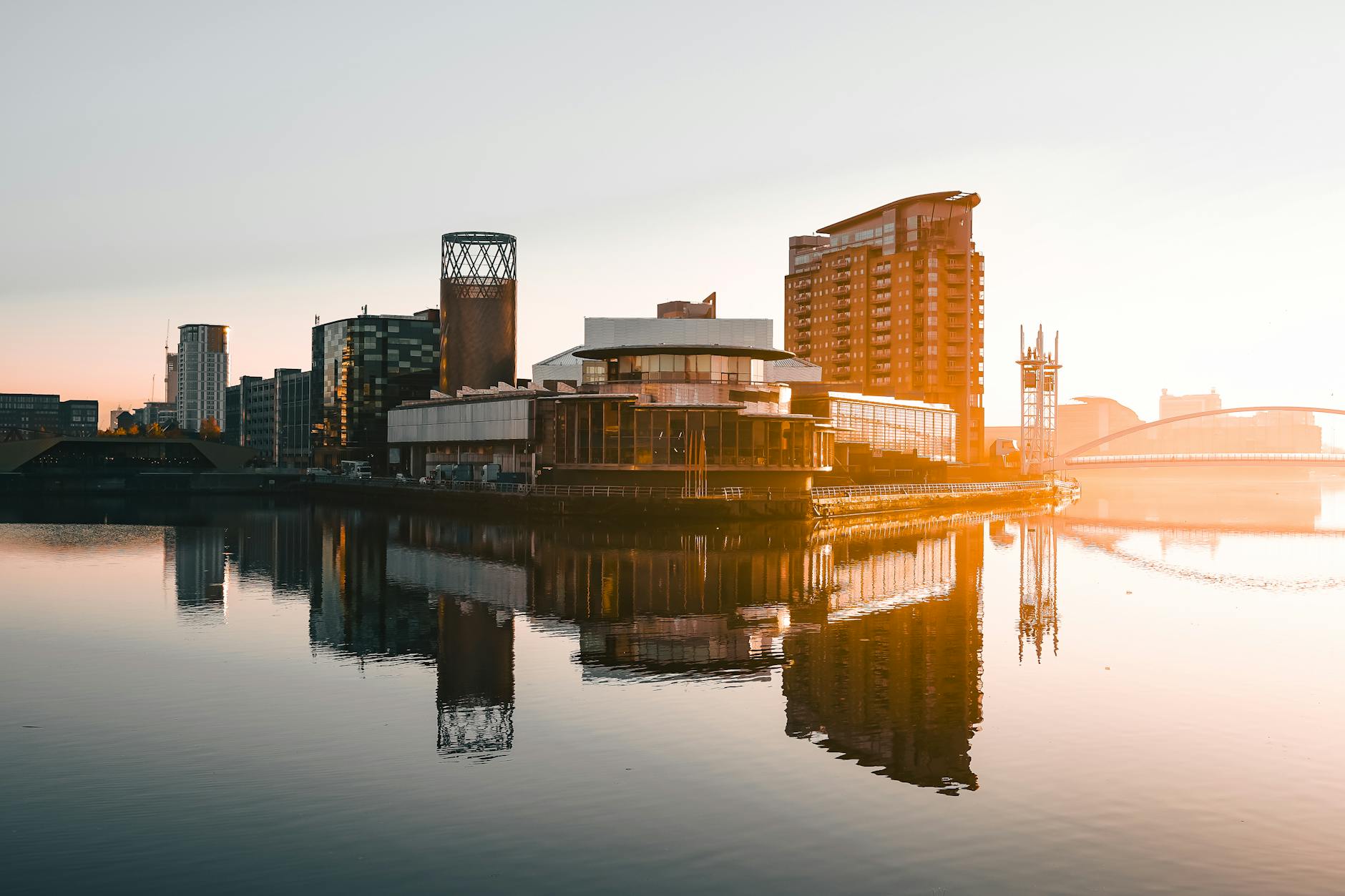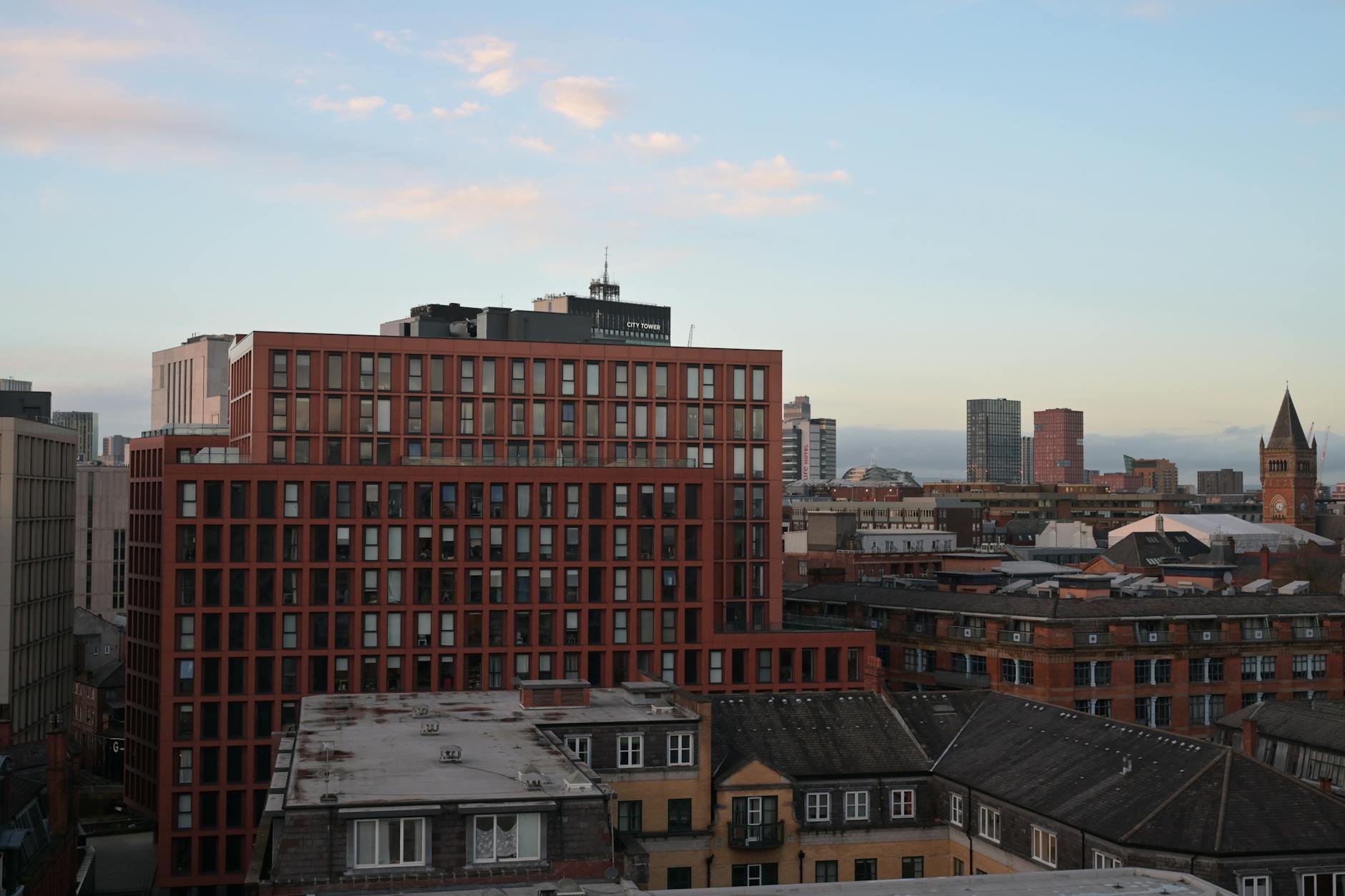
Luxury travel to Manchester is strongest when it does not try to imitate London. The city is more compact, more direct, and often more interesting when the trip leans into its own strengths: grand hotels, private arrival handling, strong restaurants, music and theatre, libraries and galleries, football hospitality, design-led neighborhoods, and Salford Quays or city-centre evenings. The luxury problem is not whether Manchester can support comfort. It can. The problem is whether hotel, transfers, reservations, privacy, weather, event crowds, and recovery time are coordinated so the trip feels effortless rather than improvised.
Decide what kind of luxury Manchester should be
A luxury Manchester trip should begin with a style decision. Some travelers want a polished city-centre base, private transfers, strong restaurants, and theatre. Others want football hospitality, design hotels, music history, independent retail, libraries, or a quieter Salford Quays rhythm. Manchester can support all of those, but the trip feels better when one version leads and the others become accents.
The mistake is to build the trip from isolated premium bookings: a good hotel here, a restaurant there, a match ticket somewhere else, and a rushed private tour squeezed between them. Luxury in Manchester is sequencing. The best plan chooses a base, then lets arrival, dining, shopping, culture, and late returns fit the city rather than fight it.
- Choose whether the trip is polished, local, discreet, football-led, theatre-led, food-led, or design-led.
- Build the itinerary from one strong operating style instead of scattered premium bookings.
- Let Manchester's compactness reduce friction rather than encourage over-scheduling.
Choose the hotel by operating geography
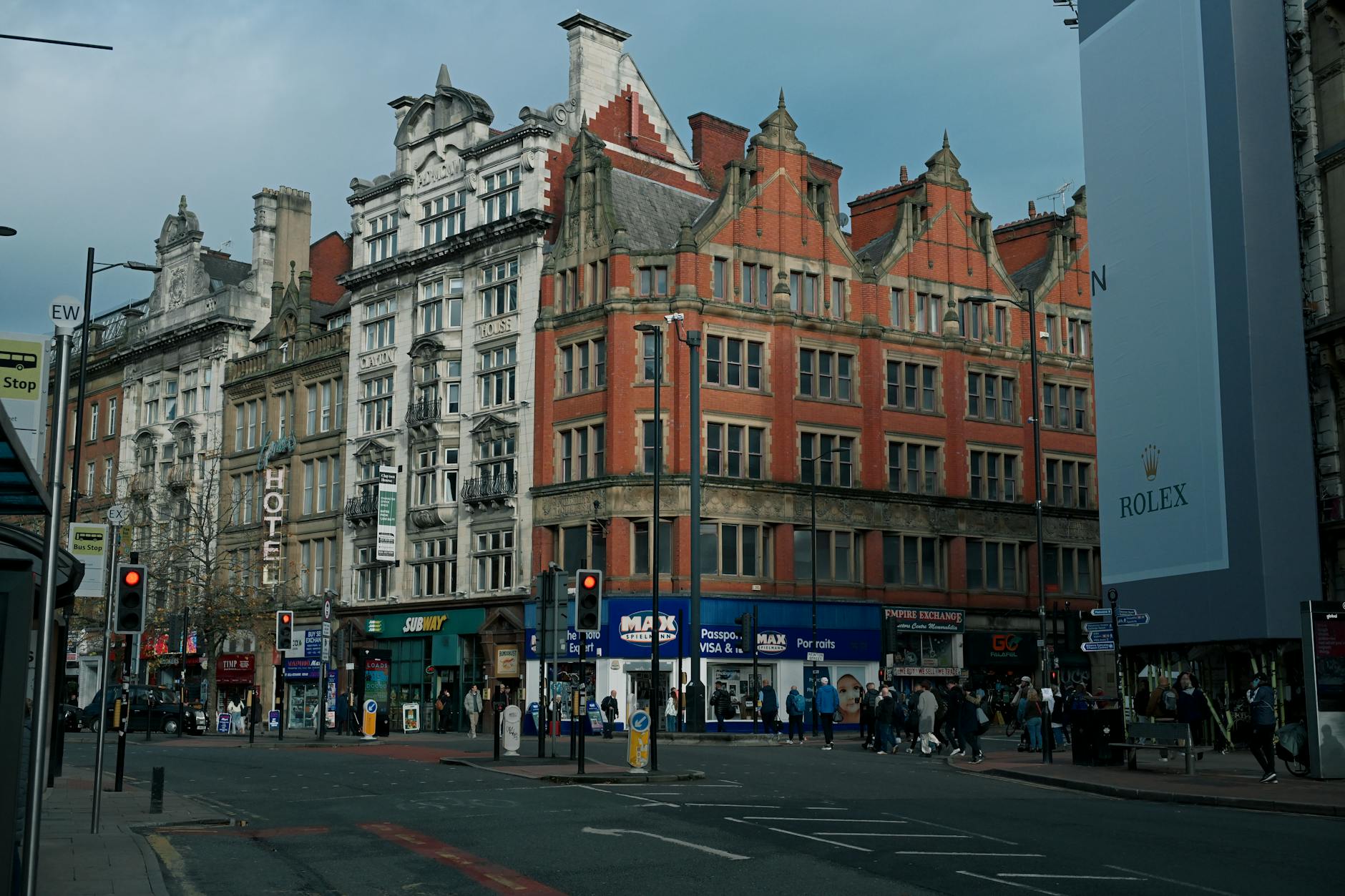
Manchester hotel choice should be judged by how the trip will operate. A central grand hotel can work well for theatre, civic buildings, restaurants, and shopping. A Spinningfields or Deansgate base may suit business, dining, and private-car movement. A Northern Quarter or Ancoats choice can give a more design-led, local feel. Salford Quays may be right for media, football, waterfront time, or a quieter evening view, but it should be chosen deliberately rather than because the room photographs well.
The hotel should also do real work: early check-in strategy, luggage handling, quiet room, concierge confidence, driver pickup, restaurant coordination, room service timing, and a lobby that feels comfortable for waiting or meeting. A luxury traveler should not be solving small logistics alone in the rain with bags at the curb.
- Match the hotel to dining, theatre, shopping, football, business, waterfront, or arrival priorities.
- Confirm room quiet, luggage handling, early arrival options, driver pickup, and concierge usefulness.
- Avoid a beautiful base that adds repeated cross-city movement to a short stay.
Make arrival and private movement invisible
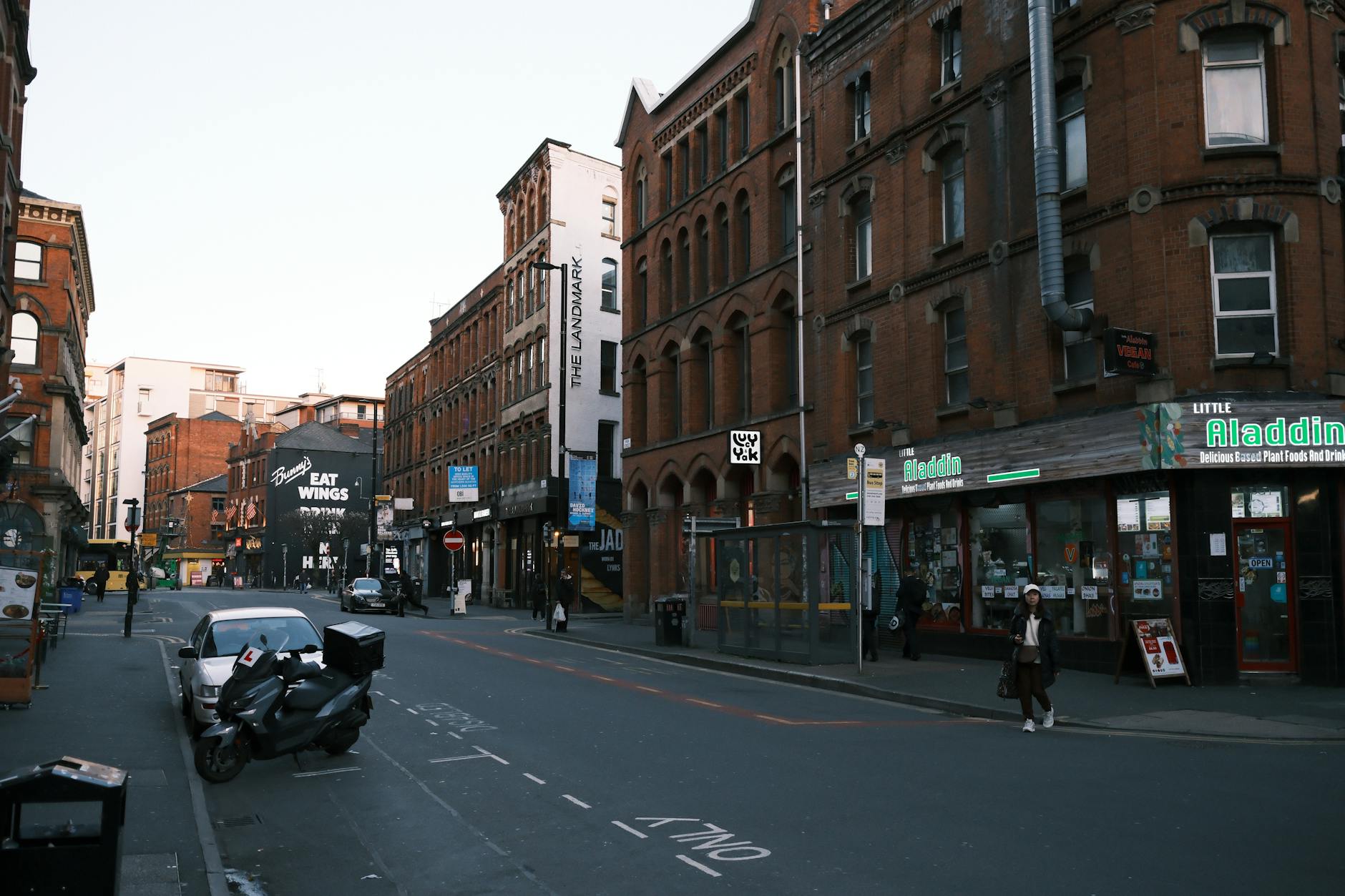
A luxury arrival in Manchester should feel controlled from the first minute. Manchester Airport, Piccadilly Station, private drivers, taxis, hotel pickups, and luggage handling are all workable, but they need to be arranged around arrival time, weather, bags, privacy, and the first scheduled commitment. A premium trip loses its polish quickly if the traveler is standing outside a terminal or station deciding where the car actually meets them.
Private movement is most valuable when it removes uncertainty. Use it for airport arrival, late returns, formal evenings, luggage-heavy transfers, football hospitality, or weather-sensitive movement. Use walking or trams only when they improve the experience rather than merely prove that the city is close together. The goal is not to avoid Manchester's streets. It is to choose them when they add pleasure, not friction.
- Confirm pickup points, driver contact, luggage plan, and hotel arrival process before travel day.
- Use private cars for airport transfers, late returns, formal events, luggage, weather, and football hospitality.
- Walk only the sections that add character; do not let short mapped distances create avoidable strain.
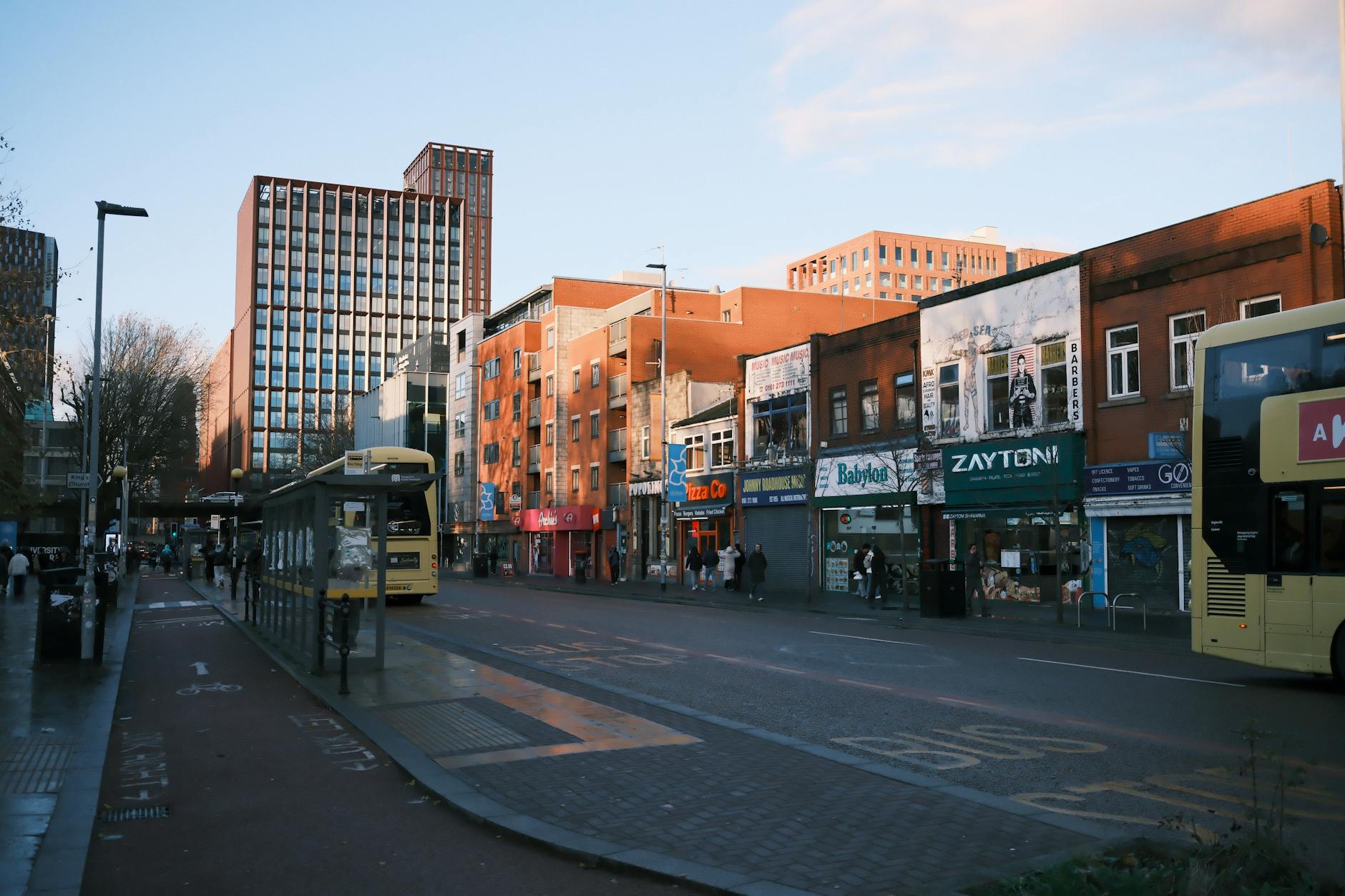
Reserve dining around rhythm, not status
Manchester has enough strong dining to reward planning, but luxury travelers should reserve around rhythm rather than status alone. A late arrival dinner should be easy and close. A celebration dinner should leave room for a smooth return. A pre-theatre meal should respect curtain time. A football or concert day may need earlier reservations, private dining, or a hotel-based fallback when the city is busy.
The best dining plan also accounts for the next day. If the traveler has an early driver, business meeting, spa appointment, rail departure, or match-day hospitality, the previous evening should not run on optimism. Manchester's food scene is part of the appeal, but the trip should feel curated, not like a sequence of hard-to-reach reservations.
- Reserve meals by arrival time, theatre timing, event pressure, and next-day obligations.
- Keep at least one strong hotel-adjacent or driver-friendly dining option as a fallback.
- Avoid restaurant choices that turn a short luxury trip into repeated cross-city transfers.
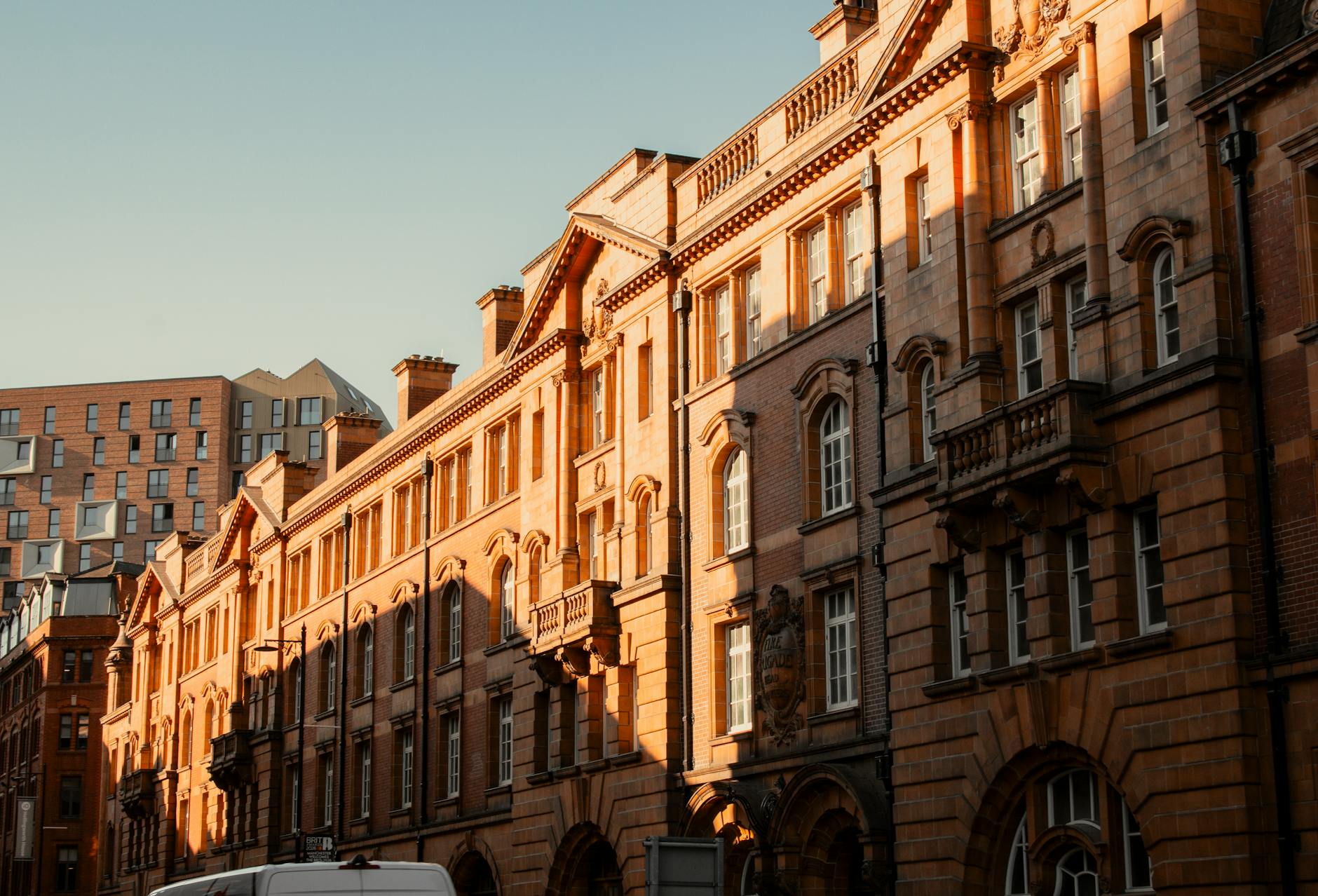
Use culture, theatre, and football selectively
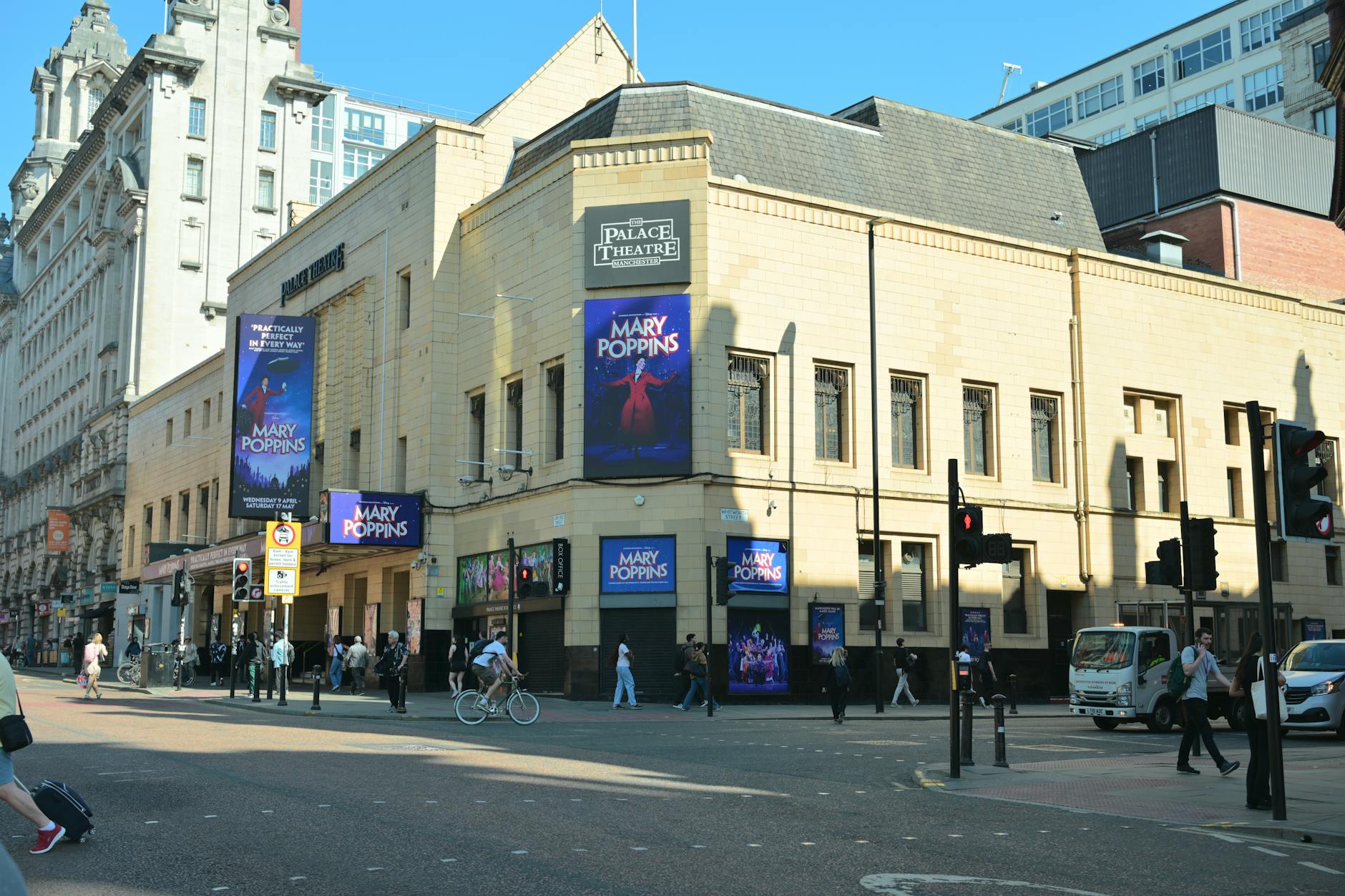
Manchester luxury can be cultural, sporting, or both. A well-built short stay might include theatre, live music, a private library or gallery focus, football hospitality, a tailored city walk, or a waterfront evening at Salford Quays. The important point is selectivity. A traveler who tries to combine too many prestige experiences may spend the trip transitioning rather than enjoying the city.
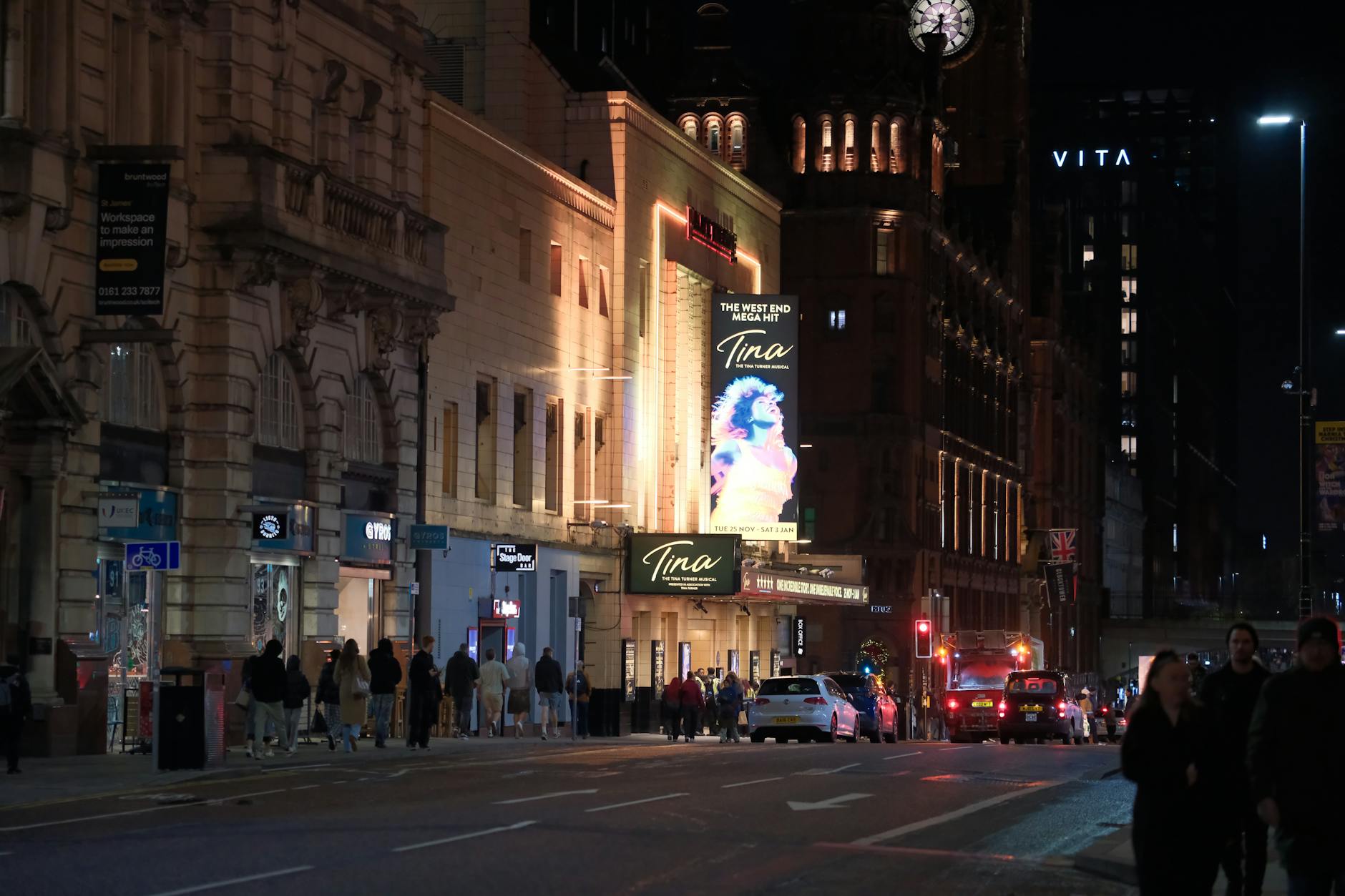
Theatre, match days, concerts, and major events should be planned as operating constraints. They affect traffic, restaurant timing, driver pickup, hotel availability, and crowd exposure. The luxury version of Manchester is not insulated from the city; it is aware of the city. Book fewer, better experiences and protect the transitions around them.
- Choose a few strong cultural or sporting experiences instead of filling every evening.
- Plan theatre, match days, concerts, and events around driver access, meals, and return timing.
- Use private or expert-led context where it deepens the visit rather than just adding cost.
Plan shopping and style without wasting the day
Luxury shopping in Manchester should be treated as a movement plan. King Street, Spinningfields, Exchange Square, Deansgate, boutiques, tailors, department stores, watches, jewelry, menswear, and design-led independent retail can all fit a short visit, but not if the traveler treats the city like a single mall. The best plan groups appointments and browsing by neighborhood.
Shopping should also respect weather, privacy, and luggage. If purchases matter, know whether the hotel can receive items, whether a driver should be used, and whether browsing belongs before or after a meal. A polished Manchester day can include shopping, lunch, a cultural stop, and an evening event, but only if the route is intentionally narrow.
- Group shopping by King Street, Spinningfields, Exchange Square, Deansgate, or independent neighborhoods.
- Use hotel delivery, driver support, and appointment timing when purchases or privacy matter.
- Keep shopping near meals or culture so it supports the day instead of consuming it.
When to order a short-term travel report
A luxury traveler with a familiar hotel, one dinner, and a flexible schedule may not need a custom Manchester report. A report becomes useful when the stay includes airport or rail handling, high-value reservations, football hospitality, theatre or concert timing, shopping appointments, privacy needs, older companions, medical constraints, children, multiple districts, or a desire to make Manchester feel effortless over a short number of days.
The report should test hotel geography, arrival and driver plan, dining sequence, shopping or tailoring route, theatre and event timing, match-day pressure, weather, privacy, luggage handling, Salford Quays movement, and fallback options. The value is a Manchester luxury trip that feels deliberate: fewer loose ends, better pacing, and a city experience chosen for the traveler rather than copied from a generic premium list.
- Order when reservations, drivers, events, privacy, shopping, or mixed traveler needs make the trip operationally complex.
- Provide hotel candidates, arrival details, dining goals, event tickets, shopping interests, mobility needs, and privacy preferences.
- Use the report to coordinate comfort, timing, and local character into one coherent Manchester stay.