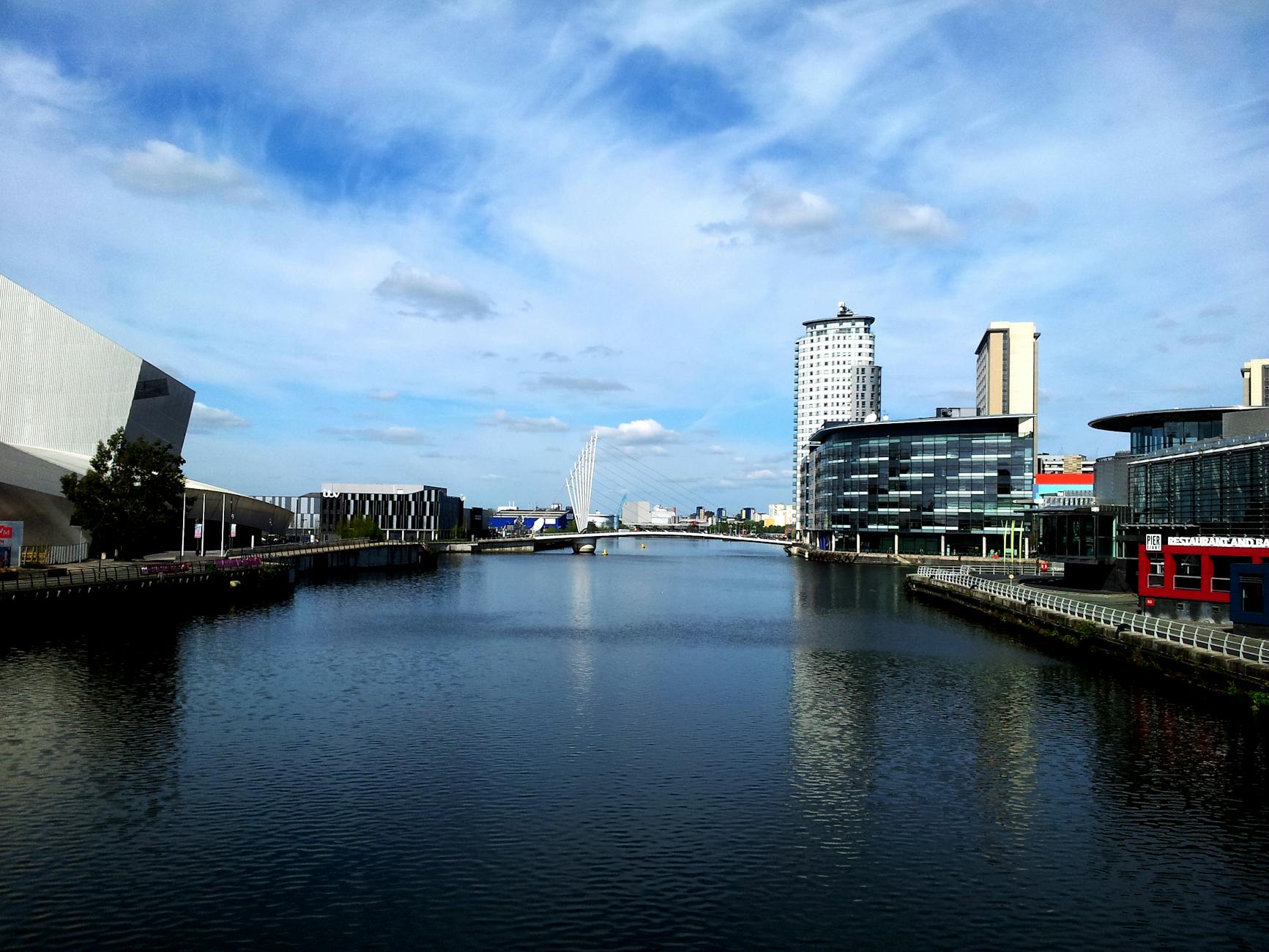
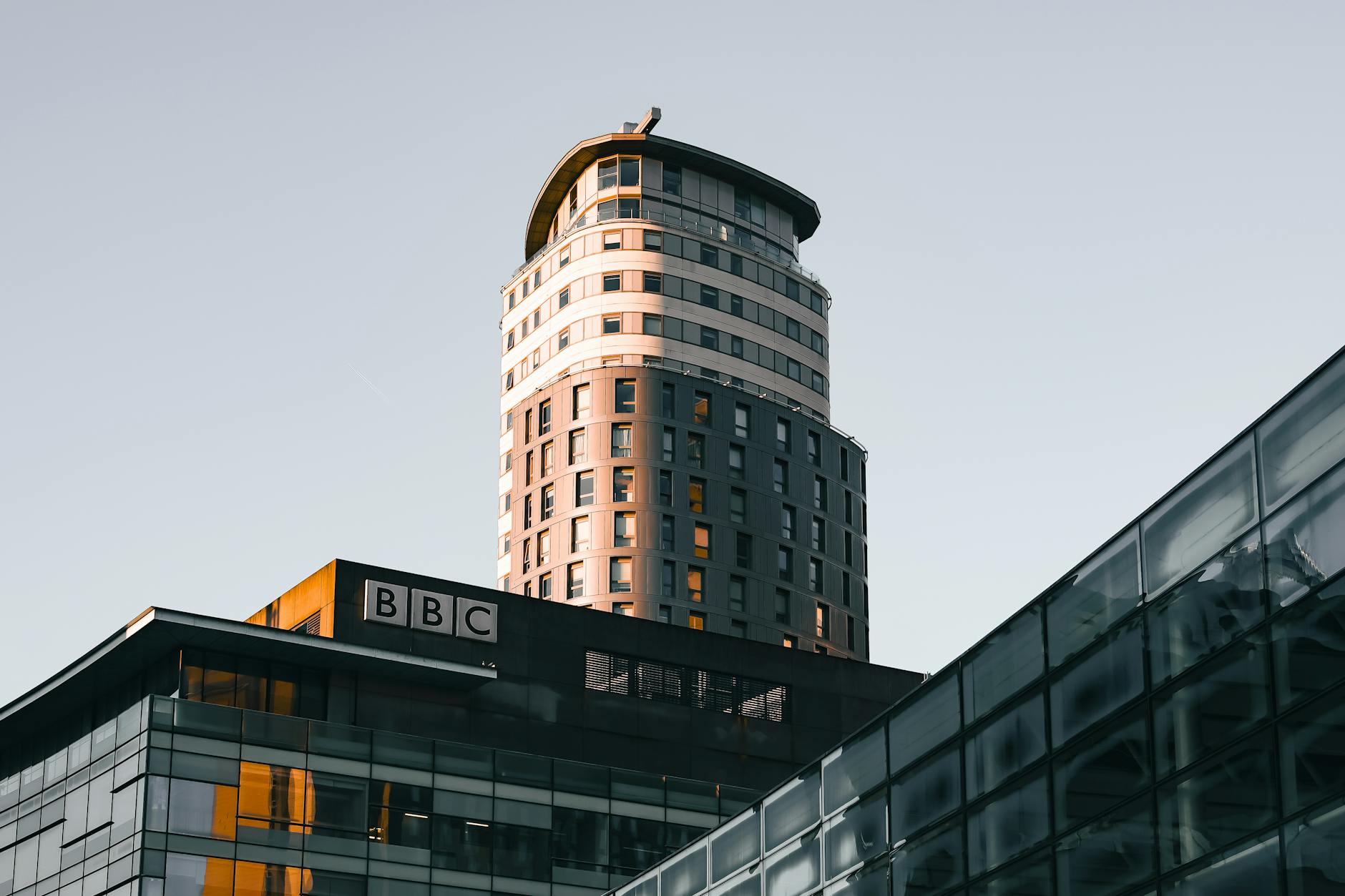
A short reporting trip to Manchester can look compact on a map and still behave like several assignments at once. The story may run through MediaCity and Salford Quays, council or court settings, Oxford Road institutions, Piccadilly and Northern Quarter interviews, football venues, music and nightlife districts, universities, health services, migrant-support organizations, business offices, or neighborhood streets where trust matters more than speed. The city is workable, but it rewards journalists who know exactly which Manchester they need before they arrive. The plan should be built around the assignment rather than around a generic visitor stay. A writer with three confidential interviews, a photographer covering a demonstration, a broadcast journalist needing a stand-up location, and a freelancer trying to file on deadline all have different risks. The useful preparation protects access, source privacy, equipment, movement, rain cover, late filing, and the ability to leave a tense scene without losing the day's work.
Start with the assignment map
The first Manchester decision is where the story actually lives. A media, broadcast, sport, or culture assignment may point toward Salford Quays, MediaCity, Trafford, stadium districts, or venue corridors. A politics or civic story may involve council settings, courts, police-adjacent spaces, advocacy offices, campaign groups, or public meetings. A university, health, migration, housing, business, music, nightlife, or neighborhood feature can produce a different map again. A hotel that is sensible for one beat may be weak for another.
The journalist should place every confirmed interview, likely photo or filming position, press entrance, transport link, backup meeting point, and filing block on one map before booking. Manchester's rail, tram, bus, walking, and taxi options can combine well, but transfers become fragile when the reporter is carrying gear, managing rain, or trying to reach a source who has only a short window. The base should shorten the working day instead of merely looking central.
- Map interviews, press entrances, filming points, source locations, transport links, and filing blocks before choosing lodging.
- Treat city centre, Oxford Road, Salford Quays, Trafford, stadium districts, and outer neighborhoods as different reporting zones.
- Choose the base around the assignment sequence, equipment load, late filing, and likely return routes.
Clarify access before the door
Manchester access can vary sharply by setting. A conference venue, private office, court building, university, hospital, museum, stadium, hotel event space, council meeting, studio, or community organization may have different rules for arrival windows, ID, bags, cameras, tripods, microphones, recording, safeguarding, and whether the journalist can publish identifiable images. The public entrance may not be the correct entrance, and reception staff may not be able to rescue a vague arrangement.
Before travel, the journalist should confirm accreditation, contact names, outlet or assignment letters, equipment permissions, recording limits, and who can answer an access question in real time. Freelancers and independent journalists should be especially clear about verification if challenged. The goal is not to make Manchester sound difficult. It is to prevent a short assignment from losing its best hour because access was assumed rather than confirmed.
- Confirm accreditation, ID, arrival windows, press entrance, bag checks, camera rules, and recording limits for each controlled site.
- Carry outlet, editor, assignment, and host-contact details in a form that can be shown quickly.
- Separate permission to attend from permission to film, record, photograph, use a tripod, or publish identifiable material.

Protect sources before chasing scenes
Manchester stories can involve people who are easy to expose and hard to protect afterward: students, patients, migrants, tenants, workers, young people, witnesses, unhoused residents, night-economy staff, religious communities, activists, and people in legal or medical distress. A short visit can pressure the journalist into accepting the nearest cafe, street corner, or public lobby as an interview site. That convenience can be a mistake if the source is visible, overheard, filmed by others, or unsure what will be published.
Interview planning should include language, privacy, noise, consent, naming, photography, and whether the source can leave easily. A quiet office, neutral meeting room, phone call, audio-only setup, or source-chosen location may produce better reporting than a more cinematic backdrop. The journalist should decide in advance how notes, recordings, contacts, photos, and location details will be stored and when they should not be visible in public.
- Choose interview locations around source comfort, privacy, consent, noise, and the risk of being observed.
- Prepare options for named, unnamed, background, audio-only, photographed, filmed, and follow-up conversations.
- Protect source names, addresses, images, notes, call logs, and unpublished material from casual exposure.
Match the equipment plan to the day
A Manchester journalist may be working with nothing more than a notebook, phone, recorder, and laptop, or with camera bodies, lenses, audio gear, lights, tripods, drives, batteries, press credentials, and weather protection. The right kit depends on the assignment and the movement pattern. Heavy gear can be reasonable for one controlled interview and a poor choice for a protest, crowded tram, wet walk, stadium-adjacent crowd, or late-night return.
The traveler should plan adapters, battery margin, storage, mobile data, secure backups, rain sleeves, bag checks, and how to move if equipment makes public transport awkward. Device discipline matters too. A lost phone, exposed laptop screen, unbacked SD card, or open-source list can weaken the story faster than a delayed train. The daily kit should preserve mobility and protect the material, not prove that the journalist packed everything they own.
- Match cameras, audio, laptop, storage, batteries, rain protection, and bag size to the assignment's real movement pattern.
- Plan secure backups, device locks, mobile data, adapters, and lost-device contingencies before fieldwork starts.
- Keep the kit mobile enough for trams, taxis, security checks, wet streets, crowds, and late filing.
Treat crowds and civic activity as fieldwork
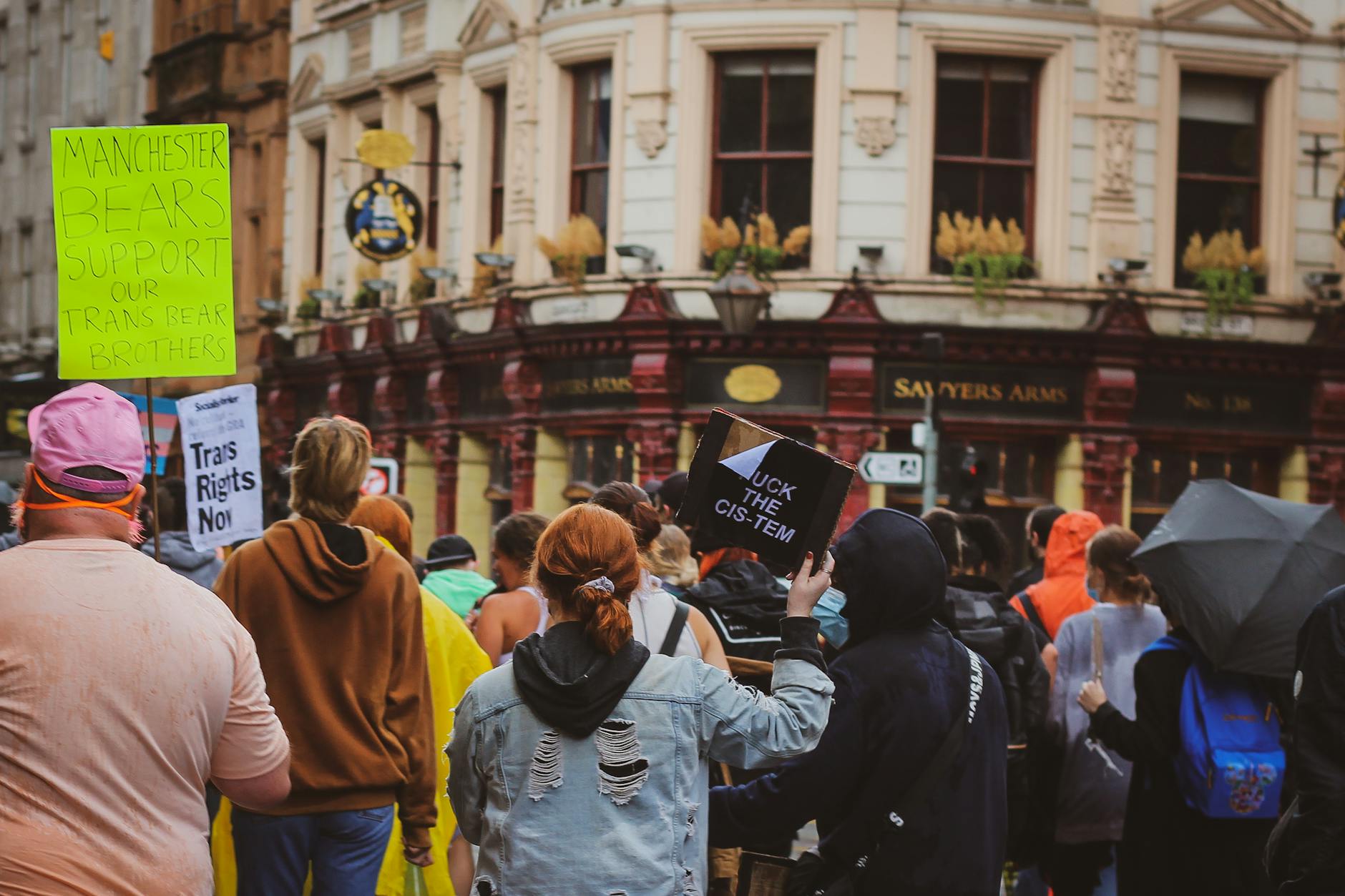
Demonstrations, football crowds, music events, labor actions, university protests, policing operations, and transport disruption can all shape a Manchester reporting day. Sometimes they are the story; sometimes they are the reason the reporter cannot reach the story on time. A journalist should not rely only on the announced route, official start time, or a normal transit estimate. Crowds move, police lines shift, counter-groups appear, and rain can change behavior quickly.
Before entering a crowd or tense public setting, the reporter should plan approach and exit routes, colleague or editor check-ins, visible identification, water, footwear, battery reserve, weather layer, and what to do if separated from a source or crew. The journalist also needs role clarity: observing, interviewing, photographing, filming, or monitoring from the edge. The safest plan keeps the reporter close enough to document and far enough to leave, verify, and file.
- Plan approach, exit, check-ins, ID, water, footwear, weather layer, and battery reserve before entering a crowd.
- Monitor demonstrations, match days, concerts, police lines, road closures, and tram disruption that could alter the schedule.
- Keep role clarity so the journalist does not drift into participation or lose the ability to leave.
Build filing and weather into the route
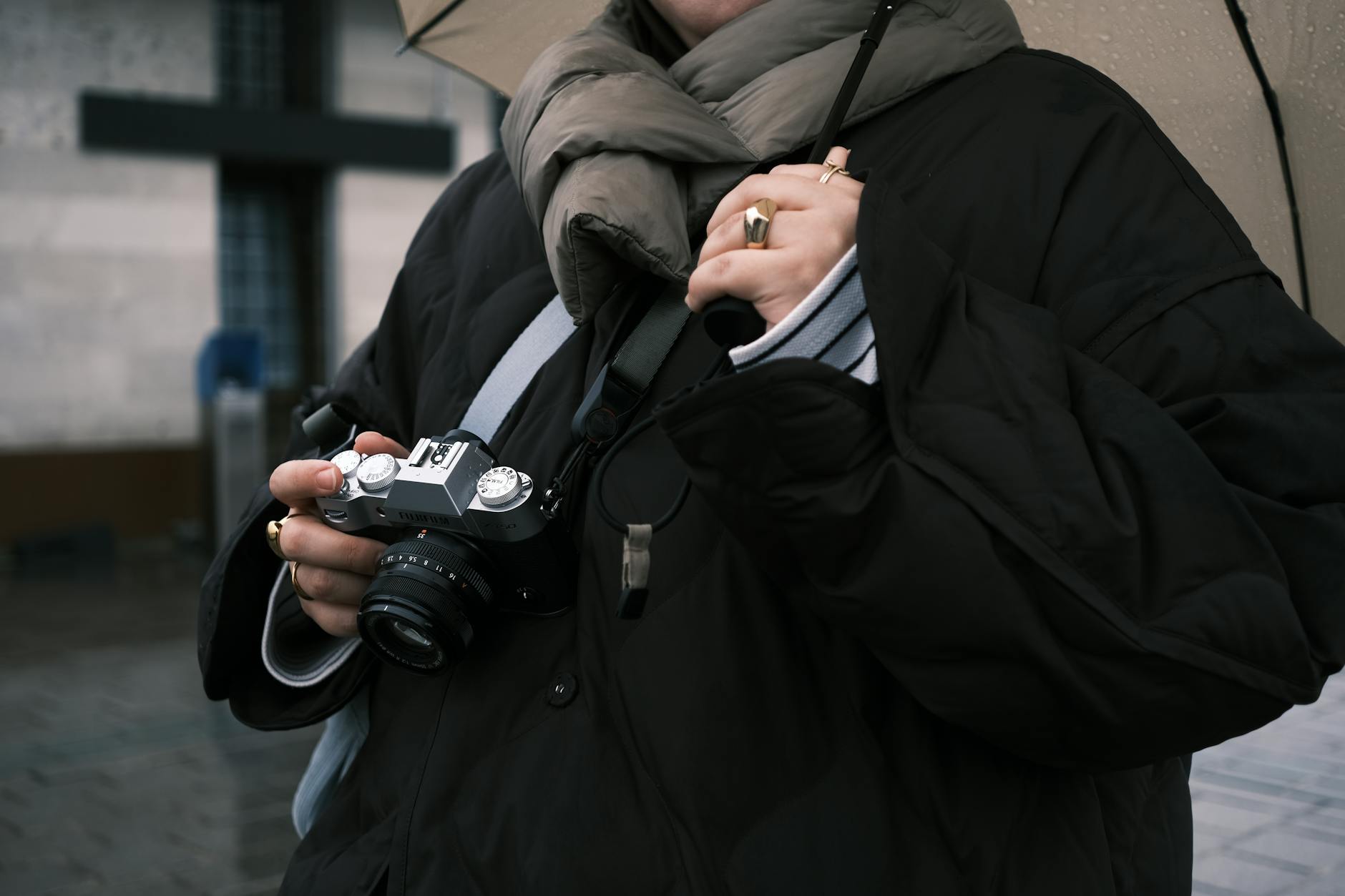
Manchester's rain is not a personality detail for a journalist. It affects bags, lenses, audio quality, paper notes, phone use, clothing, walking speed, taxi demand, and whether a source is willing to stand outside for a second take. The working day should have realistic buffers for bad weather, especially if the assignment moves between rail stations, tram stops, outdoor interviews, street photography, and late filing.
Filing logistics should be as concrete as the interview list. The journalist should know where they can sit, charge, upload, call an editor, transcribe, caption, verify names, and work without exposing source material. A hotel desk, newsroom, coworking room, client office, university space, quiet cafe, or venue media room may all work, but only if they are available when the deadline requires them. A good route leaves enough time to think before it asks the journalist to publish.
- Build rain cover, dry storage, footwear, lens care, audio protection, and taxi flexibility into the day.
- Identify reliable filing locations with power, data, quiet, and enough privacy for editor or source calls.
- Reserve time for transcription, captioning, verification, backups, and uploads instead of spending every buffer on movement.
When to order a short-term travel report
A journalist with one arranged interview, a local producer, and a flexible deadline may not need a custom Manchester report. A report becomes more useful when the assignment involves several neighborhoods, MediaCity or venue access, public institutions, sensitive sources, crowd coverage, camera equipment, late filing, limited local support, or a short window between arrival and publication. Those are the trips where generic city advice does not answer the working questions.
The report should test the assignment map, hotel base, arrival route, press entrances, interview locations, source-protection needs, transport options, weather exposure, public-order context, filing locations, equipment movement, and current disruption risks. The value is a journalist-aware operating brief for Manchester: how to arrive with the right access, move without losing the day, protect people and material, and preserve the time needed for the story to hold up.
- Order when the trip involves sensitive sources, several sites, public-order risk, equipment, access rules, or deadline pressure.
- Provide target addresses, interview types, access confirmations, equipment, deadline, source risks, and hotel candidates.
- Use the report to turn Manchester from a broad destination into a practical assignment map.