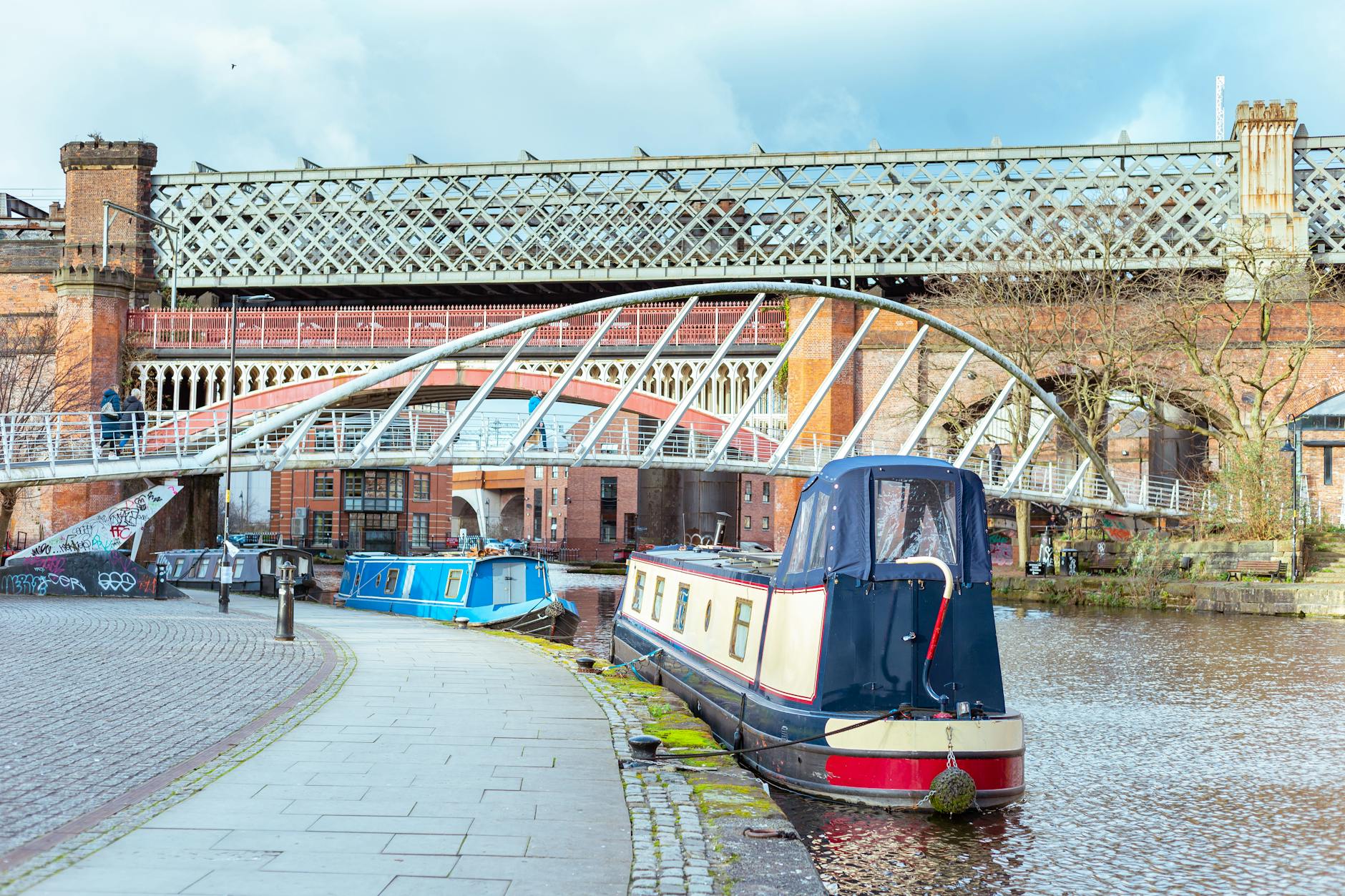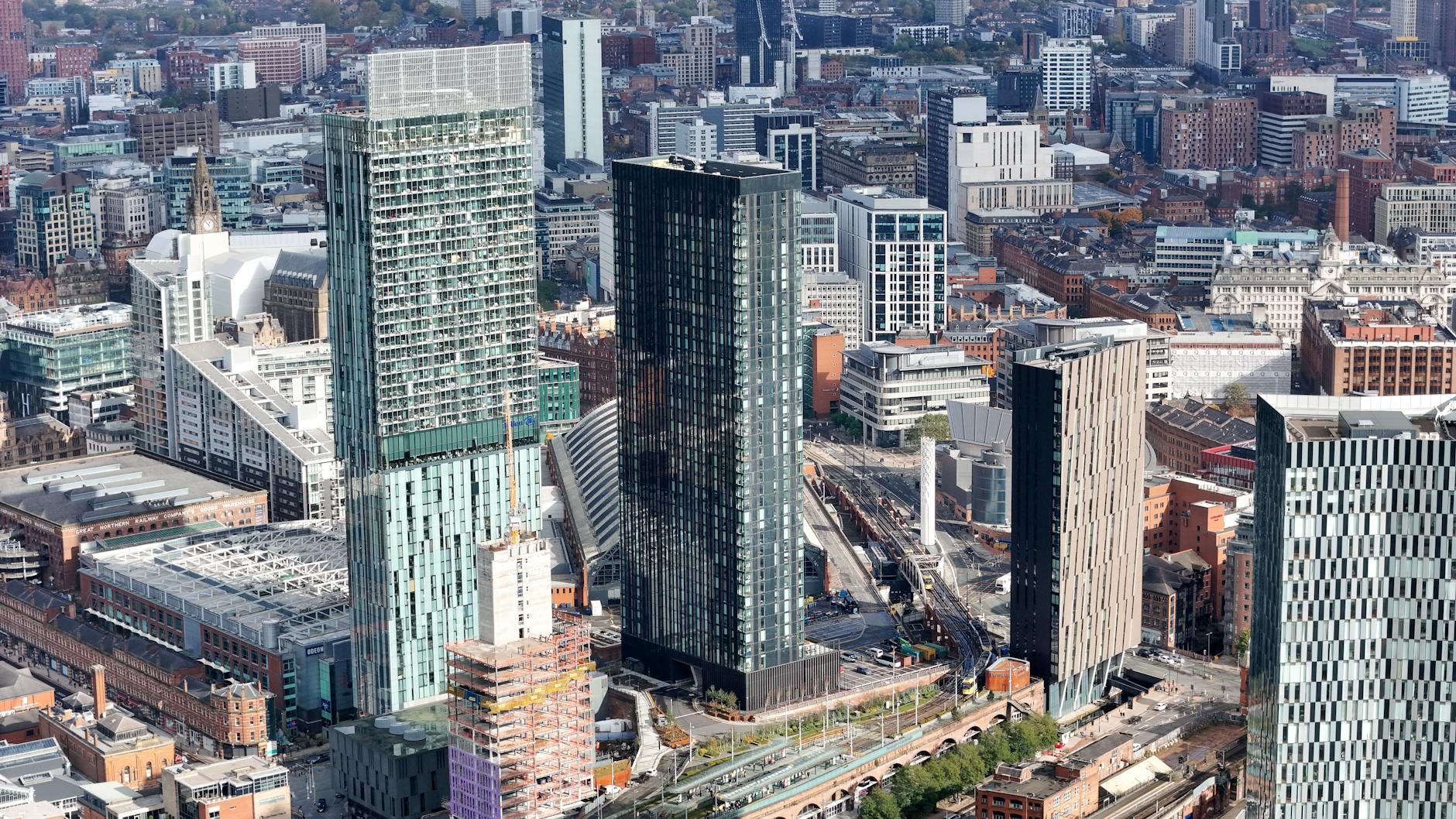
Manchester is a rewarding first-visit city because it gives a traveler several versions of itself quickly: industrial canals, red-brick streets, libraries, music history, modern towers, football culture, university corridors, and Salford Quays. The mistake is trying to collect all of that without a structure. A short first trip should make the city legible, not exhausting. The visitor needs a base that fits the arrival point, a few well-chosen districts, weather-aware movement, and a clear decision about whether the trip is about culture, food, football, nightlife, shopping, or simply understanding Manchester's shape.
Understand the city as a set of districts
A first Manchester trip works best when the visitor sees the city as connected districts rather than one generic centre. Deansgate, Spinningfields, St Peter's Square, the Northern Quarter, Ancoats, Oxford Road, Castlefield, Salford Quays, and the Piccadilly side each give a different version of the city. They are close enough to combine, but not so close that a visitor should bounce between all of them without a reason.
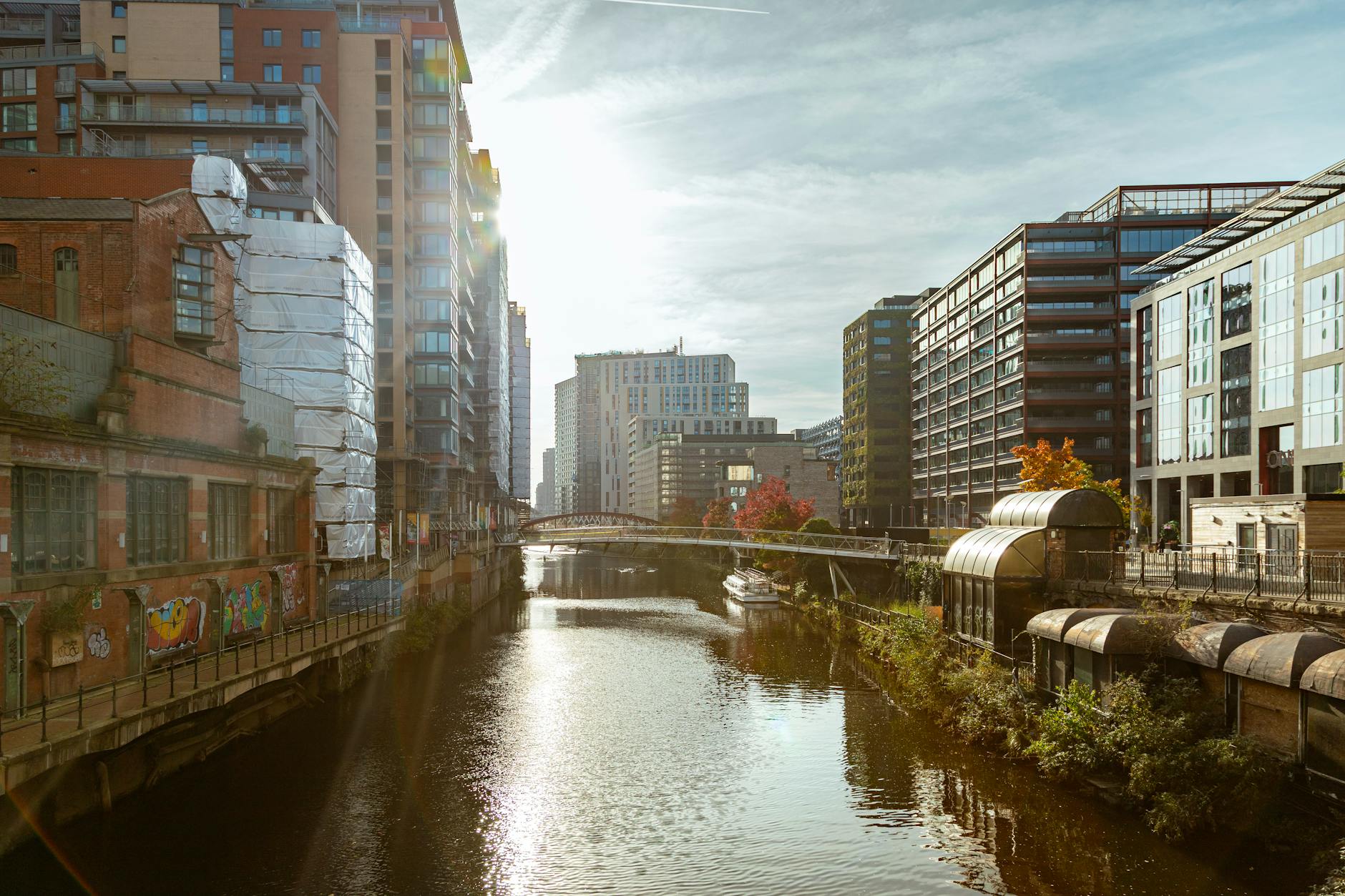
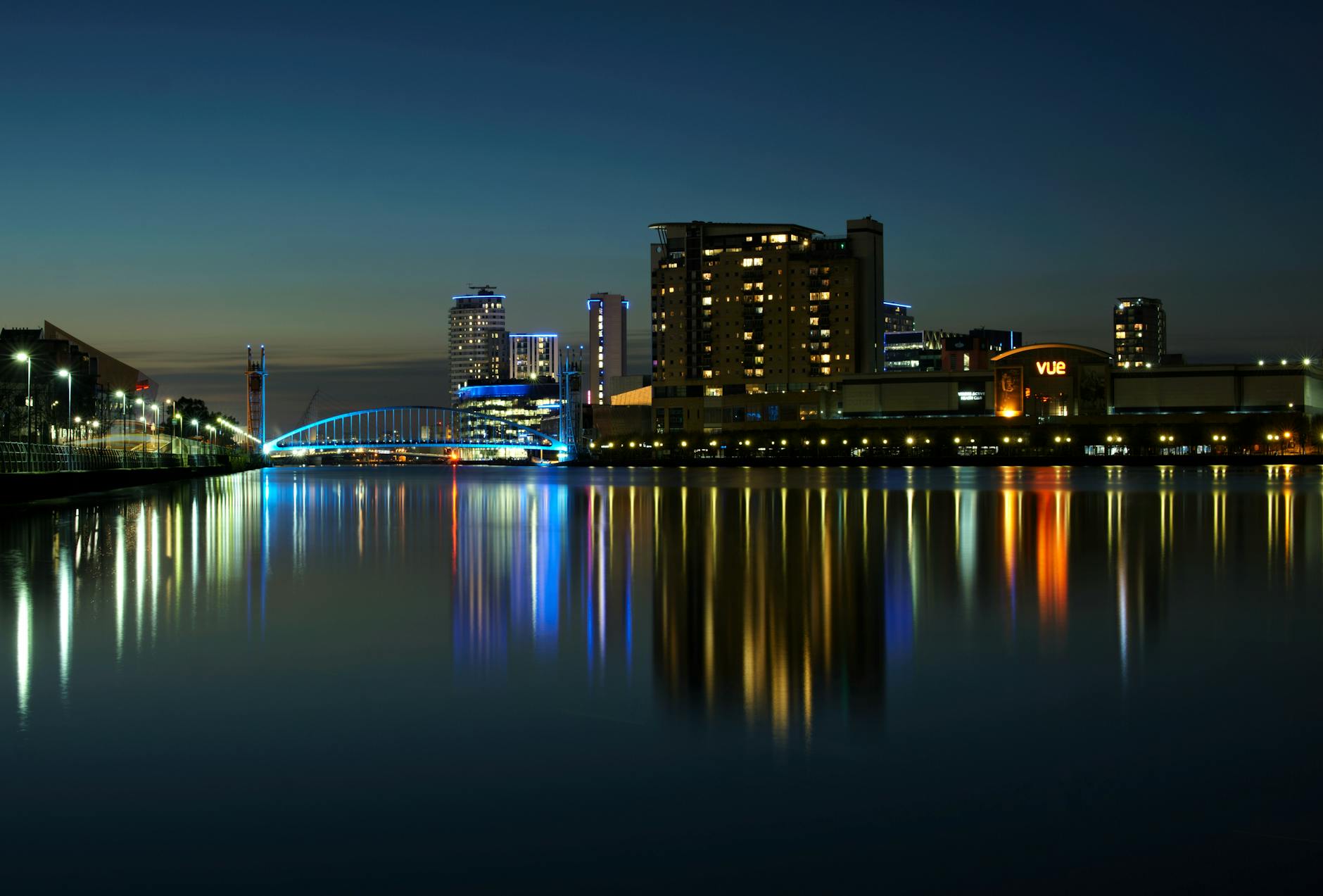
The first decision is the kind of Manchester the trip should reveal. A culture-heavy visit may pair John Rylands Library, Central Library, Manchester Art Gallery, and a music or theatre evening. A food and street-life visit may lean toward the Northern Quarter, Ancoats, and city-centre wandering. A waterfront or media-focused trip may include Salford Quays. Pick a thread, then let the route follow it.
- Treat Manchester as districts with different purposes, not a single sightseeing grid.
- Choose a first-trip thread: culture, food, music, football, shopping, canals, or waterfront time.
- Avoid crossing the city repeatedly just because each stop looks close on a map.
Choose a base that makes arrival simple
Hotel location matters on a first Manchester visit because arrival can shape the whole trip. Manchester Airport, Piccadilly Station, Oxford Road Station, Victoria, Deansgate, and tram links all point toward different bases. A visitor arriving late should not choose a hotel that requires a confusing final transfer. A visitor leaving early should avoid a base that turns departure into a guesswork exercise.
For a broad first trip, the best base is usually one that makes daily movement boring: city centre, Deansgate, St Peter's Square, Piccadilly, or a specific neighborhood the traveler intends to use repeatedly. Salford Quays can be appealing, but it should be chosen deliberately, especially if most sightseeing is central. The right hotel is not only attractive; it reduces the number of decisions a first-timer has to make.
- Match the hotel to arrival point, departure point, and the districts planned for each day.
- Use city centre, Deansgate, St Peter's Square, or Piccadilly when the trip is broad and short.
- Choose Salford Quays or another outer-feeling base only when the itinerary genuinely belongs there.
Make arrival day deliberately modest
A first-time visitor should keep the Manchester arrival day modest. Airport transfer, rail arrival, hotel access, luggage, weather, and orientation can consume more attention than expected. The visitor who tries to land, drop bags, cross the city, see a landmark, eat in a different district, and attend a late event often spends the first evening reacting instead of settling.
A better first day is controlled: reach the hotel, learn the nearest tram or station, walk one useful route, eat nearby or in one planned district, and save the broader city for the next day. If arrival is early and smooth, the visitor can add a library, gallery, canal walk, or central meal. If arrival is late or wet, the plan should still succeed without forcing a major cross-city outing.
- Keep arrival day close to the hotel unless timing, weather, and energy are clearly favorable.
- Learn the nearest tram, rail, taxi pickup, and walking route before building a larger evening.
- Use one modest first-night plan that can shrink without feeling like failure.
Pick landmarks that explain the city
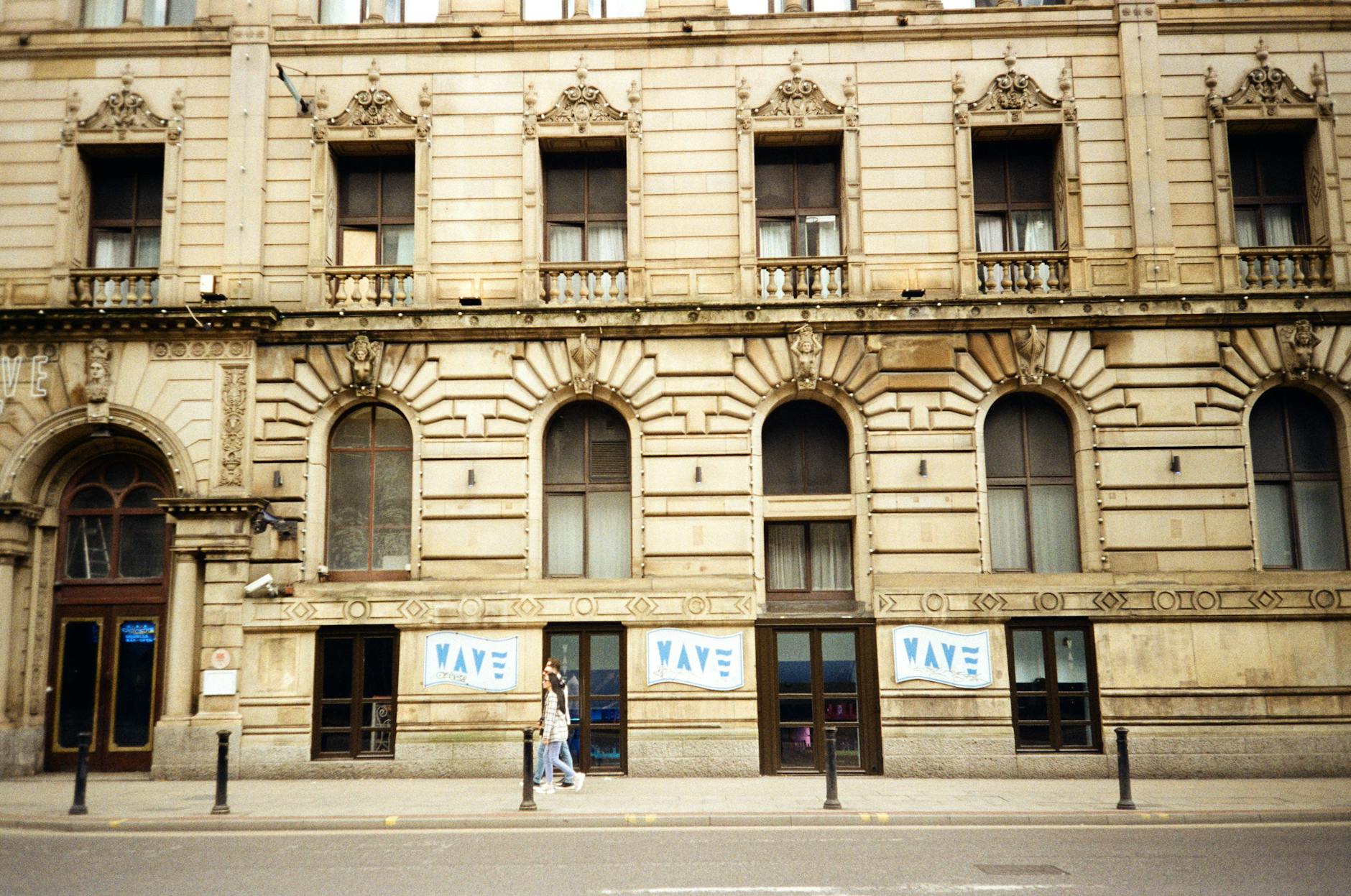
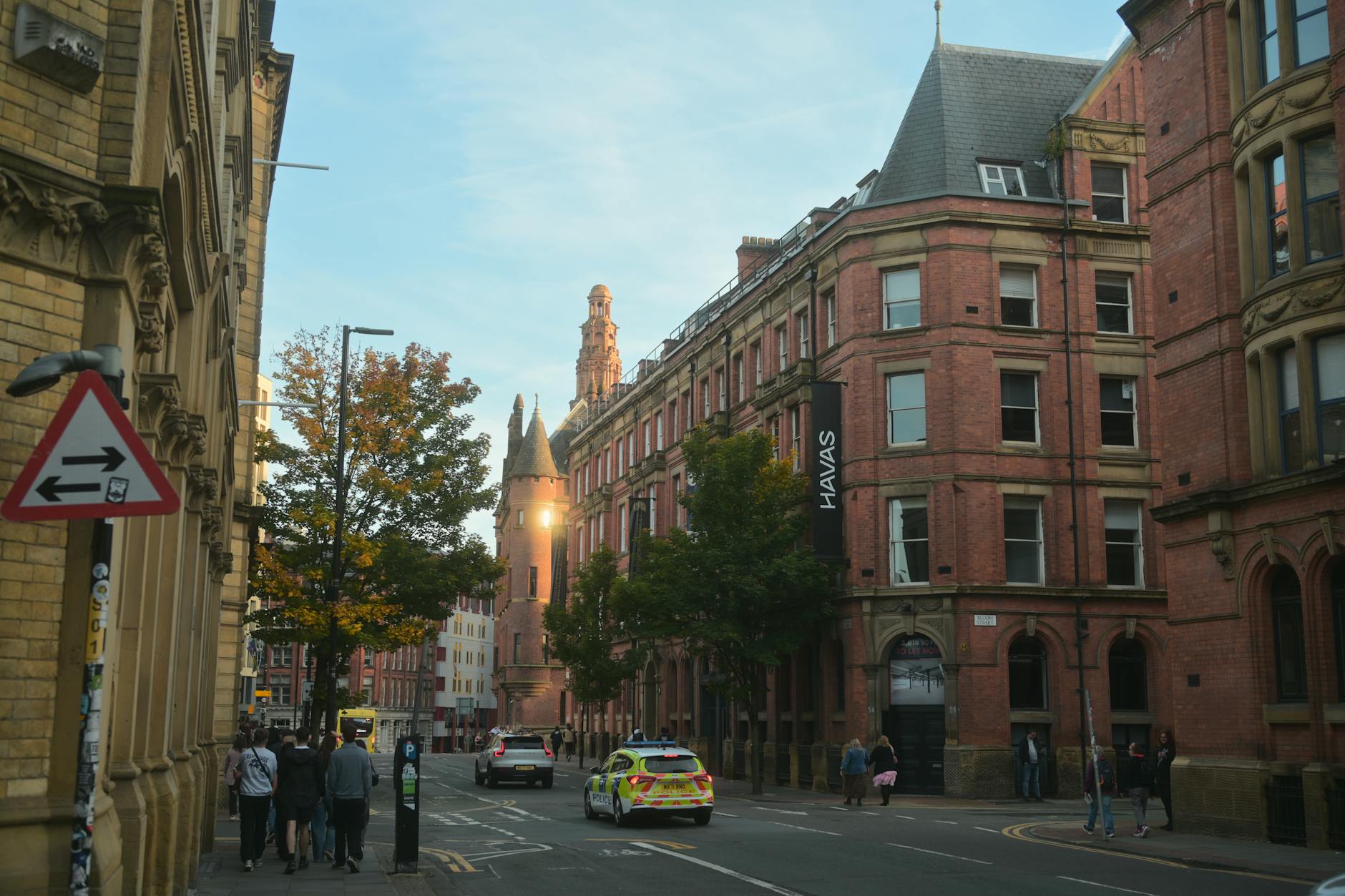
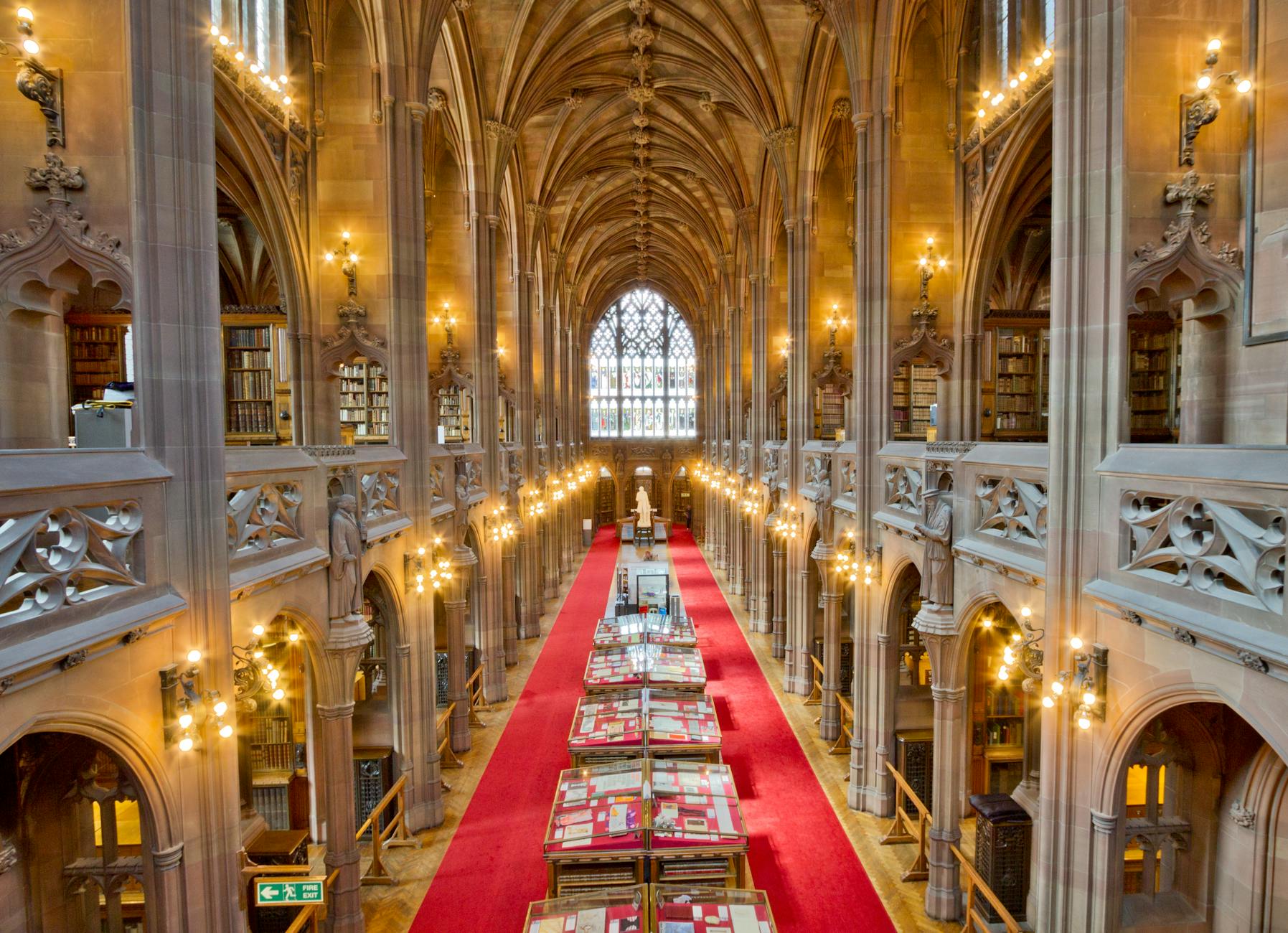
Manchester's best first-visit stops are not just photo stops; they help explain the city. John Rylands Library, Central Library, the civic core around St Peter's Square and Albert Square, Castlefield's canals and railway arches, the Northern Quarter, Ancoats, and Salford Quays each show a different layer of Manchester. A short visitor should choose a few that connect naturally rather than forcing every landmark into one crowded day.
This is especially important when weather is unstable. A library, gallery, market hall, museum, or cafe can be a better anchor than a long outdoor loop in heavy rain. Conversely, a clear day is a good time to connect Castlefield, Deansgate, canals, and city-centre streets on foot. The first visit should leave the traveler with a mental map, not just a camera roll.
- Use landmarks to understand Manchester's civic, industrial, music, academic, and waterfront layers.
- Cluster nearby stops instead of stitching together every famous name in one day.
- Keep indoor alternatives ready for rain, wind, or low-energy travel days.
Respect weather, events, and football crowds
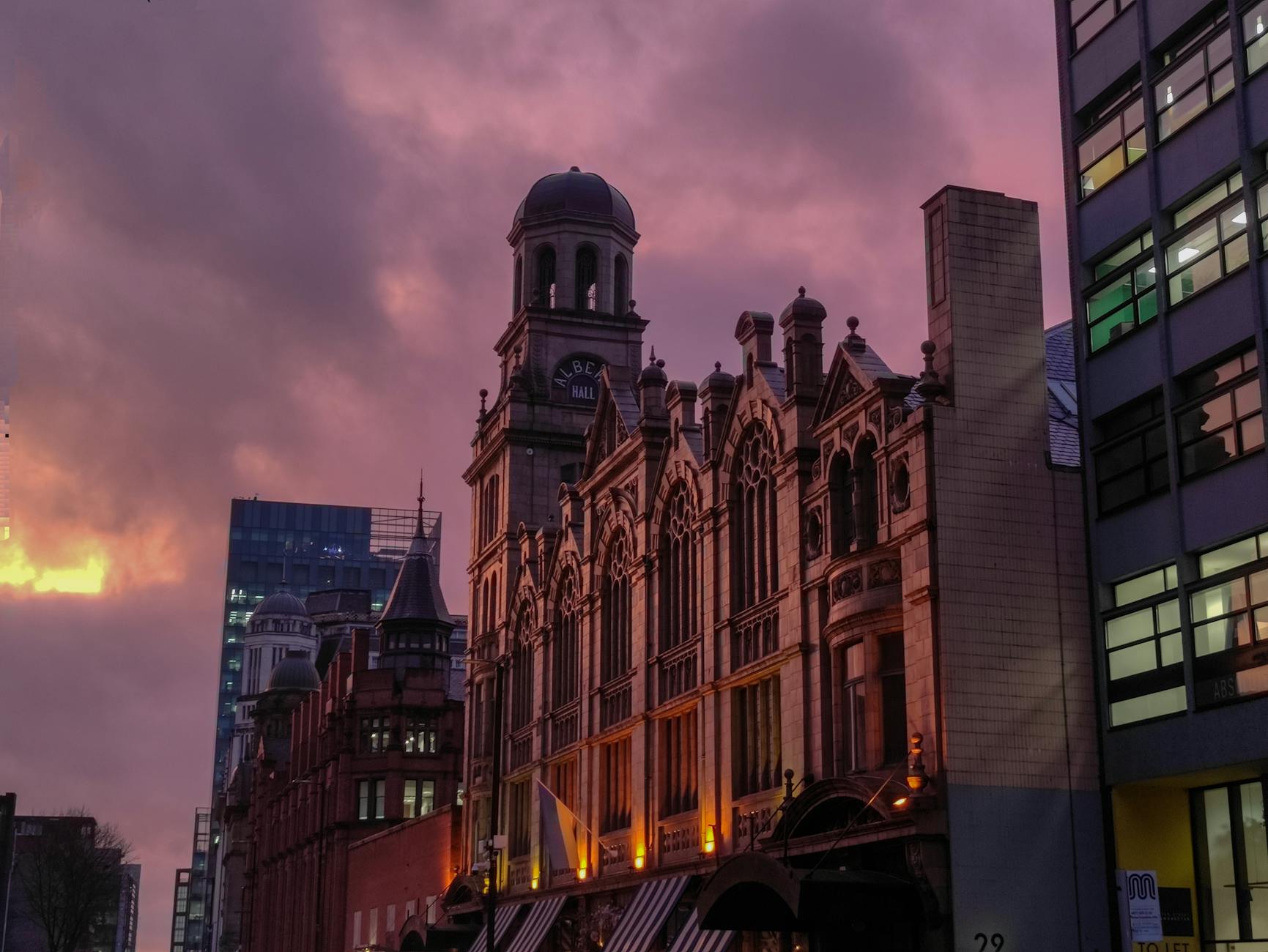
Manchester weather and event timing are practical planning issues, not personality traits. Rain, wind, early darkness, football fixtures, concerts, university events, conferences, and city-centre nightlife can all change how easy a first visit feels. A walk that sounds pleasant in the morning may need a tram, taxi, or indoor swap by afternoon. A simple dinner plan may need booking when the city is full.
First-time visitors should check the event calendar before locking hotels, restaurants, and late returns. Football or concert crowds do not make the city unmanageable, but they can affect trams, taxis, pubs, hotel prices, and the mood around certain routes. The visitor should carry rain protection, practical shoes, a battery plan, and enough flexibility to enjoy Manchester as it is that day.
- Check football, concerts, conferences, and major events before booking hotels and dinners.
- Carry rain protection, comfortable shoes, payment backup, and phone battery reserve.
- Switch to trams, taxis, indoor stops, or a tighter route when weather or crowds make walking less sensible.
Do not overfill the evenings
Manchester evenings can be a highlight of a first visit, but they need pacing. The visitor may want music, pubs, restaurants, theatre, football atmosphere, canal walks, or Northern Quarter nightlife. That does not mean every night should become a moving tour. A short stay works better when the evening district is chosen before dinner and the return route is clear before the traveler is tired.
Food and nightlife plans should fit the next morning. If the following day starts with a museum booking, train departure, campus visit, or airport transfer, the evening should not end with a complicated late return. Manchester rewards curiosity, but it also rewards travelers who know when to stop moving and let one neighborhood carry the night.
- Choose one evening district instead of moving between too many bars, restaurants, or venues.
- Book important meals or events ahead when the city is busy.
- Know the return route to the hotel before the evening becomes late or weather turns.
When to order a short-term travel report
A first-time visitor with a relaxed weekend, central hotel, and flexible interests may not need a custom Manchester report. A report becomes useful when the trip is short, arrival or departure timing is tight, the traveler wants football, music, libraries, canals, food, and Salford Quays in the same stay, or the group includes older travelers, children, mobility limitations, medical constraints, weather sensitivity, or different energy levels.
The report should test the hotel base, arrival route, district sequence, landmark clusters, event pressure, weather backups, restaurant timing, evening return routes, transit choices, and the threshold for leaving something out. The value is a first Manchester visit that feels coherent: enough of the city to understand it, enough margin to enjoy it, and no forced checklist that turns the trip into logistics.
- Order when the trip is short, timing is tight, the wish list is broad, or the group has mixed needs.
- Provide arrival details, hotel candidates, must-see interests, event plans, walking tolerance, and dinner priorities.
- Use the report to choose a coherent Manchester route rather than a scattered first-visit checklist.