
Manchester can work very well for families because it offers a useful mix of indoor culture, music and sport energy, canals, libraries, galleries, tram-linked districts, and waterfront space at Salford Quays. The city is compact enough for a short stay, but family travel exposes every small friction: tired children, luggage, rain, late meals, crowded trams, football-event surges, uneven canal paths, and the need for bathrooms before anyone is ready to admit it. A good Manchester family plan is not a long attraction list. It is a sequence of manageable blocks with recovery built in.
Choose a base that lets the family reset
A Manchester family trip depends on the hotel more than most families expect. The right base is not simply central; it is easy to return to when a child needs a nap, dry clothes, medication, a quiet hour, or a simpler dinner. City centre, St Peter's Square, Deansgate, Piccadilly, or Salford Quays can all work, but each changes the daily rhythm. The family should choose the base that reduces repeated transfers, not the one that looks most exciting on a map.
Families should inspect practical hotel details before booking: room size, lift access, breakfast timing, nearby food, laundry options, luggage storage, stroller handling, and pickup points for taxis or rideshare. A short Manchester stay improves when the hotel can serve as a pressure release valve. Without that, every meal, wet jacket, or tired child becomes a citywide problem.
- Choose the base by recovery, not just sightseeing proximity.
- Check room size, lifts, breakfast, nearby meals, laundry, luggage storage, and stroller handling.
- Keep the hotel close enough to use as a midday reset when the family needs it.

Make arrival easy for the youngest traveler
Arrival should be designed around the least flexible family member. Manchester Airport, Piccadilly Station, tram links, taxis, hotel check-in, and luggage handling may all be straightforward for adults, but they feel different with a stroller, car seat, hungry child, or overtired teenager. The first transfer should be decided before travel, with a backup that does not require platform-side debate.
If the family arrives late, wet, or after a long flight, a taxi or car service can be the right answer even when public transport is available. If using rail or tram, know the stop, walking segment, payment method, and where the child can sit or wait. The first Manchester plan should be boring on purpose: reach the hotel, eat simply, and let the city begin after the family has recovered.
- Plan the airport or rail transfer before arrival, including a taxi fallback.
- Account for stroller, car seat, bags, hunger, bathroom needs, and late check-in.
- Keep the first meal and first evening close to the hotel unless everyone has energy to spare.
Use indoor anchors as real family infrastructure
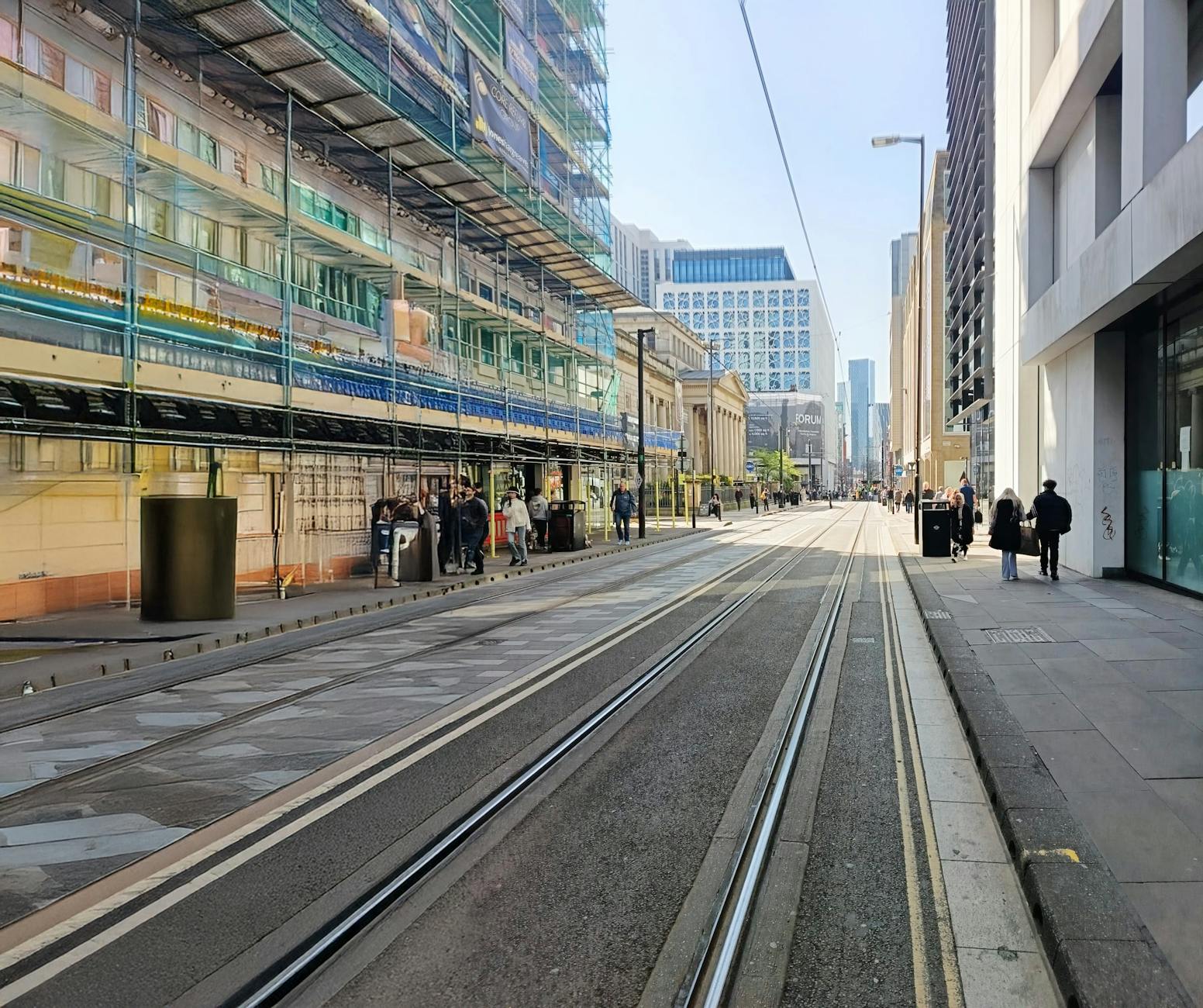
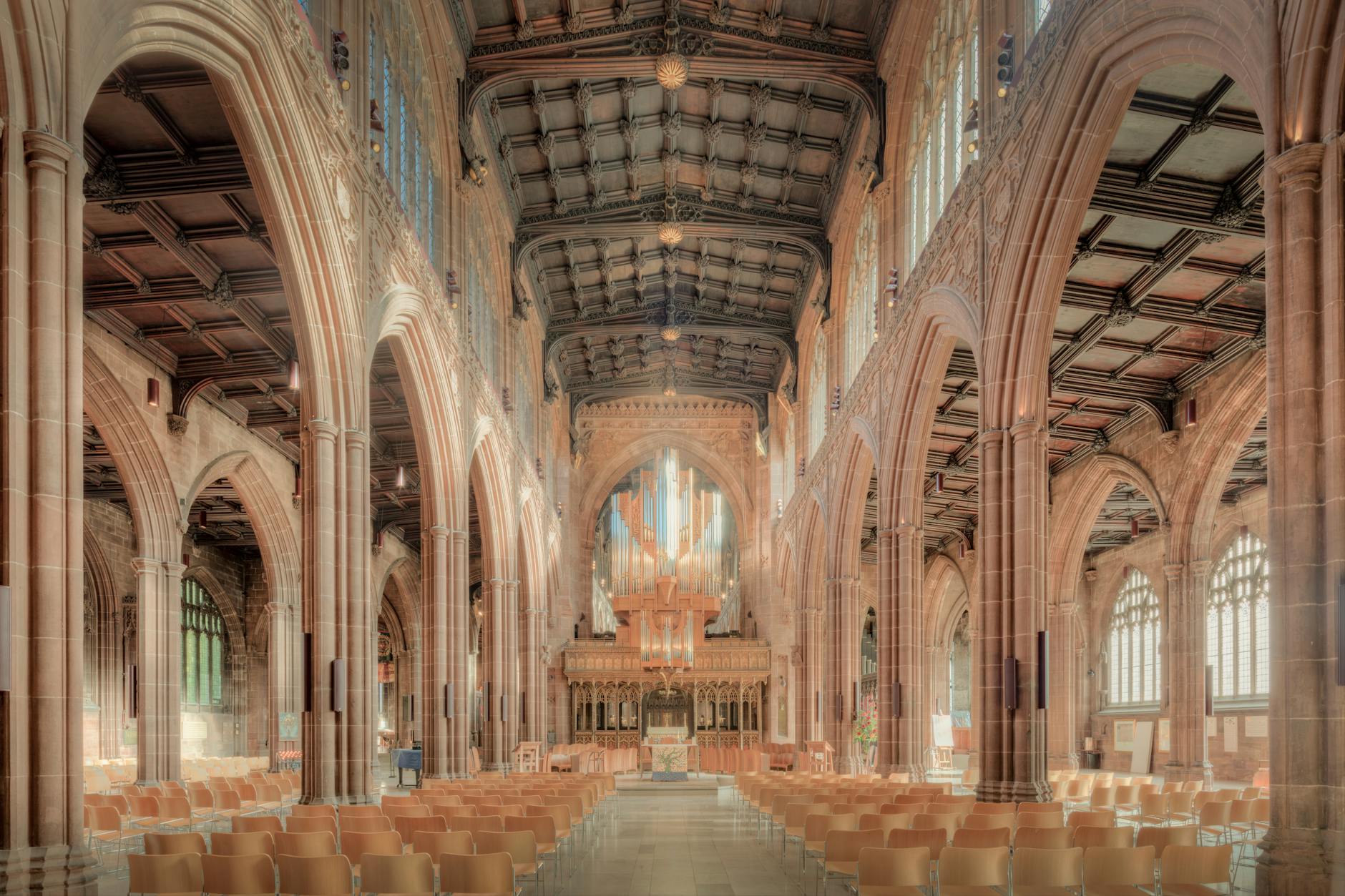
Manchester's indoor spaces are not just rainy-day substitutions. For families, libraries, galleries, museums, cathedrals, shops, cafes, and hotel lobbies can keep the trip functional. They provide toilets, seating, warmth, quiet, and a way to reset after overstimulation. A family itinerary that treats indoor anchors as optional may collapse when weather turns or children get tired.
A good family day might pair one indoor anchor with one outdoor or neighborhood block. Central Library, John Rylands Library, a museum, or a gallery can sit beside a short walk, lunch, and a tram ride. The goal is not to make children appreciate every building. It is to give the day enough structure that the adults are not constantly improvising around rain, hunger, and attention spans.
- Use indoor anchors for toilets, seating, warmth, quiet, and weather protection.
- Pair one indoor activity with one outdoor block rather than stacking multiple demanding stops.
- Keep a short list of nearby cafes or food options before entering museums, libraries, or galleries.

Respect walking surfaces, canals, and waterfront routes
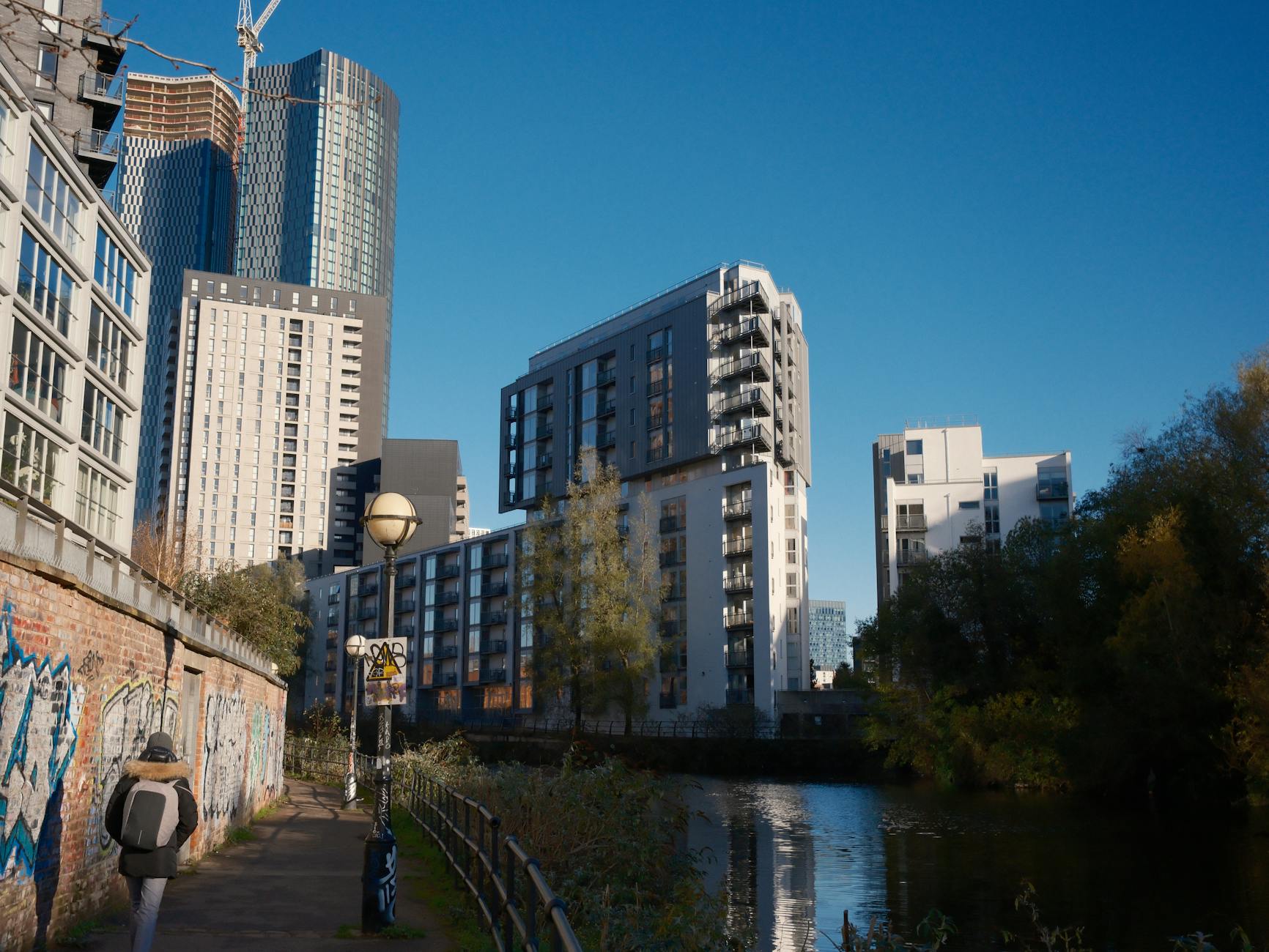
Manchester family walks should be chosen carefully. Canals, bridges, riverside paths, Castlefield, Salford Quays, and city-centre streets can be memorable, but stroller wheels, small legs, rain, construction, crossings, and low light change the experience. A route that feels scenic for adults may become slow when the family needs snacks, bathrooms, or a quick way out.
The answer is not to avoid walking. It is to use walking where it adds value and keep an exit plan. A short canal or waterfront stretch can be a good pressure valve. A long route between districts after dark is less family-friendly. Families should decide which walks are for pleasure and which movements are better handled by tram, taxi, or a shorter route.
- Check walking surfaces, crossings, lighting, bathrooms, and stroller practicality before committing.
- Use canals and waterfronts for shorter scenic blocks, not forced long transfers.
- Switch to tram or taxi when rain, tired children, or low light makes walking less sensible.
Plan meals before hunger takes over
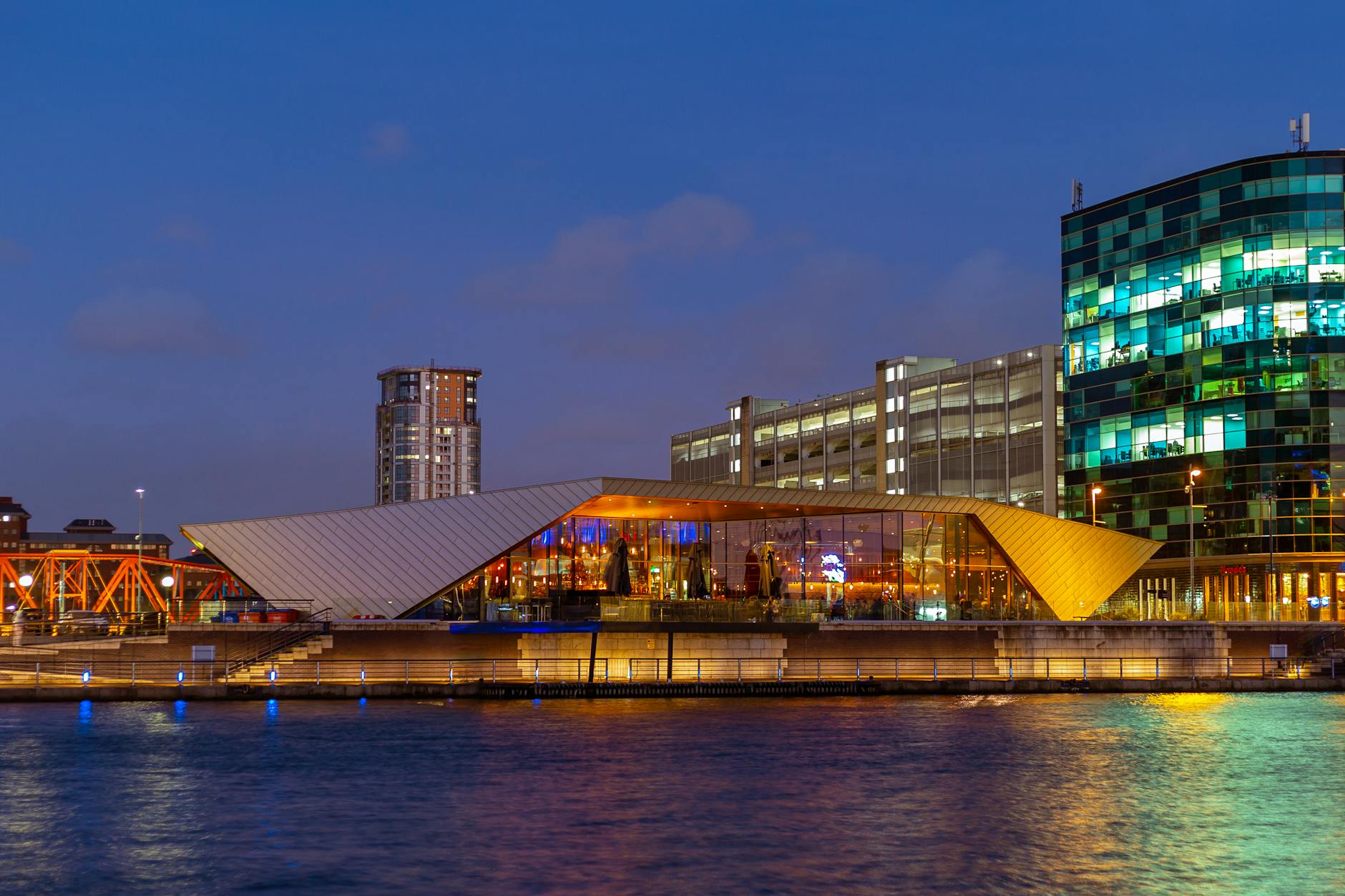
Family meals in Manchester should be planned earlier than adult meals. The city has good restaurants, casual options, hotel dining, markets, cafes, and neighborhood food, but hungry children narrow the choices quickly. A family should know where lunch, early dinner, snacks, and emergency food are likely to happen before the day starts. This is especially true around events, weekends, school holidays, and wet weather.
A practical meal plan also protects sleep. Late dinners, long waits, unfamiliar menus, and cross-city restaurant travel can break the next morning. Manchester can be enjoyable for food-focused families, but the trip works better when one meal carries the experience and the others carry the day. Not every meal has to be memorable. Some need only to be reliable, close, and calm.
- Identify lunch, early dinner, snacks, and emergency food before leaving the hotel.
- Book important meals ahead when events, weekends, holidays, or rain may increase demand.
- Let one meal be the special one and keep the others reliable enough for tired children.
Watch event crowds and family separation risk
Manchester is an event city. Football fixtures, concerts, university events, conventions, and busy shopping periods can all change the feel of a family day. Crowds may affect tram platforms, taxis, restaurant availability, hotel prices, and how easy it is to keep children close. A family trip does not need to avoid busy days, but it should know when they are happening.
Families should set simple rules before entering crowded areas: where to meet if separated, which adult carries documents, how phones are handled, and when the group stops pushing through a crowd and changes course. In Manchester, the most common family issue is not danger; it is overload. The plan should leave enough margin to step out of the crowd before the day becomes stressful.
- Check football, concerts, conventions, and large city-centre events before planning the day.
- Set family separation rules and phone/document routines before entering crowded areas.
- Leave enough margin to change route, eat early, or use taxis when platforms and streets are busy.
When to order a short-term travel report
A family with older children, a central hotel, and a flexible weekend may not need a custom Manchester report. A report becomes useful when the trip includes young children, strollers, car seats, medical or dietary needs, older relatives, multiple districts, football or concert timing, tight airport or rail departures, Salford Quays movement, rainy-season uncertainty, or a wish list that includes more than the family can sensibly handle.
The report should test hotel base, arrival transfer, daily walking load, stroller and luggage practicality, indoor backups, meal timing, toilets, tram and taxi choices, event pressure, child separation risk, medical fallback, and what to cut first if energy drops. The value is a Manchester family trip that feels rich without turning every outing into logistics.
- Order when children, strollers, dietary needs, events, or multiple districts make the trip fragile.
- Provide arrival details, hotel candidates, child ages, stroller needs, meal constraints, medical issues, and must-do priorities.
- Use the report to build realistic family blocks with recovery, food, bathrooms, and weather backups.