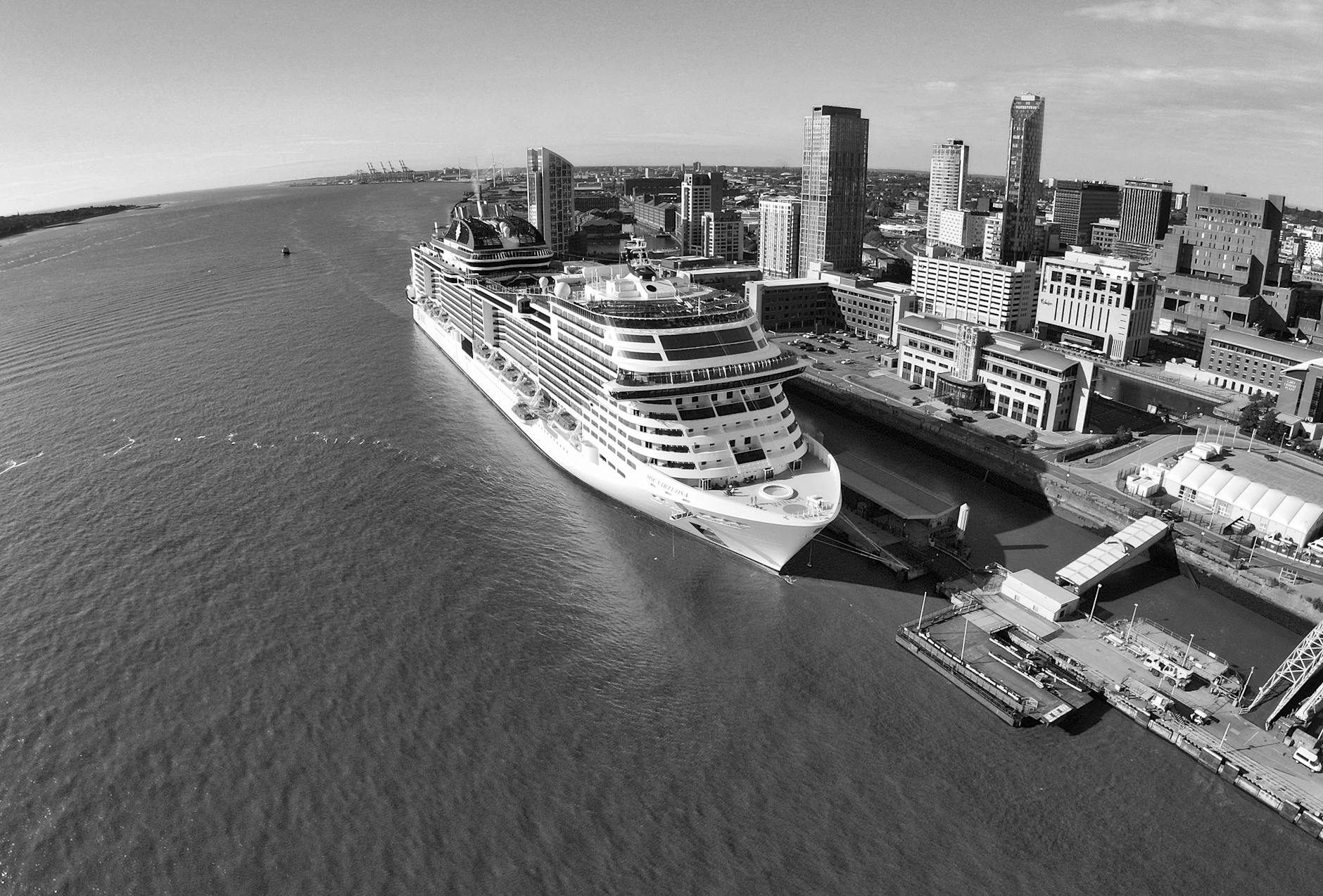
Manchester is not a cruise port, and that is the first point a cruise or port-call traveler has to respect. A Manchester stop usually belongs before or after a sailing from Liverpool or another UK port, as an inland extension from a British Isles itinerary, as a rail-linked city break between ship and flight, or as a practical base for travelers using Manchester Airport. It can be a strong addition to a cruise trip, but it is not the same as stepping off a ship into the city for a few hours. The planning problem is transfer discipline. Cruise travelers often carry more luggage, have stricter boarding windows, depend on rail, car, coach, or flight links, and may be traveling with older relatives, children, mobility constraints, or post-voyage fatigue. Manchester rewards an extra night or a carefully built transfer day. It punishes same-day overreach, vague port wording, and plans that ignore the fact that the ship, not the city, controls the clock.
Start by naming the real port gateway
A Manchester cruise plan begins with a blunt question: which port or airport actually controls the clock? Liverpool may be the most natural nearby cruise gateway, but a traveler may also be connecting from Southampton, Dover, Harwich, Newcastle, Greenock, a European port, or a flight through Manchester Airport. Each version changes the transfer, luggage, and timing problem. Manchester can be useful, but it should not be planned from the word cruise alone.
Travelers should separate three scenarios. A pre-cruise Manchester stay can work well if the port transfer is protected by a full buffer. A post-cruise Manchester stay can be efficient if luggage and fatigue are managed after disembarkation. A same-day inland excursion from a port to Manchester is usually fragile unless the ship, operator, and transfer plan are unusually clear. The city should not be forced into a port-call frame it does not fit.
- Identify the actual port, terminal, ship timing, flight timing, and transfer mode before planning Manchester.
- Separate pre-cruise, post-cruise, airport-linked, rail-extension, and same-day shore-excursion scenarios.
- Do not treat Manchester like a walk-off port call; it is an inland city with transfer risk.
Decide whether Manchester is the base or the add-on
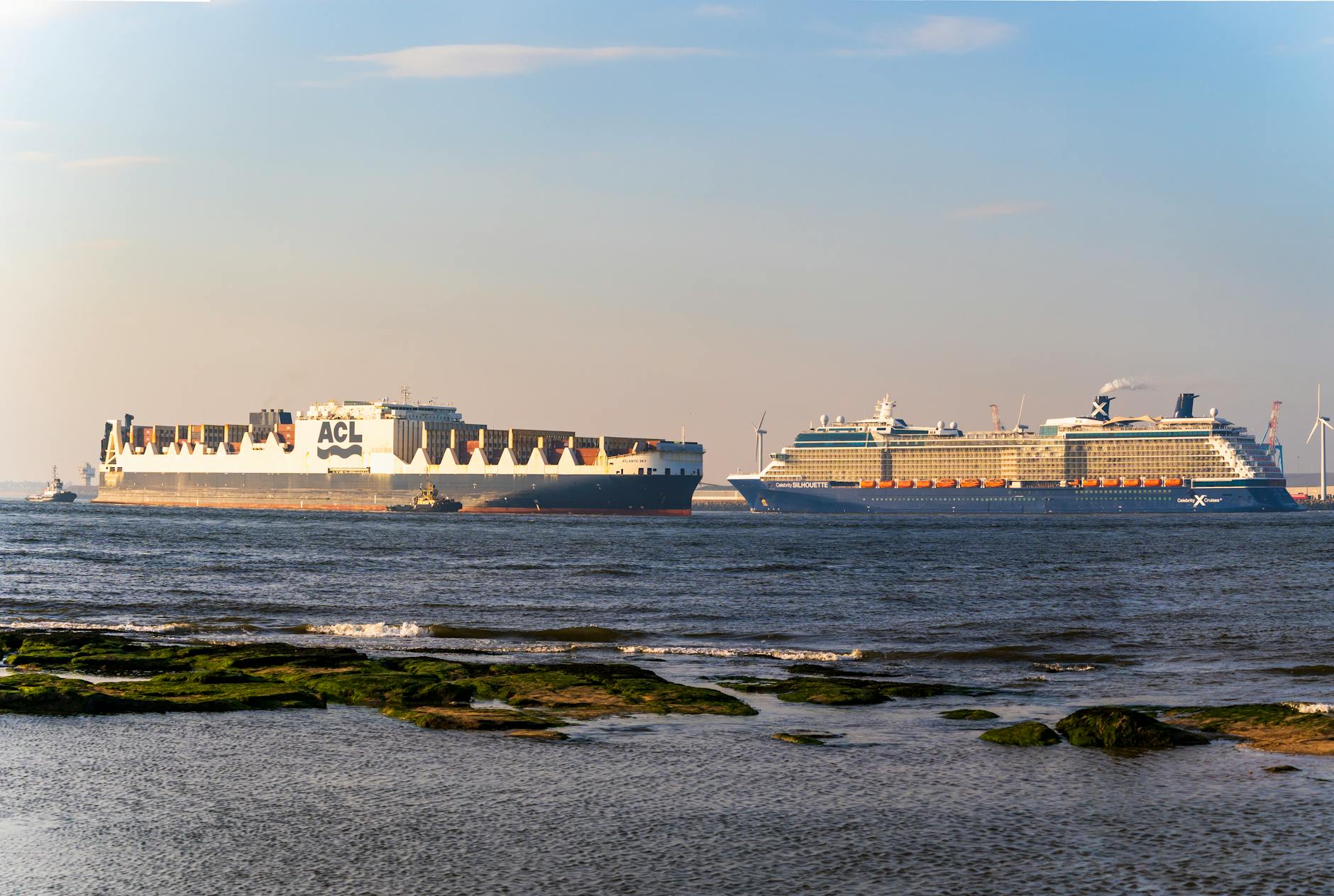
Manchester can play several cruise roles. It can be a pre-cruise city stay before moving to Liverpool or another port. It can be a post-cruise recovery stop before flying home. It can be an airport base with a short city visit, or a rail-linked add-on for a traveler who wants northern England beyond the port. Those are different trips. A hotel near Piccadilly, Deansgate, Salford Quays, the airport, or a tram line makes sense only after the role is clear.
The strongest Manchester cruise add-ons usually keep the city compact: one or two neighborhoods, a waterfront or museum anchor, a manageable dinner plan, and a clean transfer the next day. If the traveler is using Manchester as a base for Liverpool, the plan should include how early the group must leave, where luggage will sit, and what happens if rail or road movement is disrupted.
- Choose the hotel by whether Manchester is a pre-cruise base, post-cruise recovery stop, airport stop, or rail-linked add-on.
- Use Piccadilly, Deansgate, Salford Quays, or airport-area lodging only when it matches the transfer problem.
- Keep the city route compact enough to preserve the cruise or flight handoff.
Build the itinerary backward from the deadline
Cruise travelers should plan Manchester backward from the non-negotiable deadline: ship boarding, all-aboard time, port transfer, airport check-in, or a train that cannot be missed. A late hotel checkout, lunch that runs long, traffic on the motorway, a rail delay, a tram disruption, or a luggage-storage issue can matter more than another gallery or football stop when the ship or flight will not wait.
The safest version usually includes a protected buffer. For a pre-cruise stay, that may mean reaching the port city the night before embarkation rather than gambling on a same-morning transfer from Manchester. For a post-cruise visit, it may mean accepting a lighter first day after disembarkation. If the plan truly depends on same-day movement between Manchester and a port, the traveler should know the backup train, backup car option, and what happens if a delay consumes the margin.
- Plan Manchester backward from ship boarding, all-aboard time, train departure, airport check-in, or port transfer.
- Prefer reaching the port city the night before embarkation when the cruise schedule is unforgiving.
- Keep a backup train, car, or hotel plan for any Manchester-port transfer that cannot slip.
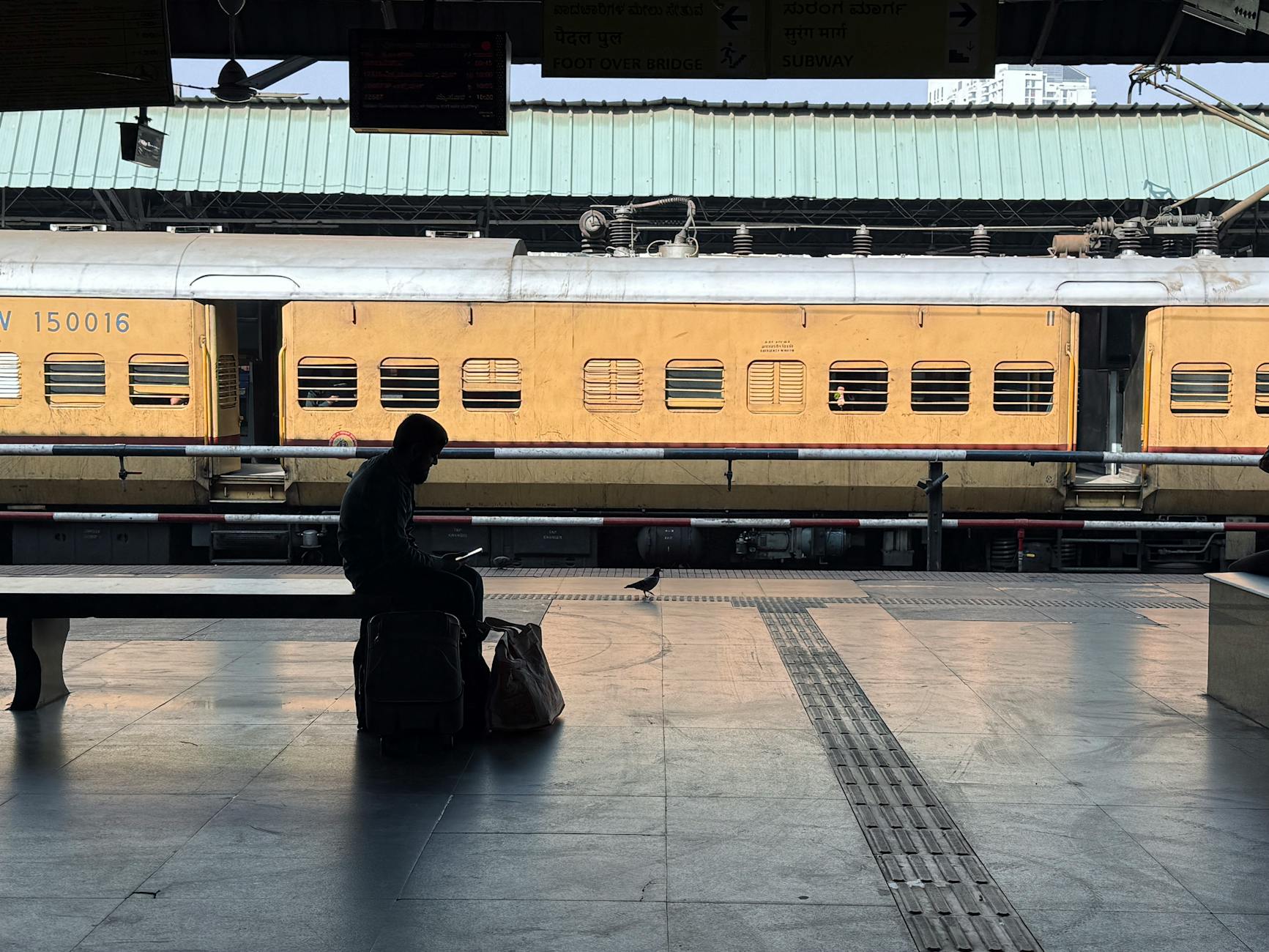
Treat luggage as part of the city plan
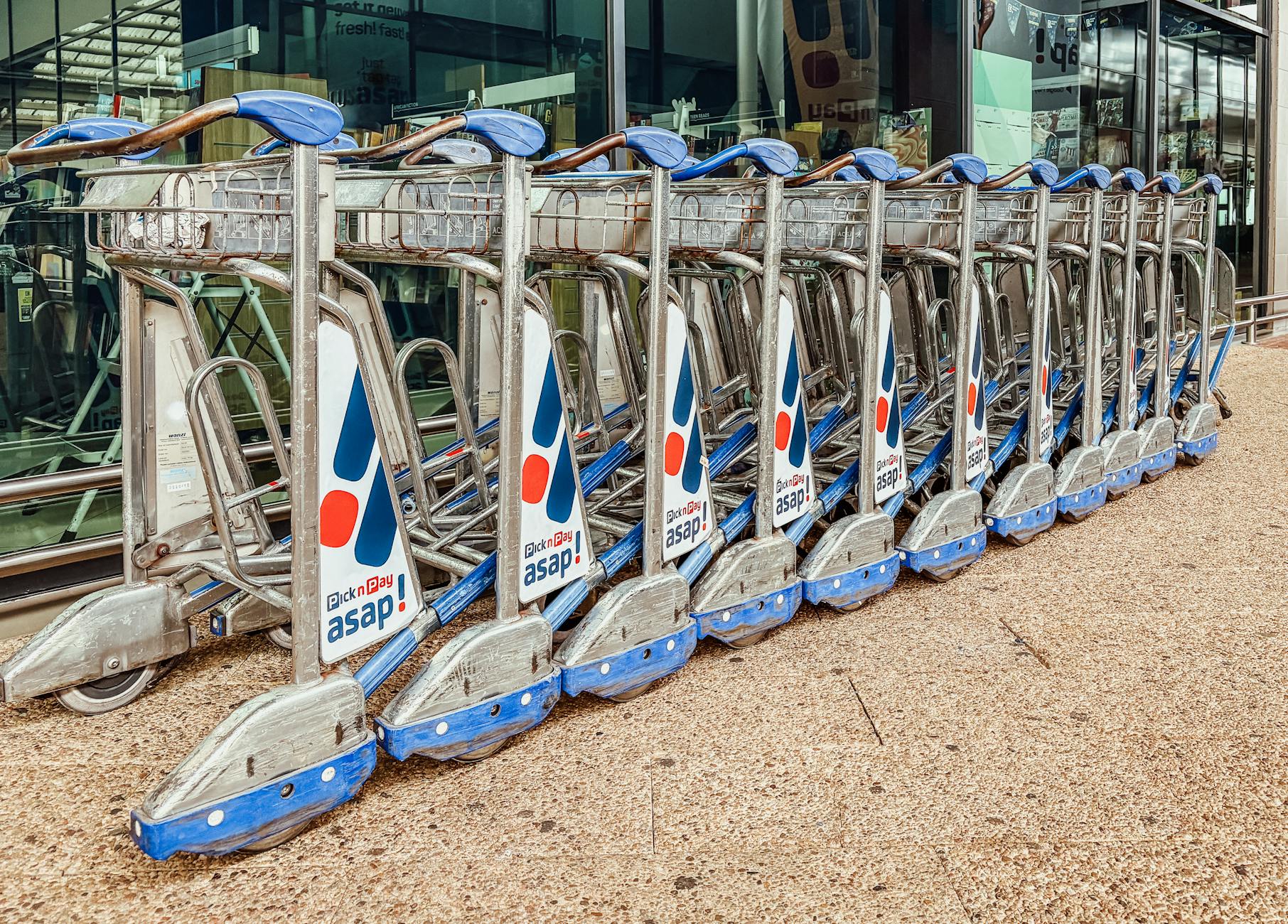
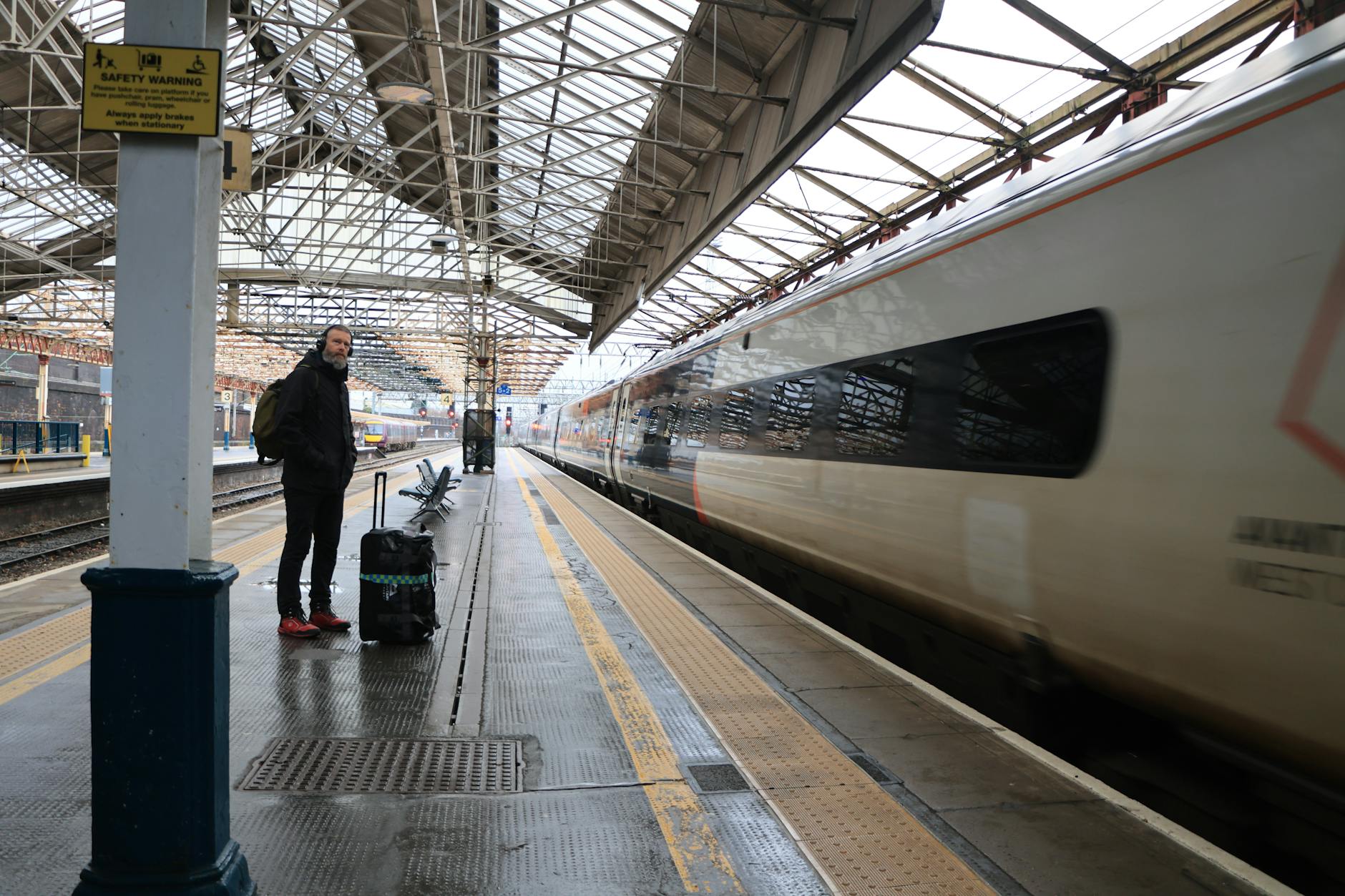
Cruise travelers often carry more than ordinary short-stay visitors: checked bags, formalwear, medication, mobility aids, extra shoes, garment bags, or souvenirs from the voyage. Manchester is manageable with luggage only when storage and transfers are settled in advance. Manchester Airport, Piccadilly, Victoria, tram platforms, hotel lobbies, apartment rentals, left-luggage services, and taxi pickups all feel different when the traveler is handling cruise bags.
The practical plan should define where luggage sits at every stage: airport to hotel, hotel to station, station to Liverpool or another port city, and final transfer to ship or flight. Sightseeing with full-size cruise luggage is usually a poor plan unless the route is genuinely door-to-door. Passports, cruise documents, medication, valuables, and one change of clothes should remain accessible instead of disappearing into checked luggage.
- Map luggage storage and transfer handling for airport, hotel, rail station, port-city train, and ship or flight handoff.
- Avoid sightseeing with large cruise bags unless transport is door-to-door.
- Keep passports, cruise documents, medication, valuables, and one change of clothes separate from checked luggage.
Keep the Manchester day deliberately narrow
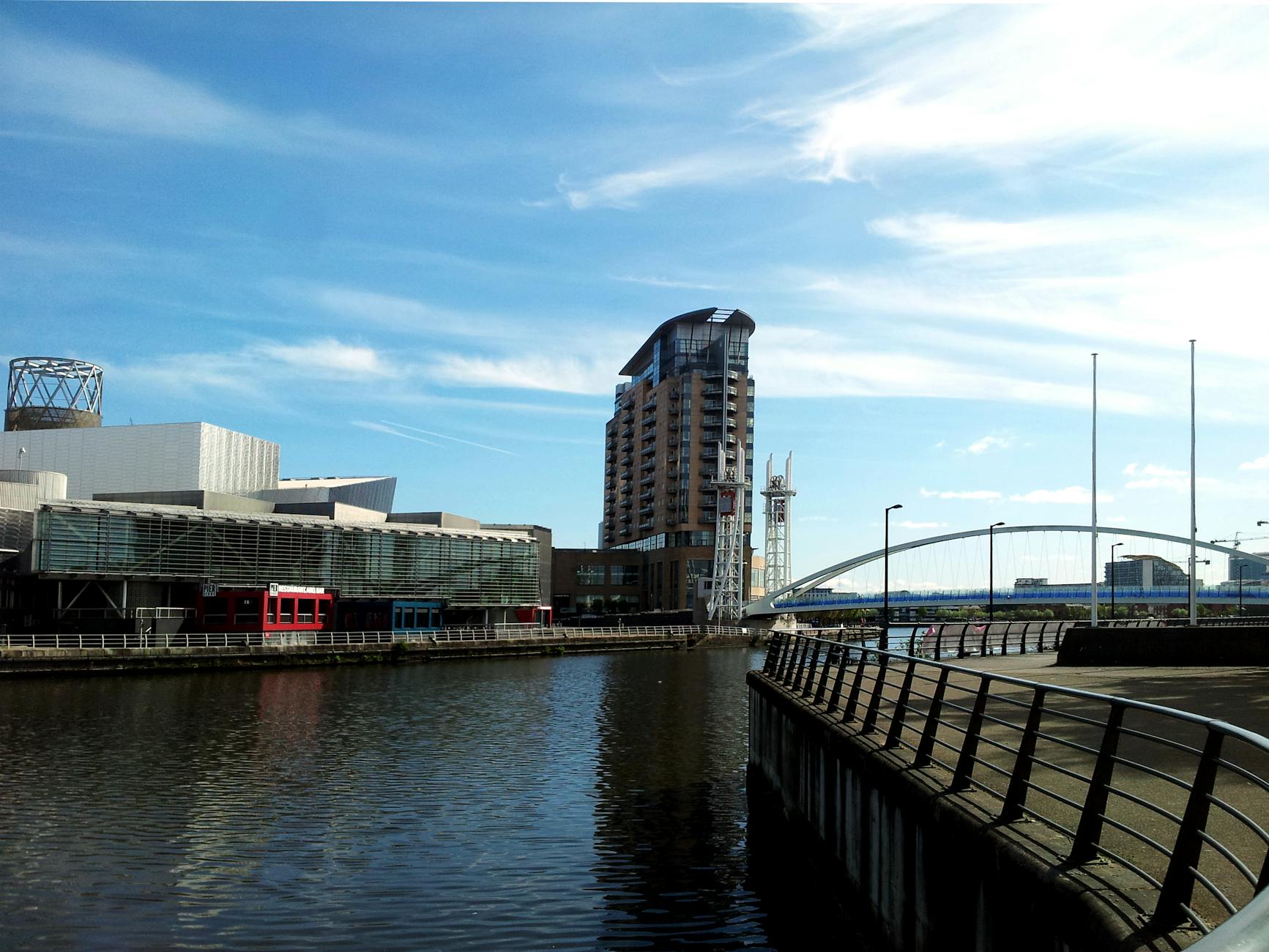
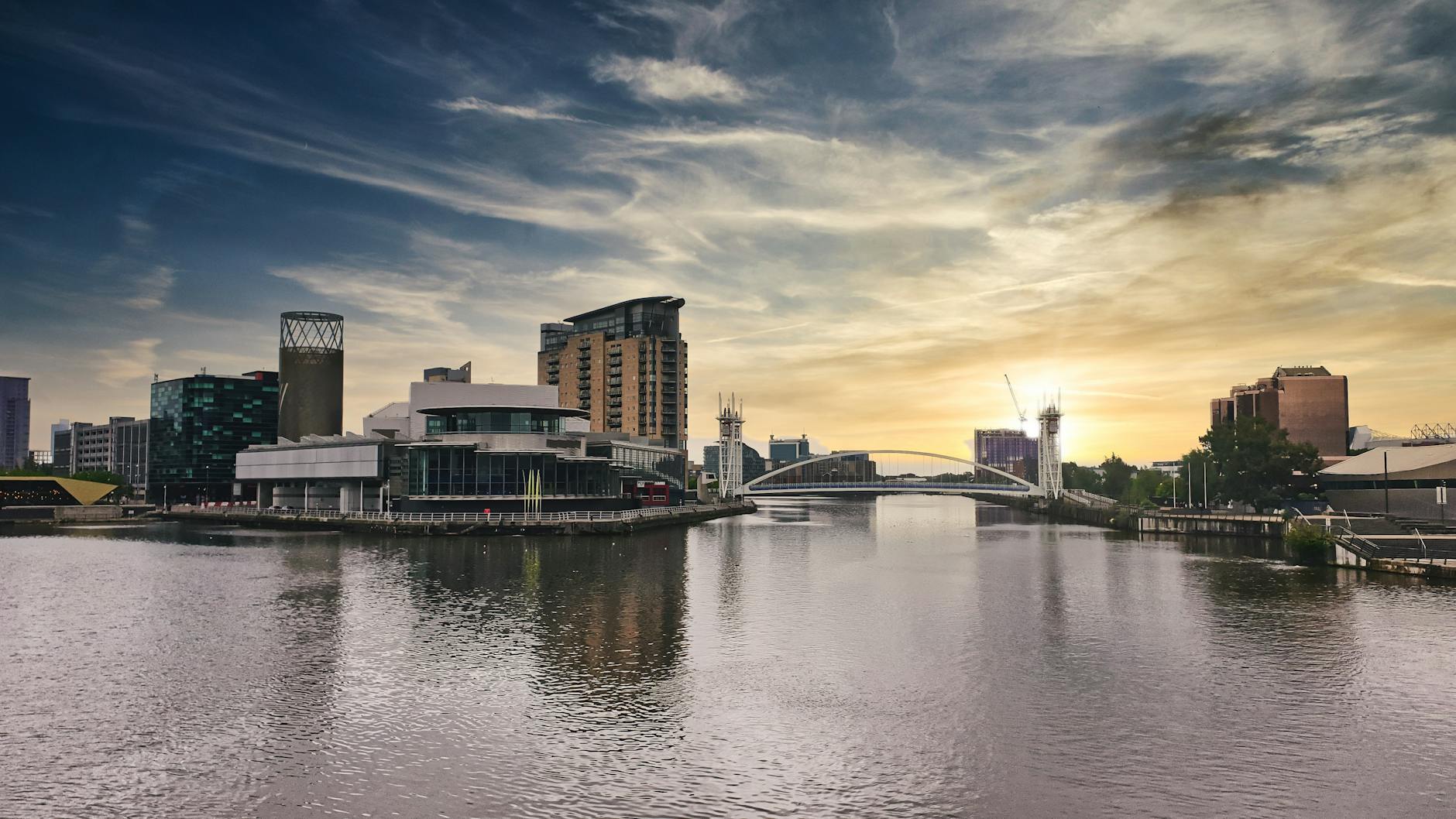
A cruise traveler in Manchester often has less usable time than the calendar suggests. Arrival, luggage, check-in, jet lag, meal timing, rail connections, and onward transfer stress can shrink a one-day stop quickly. The city route should be narrow: one or two core zones, not a frantic attempt to cover every famous sight. Castlefield and canals, Manchester Art Gallery and the center, Salford Quays and MediaCity, a football-focused visit, or one food-and-neighborhood route will usually work better than a scattered checklist.
This is especially true before embarkation. The goal is not to exhaust the group before boarding the ship. A compact route can still feel substantial if it protects meals, toilets, seating, weather shelter, and a clean return to the hotel, station, or airport. Manchester works best as a cruise add-on when it deepens the trip rather than becoming another deadline.
- Use one or two Manchester zones rather than a citywide checklist on a transfer-sensitive stay.
- Choose Castlefield, central museums, Salford Quays, football, or one food route as the day's center.
- Protect meals, seating, toilets, weather shelter, and return time so the city does not drain the cruise party.
Choose transfers for reliability, not just price
Manchester's rail, tram, airport, coach, and road links can be useful, but the cruise traveler should judge them by reliability under pressure. Rail to Liverpool can be efficient when luggage is manageable and the timing is protected. A private car can simplify bags, children, older travelers, or mobility needs, but it can face road traffic. A coach or cruise-line transfer may be less flexible but can reduce timing anxiety when the ship is the endpoint.
The right answer depends on port, date, luggage, party size, mobility, flight timing, and appetite for risk. Travelers should know pickup location, vehicle size, waiting policy, station access, tram or train disruption, communication method, and what happens if the ship clears late or a train arrival changes. The cheapest transfer is not cheap if it puts embarkation or a long-haul flight at risk.
- Compare rail, tram, taxi, private car, coach, and cruise-line transfers by full journey reliability, not headline travel time.
- Confirm pickup location, station access, vehicle size, luggage capacity, waiting policy, and communication method.
- Use a protected buffer when the transfer connects directly to ship boarding or a long-haul flight.

When to order a short-term travel report
A cruise traveler spending several relaxed nights in Manchester after the voyage may not need a custom report. A report becomes useful when Manchester is tied to a ship deadline, Liverpool or other port transfer, same-day flight, rail connection, heavy luggage, older travelers, mobility limitations, medical needs, several hotel options, or an ambitious plan to see the city with little margin. Those are the trips where generic Manchester advice does not answer the boarding-clock problem.
The report should test the actual port, ship timing, all-aboard deadline, flight or rail link, hotel base, luggage storage, transfer sequence, Manchester route, mobility constraints, meal timing, current disruption risks, and fallback options. The value is a Manchester extension that respects the cruise clock. It should help the traveler enjoy the city without gambling the ship, the luggage, or the next leg of the journey.
- Order when Manchester connects to ship timing, port transfers, same-day rail, heavy luggage, or mixed-mobility travel.
- Provide port city, cruise line, ship times, flights, train preferences, hotel candidates, luggage needs, and group constraints.
- Use the report to protect the cruise deadline while making the Manchester stop feel worthwhile.