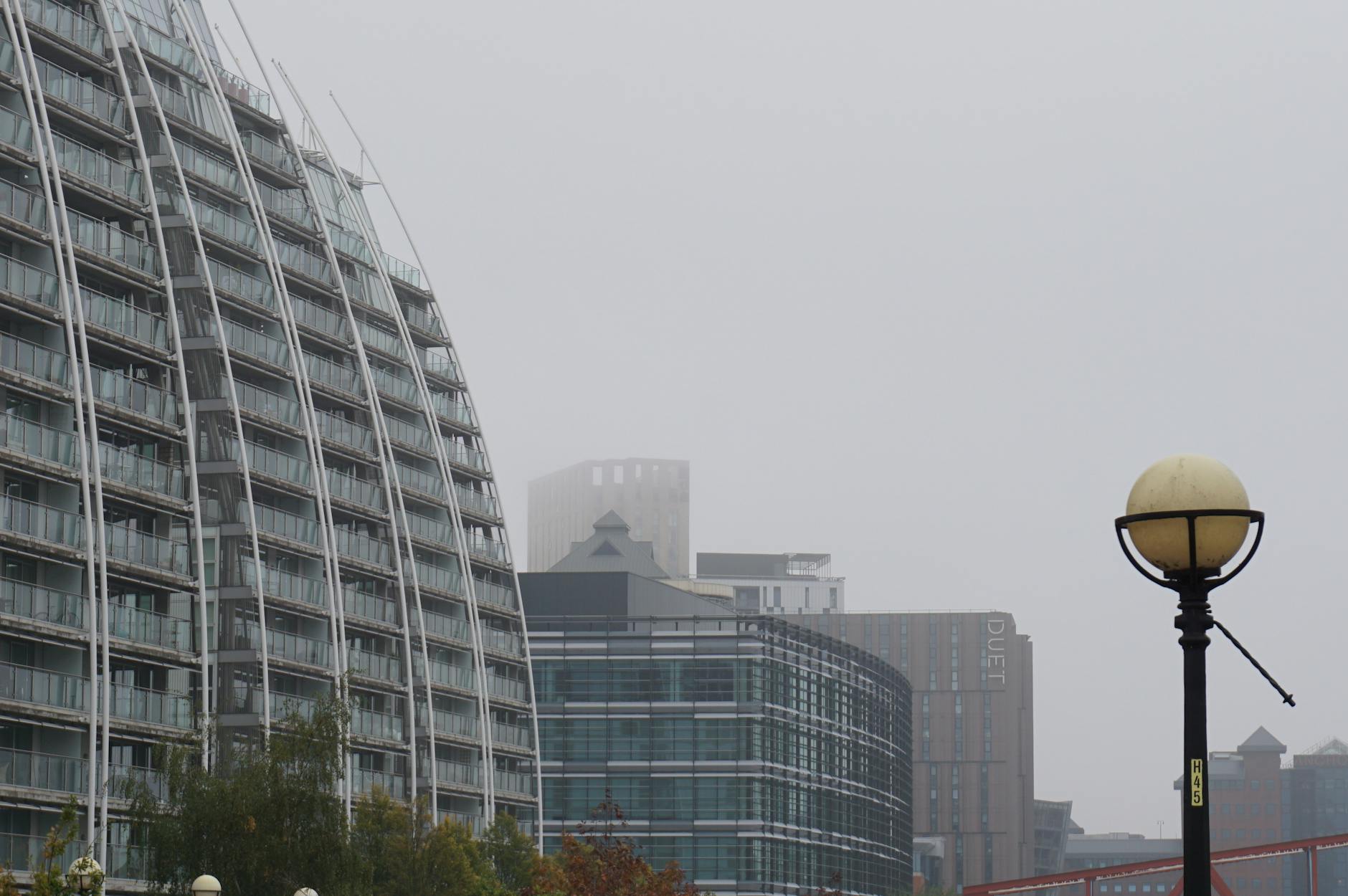
Manchester gives content creators strong material in a small working area: red-brick streets, canals, modern towers, Salford Quays, MediaCity, music history, football culture, student life, markets, cafes, nightlife, murals, rain-lit streets, and neighborhoods that look different within a few tram stops. That range is useful, but it can also make a short creator trip messy. A day can disappear into cross-city moves, repeated takes, weak weather planning, permissions trouble, dead batteries, crowded venues, or footage that looks good without saying anything specific. The practical question is what kind of work the creator is making. A food reviewer, fashion creator, student-life vlogger, music channel, football creator, architecture photographer, brand partner, solo short-form creator, and small production crew need different routes and different limits. A good Manchester plan protects the story, the people in the frame, the equipment, the edit, and the creator's own safety without flattening the city into another interchangeable backdrop.
Start with the Manchester story
Manchester is easy to overshoot because the surface is generous. A creator can collect clips of trams, brick streets, canals, coffee, murals, stadium-adjacent crowds, skyline views, and rainy pavements without producing a clear point of view. The first decision should be what the audience is supposed to understand: first weekend, student life, music heritage, football culture, creative neighborhoods, budget eating, hotel stay, queer nightlife, rainy-city mood, or a brand-specific angle.
That thesis should control the route. A music story may use venue exteriors, record shops, Northern Quarter texture, and evening crowds. A student-life story may need Oxford Road, university edges, cafes, grocery prices, and late transport. A football creator needs match-day geography and crowd discipline. A visual city essay may need canals, red brick, Salford Quays, and weather rather than one more quick montage of central streets.
- Define the audience, platform, story angle, deliverables, and visual standard before choosing locations.
- Match locations to the content lane: music, football, food, student life, nightlife, architecture, budget, or brand work.
- Avoid a Manchester montage that looks atmospheric but says nothing specific.
Build shoot days as neighborhood blocks
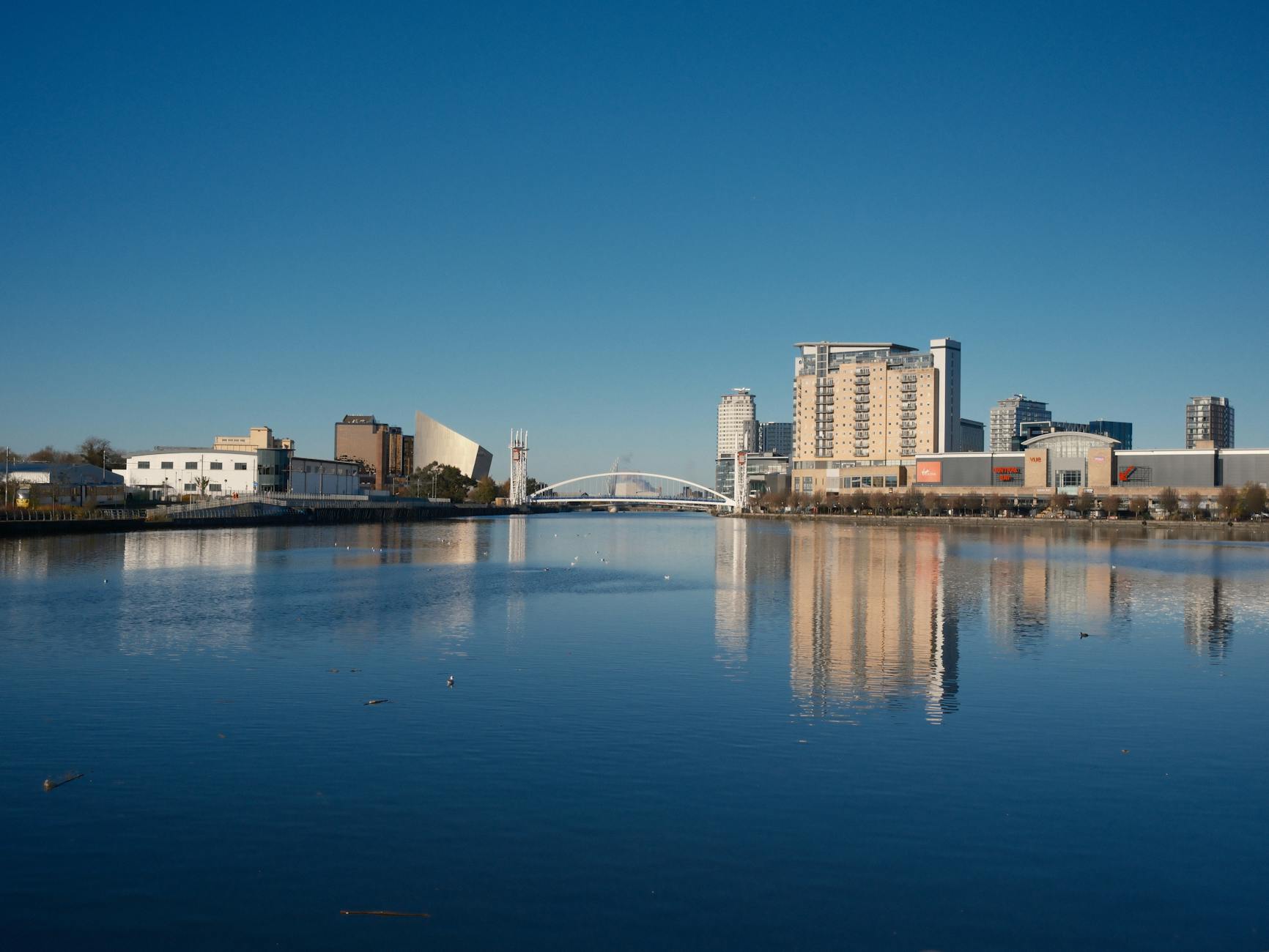
Creator days work better when Manchester is treated as a set of production blocks. The city centre, Northern Quarter, Ancoats, Castlefield, Deansgate, Oxford Road, Salford Quays, MediaCity, Chorlton, the Gay Village, stadium areas, and market or food streets all have different light, crowds, sound, access, and brand fit. Jumping between too many of them can waste battery and daylight without improving the final story.
Each day should have an anchor and supporting scenes. A Northern Quarter day might cover murals, coffee, shops, street texture, and evening food within walking distance. A Salford Quays day can support waterfront views, modern architecture, media context, and cleaner tripod alternatives if rules allow. A music or nightlife day should be built around event timing and a realistic way home. The route should protect light, sound, rest, and upload time instead of chasing variety for its own sake.
- Cluster each shoot day around one anchor area and nearby supporting scenes.
- Treat Northern Quarter, Ancoats, Castlefield, Oxford Road, Salford Quays, and stadium areas as different shoot environments.
- Cut weak locations early when light, crowding, weather, or audio starts to undermine the work.
Know where filming may create friction
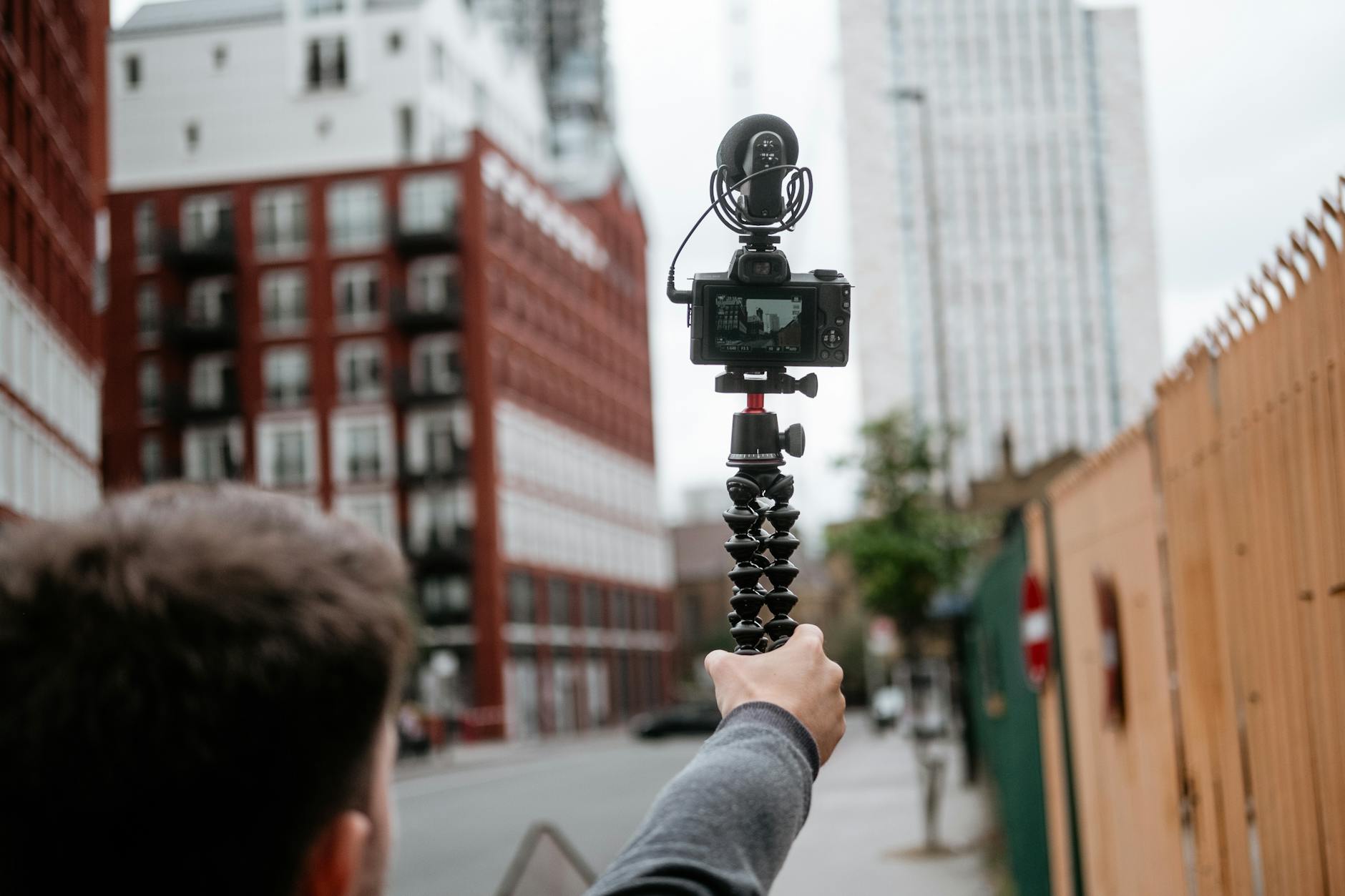
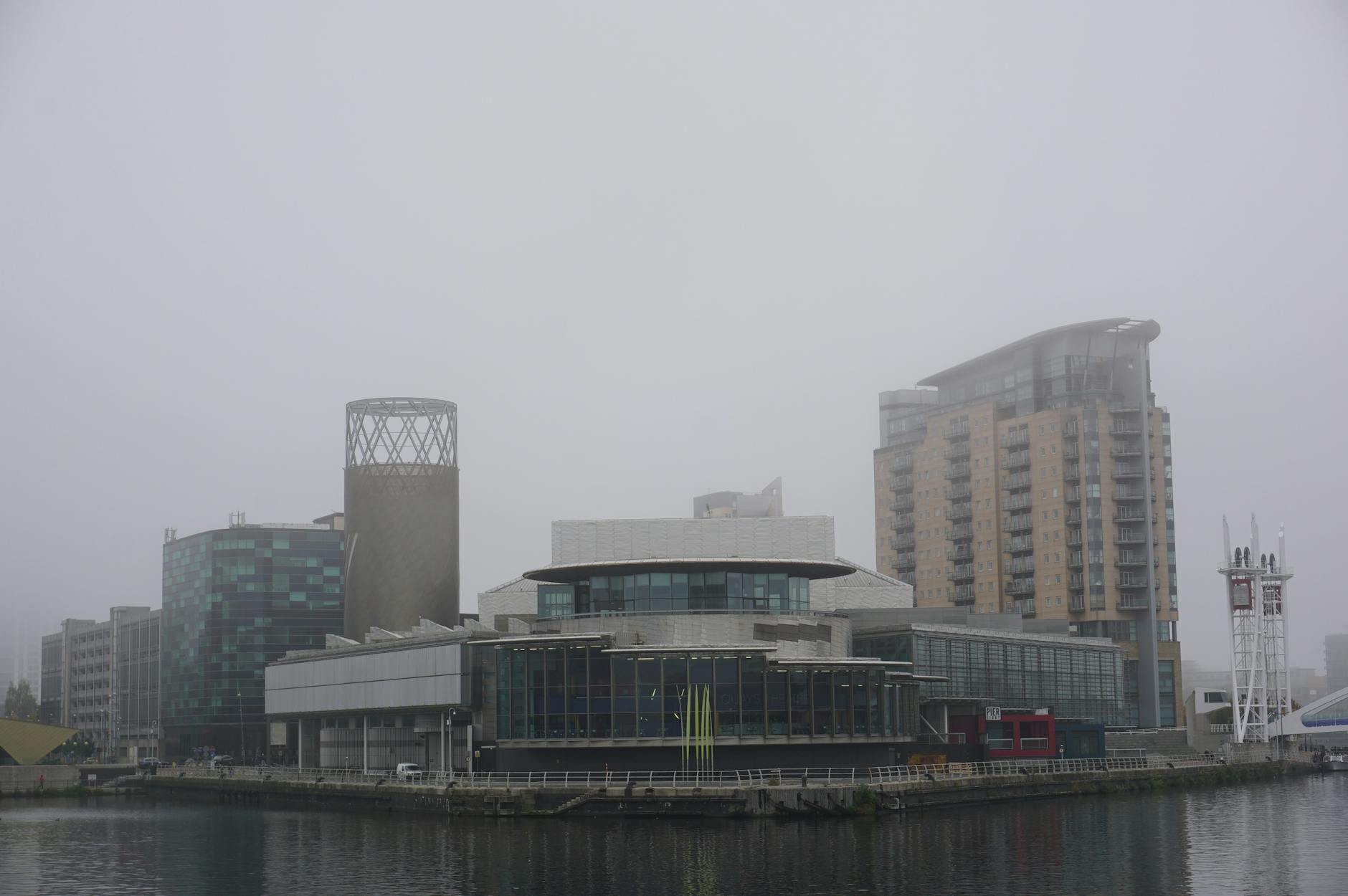
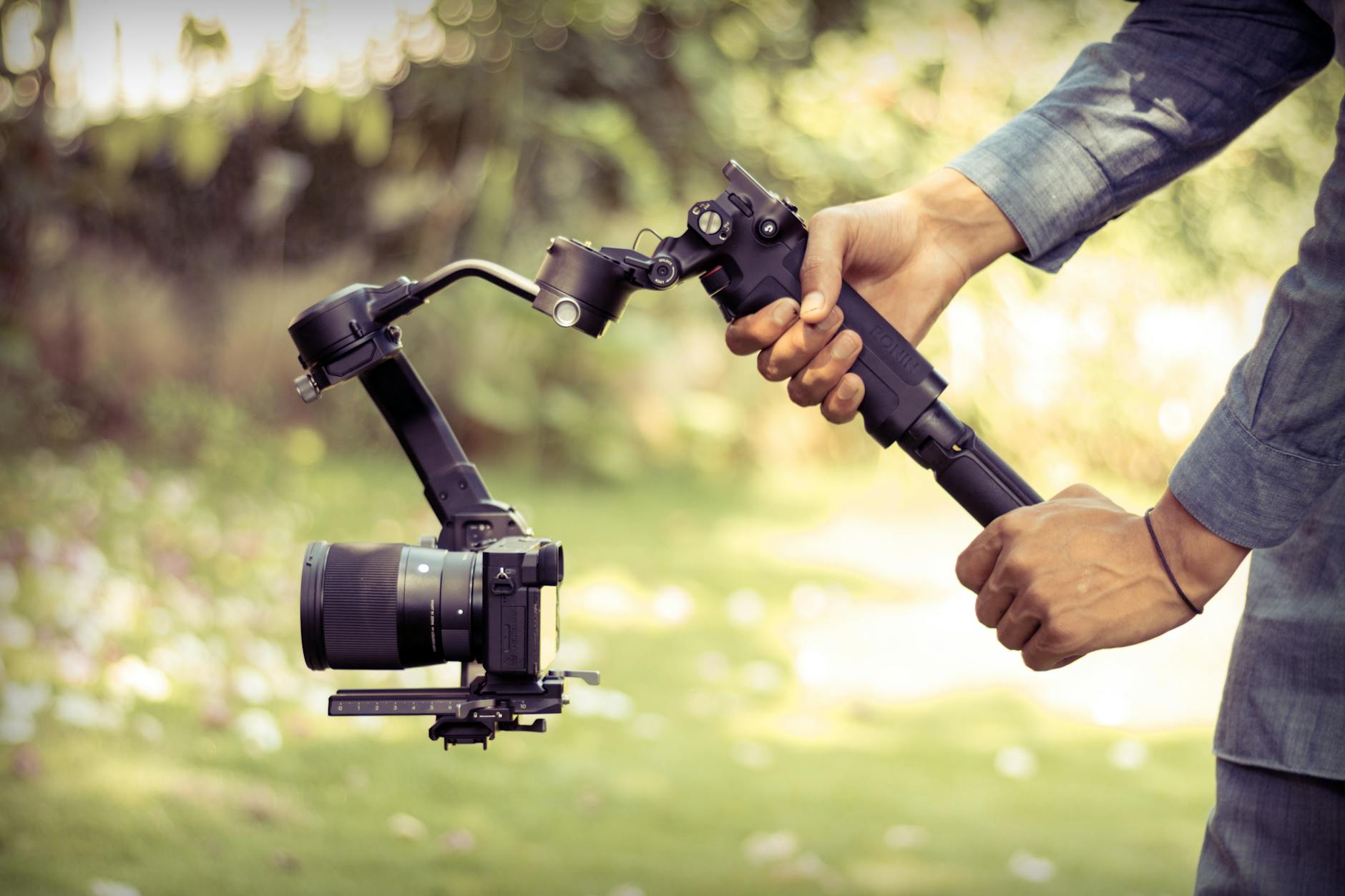
A phone clip on a public street is different from a tripod, gimbal, drone idea, microphone, lighting setup, repeated take, or sponsored shoot. Manchester has many places that feel open but still have rules: tram and rail property, museums, galleries, markets, shops, hotel lobbies, restaurants, private courtyards, music venues, stadium areas, university buildings, and managed public spaces. A creator should not build a deliverable around access that has not been checked.
Permission matters more when content is commercial, sponsored, or brand-adjacent. Restaurants may tolerate quick phone clips but object to lights or staff filming. Venues may restrict cameras even when phones are everywhere. Football and transport settings can become sensitive quickly if the setup blocks movement or appears professional. Drones should not be improvised. A low-impact plan usually gets more usable material than a visible production setup that forces staff to intervene.
- Treat tripods, gimbals, microphones, lighting, drones, and repeated takes as higher-friction production behavior.
- Check rules for trams, rail stations, museums, markets, venues, stadium areas, hotels, restaurants, and university buildings.
- Be clearer about permissions when content is sponsored, monetized, or tied to a brand deliverable.
Treat music, football, and nightlife carefully
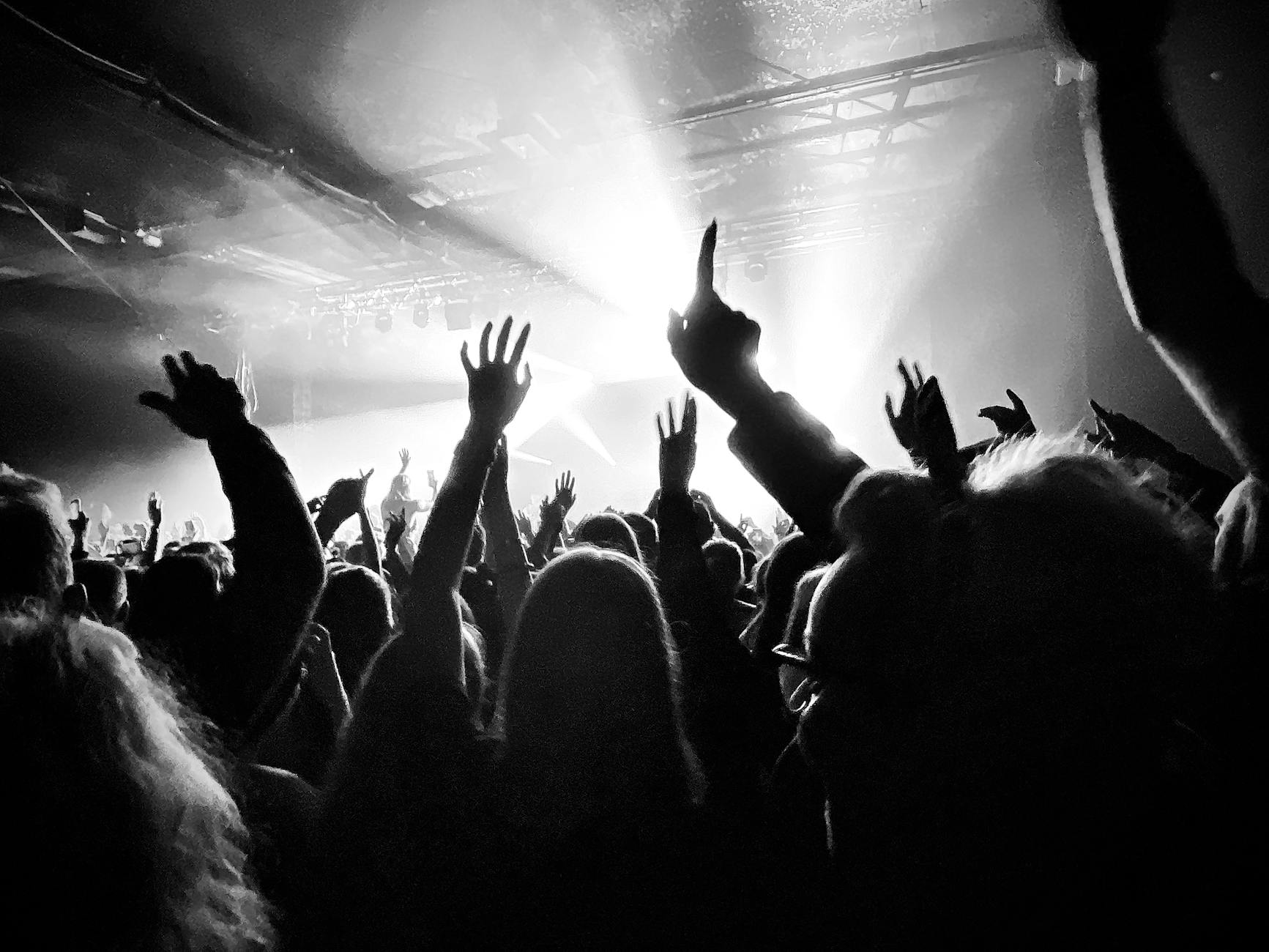
Manchester's music, football, and nightlife identities are strong content material and easy places to misjudge. A gig crowd, club queue, pub after a match, street outside a venue, or late-night food stop can produce energy, but also low light, noise, alcohol, crowd movement, venue security, theft risk, and people who did not agree to become part of a creator's brand story. The creator should know whether the goal is atmosphere, review, fan culture, event coverage, or personal narrative before filming.
Night shoots need a return plan, gear discipline, and restraint around real-time posting. Do not reveal the hotel, route, or solo location while the creator is still there. Avoid making staff, door teams, performers, fans, or intoxicated strangers central to monetized content without consent. Match days and major events also affect trams, taxis, restaurants, and crowd behavior, so they should be treated as part of the production plan, not background color.
- Plan gigs, nightlife, match days, and late food around security, sound, light, consent, and the return route.
- Avoid real-time hotel reveals, predictable solo routines, and posting exact locations while still on site.
- Do not make staff, performers, fans, or intoxicated strangers central to commercial content without consent.
Respect people who become part of the frame
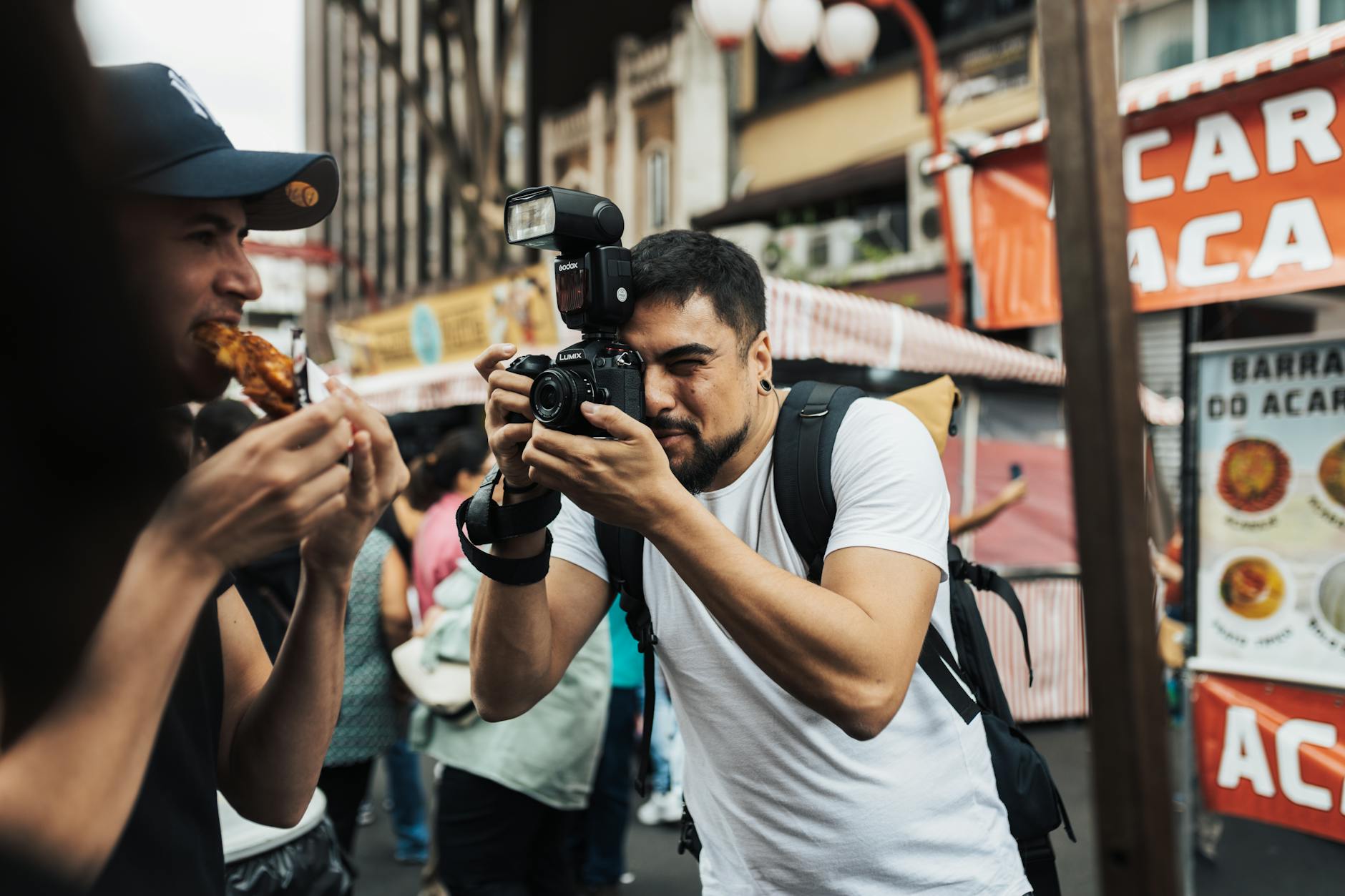
Manchester content often becomes stronger when it includes people: market vendors, baristas, students, commuters, artists, football supporters, musicians, restaurant staff, friends, and people moving through ordinary streets. The risk is treating them as free atmosphere. A person who is central to the shot, recognizable in a sensitive context, working at a counter, sitting with a child, or being used to sell a brand story deserves more care than a distant figure crossing a square.
Creators should use extra restraint around children, unhoused people, medical settings, worship, protests, private conversations, students in distress, and anyone who may be identifiable in a vulnerable moment. Ask when a person is central to the scene, and reframe when the consent or dignity question is unclear. Good Manchester content can still be energetic and commercial without turning residents into props.
- Ask when a person is central to the shot, especially workers, performers, vendors, and collaborators.
- Use extra restraint around children, unhoused people, worship, protests, private conversations, and vulnerable moments.
- Hold sponsored or monetized content to a higher consent and dignity standard.
Protect gear, footage, and editing capacity
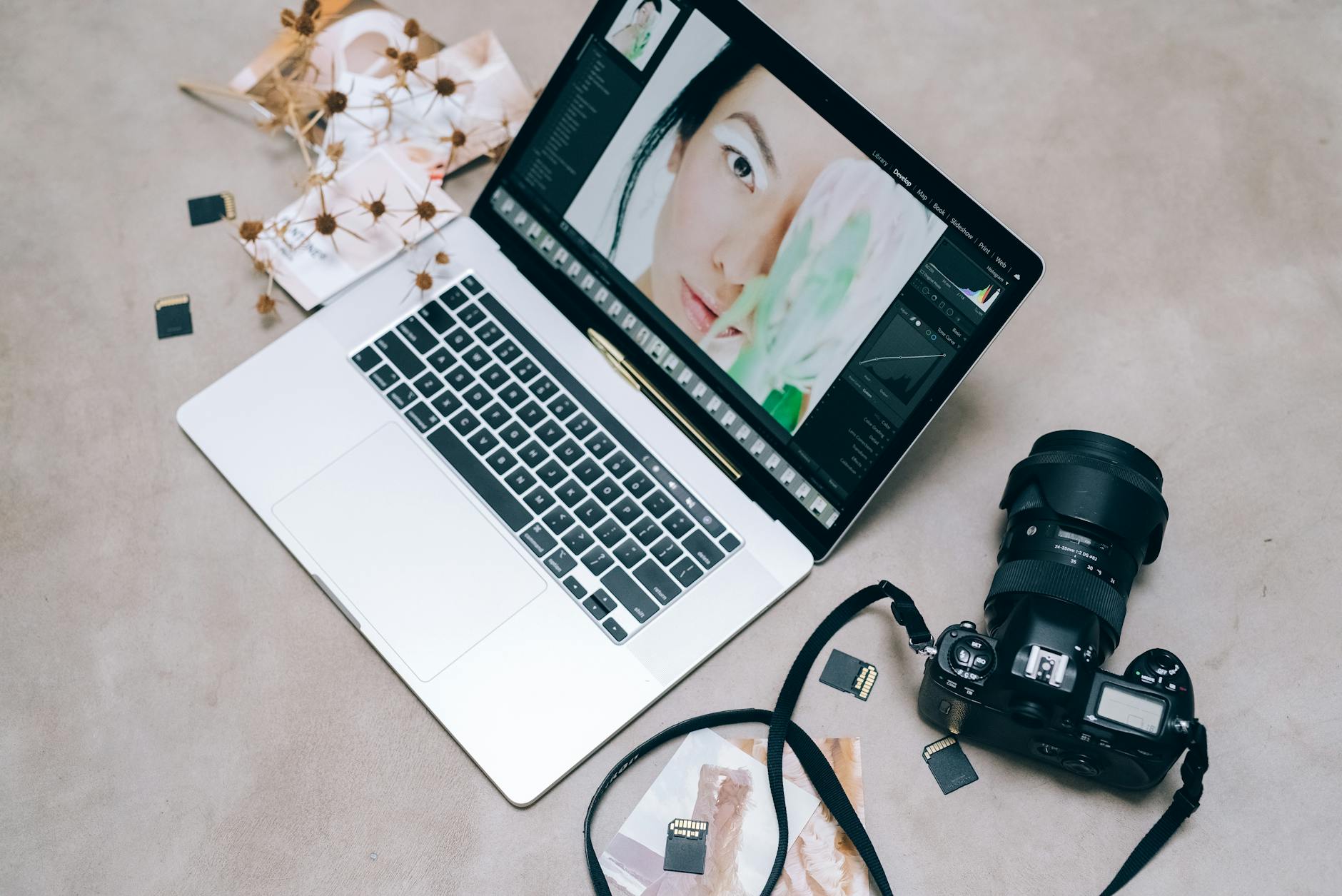
Creators often carry a compact but expensive kit: phone, camera, lenses, gimbal, microphones, tripod, laptop, chargers, memory cards, power banks, hard drive, wardrobe, and sponsor products. Manchester's rain adds another layer to ordinary city risk. Bags, lenses, paper notes, audio quality, makeup, food shots, and phone screens all behave differently in wet weather. The creator should carry the smallest viable kit for the day and keep backup storage separate from primary gear.
The hotel or apartment should be judged as a production base, not only a bed. Desk space, Wi-Fi, outlets, quiet, dry storage, laundry, late food access, and a secure place to unload matter when the creator has to edit, caption, back up, upload, and prepare for the next shoot. A strong workflow copies material daily, labels files by location, charges everything, checks missing shots, and leaves enough time to publish without rushing source captions or disclosures.
- Carry the smallest viable kit and protect cameras, mics, phones, notes, wardrobe, and products from rain.
- Choose lodging partly for desk space, Wi-Fi, outlets, quiet, dry storage, and secure gear handling.
- Back up files daily, label by location, charge batteries, track missing shots, and reserve upload time.
When to order a short-term travel report
A casual creator making personal posts in Manchester may not need a custom report. A report becomes useful when the trip involves paid deliverables, several shoot neighborhoods, food or hotel content, music or football material, solo filming, expensive gear, night shoots, permission-sensitive interiors, tight upload deadlines, or a client who expects reliable production rather than good intentions. Those trips need more than a list of photogenic places.
The report should test the shoot map, hotel base, neighborhood clusters, light windows, venue and restaurant permissions, tram, rail, taxi, and walking logic, backup scenes, crowd exposure, rain contingencies, gear movement, current disruption risks, editing environment, and upload plan. The value is a creator-aware operating brief for Manchester: where to shoot, when to move, what to ask, where friction may appear, and how to protect the work after the camera stops recording.
- Order when paid content, gear, permissions, solo work, multiple neighborhoods, night shoots, or deadlines raise the stakes.
- Provide platform, deliverables, visual style, shot list, hotel candidates, gear, brand obligations, and deadlines.
- Use the report to protect production quality, personal safety, and delivery commitments.