A consulting trip to Manchester is usually measured by the work: how clearly the traveler reads the client organization, runs the workshop, handles interviews, protects sensitive material, and turns a short visit into useful output. Manchester has enough hotels, rail links, trams, restaurants, meeting spaces, business districts, universities, and airport access to support that work, but those strengths only help when they are arranged around the assignment instead of around a generic city break. The consulting version of Manchester depends heavily on geography. A client day in Spinningfields or Deansgate feels different from one near Piccadilly, Oxford Road, Salford Quays, MediaCity, Trafford, the airport corridor, a university building, or an outer business park. A strong short-term plan identifies the client entrance, visitor process, repeated route, place to work privately after hours, meal rhythm, and fallbacks that protect concentration when the schedule is tight.
Start with the client geography
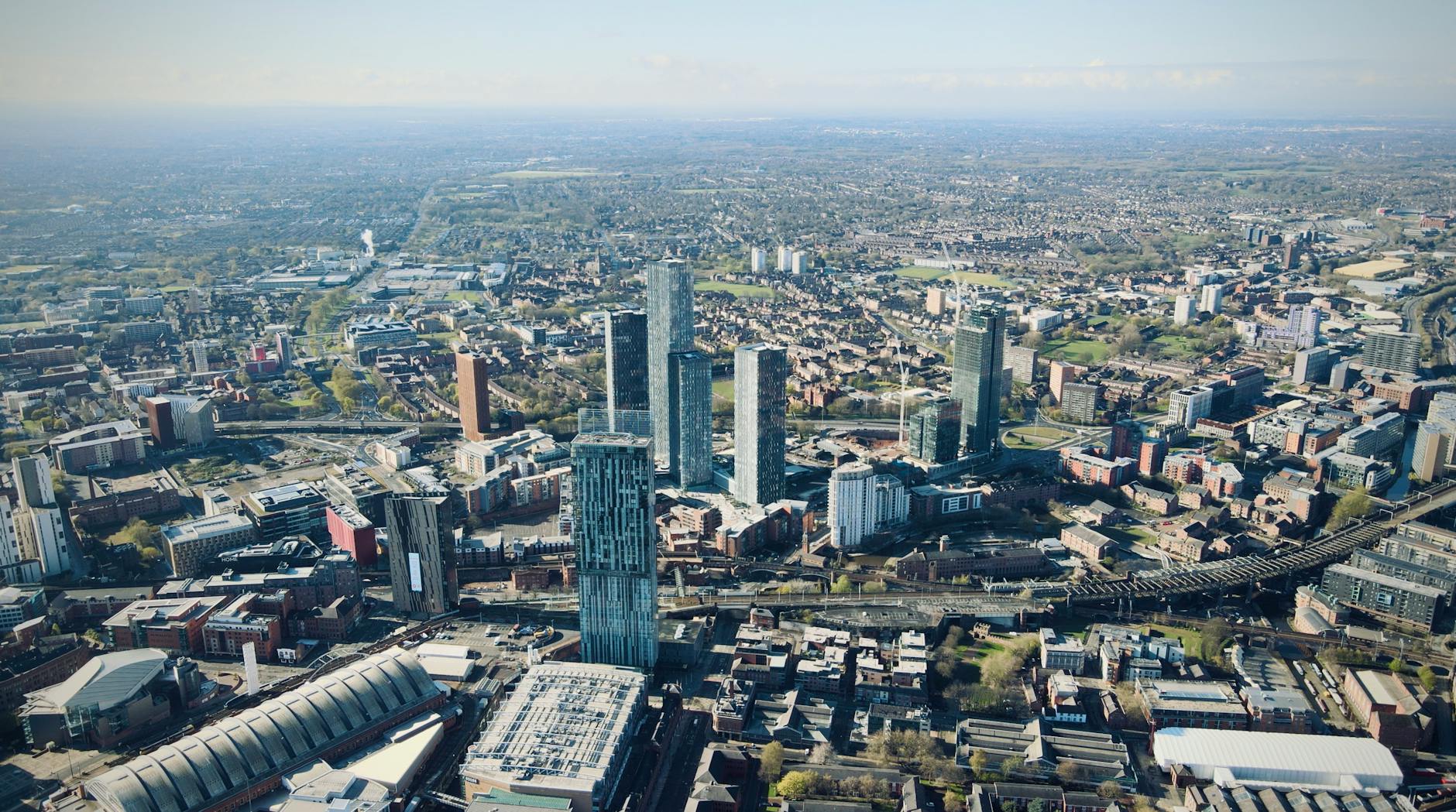
Consultants should begin with the exact client address, entrance, and visitor process. Manchester is not one simple consulting zone. A client in Spinningfields, Deansgate, St Peter's Square, Piccadilly, Oxford Road, Salford Quays, MediaCity, Trafford, Didsbury, the airport corridor, or an outer business park can produce very different hotel and transport choices. A hotel that looks central may still create a poor repeated commute when the traveler is carrying a laptop bag, printed material, workshop supplies, or formal clothes through rain or rush-hour crowds.
The right base is the one that protects the working day. That may mean staying close to the client for an intensive workshop week, choosing Deansgate or Spinningfields for client dinners and professional polish, using Piccadilly for rail and airport convenience, or accepting a Salford Quays or airport-area base when the assignment is tied there. The decision should be made from the work backward, not from the most familiar visitor districts.
- Map the exact client entrance, reception process, and likely morning start before choosing lodging.
- Treat Spinningfields, Deansgate, Piccadilly, Oxford Road, Salford Quays, MediaCity, Trafford, and airport-area sites as different work geographies.
- Choose the hotel by repeated working movement, not by a generic central-Manchester label.
Build the repeat commute with backups
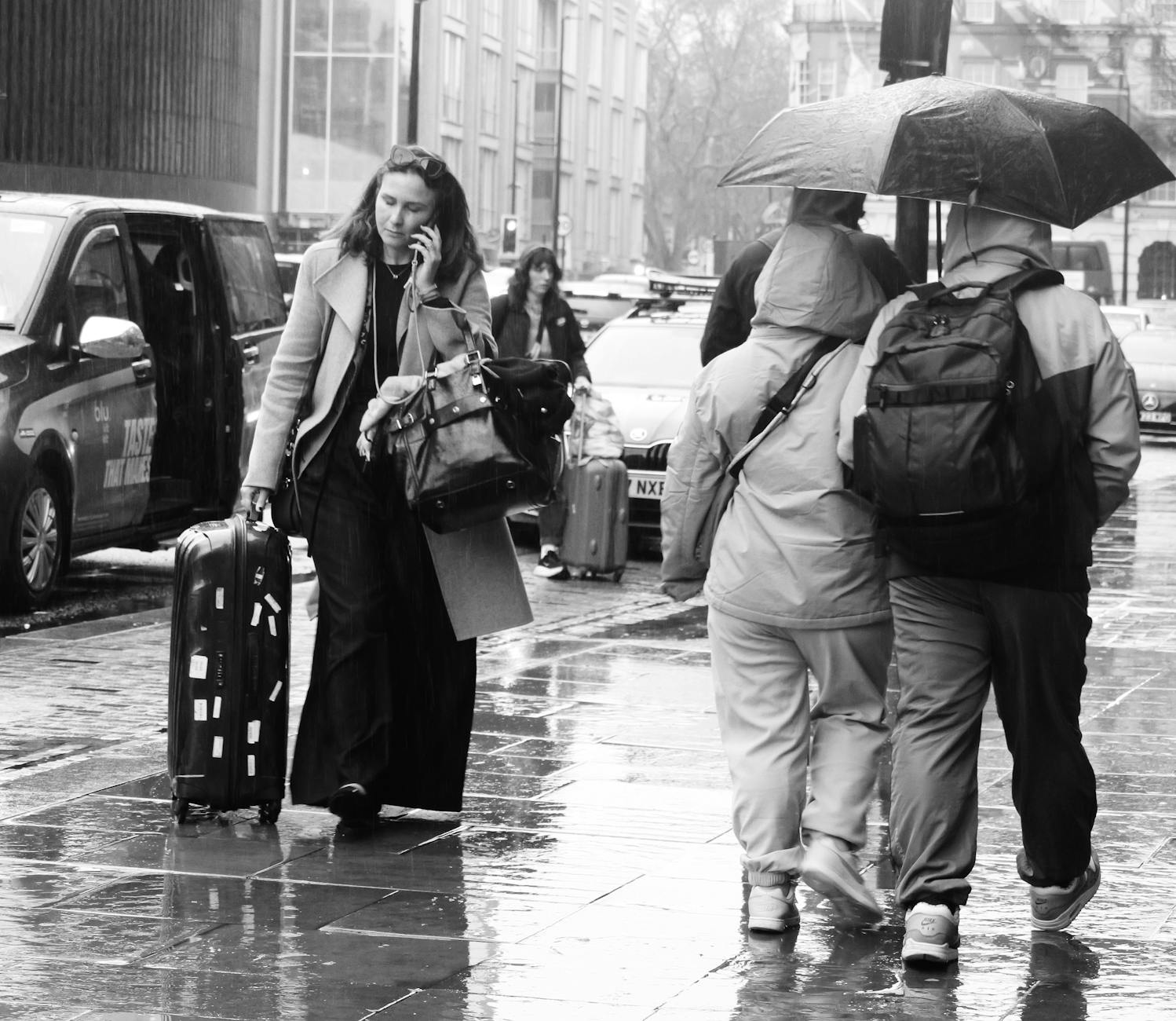
A consultant may make the same journey several times, so the commute deserves more attention than a single meeting route. Metrolink, rail, buses, walking, taxis, app-based cars, and airport transfers can all work in Manchester, but the right choice depends on the client site, weather, luggage, late finishes, and whether the traveler must arrive composed. A route that is acceptable once on a dry afternoon can be a poor fit at 7:45 a.m. with a laptop, documents, and a workshop start time.
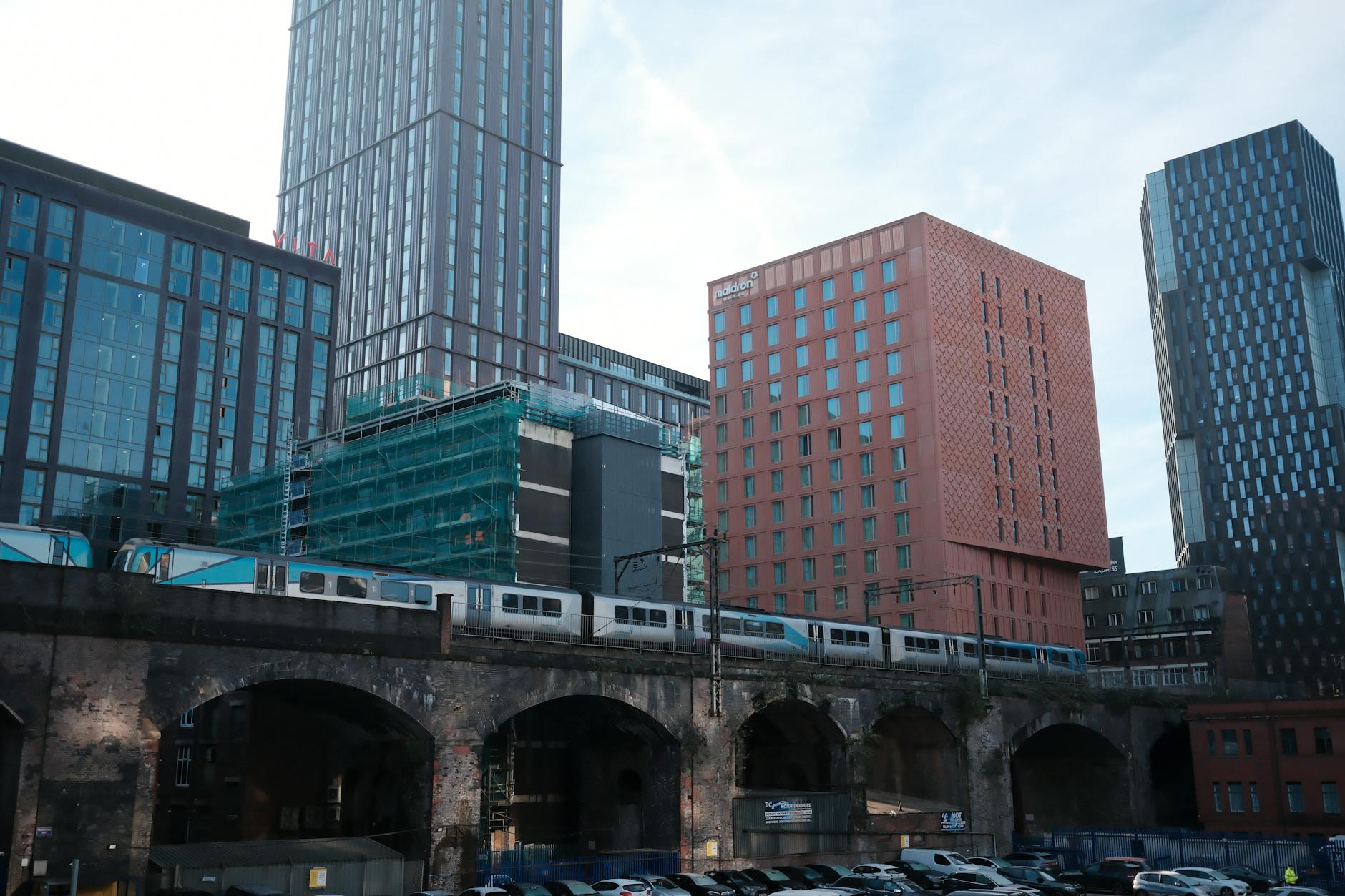
The plan should identify the primary route, a credible fallback, and the moment when a car is worth the cost. For Salford Quays and MediaCity, tram timing and the final walk matter. For Piccadilly and Oxford Road, station exits and street sequence may decide the hotel. For airport-area or outer sites, taxi reliability and return timing can become project risk. The goal is to keep transport from consuming the attention needed for client work.
- Build a primary commute, realistic fallback, and taxi threshold before the first client day.
- Check tram timing, station exits, final walks, rain exposure, and late-return routes against the actual schedule.
- Use cars selectively when heavy materials, late finishes, or presentation stakes make reliability more valuable than savings.
Choose a hotel that can support actual consulting work
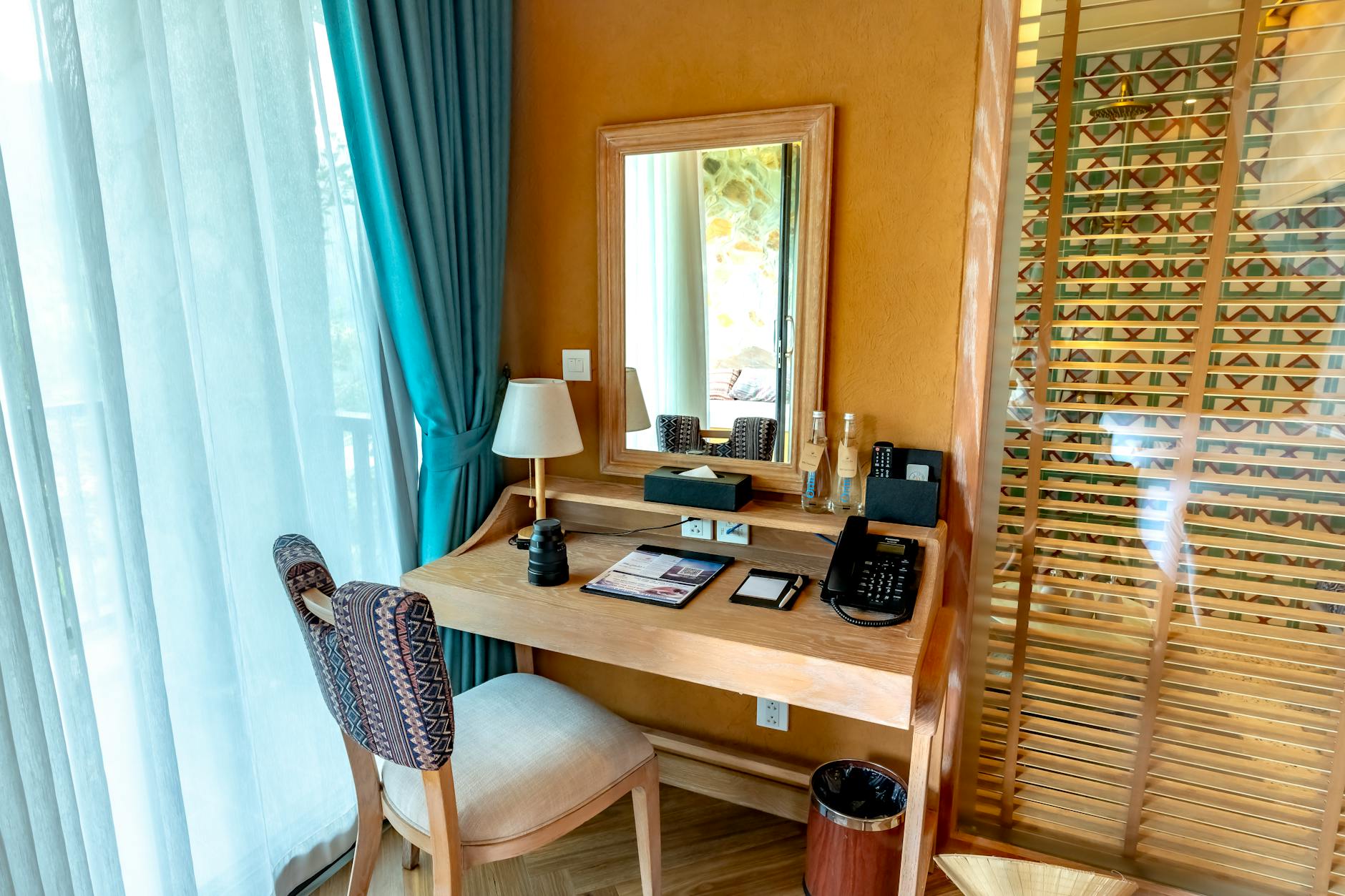
A consultant's Manchester hotel often becomes a second office. Desk size, chair comfort, Wi-Fi reliability, outlets, lighting, quiet, breakfast timing, laundry, room-service hours, nearby food, and the ability to take private calls matter more than they appear on a booking page. A stylish room with no real work surface can be a bad choice for a trip that includes interview notes, slide production, financial review, late calls, or overnight synthesis.
The public areas need the same scrutiny. A lobby may be fine for waiting, but it is rarely the right place for confidential client work. A hotel bar can help with informal relationship-building, while a quieter room-service evening may be better after a dense workshop. Consultants should decide before booking whether the hotel must function as a private workspace, a client-meeting base, a sleep-protection tool, or all three.
- Check desk, chair, Wi-Fi, outlets, lighting, quiet, food access, laundry, and call privacy before booking.
- Avoid relying on lobby or cafe space for sensitive work unless the engagement permits it.
- Match the hotel to the assignment's evening pattern: recovery, client dinners, or late deliverables.
Make workshops and interviews operationally clean
The decisive parts of a consulting trip are often the easiest to under-plan: the discovery interview, process walk-through, executive steering session, data room, workshop, or half-day where skeptical stakeholders decide whether the visitor understands the business. Manchester client sites may have security desks, badge rules, guest Wi-Fi limits, room-booking constraints, hybrid-meeting quirks, printing gaps, and screen-connection issues that are invisible until arrival.
Before travel, the consultant should confirm who owns the room, when access begins, whether outside guests can enter easily, how laptops connect to screens, whether materials can be printed, and where the traveler can work privately afterward. The post-workshop hour matters. Raw notes, whiteboard photos, and stakeholder comments become useful only if the schedule leaves time to turn them into analysis before the detail fades.
- Confirm room access, badges, guest Wi-Fi, screen connection, printing, hybrid setup, and stakeholder timing.
- Leave protected time after workshops and interviews to convert notes into usable output.
- Avoid stacking evening obligations so tightly that the day's learning cannot be synthesized.
Keep confidential work out of exposed spaces
Consultants often move through Manchester with client-sensitive material: decks, interview notes, diligence files, organizational charts, commercial data, technical documents, or workshop outputs. The risk is usually ordinary rather than dramatic. A visible screen on a train, a client call in a hotel lobby, printed notes left at breakfast, or a candid conversation in a crowded restaurant can weaken the standard the consultant is expected to maintain.
The travel plan should define what work can happen in public and what requires a private room. Privacy screens, secure storage, minimal printed material, VPN readiness, roaming data, multi-factor authentication, charging redundancy, and client device rules all belong in the trip preparation. Manchester has many comfortable public places to work for routine tasks. Sensitive consulting work should not be forced into them because the hotel, schedule, or transport plan failed.
- Decide before departure which calls, files, and discussions require a private setting.
- Check VPN, roaming, MFA, charging, client-device rules, and secure storage before the first working day.
- Treat visible screens, printed notes, lobby calls, and restaurant conversations as part of the confidentiality surface.

Use meals and evenings to support the assignment
Manchester's restaurant, pub, and hotel-bar choices can be useful for consulting relationships, but meals need intention. A client lunch near the office, a coffee between interviews, a dinner in Spinningfields, a quieter meal near the hotel, or room service after a workshop all serve different purposes. The consultant should know which evenings are for relationship-building and which are for recovery or deliverables.
This is especially important on short trips because there are few chances to recover. A dinner across town after a dense workshop may be commercially worthwhile, but it should be chosen deliberately. If the next morning begins with an executive session, the traveler may need a shorter meal, an earlier return, or protected time for note synthesis. Manchester rewards relaxed evening conversation; consulting travel still has to protect judgment.
- Separate relationship meals, working meals, recovery meals, and deliverable nights before the calendar fills up.
- Choose dinner geography around the hotel, client site, weather, and next morning's obligation.
- Do not let a lively evening erase the time needed for analysis, sleep, and preparation.

When to order a short-term travel report
A consultant visiting a familiar Manchester client for one simple meeting may not need a custom report. A report becomes more useful when the assignment involves a new client site, several offices, workshop-heavy days, confidential material, late deliverables, client meals, a tight arrival-to-meeting sequence, rain-sensitive commuting, or a choice between central, Salford Quays, airport-area, and outer-business-zone hotels. The report should test the real client geography, hotel workability, arrival route, repeat commute, workspace privacy, meal geography, transport fallbacks, and current local disruptions.
The value is not a generic Manchester overview. It is an engagement-specific operating plan that helps the consultant protect time, energy, confidentiality, and client-facing performance. In consulting, the trip succeeds when the traveler can think clearly, handle the room, and produce useful work. The travel plan should support that standard from the airport or station through the final deliverable.
- Order when client geography, workshops, confidentiality, hotel workability, or late deliverables could affect the engagement.
- Provide client address, hotel candidates, arrival details, meeting schedule, device needs, meal obligations, and work constraints.
- Use the report to protect consulting performance, not merely to identify things near the hotel.