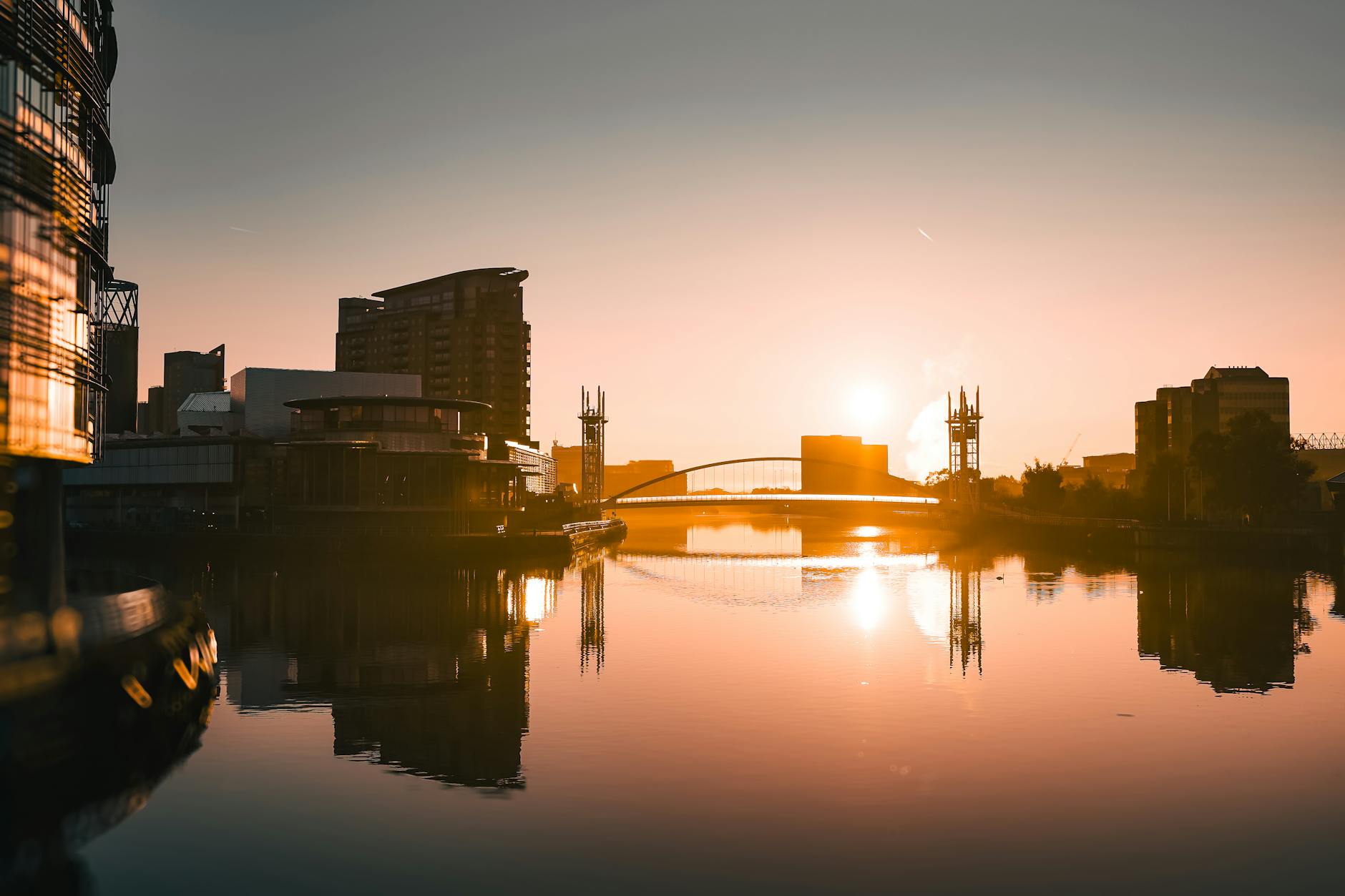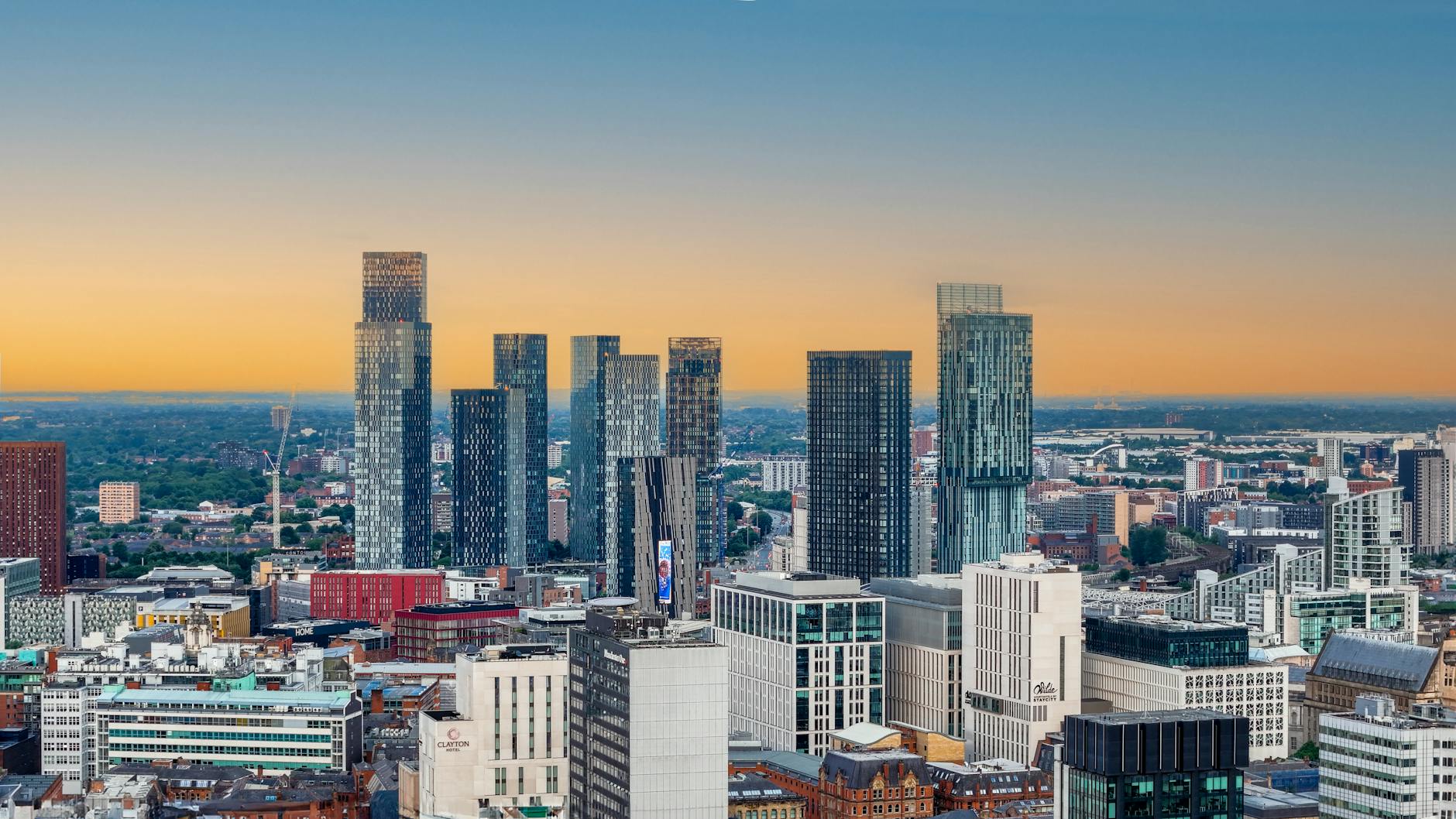
Manchester is a strong short-trip business city because it can feel manageable quickly. That is also the trap. A visitor may land at Manchester Airport, take a meeting near Spinningfields, cross to St Peter's Square or Oxford Road, finish in Salford Quays, and still assume the city is one simple centre. The better frame is operational: Manchester works well when the business traveler knows which node controls the day, how arrival will affect the first meeting, whether tram, train, taxi, or walking is the right choice, and where weather or evening events can turn a short transfer into lost margin.
Start with the meeting geography
A Manchester business trip should begin with the actual meeting map, not with the assumption that city-centre distance is trivial. Spinningfields, Deansgate, St Peter's Square, Piccadilly, the Oxford Road corridor, Ancoats, Salford Quays, MediaCity, Trafford, and airport-area offices all belong to the Manchester business ecosystem, but they do not behave the same on a tight day. A hotel that is perfect for one node can be wrong for another.
The first planning question is which appointment cannot slip. If that meeting is in Spinningfields, staying near Deansgate or St Peter's Square may make sense. If the day turns around Piccadilly rail, airport departure, or Salford Quays, the base should be chosen differently. Manchester rewards a compact itinerary. It punishes the visitor who keeps crossing the city because every move looked short on a map.
- Map meetings by district before choosing hotel, transport, or dinner plans.
- Treat Salford Quays, MediaCity, airport-area offices, and Trafford as separate movement decisions.
- Anchor the day around the appointment that would cause the most damage if missed.
Treat arrival as part of the workday
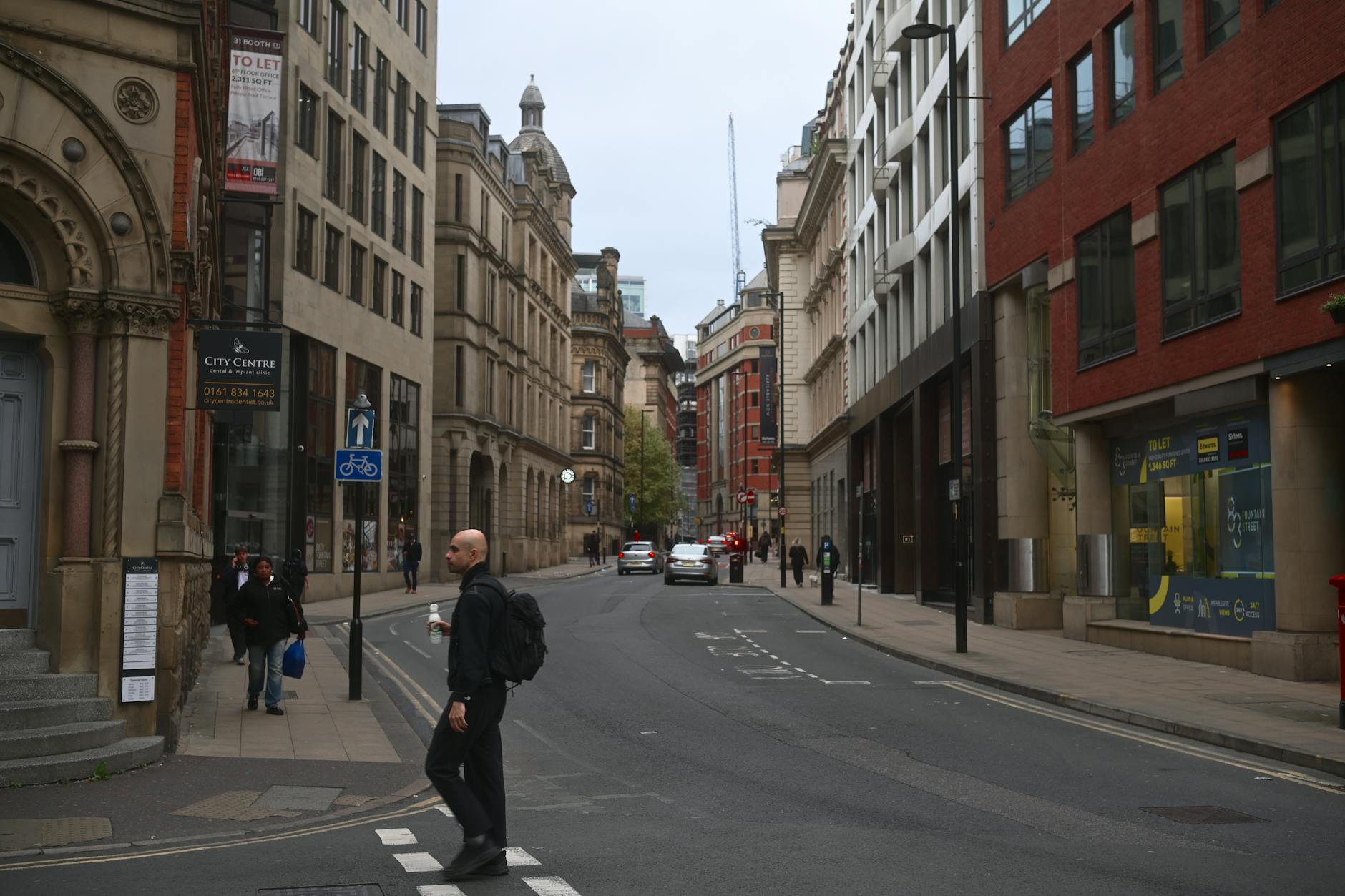
Manchester arrival planning matters because the first hour often decides the tone of the trip. Manchester Airport can be efficient, but the business visitor still has to account for baggage, border control when relevant, rail or car transfer, weather, and the simple fact that a red-eye or delayed evening arrival changes the next morning. Piccadilly Station is useful, but it is not a magic reset button if the traveler arrives with luggage and a call in ten minutes.
The safest short business plan avoids treating arrival day as free capacity. Build in a realistic path from airport or station to hotel, decide whether the traveler needs to check in before the first appointment, and protect enough time to change clothes, charge devices, eat, and review material. For Manchester, the difference between a smooth first meeting and a ragged one is often not the meeting itself. It is the arrival sequence before it.
- Do not schedule the first fixed meeting too close to landing, train arrival, or hotel check-in.
- Choose airport rail, tram, taxi, or car service by luggage, timing, weather, and fatigue, not habit.
- Protect time for charging, food, room access, and clothing changes before senior meetings.
Choose the hotel by the hardest day
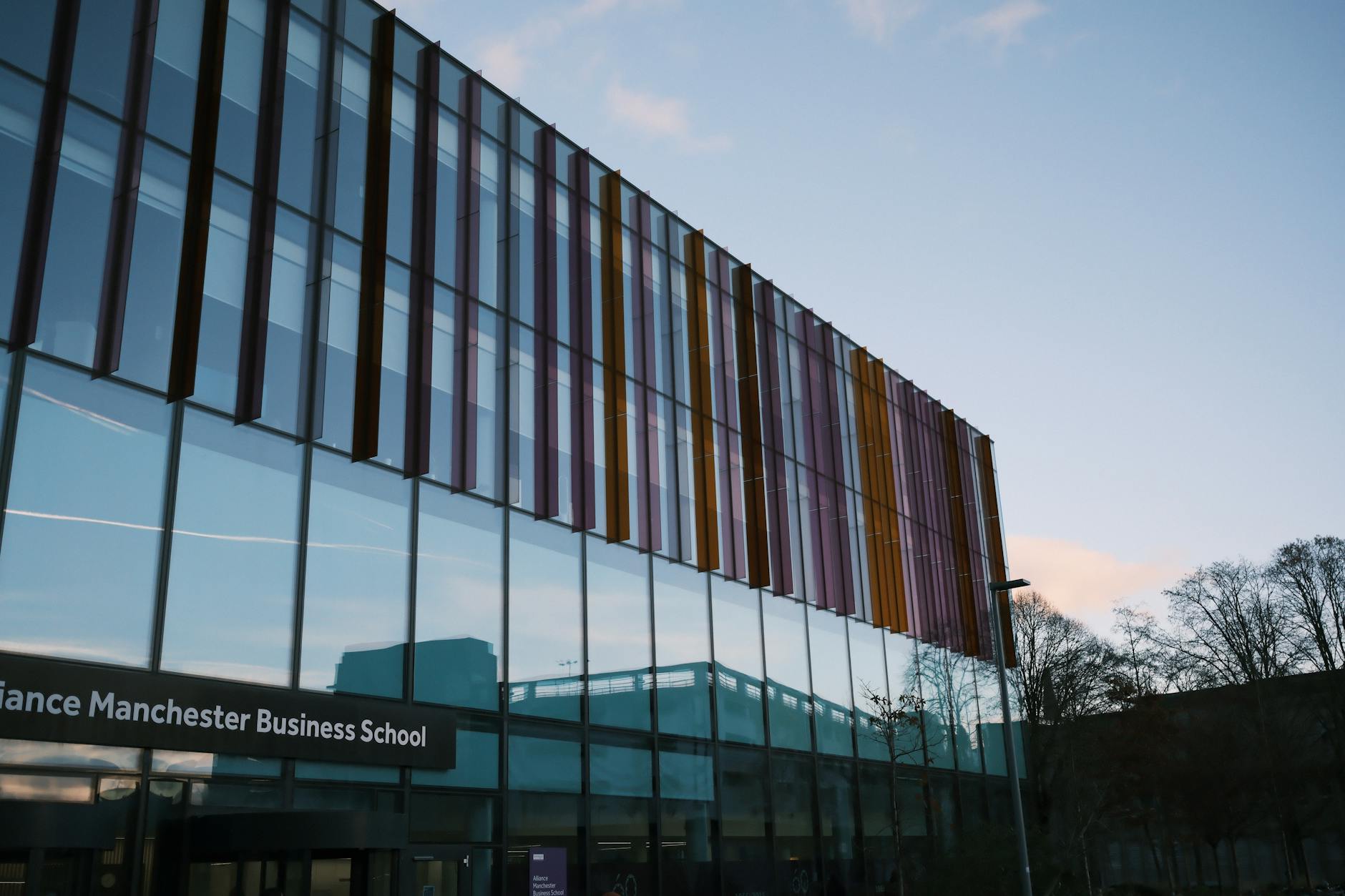
Manchester has plenty of workable hotel options, but a business visitor should choose by the hardest day of the itinerary. A city-centre hotel near Spinningfields, Deansgate, or St Peter's Square can be efficient for finance, legal, civic, and professional services meetings. A Piccadilly or Northern Quarter base may help with rail-linked arrivals and early departures. Oxford Road can suit university, health, science, and innovation meetings. Salford Quays or MediaCity can be correct when the trip turns around media, sport, or waterfront offices.
The hotel should also be judged by practical work features: quiet room, reliable workspace, early breakfast, predictable taxi pickup, luggage storage, late check-in, and a lobby suitable for a brief call. Manchester's centre is sociable, which is part of its strength, but a business traveler needs sleep and control more than nightlife proximity on a compressed schedule.
- Pick the base for the least flexible meeting, not for the most attractive neighborhood.
- Check workspace, quiet, breakfast timing, luggage storage, and reliable pickup points.
- Avoid creating needless cross-city movement between hotel, meetings, dinner, and departure node.
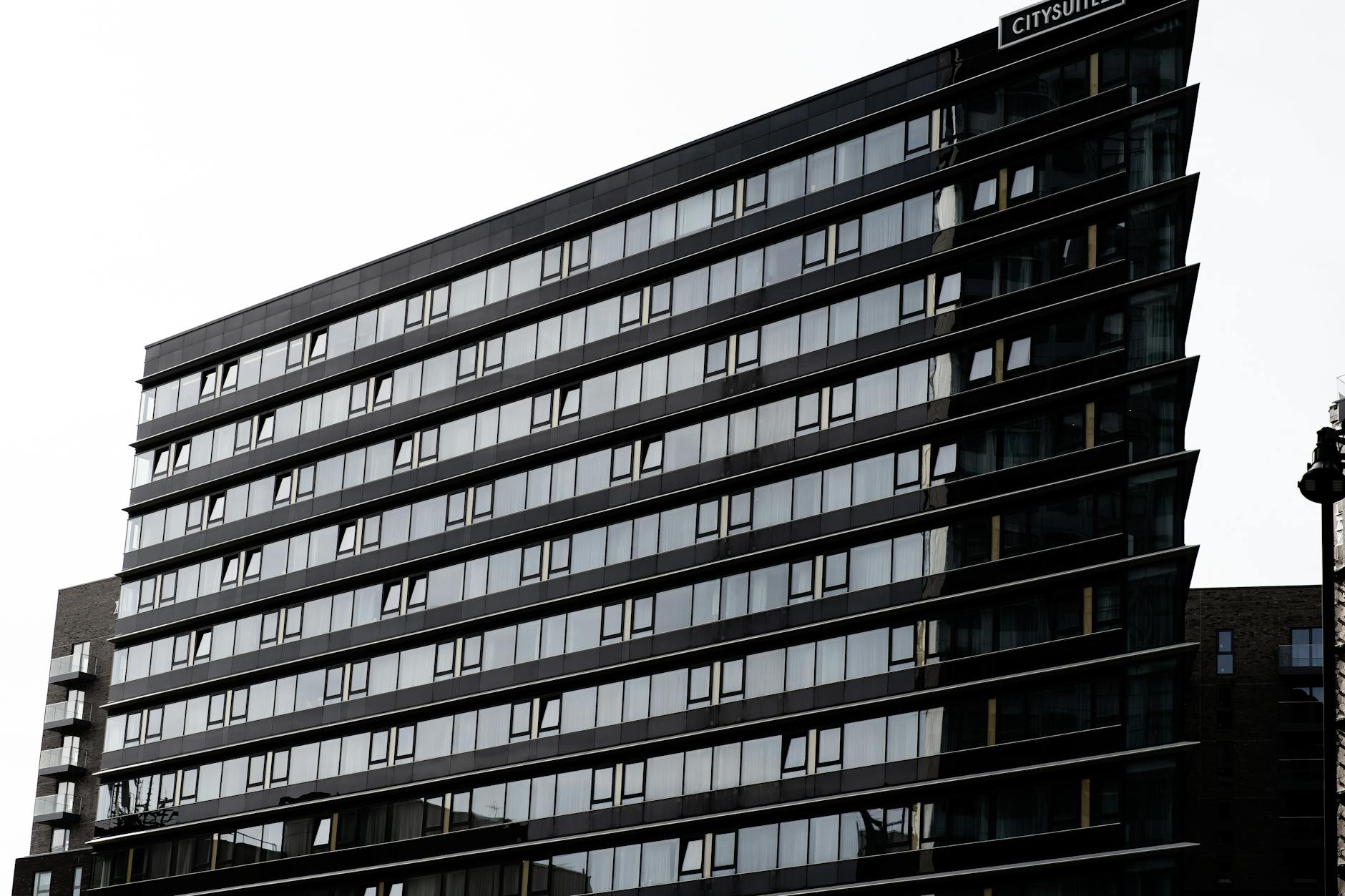
Use transport deliberately
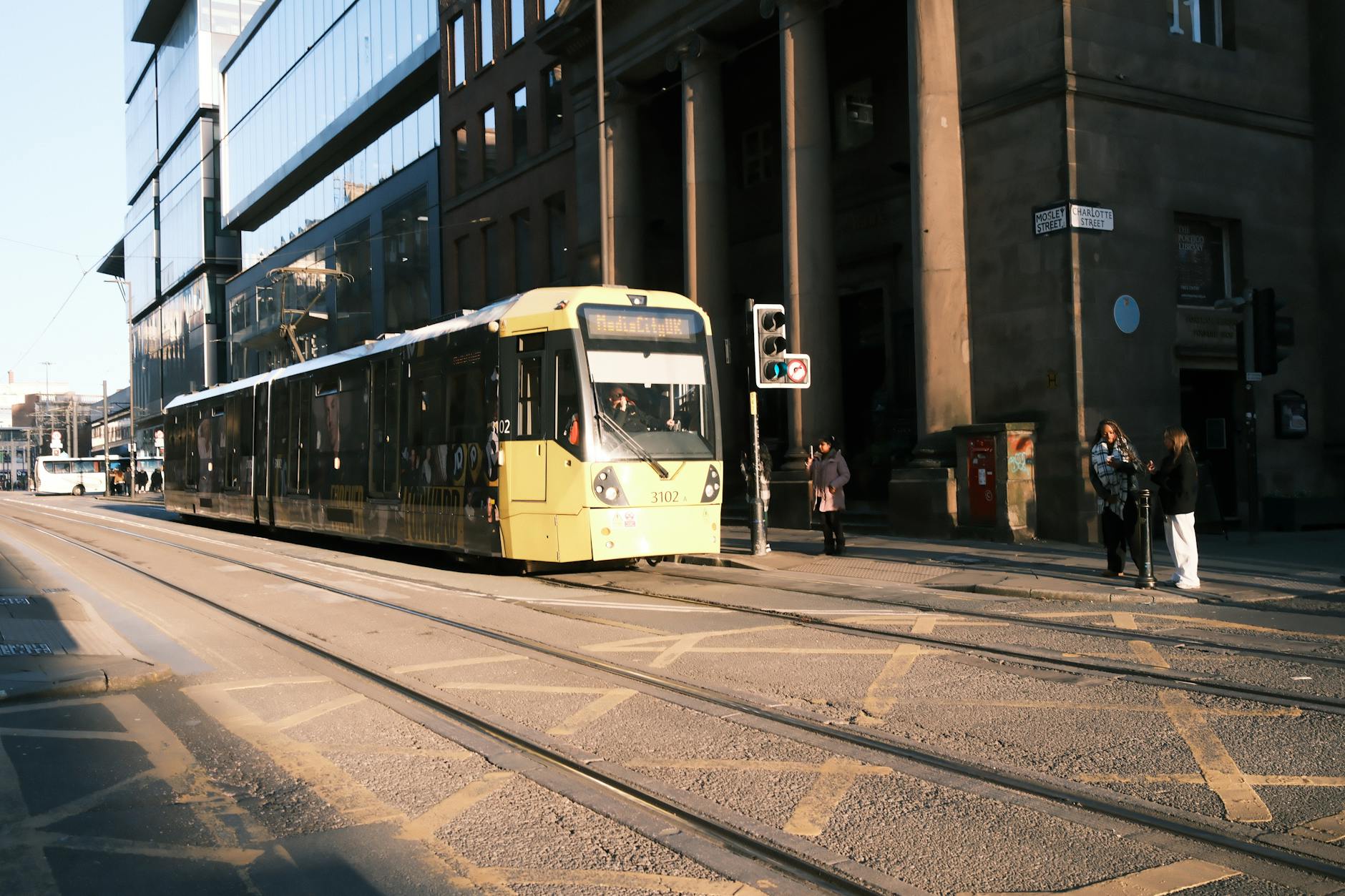
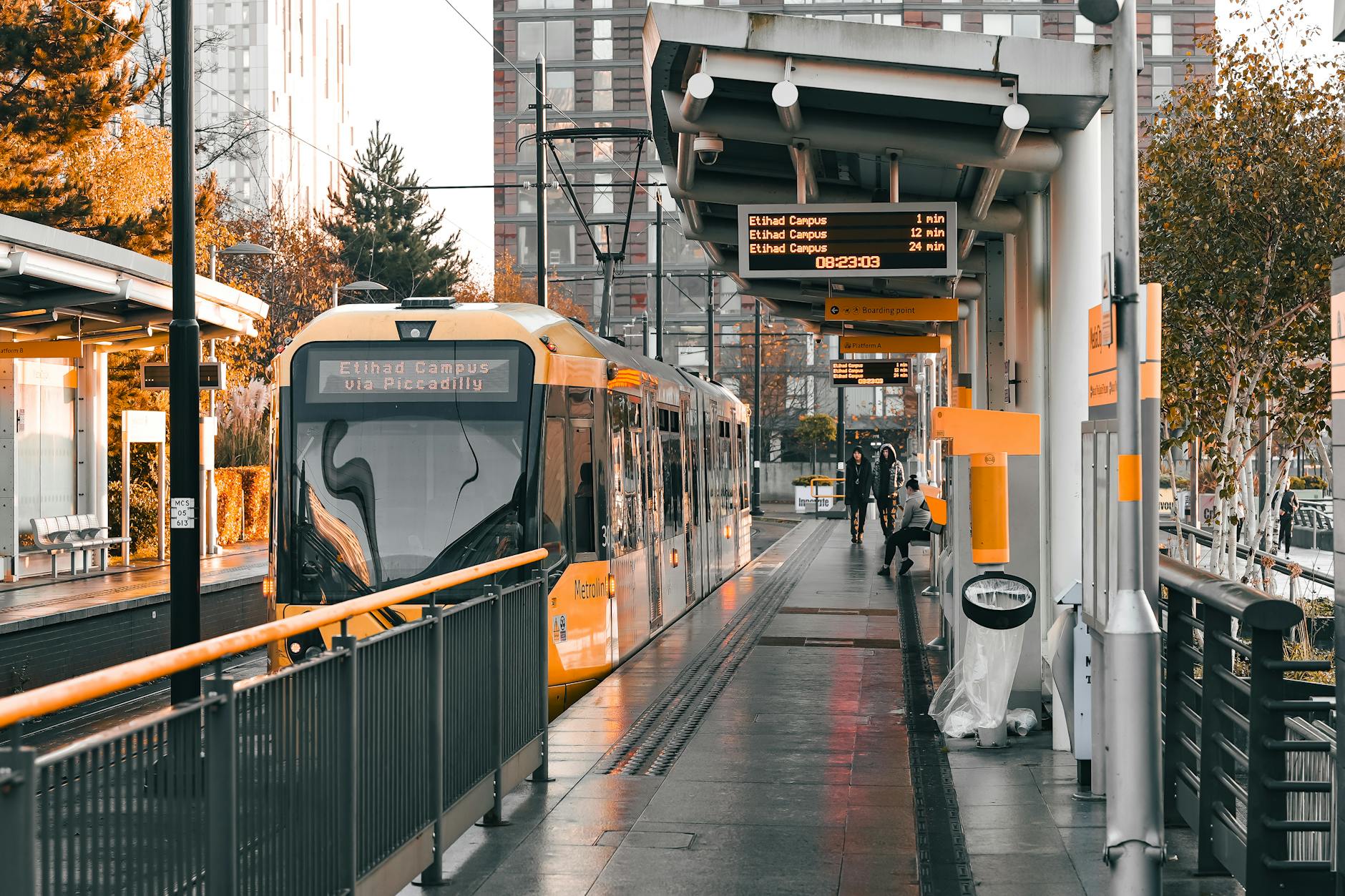
Manchester offers several useful ways to move: walking, tram, train, taxi, rideshare, private car, and airport rail. The mistake is to treat one of them as the default for every movement. Walking may be best inside the central core, but not in heavy rain, with luggage, or between widely separated meetings. The tram can be excellent for some Salford Quays and city-centre links, but the traveler still needs to know the stop, walking segment, and backup plan. Taxis can solve timing but may suffer when roads, events, or pickup locations are awkward.
A business itinerary should name the primary mode and fallback for every important movement. That sounds formal, but it prevents the common Manchester error: losing ten minutes deciding how to move, then another ten correcting the first choice. On a two-day trip, those small losses can consume the margin that was supposed to protect the main meeting.
- Match walking, tram, train, taxi, and car service to each specific movement.
- Know the destination stop, pickup point, walking segment, and fallback before leaving.
- Add weather and event buffers when moving between city centre, Salford Quays, and airport links.
Plan around events without letting them dominate
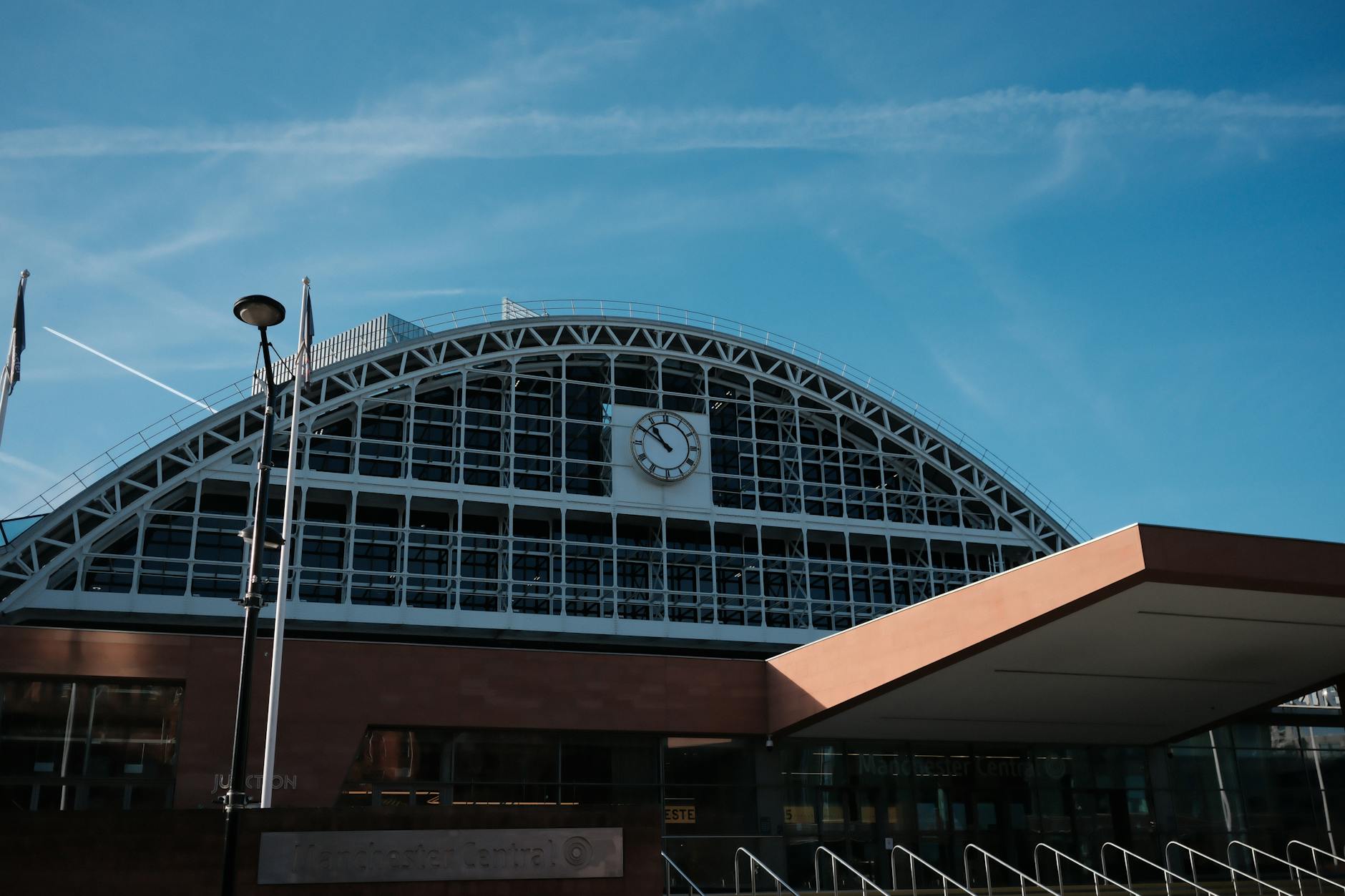
Manchester's business calendar is shaped by more than office hours. Manchester Central, university events, football fixtures, concerts, arena nights, media schedules, and large city-centre gatherings can affect hotel rates, restaurant availability, taxis, and the mood of the streets. A visitor does not need to fear this. Manchester is used to large crowds. The issue is whether the itinerary has noticed what else is happening on the same evening.
Business visitors should check the event context before committing to a hotel, dinner district, or late transfer. A dinner near Deansgate may be convenient on one night and crowded on another. A simple taxi pickup can become awkward after a large event. If the trip includes a client dinner, reception, or hospitality obligation, the plan should include reservation timing, return transport, and a graceful exit that preserves the next morning.
- Check major events before locking hotel location, dinner reservations, and late transfers.
- Leave extra pickup and walking time near Manchester Central, arenas, stadium-linked movement, and busy nightlife streets.
- Build evening hospitality so it helps the business purpose without damaging the next day.
Protect the small operational details
The most common friction for Manchester business visitors is ordinary: rain at the wrong moment, a suitcase that makes a tram transfer awkward, a laptop bag left exposed in a cafe, a phone battery drained by maps and calls, or a dinner that runs late before an early train. The city is not unusually difficult, but short business travel is unforgiving because there is little time to recover from small mistakes.
Pack and behave for a working city with weather. Use shoes that can handle walking between meetings, keep an umbrella or rain layer accessible, control devices in crowded streets and bars, and avoid casual handling of sensitive papers or screens in public spaces. If the trip involves university, media, investor, or partner meetings, assume the informal spaces between formal appointments still matter. Manchester can be friendly and direct; the visitor should be prepared without looking overmanaged.
- Carry rain protection, battery reserve, payment backup, and practical shoes for city-centre walking.
- Keep laptops, phones, documents, and confidential screens controlled in cafes, trains, taxis, and bars.
- Protect sleep and next-morning readiness when evening meetings become social.
When to order a short-term travel report
A business visitor with one familiar meeting, a flexible schedule, and a simple city-centre hotel may not need a custom Manchester report. A report becomes useful when the trip includes senior stakeholders, multiple districts, airport arrival close to a meeting, Salford Quays or MediaCity timing, Manchester Central or event overlap, university or hospital-campus appointments, confidential material, tight rail or flight connections, or a client dinner that has to work smoothly.
The report should test the meeting map, airport and rail arrival, hotel base, transport modes, weather exposure, event pressure, dinner and hospitality logistics, device and document handling, backup routes, and the exact moments where the day can lose control. The value is not generic Manchester advice. It is a business-day plan that keeps the visitor punctual, composed, and focused on the reason for the trip.
- Order when timing, seniority, multiple districts, event overlap, or Salford Quays logistics make the trip fragile.
- Provide meeting addresses, arrival and departure details, hotel options, dinner plans, luggage status, and any confidentiality constraints.
- Use the report to reduce movement risk and preserve attention for the business purpose.