A volunteer or NGO trip to Madrid should not be treated as ordinary tourism with a service activity added. The traveler may be joining a university service program, faith-based outreach, food distribution project, environmental cleanup, migrant-support organization, donor visit, program evaluation, social enterprise, advocacy meeting, or short-term placement with a local partner. Madrid has a dense civic landscape and serious local needs, but goodwill does not replace role clarity, safeguarding, language preparation, and daily logistics. The useful planning question is practical and ethical: who is responsible for the traveler, where does the work actually happen, what contact with vulnerable people is permitted, how will the traveler move between housing and the site, and what should a short-term outsider avoid doing? A strong plan lets the visitor arrive useful, humble, and reliable instead of asking the local partner to absorb avoidable confusion.
Define the role before travel
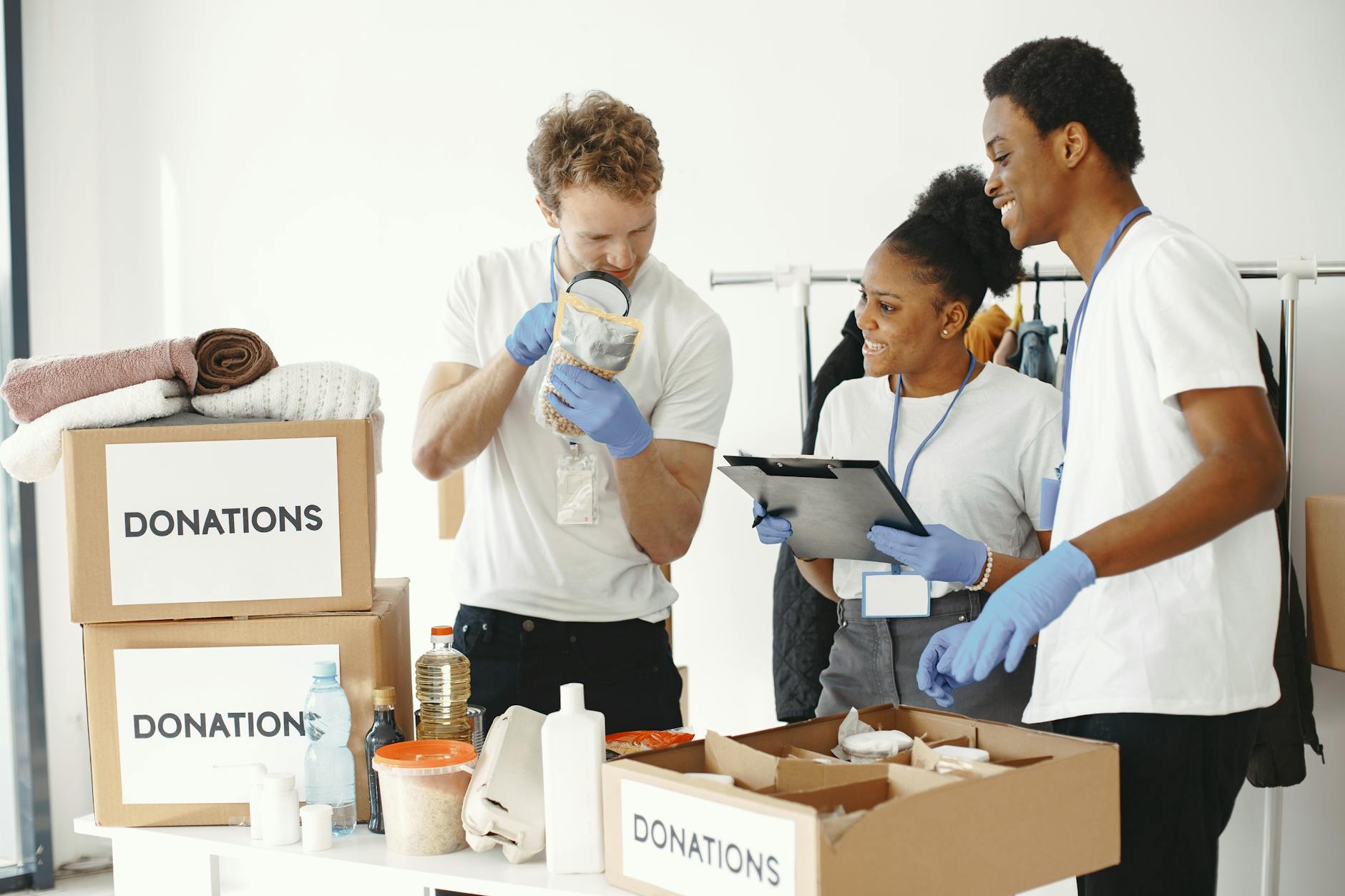
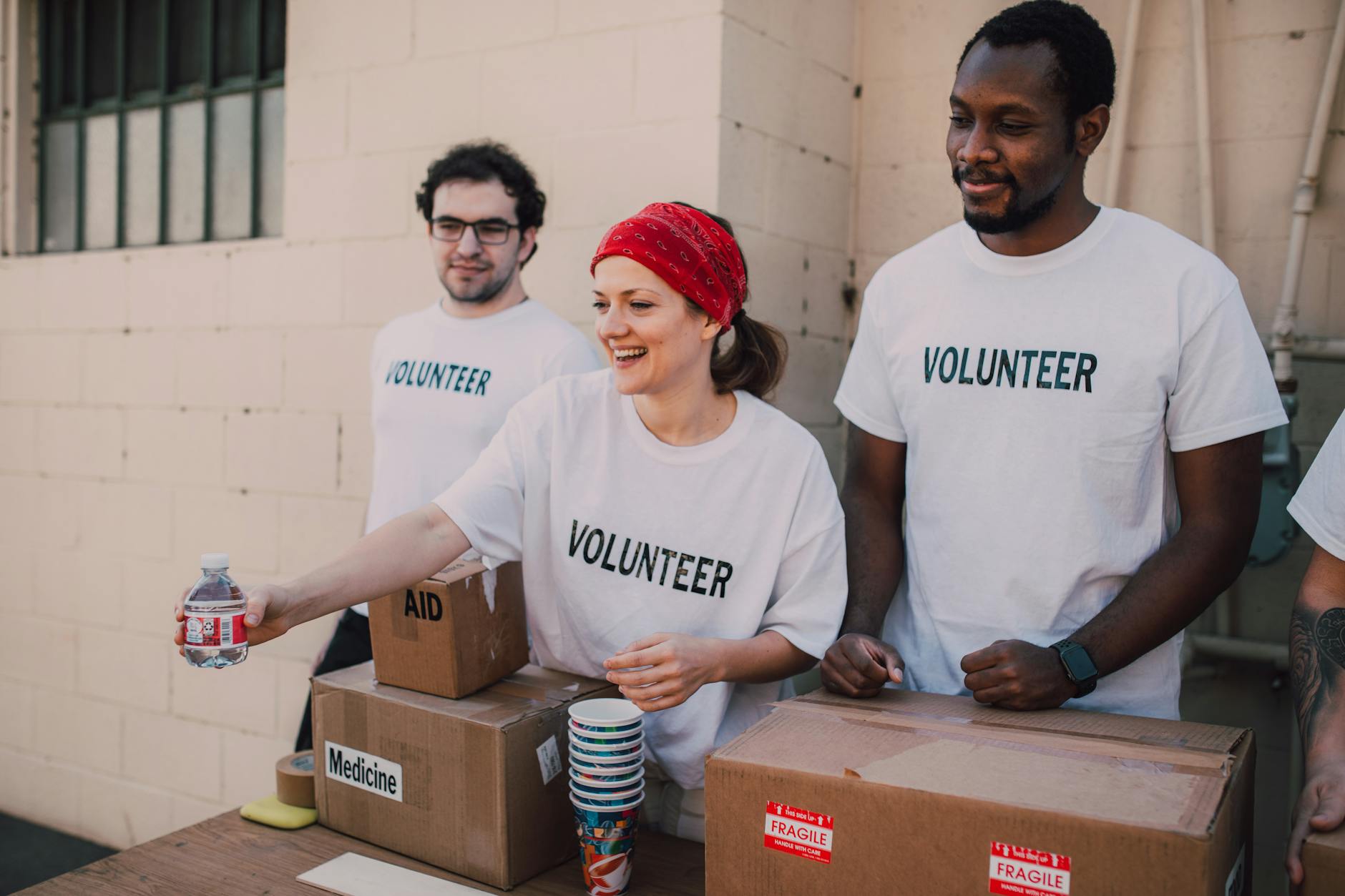
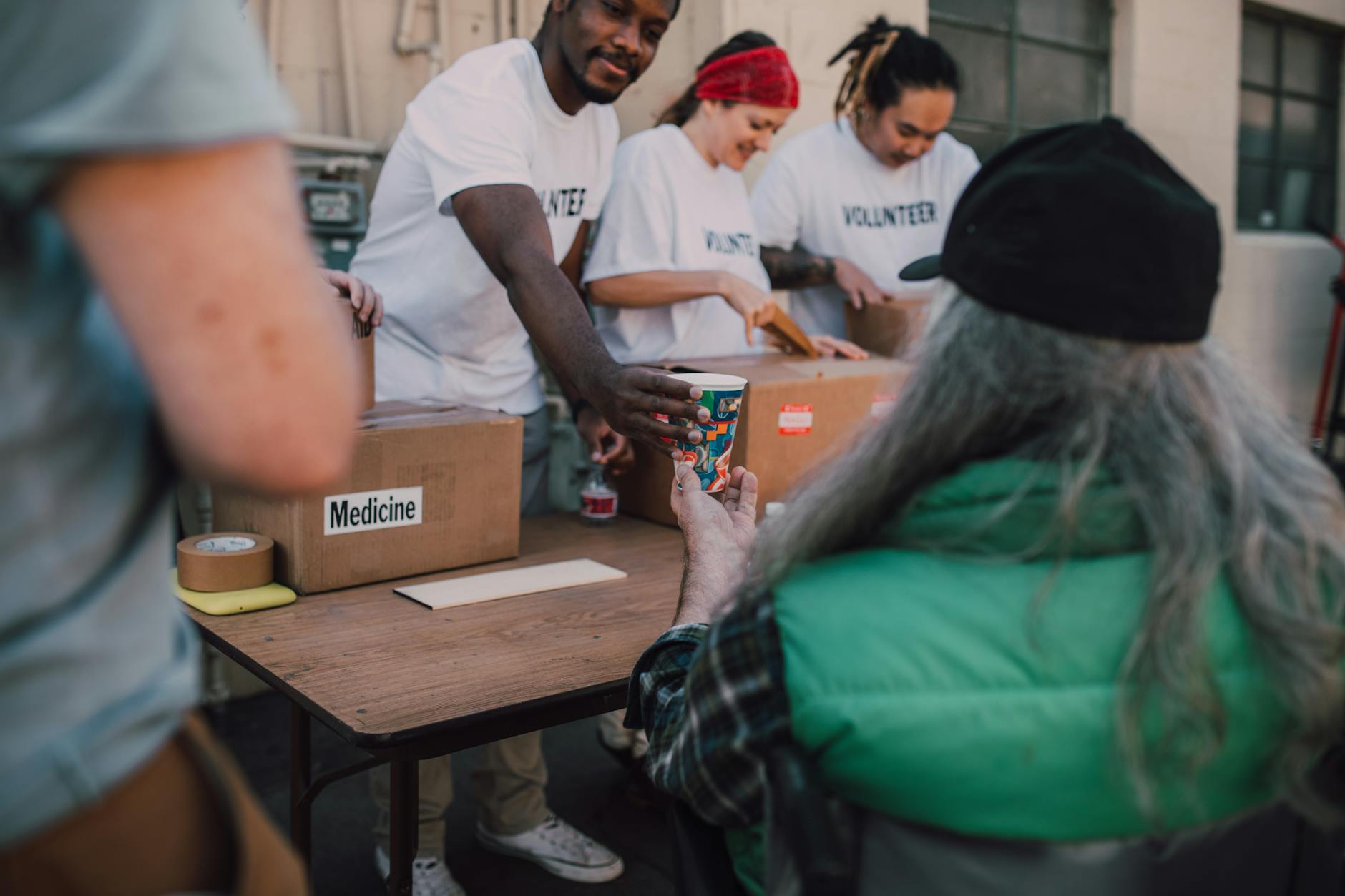
The first planning question is not where the traveler wants to help. It is what the Madrid partner has actually asked the traveler to do. A university service day, church-linked outreach, food-bank shift, migrant-support observation, environmental cleanup, donor visit, program evaluation, logistics support, and advocacy meeting require different documents, clothing, language skills, privacy rules, and supervision. A short-term visitor who arrives with a vague desire to serve can create more work for the host than value.
The traveler should ask for a written description of the partner, site, supervisor, hours, daily tasks, training, emergency contact, insurance expectations, photo policy, and limits on contact with clients or beneficiaries. If the work involves children, migrants, unhoused people, domestic-violence survivors, medical vulnerability, or legal-advice settings, the boundaries should be especially clear before the traveler boards the flight.
- Clarify whether the trip is service, observation, donor engagement, evaluation, logistics, training, or faith-based outreach.
- Get written expectations for site, supervisor, hours, documents, vulnerable-person contact, and photography rules.
- Do not assume a short-term visitor should be placed directly into sensitive work without preparation.
Place the worksite on the real Madrid map
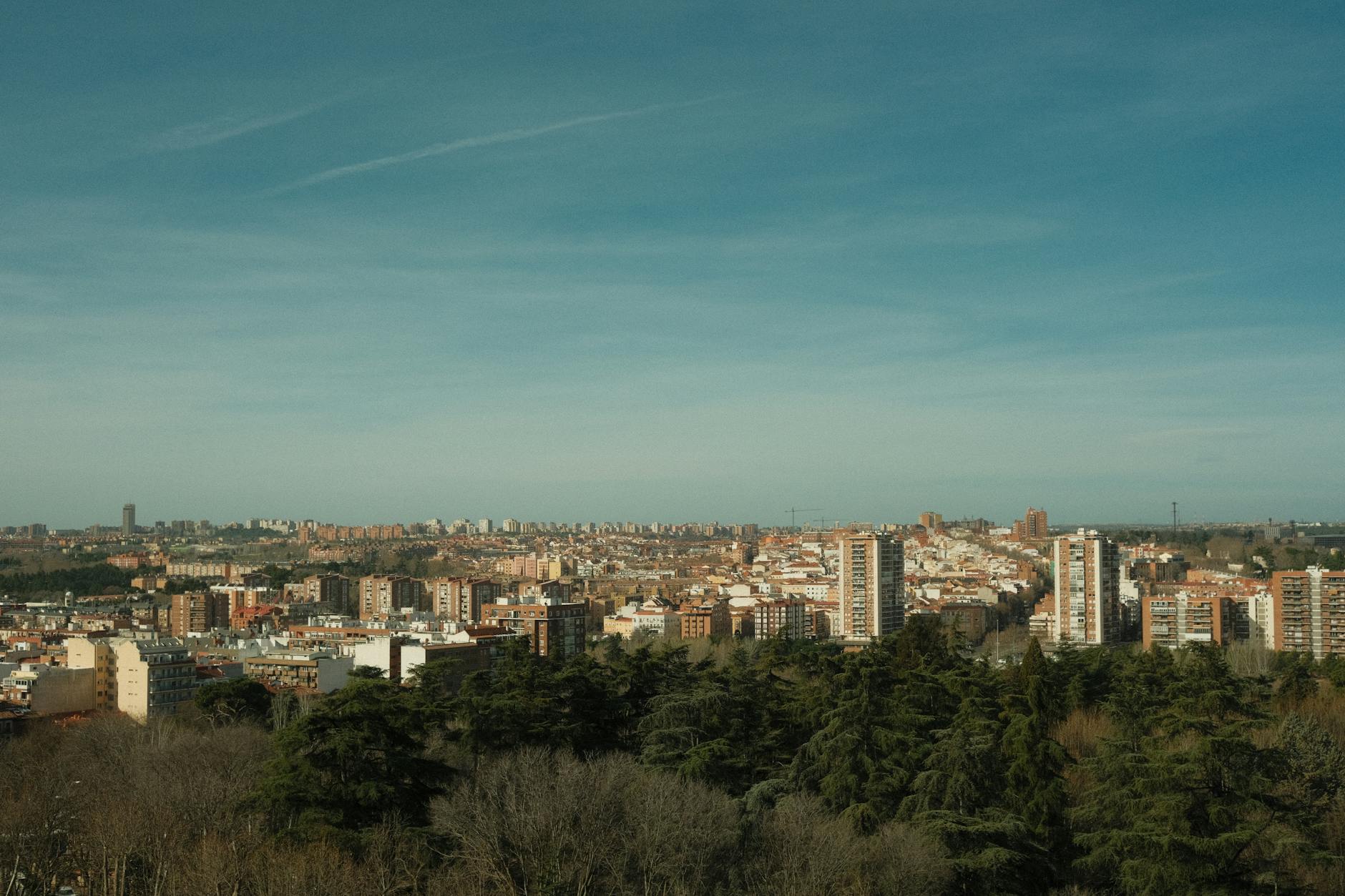
Madrid nonprofit work is not one central location. A partner may be in Lavapies, Usera, Vallecas, Carabanchel, Tetuan, Chamberi, Arganzuela, Centro, a parish hall, a community center, an office near a transit hub, a warehouse, or a site outside the visitor core entirely. The worksite should control housing and transport choices more than sightseeing preferences. A placement that is easy at noon can feel different after an evening shift, in summer heat, or when the traveler is carrying supplies.
Neighborhood context should be approached with respect rather than fear. The traveler should know the exact address, entrance, nearest Metro or bus stop, lunch options, bathrooms, staff-recommended waiting areas, and after-dark return route. The cause may be broad, but the work happens on a block, in a building, with local norms that staff understand better than a short-term visitor.
- Map the exact worksite, entrance, nearest transit, lunch, bathrooms, and after-dark return before arrival.
- Treat Lavapies, Usera, Vallecas, Carabanchel, Tetuan, Chamberi, Centro, and outer sites as different routines.
- Ask local staff about neighborhood norms instead of relying on broad assumptions about Madrid.
Take safeguarding and documentation seriously
Safeguarding is not optional courtesy. It is central to many volunteer and NGO settings. Madrid partners may have rules about photographs, names, social media, gifts, cash handling, physical contact, translation, home visits, one-on-one conversations, personal phone use, and contact after the placement ends. Those rules protect the people served, the local organization, and the traveler. They should be understood before the first shift, not after a mistake.
Documentation also matters. Some placements require identity checks, references, training, insurance, waivers, background screening, or confirmation that the activity fits the traveler's visitor status. A short-term traveler should not assume that unpaid work is administratively simple. If the host is vague about safeguarding, supervision, or documentation, that is a planning warning.
- Clarify rules for photos, names, gifts, social media, home visits, one-on-one conversations, and post-placement contact.
- Confirm identity checks, training, insurance, waivers, background screening, and visitor-status expectations before travel.
- Treat children, migrants, health cases, unhoused people, and legal-advice settings as safeguarding-sensitive contexts.
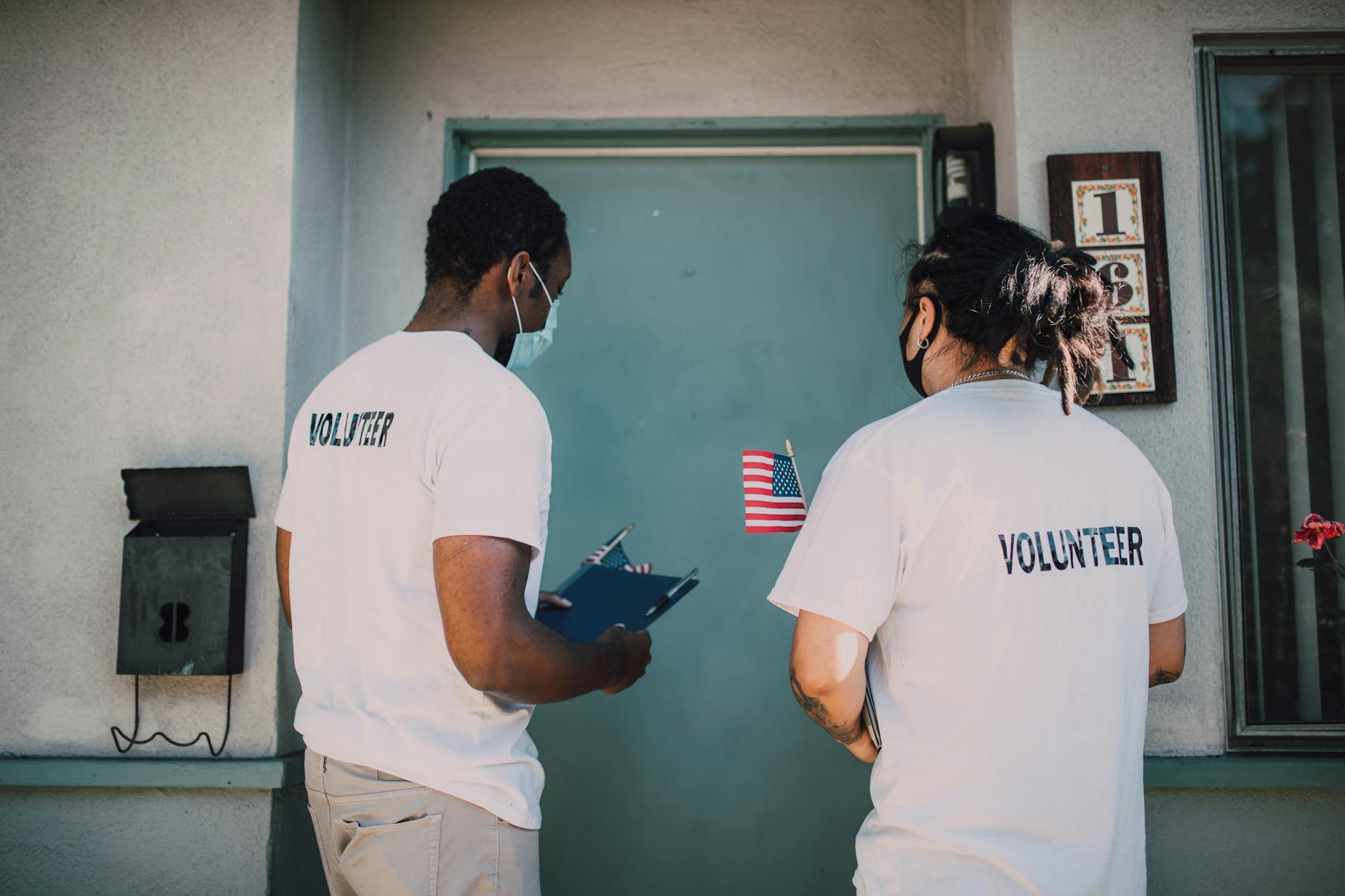
Prepare language, clothing, and daily equipment
Spanish ability can matter even when the partner staff speaks English. The traveler may need to understand signs, building rules, Metro instructions, food labels, pharmacy needs, or basic exchanges with people who are not part of the international program team. A visitor does not need to pretend to be fluent, but they should prepare the terms used by the placement and save addresses, contact names, emergency numbers, and key phrases offline.
The equipment list should come from the actual work. Donation sorting, food distribution, cleanup, home visits, donor meetings, program evaluation, and training support each require different clothes and materials. Closed-toe shoes, plain clothing, sun and heat protection, a water bottle, ID, notebook, portable battery, lunch plan, and printed partner contacts may matter more than another travel accessory. The goal is to arrive useful, not to make staff improvise around a visitor who packed for the wrong task.
- Prepare Spanish terms, saved addresses, contact names, emergency numbers, and offline directions for the placement.
- Build the packing list from the work type: sorting, food distribution, cleanup, home visits, evaluation, or training.
- Carry practical basics such as ID, battery, water, heat protection, lunch plan, and written partner contacts.
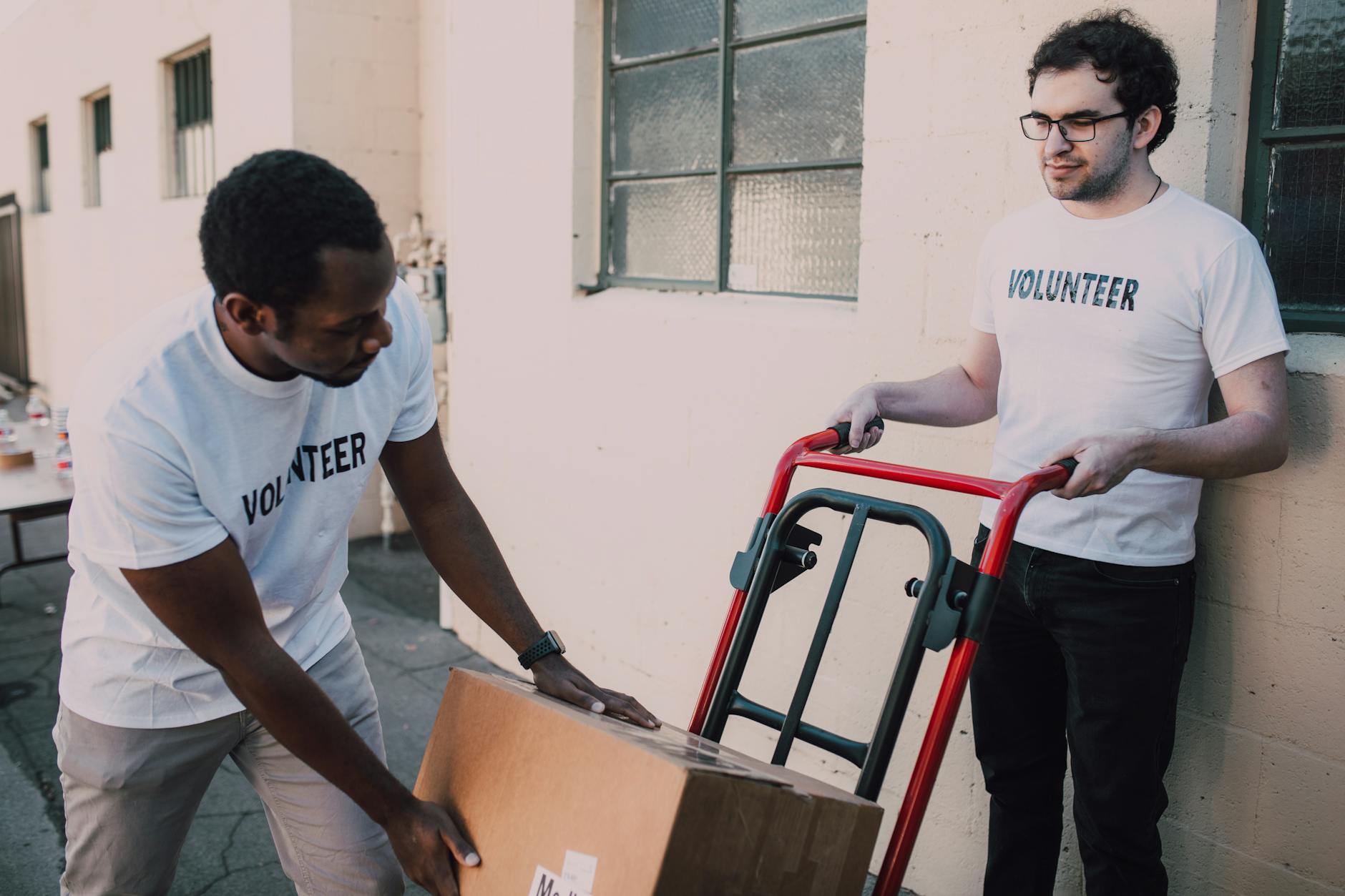
Keep service days sustainable
Short volunteer trips can be physically and emotionally uneven. One day may involve simple logistics, another difficult stories, another long standing shifts, and another a slow meeting where the visitor's most useful contribution is listening. The schedule should include food, water, rest, travel time, and a clear endpoint rather than assuming goodwill can carry the whole day. Exhausted volunteers make poorer judgments and can become another support burden for the partner.
Housing should support recovery. A long return from the site, noisy room, weak Wi-Fi, no laundry, or no place to debrief can matter more on this kind of trip than on a leisure visit. If the traveler is part of a group, the group should decide how supervision, check-ins, independent movement, and difficult debriefs will work before the first demanding shift.
- Build service days around food, water, rest, travel time, heat exposure, and a clear endpoint.
- Choose housing that supports laundry, recovery, communication, and reliable returns from the placement.
- Set group norms for supervision, check-ins, independent movement, and debriefing after difficult work.
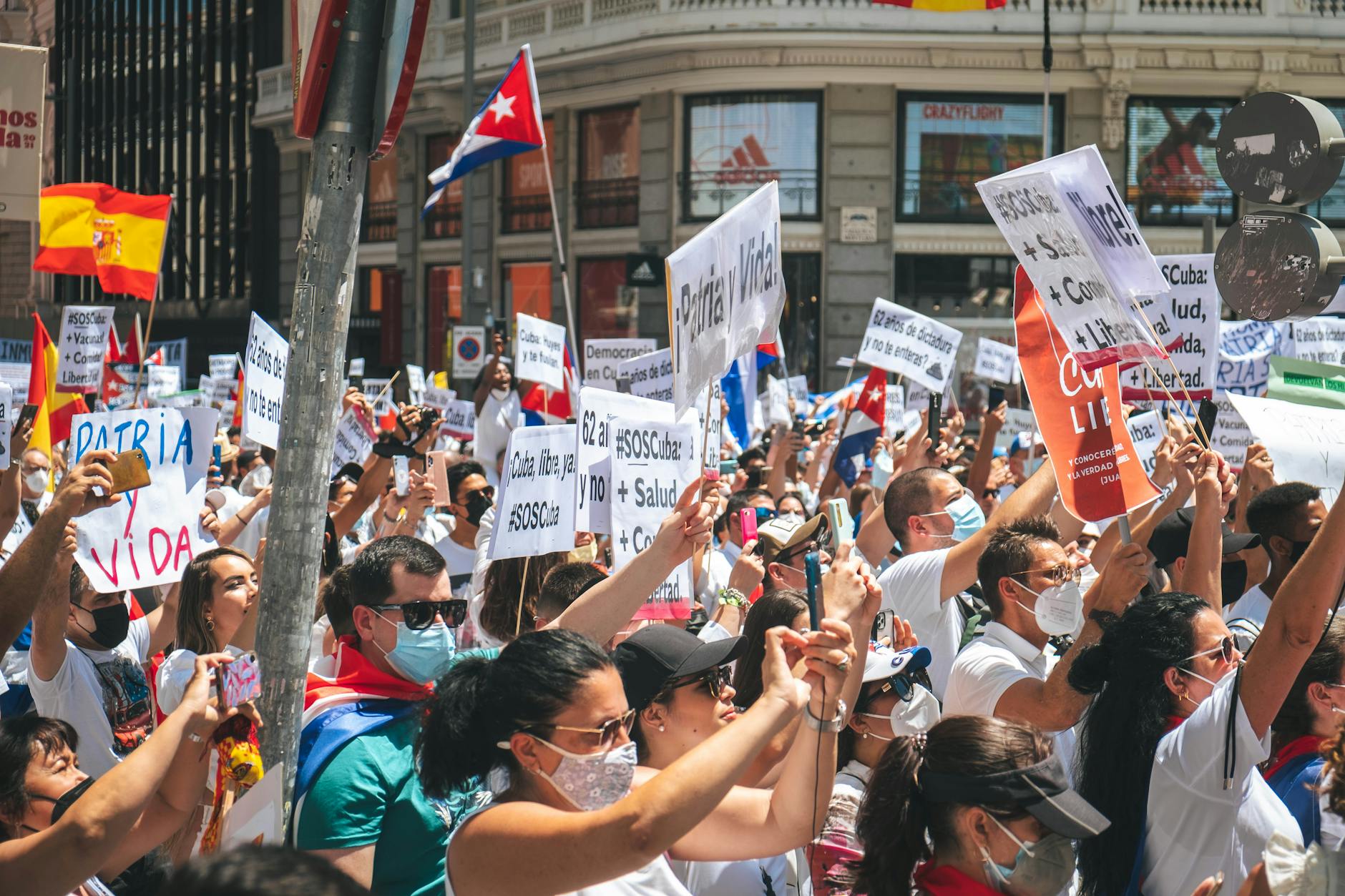
Watch civic activity and public messaging
Madrid is an active civic capital. Demonstrations, labor actions, football crowds, transport disruptions, police operations, or politically sensitive events can affect a volunteer schedule even when they have nothing to do with the placement. A volunteer or NGO traveler may also be read as connected to a cause, institution, church, university, or foreign organization. Curiosity should not override the mission.
The practical rule is to separate service from observation. If a protest, crowd, or police activity appears near the work route, the traveler should follow partner instructions, change routes, keep the group accountable, and avoid photography unless the role explicitly requires documentation. Social media should be conservative. Posting images of beneficiaries, locations, staff, or sensitive work can violate dignity and damage the partner's trust even when the post is well-intended.
- Monitor demonstrations, strikes, crowds, and transport disruption that could affect routes or service sites.
- Avoid drifting into civic events or photographing sensitive scenes unless the role explicitly requires it.
- Use conservative social-media rules around beneficiaries, staff, addresses, and partner operations.
When to order a short-term travel report
A traveler joining a fully organized Madrid group with housing, transport, supervision, and a clear daily role may not need a custom report. A report becomes more useful when the traveler is arranging housing independently, visiting a partner for the first time, working across several sites, serving vulnerable groups, carrying supplies, traveling alone, or entering neighborhoods they do not know. It is also useful when parents, schools, churches, nonprofits, or sponsors need an outside look at the placement environment before approving the trip.
The report should test the partner address, role description, neighborhood context, housing options, Barajas or rail arrival, daily transit, late-return plan, Spanish-language needs, safeguarding concerns, documentation rules, current disruption risks, and how the work fits into Madrid's real geography. The value is a placement-aware operating brief that helps the traveler support the local partner without becoming a burden or creating avoidable risk.
- Order when housing, partner vetting, vulnerable groups, several sites, solo travel, or sponsor approval creates uncertainty.
- Provide partner details, worksite, role, schedule, housing options, language ability, supervision, and safeguarding rules.
- Use the report to protect the mission, the people served, the local partner, and the traveler's daily reliability.