Madrid can be a rewarding short-stay city for travelers managing medical constraints because the core visitor areas are compact, taxis are useful, major museums can be planned in advance, and good hotels can place a traveler close to food, pharmacies, park space, and transport. The city does not require an aggressive itinerary to feel worthwhile. A carefully chosen base, two or three strong anchors, and enough rest time can produce a very good Madrid trip. The planning standard is different when medication timing, fatigue, immune risk, heat sensitivity, chronic pain, respiratory limits, cardiac concerns, diabetes, food restrictions, mobility variation, or post-treatment recovery are involved. The question is not whether Madrid is possible. The question is whether the hotel, arrival route, daily pace, meals, backup care, and return plan fit the traveler on the worst hour of the trip, not only the best one.
Choose the hotel as a medical logistics base
The hotel is the most important medical-planning decision in a short Madrid stay. The right property reduces daily exposure: fewer unnecessary transfers, easier taxis, reliable elevators, a quiet room, working air-conditioning, a bathroom that fits the traveler's needs, nearby food, and a pharmacy or practical backup within a manageable distance. A hotel that is merely close to a landmark may still be a poor choice if the entrance is awkward, the street is hard to reach by taxi, or the room does not allow real recovery between outings.
Neighborhood labels should be tested against the condition. Barrio de las Letras can work well for Prado-area museums and short walks. Salamanca may suit travelers who want calmer streets, polished hotels, and easier dining. Sol and Gran Via offer centrality and transport but may be noisy and crowded. Retiro can help travelers who need park access and quieter resets. The best base is the one that makes treatment routines, rest, meals, and short outings simple.
- Check elevators, step-free entry, room quiet, air-conditioning, bathroom fit, refrigeration needs, and taxi access.
- Choose the neighborhood for condition-specific logistics, not only for sightseeing proximity.
- Treat the hotel as the recovery base, medication base, and bad-hour fallback point.
Make arrival low-friction before fatigue takes over
Madrid-Barajas can be straightforward, but medical constraints make the arrival decision more serious. A traveler who has been sitting for hours, managing medication, wearing compression garments, monitoring blood sugar, protecting immune status, or dealing with pain should not have to solve luggage, signs, transfers, and hotel access while already depleted. A taxi or prearranged car may be the correct medical choice even when public transport is available.
The arrival plan should include wheelchair or assistance requests when needed, medication and devices in carry-on bags, a clear route to the hotel, the hotel address available offline, and a first meal that does not require searching. The first evening should be deliberately narrow: check in, recover, eat, hydrate, and confirm the next morning's plan. Madrid will still be there after the traveler has stabilized.
- Use taxi, car, metro, or rail based on fatigue, luggage, medication timing, and transfer complexity.
- Keep medication, devices, prescriptions, and emergency contacts in carry-on bags and offline notes.
- Make the first evening about recovery, food, hydration, and orientation rather than immediate sightseeing.
Do not treat train stations as neutral spaces
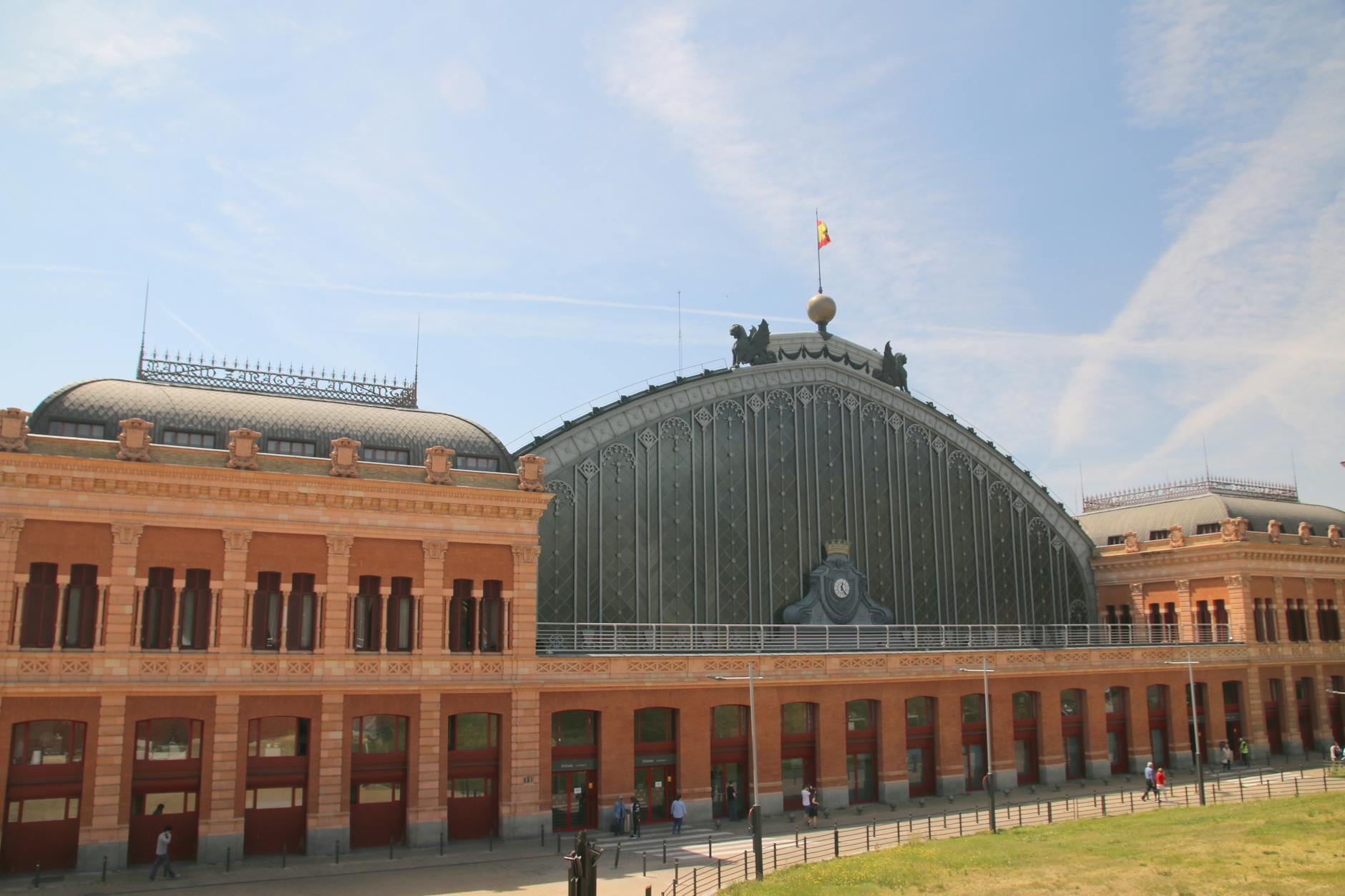
Atocha and Chamartin can be useful for arrivals, day trips, and onward travel, but stations are not neutral for a traveler with medical constraints. They add walking, waiting, escalators, queues, platform changes, luggage handling, bathrooms, and the risk that a delay pushes medication, meals, or rest out of sequence. A station transfer that looks simple on a map may still be the most draining part of the day.
If rail is part of the trip, build in margin. Know which station is actually being used, how the traveler will reach it, what assistance is required, whether stairs can be avoided, and where food, water, and bathrooms fit into the timing. For some travelers, a direct taxi and a shorter itinerary are worth more than a theoretically efficient transit plan.
- Confirm the exact station, transfer mode, walking burden, luggage plan, and assistance needs.
- Add time for queues, bathrooms, food, water, medication timing, platform changes, and delays.
- Choose the simpler transfer when the condition makes efficiency less important than predictability.
Protect medication, documentation, and care backup
Medical planning should be complete before the traveler starts enjoying Madrid. Medication should remain in original packaging where practical, with generic names, dosing instructions, physician letters when appropriate, travel insurance details, and enough supply for delays. Temperature-sensitive medication needs a realistic cooling plan, not an assumption that every hotel room will solve the problem. Devices, chargers, spare supplies, and backup prescriptions should be treated as trip-critical equipment.
The traveler should know the Spanish words that matter for the condition, including simple phrases for pharmacy, emergency care, allergy, diabetes, heart condition, asthma, prescription, and pain. The emergency number 112 should be stored, but the better plan is to identify what would trigger a taxi to urgent care, a call to insurance assistance, or a decision to cancel the next activity. A Madrid itinerary should have medical decision points, not just sightseeing stops.
- Carry prescriptions, generic medication names, physician letters when needed, insurance details, and delay margin.
- Plan cooling, charging, spare supplies, and backup access for devices or medication.
- Know the key Spanish terms, the emergency number 112, and the conditions that would stop the itinerary.
Keep major sights medically selective
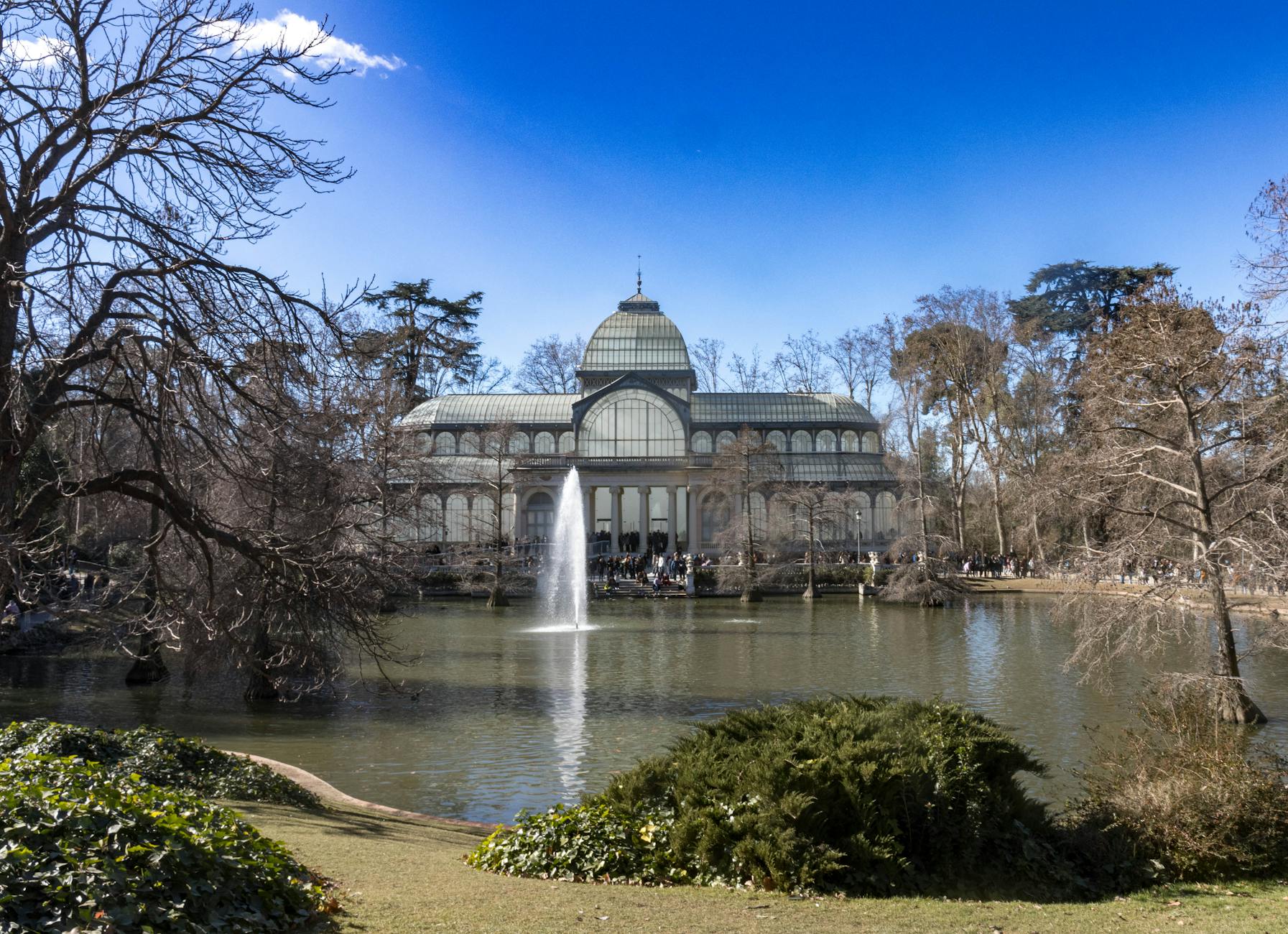
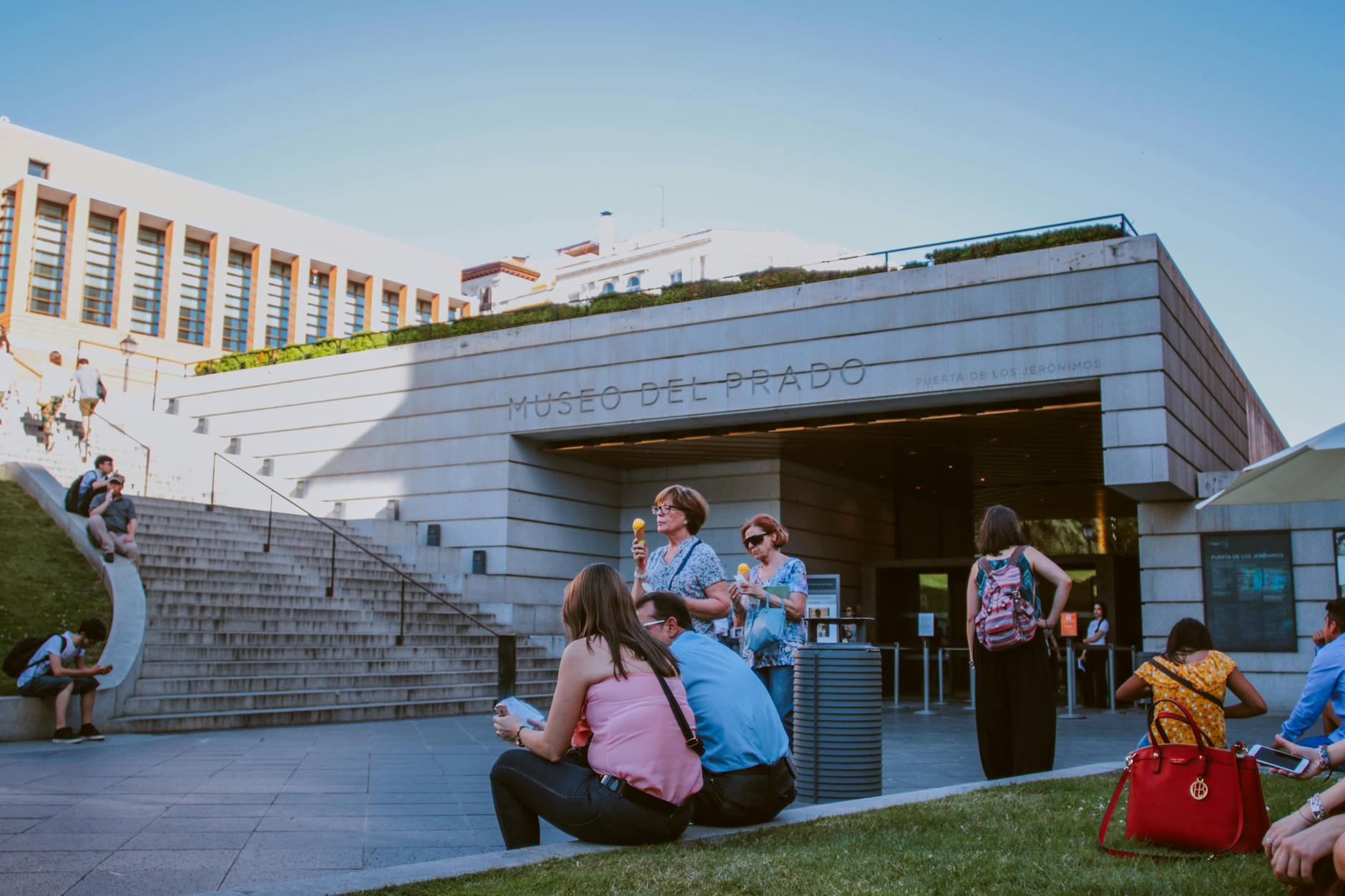
Madrid's major sights are better handled through selectivity than endurance. The Prado, Reina Sofia, Royal Palace, Plaza Mayor, Retiro, and Gran Via can all be worthwhile, but the medical question is how long the traveler can stand, what the heat is doing, where the nearest bathroom is, how meals fit, and whether the next commitment depends on having more energy than the traveler usually has. A famous museum is not a success if it consumes the rest of the day.
Timed entries, shorter museum targets, rest benches, cafe breaks, taxis between anchors, and one major activity per day can make Madrid feel richer. Travelers with medical constraints should avoid building a plan around perfect stamina. The better plan assumes the traveler may need to pause, leave early, or replace a sight with a nearby recovery option.
- Use timed entries and focused museum targets instead of long, open-ended visits.
- Plan bathrooms, benches, meals, shade, taxis, and recovery time before each major sight.
- Give the traveler permission to leave early without treating the day as a failure.
Read streets for surfaces, heat, crowds, and exits
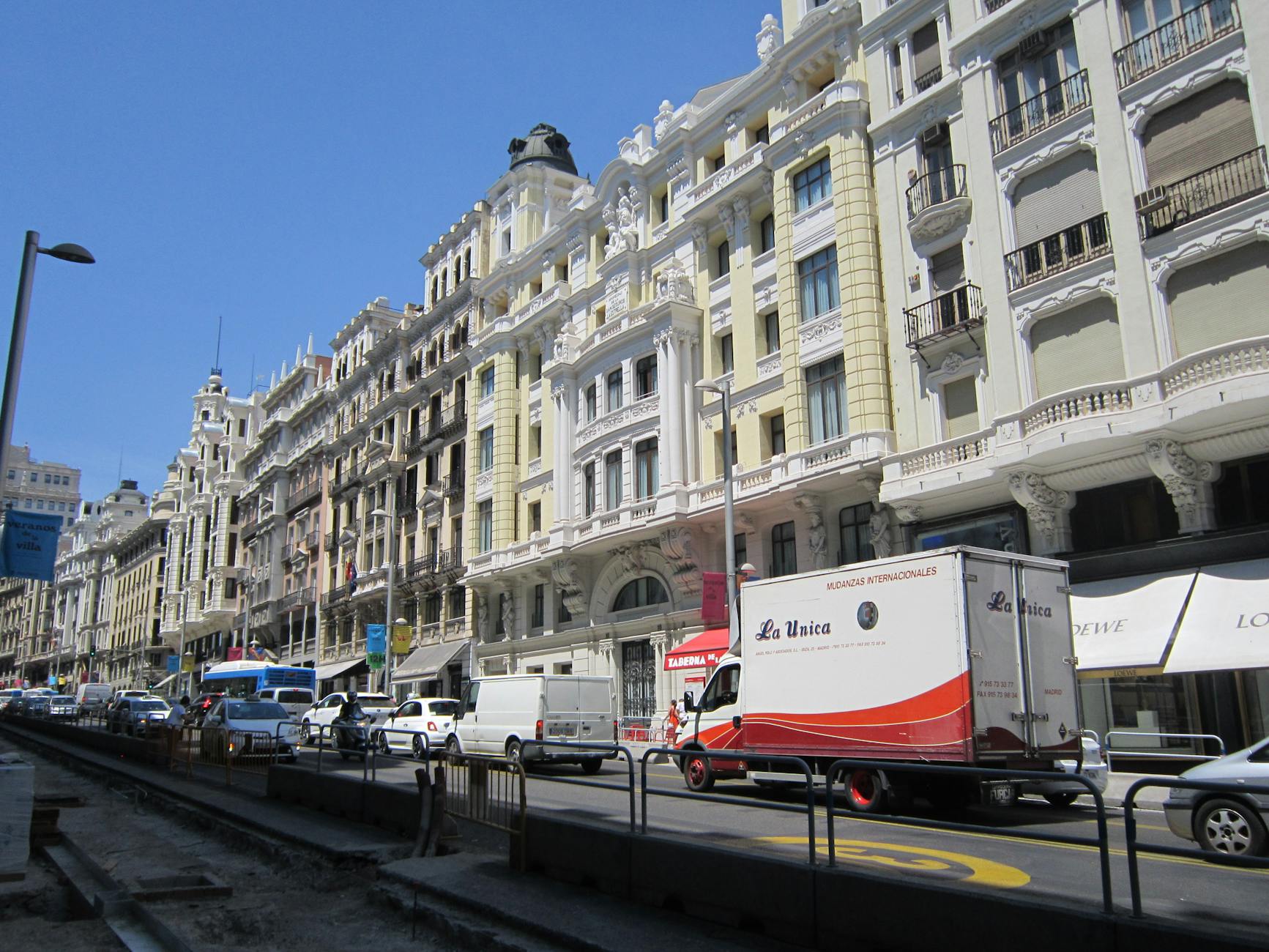
Madrid is walkable, but walkable does not mean medically easy. Central streets may include slopes, uneven paving, construction, crowds, scooters, traffic crossings, stairs into older businesses, and long stretches where the traveler keeps going because the destination seems close. Heat can turn a reasonable walk into a poor medical decision, especially for travelers with cardiac, respiratory, fatigue, migraine, medication, or post-treatment concerns.
Routes should be built in short segments with exit options. Know where to stop, where to sit, when to switch to a taxi, and which streets are worth avoiding during peak crowd periods. Sol, Gran Via, Plaza Mayor, museum entrances, and food markets can be useful or exhausting depending on timing. The goal is not to avoid central Madrid. It is to move through it with enough control to keep the condition from deciding the rest of the day.
- Assess slopes, uneven paving, construction, scooters, stairs, crossings, heat, and crowd density.
- Break walking into segments with known places to sit, eat, use bathrooms, or take a taxi.
- Use timing to reduce exposure in Sol, Gran Via, Plaza Mayor, markets, and museum entrances.
When to order a short-term travel report
A traveler with stable medical needs, a strong hotel, and a very light Madrid itinerary may not need a custom report. A report becomes more useful when the trip is short, the traveler has limited stamina, the condition is sensitive to heat or disruption, medication timing is strict, the hotel choice is uncertain, arrival is late, mobility varies by day, food needs are important, or the traveler wants museums and classic Madrid sights without creating a recovery problem.
The report should test the hotel base, arrival transfer, pharmacy and urgent-care backup logic, daily pacing, heat exposure, walking segments, museum timing, dining reliability, taxi use, current local disruptions, and the simplest fallback plan if the traveler has a bad hour. The value is not medical advice. It is travel planning that respects the medical reality already in the traveler's life.
- Order when stamina, heat, medication, hotel choice, arrival timing, food needs, or variable mobility raise the stakes.
- Provide the condition constraints, medication schedule, hotel candidates, arrival details, walking tolerance, food needs, and must-see sights.
- Use the report to make Madrid workable without asking the traveler to gamble on perfect health during a short trip.