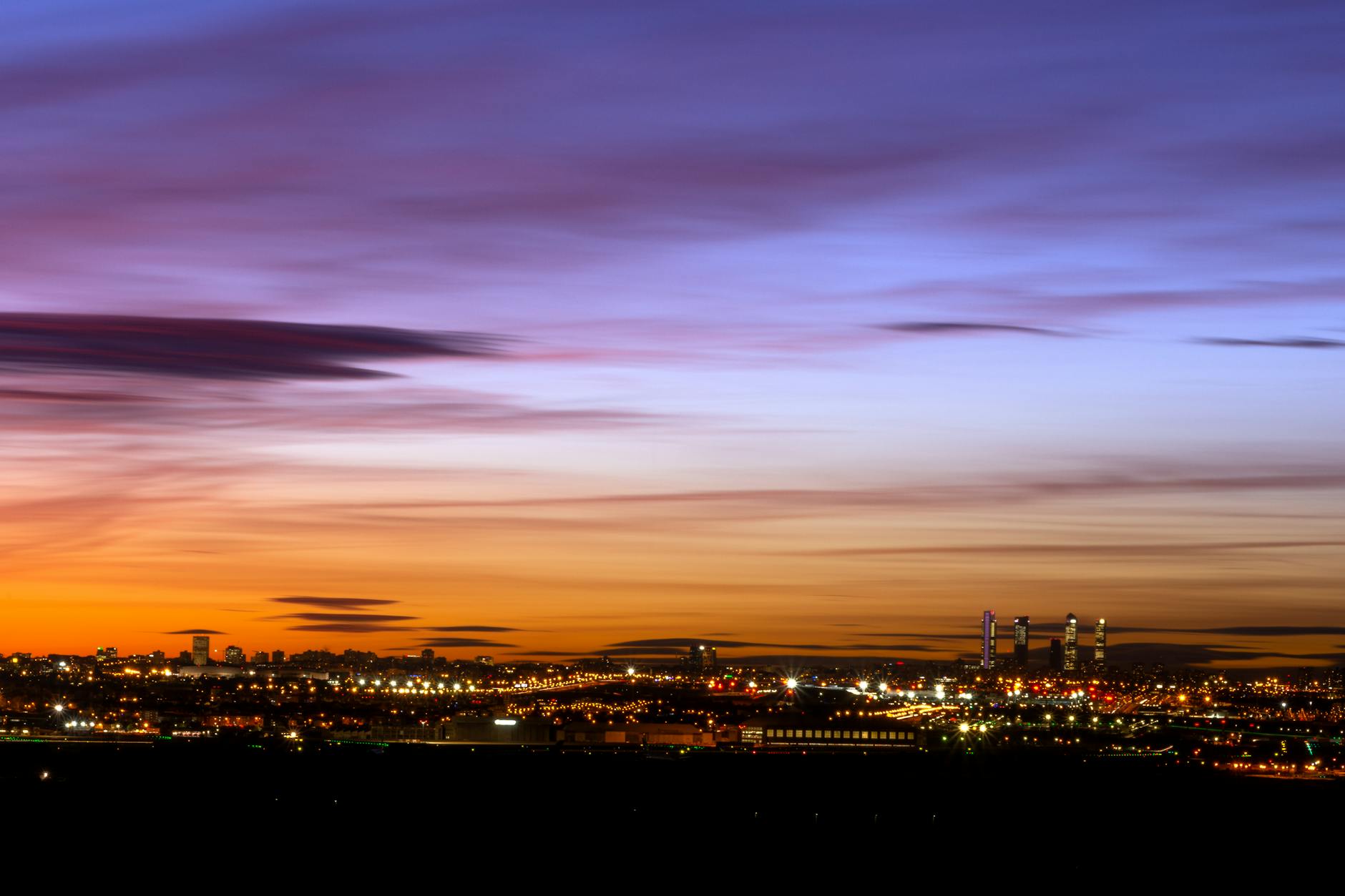
Madrid is a superb tourist city because it lets a short visitor move between royal ceremony, major museums, plazas, parks, shopping streets, neighborhood cafes, markets, and late dinners without needing to turn the trip into a long-distance expedition. The classic tourist map is tempting: Royal Palace, Almudena Cathedral, Plaza Mayor, Puerta del Sol, Gran Via, the Prado, Reina Sofia, Retiro, Salamanca, La Latina, and maybe a rooftop or flamenco evening. The mistake is treating all of those places as equally easy to stack in any order. The stronger Madrid tourist plan is built around zones, energy, heat, food timing, tickets, and the return route at the end of the day. The city rewards people who know when to walk and when to take a taxi, when to reserve and when to wander, when to use a park or cafe as a reset, and when to stop adding famous names to the itinerary. A short Madrid trip should feel rich, not overstuffed.
Plan by zones, not landmark names
Madrid's central sights are close enough to tempt bad sequencing and far enough apart to tire a tourist who keeps crossing the same ground. The Royal Palace, Almudena Cathedral, Plaza de Oriente, Plaza Mayor, and Puerta del Sol can form one old-center route. The Prado, Thyssen, Reina Sofia, Atocha, and Retiro can form a museum-and-park day. Gran Via, Callao, Chueca, Malasana, and shopping streets create a different rhythm. Salamanca is polished and slower. La Latina is better judged by meal timing and evening energy than by distance alone.
The tourist should decide what kind of day they are building before adding stops. A palace-and-plazas day, a museum day, a shopping-and-rooftop day, or a food-and-neighborhood day can all work. A scattered day that jumps from palace to museum to shopping to distant dinner may look ambitious and feel thin. Madrid becomes better when the visitor lets each district carry its own mood.
- Group the palace, old center, museum triangle, Retiro, Gran Via, Salamanca, and La Latina by real route logic.
- Choose the shape of each day before adding reservations or distant restaurants.
- Avoid turning Madrid into a cross-center checklist when a zone-based day would feel richer.
Choose a hotel for evenings, not only mornings
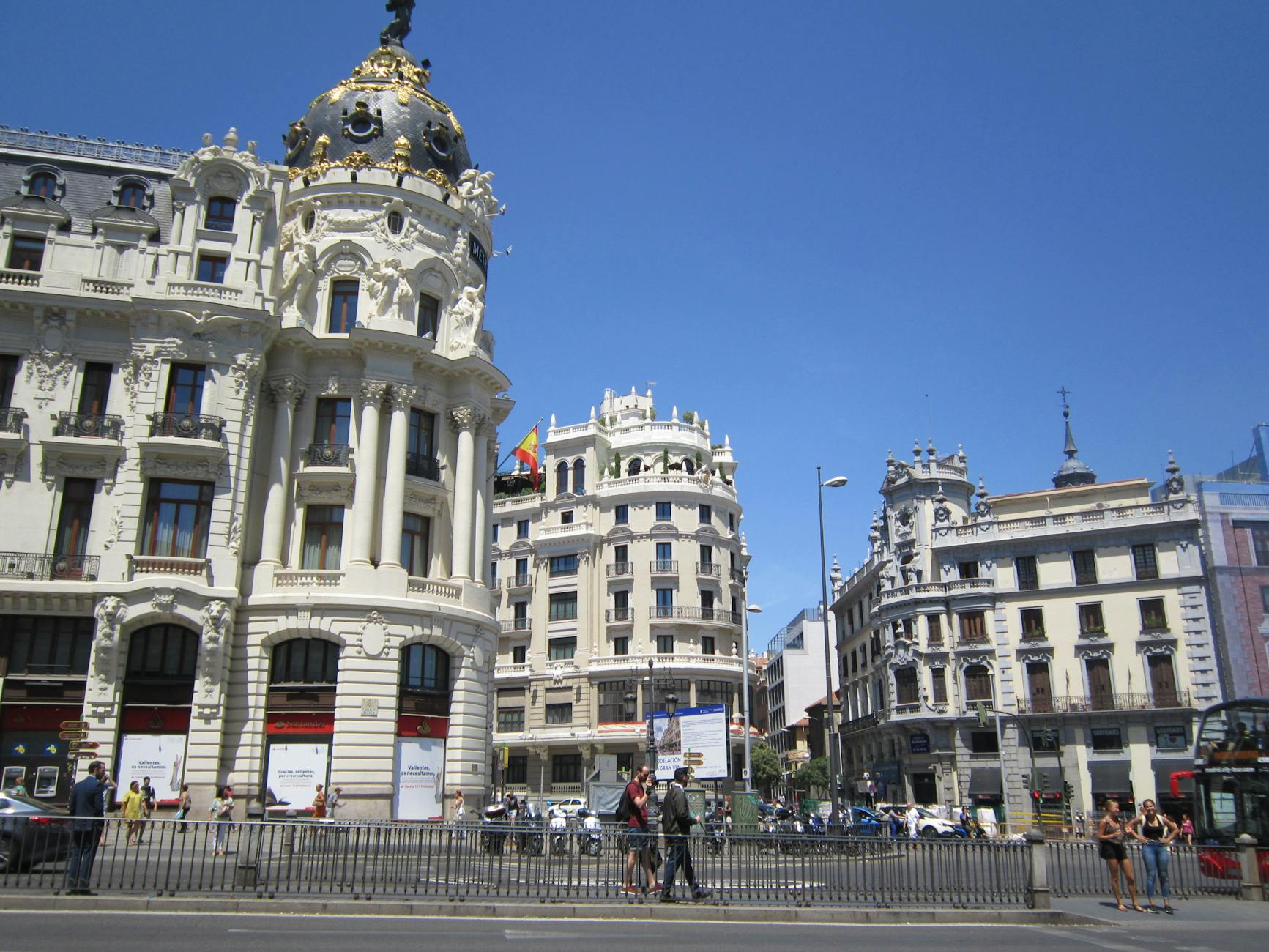
A Madrid tourist's hotel base controls breakfast, first departure, midday resets, late dinners, taxis, noise, and the final walk back after a long day. Sol and Gran Via are extremely convenient but can be crowded and noisy. Barrio de las Letras can work well for museums, cafes, and walkable evenings. Salamanca is calmer, polished, and useful for shopping and refined dining. Atocha can be practical for rail and the museum triangle, but the exact block matters. Retiro can be pleasant for park access and lower-pressure evenings.
The best hotel choice depends on the first two days and the traveler's evening style. A first-time tourist with classic sights may want easy access to the old center and museums. A food-focused visitor may care more about return routes from La Latina, Las Letras, or Salamanca. A family, older traveler, or traveler with medical constraints should value quiet, taxis, elevators, bathrooms, and nearby simple food more than a dramatic map location.
- Choose the base after mapping the first two days and the likely dinner districts.
- Treat Sol, Gran Via, Las Letras, Salamanca, Atocha, and Retiro as different lodging decisions.
- Check noise, taxi access, elevators, late food, and return routes before trusting a central label.
Use the palace and old center deliberately
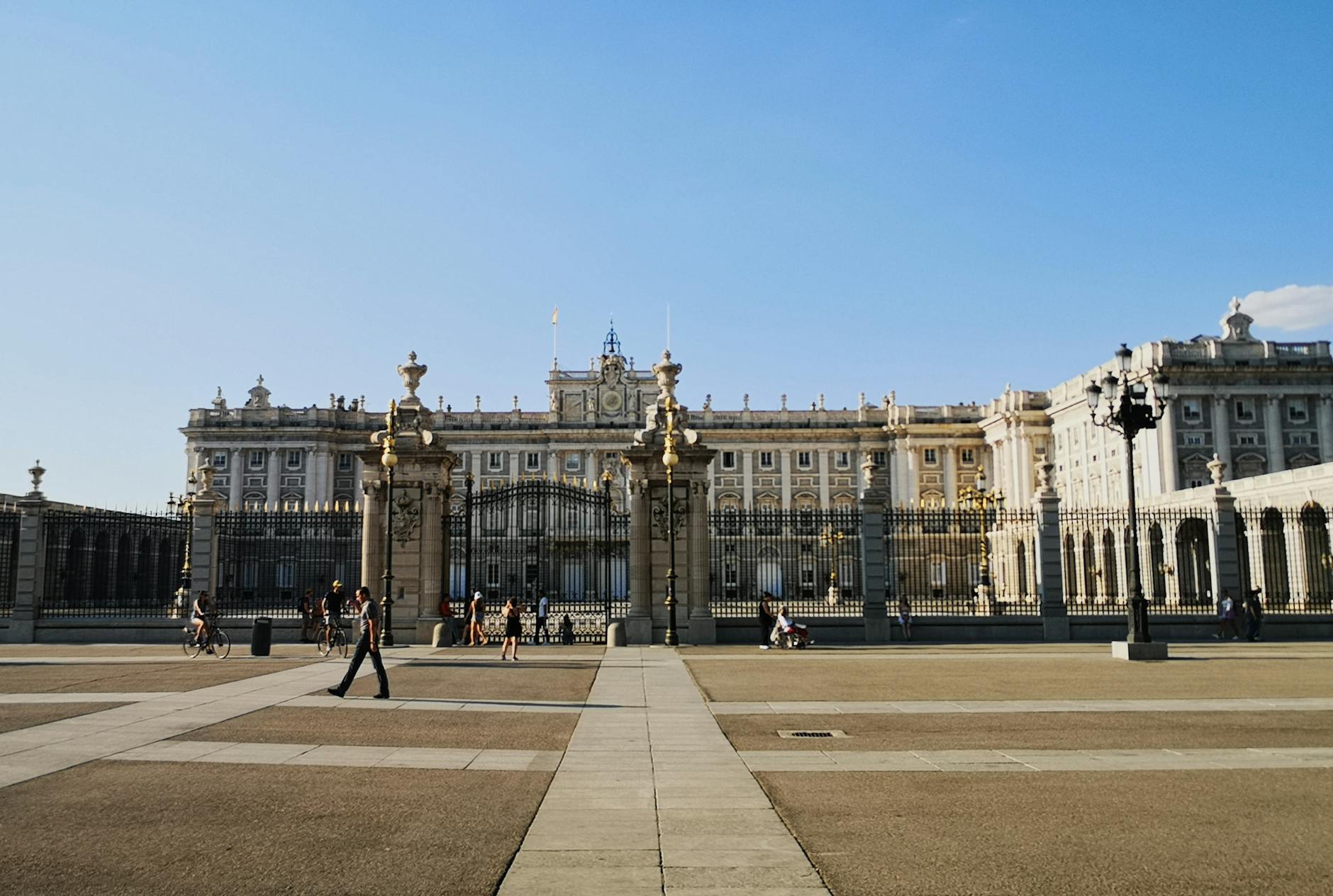
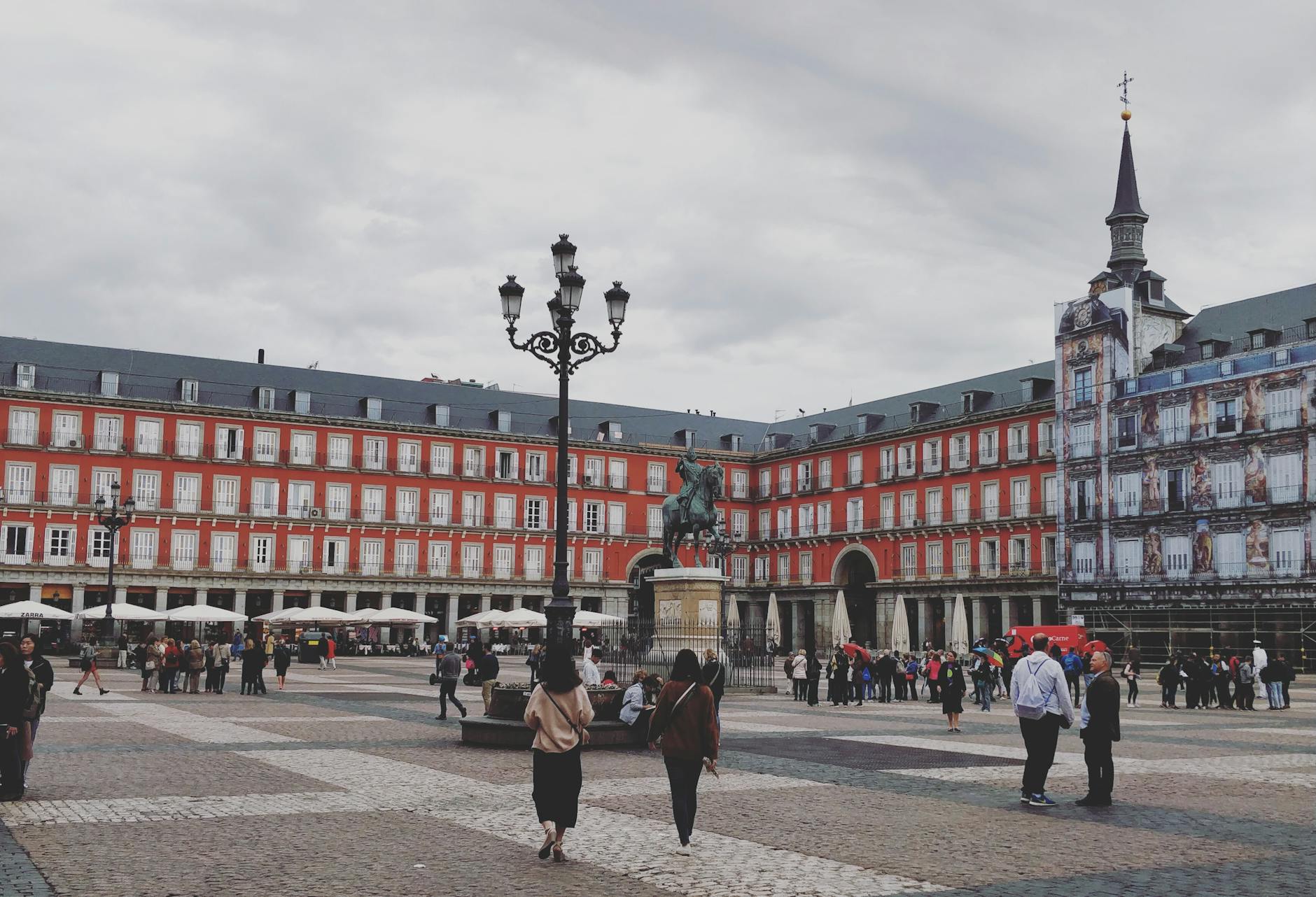
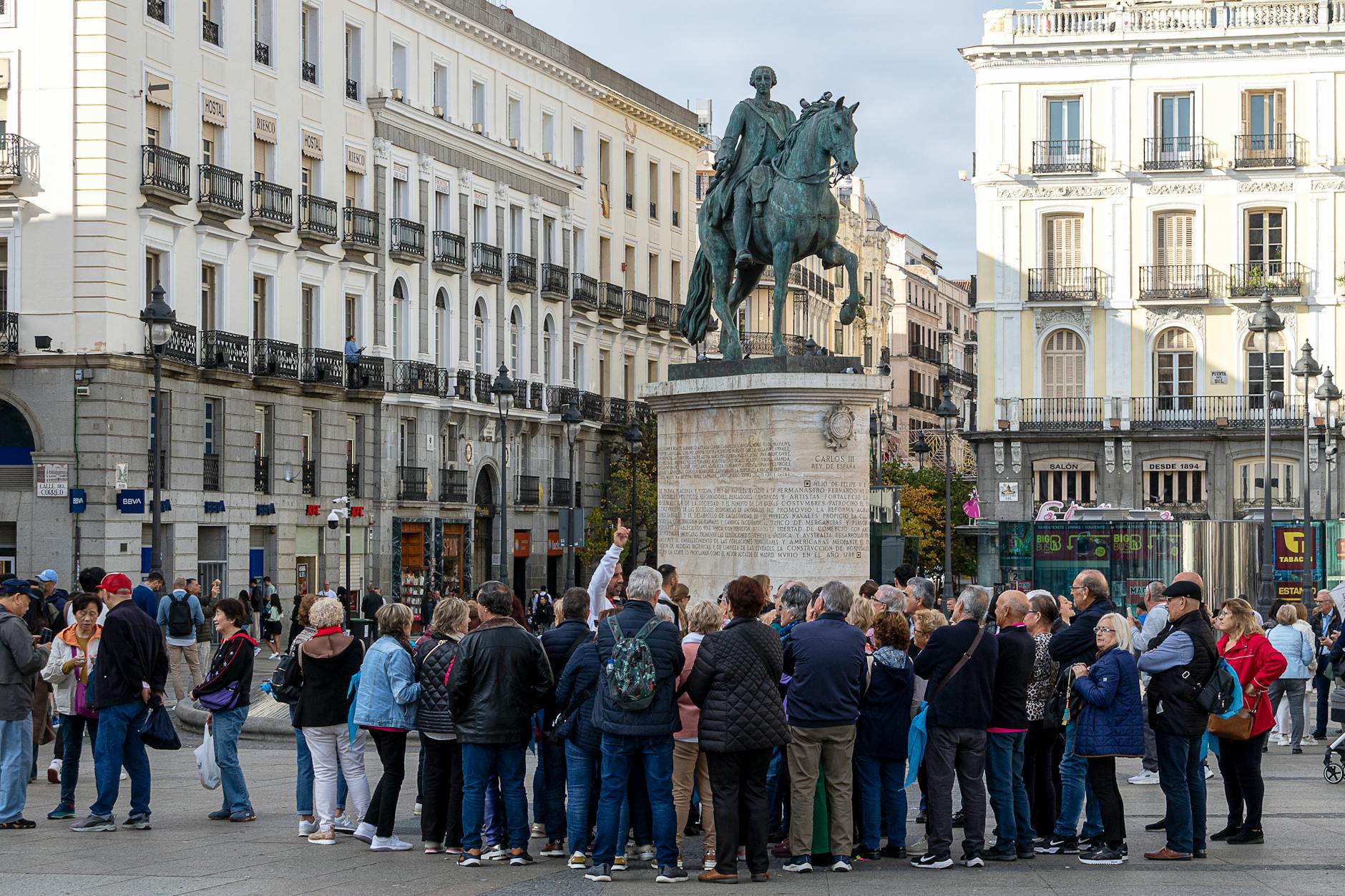
The Royal Palace, Almudena Cathedral, Plaza de Oriente, Plaza Mayor, Mercado de San Miguel, Puerta del Sol, and nearby lanes can make a strong Madrid day, but only if the visitor gives the route enough shape. The palace area works best when timed entry, security, walking surfaces, sun exposure, and meal timing are planned. Plaza Mayor and Sol are important urban stages, but they can become tiring if the tourist treats them as places to linger without a reason.
The old center is also where distraction is easiest. A visitor may be looking up at facades, checking a map, holding a phone, carrying shopping, or stopping for photos while crowds move around them. The day should include pauses that are chosen, not forced: a cafe, a shaded square, a short market stop, or a direct return. Madrid's classic center is memorable when the tourist moves through it with attention rather than drift.
- Plan palace timing, security, walking surfaces, sun exposure, and the next meal before entering the old-center route.
- Use Plaza Mayor and Sol as part of a route, not as vague waiting rooms.
- Keep phone, bags, and shopping controlled while photographing crowded classic sights.
Treat museums as anchors, not fillers
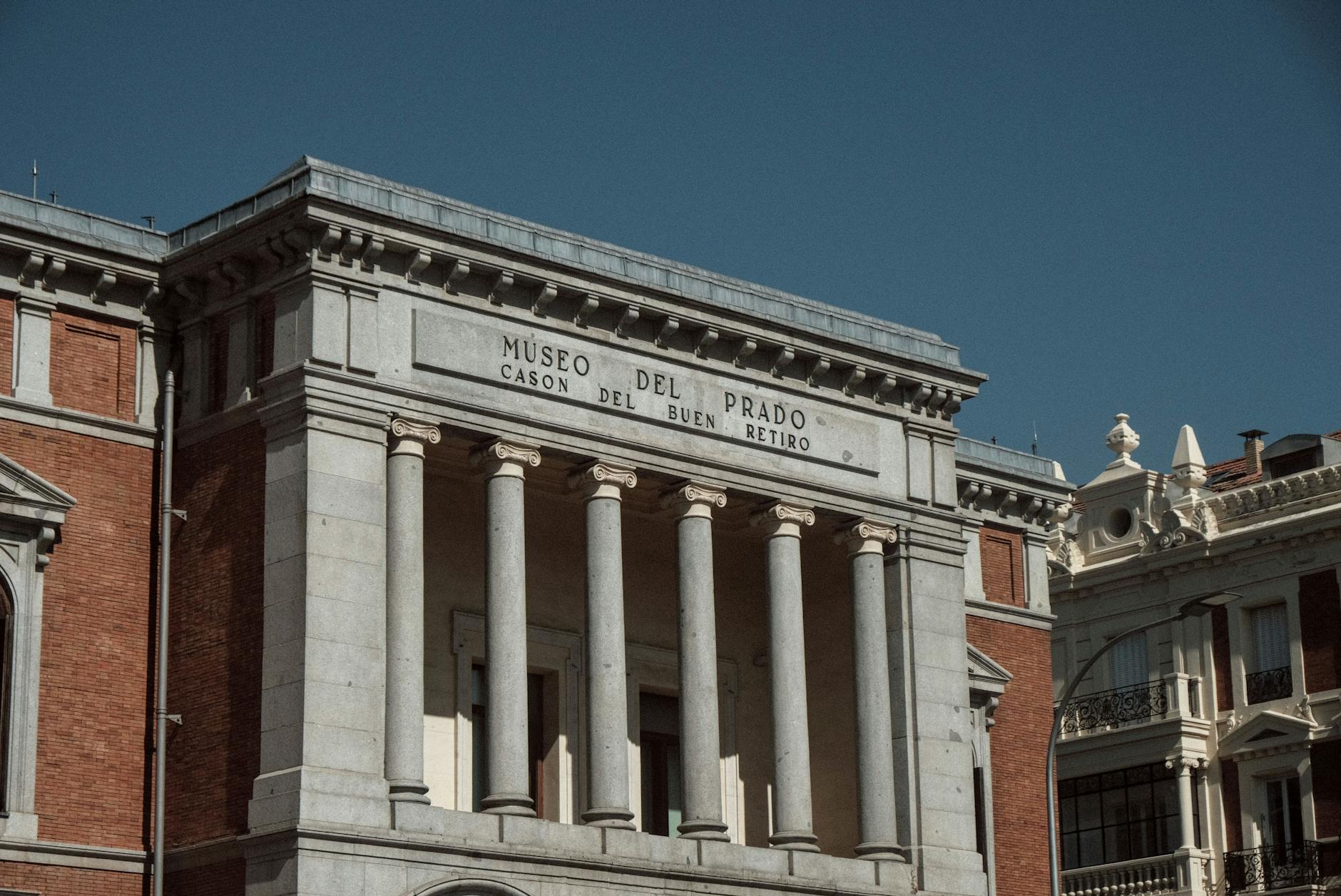
Madrid's museum triangle can carry a trip by itself, but tourists should resist treating the Prado, Reina Sofia, Thyssen, and nearby cultural stops as quick fillers between other landmarks. The Prado deserves a focused plan. Reina Sofia is different in pace and emotional texture. Thyssen can be an excellent bridge between them. A tourist who tries to do all of this casually may end the day with tired feet and only a blur of rooms.
The better plan uses one museum as the anchor and builds the surroundings around it. Pair the Prado with Retiro, a Las Letras meal, or a shorter Thyssen visit if energy allows. Pair Reina Sofia with Atocha, Lavapies, or a simpler afternoon. Timed entry, security lines, bag rules, bathrooms, cafes, and standing time all matter. Museums should make the day more substantial, not turn the city into indoor endurance.
- Choose one primary museum anchor instead of treating every major museum as a casual add-on.
- Pair the Prado, Reina Sofia, or Thyssen with nearby meals, Retiro, Atocha, or Las Letras.
- Account for timed entry, security, bag rules, bathrooms, cafes, and standing fatigue.
Use Retiro and food timing as pressure valves
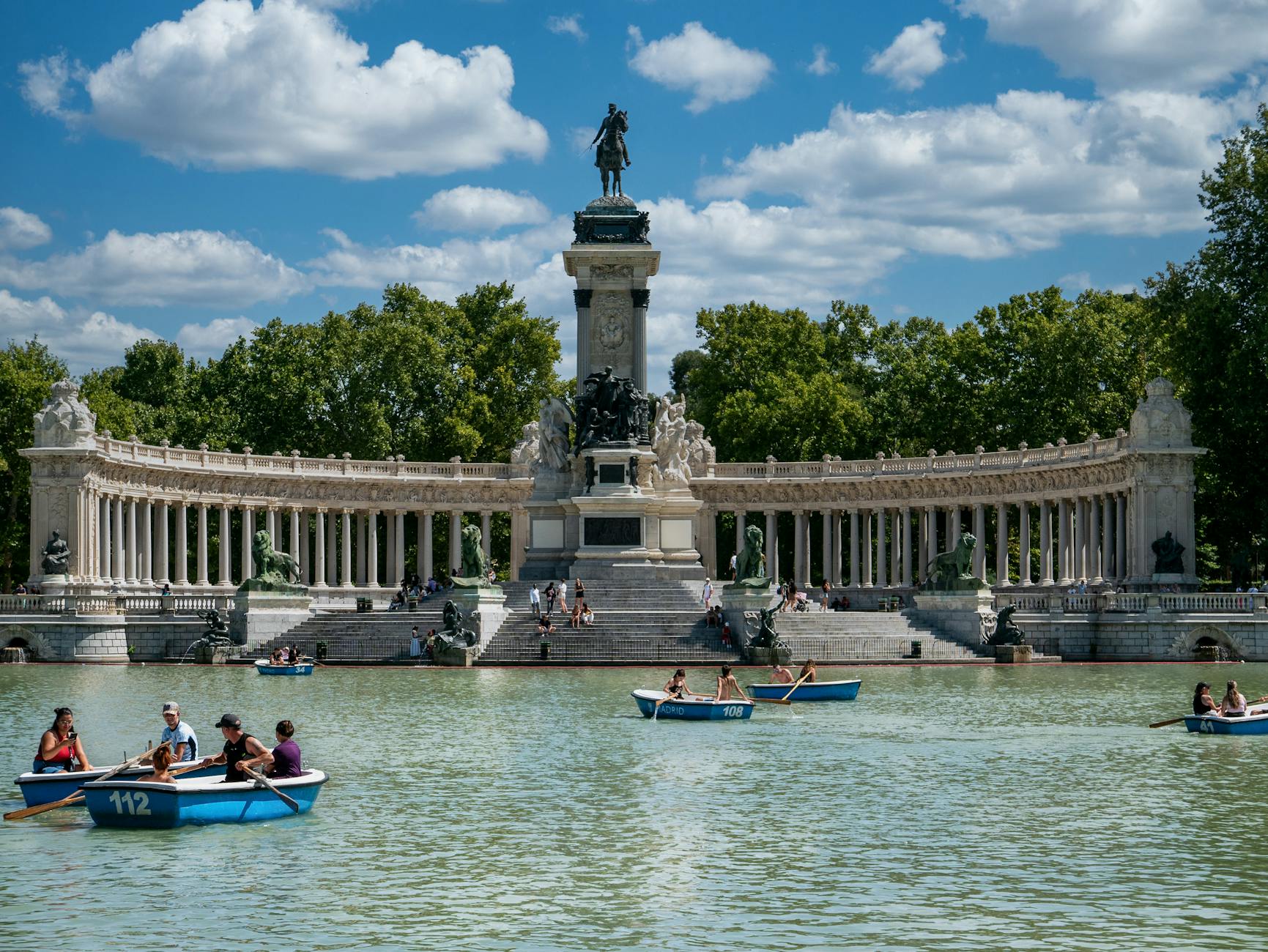
Retiro is not just a pretty add-on. For tourists, it is one of Madrid's best pressure valves: shade, walking space, benches, boats, the lake, the Crystal Palace area, and a slower pace after museums, shopping, or crowded plazas. It can rescue a hot afternoon, soften a museum-heavy day, or give a family and older traveler a more forgiving block of time. The park works best when it is placed intentionally, not squeezed into the margin after everyone is already tired.
Food timing deserves the same respect. Madrid's meal rhythm can surprise visitors who expect early dinners or constant table availability at exactly the moment they become hungry. Lunch may need to be the main meal. Tapas, markets, terraces, and late dinners can be excellent, but tourists should know where they are eating after the palace, after the museum, and near the hotel on a tired night. A Madrid tourist day often succeeds or fails on the meal that was not planned.
- Use Retiro as a planned reset after museums, shopping, heat, or crowded central sightseeing.
- Treat lunch, tapas, markets, terraces, and late dinners as route anchors, not afterthoughts.
- Keep one simple hotel-area meal option for tired, hot, rainy, or late evenings.
Keep transport, crowds, and evenings simple
Madrid's metro, taxis, walking routes, airport connections, and rail stations are useful, but tourists should not make every movement a test of stamina. Barajas arrival, Atocha or Chamartin rail plans, Sol crowding, Gran Via crossings, Plaza Mayor tourist density, and late returns after dinner all deserve practical thought. A simple taxi can be the right choice after a long museum day, with children, in heat, after shopping, or when the hotel is not close to the dinner district.
Crowds should be handled as a discipline problem, not a reason to avoid the city. Keep phones controlled near curbs and plazas, step aside before reading maps, zip bags, avoid leaving phones on outdoor tables, and decide the route home before the night stretches. Madrid's evenings are a pleasure when the tourist knows how to stop. They become tiring when every return route is invented after wine, walking, and a dead phone battery.
- Use metro, taxis, walking, airport routes, and rail stations according to fatigue, heat, luggage, and timing.
- Control phones and bags in Sol, Gran Via, Plaza Mayor, markets, stations, and terrace areas.
- Plan evening returns before dinner, especially after late meals, rooftop drinks, shopping, or theater.
When to order a short-term travel report
A relaxed repeat tourist with a familiar hotel and loose Madrid plan may not need a custom report. A first visit, short stay, late arrival, family group, older traveler, medical or mobility constraint, heat-sensitive trip, major museum interest, food priority, theater or rooftop plans, or uncertainty between hotel neighborhoods makes the planning stakes higher. Madrid is not difficult in a general sense. It is easy to make small sequencing mistakes that cost the best hours of a short visit.
The report should test the hotel base, arrival route, old-center sequence, palace timing, museum choices, Retiro use, food geography, crowd exposure, transport fallbacks, current local disruptions, weather implications, and evening returns. The value is not another list of famous Madrid attractions. It is a practical design for what belongs together, what should be dropped, where to stay, where to eat, when to rest, and when to spend money to keep the trip enjoyable.
- Order when hotel choice, short timing, museum plans, food priorities, family needs, mobility, heat, or medical constraints matter.
- Provide hotel candidates, arrival details, must-see sights, ticket plans, food interests, pace, budget, and evening plans.
- Use the report to make Madrid coherent rather than merely full.