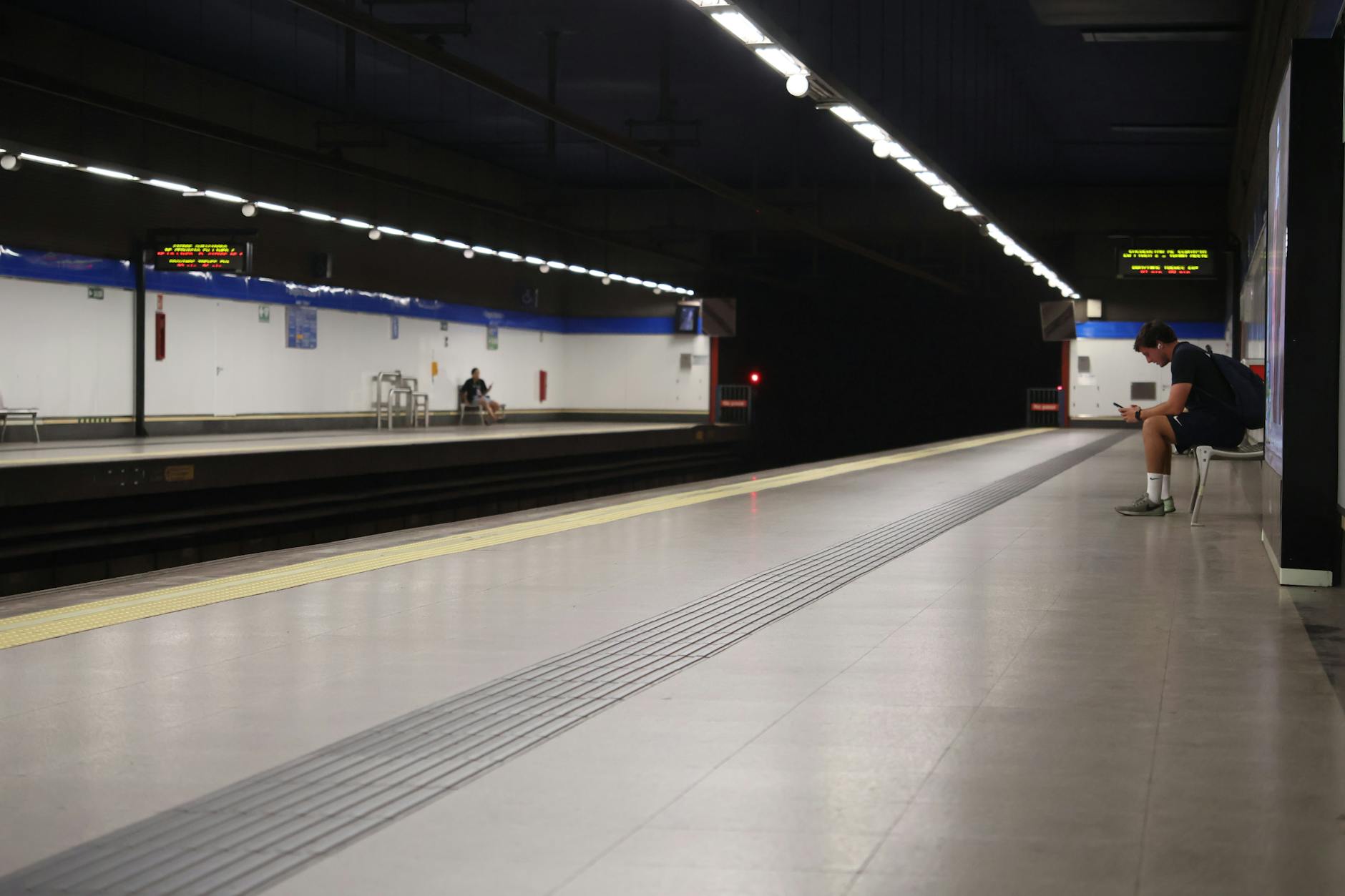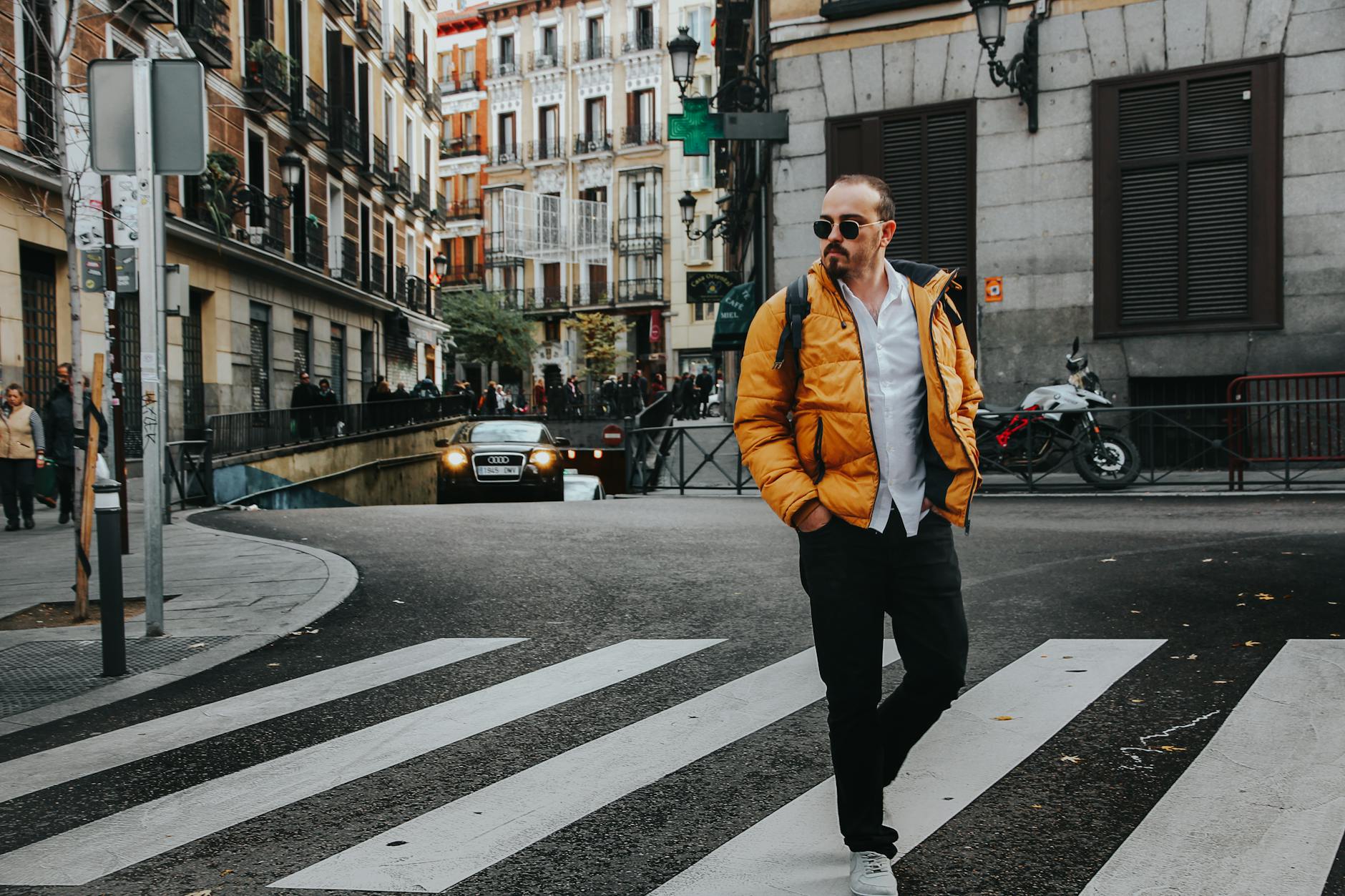
Madrid is one of Europe's better large cities for a solo short stay. It is social without requiring a companion, walkable without being tiny, and rich enough that a traveler can build days around museums, cafes, parks, food, shopping, football, architecture, or simply moving through the city at their own pace. A solo traveler can have an excellent Madrid trip without feeling conspicuous. The planning standard is still different from traveling with a partner or group. The solo traveler makes every transfer decision, watches their own bag, chooses every meal, manages late returns alone, and has no immediate second set of eyes when tired or disoriented. The goal is not to make Madrid feel risky. The goal is to design the trip so independence feels easy rather than exposed.
Choose a base that makes independence easy
A solo traveler should choose a Madrid base by how it feels at the start and end of the day, not only by distance to sights. Sol and Gran Via are convenient, well-connected, and active late, but they can also be crowded and noisy. Barrio de las Letras can work well for a solo traveler who wants museums, restaurants, and a walkable cultural rhythm. Salamanca is calmer and more polished, with strong dining and shopping, but it may feel less central for a first short visit. Retiro and Atocha can be useful for museums, rail, and park access if the exact hotel location is comfortable.
The right hotel gives the solo traveler simple exits and returns. Check street lighting, reception hours, elevator access, room quiet, taxi access, and whether the route back from dinner is clear. A beautiful room on an awkward side street may be less useful than a slightly simpler property with a confident front desk and easy movement.
- Choose the neighborhood by late returns, transit, dining, noise, and how confident the street feels alone.
- Use Sol, Gran Via, Barrio de las Letras, Salamanca, Retiro, or Atocha for different solo travel styles.
- Check reception, room quiet, taxi access, lighting, and easy exits before booking.
Make arrival simple enough to recover quickly
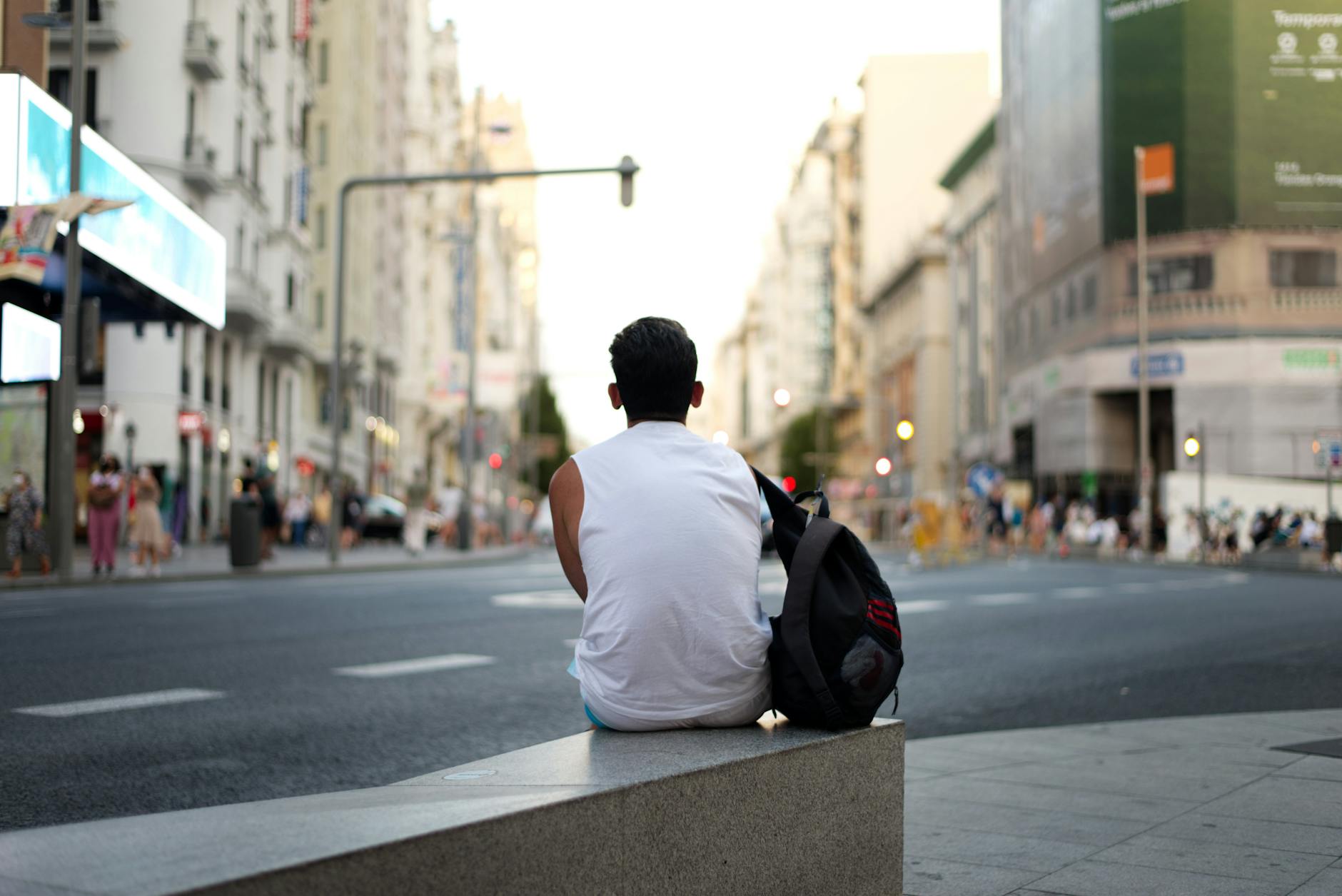
Solo arrivals require more margin because there is no one else to watch luggage, read the map, or handle the phone while the traveler is tired. Madrid-Barajas can be straightforward, but passport control, baggage, terminal layout, metro decisions, taxi queues, and hotel check-in still require attention. A fixed-price taxi may be the right choice after a long flight, a late landing, or a first visit, even when public transit is possible.
Atocha and Chamartin arrivals should be treated the same way. Know the station, the onward route, and what to do if the hotel room is not ready. The first few hours should create orientation: unpack, charge devices, locate the hotel again from the street, and choose one nearby meal or walk. A solo traveler benefits from feeling grounded before trying to use the whole city.
- Choose the first transfer based on fatigue, luggage, arrival time, and confidence, not price alone.
- Know the Barajas, Atocha, or Chamartin route before landing or arriving by rail.
- Use the first hours to orient, charge devices, and solve the nearby meal before expanding the itinerary.
Plan solo meals without making them feel like leftovers
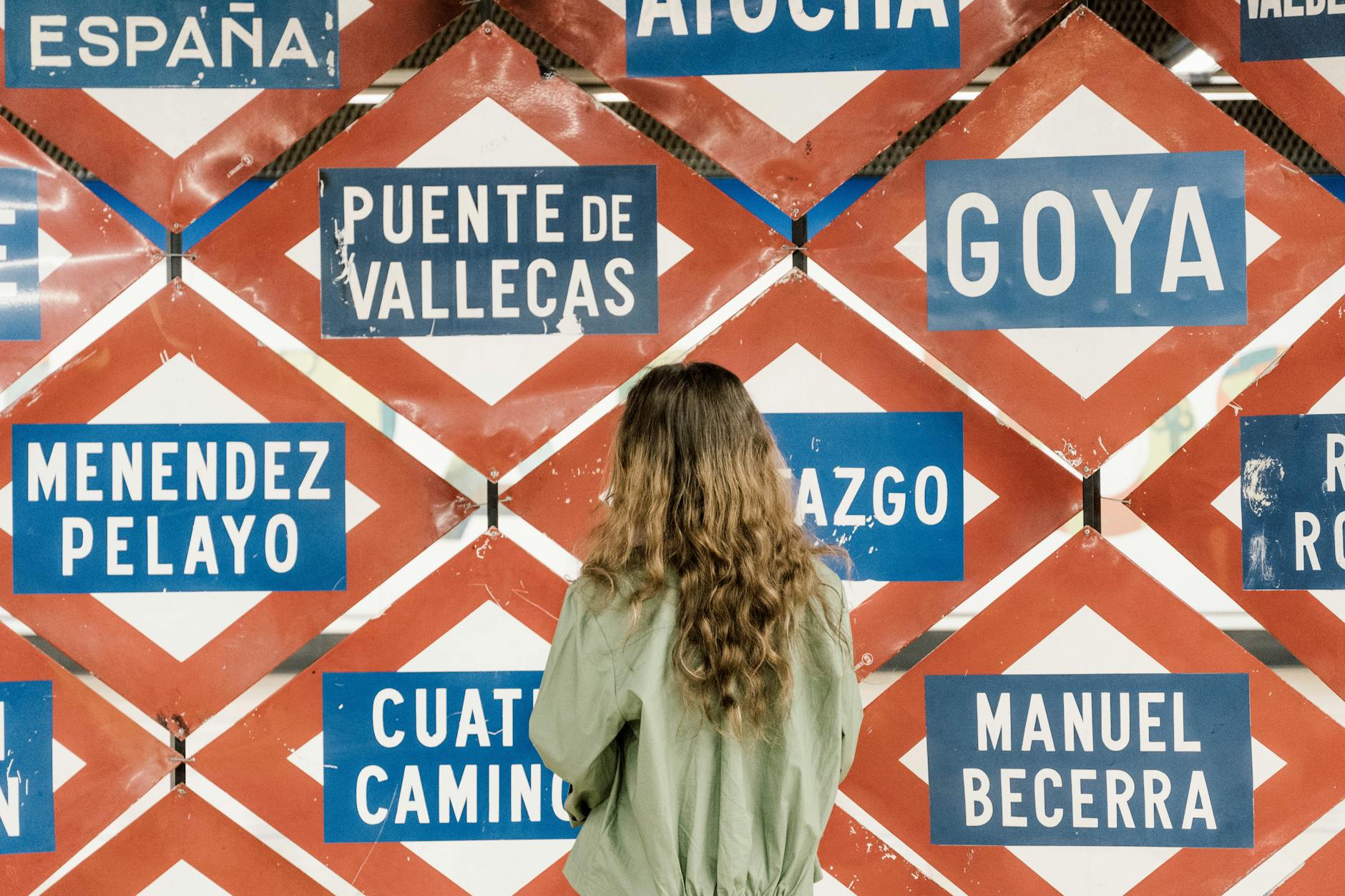
Madrid is good for solo dining if the traveler plans deliberately. Cafes, markets, tapas bars, hotel restaurants, casual counters, museum-area restaurants, and neighborhood spots can all work, but not every famous place is equally comfortable for a table of one. A solo traveler should know which meals are meant to be easy, which are meant to be memorable, and which can stay flexible.
Meal timing matters. Madrid dinners may start later than the traveler expects, and a late solo return after wine or a long meal needs a route. Lunch can carry more of the food experience if the traveler wants lighter evenings. A solo traveler should not treat meals as a problem to solve at the last second. In Madrid, they can be one of the best parts of traveling alone.
- Separate easy meals, memorable meals, and flexible meals before the trip.
- Use cafes, markets, tapas bars, museum-area restaurants, and hotel options deliberately.
- Plan the return route before a late dinner or drinks, especially after a long day.
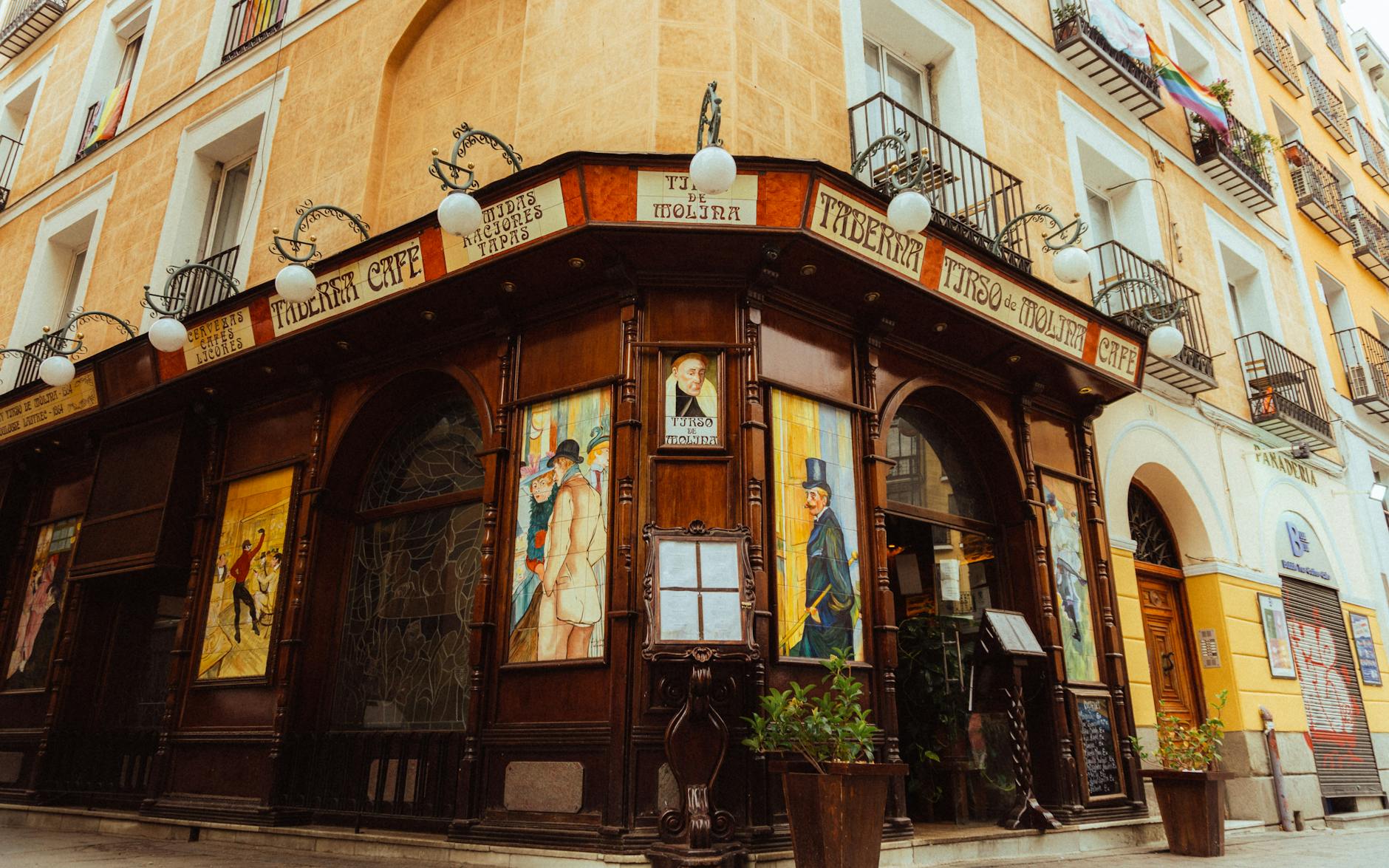
Use Madrid's public spaces to build the day
Solo travelers often benefit from Madrid's public rhythm. Retiro gives a low-pressure place to walk, sit, read, or reset between sights. Plaza Mayor and Sol provide central orientation, though they are busy. The Prado corridor can fill a half day without requiring social energy. Gran Via, Chueca, Malasana, and Barrio de las Letras can add street life and small discoveries if the traveler has enough energy for wandering.
The solo plan should avoid both extremes: hiding in the hotel or over-scheduling every hour. A good day has one main anchor, one neighborhood to explore, one meal plan, and one fallback if the traveler gets tired or the weather changes. Madrid rewards the solo traveler who leaves room for curiosity while still knowing the way back.
- Use Retiro, the Prado corridor, Plaza Mayor, Sol, Gran Via, Chueca, Malasana, and Barrio de las Letras intentionally.
- Build each day around one anchor, one neighborhood, one meal plan, and one fallback.
- Leave room for wandering without losing the return route or the day's main purpose.
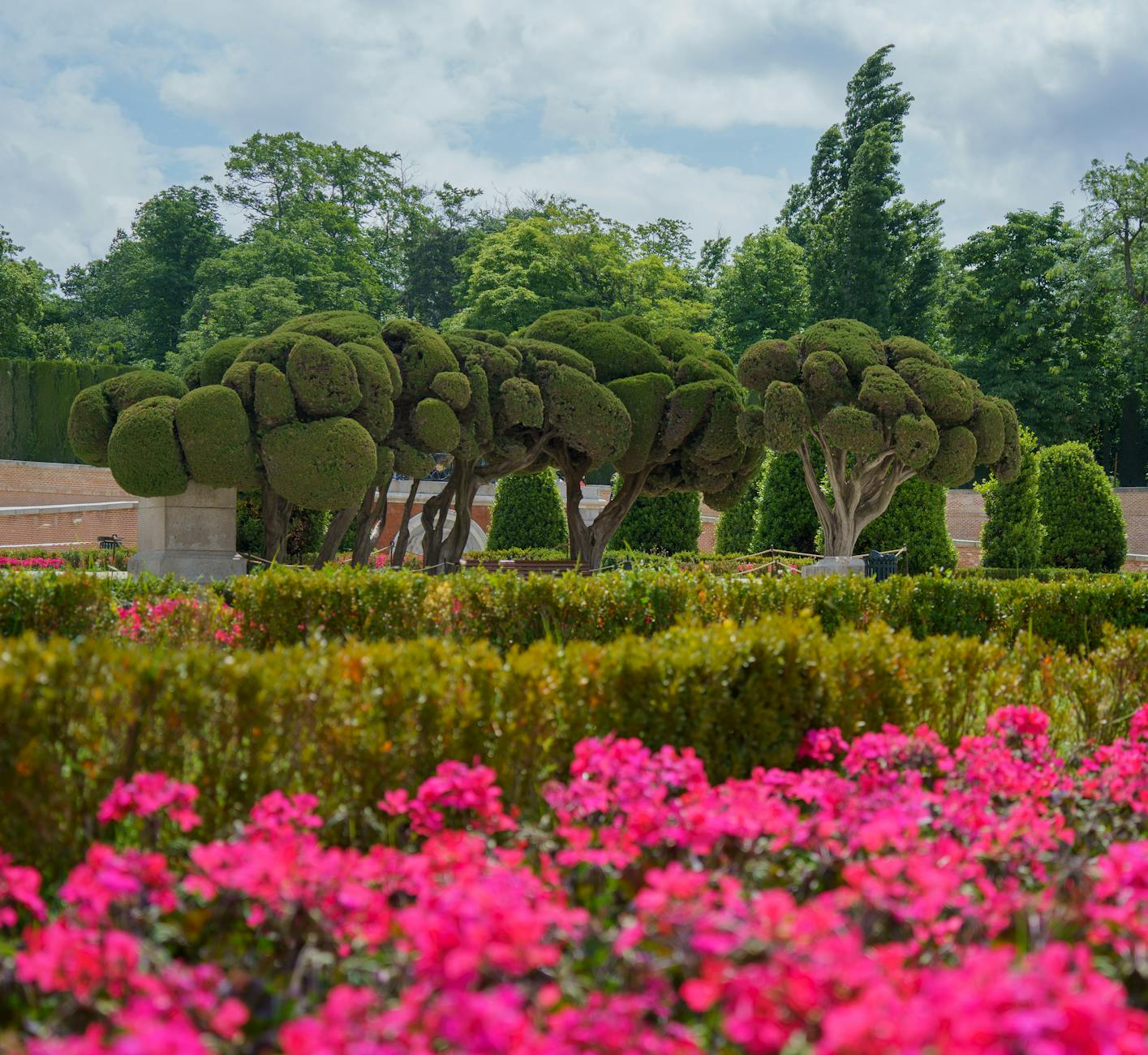
Treat crowds as a bag-and-phone problem
Madrid's central crowding is manageable, but solo travelers have to be their own second set of eyes. Sol, Gran Via, Plaza Mayor, Mercado de San Miguel, metro platforms, restaurant terraces, and busy museum entrances are places to control the phone, wallet, passport, day bag, and camera. The issue is usually not dramatic danger. It is the ordinary distraction of taking photos, reading directions, paying a bill, or navigating with luggage while nobody else is watching the surroundings.
A solo traveler should carry less than they think, avoid leaving a phone on a table, keep documents controlled, and step aside before checking maps. If carrying shopping, camera gear, or a laptop, use direct routes and avoid unnecessary late-night wandering. Good Madrid safety is mostly about removing easy mistakes.
- Control phones, wallets, passports, bags, and cameras in Sol, Gran Via, Plaza Mayor, markets, and metro areas.
- Step out of the flow before checking maps or messages.
- Use direct routes when carrying shopping, camera gear, luggage, or a laptop.
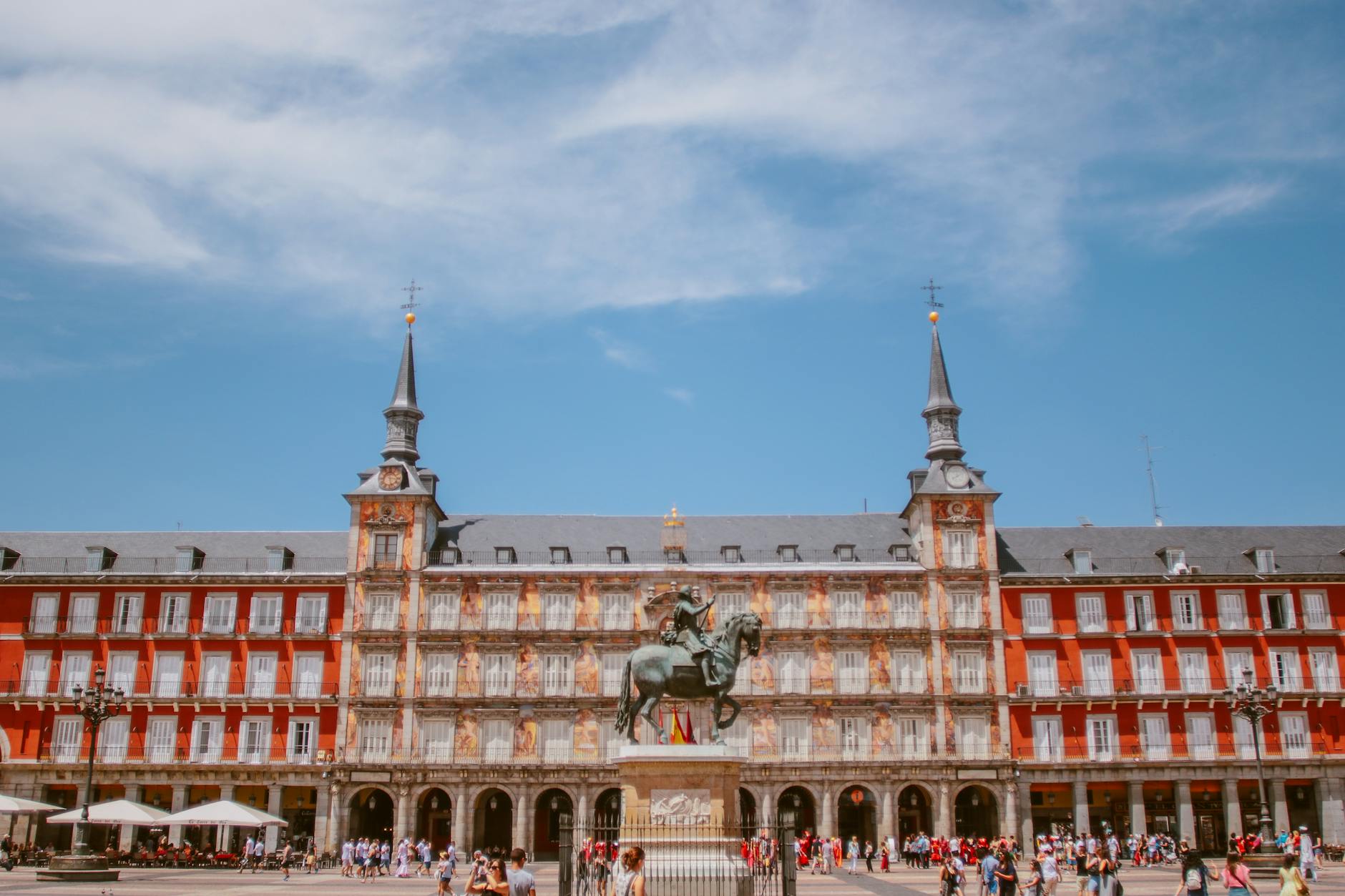
Decide your evening rules before the evening starts
Madrid's late rhythm can be wonderful for a solo traveler, but the best evening decisions are made before fatigue, wine, and crowds are involved. The traveler should decide which nights are for late dinners, which are for a short walk near the hotel, and which are better kept simple. Rooftop bars, tapas streets, theater areas, football nights, and nightlife zones can all be safe enough when approached thoughtfully, but a solo traveler should know the exit plan.
The metro may be useful, but taxis can be the right choice late at night or after a tiring day. A traveler should keep the hotel address accessible, maintain phone battery, avoid isolated shortcuts, and trust the decision to leave early. Solo travel works best when freedom includes permission to stop.
- Set late-night limits before dinner, drinks, theater, football, or nightlife begins.
- Use taxis when the route, fatigue, crowding, or phone battery makes transit less attractive.
- Keep the hotel address accessible and avoid isolated shortcuts after dark.
When to order a short-term travel report
A confident solo traveler with a flexible hotel and plenty of time may not need a custom Madrid report. A report becomes more useful when the trip is short, the arrival is late, the traveler is choosing between neighborhoods, the itinerary includes nightlife or late meals, the traveler carries camera gear or work equipment, medical or mobility concerns matter, or this is their first time handling a major European city alone.
The report should test the hotel base, airport or station arrival, first-day orientation, solo dining options, evening return routes, crowd exposure, museum and park pacing, current local disruptions, and backup choices. The value is a Madrid trip where solo independence feels deliberate, not improvised.
- Order when late arrival, neighborhood choice, solo evenings, equipment, medical concerns, or first-time solo travel raise the stakes.
- Provide hotel candidates, arrival details, walking tolerance, dinner style, nightlife plans, equipment, and any constraints.
- Use the report to make solo Madrid feel confident, flexible, and grounded.