A repeat leisure trip to Madrid should not feel like a second attempt at the same itinerary. The visitor has probably already seen some combination of the Royal Palace, Plaza Mayor, Puerta del Sol, Gran Via, the Prado, Retiro, and a first round of tapas or rooftop views. Those places may still belong in the trip, but they should no longer control it. The value of returning to Madrid is the freedom to choose more specifically. The second or third visit can be about a calmer hotel base, a different neighborhood rhythm, a single museum seen properly, a better lunch, a market morning, a smaller cultural venue, a park without hurry, a bookstore or design district, a late evening that does not have to prove anything, or a day built around one restaurant reservation. Madrid becomes richer when the visitor stops trying to confirm that the famous things exist and starts asking which version of the city they actually want this time.
Stop planning from the first-trip checklist
The repeat visitor's first decision is what not to repeat. Returning to the Prado, Retiro, the palace, or Gran Via can be worthwhile, but only if the visit has a new purpose. A second Prado visit can focus on a few rooms instead of the whole museum. A palace-area walk can be about gardens, evening light, or a meal nearby rather than ticking off the facade. Gran Via can be a theater or rooftop route instead of a shopping corridor. Retiro can be a real pause, not a bridge between two obligations.
The visitor should name the reason for returning: food, art, neighborhoods, rest, shopping, language practice, photography, parks, nightlife, or simply being in Madrid with less pressure. That reason should shape the hotel, reservations, walking routes, and daily pace. A repeat trip fails when it becomes the old trip with a few extra pins.
- Decide which first-time sights deserve a new purpose and which can be left alone.
- Let the trip theme drive hotel choice, meals, neighborhoods, and museum decisions.
- Avoid building a second visit from leftover attractions that did not fit the first itinerary.
Choose a different base on purpose
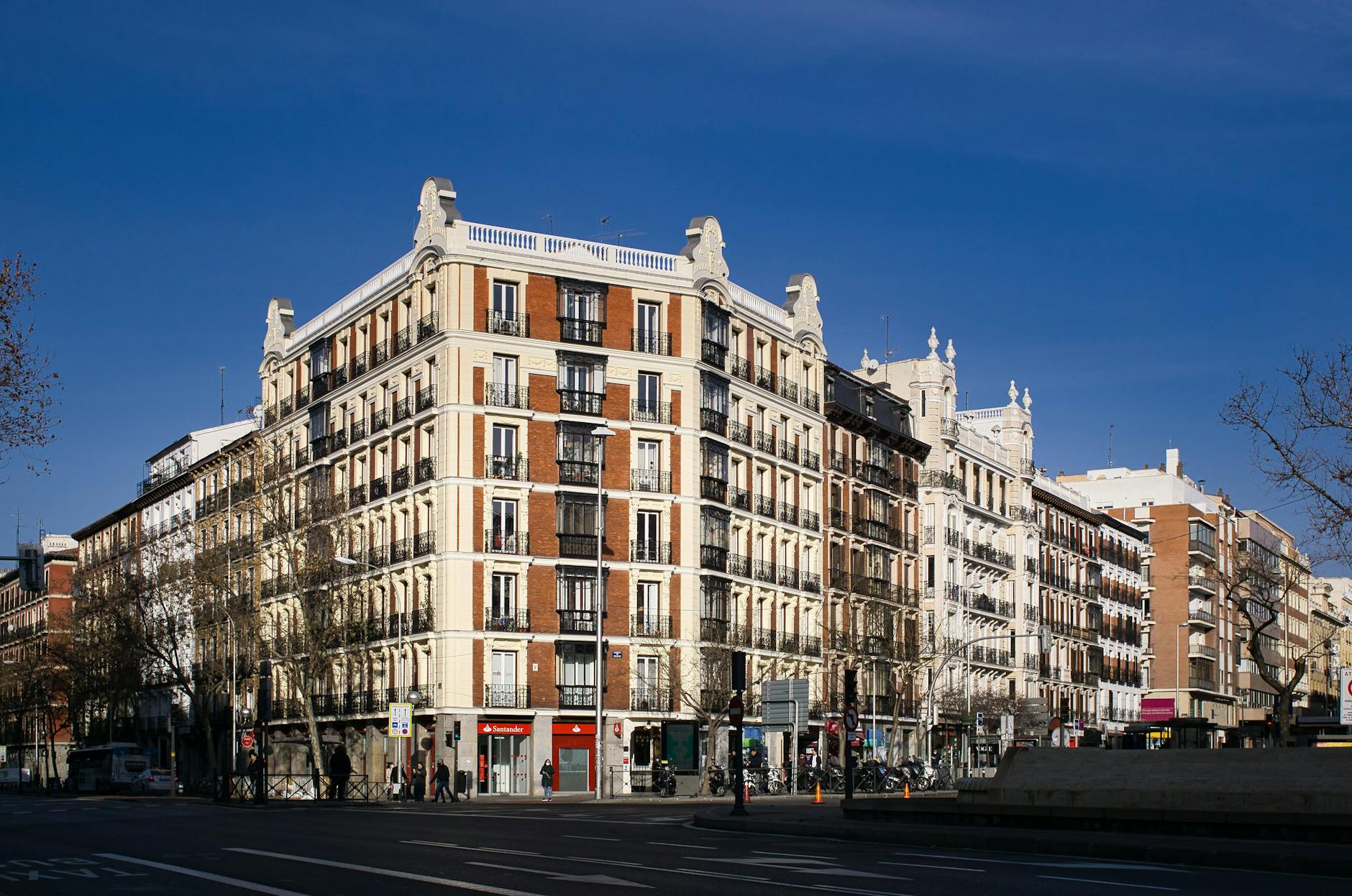
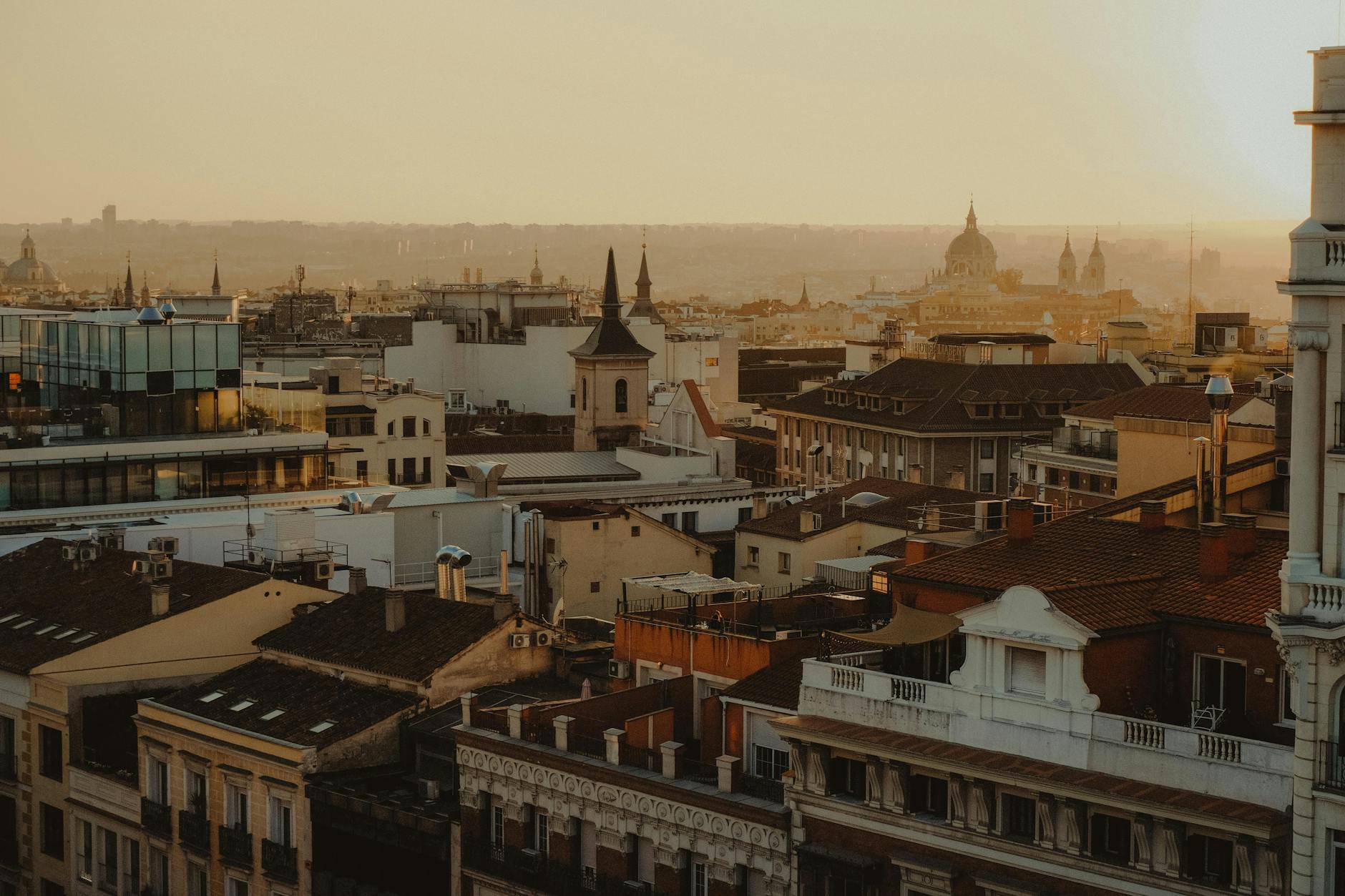
A repeat leisure visitor has more freedom with lodging because they do not need to stay beside the classic sights. Barrio de las Letras still works when museums, cafes, and walkable evenings matter. Salamanca suits a polished food, shopping, and gallery trip. Chamberi can offer a more residential Madrid with strong restaurants, local streets, and fewer first-timer currents. Chueca, Salesas, and Malasana can work for design, nightlife, independent shops, and a livelier base. Retiro and Atocha can fit museum and park priorities. La Latina or Lavapies can make sense for travelers who want a more textured food and street-life trip.
The base should match the version of Madrid being chosen. If the goal is restaurants, do not make every dinner a taxi ride. If the goal is galleries and shopping, do not stay somewhere that makes each afternoon feel like a commute. If the goal is rest, avoid a block where noise is the price of convenience. Repeat visitors can use what they already learned to make a sharper hotel decision.
- Consider Las Letras, Salamanca, Chamberi, Chueca, Salesas, Malasana, Retiro, Atocha, La Latina, or Lavapies by trip purpose.
- Choose the hotel around this visit's dinners, galleries, parks, nightlife, shopping, or rest needs.
- Use prior Madrid experience to avoid noise, weak returns, or unnecessary cross-town movement.
Let neighborhoods carry the day
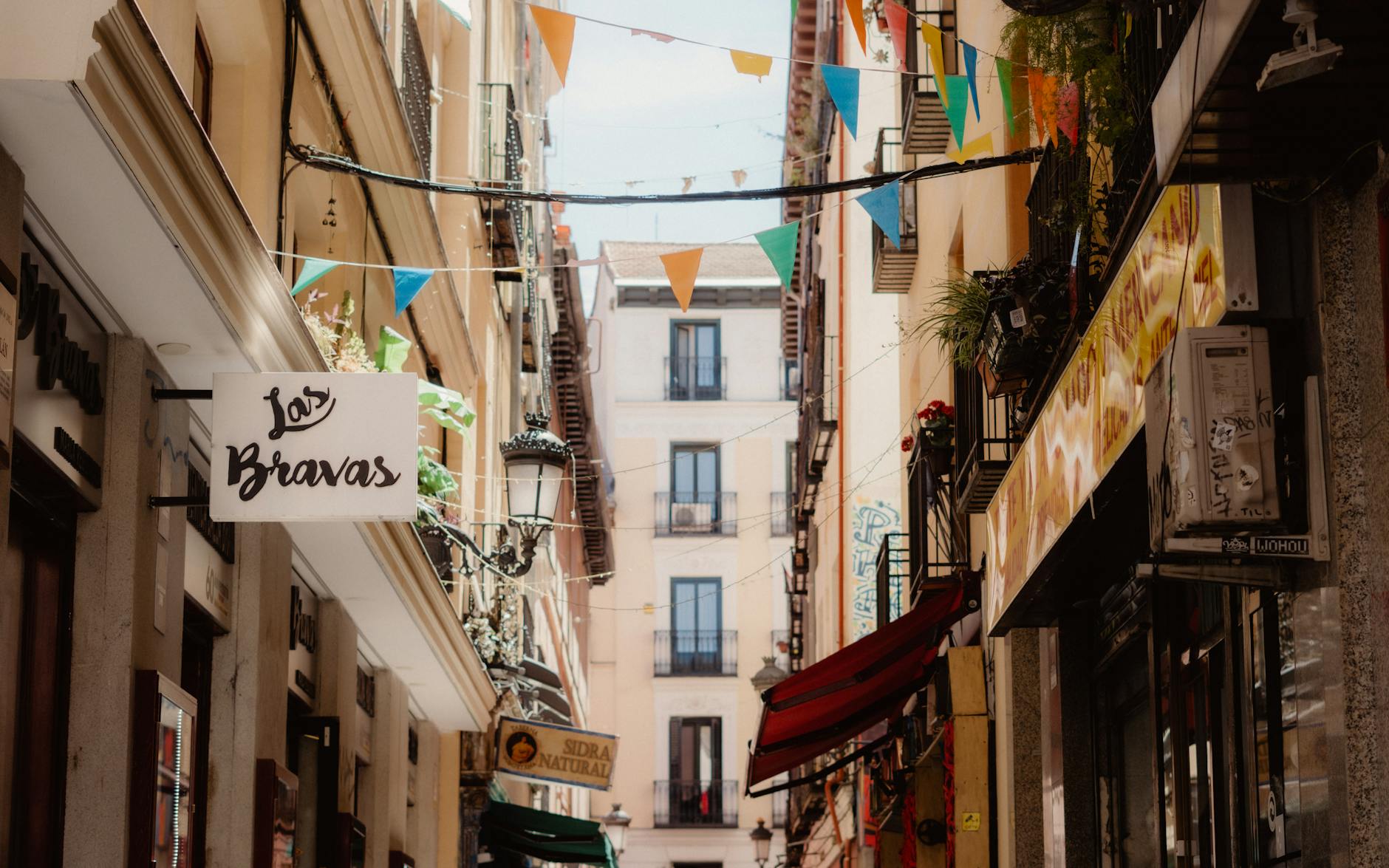
Repeat visitors should give Madrid neighborhoods enough time to do their work. Malasana is not just a photo stop; it is cafes, independent shops, bars, side streets, and a younger rhythm that changes from afternoon to night. Chueca and Salesas can support design shopping, galleries, dining, and late-evening movement. Chamberi is useful for a more residential day with restaurants and a less tourist-driven feel. Lavapies and La Latina can carry market browsing, street art, casual food, and a Sunday Rastro plan if the timing fits.
The mistake is sampling five neighborhoods in one shallow loop. A stronger repeat visit chooses one or two and lets them breathe. That means coffee, a shop, a museum or gallery, a slow lunch, a park edge, and a reason to return after dark if the area fits. Madrid's neighborhoods reward attention more than collection.
- Treat Malasana, Chueca, Salesas, Chamberi, Lavapies, and La Latina as full rhythms, not quick detours.
- Build neighborhood days with coffee, shopping, food, galleries, street life, and evening return logic.
- Choose depth over collecting many districts in a single thin walk.
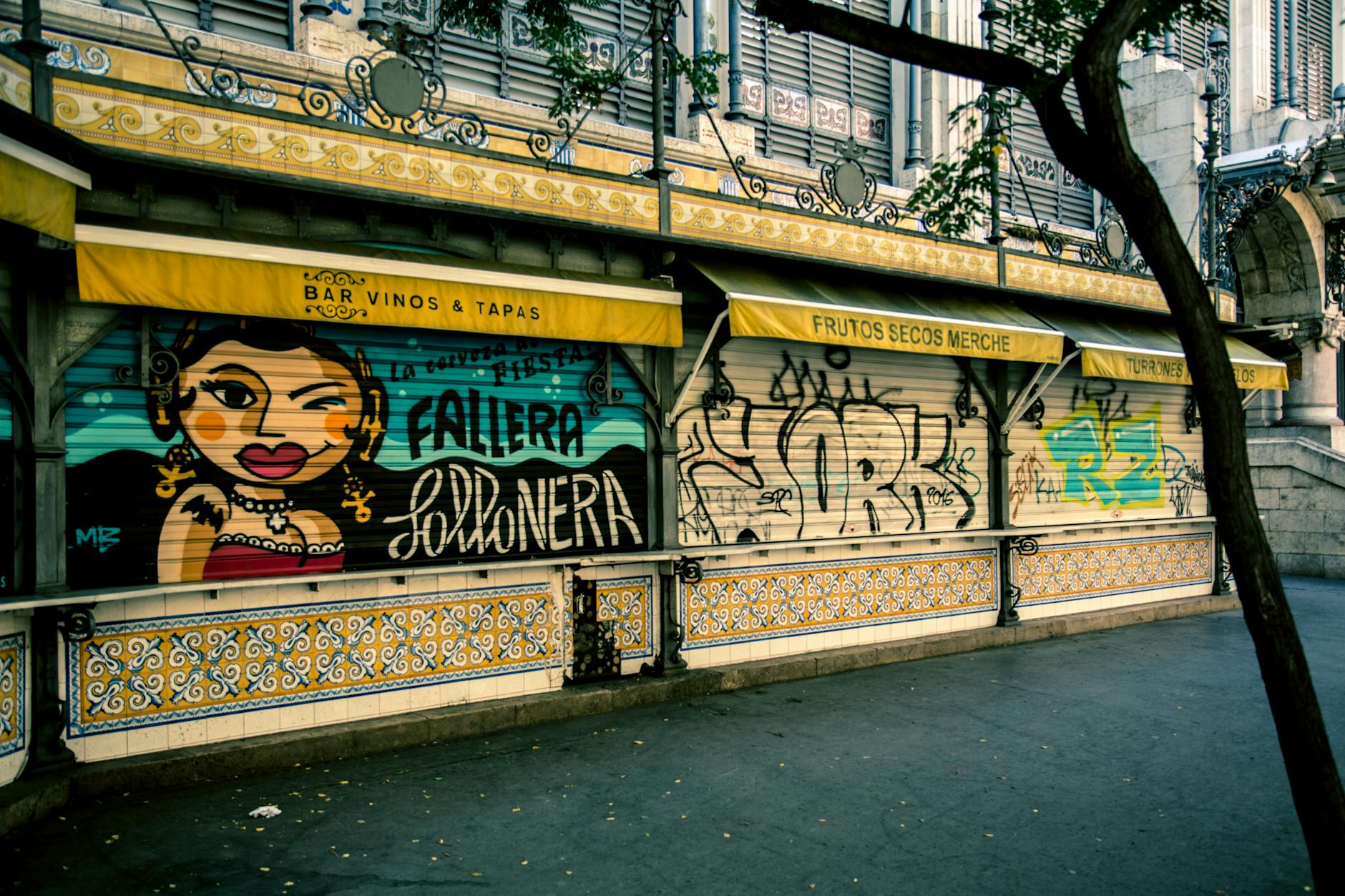
Upgrade the cultural plan
A repeat Madrid trip is a chance to stop treating museums as obligations and start using them as chosen anchors. The Prado may deserve a return, but the return should be narrower and more rewarding: a movement, a few rooms, or a guided theme. Reina Sofia, Thyssen, CaixaForum, the Sorolla Museum, Lazaro Galdiano, Matadero Madrid, Conde Duque, the National Library area, and temporary exhibitions can all change the trip's texture. The right choice depends on whether the visitor wants painting, photography, architecture, design, performance, gardens, or contemporary culture.
The cultural day should not be overloaded. One strong anchor plus a nearby meal, park, bookstore, or gallery is usually better than three indoor stops. Repeat visitors can afford to be selective. They are not proving that they saw Madrid's culture. They are choosing which part of it will define this visit.
- Return to the Prado only with a focused purpose, not because it is obligatory.
- Consider Reina Sofia, Thyssen, CaixaForum, Sorolla, Lazaro Galdiano, Matadero, Conde Duque, and temporary exhibitions.
- Use one cultural anchor with a meal, park, shop, or gallery nearby instead of overloading the day.
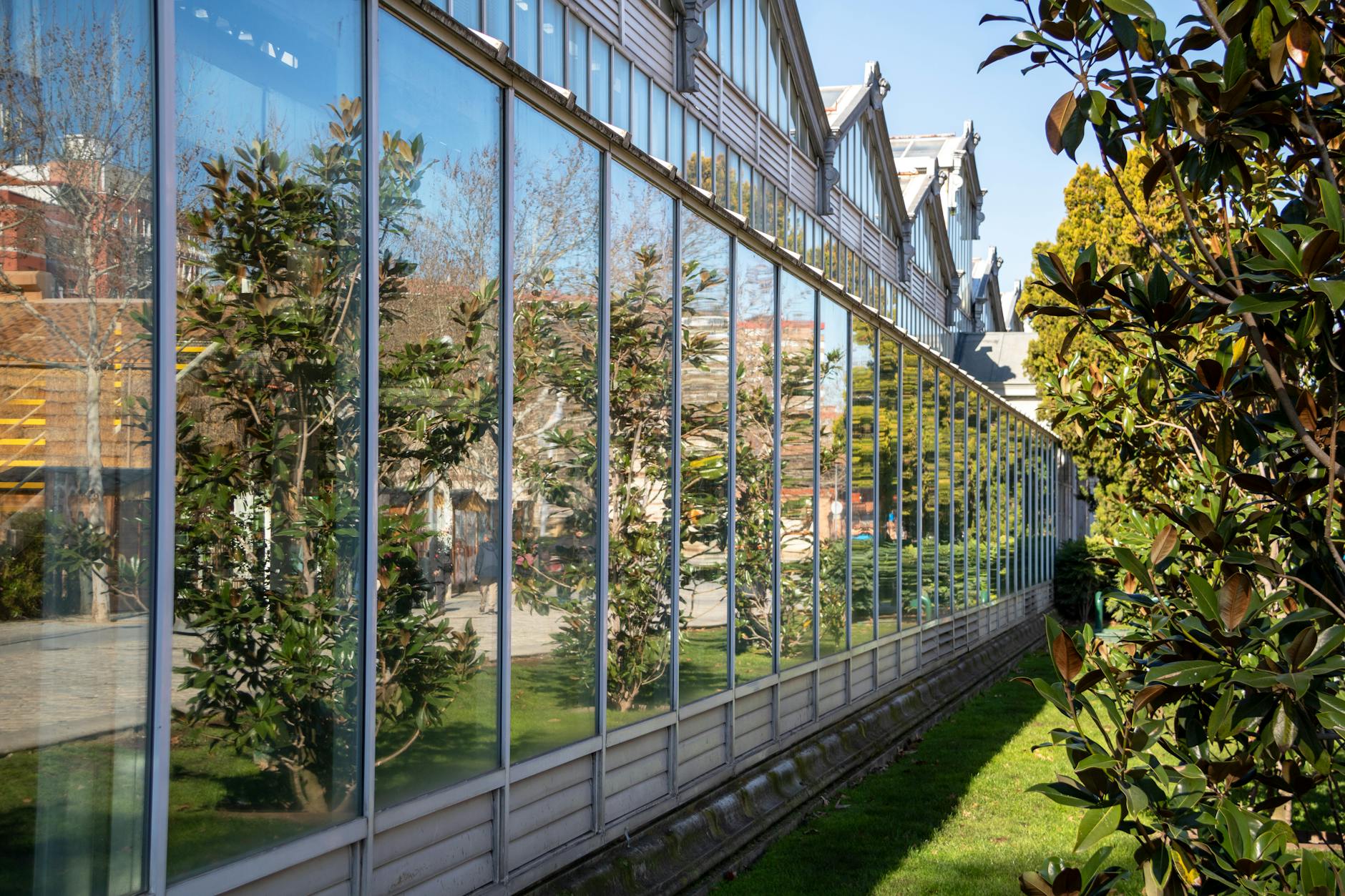
Make food the structure, not a reward
A repeat leisure visitor should be more intentional about food than a first-timer who is still orienting. The question is not whether Madrid has good food. It is which meals deserve planning and which should stay casual. A serious lunch, a neighborhood tapas crawl, a market morning, a reservation in Salamanca or Chamberi, a late dinner in Las Letras, or a simple bar near the hotel can each shape the day. The right meal at the right time can be the itinerary's main event.
Repeat visitors should also know when to avoid the obvious. Mercado de San Miguel may be useful for some travelers, but it is not the only food experience. El Rastro can be a Sunday rhythm, but only if the visitor accepts crowds and plans where to eat afterward. A better Madrid food day often comes from matching appetite, neighborhood, reservation timing, and the return route instead of chasing famous names.
- Use lunch, tapas, markets, reservations, and hotel-area bars as actual itinerary structure.
- Choose food districts by mood: Salamanca, Chamberi, Las Letras, La Latina, Chueca, Malasana, or Lavapies.
- Plan crowded markets and Sunday Rastro timing with a clear meal and exit plan.
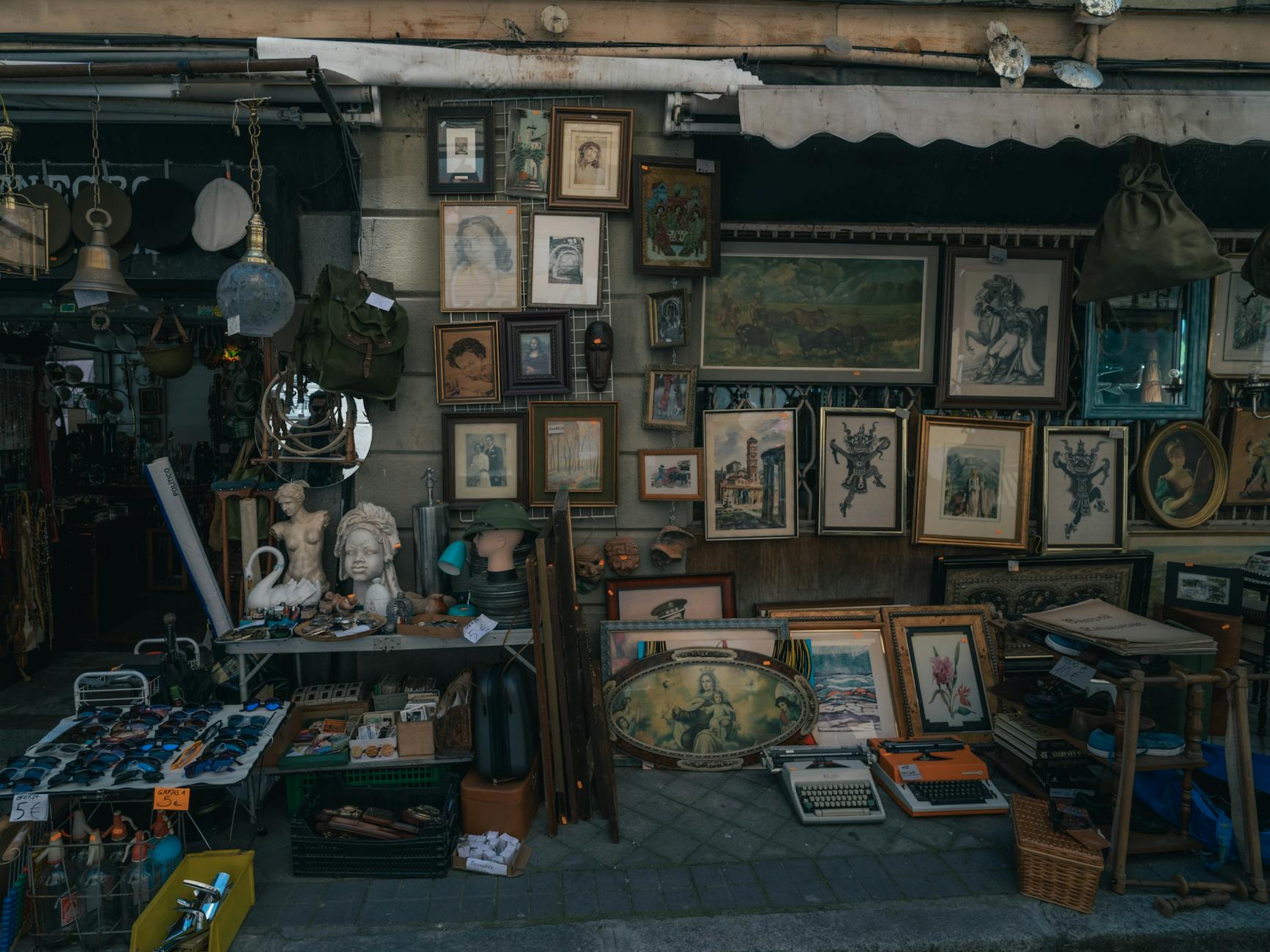
Use parks, errands, and ordinary time
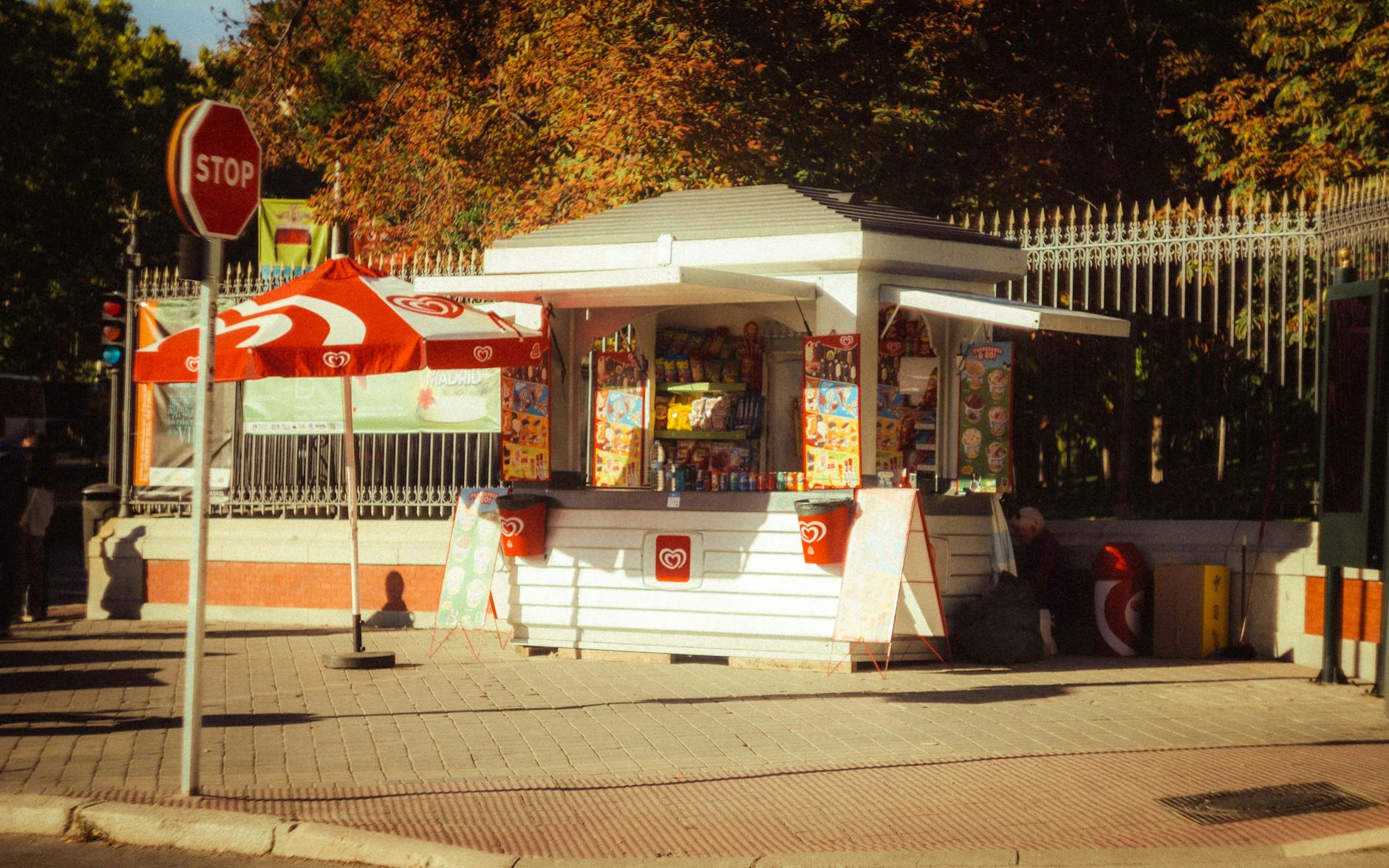
One privilege of returning to Madrid is that not every hour has to be spectacular. Retiro, small gardens, bookstore browsing, a neighborhood cafe, a kiosk stop, a market errand, a slow breakfast, or a walk without a destination can do more for the trip than another rushed attraction. Repeat visitors should deliberately include ordinary time because that is where Madrid stops performing and starts becoming familiar.
This does not mean wasting a short trip. It means creating room for discovery and recovery. A morning in Retiro followed by one good lunch, a slow Chamberi afternoon, or a quiet hour before a late dinner can make the city feel more personal. Visitors who already know the classic map can now afford to notice smaller signals: shade, storefronts, local routines, benches, side streets, and the exact kind of evening they want.
- Build in ordinary Madrid time: parks, cafes, shops, kiosks, bookstores, markets, and slow breakfasts.
- Use Retiro and smaller green spaces as recovery rather than filler.
- Leave room for the discoveries that only happen when the itinerary is not packed.
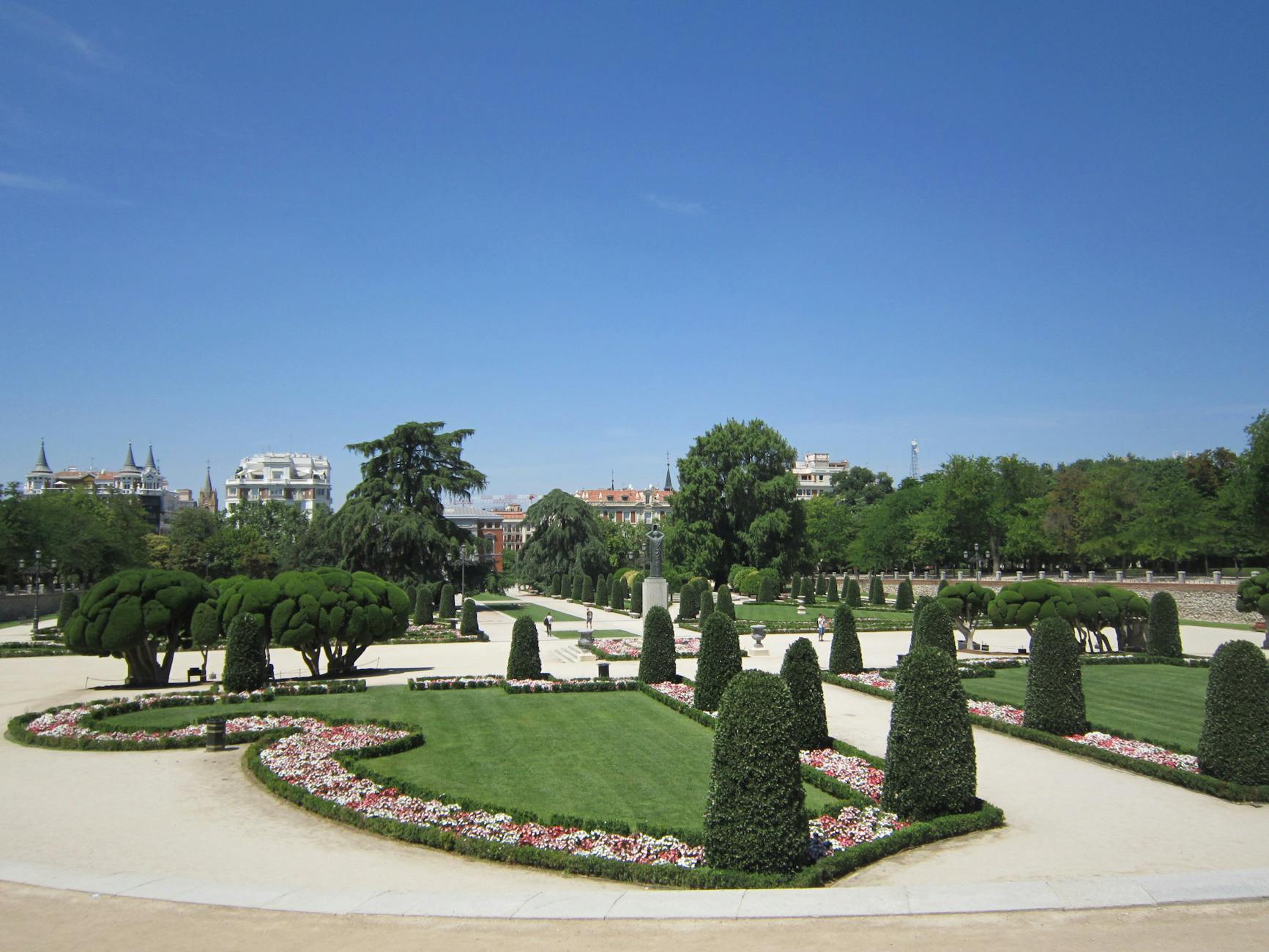
When to order a short-term travel report
A repeat visitor who already knows the hotel, restaurants, and pace they want may not need a custom report. A report becomes more useful when the traveler wants a different base, is choosing between neighborhoods, has limited days, wants stronger food or culture sequencing, is traveling with a partner whose interests differ, has medical or mobility constraints, is sensitive to heat or noise, or wants to avoid repeating the same Madrid trip with different restaurant names.
The report should test hotel districts, neighborhood sequencing, cultural anchors, food geography, market timing, park and rest blocks, evening returns, current local disruptions, weather implications, and what should be intentionally skipped. The value is not novelty for its own sake. It is a sharper version of Madrid that fits this return visit.
- Order when choosing a new base, deeper neighborhoods, stronger food, smaller museums, or a slower return trip raises the stakes.
- Provide prior Madrid experience, hotel candidates, favorite and disliked areas, food interests, cultural goals, pace, and constraints.
- Use the report to make the return visit specific rather than merely different.