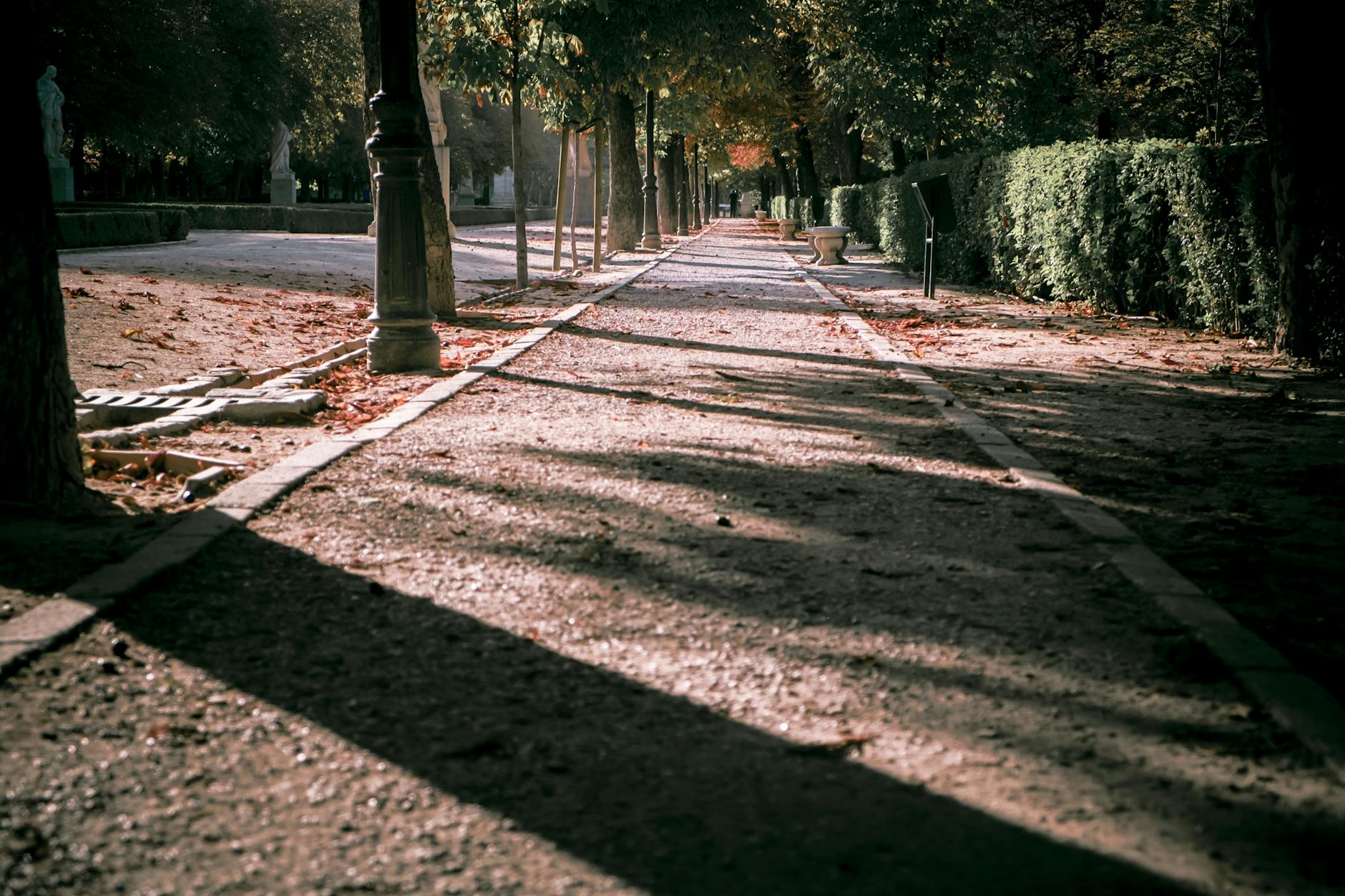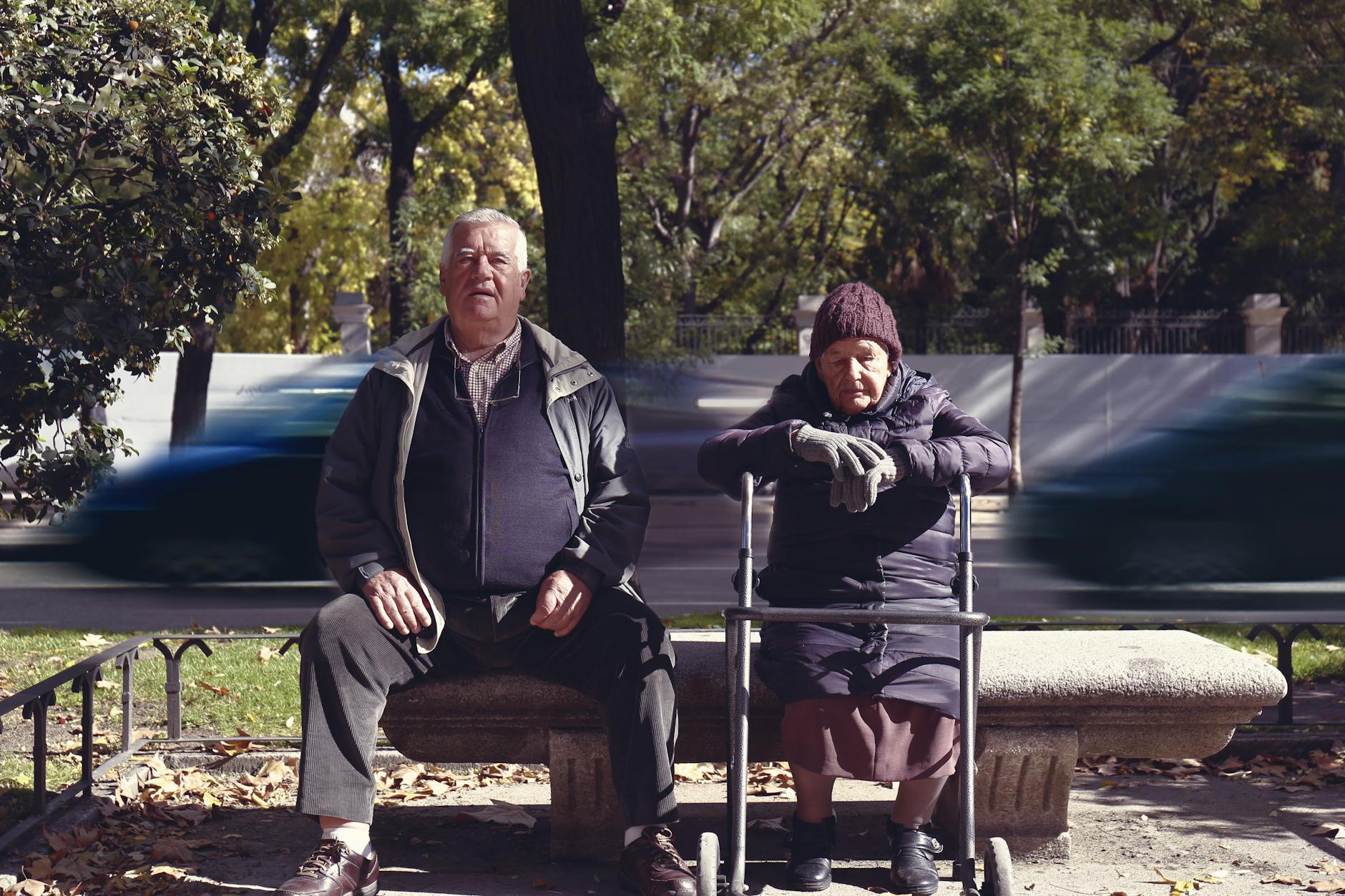
Madrid can work very well for older travelers because the city has strong taxis, useful metro and rail links, major sights close to one another, good hotels, excellent museums, and many places where a slower day can still feel rich. The risk is not that Madrid is too difficult. The risk is that a short trip is planned as if every traveler has the same walking range, heat tolerance, sleep pattern, medication schedule, and appetite for late dinners. An older traveler does not need a lesser version of Madrid. They need a more intelligently paced one. Hotel choice, elevator reliability, arrival transfer, neighborhood slope, museum timing, restaurant placement, rest breaks, and safe evening returns matter more than they do for a younger visitor who can absorb a long walk or a bad transit decision. A good Madrid plan preserves dignity and energy, so the traveler can enjoy the city rather than manage fatigue.
Plan around usable energy, not mapped distance
Madrid's central sights can look deceptively close. A walk from the Prado to Retiro, from Sol to the palace, or from Plaza Mayor to a restaurant may be perfectly reasonable for one older traveler and too much for another after jet lag, heat, cobblestones, stairs, or a museum visit. The useful question is not whether a route is technically walkable. It is whether the traveler will still have enough energy for the thing that matters at the end of the route.
The itinerary should identify one primary anchor per half day, with a clear rest option nearby. Madrid is better when an older visitor can pause without feeling that the trip is failing. A bench in Retiro, a museum cafe, a taxi back to the hotel, or a quiet hour before dinner can turn a demanding day into a satisfying one. Stamina planning is not caution for its own sake. It is how the best parts of the trip remain enjoyable.
- Judge routes by usable energy, heat, surfaces, stairs, and what comes next.
- Use one primary anchor per half day instead of chaining many major sights together.
- Build in nearby rest options before fatigue forces a bad decision.
Choose the hotel for access and recovery
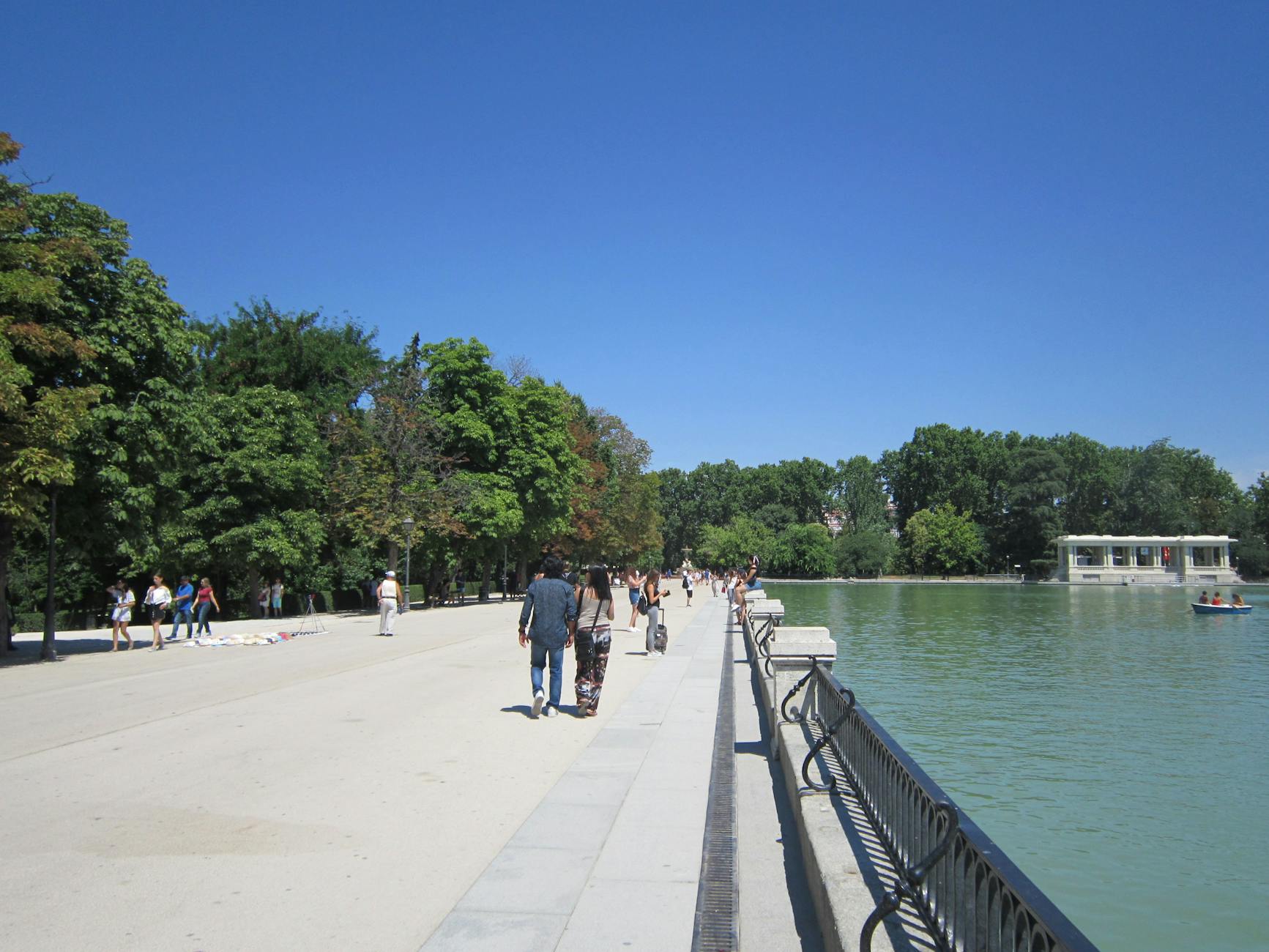
For older travelers, the hotel is part of the travel infrastructure. A good Madrid base should be checked for elevator access, step-free entry where needed, reliable taxis, room quiet, bathroom layout, air-conditioning, breakfast timing, nearby pharmacies, and an easy return route after dinner. A charming small property may be wrong if it has awkward stairs, small lifts, poor taxi access, or a noisy room facing late-night foot traffic.
Sol and Gran Via are convenient but can be loud and crowded. Barrio de las Letras can work well for museums and restaurants if the exact street is comfortable. Salamanca may suit travelers who value calmer streets, shopping, dining, and a more polished hotel environment. Retiro or Atocha can be practical for museums, rail, and park access. The right neighborhood is the one that makes ordinary movement easy, not merely the one closest to a landmark.
- Check elevators, entry steps, room quiet, bathroom layout, air-conditioning, and taxi access before booking.
- Balance central convenience against noise, crowding, and late-night street activity.
- Choose a base that makes returns, rest, meals, and pharmacy access simple.
Make the arrival transfer boring on purpose
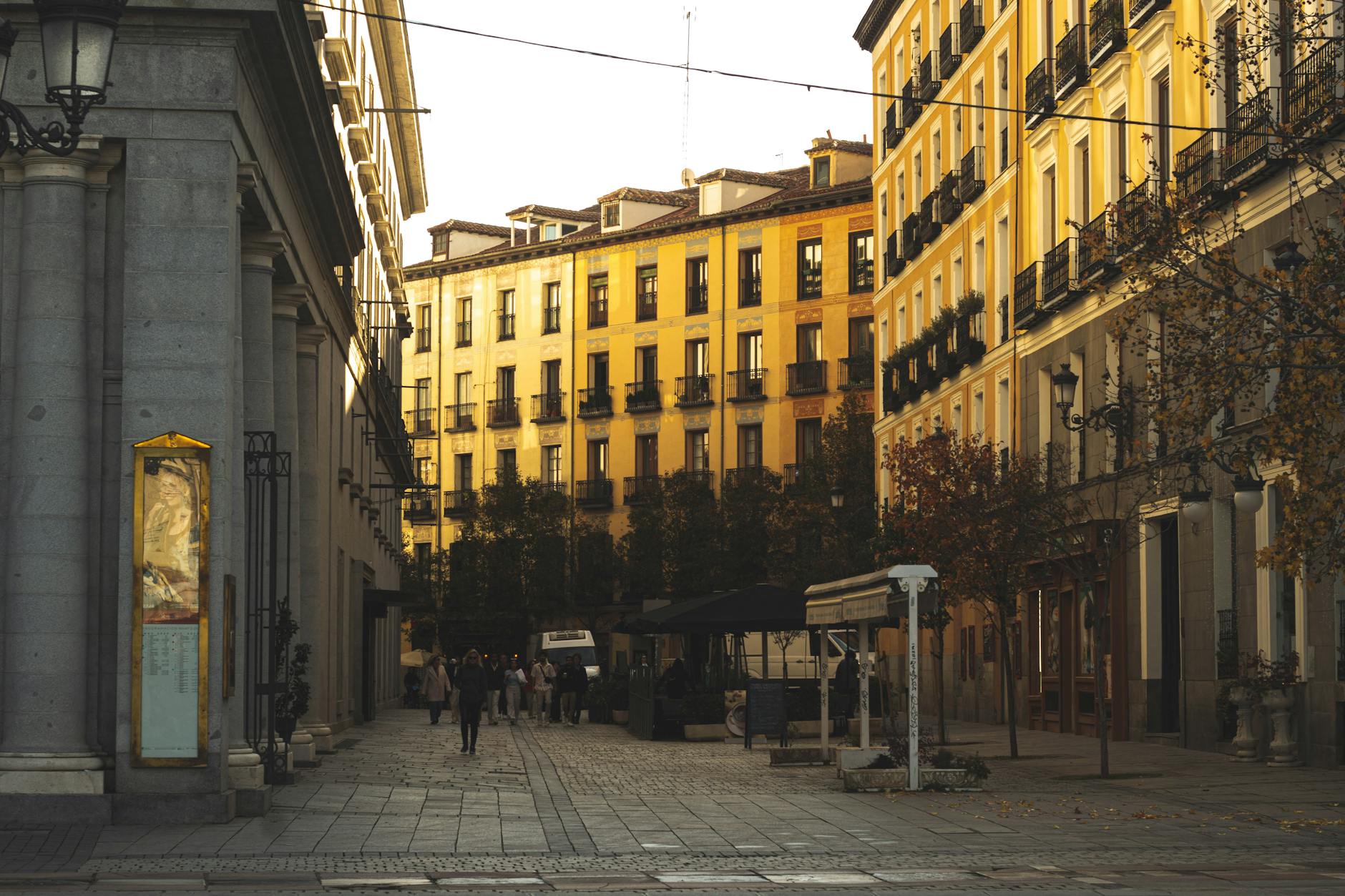
The arrival transfer is where many older-traveler problems begin. Madrid-Barajas, Atocha, and Chamartin are manageable, but they still involve walking, luggage, signs, crowds, taxi stands, escalators, and decisions made while tired. A fixed-price taxi from the airport to a central hotel may be worth more than the money saved by a more complicated public-transit route. A rail arrival may need taxi planning even when the hotel looks close on the map.
The first evening should also be conservative. Medication timing, hydration, sleep disruption, and appetite may not line up with Madrid's late dining rhythm. A nearby meal, a simple walk, and an early return can be the strongest choice. The trip should not ask the traveler to solve the whole city immediately after landing.
- Use the simplest arrival route when luggage, fatigue, heat, or medication timing matter.
- Treat Barajas, Atocha, and Chamartin as practical navigation environments, not just dots on a route map.
- Keep the first evening close to the hotel unless the traveler is rested and oriented.
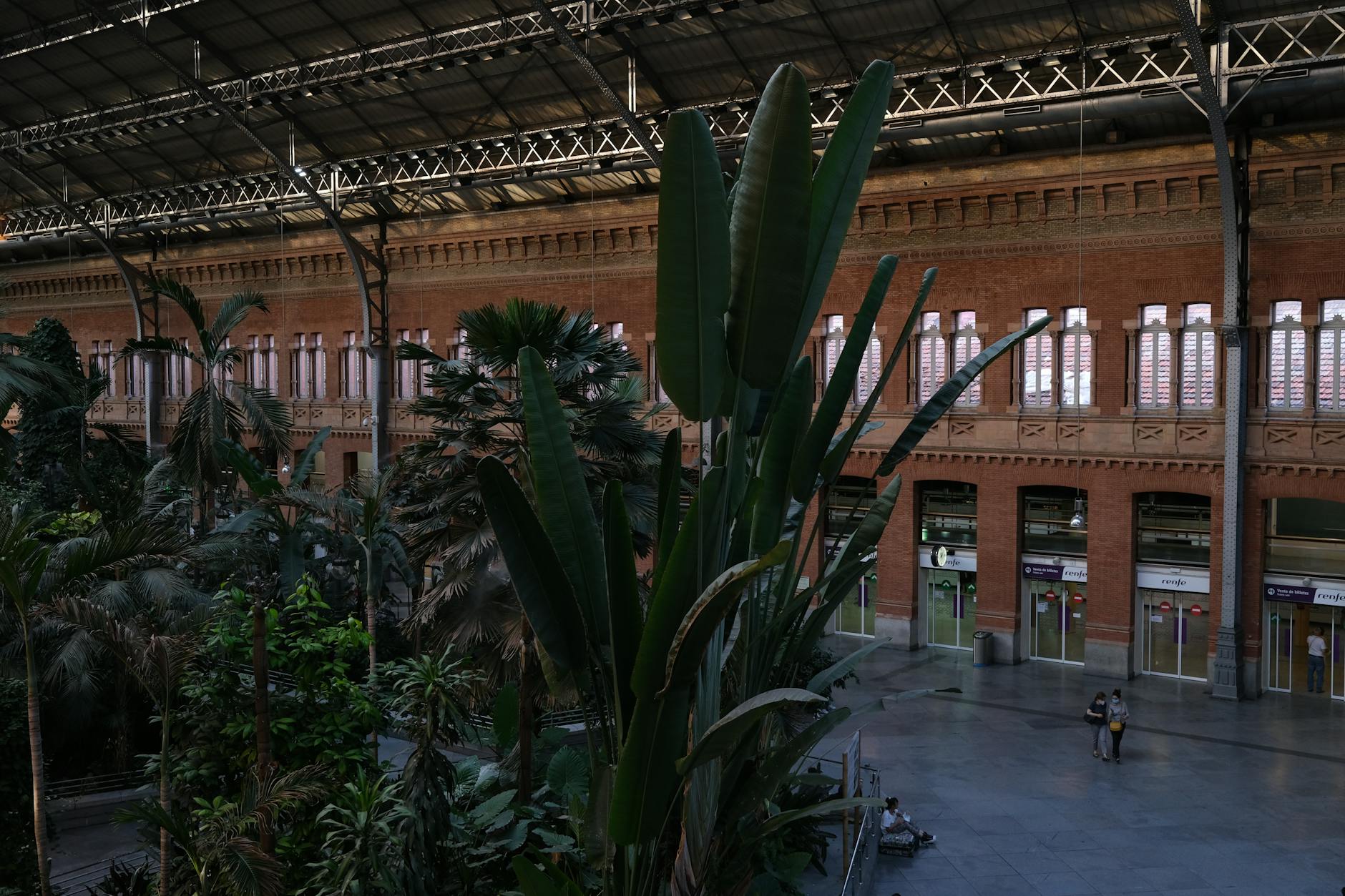
Pace museums and palace visits carefully
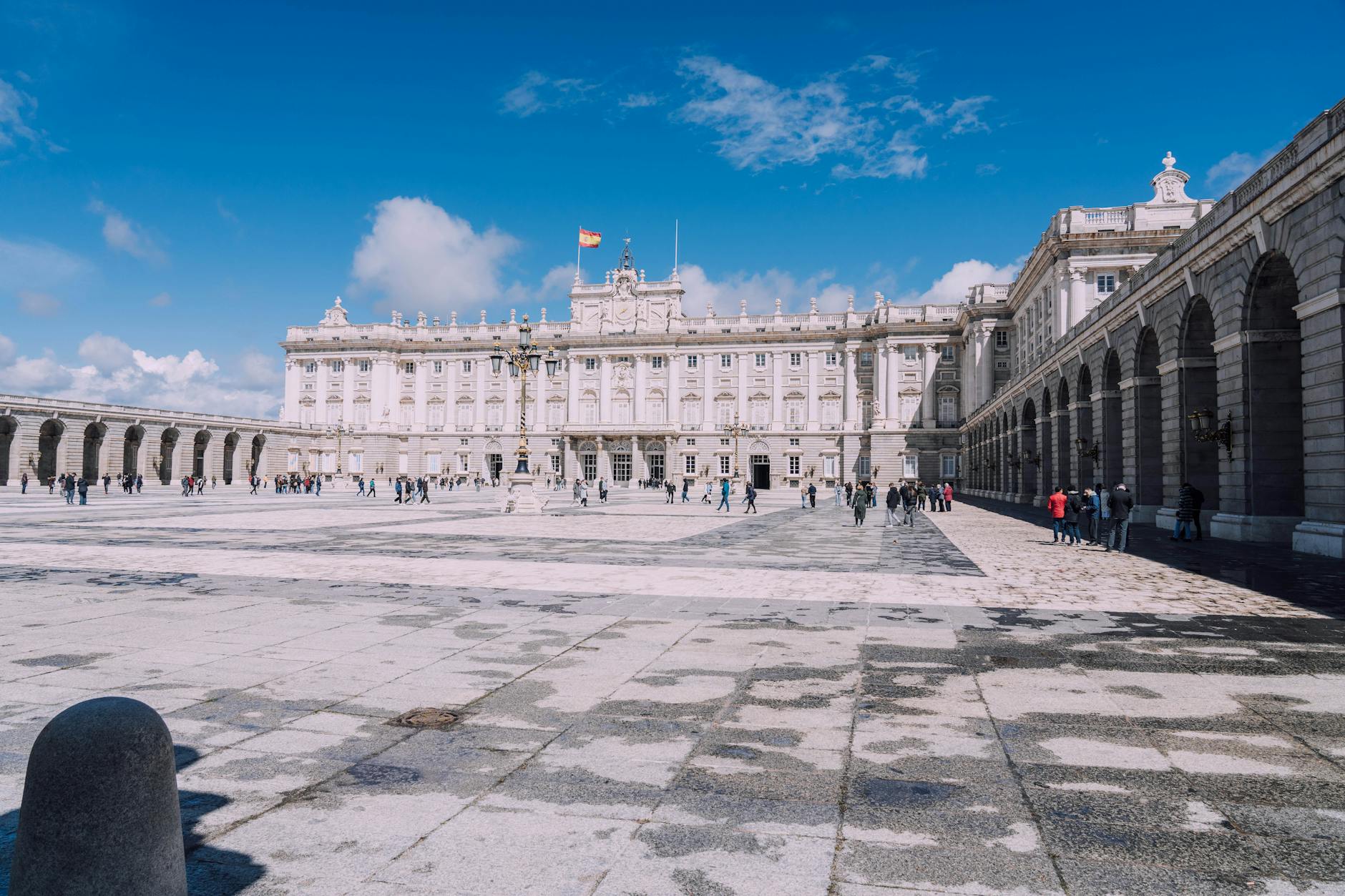
Madrid's great indoor attractions can be excellent for older travelers, but they are not effortless. The Prado, Reina Sofia, Thyssen-Bornemisza, Royal Palace, and large churches all involve standing, security lines, stairs or ramps, ticket windows, gallery fatigue, and sometimes long approaches from the drop-off point. Timed tickets, taxi drop-offs, coat and bag rules, and where to sit afterward should be part of the plan.
A museum visit should have a purpose. It may be better to choose selected rooms in the Prado than to attempt the whole collection. The same applies to the Royal Palace. A focused visit followed by lunch or rest is stronger than an exhaustive visit that leaves the traveler unable to enjoy the rest of the day. Madrid rewards selectivity.
- Plan timed tickets, drop-off points, bag rules, seating, and post-visit rest before major sights.
- Use focused museum routes rather than trying to absorb an entire collection at once.
- Protect the meal or rest period after a major indoor attraction.
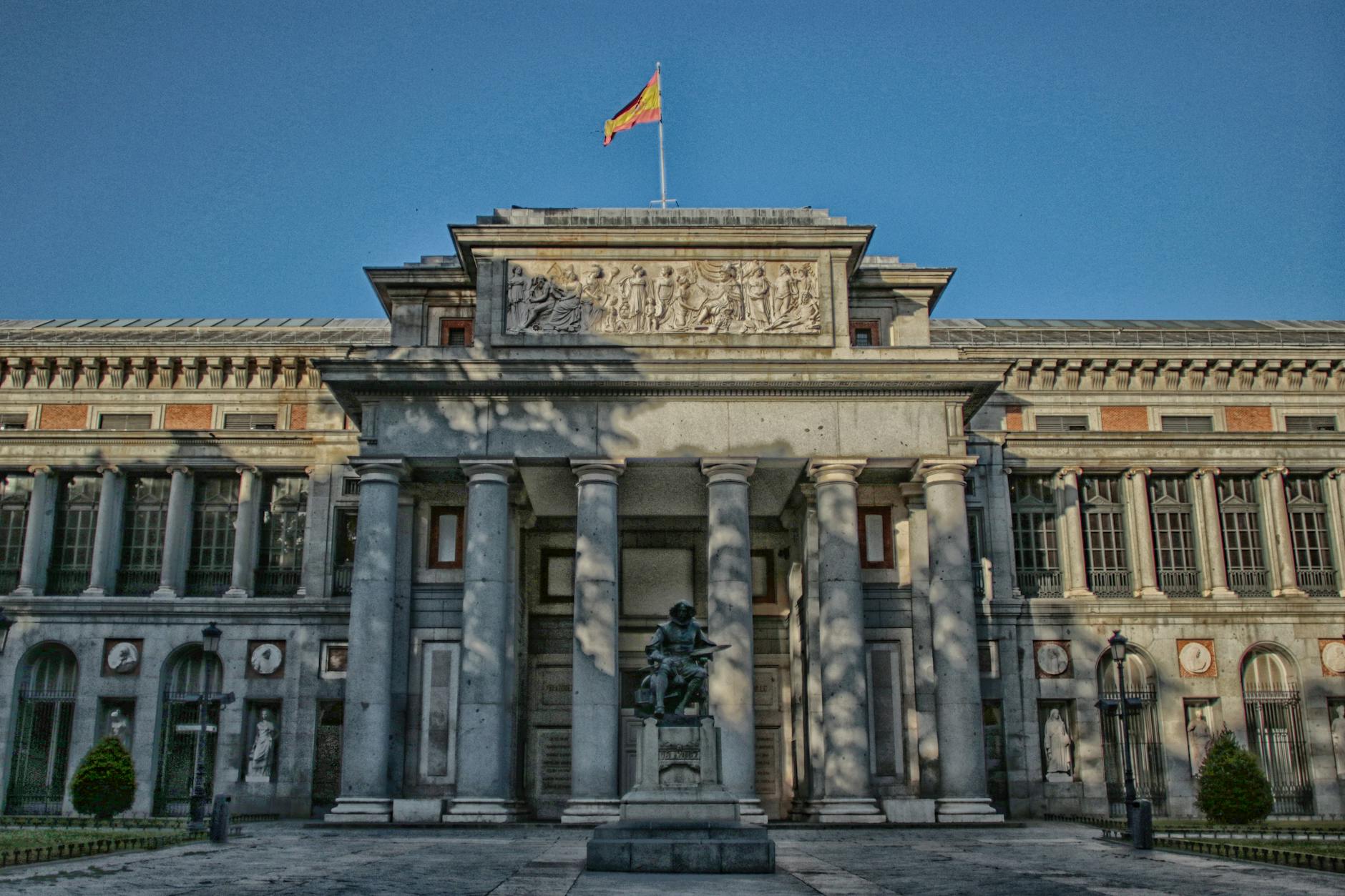
Use taxis and shorter walks without apology
Madrid's metro is useful, but it is not always the best answer for older travelers. Stations can involve stairs, long corridors, crowded platforms, escalator outages, heat, and standing time. Taxis can make the difference between a day that works and a day that becomes too much. The traveler should not treat taxis as a failure of authenticity. They are often the practical tool that lets an older visitor spend energy on the palace, a museum, a meal, or a family moment rather than on transit friction.
Short walks should still be chosen well. The palace area, Retiro, Barrio de las Letras, Salamanca, and the old center each have different surfaces, shade, seating, and crowd levels. A route that is pleasant in the morning may be tiring in afternoon heat. The plan should mix direct transport with selected walks that are worth the effort.
- Use taxis when stairs, heat, luggage, crowds, or fatigue make transit less sensible.
- Choose walks for shade, seating, surface quality, and the value of the destination.
- Spend energy on the experience, not on proving that every transfer can be done cheaply.
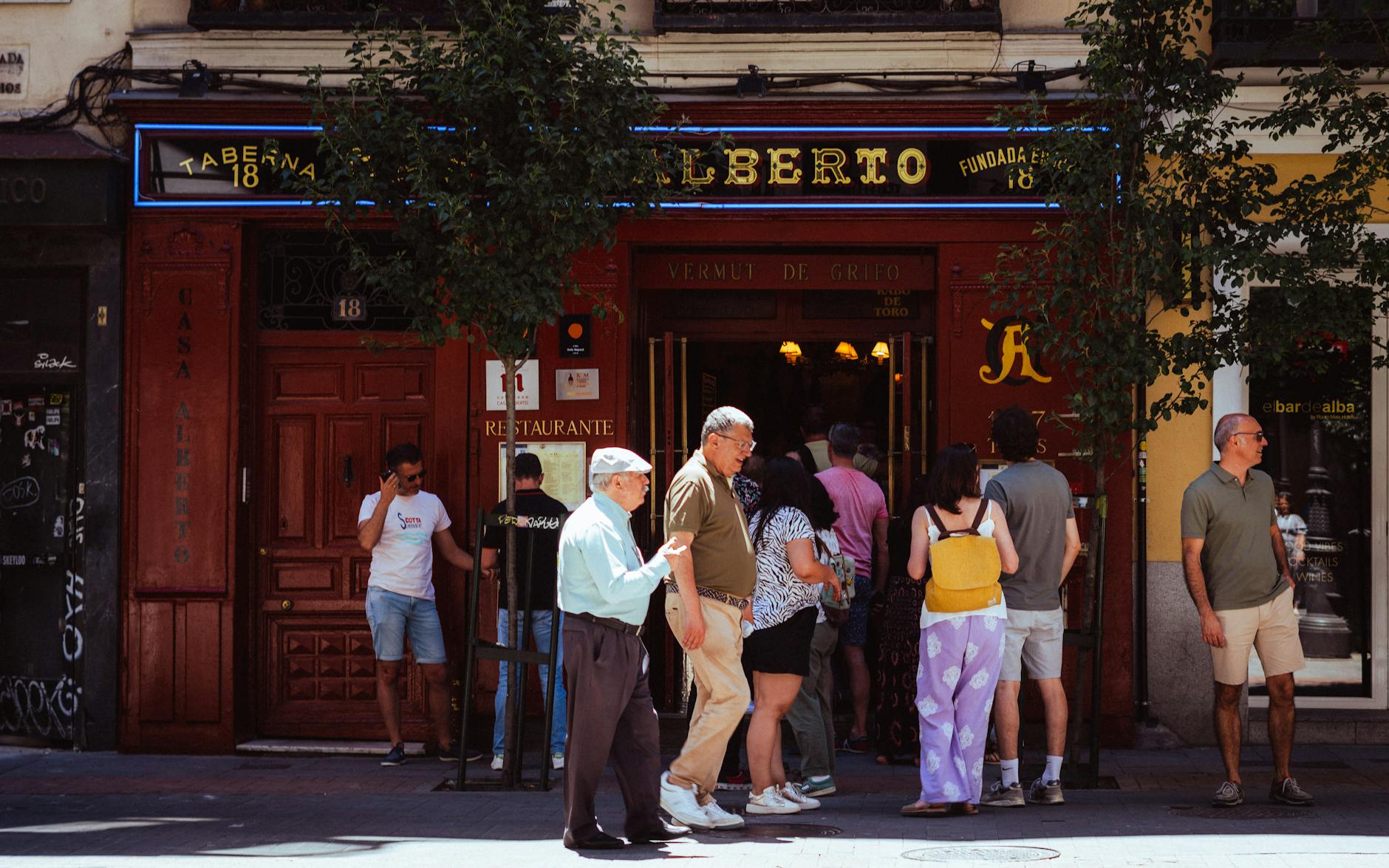
Treat meals, medication, and heat as planning issues
Madrid's food culture is a pleasure, but older travelers may need more structure than a spontaneous late-night tapas crawl. Meal timing should fit medication, blood sugar, digestion, sleep, and the traveler's normal rhythm. Lunch can be the main meal when dinner is too late. A hotel with a useful breakfast, a nearby cafe, or a known restaurant within an easy taxi ride may matter more than a famous place across town.
Heat deserves special attention. Madrid summers can make midafternoon walking draining, especially for travelers with cardiac, respiratory, mobility, or medication-related concerns. Shade, water, indoor breaks, taxis, and air-conditioned sights should be built into the day. The same practical thinking applies to pharmacies, basic medical backup, travel insurance documents, and knowing where to go if a manageable health issue appears.
- Plan meals around medication, blood sugar, digestion, sleep, and the traveler's normal rhythm.
- Use lunch, nearby restaurants, hotel breakfast, and taxis to reduce evening strain.
- Account for heat, hydration, pharmacies, insurance documents, and basic medical backup.
When to order a short-term travel report
An older traveler who is very mobile, familiar with Spain, and staying in a well-located hotel may not need a custom Madrid report. A report becomes more useful when the traveler has mobility limits, medication timing, heat sensitivity, hearing or vision needs, dietary constraints, a late arrival, rail transfers, multiple hotel options, family members with different pacing needs, or a desire to see Madrid well without turning the trip into a test of endurance.
The report should test the hotel base, elevator and access concerns, arrival route, taxi logic, museum and palace pacing, meal placement, pharmacy and medical backup, heat exposure, rest points, current local disruptions, and a realistic sequence of neighborhoods. The goal is a Madrid trip that feels generous, not diminished: fewer bad transfers, fewer exhausting afternoons, and more time spent enjoying the city at the traveler's actual pace.
- Order when mobility, medication, heat, hotel access, late arrivals, rail transfers, or mixed family pacing matter.
- Provide hotel candidates, arrival details, walking limits, medication or meal constraints, must-see sights, and medical concerns.
- Use the report to make Madrid comfortable, efficient, and still richly experienced.