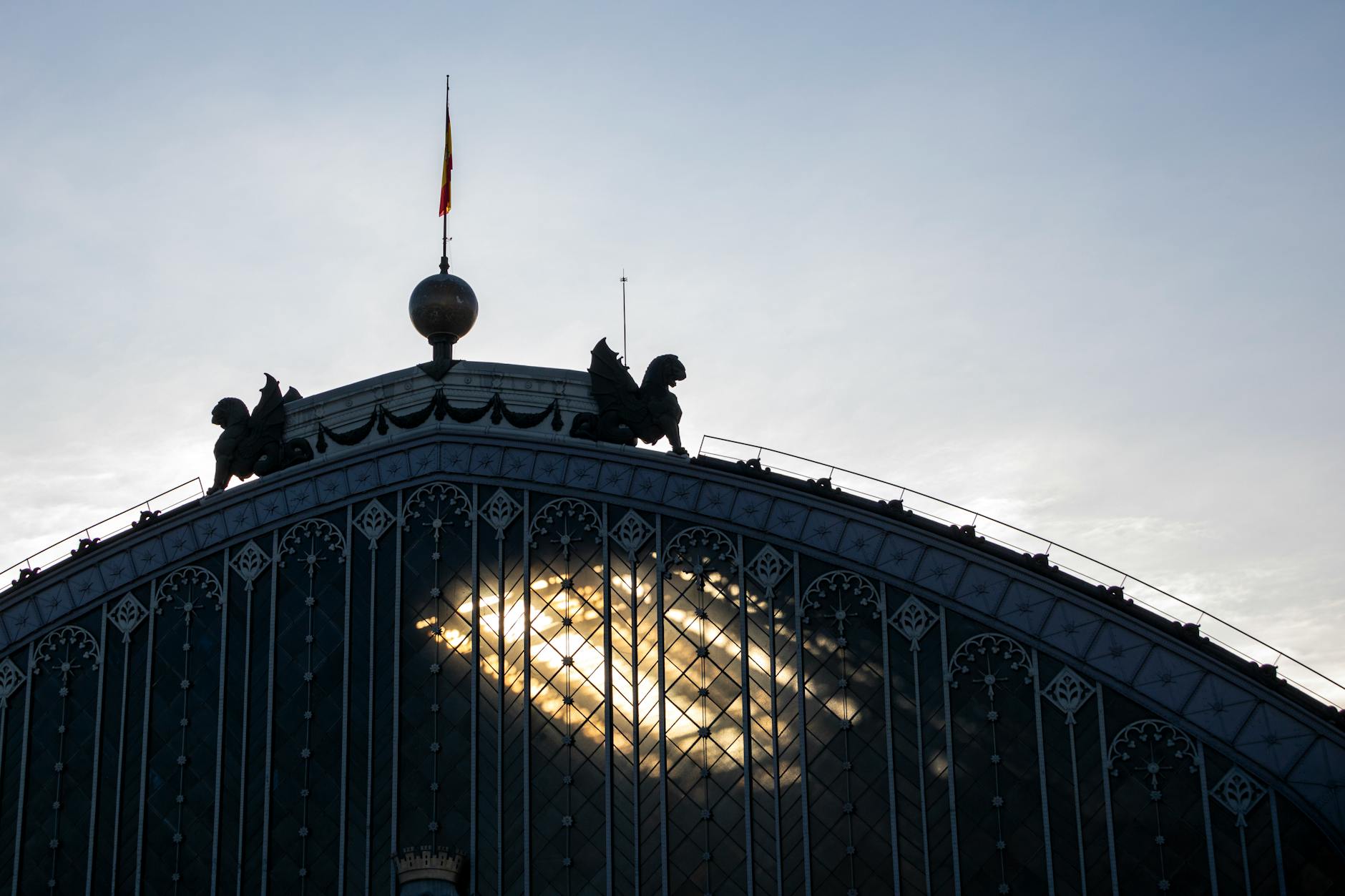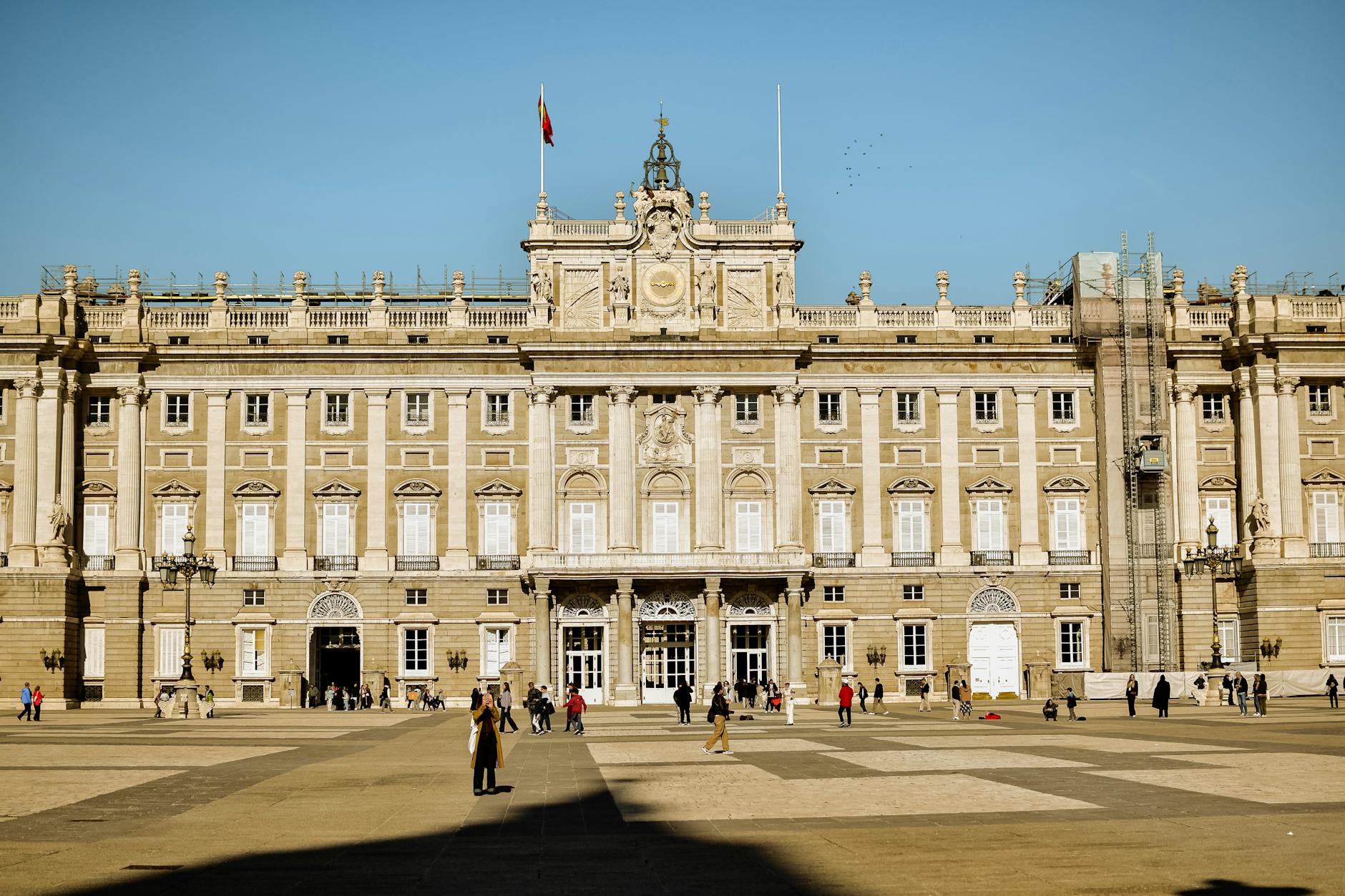
Madrid can feel easy on a first visit because the center is walkable, taxis are straightforward, the metro is useful, and many of the classic sights sit within a compact mental map. That ease can also mislead visitors. A first-time traveler may book a hotel without understanding the difference between Sol, Gran Via, Barrio de las Letras, Salamanca, Retiro, Atocha, La Latina, Chueca, and Malasana. They may underestimate late meal times, summer heat, museum timing, jet lag, or how tiring it is to cross the city repeatedly for isolated sights. The better first visit starts with Madrid's rhythm. The city rewards a traveler who clusters days by neighborhood, protects the first arrival window, leaves room for meals, and treats the great museums and palace areas as anchors rather than boxes to tick. Madrid is not difficult, but it is much better when the visitor understands how the city actually fits together before the trip begins.
Start with the city's shape, not a sightseeing list
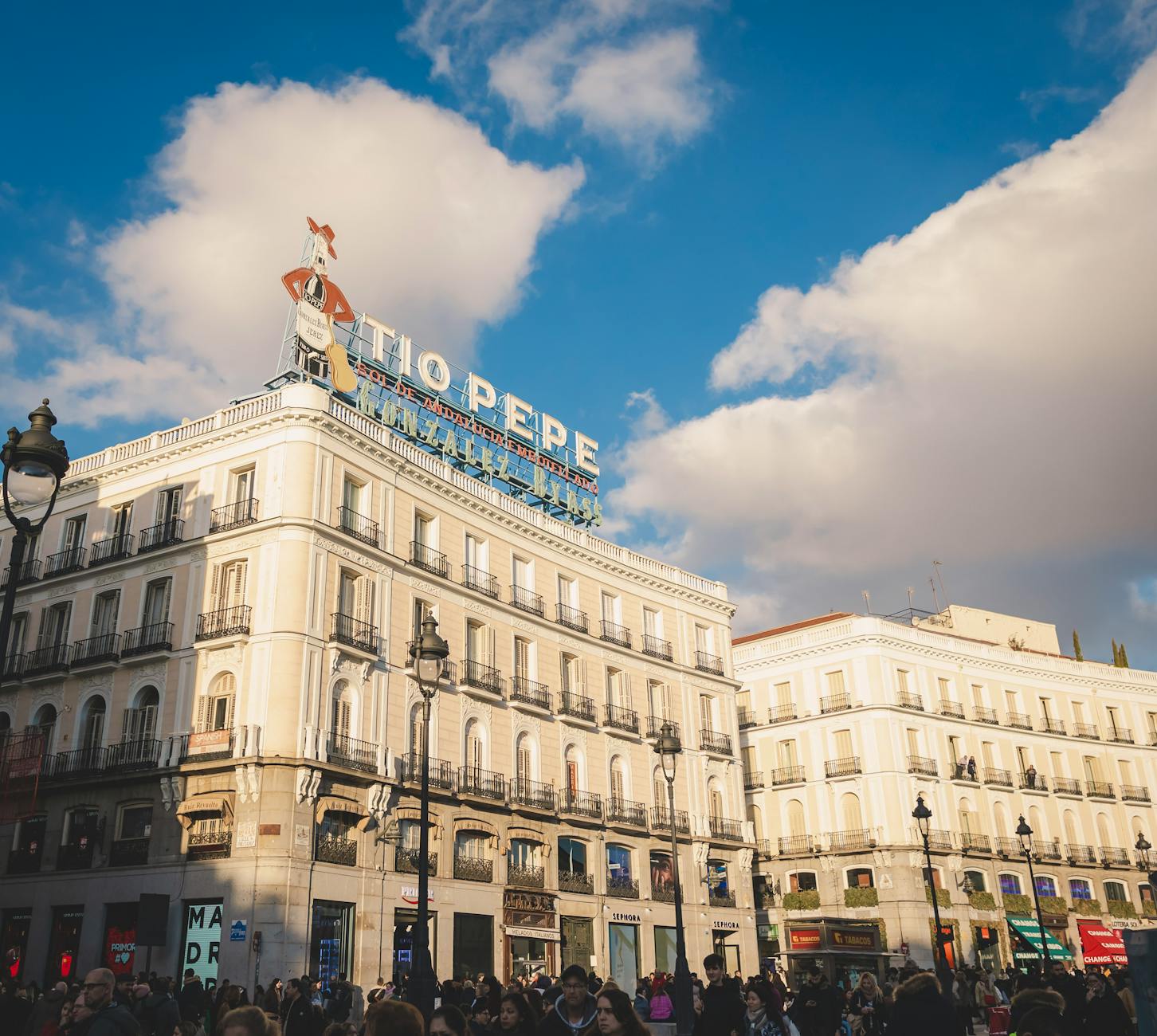
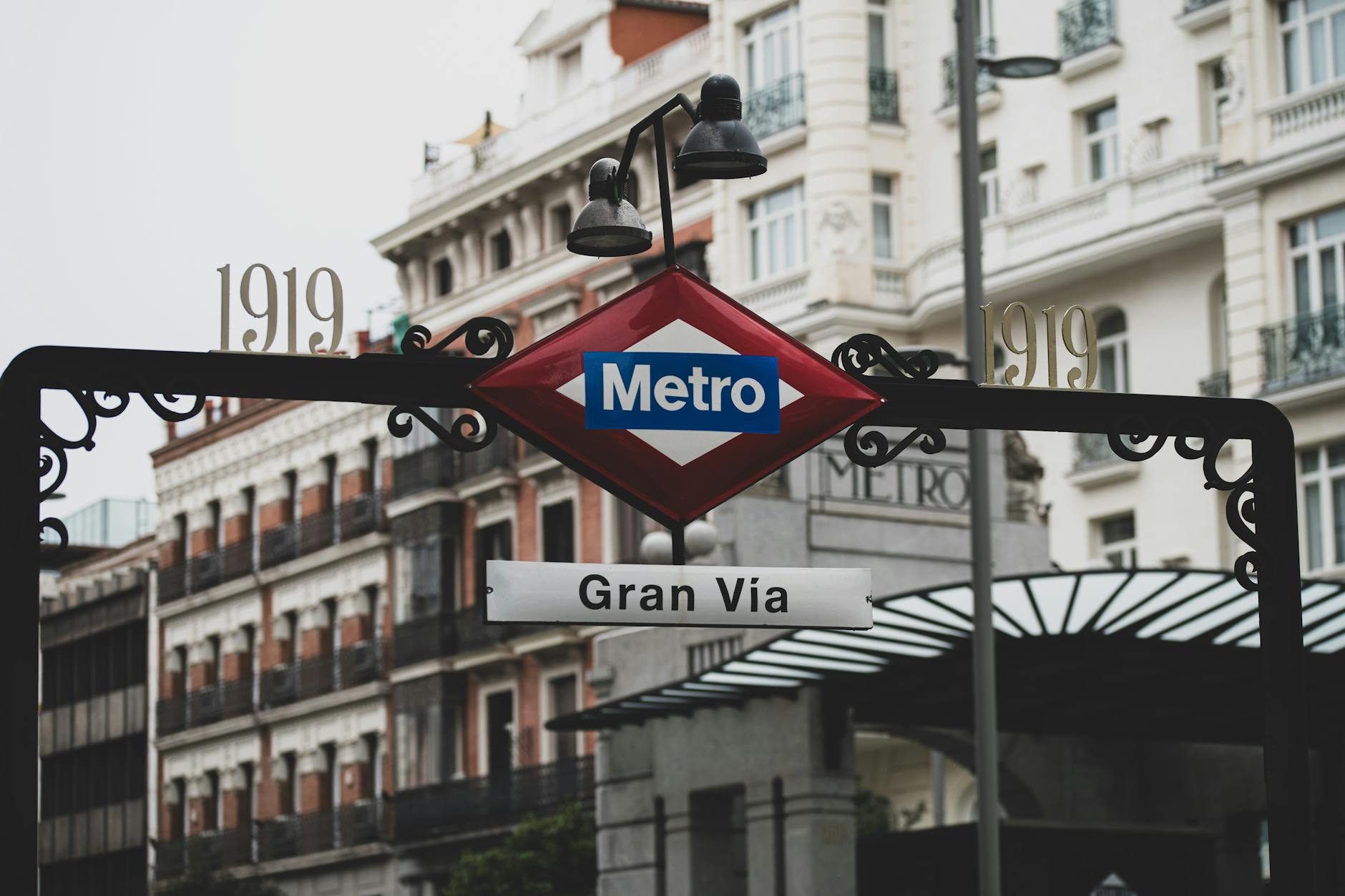
A first-time visitor should first understand Madrid as a set of connected areas. Puerta del Sol is the central orientation point, Gran Via is the busy hotel, theater, shopping, and metro spine, the Royal Palace and Almudena Cathedral sit to the west, Barrio de las Letras and the Prado corridor pull the visitor east, and Retiro gives the city its most useful central green pause. La Latina, Chueca, Malasana, and Salamanca each change the feel of the trip.
This matters because Madrid is easy to over-fragment. A visitor who treats every famous place as a separate errand can spend too much of a short stay crossing back and forth. The first plan should group sights into humane walks: palace and old center, Sol and Plaza Mayor, Prado and Retiro, Gran Via and nearby neighborhoods, or Salamanca and the park edge. The city becomes clearer when days are built around areas rather than isolated pins.
- Use Sol, Gran Via, the palace area, the Prado corridor, and Retiro as the first orientation anchors.
- Cluster sights by neighborhood instead of crossing Madrid repeatedly.
- Leave space for wandering because Madrid's streets and plazas are part of the experience.
Choose a base that matches the first trip
The best first-time Madrid hotel is not automatically the most central one. Sol and Gran Via are convenient for transit, late movement, shopping, theaters, and a classic first look at the city, but they can also be noisy and crowded. Barrio de las Letras works well for visitors who want museums, restaurants, and a more walkable cultural rhythm. Salamanca is more polished and calmer, with strong shopping and dining, but it is less old-city in feel. Atocha and Retiro can be practical for rail, museums, and park access, especially if the visitor is arriving by train or planning day trips.
First-time travelers should choose the base according to arrival point, walking tolerance, evening plans, sleep needs, and the main reason for the visit. A hotel that looks perfect on a map may be wrong if the guest has luggage, a late arrival, older relatives, children, mobility limits, or a schedule built around early museum entries. The right base removes friction from the first morning and the last evening.
- Pick Sol or Gran Via for convenience, but check noise, crowding, and room orientation.
- Use Barrio de las Letras, Retiro, Atocha, or Salamanca when museums, rail, calm, or dining fit better.
- Match the hotel to arrival logistics, walking tolerance, sleep needs, and evening movement.
Protect the arrival window
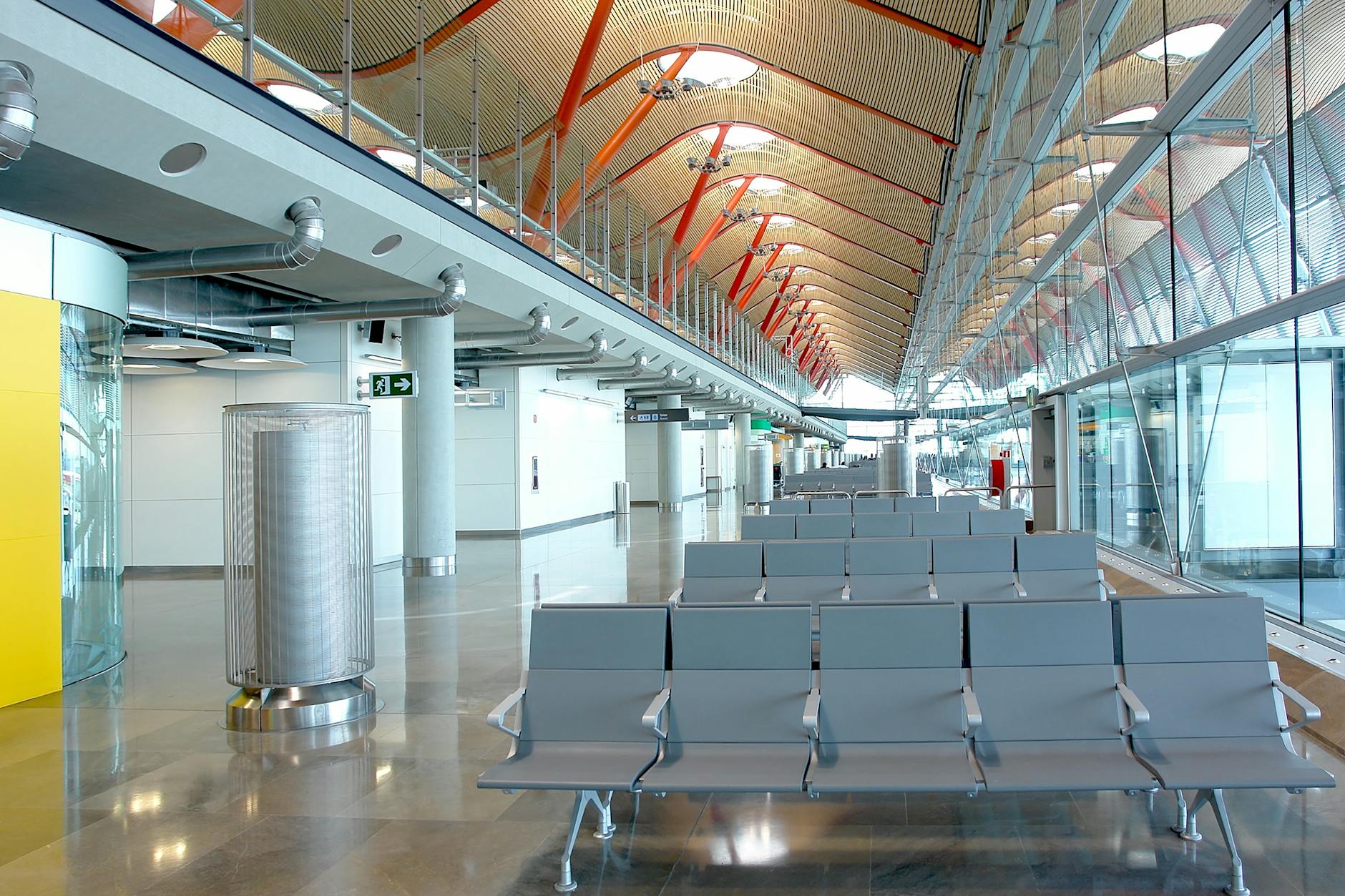
Madrid-Barajas is efficient by major-city standards, but the first-time visitor still has to account for passport control, baggage, terminal layout, taxi queues, metro transfers, hotel check-in, and fatigue. A fixed-price taxi to the central area can be the simplest choice for many first arrivals, especially with luggage or children. The metro and airport express bus can work well for lighter travelers who understand the route, but they are not automatically better when sleep, heat, or unfamiliarity are part of the equation.
Atocha and Chamartin arrivals need the same care. A visitor arriving by rail should know which station is involved, where the taxi stand or metro connection is, and whether the hotel is practical with bags. The first day should be deliberately modest. A short walk, an easy meal, and a clear route back to the hotel often produce a better trip than forcing a full sightseeing program immediately after arrival.
- Choose airport or rail transfer mode based on luggage, fatigue, group size, heat, and arrival time.
- Treat Barajas, Atocha, and Chamartin as different arrival problems.
- Keep the first day simple enough that the trip starts with orientation rather than exhaustion.
Pace museums, heat, and meal times realistically
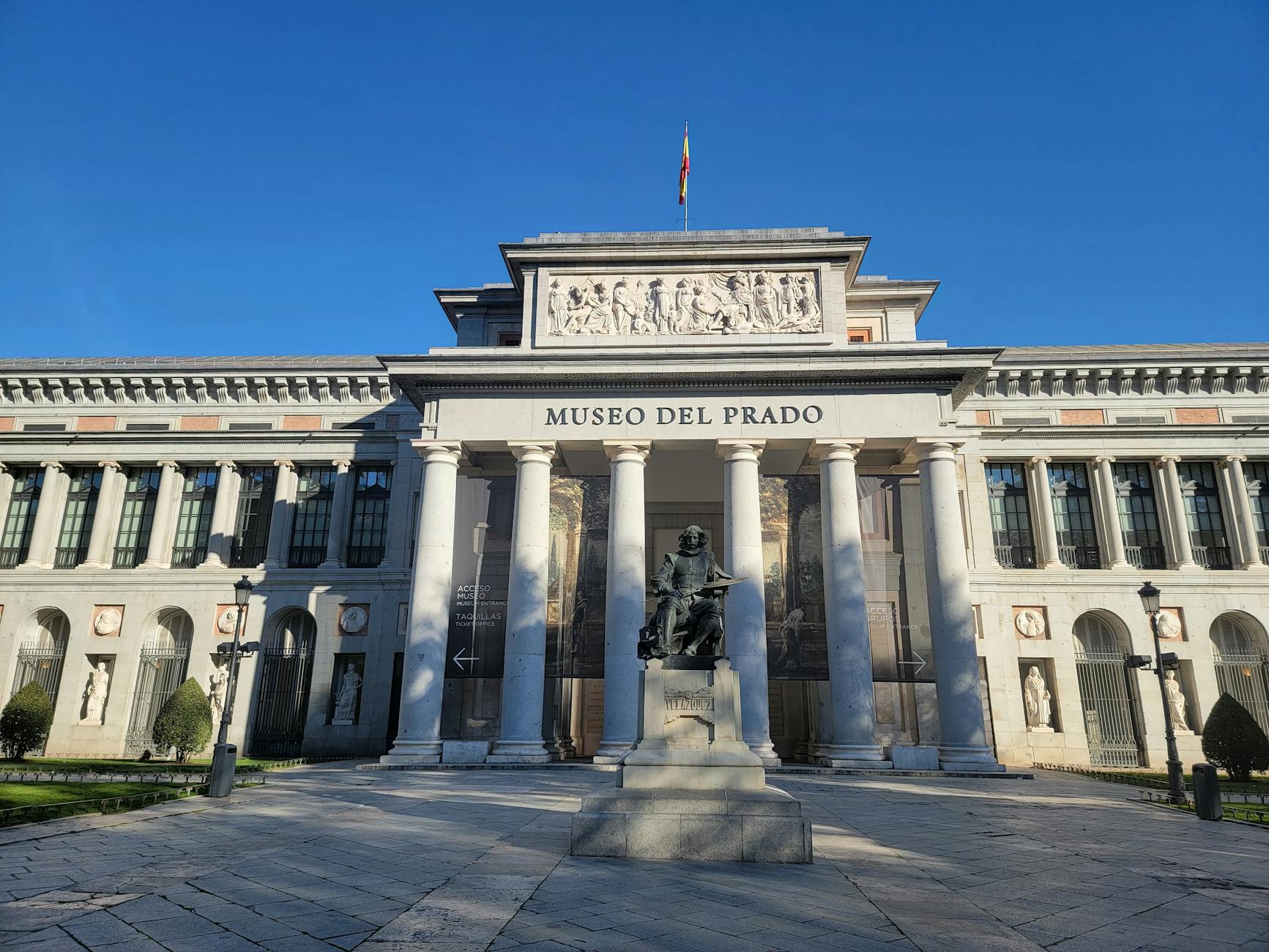
Madrid's first-visit mistake is trying to force too much into the middle of the day. The Prado, Reina Sofia, Thyssen-Bornemisza, Royal Palace, Retiro, and central neighborhoods are all strong draws, but they should not be packed together without regard for heat, timed entry, museum fatigue, lunch timing, and how late dinner may begin. A traveler who wants the Prado to mean something should not treat it as a rushed stop between unrelated errands.
Meal timing is part of the schedule. Lunch may be later and more substantial than expected, dinner may begin later than a visitor is used to, and tapas or market stops can blur the line between a meal and an outing. In warm months, shade, water, air-conditioned museum time, and a slower afternoon matter. The best Madrid day has one or two anchors, a neighborhood walk, and room to eat well.
- Reserve or plan timed-entry sights instead of assuming every major stop can be improvised.
- Respect museum fatigue, summer heat, later meals, and the need for real pauses.
- Build days around one or two anchors rather than an overloaded checklist.
Use neighborhoods to decide what kind of Madrid you want
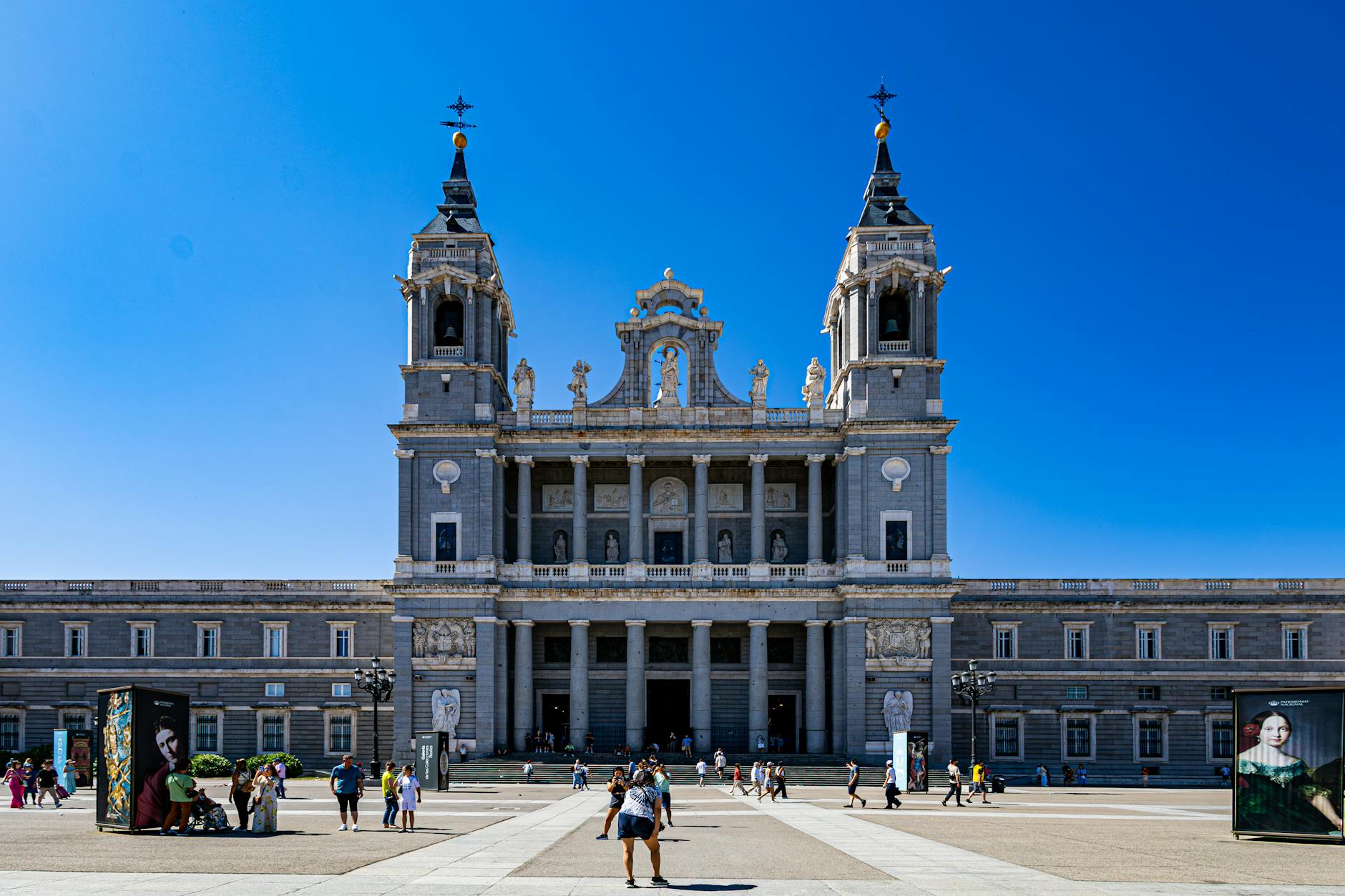
Madrid changes quickly by neighborhood. The Royal Palace and Almudena area gives the first-time visitor ceremony, views, and a historic western edge. Sol and Plaza Mayor provide the classic center, but they are also crowded. Barrio de las Letras feels more literary and food-oriented while staying close to the museums. Retiro offers space to slow down. Salamanca gives a more upmarket shopping and restaurant pattern. La Latina works well for tapas and old-street atmosphere. Chueca and Malasana add nightlife, small shops, and a younger city feel.
The visitor should not try to make every neighborhood equally important. A first trip works better when the traveler chooses two or three priority areas and lets the others remain optional. Madrid is not a city where missing one district means missing the city. The bigger risk is diluting the visit until every area is experienced too quickly to be remembered.
- Use the palace area, Sol, Barrio de las Letras, Retiro, Salamanca, La Latina, Chueca, and Malasana for different trip moods.
- Choose priority neighborhoods instead of trying to sample all of them in one short stay.
- Let neighborhood choice shape meals, walking routes, and evening plans.
Handle ordinary first-time friction before it becomes the story
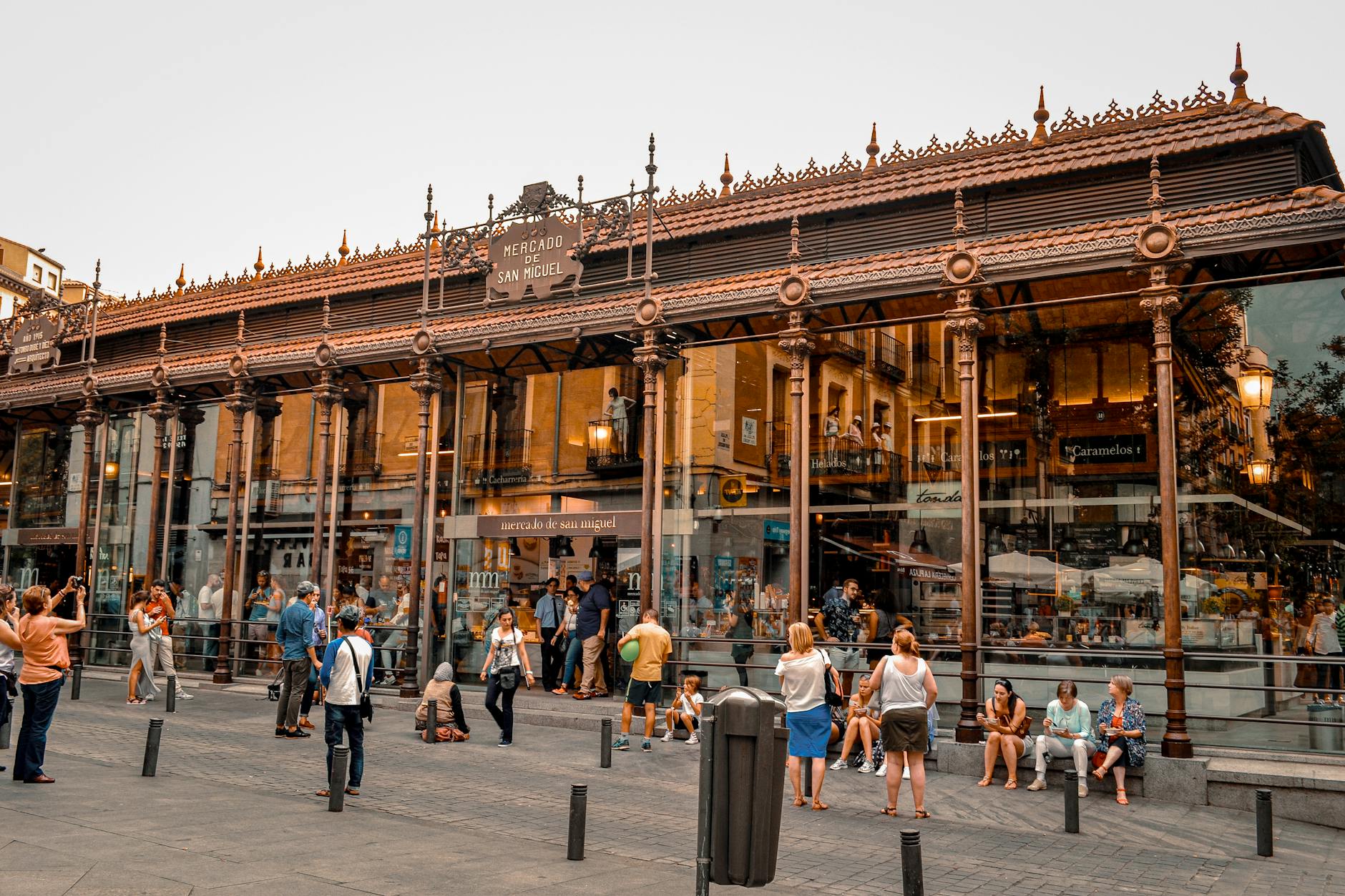
Most Madrid trips are straightforward, but first-time visitors should still plan around ordinary friction. Crowded areas such as Sol, Gran Via, Plaza Mayor, Mercado de San Miguel, metro stations, and busy restaurant streets require basic bag and phone discipline. Demonstrations, football crowds, holidays, construction, museum lines, restaurant waits, and heat can all affect a short schedule. None of this means avoiding the center. It means moving through it with awareness.
The visitor should also decide how late they want evenings to run. Madrid's night rhythm can be one of the pleasures of the city, but a tired first-timer may end up far from the hotel after a late meal without a clear return plan. Small choices help: keep the hotel address accessible, use direct taxis when tired, avoid loose bags at outdoor tables, and do not leave the most important sight or transfer to the final hour.
- Use normal city awareness in Sol, Gran Via, Plaza Mayor, markets, metro stations, and crowded restaurant areas.
- Check for holidays, demonstrations, football crowds, heat, and museum or restaurant bottlenecks.
- Have a simple late-evening return plan before dinner or drinks begin.
When to order a short-term travel report
A first-time visitor with a relaxed long weekend, flexible hotel, and no special constraints may be able to plan Madrid with ordinary guidebook research. A custom report becomes more useful when the trip is short, the hotel choice is uncertain, the arrival is late, the traveler is moving through Barajas or Atocha under time pressure, the group includes children or older travelers, medical or mobility concerns matter, or the visitor wants to combine museums, meals, day trips, and evening plans without wasting the first day learning the city the hard way.
The report should test the hotel base, arrival route, first-day plan, neighborhood sequence, museum and palace timing, meal placement, current local disruptions, crowd exposure, late-return options, and backup choices. The value is not more generic Madrid advice. The value is a first visit that feels intentionally built around the traveler, the dates, the hotel, and the specific version of Madrid they are trying to experience.
- Order when hotel choice, arrival timing, group needs, museums, meals, day trips, or constraints make the first visit fragile.
- Provide dates, hotel candidates, arrival and departure details, must-see sights, walking tolerance, and any medical or mobility needs.
- Use the report to turn Madrid from a list of attractions into a workable short-stay plan.