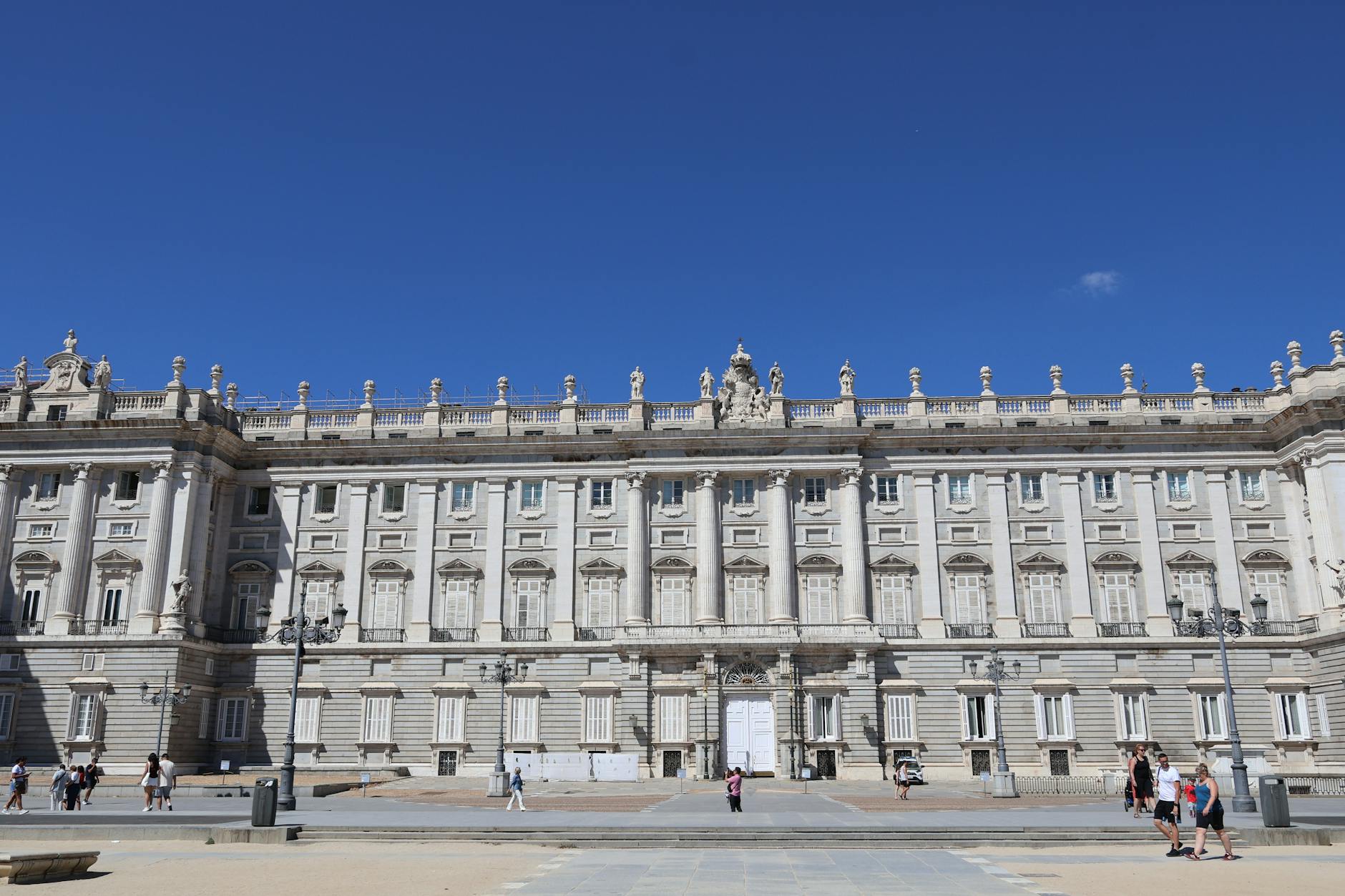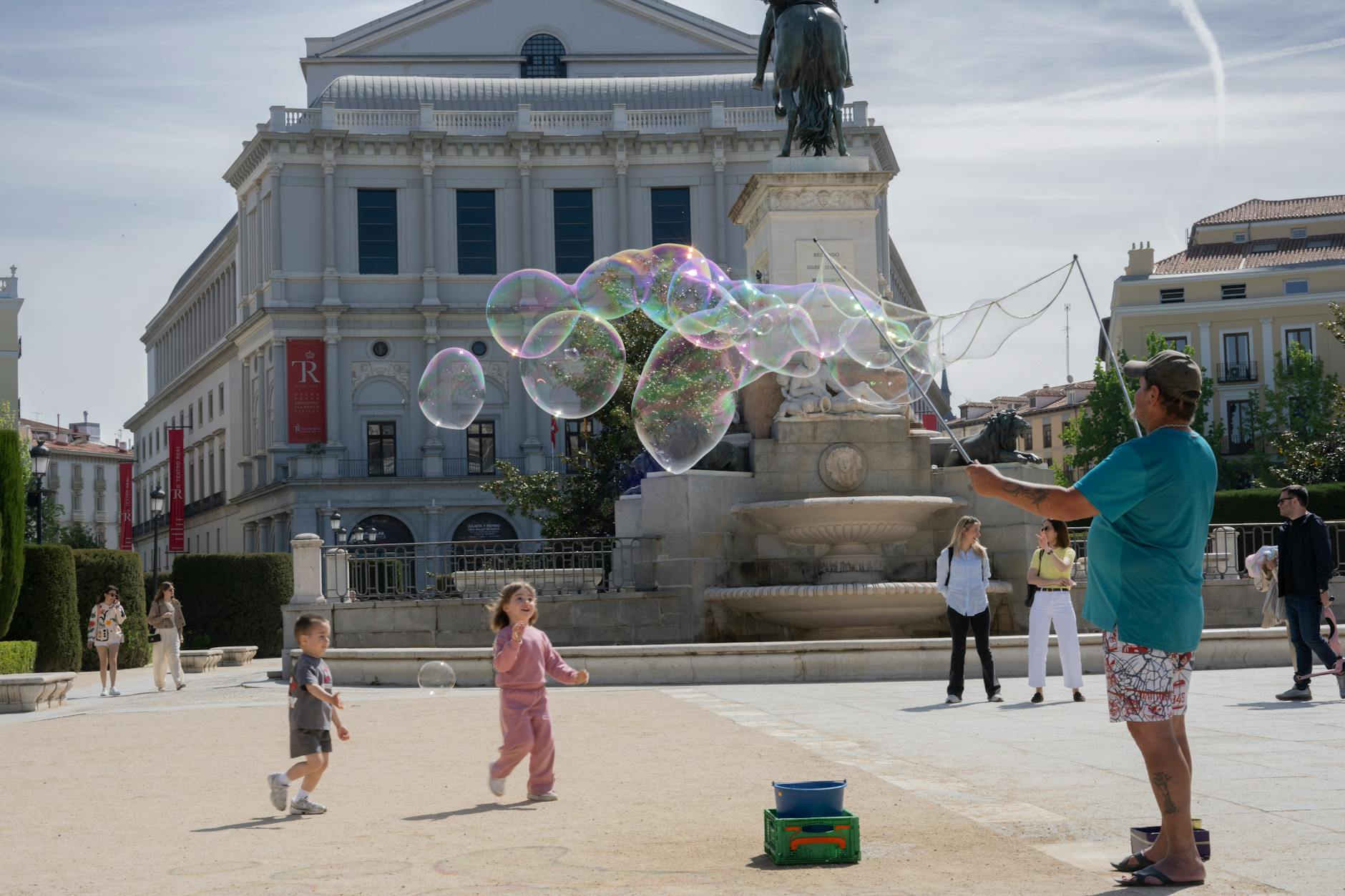
Madrid can be a strong family city because many of its best experiences are visible, walkable, and flexible: plazas, parks, palace views, museum corridors, cafes, neighborhood walks, and easy taxi movement. It is also a city where families can run into friction quickly if the plan ignores heat, late meals, crowded central streets, stroller handling, naps, bathroom stops, and the fact that children do not experience a short city break as a checklist. The goal is not to make Madrid child-centered at the expense of the adults. The goal is to design days that let the whole family stay functional. A good family plan uses fewer anchors, stronger neighborhoods, clear arrival logistics, reliable food options, and built-in resets. Madrid rewards families who leave room for the city to breathe.
Choose a hotel that lowers family friction
Family hotel choice in Madrid should start with logistics. A good base needs enough room, reliable elevators, breakfast that works for children, easy taxi access, a front desk that can help quickly, and a neighborhood where an adult can solve food, medicine, water, or a short walk without turning it into a project. A hotel that is perfect for adults may be less useful if every return requires pushing through crowds or managing narrow streets with tired children.
Sol and Gran Via are convenient but busy. Barrio de las Letras can work well for museums, restaurants, and walkability. Retiro and Atocha can suit families who value park access, rail links, and cultural sights. Salamanca can be calmer and polished, though less old-city in mood. The best choice is not the most central dot. It is the base that keeps the hardest moments simple.
- Prioritize room size, elevators, breakfast, taxi access, front-desk help, and nearby basics.
- Choose Sol, Gran Via, Barrio de las Letras, Retiro, Atocha, or Salamanca based on family rhythm.
- Avoid hotels that require stressful returns through heavy crowds or awkward streets.
Make arrival and departure deliberately easy
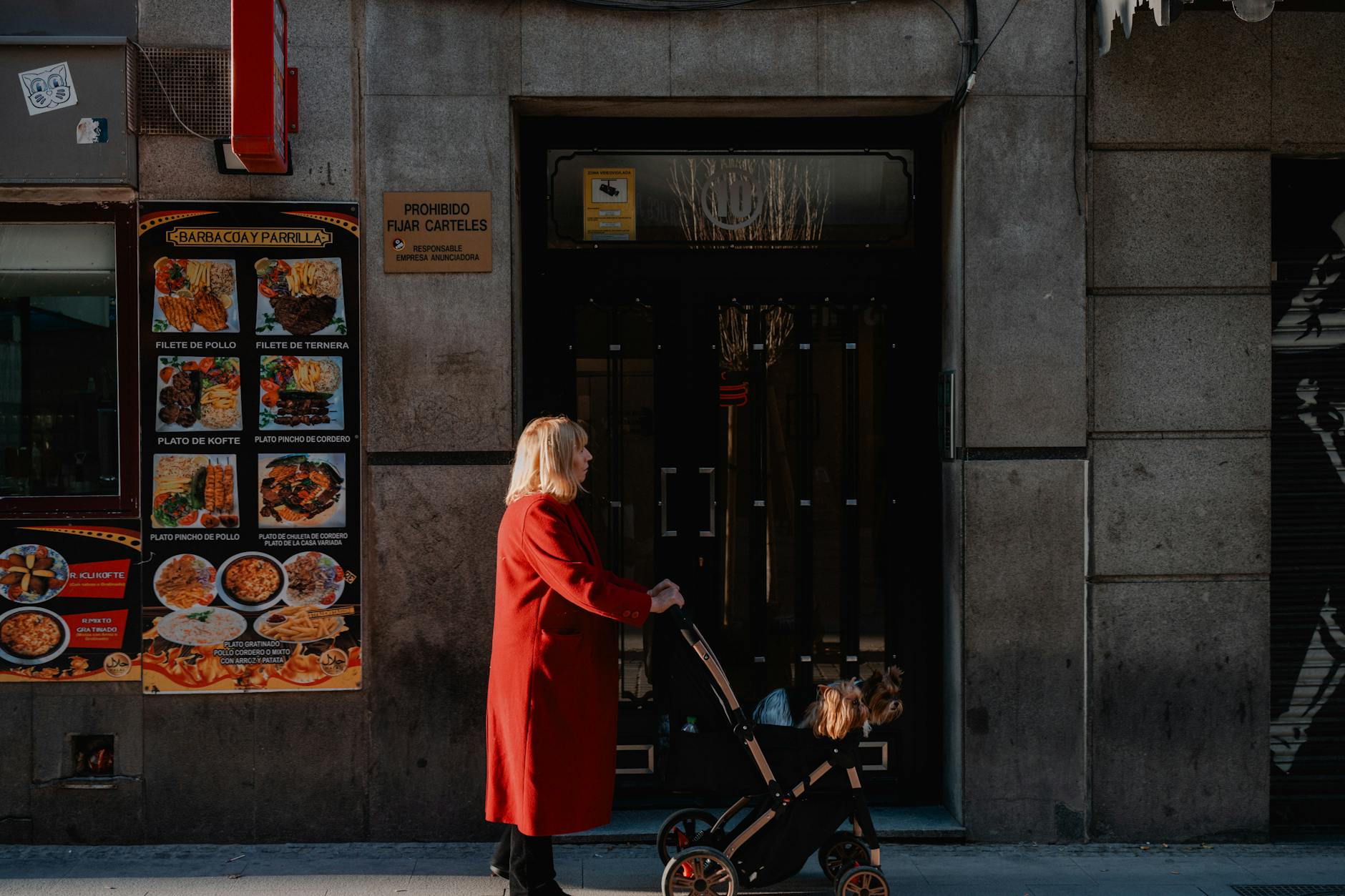
Family arrivals need more margin than adult-only arrivals. Madrid-Barajas, Atocha, and Chamartin are workable, but luggage, strollers, tired children, bathrooms, snacks, car seats, taxi queues, and hotel check-in can make a simple transfer feel long. A taxi or prearranged vehicle may be the right answer after a long flight or late arrival, even if public transit looks efficient on paper.
The first and last days should be protected. Families should not plan a major museum, palace visit, or late dinner immediately after a demanding arrival unless the children are unusually resilient. A nearby meal, a short orientation walk, and an early reset often produce a better trip than trying to prove the first day was not wasted.
- Plan transfer mode around luggage, strollers, child fatigue, snacks, bathrooms, and arrival time.
- Treat Barajas, Atocha, and Chamartin as different family logistics problems.
- Keep the first and last days lighter than the middle of the trip.
Use Retiro and open space as schedule anchors
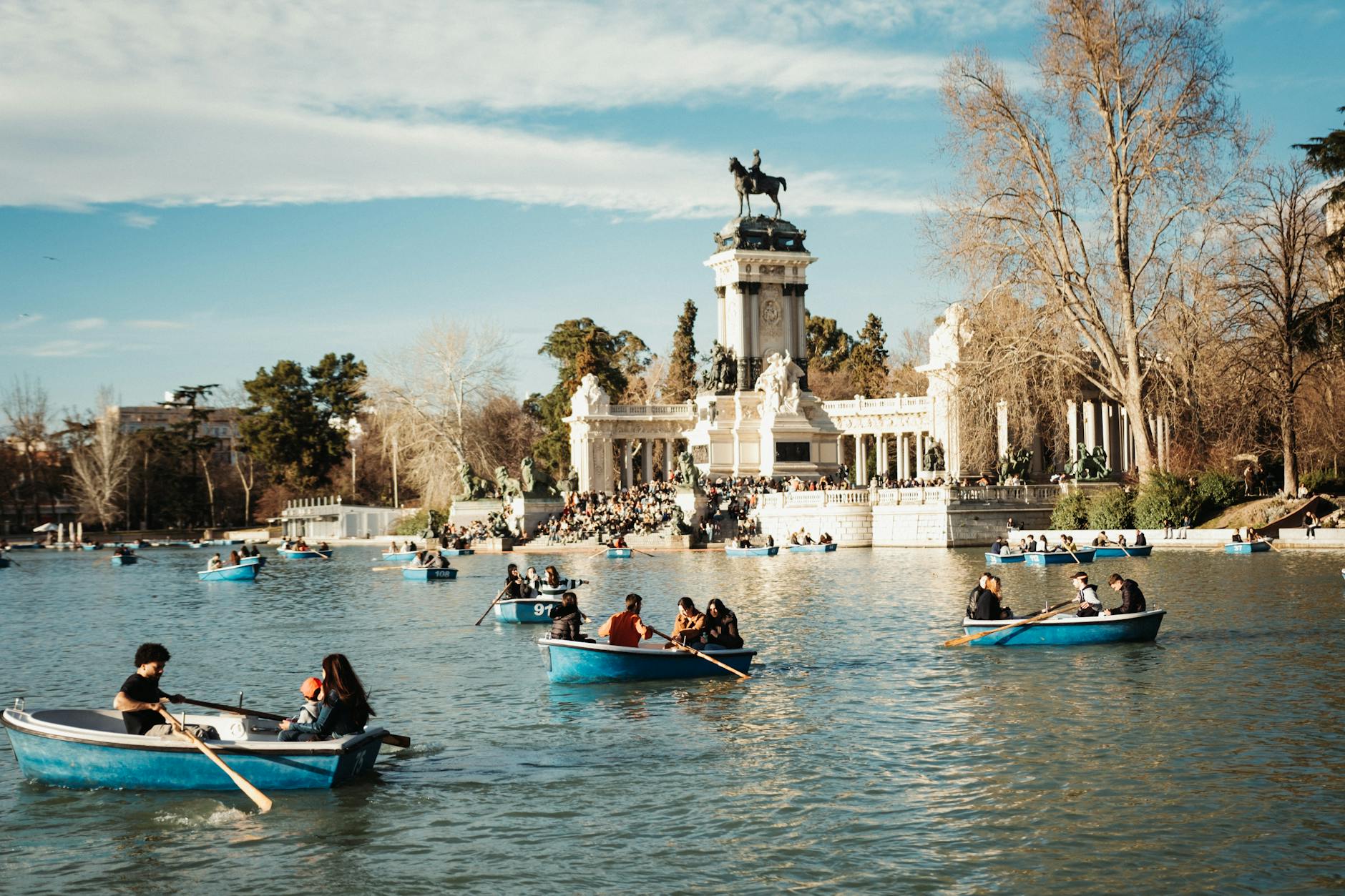
Retiro is not just a pleasant park for families. It can be the pressure valve that makes the rest of Madrid work. A child who has been patient through a museum, a hotel transfer, or a long lunch may need space before the next adult priority. Retiro, palace gardens, broad plazas, and carefully chosen neighborhood walks can give the day a different texture without removing the adults' sense of being in Madrid.
Open-space planning is especially important in warm weather. Families should think in terms of shade, water, bathrooms, snack stops, and the ability to end a loop early. A beautiful walk that strands a family far from food or taxis can sour the day. A shorter loop with a clear exit often works better.
- Use Retiro and other open spaces as planned resets, not accidental leftovers.
- Track shade, water, bathrooms, snacks, and exit points before long walks.
- Make outdoor time support the adult itinerary rather than compete with it.
Keep museums and major sights selective
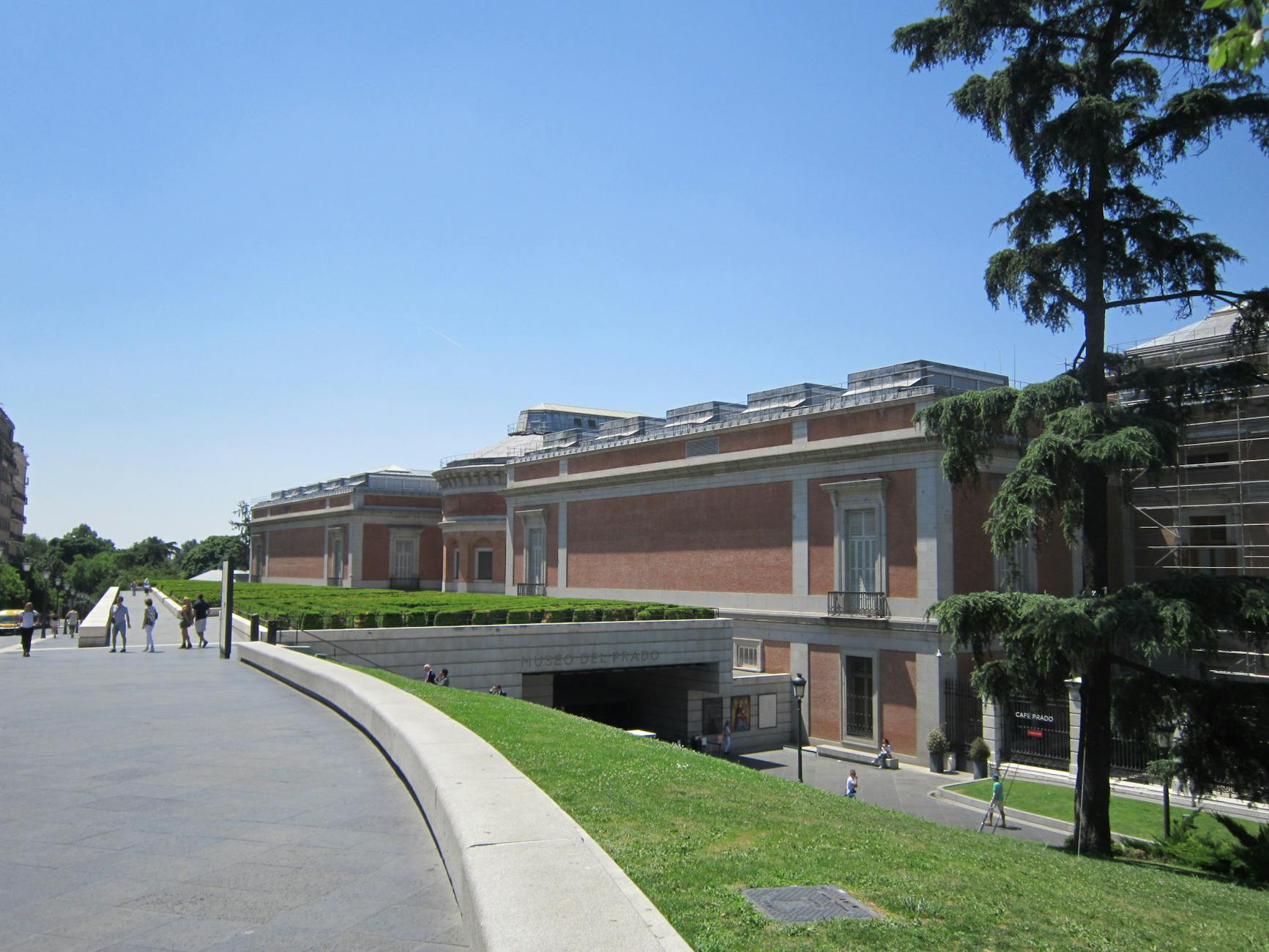
Madrid's major cultural sights can work for families, but they need selectivity. The Prado, Royal Palace, Plaza Mayor, and the city's historic center should be planned around attention spans, timed entry, standing time, security lines, stroller rules, bathroom access, and meal timing. A child who enjoys one focused hour in the Prado may not enjoy being pulled through an entire adult museum agenda.
The same applies to the palace and central plazas. Families should decide what the child is expected to notice: a painting, a ceiling, a guard, a fountain, a courtyard, a view, or a snack afterward. A trip becomes more memorable when children are given something concrete to hold onto instead of being asked to endure vague culture.
- Use focused museum and palace plans instead of exhaustive adult routes.
- Check timed entry, stroller rules, bathrooms, security lines, and nearby food.
- Give children concrete things to notice so culture feels specific rather than abstract.
Plan meals before hunger makes the decision
Madrid's meal rhythm can be difficult for families who expect early dinners or fast service at the exact moment children become hungry. Lunch may become the main family meal. Dinner may need to be simpler, earlier, or closer to the hotel than adults would choose alone. Tapas and markets can be fun, but crowded food spaces require realistic expectations about seats, stroller space, bathrooms, and children who may not want to stand while adults sample food.
A family should identify a few reliable meals before arrival: a nearby breakfast option, an easy first-night dinner, one stronger adult meal that still works with children, and backup food near the hotel. Madrid's food is a strength when the timing is planned. It becomes a problem when everyone is hungry and the only idea is a long walk to somewhere famous.
- Plan breakfast, first-night dinner, one adult-priority meal, and hotel-area backups.
- Use lunch strategically if late dinners do not fit the children.
- Check seating, stroller space, bathrooms, and wait times before relying on markets or tapas routes.
Manage crowds, crossings, and child separation risk
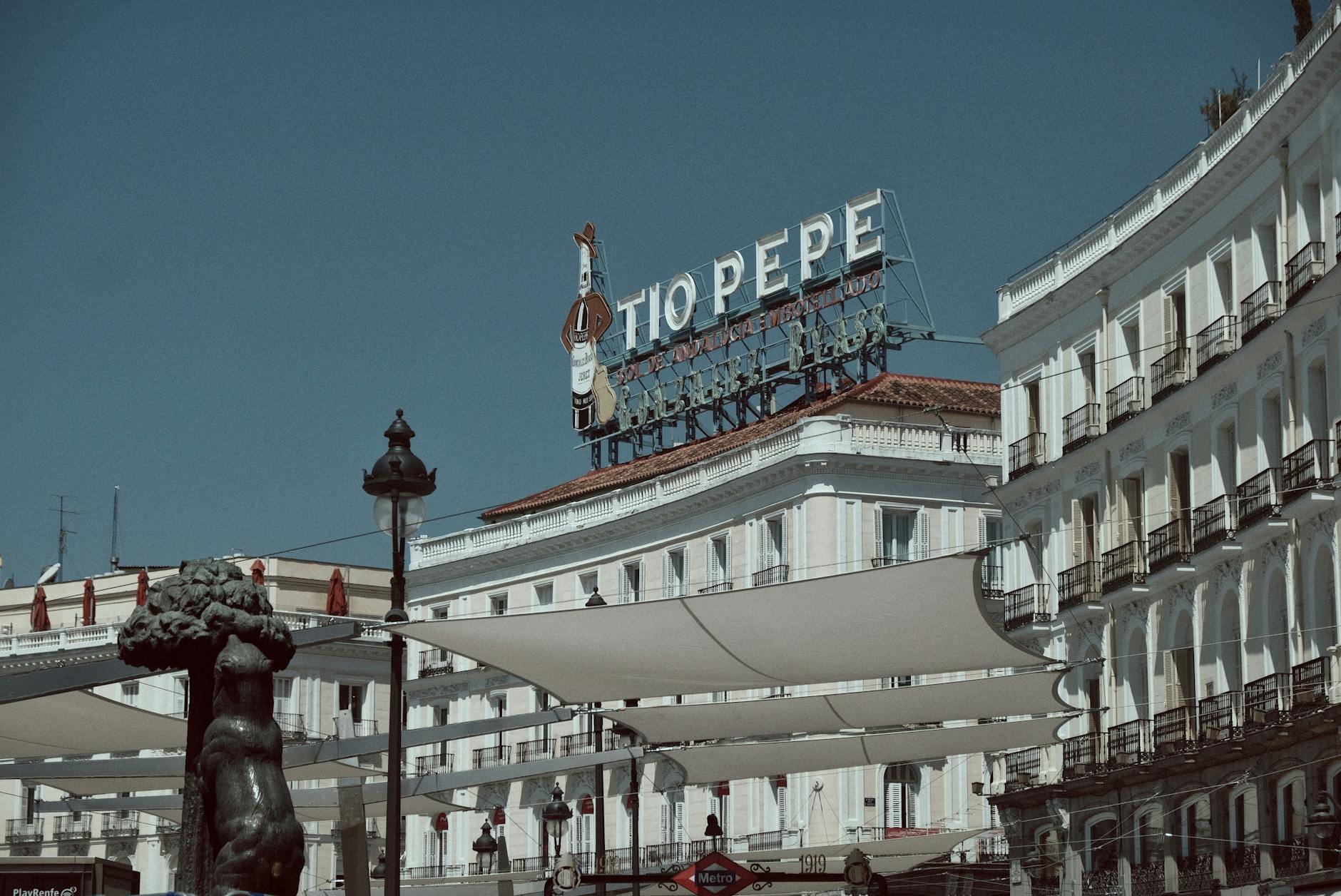
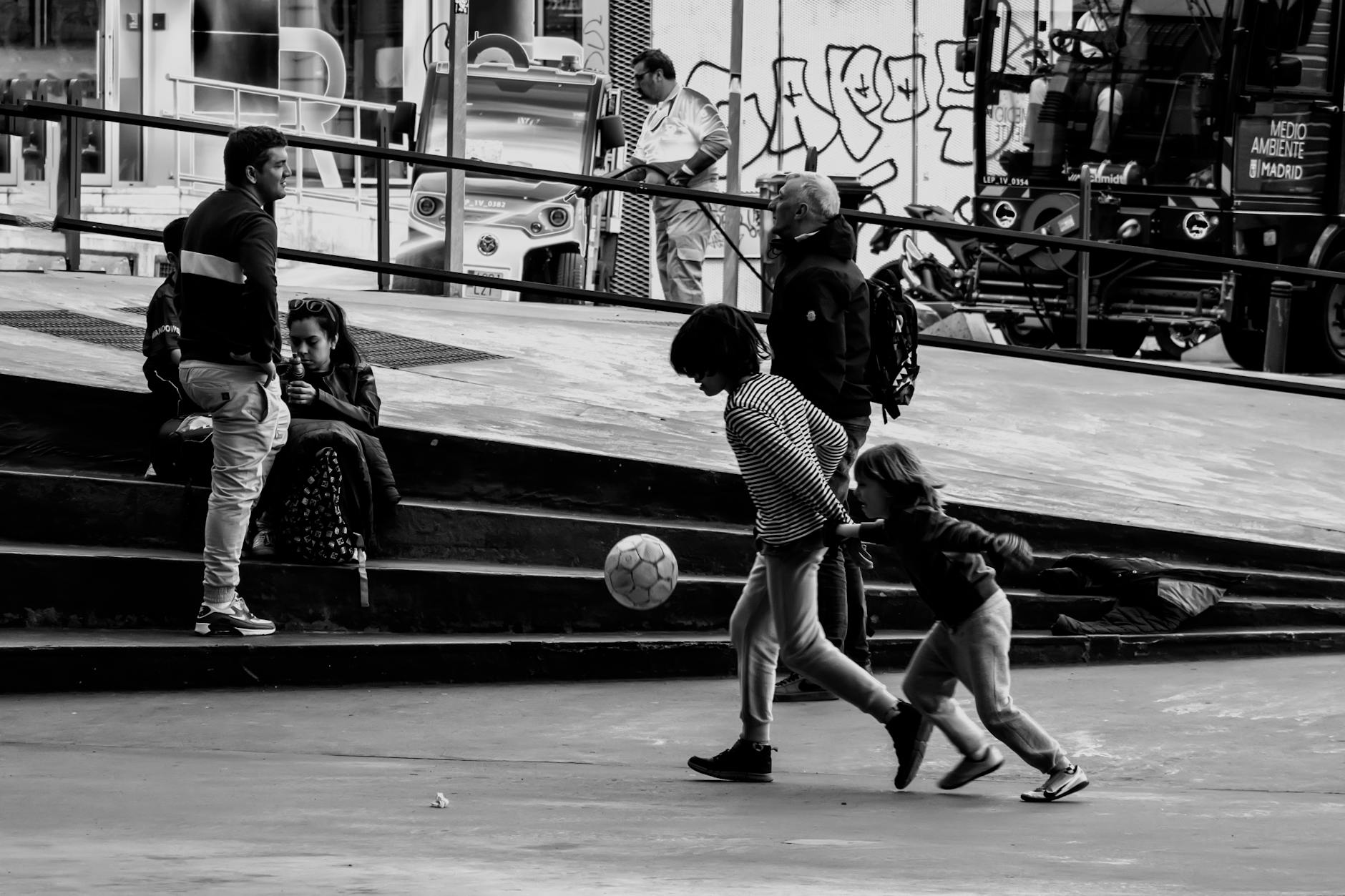
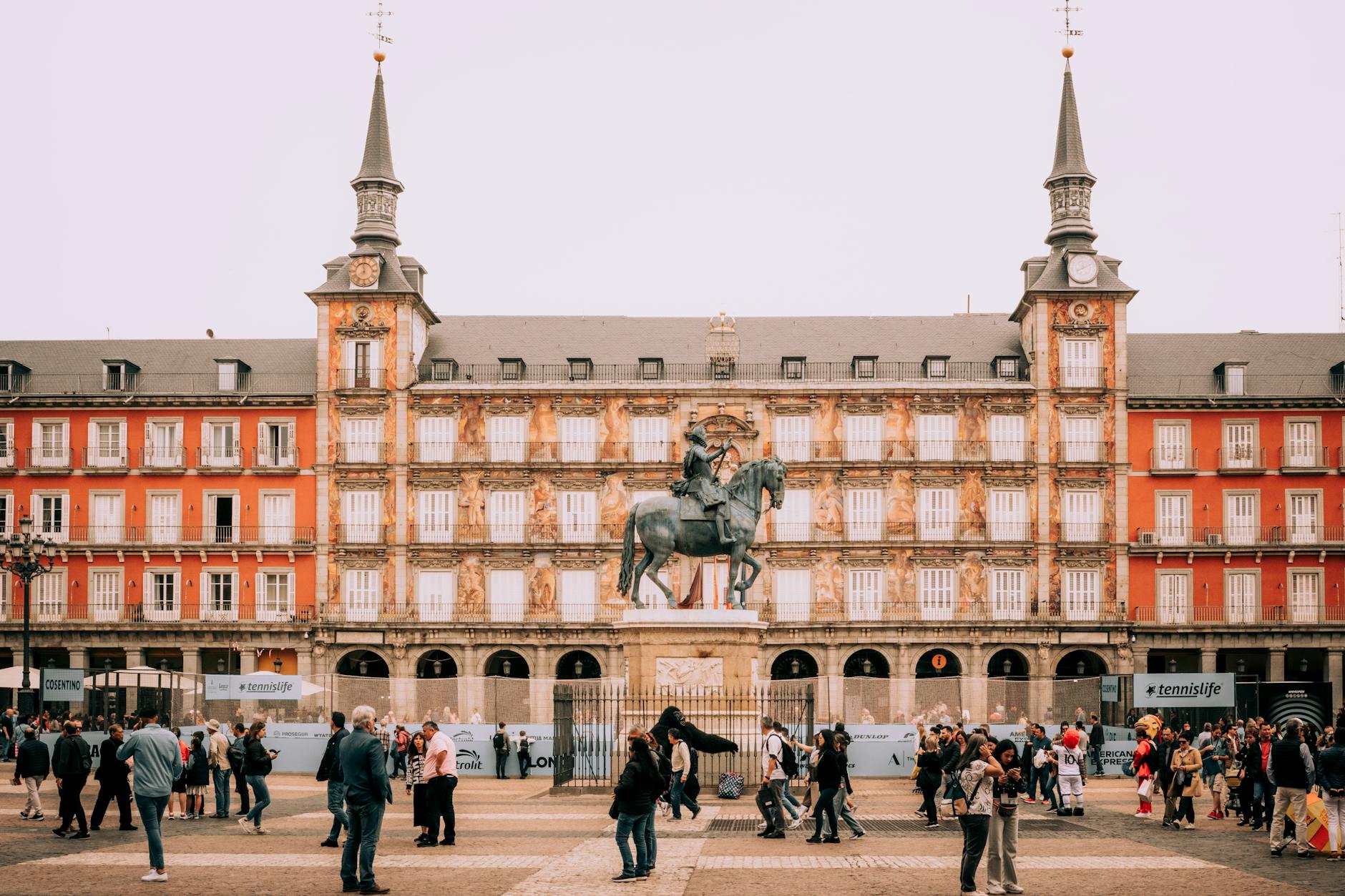
Madrid's central areas are not places to avoid, but families should treat them as active environments. Sol, Gran Via, Plaza Mayor, Mercado de San Miguel, metro stations, and museum entrances can be crowded enough that children drift, strollers slow movement, and adults become distracted by maps or photos. Families need simple rules before entering those spaces: who holds whose hand, where to stop if separated, and which adult handles navigation.
Street crossings and scooters also deserve attention. Madrid is walkable, but a tired child, a stroller, or a group spread across a sidewalk can make ordinary movement harder. The family should use direct routes, avoid unnecessary late-night crowd exposure, and keep passports, phones, day bags, and child essentials controlled in busy zones.
- Set family rules for hands, stopping points, and navigation before entering crowded central areas.
- Watch crossings, scooters, stroller pinch points, and distracted map use.
- Control passports, phones, bags, snacks, medication, and child essentials in busy areas.
When to order a short-term travel report
A family with older children, a flexible hotel, and a simple Madrid plan may not need a custom report. A report becomes more useful when the trip is short, the children are young, arrival is late, stroller or car-seat logistics matter, the family is choosing between neighborhoods, heat or medical needs are relevant, or the adults want to include museums, dining, and classic Madrid sights without exhausting everyone.
The report should test the hotel base, arrival transfer, stroller and taxi logic, meal timing, child-friendly pacing, museum and palace choices, Retiro or open-space resets, crowd exposure, current local disruptions, and backup options. The value is a family Madrid trip that still feels like Madrid, but with fewer preventable meltdowns and less adult guesswork.
- Order when young children, late arrivals, strollers, car seats, heat, medical needs, or neighborhood uncertainty raise the stakes.
- Provide child ages, hotel candidates, arrival details, walking tolerance, meal needs, stroller plans, and must-see priorities.
- Use the report to keep Madrid rich for the adults and manageable for the children.