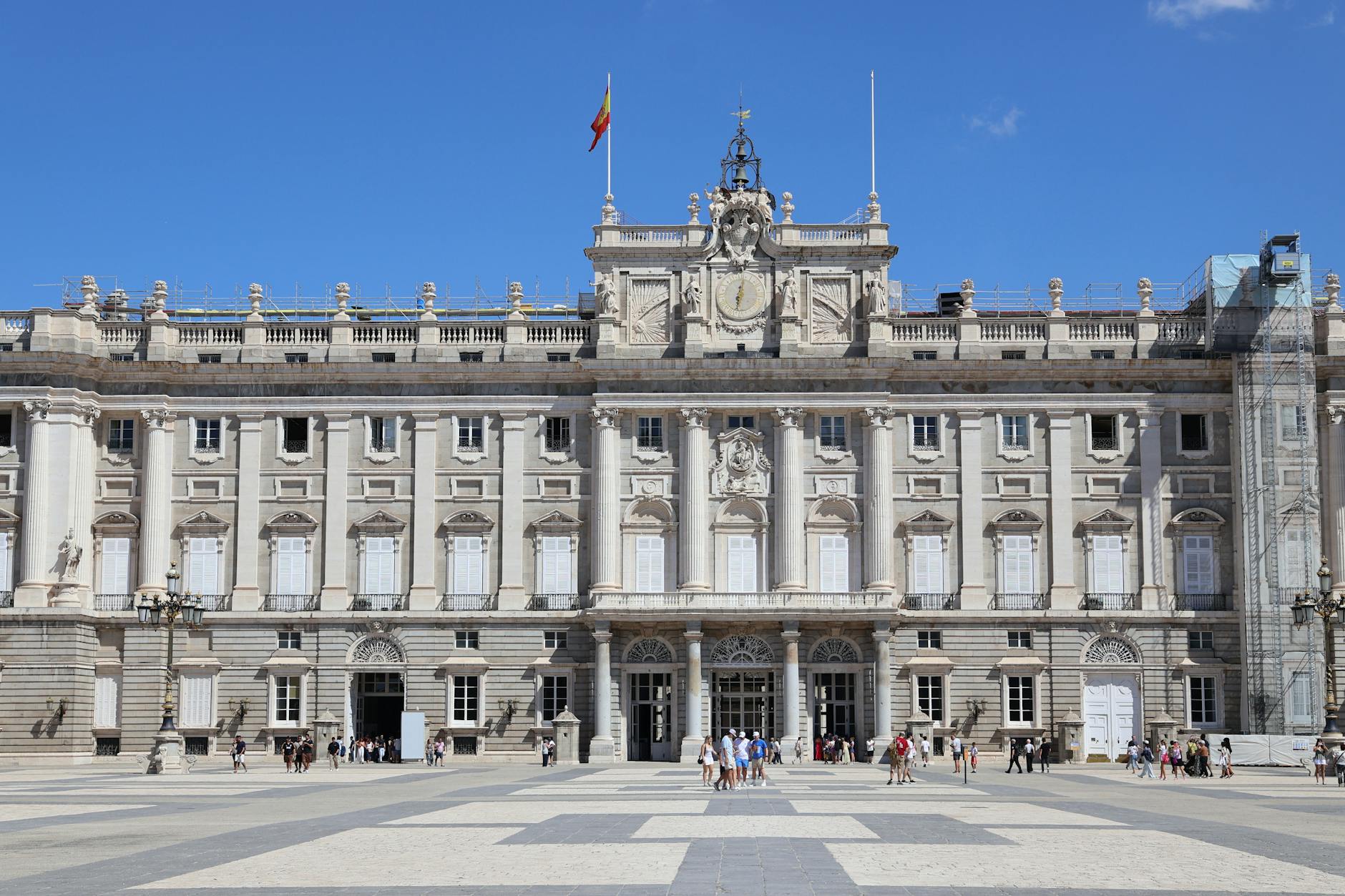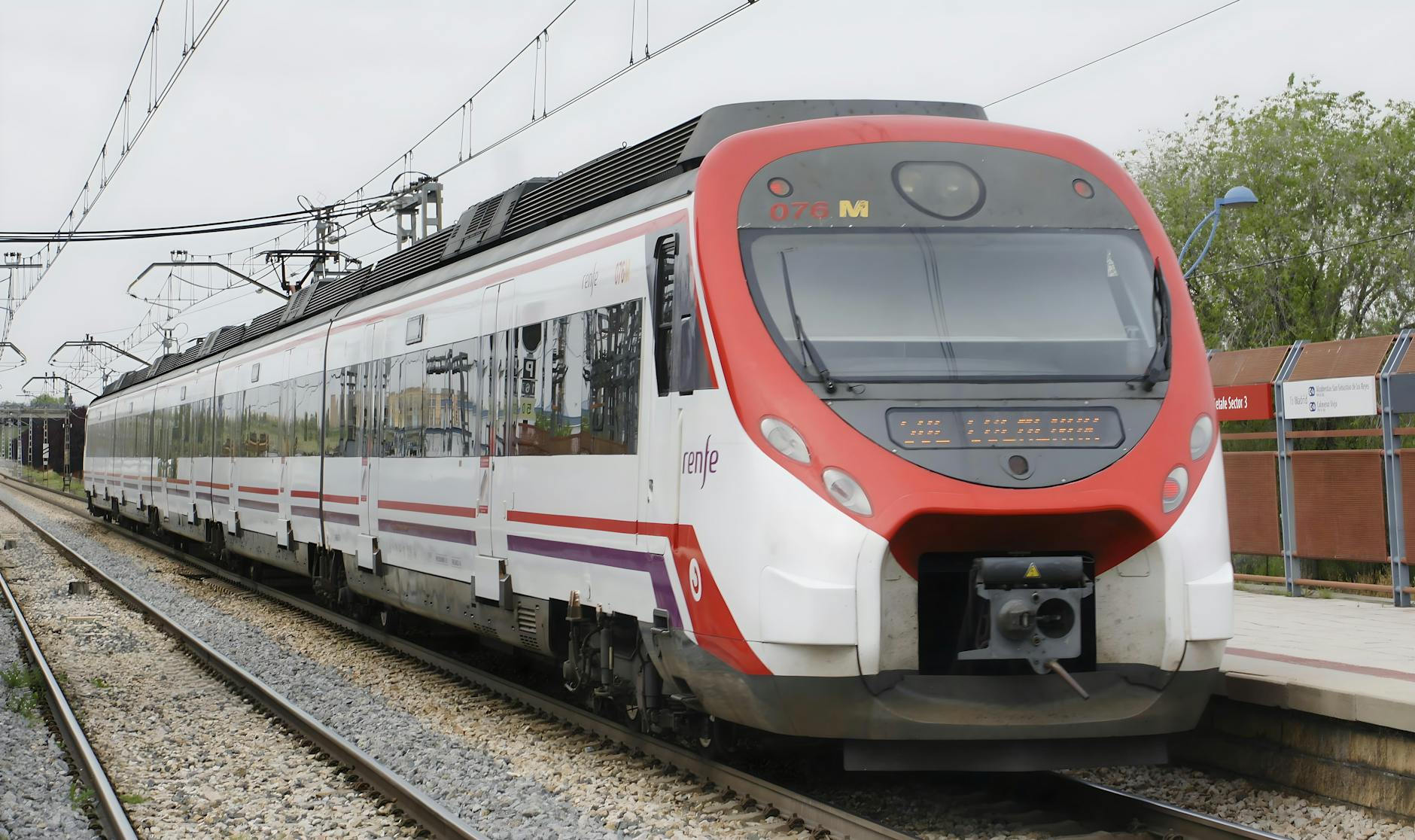
Madrid is not a cruise port, and that is the first point a cruise or port-call traveler has to respect. A Madrid stop usually belongs before or after a Mediterranean or Atlantic cruise, as an inland extension from Barcelona, Valencia, Malaga, Cadiz, Lisbon, or another port, or as a rail-linked city break between ship and flight. That can be a strong addition to a cruise itinerary, but it is not the same as walking off a ship into the city for a few hours. The planning problem is time compression. Cruise travelers often carry more luggage, have stricter boarding windows, depend on transfers, and may be traveling with mixed-age groups or mobility constraints. Madrid rewards an extra night or a carefully built transfer day. It punishes same-day overreach, vague rail assumptions, and itineraries that ignore how far the city is from the port that actually controls the schedule.
Start by naming the real port problem
A Madrid cruise plan begins with a blunt question: which port actually controls the clock? Barcelona, Valencia, Malaga, Cadiz, Bilbao, Lisbon, or another embarkation or disembarkation city will determine whether Madrid is practical as a pre-cruise stay, post-cruise stay, rail extension, or overambitious day trip. Madrid can connect well by train or air, but a good connection is not the same as a risk-free cruise-day plan.
Travelers should separate three scenarios. A pre-cruise Madrid stay can be rewarding if the port transfer is protected by a full buffer. A post-cruise Madrid stay can work well if luggage and fatigue are managed after disembarkation. A same-day inland excursion from a port to Madrid is usually fragile unless the ship, operator, or private transfer plan is extremely clear. The city should not be forced into a port-call frame it does not fit.
- Identify the actual port city, ship timing, all-aboard deadline, and onward flight before planning Madrid.
- Separate pre-cruise, post-cruise, rail-extension, and same-day shore-excursion scenarios.
- Do not treat Madrid like a walk-off port call; it is an inland city with transfer risk.
Build the itinerary backward from boarding time
Cruise travelers should plan Madrid backward from the non-negotiable deadline: ship boarding, all-aboard time, port transfer, airport check-in, or high-speed train departure. The Madrid day should be built only after those times are fixed. A late museum entry, long lunch, hotel checkout problem, train delay, taxi shortage, or luggage-storage issue can matter more than an extra landmark when the ship will not wait.
The safest Madrid cruise plan usually includes a protected buffer. For a pre-cruise trip, that may mean reaching the port city the night before embarkation rather than gambling on a morning train. For a post-cruise visit, it may mean accepting a slower first day after disembarkation. If the itinerary truly depends on same-day movement from Madrid to a port, the traveler should know the backup train, backup car option, and what happens if a delay consumes the margin.
- Plan Madrid backward from ship boarding, all-aboard time, train departure, airport check-in, or port transfer.
- Prefer reaching the port city the night before embarkation when the cruise schedule is unforgiving.
- Keep a backup train, car, or hotel plan for any Madrid-port transfer that cannot slip.
Keep the Madrid route deliberately narrow
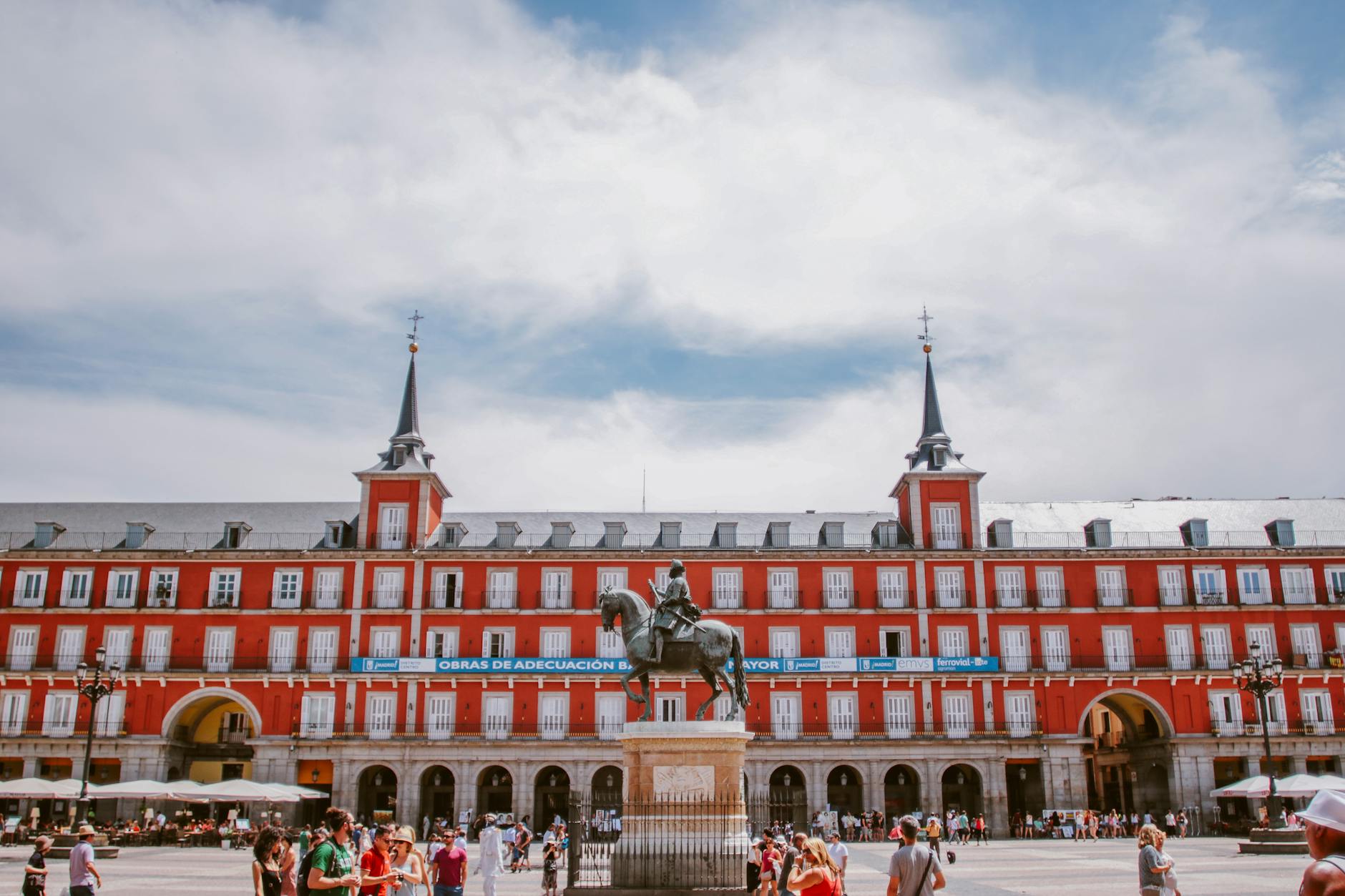
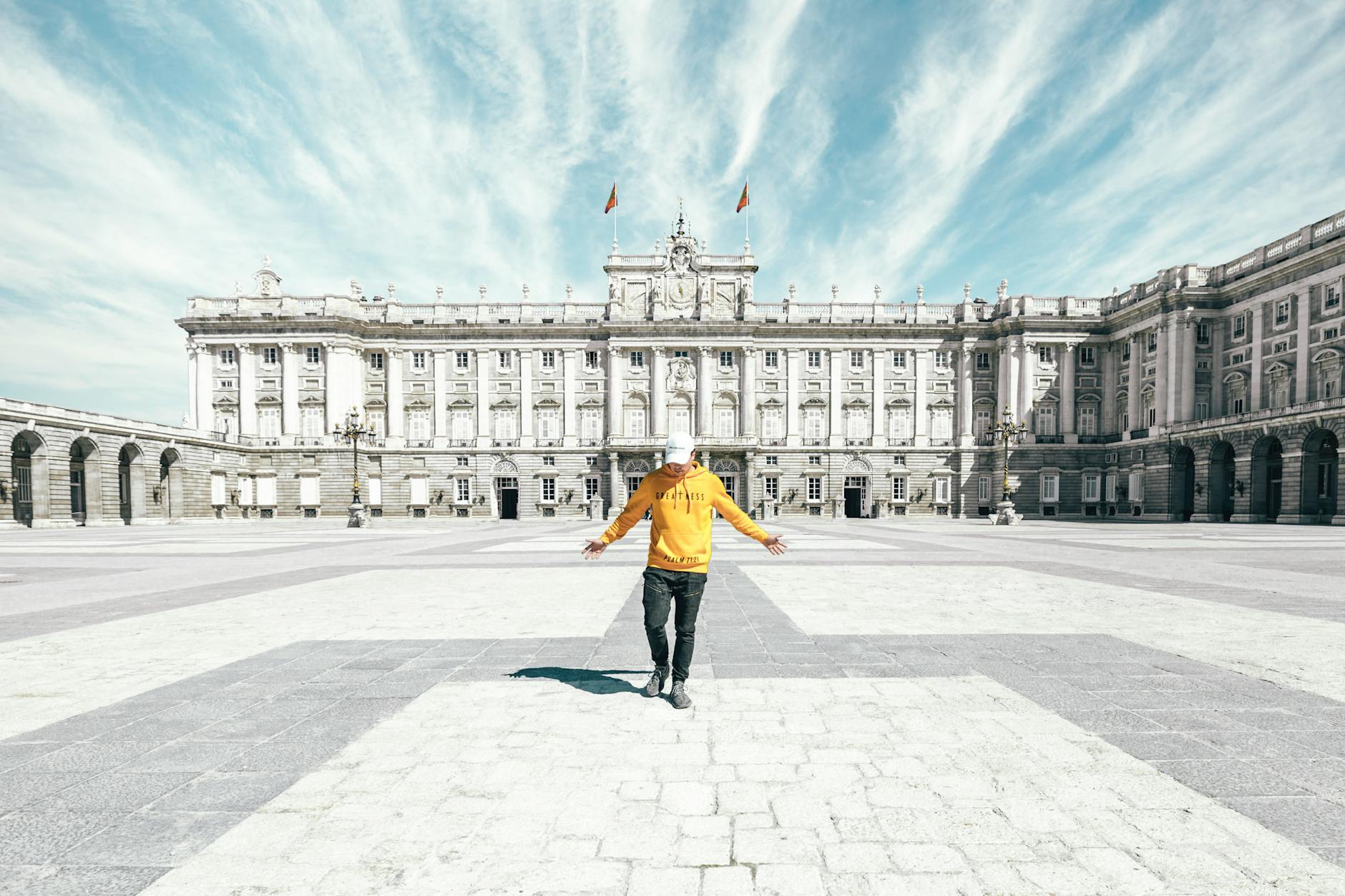
A cruise traveler in Madrid often has less usable time than the calendar suggests. Arrival, luggage, hotel check-in, jet lag, meal timing, ticket windows, and onward transfer stress can shrink a one-day or two-day stop quickly. The city route should be narrow: one or two core zones, not a frantic attempt to cover every famous sight. Royal Palace and Austrias, Prado and Retiro, Sol and Plaza Mayor, or a single food-and-neighborhood route will usually work better than a scattered checklist.
This is especially true for travelers who are using Madrid as a pre-cruise extension. The goal is not to exhaust the group before boarding the ship. A compact route can still feel substantial if it protects meals, shade, bathrooms, seating, and a clean return to the hotel or station. Madrid is best added to a cruise when it deepens the trip, not when it becomes a rushed obligation.
- Use one or two Madrid zones rather than a citywide checklist on a transfer-sensitive stay.
- Choose Royal Palace and Austrias, Prado and Retiro, Sol and Plaza Mayor, or one food route as the day's center.
- Protect meals, seating, shade, bathrooms, and return time so Madrid does not drain the cruise party.
Treat luggage as part of the city plan
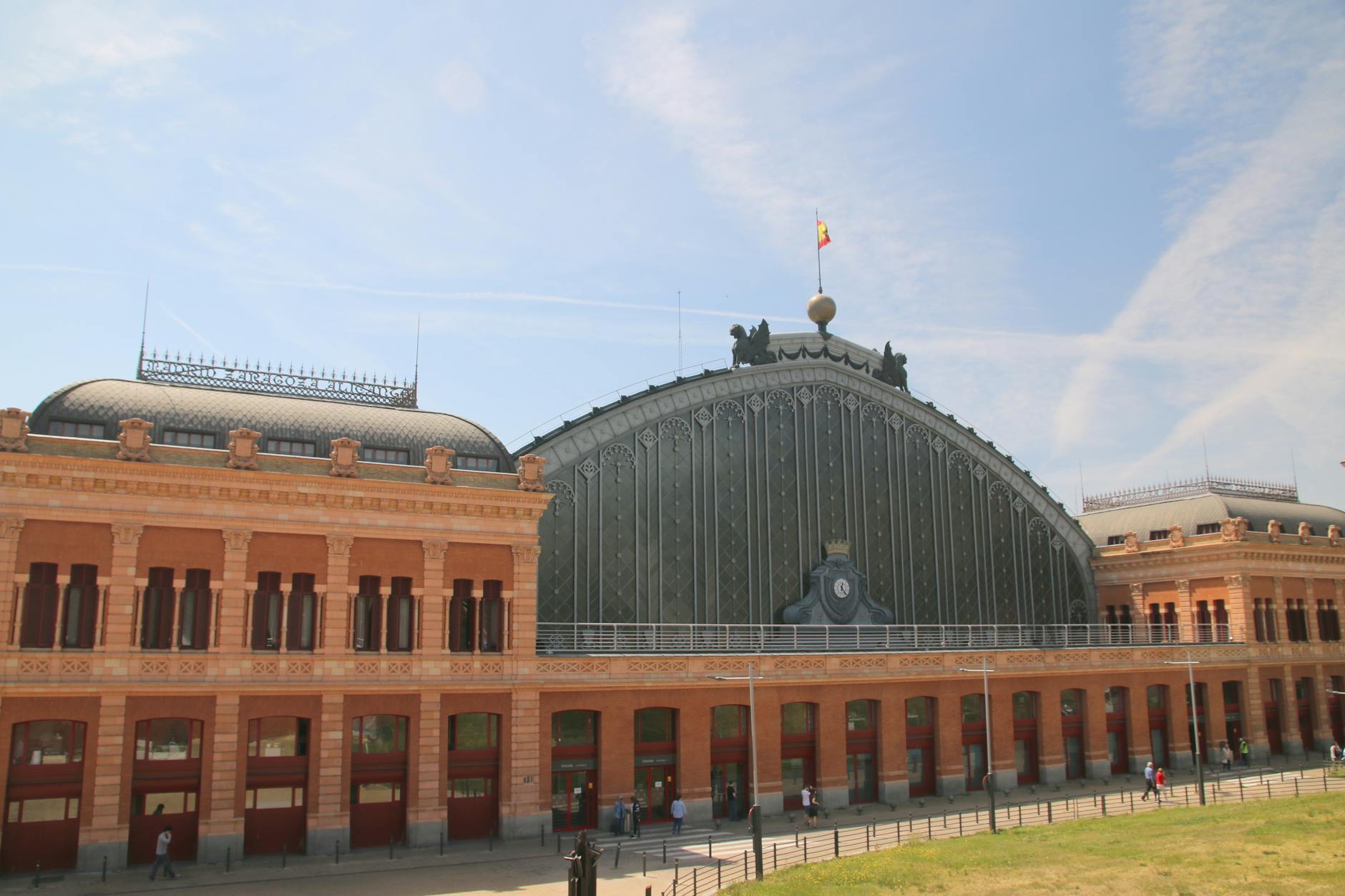
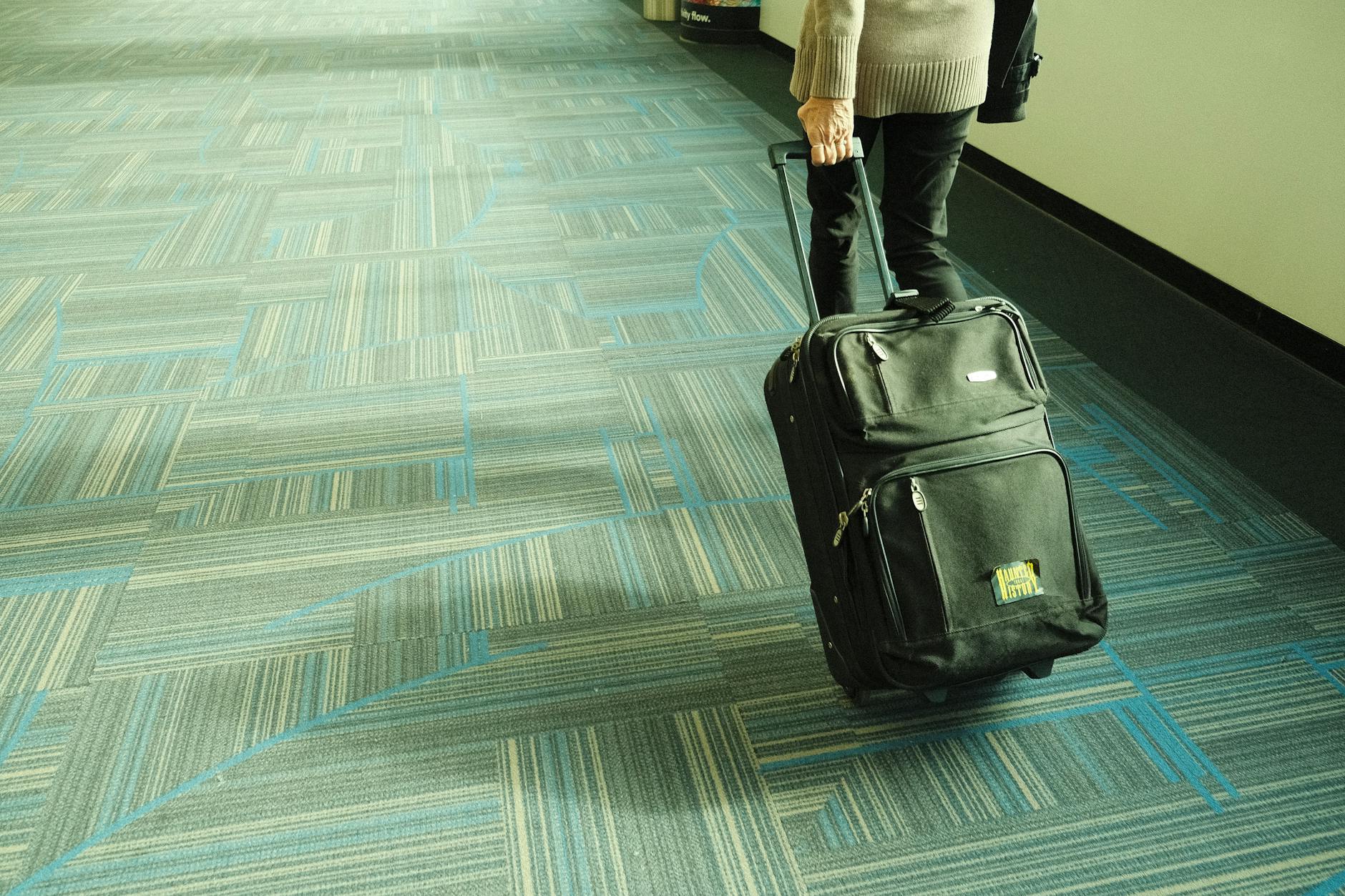
Cruise travelers often carry more luggage than ordinary short-stay visitors: formalwear, medication, mobility aids, extra shoes, checked bags, garment bags, or souvenirs from the voyage. Madrid is workable with luggage only when storage and transfers are settled in advance. Atocha, Chamartin, Barajas, hotel lobbies, apartment rentals, station concourses, Metro stairs, and taxi pickup points all feel different when the traveler is managing large bags.
The practical plan should define where luggage sits at every stage: airport to hotel, hotel to station, station to port-city train, and final transfer to ship or flight. Travelers should avoid building a sightseeing route around bags unless the route is truly door-to-door. If medication, passports, cruise documents, valuables, or formalwear are in the luggage, the risk is not just comfort. It is the possibility that one misplaced bag damages the cruise itself.
- Map luggage storage and transfer handling for hotel, airport, rail station, port-city train, and ship transfer.
- Avoid sightseeing with large cruise bags unless transport is door-to-door.
- Keep passports, cruise documents, medication, valuables, and one change of clothes separate from checked luggage.

Choose transfers for reliability, not just price
Madrid's rail and air links can be efficient, but the cruise traveler should judge them by reliability under pressure. A high-speed train to or from a port city may be the right answer, but only if the traveler knows which station, how luggage is handled, what happens if the train is delayed, and how the final port transfer works. A flight may look faster until airport access, security, boarding time, checked bags, and port-city ground transport are added back in.
Private transfers can be useful for mixed-ability groups, late arrivals, heavy luggage, or tight handoffs, but they should be vetted rather than chosen only by price. The traveler should know pickup location, vehicle size, waiting policy, communication method, and what happens if the ship clears late or a train arrival changes. The cheapest transfer is not cheap if it puts the cruise at risk.
- Compare rail, air, taxi, private car, and cruise-line transfers by full journey reliability, not headline travel time.
- Confirm station, terminal, vehicle size, luggage capacity, waiting policy, and communication method.
- Use a protected buffer when the transfer connects directly to ship boarding or a long-haul flight.

Plan for the whole cruise party
Cruise parties often include different ages, walking speeds, health needs, sleep patterns, and tolerance for uncertainty. Madrid's old streets, museum queues, restaurant timing, summer heat, Metro stairs, station distances, and hotel check-in rules can make a simple extension harder for the slowest traveler than for the person planning it. The Madrid plan should be built for the actual group, not the fastest walker.
Mobility needs, seasickness recovery, medication timing, jet lag, dietary requirements, and post-cruise fatigue should shape the day. A taxi between sights, a hotel near Atocha or a key museum, a shorter walking route, or a restaurant with reliable seating may preserve the trip better than another stop. Madrid can be a graceful pre- or post-cruise addition when the schedule leaves room for bodies to recover.
- Plan around the slowest walker, mobility aids, medication, fatigue, heat sensitivity, and dietary needs.
- Use taxis, shorter loops, and well-placed meals when they protect the cruise party's energy.
- Do not let a Madrid extension exhaust the group before embarkation or immediately after disembarkation.
When to order a short-term travel report
A cruise traveler spending several relaxed nights in Madrid after the voyage may not need a custom report. A report becomes useful when Madrid is tied to a ship deadline, port-city rail connection, cruise-line transfer, same-day flight, heavy luggage, older travelers, mobility limitations, medical needs, several hotel options, or an ambitious plan to see the city with little margin. Those are the trips where generic Madrid advice does not answer the boarding-clock problem.
The report should test the actual port, ship timing, all-aboard deadline, rail or air link, hotel base, luggage storage, transfer sequence, Madrid route, mobility constraints, meal timing, current disruption risks, and fallback options. The value is a Madrid extension that respects the cruise clock. It should help the traveler enjoy the city without gambling the ship, the luggage, or the next leg of the journey.
- Order when Madrid connects to ship timing, port transfers, same-day rail, heavy luggage, or mixed-mobility travel.
- Provide port city, cruise line, ship times, flights, train preferences, hotel candidates, luggage needs, and group constraints.
- Use the report to protect the cruise deadline while making the Madrid stop feel worthwhile.