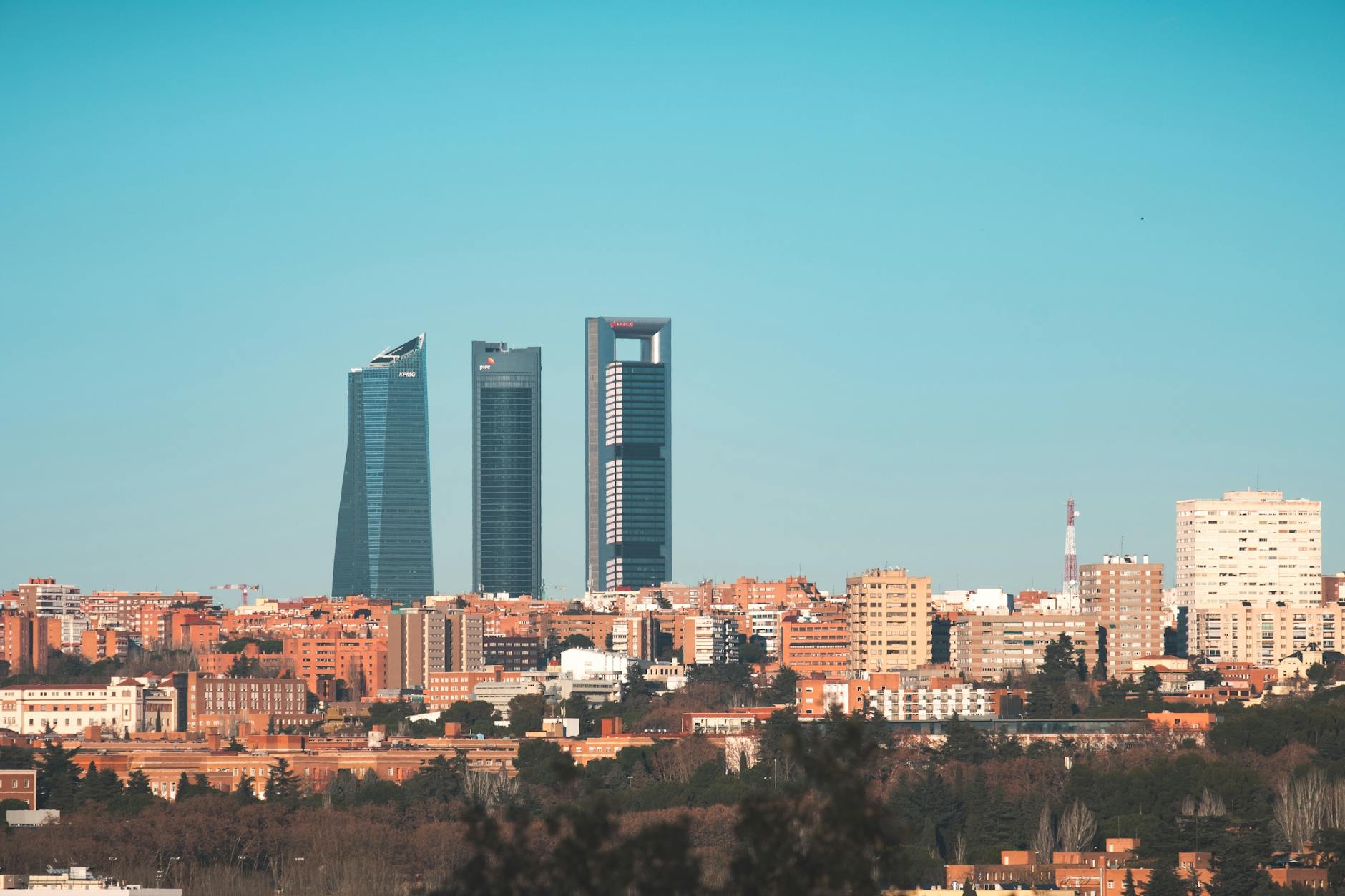
Madrid is a strong business city, but it is not a city where a business visitor should choose a hotel by tourist instinct alone. The meeting map matters. A day based around Cuatro Torres, AZCA, Paseo de la Castellana, Salamanca, Chamartin, IFEMA, Barajas, Atocha, Gran Via, or a government-facing appointment near Cibeles can produce very different movement patterns. The city can feel straightforward when the base matches the agenda and surprisingly inefficient when the traveler tries to combine distant offices, central meals, station transfers, and airport timing without a plan. The best short business visit to Madrid is built around the actual operating day: arrival time, meeting location, hotel base, transport choice, meal expectations, after-work obligations, heat, traffic, and the next departure. Madrid rewards visitors who leave room for longer meals, later evenings, and cross-city movement. It punishes travelers who assume every meeting behaves like a compact central-city trip.
Start with the meeting map
Madrid business travel begins with geography. A visitor with meetings around Cuatro Torres, AZCA, Castellana, Salamanca, IFEMA, Barajas, Atocha, Chamartin, or the historic center is not making one generic Madrid trip. Each cluster changes hotel logic, taxi exposure, meal placement, and how much casual central sightseeing can fit around the workday. A hotel that looks excellent for a leisure weekend may be poorly placed for a morning office meeting north of the center.
The first planning step should be to mark every fixed site: hotel candidates, first meeting, final meeting, airport, rail station, dinner location, and any hosted event. Once those are visible, the traveler can choose whether the trip is a north-Madrid business base, a central-client visit, an IFEMA or airport-weighted schedule, or a mixed itinerary that needs stronger buffers.
- Map every fixed site before choosing the hotel.
- Separate Cuatro Torres, Castellana, Salamanca, IFEMA, Barajas, Atocha, Chamartin, and central Madrid logic.
- Do not assume the best tourist base is the best business base.
Treat Barajas arrival timing as a workday constraint
Madrid-Barajas can work well for business travelers, but arrival timing still shapes the first day. A visitor who lands in the morning may be tempted to schedule a quick first meeting, but passport control, baggage, taxi queues, airport-to-city transfer, hotel bag drop, shower needs, and jet lag can consume more time than expected. A visitor landing close to rush hour should be especially careful about optimistic cross-city timing.
If the first appointment is important, the traveler should protect it from the arrival day. Either arrive the night before, use a later first meeting, or choose a hotel that makes the first movement easy. Barajas is close enough to Madrid to be convenient, but not so close that a tired traveler should build the schedule without margin.
- Account for passport control, baggage, transfer, hotel bag drop, and jet lag before the first meeting.
- Avoid high-stakes first meetings immediately after arrival unless the buffer is strong.
- Use airport-area or north-city logistics when IFEMA, Barajas, or early flights dominate the schedule.
Choose the hotel by the day you cannot miss
Madrid has many attractive hotel neighborhoods, but the business visitor should choose by the least flexible day. If the critical meeting is in the northern business corridor, staying closer to Castellana, Chamartin, or Salamanca may be more useful than a Gran Via or old-center base. If the trip depends on rail, Atocha or a well-connected central base may make sense. If the visit is tied to IFEMA, airport access may matter more than restaurant density.
The hotel should also support work between meetings. Quiet rooms, reliable Wi-Fi, early check-in, late checkout, lobby meeting space, nearby taxis, and a sensible route to dinner can matter more than design. Business visitors often underestimate how much the hotel has to function as office, recovery point, luggage base, and evening reset.
- Base the hotel on the least flexible business day, not the prettiest neighborhood.
- Check quiet workspace, Wi-Fi, early check-in, late checkout, luggage handling, and taxi access.
- Choose central charm only when it still supports the meeting map.
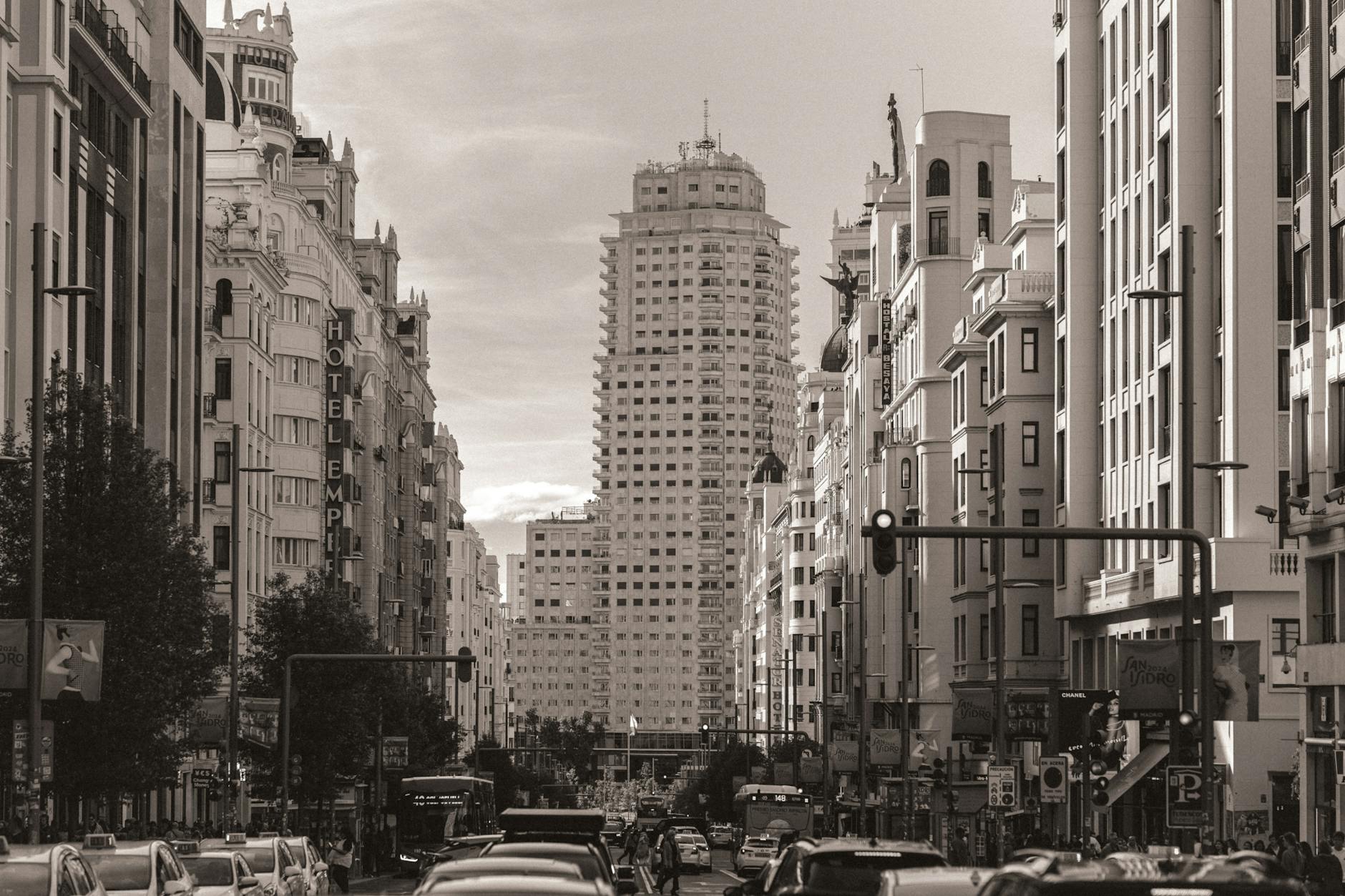
Plan movement by mode, not habit
Madrid gives business visitors several workable movement options: taxis, metro, Cercanias, airport links, high-speed rail, and walking in selected central areas. The right choice depends on luggage, suit or presentation clothing, heat, meeting stakes, time of day, and whether the traveler is moving to an office, station, airport, or dinner. A metro trip that is fine for a light traveler may be a poor choice with bags and a tight appointment.
Atocha, Chamartin, and Barajas each require their own timing logic. If the traveler is connecting to AVE or regional rail, station navigation and platform timing should be treated seriously. If taxis are the main plan, the traveler should still understand where traffic and pickup friction may appear. Business travel fails less often from one dramatic problem than from repeated small delays.
- Choose taxi, metro, rail, or walking based on luggage, weather, timing, and meeting stakes.
- Treat Atocha, Chamartin, and Barajas as separate timing problems.
- Build margin for station navigation, traffic, pickup friction, and platform timing.
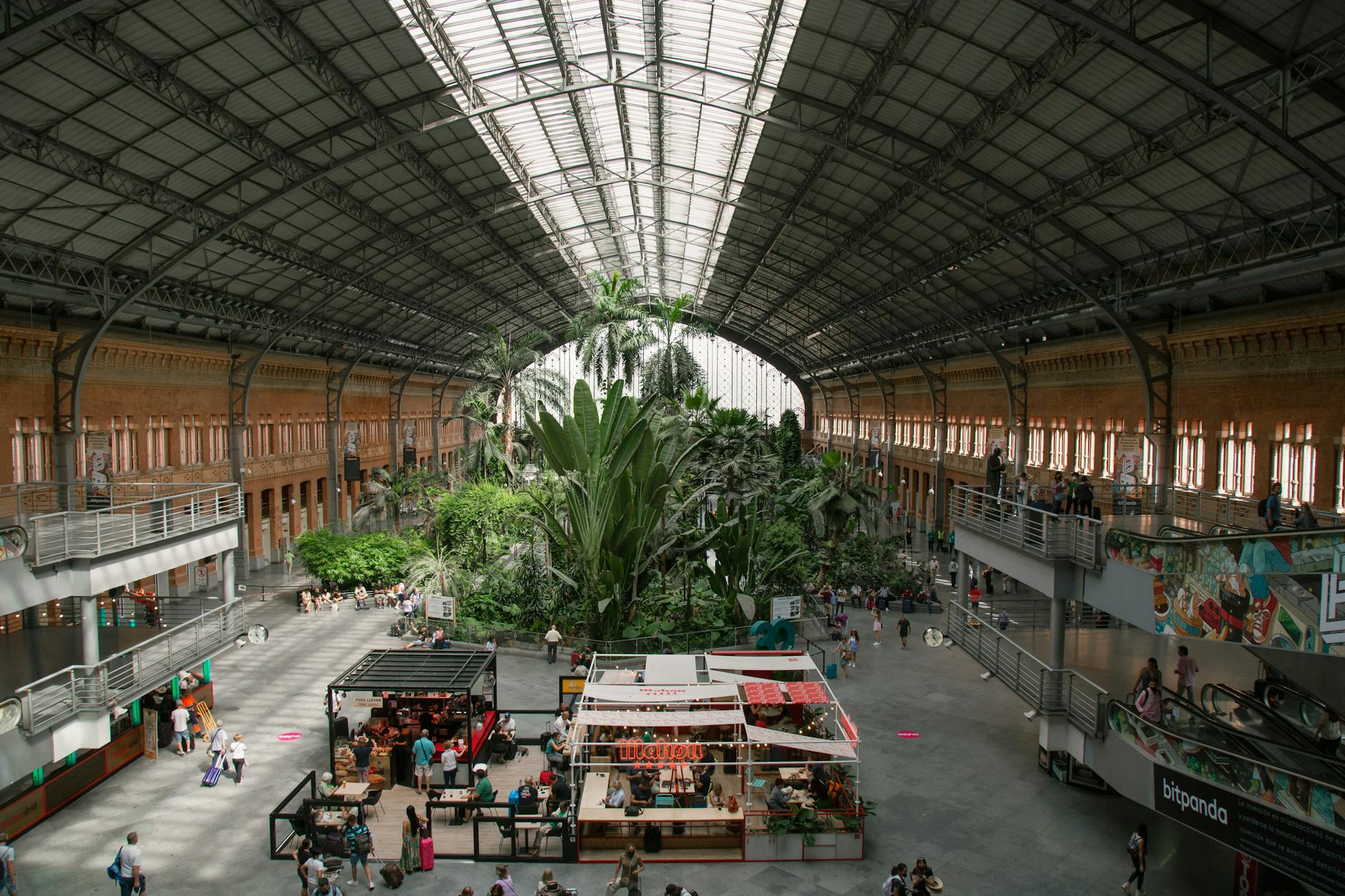
Use meals as relationship work
Madrid business meals can carry real relationship weight. Lunch may run longer than an outsider expects, dinner may begin later, and drinks or coffee after a meeting can be more useful than another rushed agenda item. A visitor should not treat meals as empty space between meetings. They are often where the tone of the business relationship is set, especially when working with Spanish counterparts, regional partners, investors, or public-sector contacts.
Meal planning should respect energy and location. A heavy lunch before a presentation may be a mistake. A dinner across town after a long arrival day may turn into a fatigue problem. If the meal is hosted, confirm dress expectations, dietary needs, payment customs, transport afterward, and whether a late evening affects the next morning. Madrid can make business hospitality feel easy, but it still needs schedule discipline.
- Treat lunch, dinner, coffee, and drinks as part of the business program.
- Account for later dinners, longer meals, host expectations, and next-morning commitments.
- Place meals near the business route when the schedule is dense.
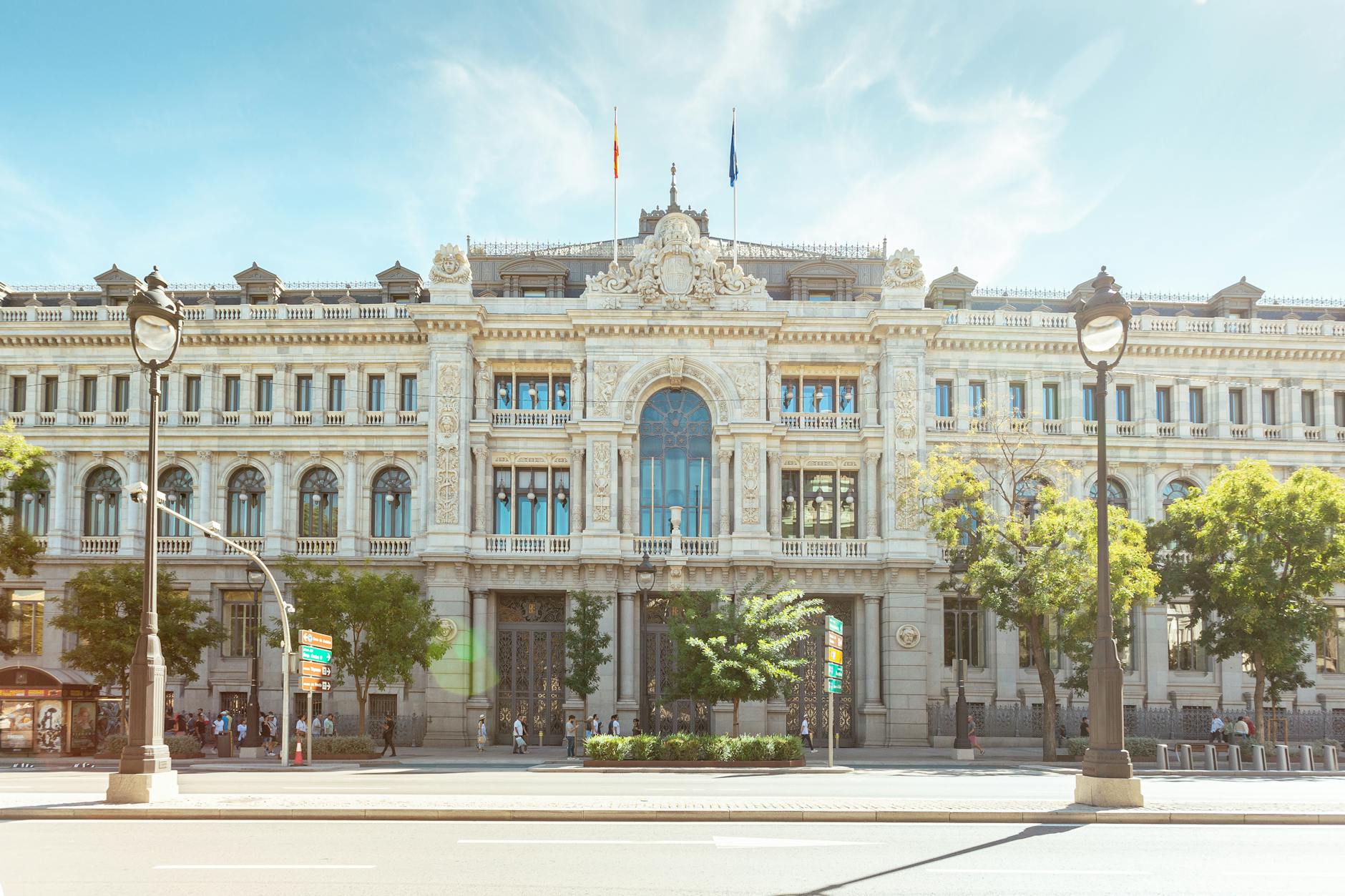
Protect the schedule from heat, crowds, and visibility
Madrid can add friction through heat, sun exposure, demonstration routes, football crowds, events, construction, and tourist-zone density. None of these makes business travel unworkable, but they can affect clothing, walking choices, taxi timing, meeting arrival, and laptop or document security. Summer heat in particular can make a short walk in business clothing feel longer than it looks on the map.
The business visitor should plan appearance and security together. Keep devices controlled in crowded areas, avoid leaving bags loose at cafes or stations, and use taxis or direct routes when carrying documents, samples, or presentation equipment. If the traveler has public visibility, a sensitive meeting, or a high-value itinerary, route and hotel choices should be more deliberate.
- Account for heat, sun, demonstrations, major events, football crowds, and tourist-zone density.
- Protect laptops, documents, samples, and presentation equipment in stations, cafes, and crowded areas.
- Use direct routes when visibility, sensitive meetings, or high-value materials raise the stakes.
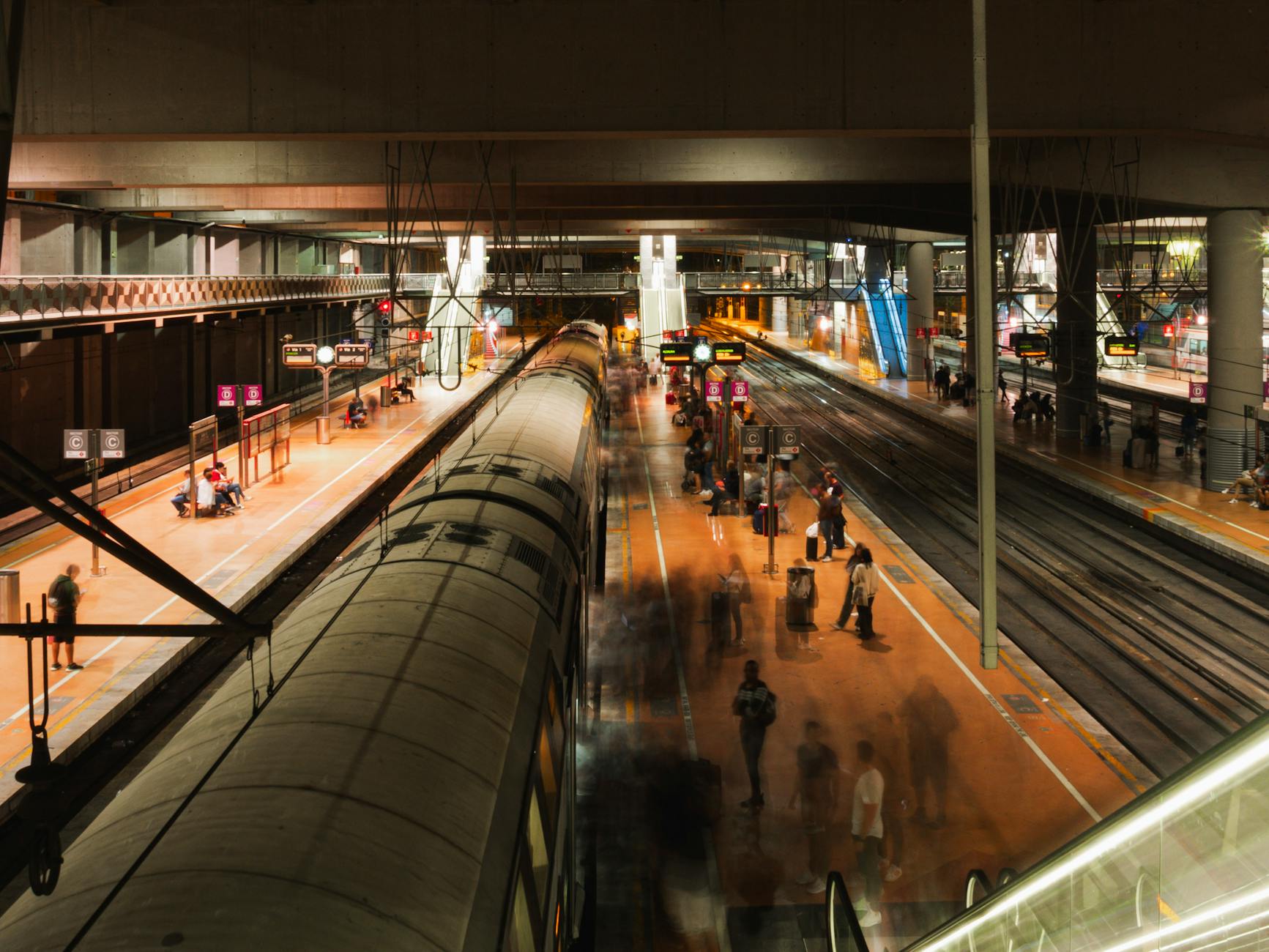
When to order a short-term travel report
A business visitor with one low-pressure meeting and a flexible hotel may not need a custom Madrid report. A report becomes more useful when the trip includes multiple offices, Barajas arrival timing, IFEMA or conference exposure, rail transfers, senior meetings, hosted meals, public-sector appointments, presentation equipment, tight same-day movement, or a traveler who cannot afford preventable delays.
The report should test the meeting map, hotel base, airport and station transfers, route timing, meal placement, current local disruptions, neighborhood fit, device and document exposure, and backup options. The value is a Madrid business trip that feels calm because the city has been planned around the work rather than around generic sightseeing advice.
- Order when multiple sites, senior meetings, IFEMA, Barajas, rail links, hosted meals, or tight timing create risk.
- Provide meeting addresses, hotel candidates, arrival and departure details, meal obligations, luggage, and equipment needs.
- Use the report to make Madrid work around the business day, not the other way around.