Madrid can be a strong budget-travel city because many of its pleasures do not require premium spending. Plazas, Retiro, Gran Via street life, neighborhood walks, markets, inexpensive cafes, public transport, museum free-entry windows when available, and simple food routines can carry a short trip if the traveler plans deliberately. The problem is not that Madrid is impossible on a budget. The problem is that cheap choices can quietly become expensive when they waste time, sleep, energy, meals, or late-night confidence. The right budget plan does not choose the cheapest version of every decision. It decides where spending protects the trip and where Madrid can be enjoyed without buying every experience. A slightly better-located room, a simple airport transfer, a strategic metro ride, one meaningful paid attraction, or a planned lunch may save more value than a day built from false economies. Budget travel works when the savings are intentional.
Budget by total friction, not nightly rate
The cheapest room in Madrid may not be the cheapest trip. A low rate can become expensive if it adds long commutes, weak sleep, awkward check-in, poor luggage storage, bad late-night returns, or repeated taxis because the final walk feels wrong. Budget travelers should compare lodging by total trip friction: room price, transport time, meal access, noise, elevator needs, desk support, cancellation terms, and whether the location supports the actual itinerary.
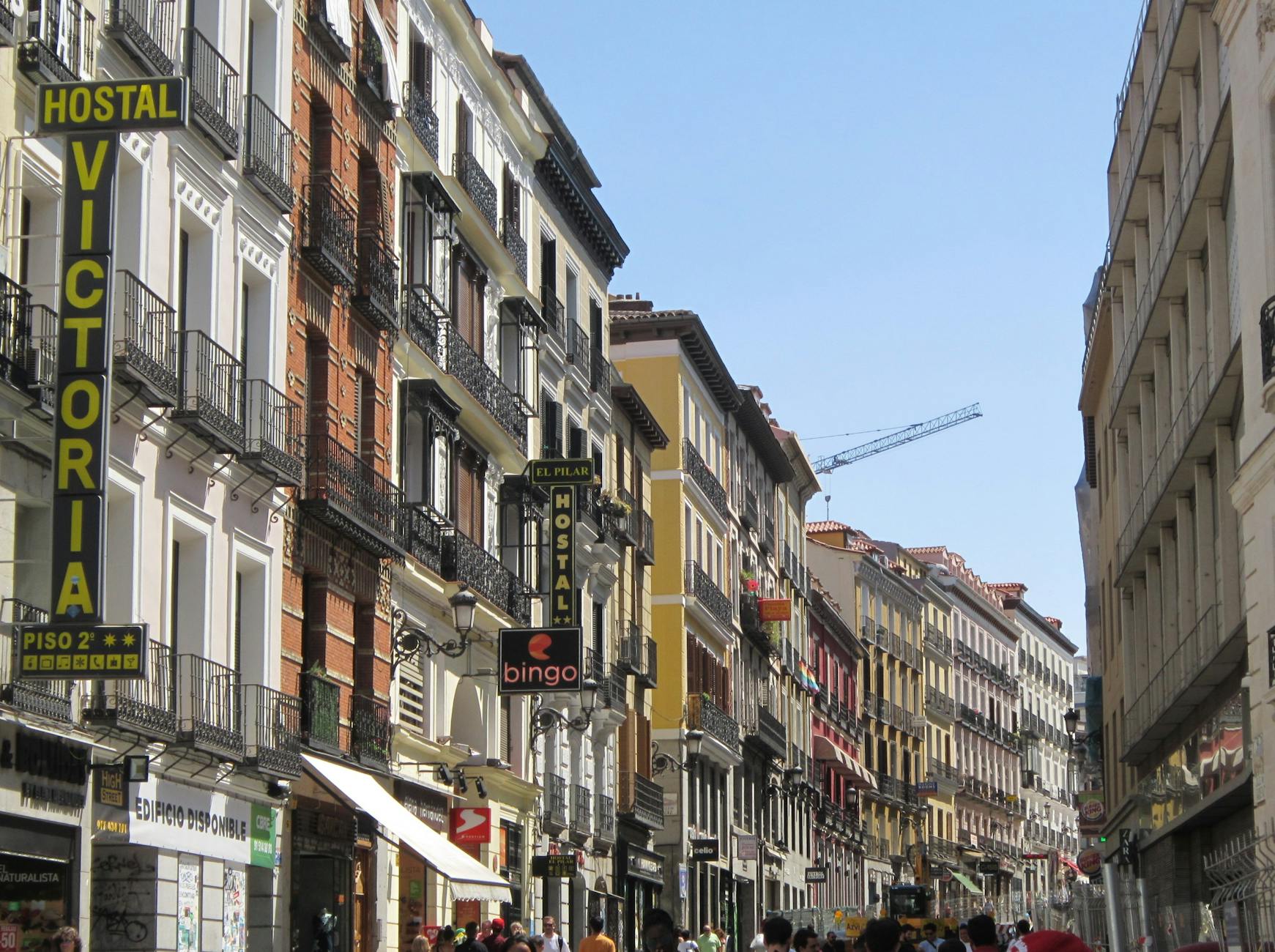
Sol and Gran Via can save time but may raise noise and room cost. Las Letras can be useful for museums and walkable evenings. Atocha can work for rail and museum plans. Lavapies and La Latina may offer food and street life, but the exact block matters. Chamberi, Arganzuela, Moncloa, or other less central areas can be good value when the metro connection is clean. A distant bargain should be treated as a logistics decision, not a victory by default.
- Compare room price with transport time, meal access, sleep quality, check-in, luggage storage, and evening returns.
- Pay slightly more when location prevents taxis, weak meals, poor sleep, or wasted hours.
- Treat distant bargains as full logistics decisions rather than automatic savings.
Use metro and buses with real route logic
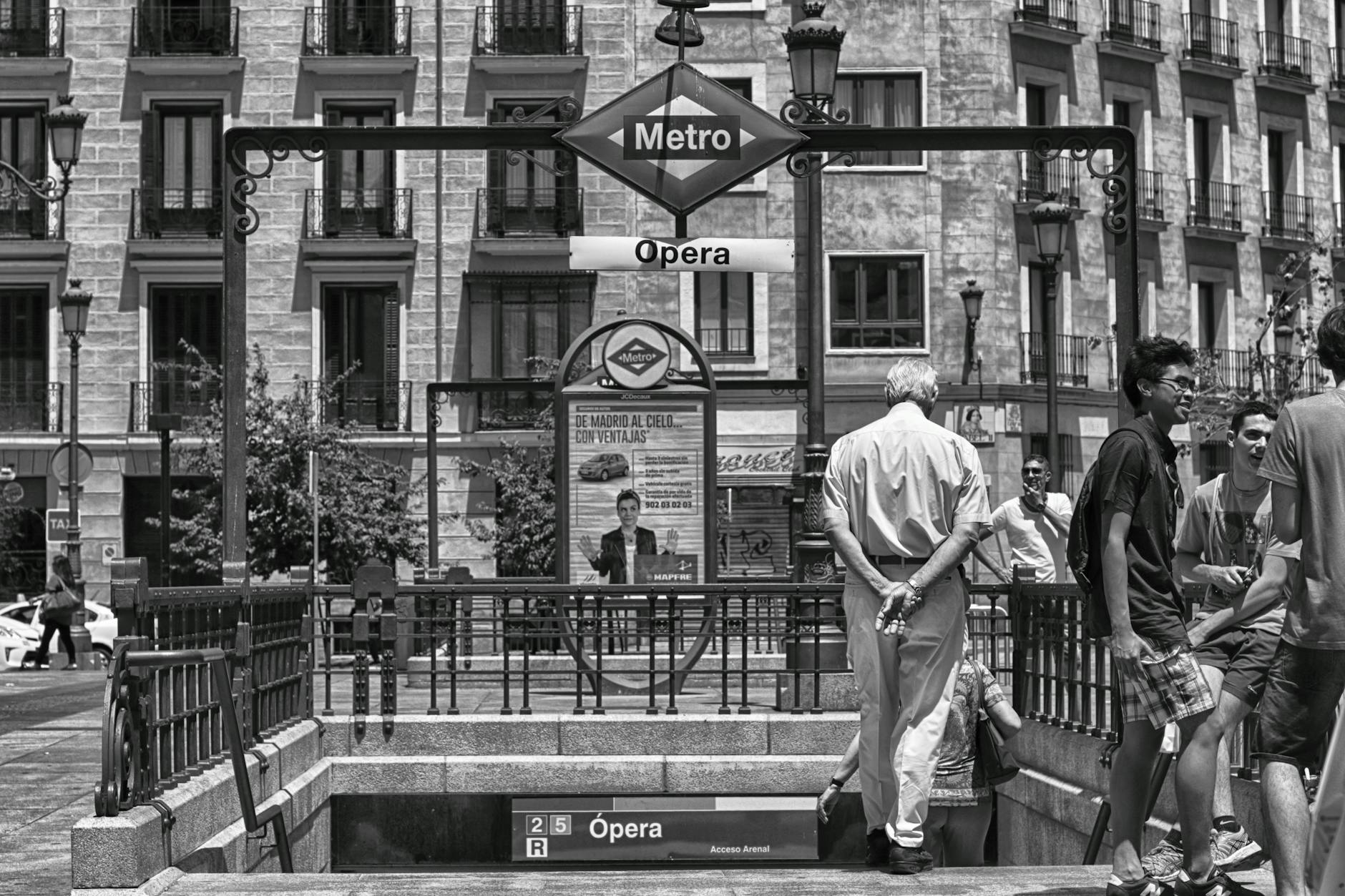
Madrid's metro and buses are powerful budget tools, but they should still be used with route logic. A simple metro connection can make a less expensive hotel workable. A bus can preserve money and show more of the city when time is flexible. Walking can be excellent between the palace, old center, Las Letras, museums, Retiro, and Gran Via. But the cheapest route is not always the best route when luggage, heat, fatigue, late hours, or multiple transfers are involved.
Airport and rail arrival should be priced before the booking is final. A cheap flight that lands late or a room that requires several transfers may cost more in stress than it saves in cash. Budget travelers should know the main route, a backup route, and the threshold at which a taxi is a practical choice rather than a budget failure.
- Use metro, buses, walking, and occasional taxis according to time, fatigue, luggage, heat, and transfer complexity.
- Price Barajas, Atocha, or Chamartin arrival before treating a cheap flight or room as a bargain.
- Know when a taxi protects the trip enough to justify the cost.
Build around Madrid's free and low-cost strengths
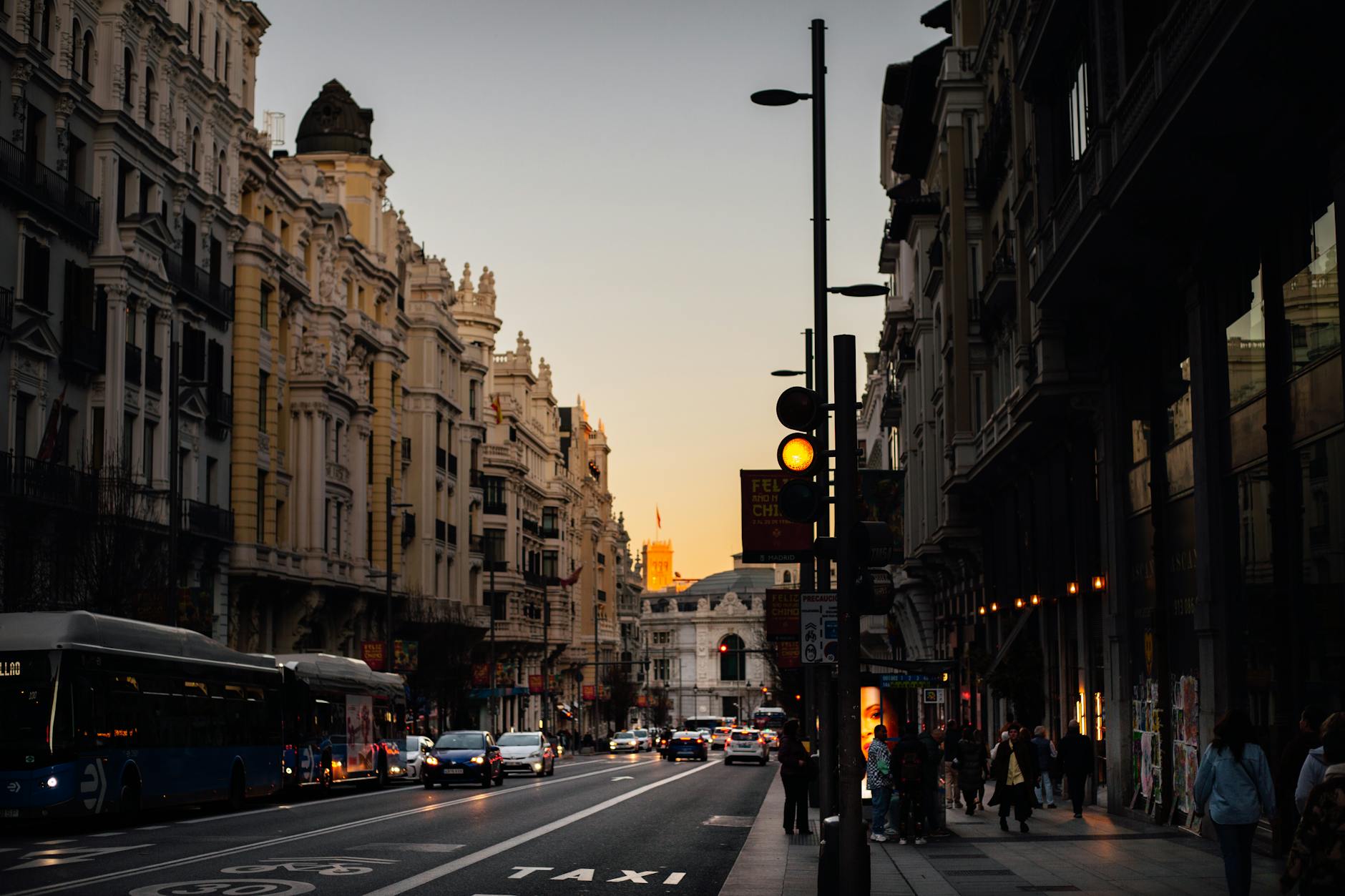
A Madrid budget itinerary should not feel like a weaker version of an expensive trip. Retiro, Plaza Mayor, Puerta del Sol, Gran Via, palace-area exterior walks, neighborhood wandering, markets, street life, churches from the outside, public squares, and selected museum free-entry windows when available can all carry meaningful time. The traveler should check current rules instead of assuming free access, but the principle is stable: Madrid has plenty of value outside ticketed attractions.
Free does not mean unplanned. Retiro can be a real afternoon reset. A palace-area walk can be a strong morning even without an interior ticket. A museum exterior, cafe, and neighborhood walk can beat paying for a rushed visit the traveler barely absorbs. The budget traveler should choose free anchors deliberately, then reserve money for the paid pieces that truly matter.
- Use parks, plazas, exterior walks, markets, neighborhood routes, and checked free-entry windows as primary anchors.
- Treat Retiro and public-space time as real itinerary value, not filler.
- Save paid spending for experiences the traveler actually cares about.
Make food savings intentional
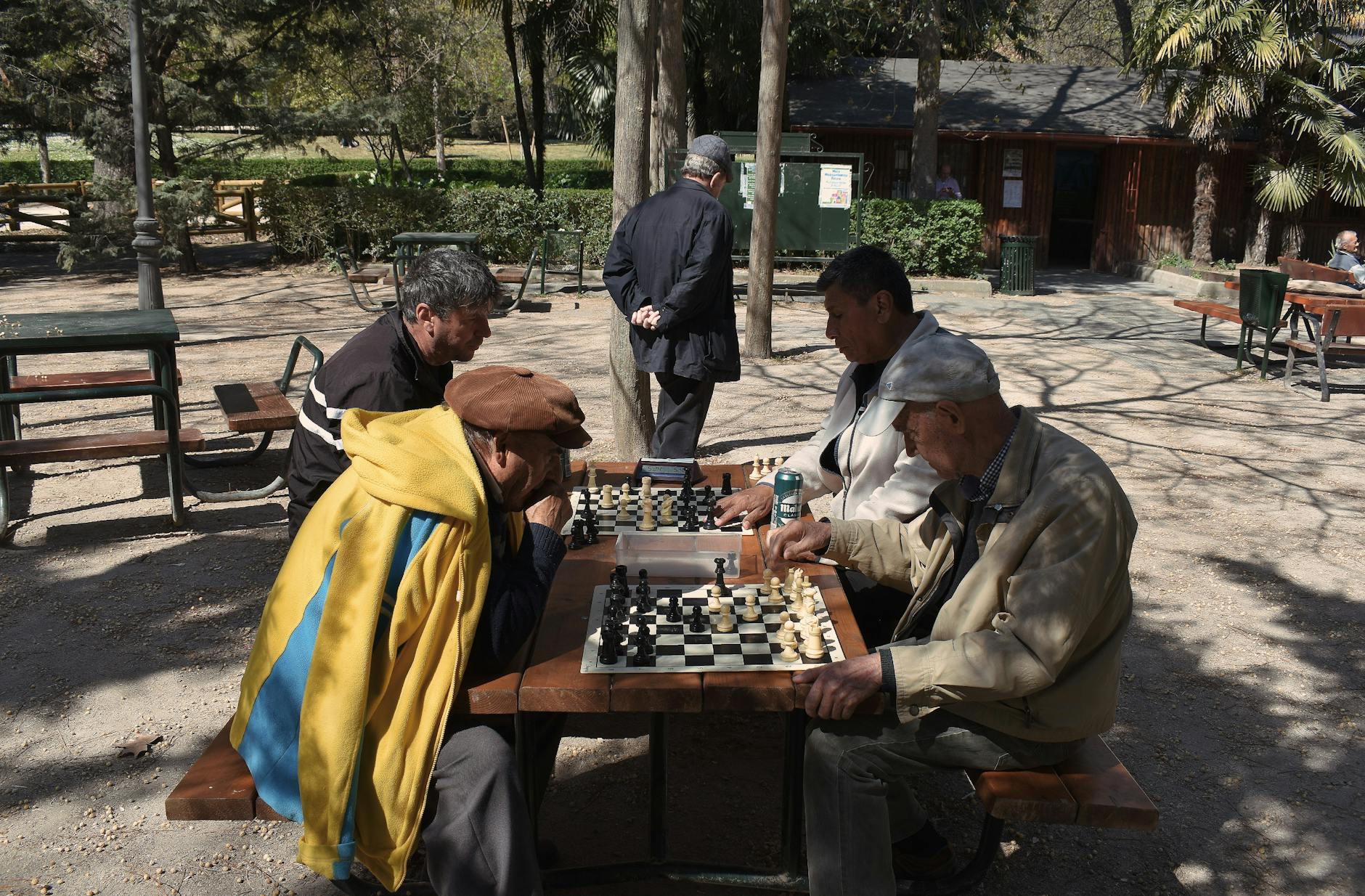
Food can quietly break a Madrid budget because hunger often arrives in the most convenient and expensive place on the route. A budget traveler should know where breakfast, lunch, groceries, markets, bakeries, simple tapas bars, and hotel-area backups fit before the day begins. Madrid rewards a mixed strategy: inexpensive breakfast, a strong lunch, one or two planned food experiences, and simple dinners when the day has already been full.
Markets and tapas streets are not automatically cheap, and grocery meals are not automatically joyless. A market stall, fruit shop, bakery, supermarket, neighborhood bar, or menu-style lunch can all be smart depending on timing and location. The weak budget choice is reaching dinner tired, hungry, and stranded near the highest-price option because no food geography was planned.
- Map breakfast, lunch, groceries, markets, bakeries, simple tapas, and hotel-area backups before hunger decides.
- Use one meaningful food spend and one low-cost fallback most days.
- Avoid emergency meals in the most convenient tourist location after the day has already gone long.
Choose paid experiences by priority
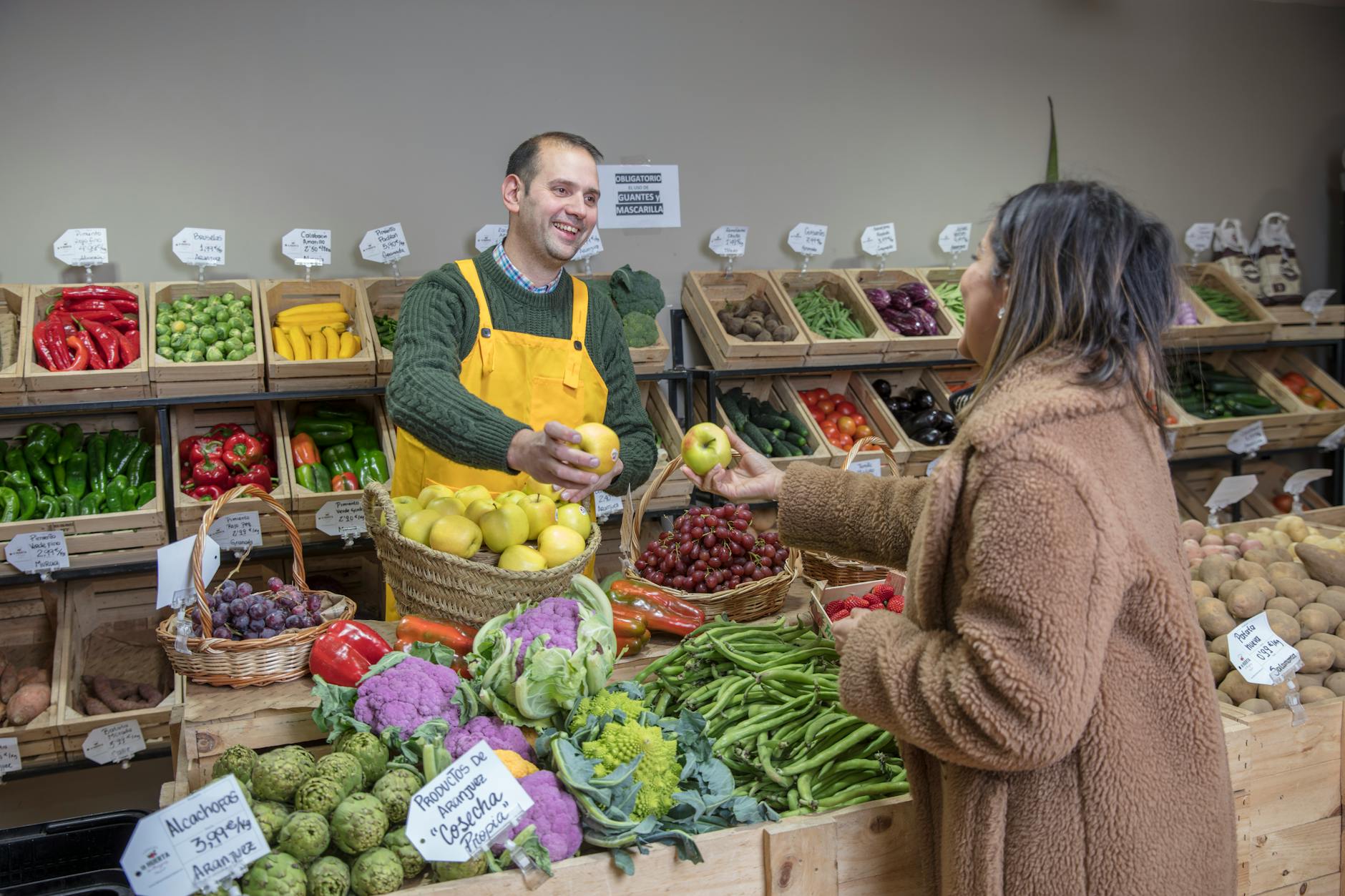
Budget travel does not require skipping Madrid's paid experiences. It requires choosing them honestly. The Prado, Royal Palace, a flamenco evening, a football match, a special exhibition, a rooftop, a guided walk, or a day trip can be worth the money if it is the point of the trip. The mistake is spending small amounts all day on mediocre substitutes and then skipping the one experience the traveler actually wanted.
Paid items should structure the day. If the Prado is the anchor, the surrounding plan can use Retiro, Las Letras, and a simple meal. If the palace interior matters, the old center should be paced around that ticket. If a flamenco or match night is the priority, the afternoon should not be so overloaded that the traveler arrives exhausted. A good budget plan protects one or two paid moments by keeping the rest of the day affordable.
- Choose one or two paid anchors that genuinely define the trip.
- Build nearby low-cost activities around paid tickets instead of stacking admissions.
- Cut filler purchases before cutting the experience the traveler most wants.
Avoid false economies after dark
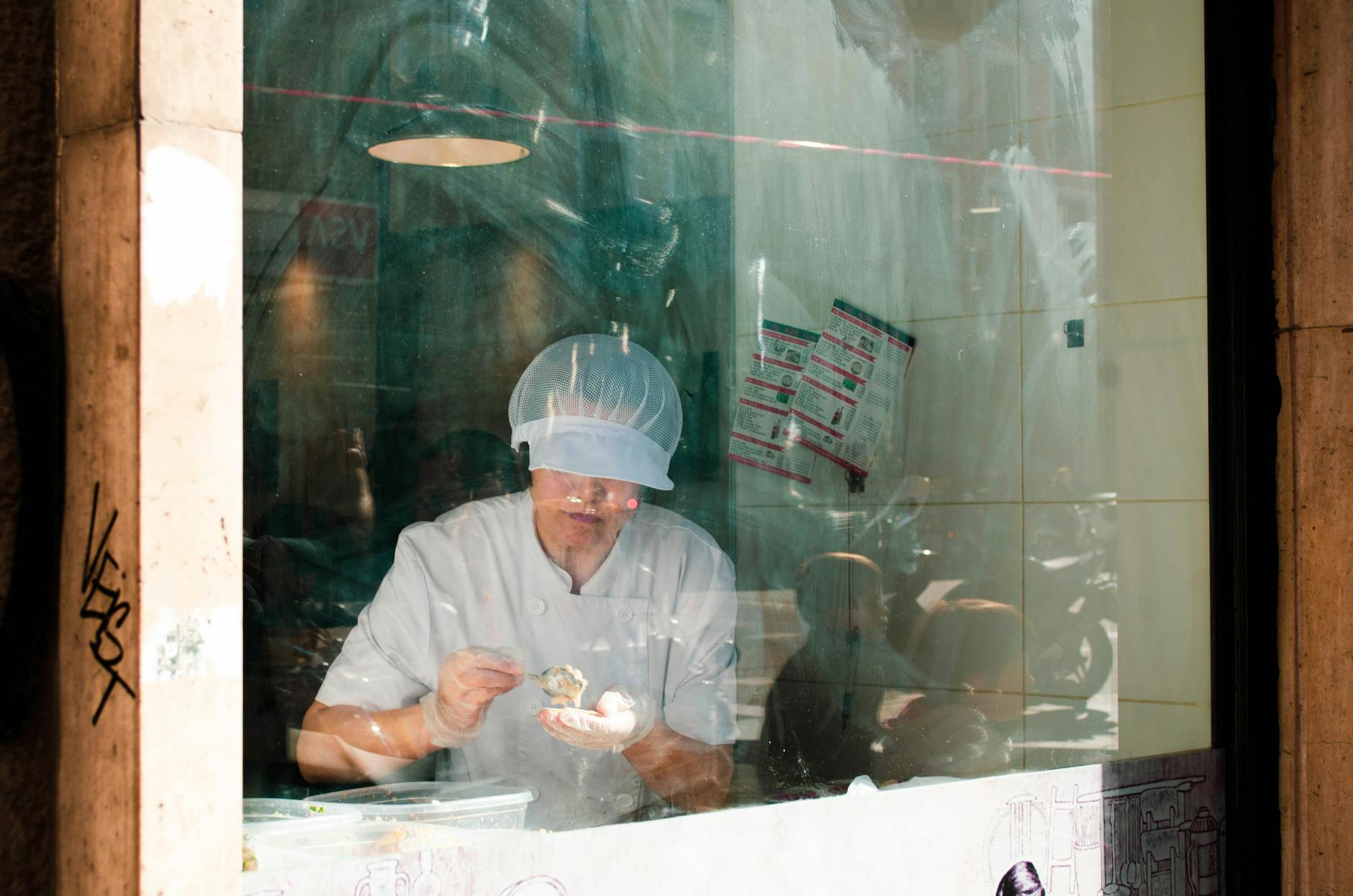
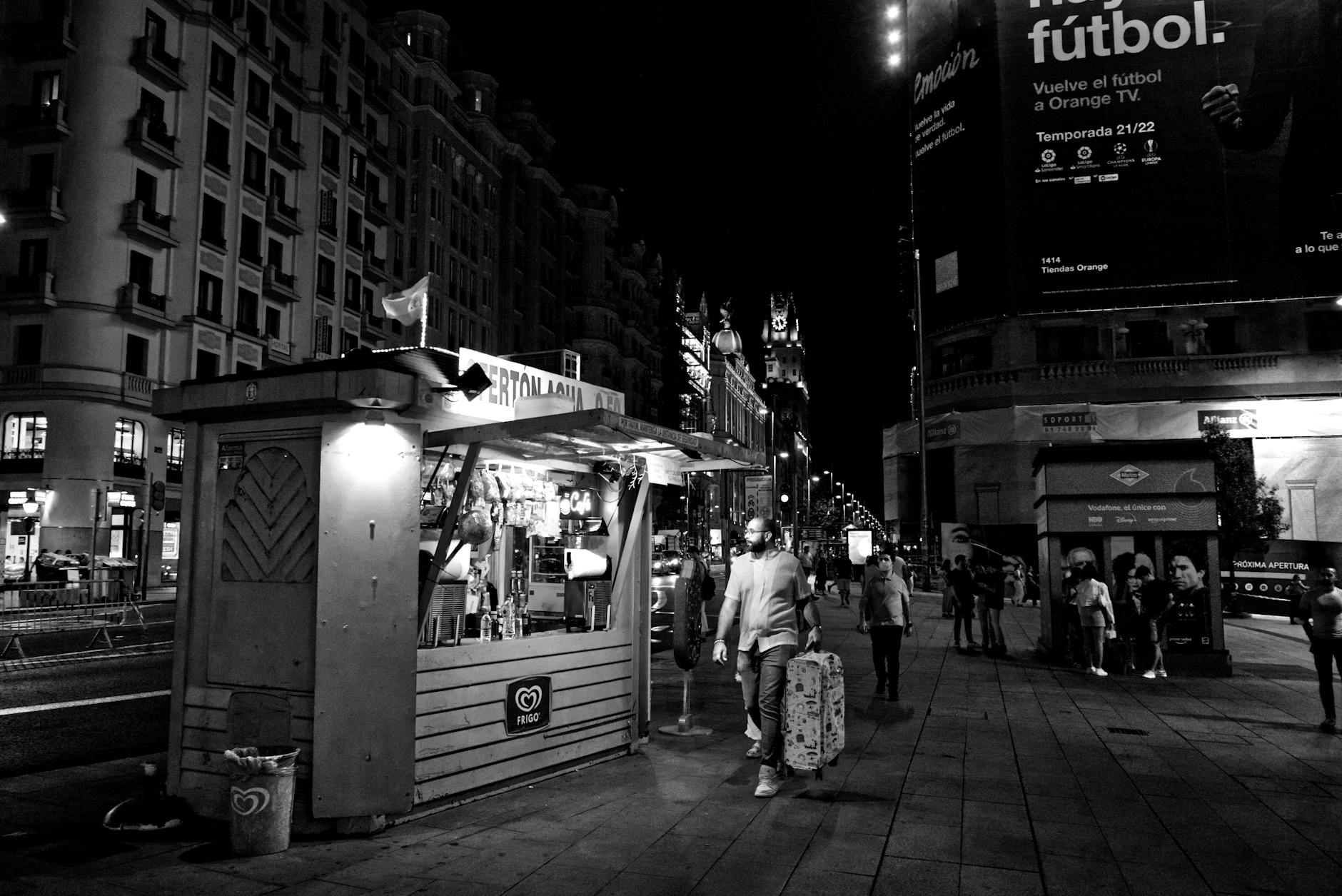
The most expensive budget mistakes often happen late. A traveler saves money on lodging but spends it on taxis because the return route is weak. A cheap dinner area becomes costly because the hotel is far away. A phone disappears during a distracted map check. A tired traveler walks too far because they do not want to pay for a ride. Madrid evenings can be affordable and excellent, but the return route should be chosen before the night is underway.
Budget travelers should protect phone, passport, cards, and bag as part of the financial plan. Replacing a phone or losing a passport costs more than almost any taxi. Sol, Gran Via, Plaza Mayor, metro entrances, nightlife streets, terrace areas, and late food stalls require ordinary urban discipline: zipped bags, controlled phone use, backup payment separated from the daily card, and no long map checks at the curb.
- Set a late-night transport threshold before leaving the hotel.
- Spend on a simpler route when the alternative risks fatigue, exposure, or a lost final hour.
- Protect phone, passport, payment cards, and bag as a budget strategy, not only a safety habit.
When to order a short-term travel report
A budget traveler with a central room, loose schedule, and strong Madrid confidence may not need a custom report. A report becomes more useful when the traveler is choosing among cheap but very different hotels or hostels, arriving late, comparing airport and rail costs, managing a tight paid-ticket budget, traveling with medical or mobility constraints, or trying to keep food costs low without turning the trip into supermarket survival.
The report should test lodging location, arrival transfer, metro and bus strategy, low-cost food geography, free and low-cost route anchors, paid priorities, evening returns, current local disruptions, weather implications, and where spending a little more protects the whole trip. The value is not making Madrid sound cheap. It is making the budget honest.
- Order when lodging, arrival transfer, food cost, paid tickets, mobility, or late returns could change the real budget.
- Provide hotel or hostel candidates, arrival details, budget range, walking tolerance, food priorities, and must-pay experiences.
- Use the report to separate smart savings from false economy.