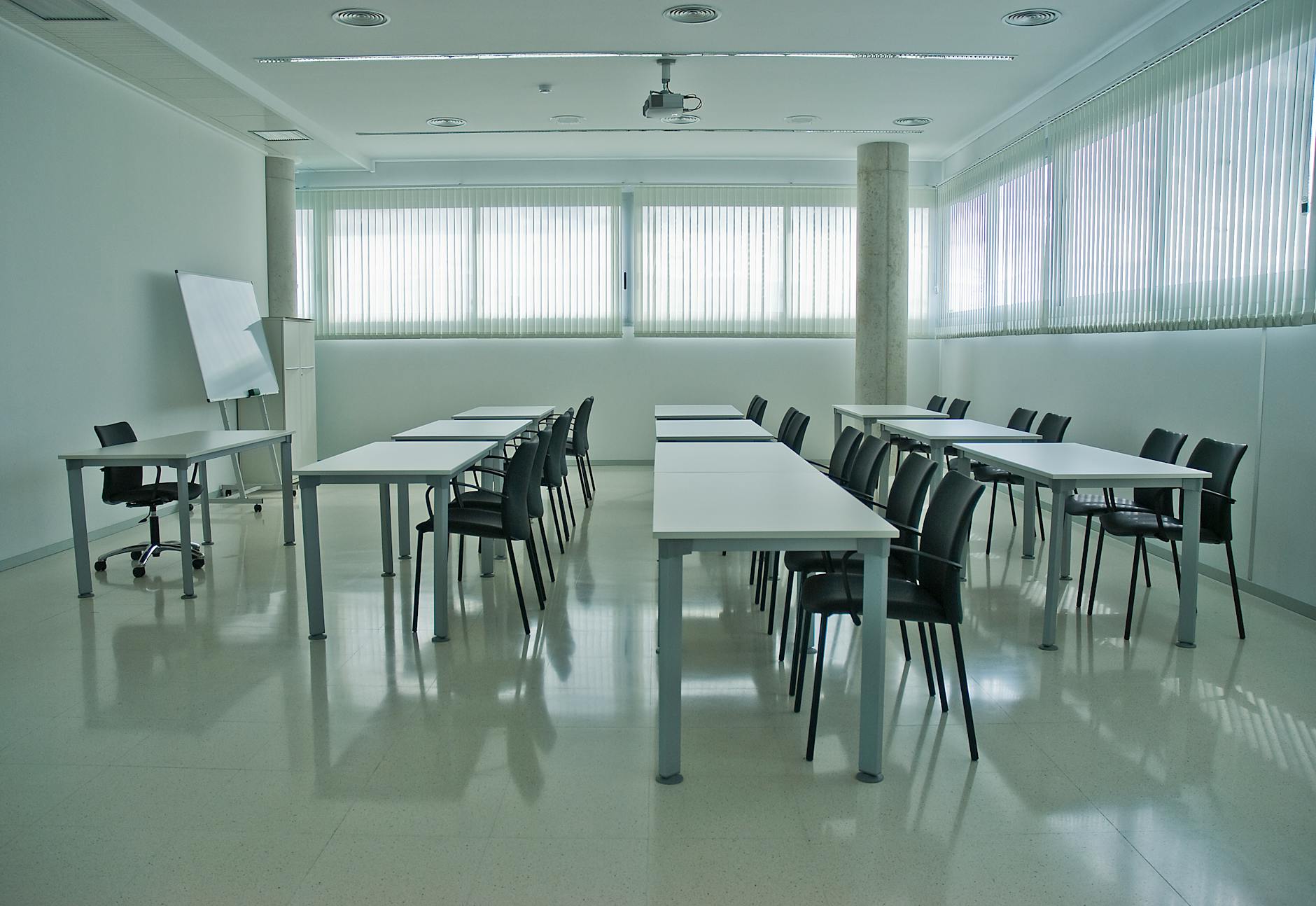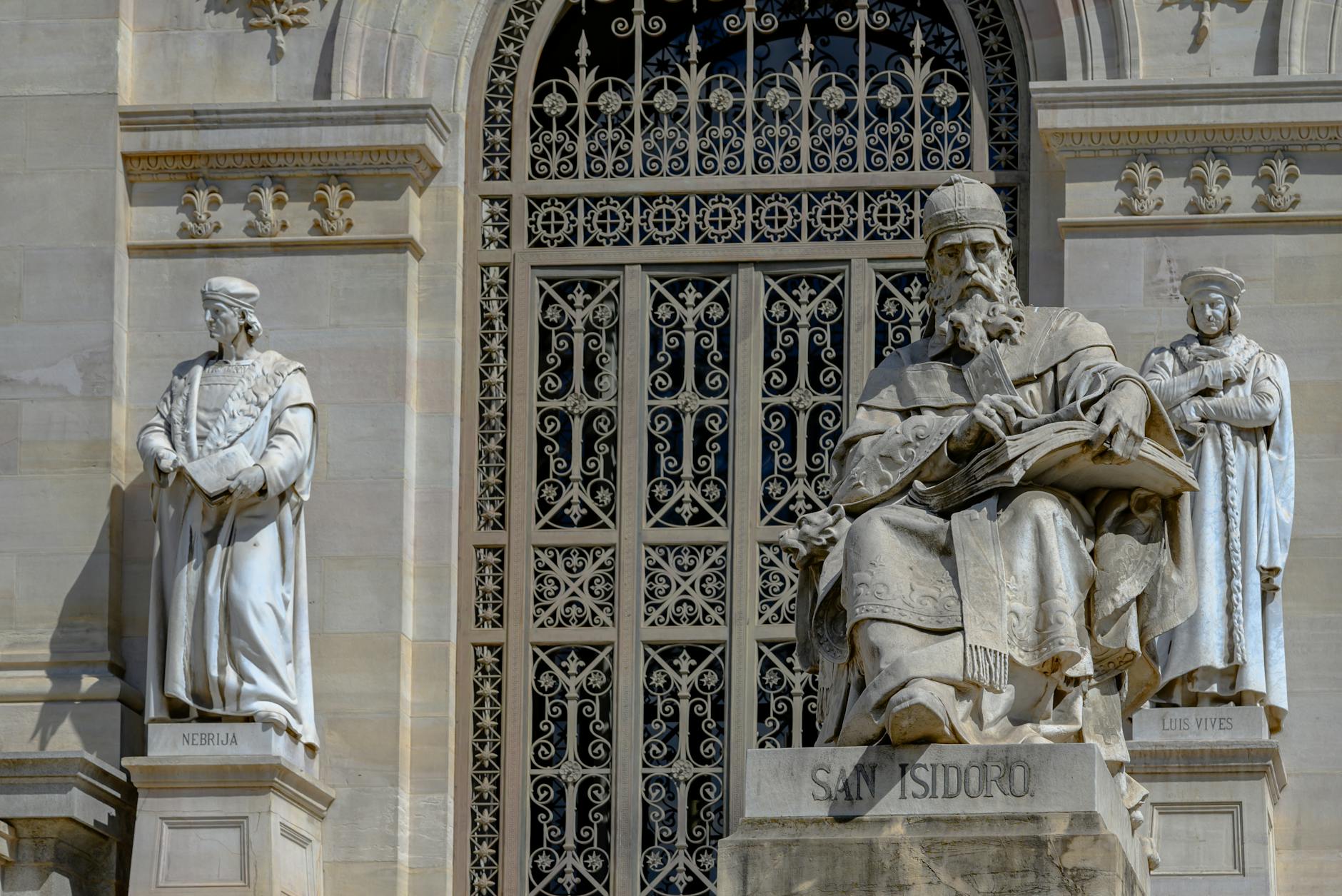
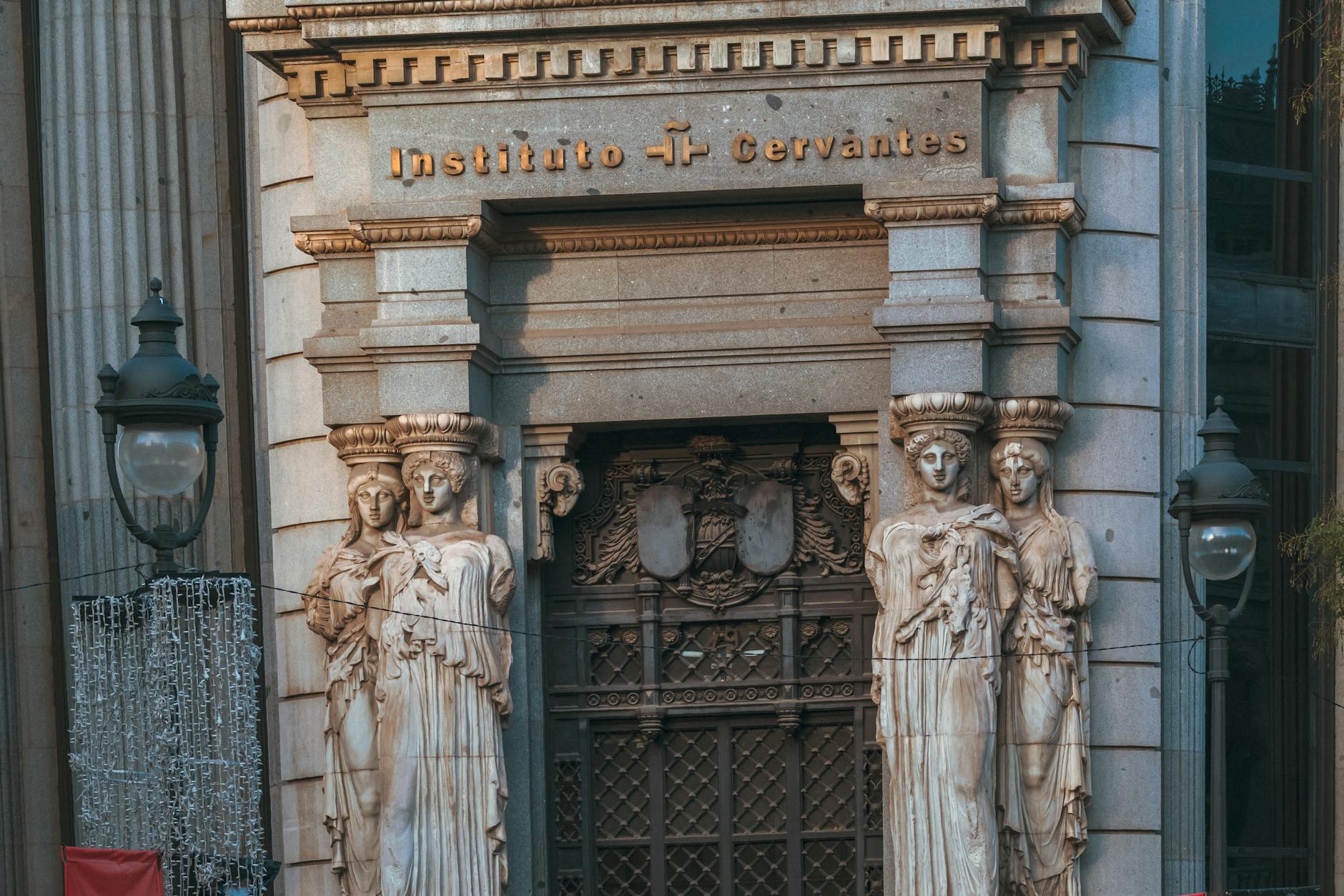
Madrid can be an excellent academic conference city, but the experience depends heavily on the kind of venue. A meeting at a university campus, research institute, hotel ballroom, IFEMA-style convention setting, museum-adjacent venue, or central cultural institution creates a different trip. The academic traveler is not just attending sessions. They may be presenting a paper, defending a poster, meeting a collaborator, interviewing for a position, attending a society dinner, visiting an archive, or trying to turn one free afternoon into a meaningful sense of Madrid. The planning challenge is to protect the academic purpose while making the city workable. Madrid's airport and rail links are strong, but venue placement, summer heat, long meals, late networking, cross-city transfers, and packed conference days can make a short visit feel tighter than expected. The best plan starts with the conference geography, then builds lodging, transport, food, and recovery around the sessions that cannot be missed.
Identify what kind of academic venue this is
Madrid academic events can take several forms. A small symposium at a research institute near the historic center behaves very differently from a university conference near Moncloa, a medical congress in a large convention setting, a hotel-based society meeting, or a cultural-institution event near Paseo del Prado. The venue type affects where to sleep, how early to arrive, what to carry, and whether the traveler can realistically step out between sessions.
The attendee should identify the exact building, registration desk, session rooms, poster area, reception site, and dinner venue before choosing a base. Academic conferences often publish a venue name that looks simple but hides multiple entrances, buildings, or evening locations. A good plan treats the conference footprint as several sites, not one dot on a map.
- Confirm the exact building, entrance, registration desk, session rooms, poster area, and reception site.
- Separate university, research-institute, hotel, IFEMA, museum, and central cultural venues.
- Choose lodging after the full academic footprint is visible.
Build arrival around Barajas, Atocha, and the first session
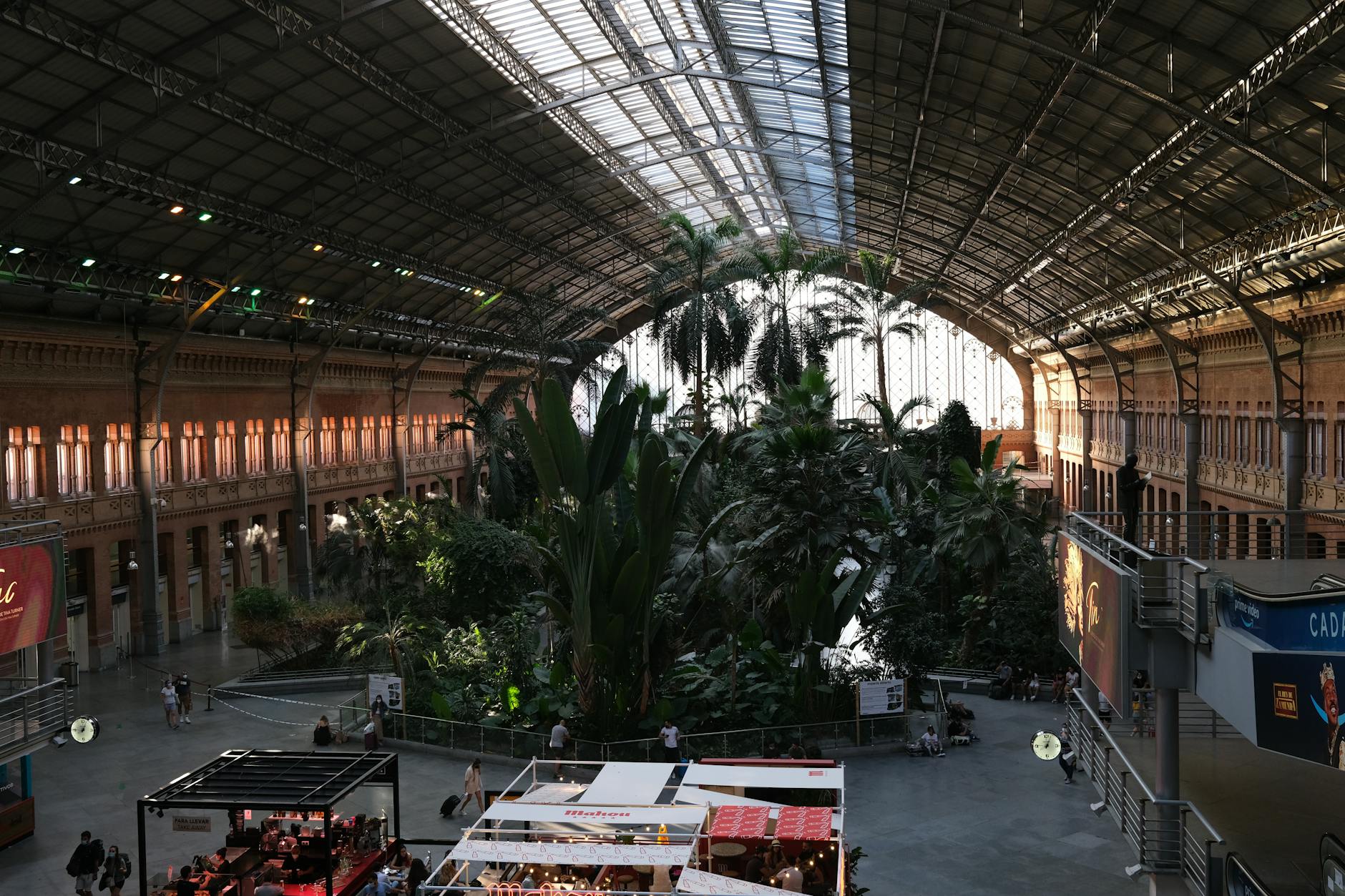
Many academic travelers arrive tired, carrying a laptop, poster tube, slides, notes, dress clothing, or books. Madrid-Barajas, Atocha, Chamartin, and hotel check-in timing all matter because the first session may not wait for a slow arrival. A morning landing followed by same-day registration can work, but only if passport control, baggage, transfer, hotel storage, and venue navigation have enough margin.
The first non-negotiable event should control the travel day. If the traveler is presenting, chairing, or attending a required meeting, arriving the day before may be the better professional choice. If the first day is only a reception, a leaner arrival plan may be acceptable. The key is to protect the academic obligation from travel optimism.
- Plan around the first required session, not the scheduled flight or train arrival alone.
- Account for baggage, poster tubes, hotel storage, rail navigation, and registration lines.
- Arrive earlier when presenting, chairing, interviewing, or meeting collaborators.
Choose the hotel by session rhythm
The right hotel is the one that supports the conference rhythm. A central hotel may be ideal for receptions, dinners, and museum time, but it may be inefficient for a campus or convention venue. A hotel near the venue may protect morning sessions but make late dinners or archival visits harder. Academic travelers also need practical details: quiet sleep, a desk, reliable Wi-Fi, breakfast timing, laundry or ironing, storage for presentation materials, and a realistic route to the first session.
The best base often depends on whether the traveler has early panels, evening networking, or a free day after the conference. If most sessions are mandatory, sleep near the venue or on a direct route. If the academic value is in receptions and informal meetings, a better-connected central base may be worth the commute.
- Choose the hotel around early sessions, evening events, and the venue route.
- Check desk space, Wi-Fi, quiet rooms, breakfast timing, ironing, laundry, and storage.
- Use a central base only when it does not threaten morning attendance.
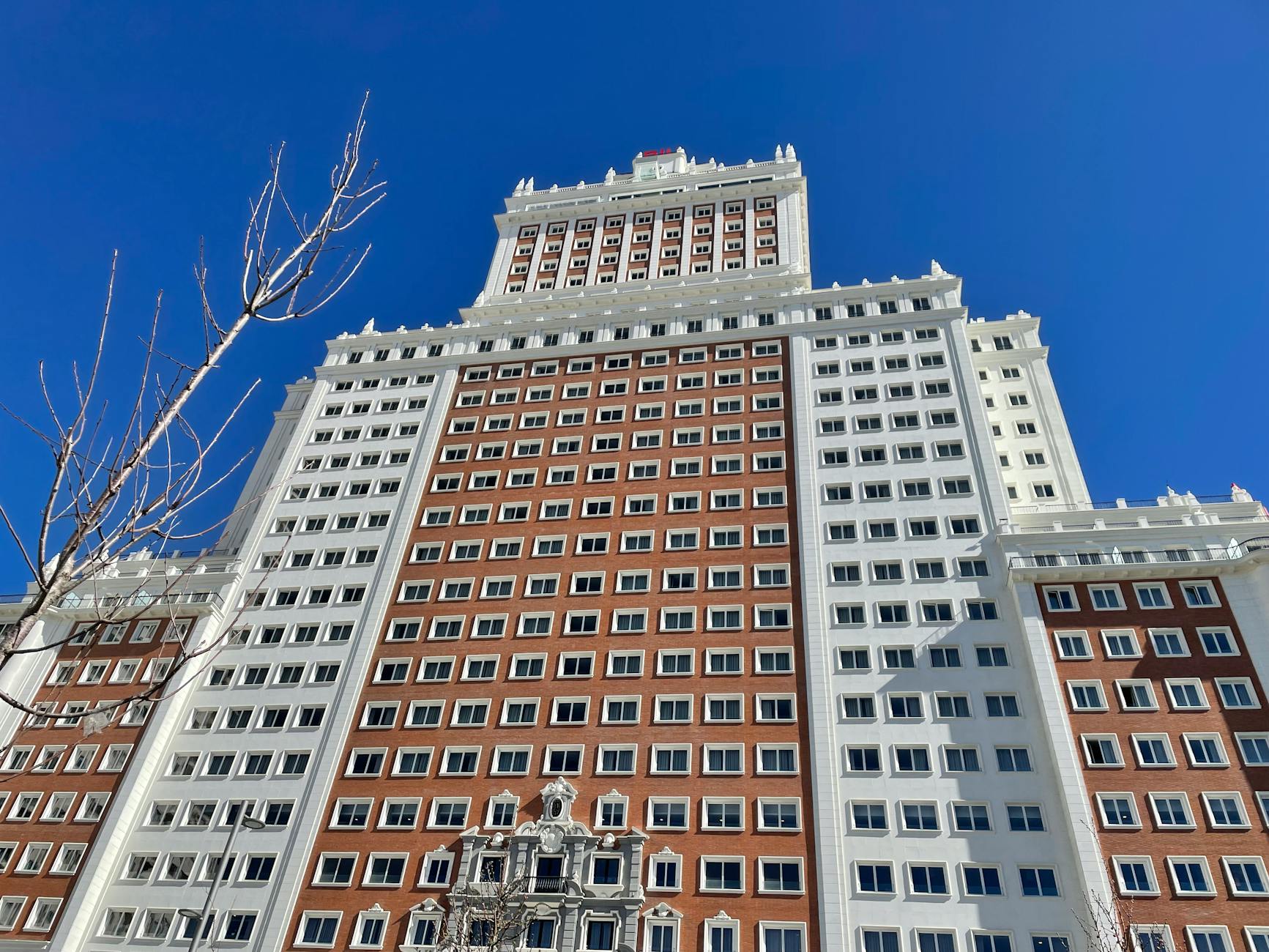
Treat panels, posters, and hallway meetings differently
Academic conferences are not one kind of time. A keynote, a panel, a poster session, a methods workshop, a book meeting, and a hallway conversation each need different preparation. A poster presenter may need tube handling, early setup, and a plan for standing through a long block. A panel presenter may need laptop adapters, slide backups, microphone comfort, and water. A job market or collaborator meeting may require a quieter place outside the main room.
Madrid's city attractions should be fitted around those academic modes, not the reverse. The traveler should protect the hour before presenting, know where coffee and quiet space are available, and avoid turning every break into a cross-city errand. The most valuable part of the trip may be one conversation that happens because the attendee was not exhausted.
- Plan separately for posters, panels, workshops, keynote attendance, and private academic meetings.
- Carry adapters, slide backups, water, badge, notebook, charger, and any poster materials deliberately.
- Protect quiet time before presenting or high-value meetings.
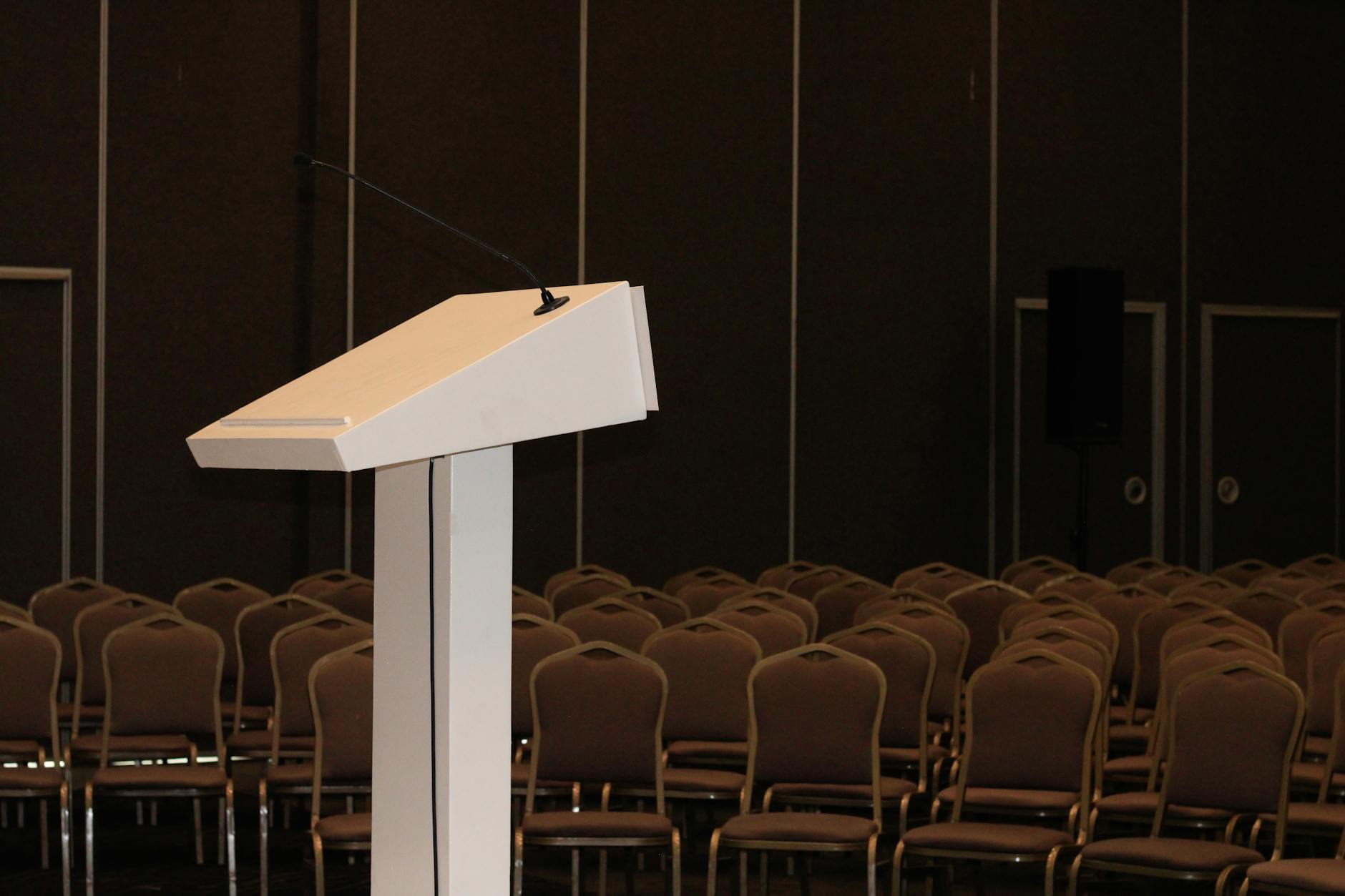
Use Madrid networking without losing the next day
Madrid's academic networking may extend into long lunches, late dinners, drinks, museum-adjacent receptions, or informal walks through the center. That can be one of the best parts of the conference. It can also damage the next morning if the attendee has an early session, presentation, or airport transfer. The traveler should decide which evenings are professional priorities and which are optional social time.
Food and drink pacing matter. Late meals are normal, but visitors still need sleep, hydration, and a safe route back to the hotel. If the traveler is junior, interviewing, presenting the next morning, or traveling alone, the evening should have an exit plan. Good networking is not the same as saying yes to every late invitation.
- Treat dinners, receptions, drinks, and walks as professional choices, not automatic obligations.
- Protect sleep before early panels, presentations, interviews, or transfers.
- Have a return route and exit point before a late networking evening begins.
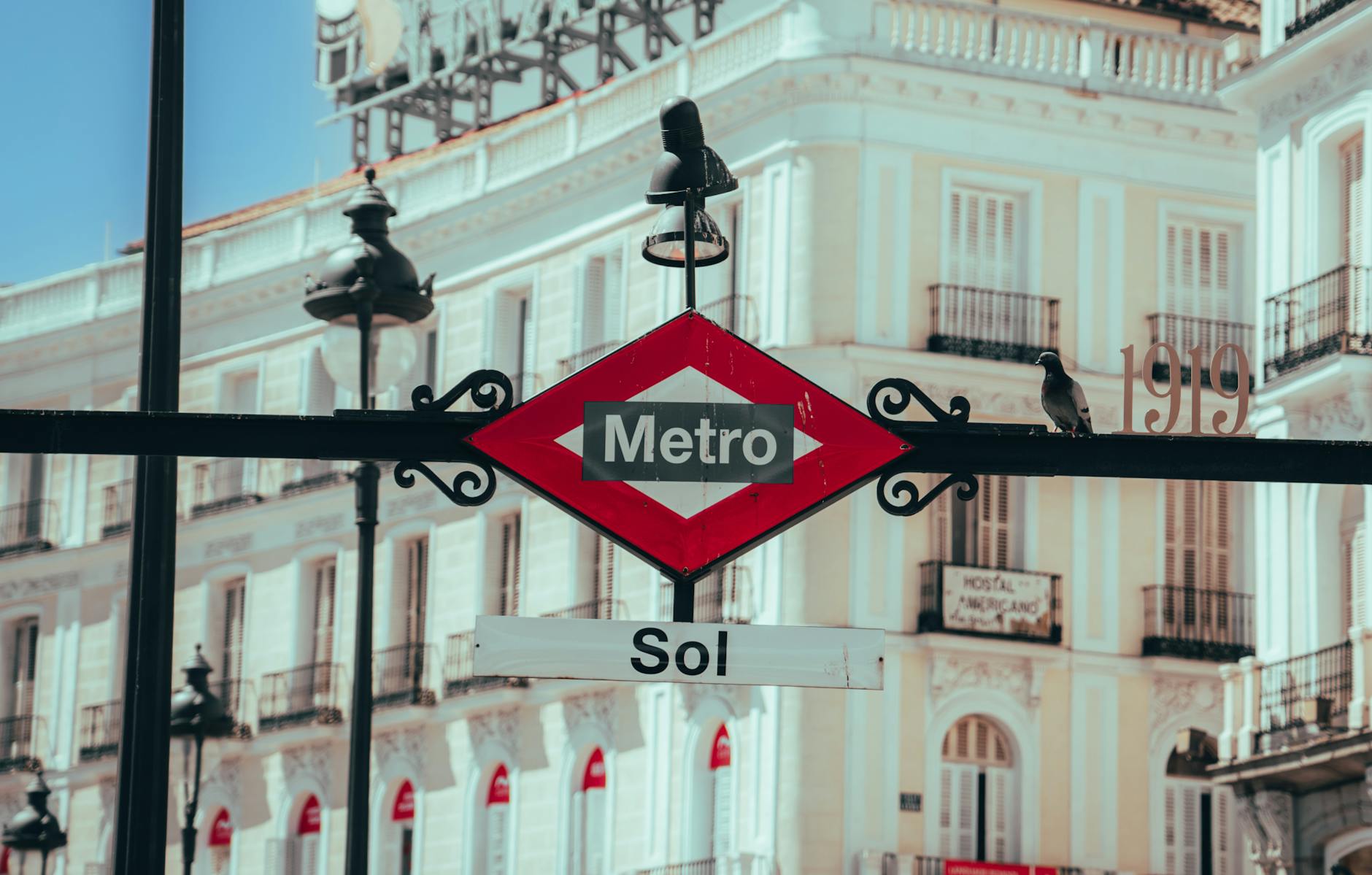
Plan city time as one academic-adjacent choice
Academic attendees often have one usable pocket of Madrid time. It may be better spent on a focused choice than a tourist sprint: the Prado corridor, Retiro, the Biblioteca Nacional area, a meal with colleagues, a short walk through the historic center, or a research-related visit. The right choice depends on location, weather, fatigue, and whether the traveler needs to be mentally fresh afterward.
Madrid's heat and scale can make a free afternoon feel shorter than it looks. A conference attendee carrying a laptop or badge should avoid routes that require repeated returns to the hotel. The city plan should support the academic purpose, not compete with it. A memorable two-hour Madrid experience is better than a frantic half-day that leaves the attendee depleted.
- Use free time for one focused Madrid choice rather than a long sightseeing chain.
- Match the city stop to venue location, weather, fatigue, and laptop or badge burden.
- Keep the academic purpose stronger than the tourist impulse.
When to order a short-term travel report
An attendee with one simple campus venue and a flexible schedule may not need a custom Madrid report. A report becomes more useful when the conference has multiple venues, a presentation or poster, a tight Barajas or rail arrival, a hotel decision between venue and center, late networking events, mobility or medical constraints, or a high-value meeting with collaborators, funders, editors, or hiring committees.
The report should test the venue map, hotel base, arrival timing, transit options, registration and presentation windows, meal placement, current local disruptions, heat exposure, late-return routes, and one realistic Madrid experience around the academic schedule. The value is a conference trip where the scholarship stays central and the city supports it.
- Order when venues, presenting, poster logistics, arrival timing, hotel choice, or late networking make the trip fragile.
- Provide venue names, session times, presentation duties, hotel candidates, arrival and departure details, and special constraints.
- Use the report to protect the academic purpose while making Madrid easier to navigate.