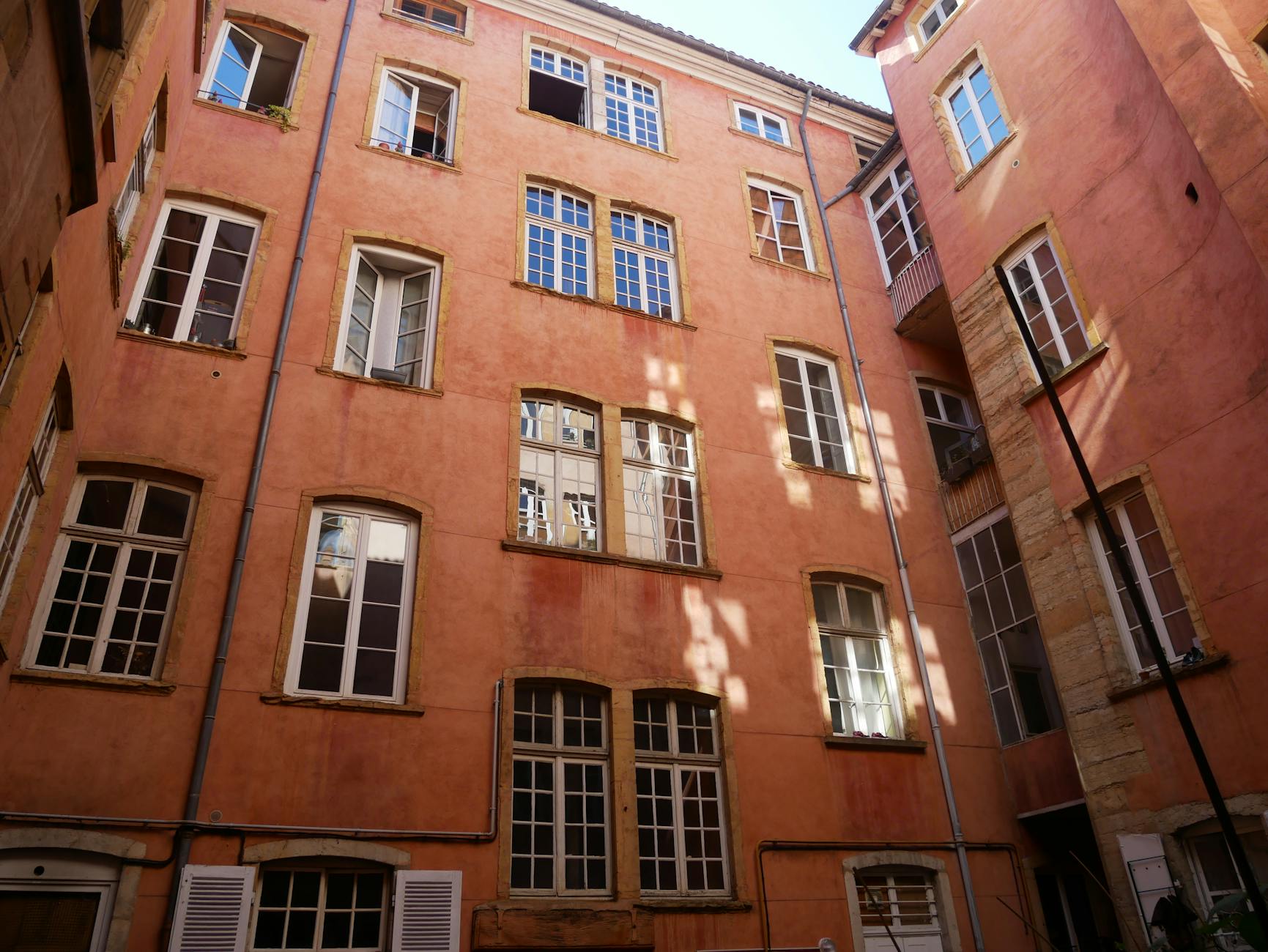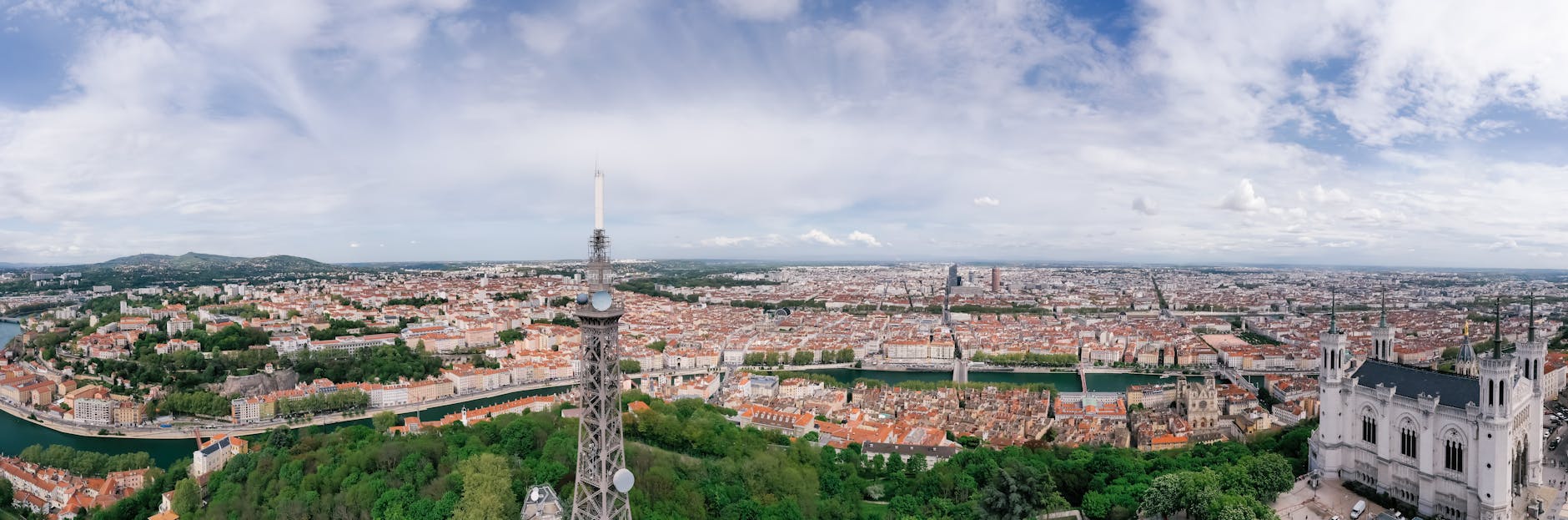
Lyon can be a very workable city for a traveler with medical constraints because the central districts are compact, food and pharmacy access is strong, taxis and public transport are available, and many worthwhile days can be built around short movements between the rivers, Presqu'ile, Vieux Lyon, Fourviere, museums, markets, and parks. The same city can become difficult if the traveler assumes that all central locations are equally easy. Cobblestones, hills, stairs, older hotel buildings, busy rail stations, hot summer streets, winter rain, long restaurant meals, and a poorly chosen first-night transfer can turn an otherwise good trip into a medical-management exercise. A medical constraint does not mean the itinerary has to become timid. It means the trip needs a structure that protects capacity: medication and documentation in hand, a hotel that reduces friction, a transfer that does not depend on stamina, daily routes with places to sit and reset, and a clear answer for pharmacy or urgent-care needs before anything goes wrong. The paid short-term report applies that logic to the traveler's exact condition-related requirements, hotel candidates, arrival point, walking tolerance, food constraints, equipment needs, and current local conditions. It is not medical advice; it is operational planning for a real trip.
Start with medication continuity and documents
The first Lyon decision for a medically constrained traveler is whether the trip can maintain continuity from home to hotel and back. Essential medication should travel in hand luggage, not checked baggage. The traveler should carry enough supply for the stay plus a delay buffer, keep medication in original packaging when practical, and bring a concise written summary with generic names, dosages, allergies, diagnoses, physician contact, insurance details, and emergency instructions. Refrigerated medication, injectables, controlled substances, oxygen-related needs, mobility devices, sleep equipment, and consumables should be checked against airline, border, hotel, and storage realities before departure.
Lyon has pharmacies and medical services, but a visitor should not assume a fast local replacement will be simple. Brand names may differ, prescriptions may not transfer cleanly, language may slow the conversation, and the traveler may need documentation to explain a medication or device. The practical plan should distinguish what cannot be missed, what could be replaced locally, where the nearest useful pharmacy is, and what to do if luggage, delay, symptoms, or storage conditions change the first day.
- Carry essential medication, prescriptions, devices, and consumables in hand luggage with a delay buffer.
- Use generic medication names, dosages, allergies, diagnoses, physician contact, and insurance details in a written summary.
- Check refrigerated, injectable, controlled, oxygen-related, mobility, and sleep-equipment needs before departure.

Choose the hotel around friction, not just charm
A medically workable Lyon hotel is one that reduces the number of expensive movements in the day. Presqu'ile near Bellecour, Cordeliers, Jacobins, or the main river crossings can be a strong base because food, pharmacies, taxis, shops, and many central walks stay close together. Vieux Lyon may be atmospheric but can involve older buildings, uneven streets, stairs, and tourist density. Croix-Rousse has character but can add slopes. Part-Dieu can be useful for rail arrivals or business needs, but the station environment and surrounding blocks should be tested against the traveler's stamina and comfort.
Room details matter. The traveler may need elevator reliability, a walk-in shower, refrigerator access, air conditioning, quiet sleep, proximity to the lift, space for equipment, an easy taxi pickup point, a front desk that can help with care or delivery, or a restaurant within a short, flat walk. A stylish room in an old building can be the wrong answer if every departure requires stairs, cobbles, heat, noise, or a long return after dinner.
- Select the base by pharmacy access, food, flat routes, taxi pickup, rest access, and room requirements.
- Confirm elevator, shower, refrigerator, air conditioning, quiet sleep, and equipment space before booking.
- Treat Vieux Lyon charm, Croix-Rousse slopes, and Part-Dieu convenience as tradeoffs to test, not assumptions.
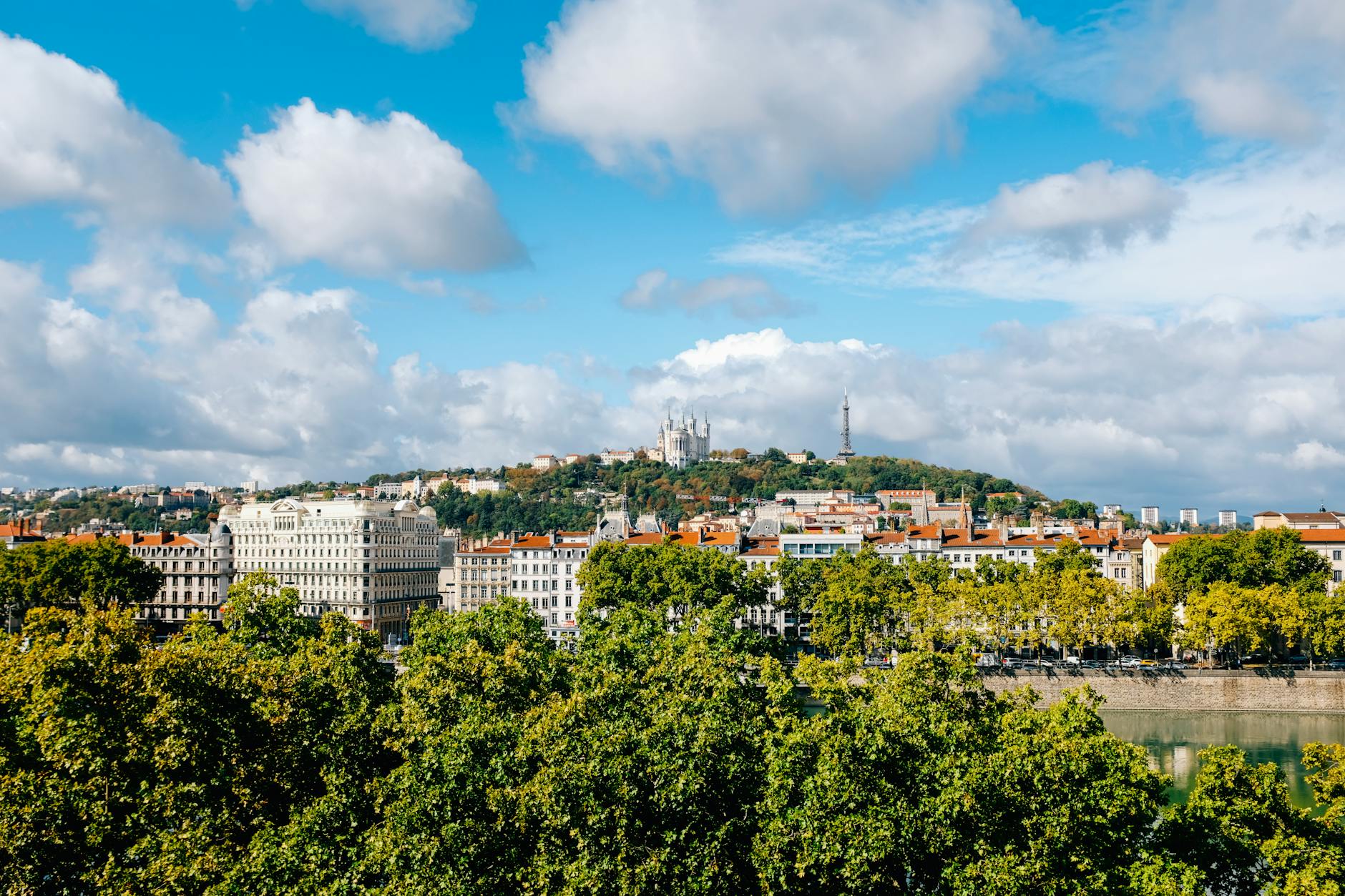
Make arrival a health-control decision
Arrival can stress a medical constraint before the traveler has seen the city. Saint-Exupery Airport usually means choosing between Rhonexpress, taxi, private car, and onward local transport. Part-Dieu and Perrache can be straightforward for some travelers and draining for others because luggage, crowds, exits, platforms, stairs, distance, and fatigue all arrive at once. The correct transfer depends on arrival hour, standing tolerance, pain, respiratory sensitivity, medication timing, temperature needs, food needs, and whether the traveler can safely handle a missed connection or wrong exit.
A traveler who normally uses trains comfortably may still need a car after an overnight flight or symptom flare. The first plan should include a fallback: where to sit, how to call or find the driver, what to do if medication timing shifts, and how to reach the hotel without carrying bags farther than expected. The first day should protect recovery. It should not prove that the traveler can manage Lyon the hard way.
- Choose airport or rail transfer by fatigue, standing tolerance, luggage, symptoms, medication timing, and hotel address.
- Use taxi or private car when fewer transitions matter more than price or theoretical speed.
- Keep the first day light enough to absorb delays, hunger, pain, weather, or symptom changes.
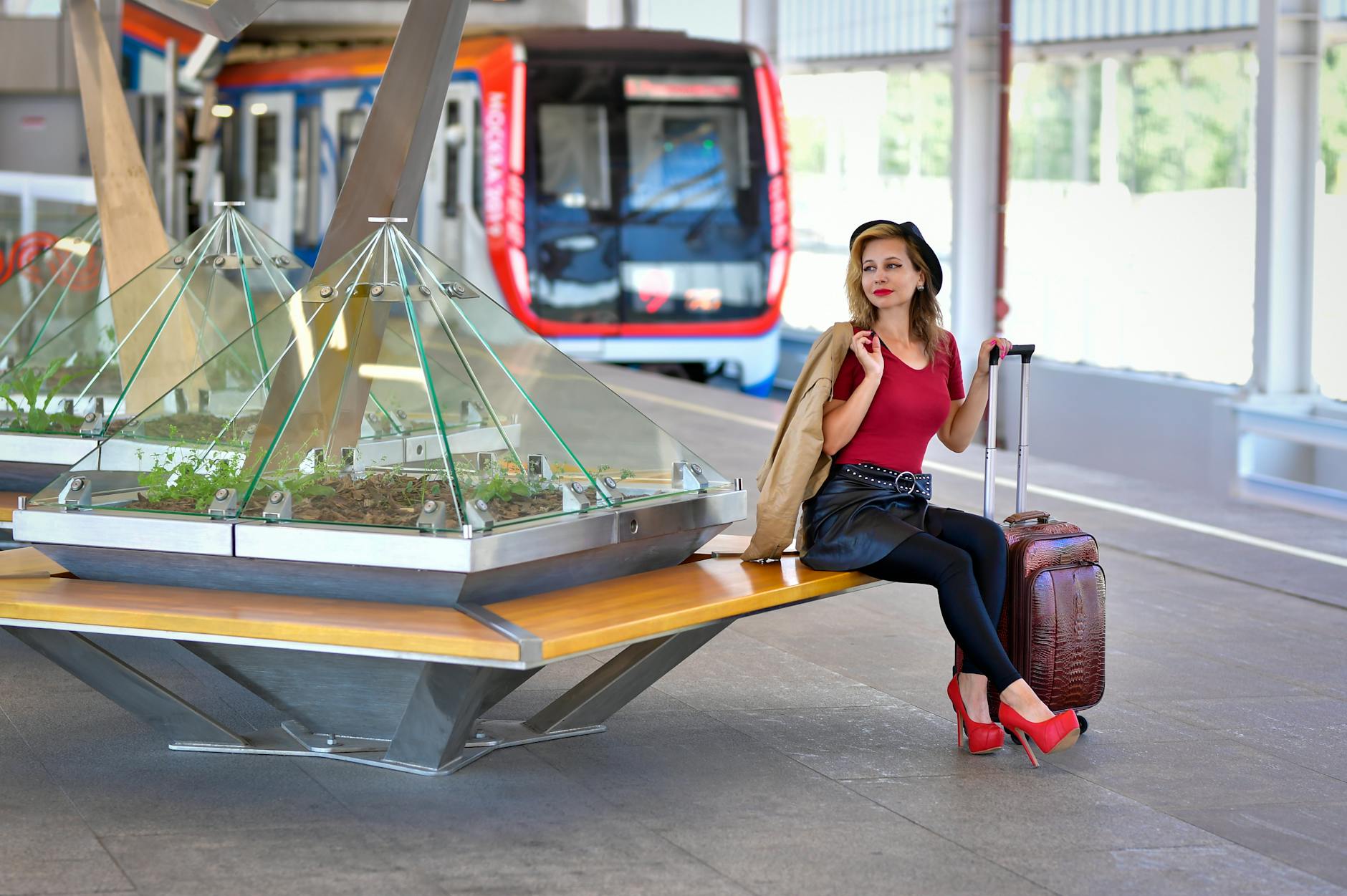
Test terrain before committing to the day
Lyon's beauty often comes from terrain: riverbanks, bridges, old lanes, slopes, courtyards, stairways, and viewpoints. That is also why a medically constrained traveler should not treat map distance as effort. Vieux Lyon may be close but uneven. Fourviere may be essential for one traveler and unnecessary strain for another. Croix-Rousse can add incline. River walks can be pleasant but exposed to weather. Museum and restaurant routes may involve more standing than the traveler expects.
The best approach is to decide which terrain is worth spending capacity on and which terrain should be bypassed by funicular, taxi, direct transit, or a shorter route. A traveler with pain, fatigue, balance concerns, cardiac limits, respiratory sensitivity, heat intolerance, or mobility equipment needs a plan that measures surfaces, grades, crowding, seating, toilets, and recovery points. This is not about avoiding Lyon's best places. It is about seeing them in a sequence that does not consume the whole body by midday.
- Do not equate short map distance with low physical effort in Vieux Lyon, Fourviere, Croix-Rousse, or river areas.
- Use funicular, taxi, direct transit, or shorter routes when slopes, cobbles, stairs, or weather would drain the day.
- Check seating, toilets, shade, crowding, and recovery points before choosing the day's anchor.
Build each day around recovery windows
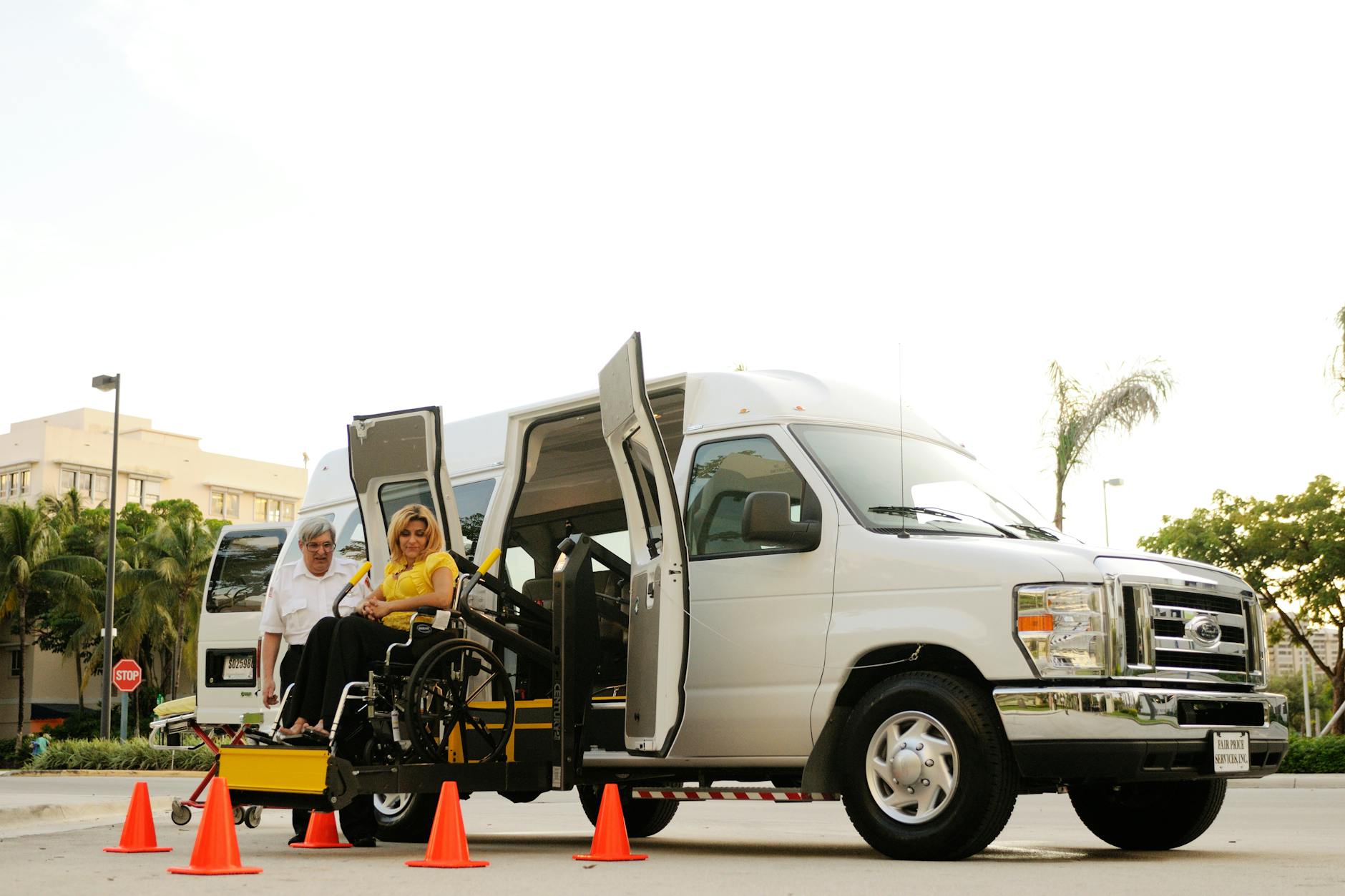
Short-term travelers often overbuild Lyon because the center looks manageable. For a medically constrained traveler, pacing is the product. A workable day may be one anchor activity, one nearby optional stop, a reliable meal, and a planned recovery window before evening. That could mean Vieux Lyon plus a seated lunch, a museum plus a river walk, a market plus hotel rest, or Fourviere only if the rest of the day is deliberately light. The plan should preserve the next day, not simply complete today's list.
Recovery should be scheduled before symptoms peak. Hotel breaks, museum cafes, shaded river sections, taxis between dense blocks, parks, early dinners, and indoor alternatives can keep the trip from becoming a cycle of overexertion and cancellation. Weather also deserves attention. Heat, rain, cold, pollen, air quality, and slippery streets can all change what is reasonable. A good itinerary has substitutions ready while the traveler is still feeling well enough to choose them.
- Use one anchor activity, one nearby optional stop, one reliable meal, and one recovery window as the daily frame.
- Schedule rest before symptoms, fatigue, pain, or crowd exposure reach the limit.
- Prepare indoor, seated, taxi-supported, and low-effort alternatives for weather or symptom changes.
Map food, pharmacy, and urgent-care fallback
Food can be a medical variable, not just a pleasure. Travelers managing diabetes, allergies, gastrointestinal conditions, immune risk, medication timing, alcohol restrictions, fatigue, or post-treatment recovery should know where they can eat safely near the hotel, near the day's anchor, and near the evening return. Lyon's food reputation is a strength, but bouchons, long meals, rich menus, late timing, language gaps, and crowded terraces may not fit every condition. A simple reliable meal can be more valuable than a famous one on the wrong day.
The pharmacy and urgent-care plan should be equally specific. Know the nearest pharmacy, its approximate hours, what can be handled through the hotel, when a private clinic or insurance pathway may be appropriate, where emergency care would be sought, and what number to call in a true emergency. The traveler should not be discovering the care geography while short of medication, in pain, reacting to food, or unsure whether symptoms are escalating.
- Identify near-hotel meals, near-itinerary meals, safe food fallbacks, and pharmacy options before arrival.
- Match Lyon's dining ambitions to medication timing, allergies, digestion, fatigue, alcohol limits, and evening return needs.
- Know how hotel help, insurance, clinics, pharmacies, emergency care, and emergency numbers fit together.
When to order a short-term travel report
A traveler with a minor, stable condition and a simple central Lyon base may need only ordinary preparation. A report becomes more useful when medication timing, refrigeration, controlled substances, mobility limits, fatigue risk, pain, respiratory sensitivity, food restrictions, immune concerns, post-surgical recovery, medical equipment, late arrival, or multiple timed commitments could change the safe shape of the trip.
The report should test the exact hotel, room requirements, airport or rail transfer, terrain, transport choices, pharmacy access, food geography, clinic and emergency fallback, daily pacing, weather exposure, and current local conditions together. The value is not a medical opinion. The value is operational clarity: which address reduces friction, which route avoids the wrong stairs or hill, which day plan preserves capacity, and which fallback is already known if the traveler needs help.
- Order when medical needs affect medication, mobility, food, sleep, arrival, route choice, emergency fallback, or daily pacing.
- Provide medication constraints, mobility limits, diet, equipment, hotel candidates, arrival details, and insurance constraints.
- Use the report to reduce trip friction; it is not a substitute for advice from the traveler's clinician.