A transit or stopover traveler in Lyon has to be more disciplined than a normal short-stay visitor. The useful question is not whether Lyon is worth seeing. It is how much controllable time remains after arrival, baggage, customs or immigration, rail or airport transfer, luggage storage, hotel check-in, onward boarding, and the traveler's fatigue are treated honestly. Lyon can work beautifully for a compact stopover because the airport rail link, Part-Dieu, Perrache, Presqu'ile, Vieux Lyon, the rivers, and Fourviere can be connected into a manageable plan. It can also punish travelers who confuse scheduled layover time with usable city time. The best Lyon stopover is narrow and intentional. It might be a controlled meal near the center, a river walk, a quick Vieux Lyon and Fourviere loop, a hotel reset before a train, or simply staying airport-adjacent because the margin is too thin. The traveler should decide that before arrival. A rushed stopover is not a better version of a short trip; it is often a worse version of waiting comfortably.
Calculate usable time, not scheduled time
The scheduled gap between arrival and departure is not the same as usable Lyon time. A traveler needs to subtract deplaning or platform exit, passport control if relevant, baggage, customs, airport or station navigation, luggage storage, transfer into the city, the return leg, security or boarding, and a disruption margin. That calculation often changes the answer. A six-hour gap can become a two-hour city visit once the real steps are counted.
The stopover should have a go or no-go threshold. If the first flight is late, if bags take too long, if the airport tram or train margin shrinks, the traveler should know whether to continue into Lyon or switch to an airport or station plan. The worst version is deciding under pressure while holding luggage and watching the onward time get closer.
- Subtract arrival steps, baggage, transfer time, storage, return travel, security, boarding, and a disruption margin.
- Set a clear go or no-go threshold before arrival.
- Do not build the plan from the scheduled gap alone.

Understand the airport and rail geography
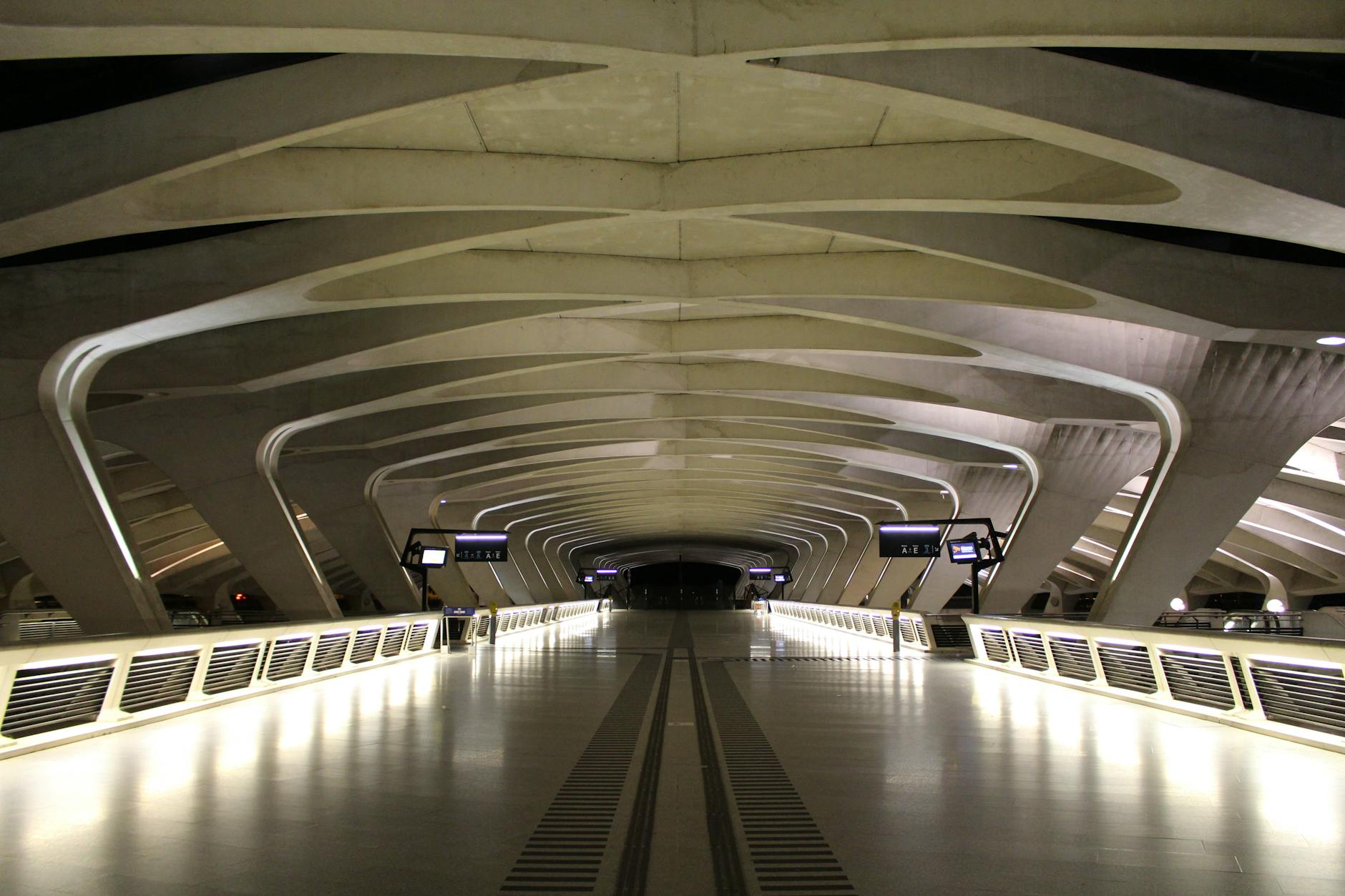
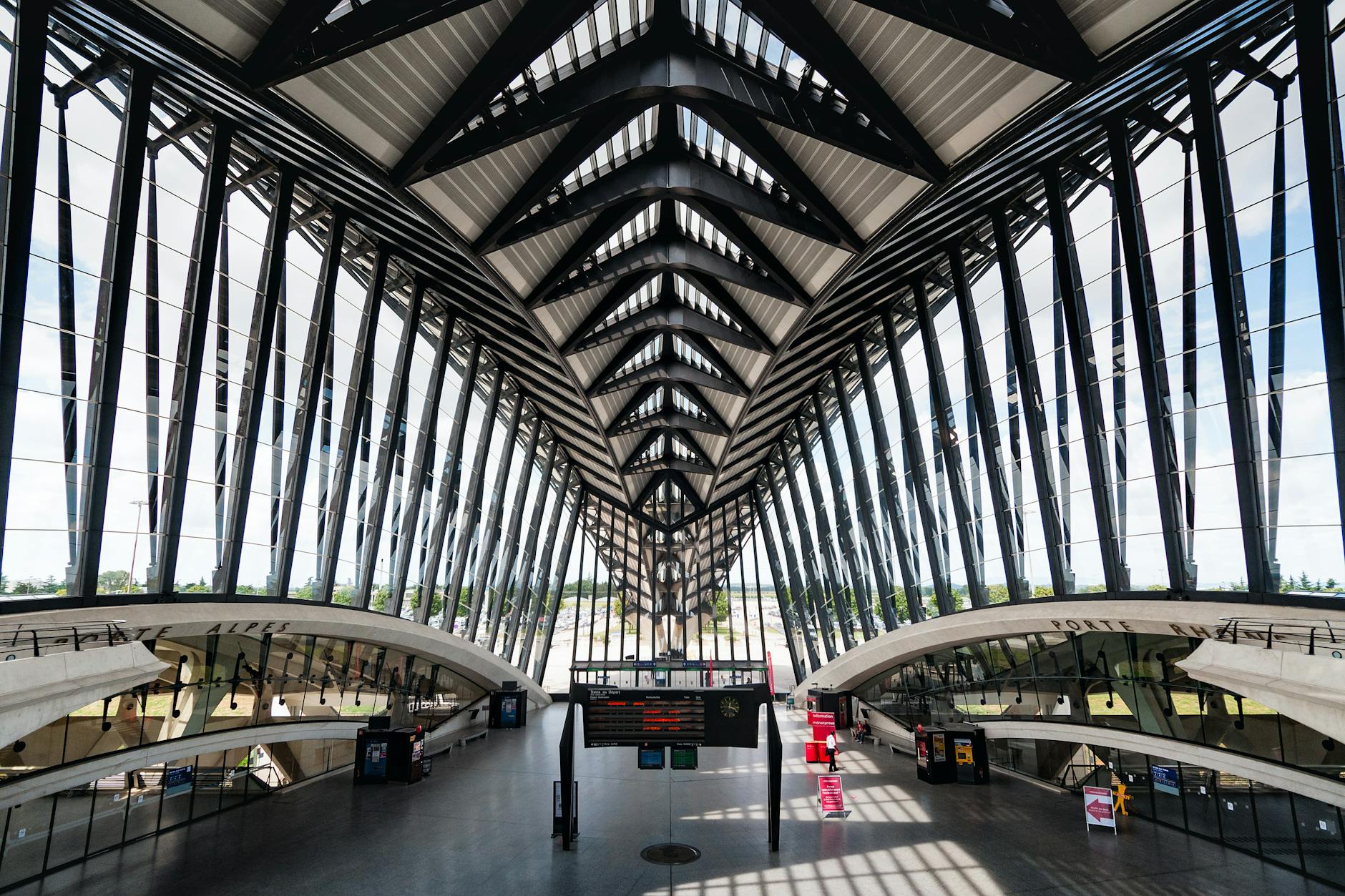
Lyon's transit logic depends heavily on whether the traveler is using Saint-Exupery Airport, Part-Dieu, Perrache, or a hotel between those points. Saint-Exupery can connect to the city, but it is not a casual walk from central Lyon. Part-Dieu is the main high-speed rail hub and can be operationally useful, but the area around a station is not the same experience as the old center. Perrache can make sense for some city routing, but it has its own navigation quirks.
The traveler should identify the actual arrival and departure nodes before choosing a district. A stopover from Part-Dieu can often support a tighter city plan than a thin airport layover. A traveler changing between airport and rail should treat the connection as the main event and add city time only if the margin is genuinely strong.
- Separate Saint-Exupery, Part-Dieu, Perrache, and hotel-based stopovers; they are different problems.
- Use the old center only when the transfer margin supports it.
- If changing between airport and rail, protect the connection before adding sightseeing.

Make luggage the first practical decision
Luggage can decide whether a Lyon stopover is pleasant or foolish. Full-size bags make metro stairs, station corridors, old-city lanes, restaurant seating, and river walks much harder. Even carry-on luggage can become a burden if the traveler is tired or the weather is bad. Before planning the route, the traveler should know whether bags are checked through, collected, stored, kept at a hotel, or carried the entire time.
Essentials should stay accessible: passport, onward ticket, phone, charger, medication, payment card, glasses, and anything needed before the next departure. If luggage storage is uncertain, the city plan should shrink. A good stopover with one light bag is often better than an ambitious itinerary with several bags and no clean storage answer.
- Confirm whether bags are checked through, collected, stored, left at a hotel, or carried.
- Keep passport, onward ticket, phone, charger, medication, and payment accessible.
- Shrink the city plan if luggage storage is uncertain.
Choose one compact Lyon experience
A strong stopover should feel like Lyon without pretending to be a full visit. The traveler might choose a river walk, a meal in or near Presqu'ile, a short Vieux Lyon loop, a controlled Fourviere view, or a quick movement through the center before returning to Part-Dieu or the airport link. The plan should have one anchor and one optional addition. Anything more is vulnerable to delay.
The compact route should also be reversible. If rain starts, the traveler tires, a queue is longer than expected, or the onward train or flight time gets closer, there should be an easy way to turn back. A stopover is successful when the traveler leaves with a clear sense of the city and enough margin to make the next leg calmly.
- Choose one anchor: river walk, meal, Vieux Lyon, Fourviere, or a brief central loop.
- Add only one optional stop that can be dropped without regret.
- Keep the route reversible so the traveler can turn back when the margin changes.
Use metro, tram, taxi, and funicular with realistic margins
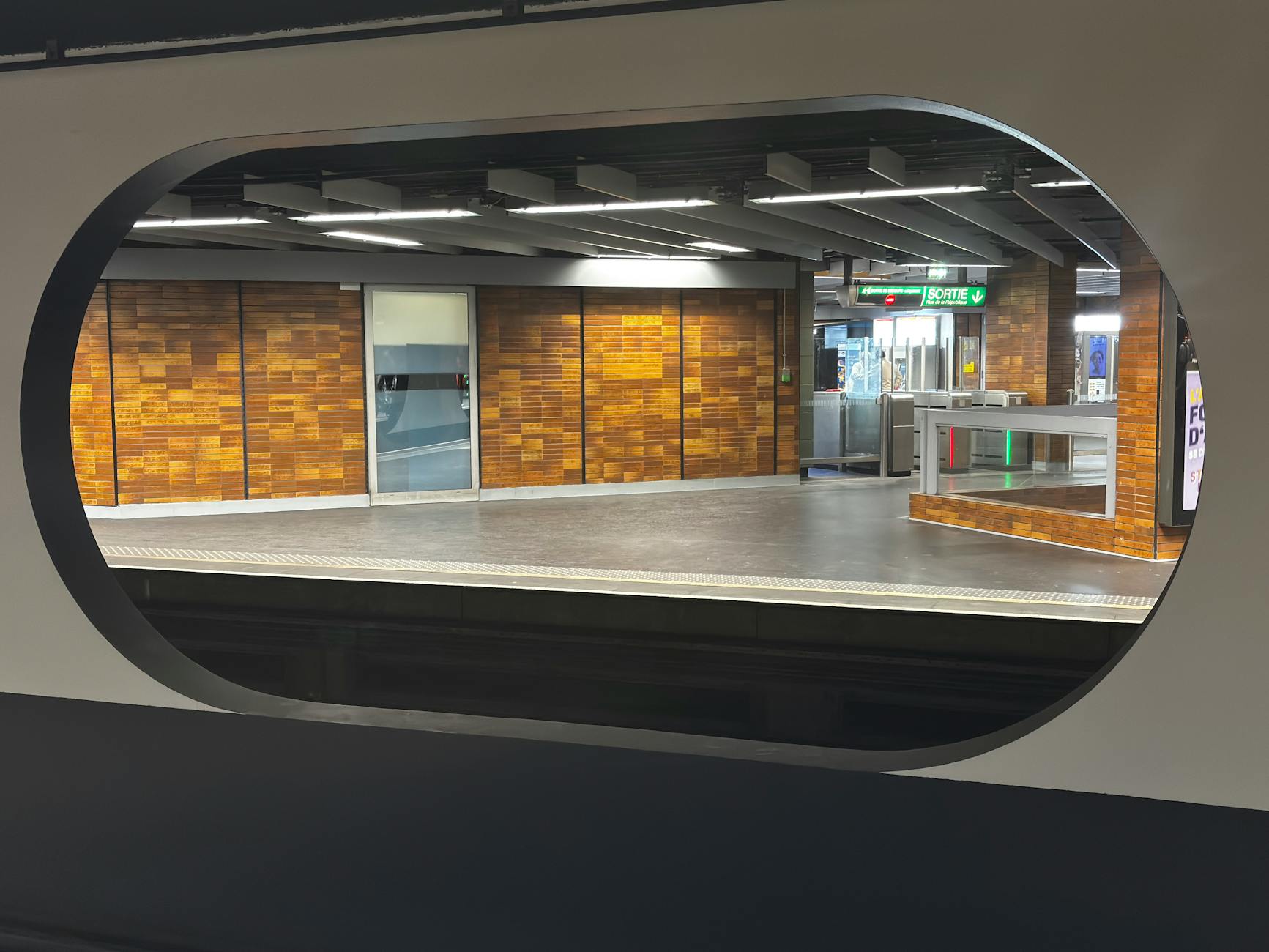
Lyon's transit can make a stopover work, but it should not be treated as magic. Airport transfer timing, metro platforms, station corridors, ticketing, construction, strikes, event crowds, and late-night frequency can all affect the plan. A traveler who is comfortable with urban transit may move quickly; a traveler with luggage, children, mobility limits, or jet lag may need a much simpler route.
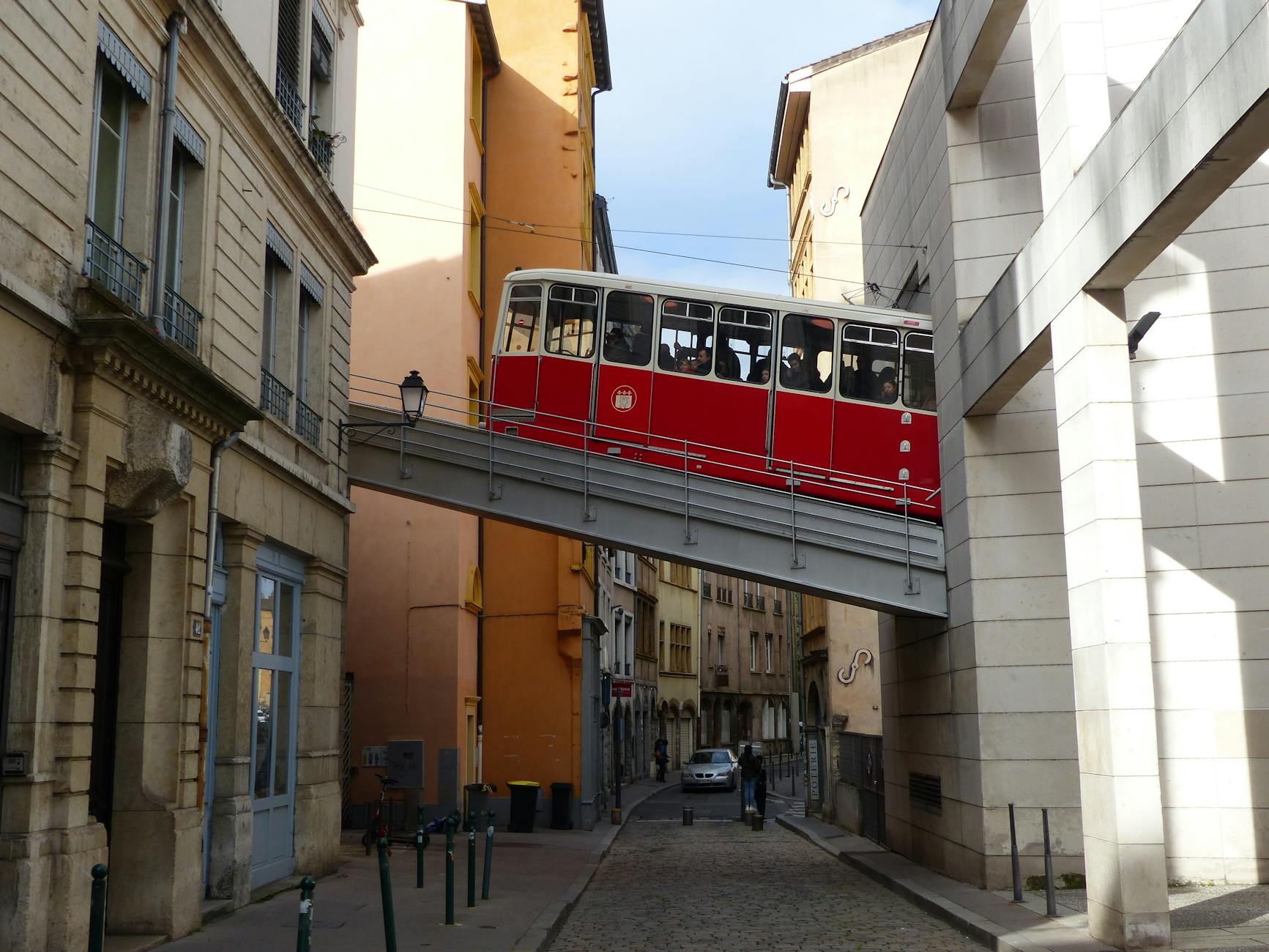
The plan should choose the transport mode for the weakest moment of the journey, not the best-case moment. A taxi or private car may be worthwhile when bags, fatigue, or timing make transit brittle. The funicular can make Fourviere realistic, but only if the return route is already accounted for. The stopover should not depend on every connection working perfectly.
- Account for airport transfer timing, ticketing, station corridors, crowds, and service frequency.
- Use taxis or private cars when luggage, fatigue, children, or timing make public transit fragile.
- Use the funicular only when the return route still has enough margin.
Plan for fatigue, food, and re-entry
Transit travelers often overestimate what they will want to do after a long flight or before another one. Fatigue changes walking speed, judgment, appetite, patience, and risk tolerance. A traveler who slept poorly may be better served by a shower, a calm meal, and a short river view than by racing through several districts. Food timing matters too, especially when the next leg involves airport security, train boarding, medication, or limited food options.
Re-entry is the part many stopover plans understate. The traveler has to return to the station or airport, clear whatever steps are required, find the gate or platform, and absorb small delays. That time should be protected. A good Lyon stopover leaves space for a snack, water, bathroom stop, battery charge, and calm re-entry before the next leg.
- Adjust the plan for sleep, jet lag, appetite, medication, and next-leg food options.
- Protect time for return, security or platform navigation, bathrooms, water, and phone charging.
- Choose a calm meal and short route over an overfull itinerary when fatigue is high.

When to order a short-term travel report
A traveler with an easy overnight hotel stop may not need a custom report. A Lyon transit or stopover traveler should consider one when the connection is tight, the traveler wants to leave the airport or station, luggage storage is uncertain, the plan involves children or mobility constraints, the trip changes between flight and rail, or the traveler wants a meaningful Lyon experience without risking the onward leg.
The report should test arrival time, departure time, airport or station node, transfer mode, luggage plan, city route, meal placement, fatigue risk, current transport signals, and backup options. The value is not proving that Lyon can fit into a layover. The value is knowing when it can, when it cannot, and what the cleanest version should be.
- Order when the stopover depends on usable-time math, luggage, airport or rail transfers, or mobility constraints.
- Provide arrival and departure details, airport or station nodes, luggage status, party size, and desired city experience.
- Use the report to decide whether to enter Lyon, stay near transit, or build a narrower backup plan.