A trade-show trip to Lyon is not the same as an ordinary business visit. The traveler may have a badge pickup window, a stand setup deadline, samples or demonstration equipment, meetings stacked between hall sessions, client dinners after long days, and a return schedule that leaves little room for improvisation. Lyon is workable for this kind of trip, but only if the plan starts with the actual venue and the work rhythm, not with a generic idea of staying somewhere central. The main planning issue is geography. A show at Eurexpo near Chassieu creates a different trip from a congress at Cite Internationale, a meeting-heavy schedule around Part-Dieu, or a smaller trade event inside a central hotel. The best base may be the hotel that protects the morning transfer, the restaurant district that makes client hospitality easy, or the rail-connected address that keeps the departure clean. The paid short-term report is useful when the traveler needs this mapped against a real venue, exact hotel options, transport constraints, booth obligations, meetings, dining expectations, and current local conditions.
Start with the actual venue
Trade-show planning in Lyon should begin with the event address. Eurexpo Lyon, the Centre de Congres at Cite Internationale, a central hotel venue, and a smaller industry event near Part-Dieu create very different travel days. A hotel that looks convenient for leisure may be wrong if the traveler has to reach an exhibition hall before doors open, carry samples, return after a client dinner, or move between the booth and off-site meetings.
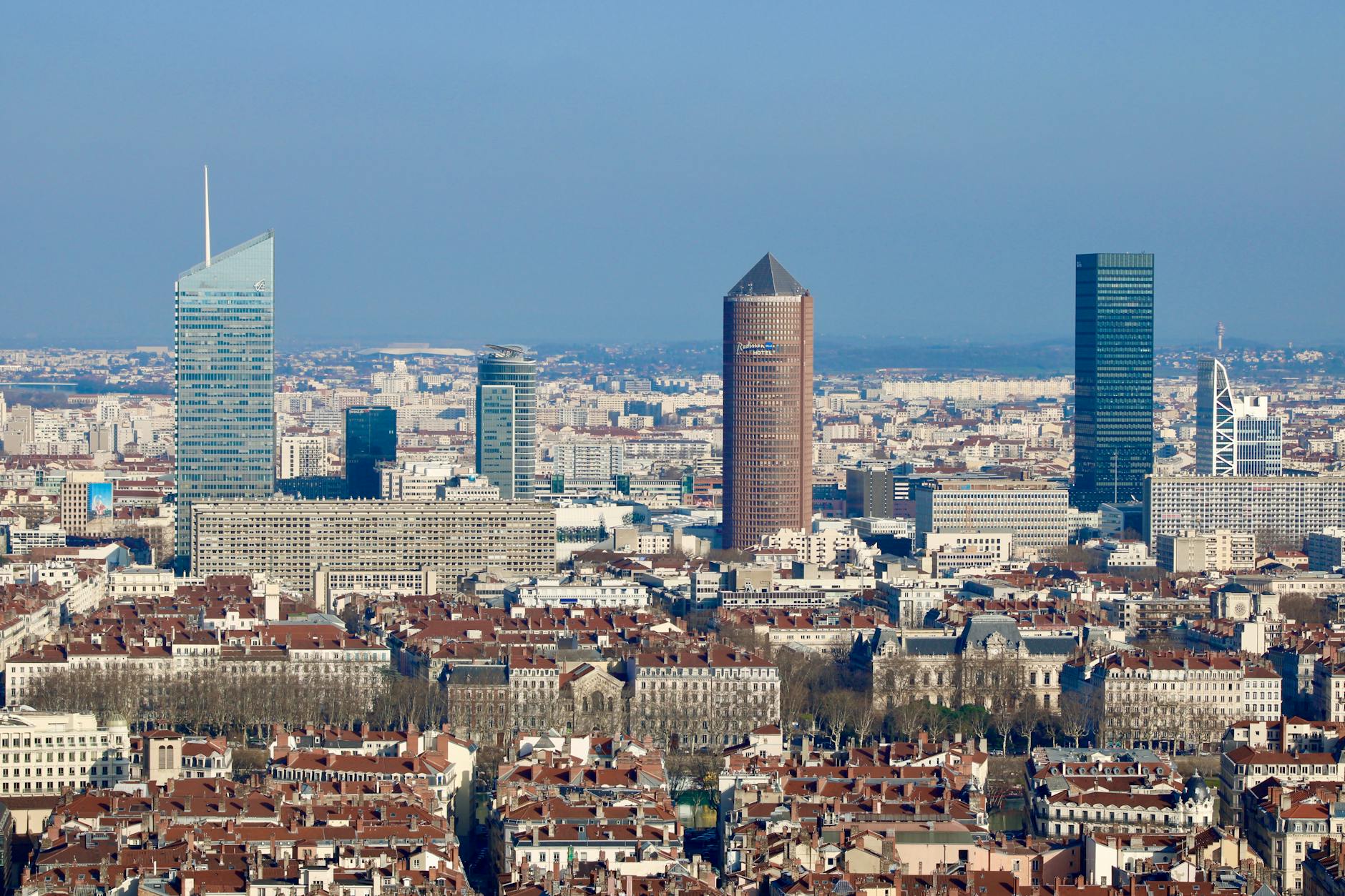
Eurexpo can make east-side access and private transfers more important than old-city atmosphere. Cite Internationale can make riverside, park-edge, and northern access practical, while still requiring thought about dinner returns. Part-Dieu can be strong for rail and business logistics, but it does not automatically solve evening hospitality. The traveler should decide first what must be protected: booth setup, first meetings, client dinners, sleep, or departure.
- Confirm whether the event is at Eurexpo, Cite Internationale, Part-Dieu, a central hotel, or another specific venue.
- Rank hotel options by the protected moment of the trip: setup, opening morning, client dinner, or departure.
- Do not choose a base only because it is central if the workday is mostly east of the city or tied to a specific hall.
Choose the hotel for the working day
A trade-show hotel has to support the working day, not just the city break. The traveler should check morning transfer time, taxi availability, room quiet, desk space, breakfast hours, ironing or pressing, package handling, storage for samples, and whether colleagues can meet in the lobby without turning every conversation into a restaurant booking. A pleasant hotel becomes a weak base if it makes the opening hour stressful or strands the traveler far from practical evening options.
Presqu'ile can be useful when dinners and client hospitality matter. Part-Dieu can make sense for rail arrivals, short business meetings, and easy onward travel. A hotel nearer the event can be stronger when setup, early starts, or heavy material movement drive the trip. The right answer depends on whether the traveler is an exhibitor, buyer, speaker, sales lead, procurement visitor, or team member supporting a booth.
- Check taxi access, breakfast timing, room quiet, workspace, sample storage, and package handling before booking.
- Use Presqu'ile for hospitality-heavy trips, Part-Dieu for rail and business logistics, and venue-adjacent lodging for setup-heavy trips.
- Match the base to the role: exhibitor, buyer, speaker, sales lead, procurement visitor, or booth support.
Control arrival and material movement
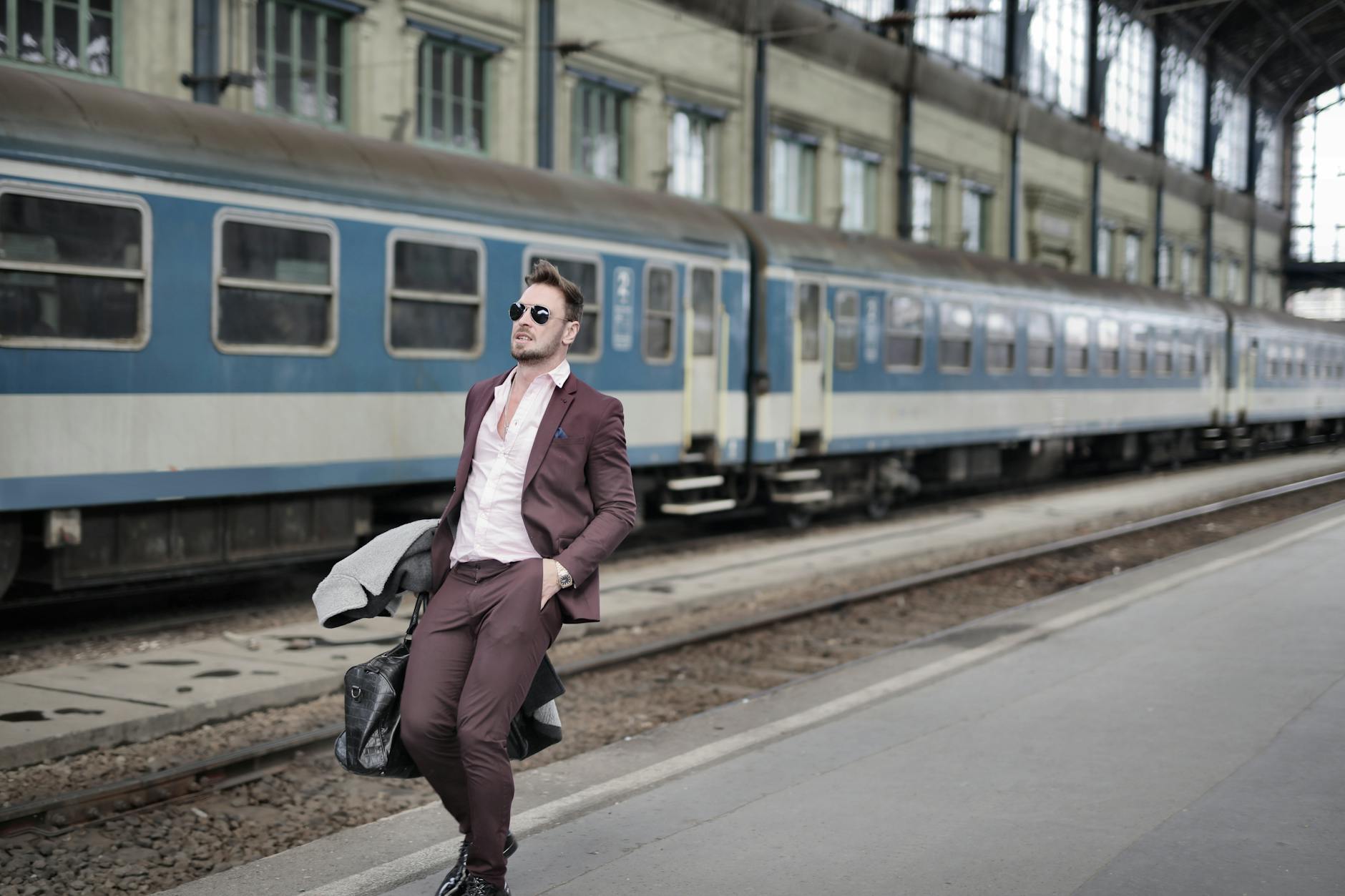
Trade-show travelers often arrive with more than a laptop. Samples, printed collateral, demonstration gear, branded clothing, charging equipment, small tools, giveaways, and personal luggage can change the transfer decision. Saint-Exupery Airport, Rhonexpress, taxis, private cars, and rail arrivals into Part-Dieu or Perrache all have different consequences when the traveler is carrying equipment or trying to reach a setup window.
The worst version of the trip is arriving late, dragging materials through a station, discovering that the hotel cannot store boxes, then trying to solve booth setup under time pressure. Travelers should separate personal arrival from material logistics. Confirm what should be shipped, what should be hand-carried, what needs customs or invoice documentation, who receives it, and what happens if a package misses the first day.
- Plan airport, rail, taxi, and private-car choices around luggage, samples, setup time, and arrival fatigue.
- Confirm hotel or venue receiving rules before shipping boxes, samples, brochures, or demonstration equipment.
- Carry critical items personally when a missing package would damage the first show day.
Treat show days as operational days
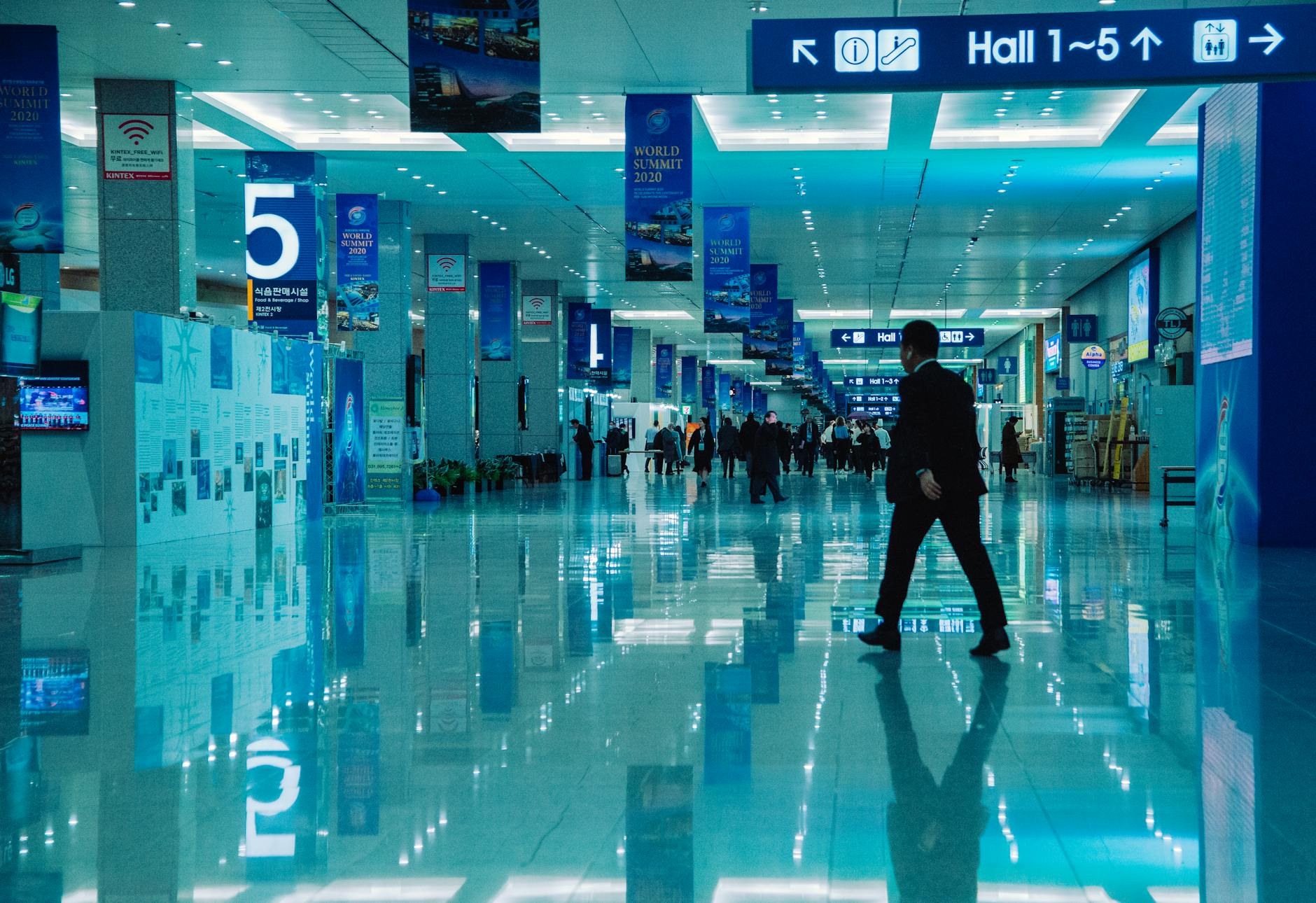
A show day is an operating schedule. Badge pickup, security, hall entry, stand setup, Wi-Fi, lead capture, charging, meals, water, restroom breaks, translation needs, and team handoffs all matter. A traveler who treats the day like ordinary meetings can lose time in queues, miss useful floor hours, or find themselves without a working phone or enough printed material before the serious conversations begin.
The plan should identify the opening hour, busiest periods, expected booth coverage, priority meetings, unscheduled floor time, and the moment when it is acceptable to leave. Trade-show travelers should also decide how they will record leads, protect notes, collect cards, photograph booths, and reconcile follow-up actions each night. The event is not finished when the hall closes if the information captured during the day is already becoming messy.
- Set a working-day plan for badge pickup, floor time, booth coverage, meals, charging, and lead capture.
- Protect priority meetings from registration queues, transit delay, long lunches, or unscheduled booth wandering.
- Reconcile notes and follow-up actions each night before the next show day overwrites the details.
Make networking easier than improvisation
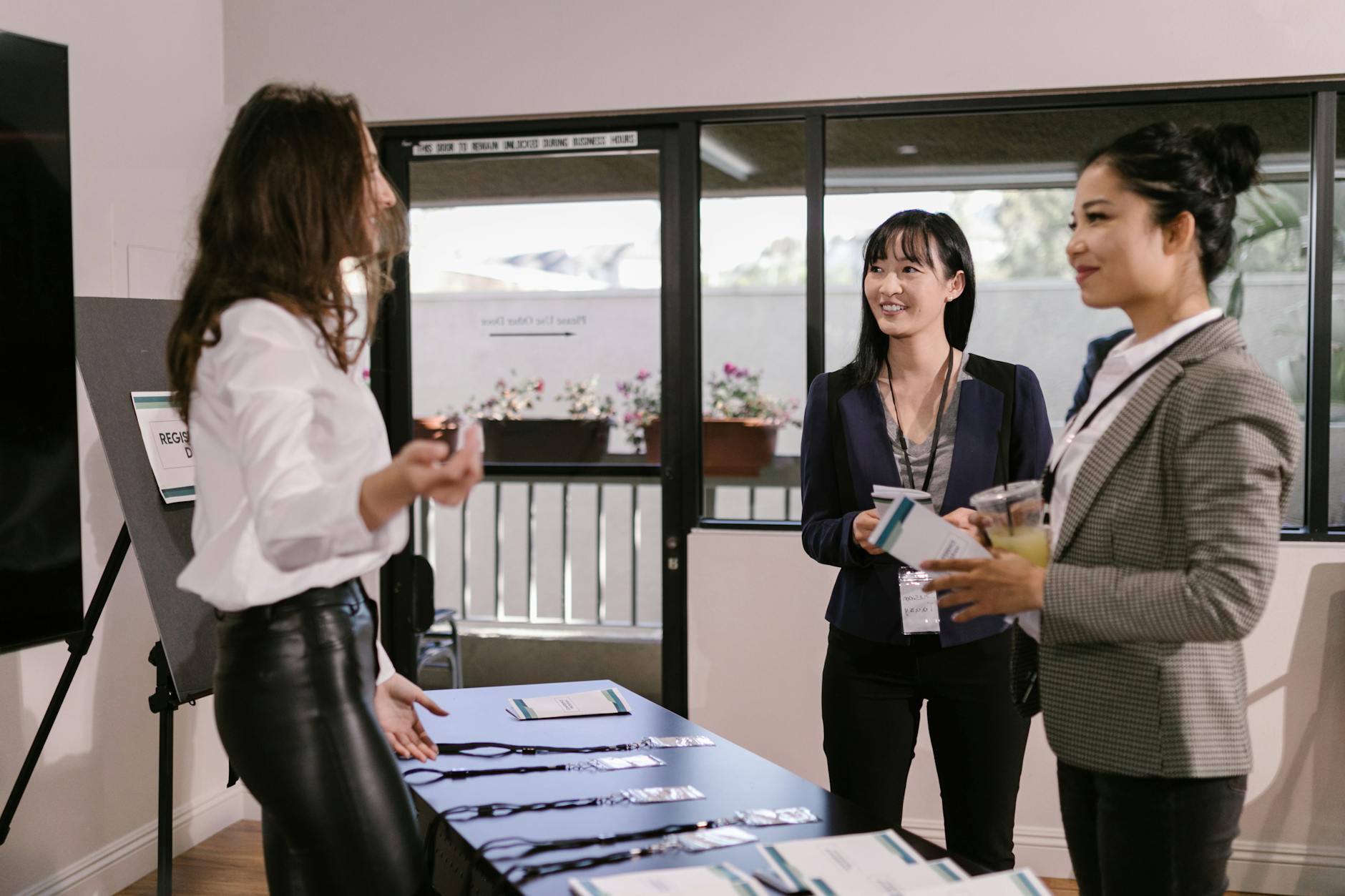
Trade-show value often happens outside the formal booth schedule. Coffee meetings, supplier checks, distributor conversations, press introductions, buyer meetings, and quick competitor observations can matter as much as the planned agenda. Lyon supports this well if the traveler chooses practical meeting points and does not force every conversation into the loudest part of the hall.
The traveler should know where to meet people near the venue, near the hotel, and in the city center. A quiet hotel lobby, a walkable cafe, a restaurant near Presqu'ile or Brotteaux, or a controlled meeting room can be more useful than another lap around the exhibition floor. For international events, language expectations, business-card etiquette, payment norms, and meal timing should be handled before the schedule is packed.
- Identify quiet meeting points near the venue, hotel, and city center before the event starts.
- Keep space in the schedule for supplier, buyer, press, distributor, or competitor conversations that emerge on-site.
- Plan language support, card exchange, meal timing, and payment expectations before client-facing moments.
Protect devices, notes, and commercial information
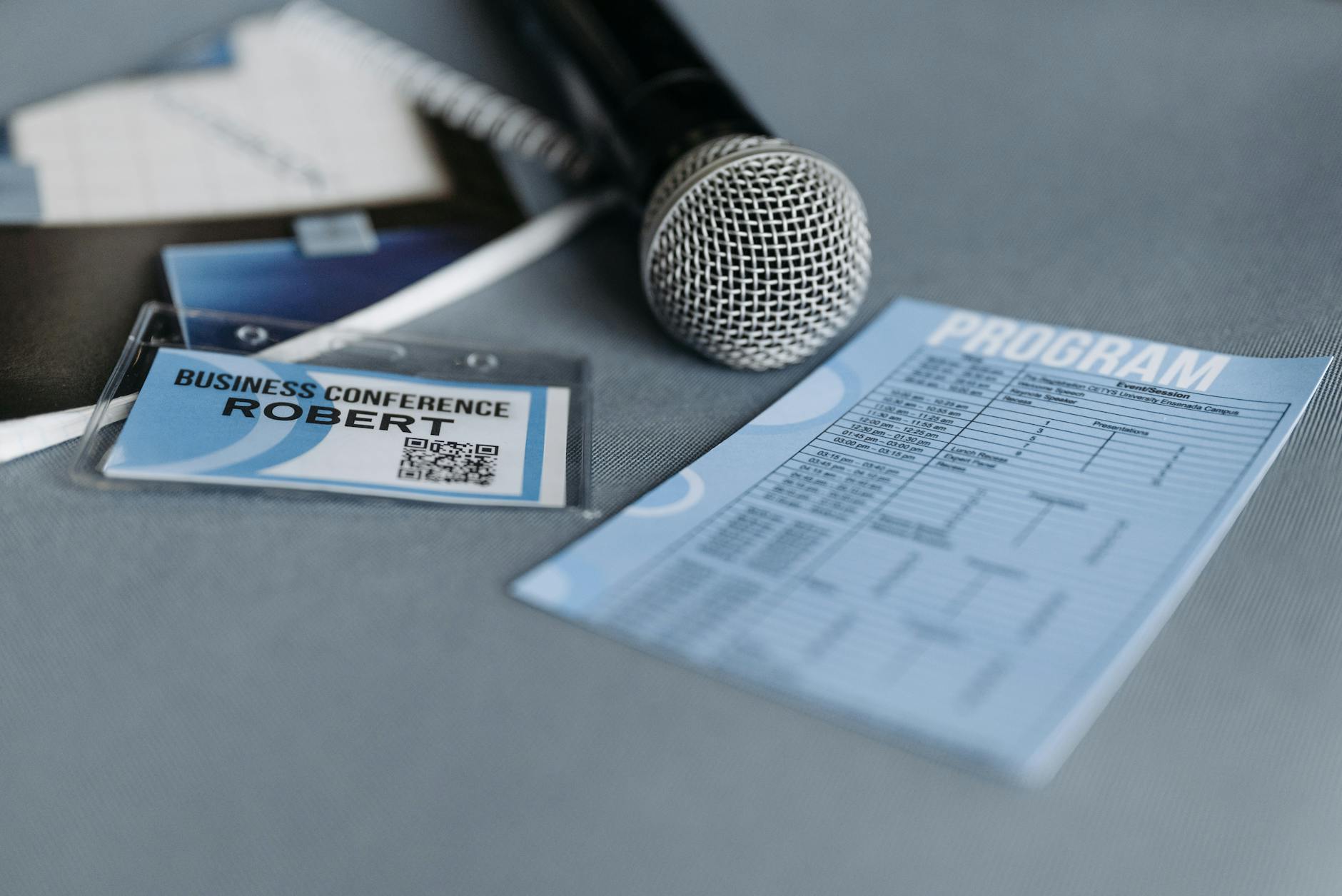
Trade shows are information-rich environments. Badges, laptops, phones, demo devices, prototype images, pricing sheets, account lists, distributor discussions, and casual hallway comments can expose more than the traveler intends. Lyon is not unusually difficult in this respect; the issue is the event format. Crowded halls, tired evenings, public Wi-Fi, informal networking, and constant introductions make discipline harder.
Travelers should protect devices, use secure connections, separate public talking points from sensitive details, avoid leaving materials unattended, and decide what can be photographed. Badge lanyards, branded bags, and open laptops make people legible in ways that matter. The most useful security posture is practical rather than theatrical: know what information is sensitive, who can receive it, and how notes and contacts will be stored before the trip begins.
- Treat badges, devices, notes, pricing sheets, samples, and client lists as business assets.
- Avoid sensitive conversations in crowded halls, public lounges, taxis, or restaurants where the audience is unclear.
- Use secure connections and a consistent system for storing leads, photos, and follow-up notes.
When to order a short-term travel report
A trade-show attendee may not need a custom report when the hotel is already fixed, the venue is central, the schedule is light, and the traveler has no material, dinner, or transfer complexity. A report becomes more useful when the traveler is choosing between hotels, attending an event at Eurexpo, managing booth setup, arriving with samples, hosting clients, moving between multiple meetings, or trying to avoid losing work time to preventable logistics.
The report should test the actual venue, hotel candidates, airport or rail arrival, daily transfer plan, setup requirements, material movement, meeting geography, dining options, current disruption risk, and return schedule. For trade-show travel, the value is not a generic Lyon overview. It is an operating brief that keeps the traveler close to the commercial purpose of the trip while still making the city workable after the hall closes.
- Order when venue geography, hotel choice, setup deadlines, samples, client meals, or multi-site meetings could affect the trip.
- Provide the event venue, hotel options, arrival details, booth obligations, client-meal needs, and departure constraints.
- Use the report as a practical operating brief rather than a generic visitor guide.