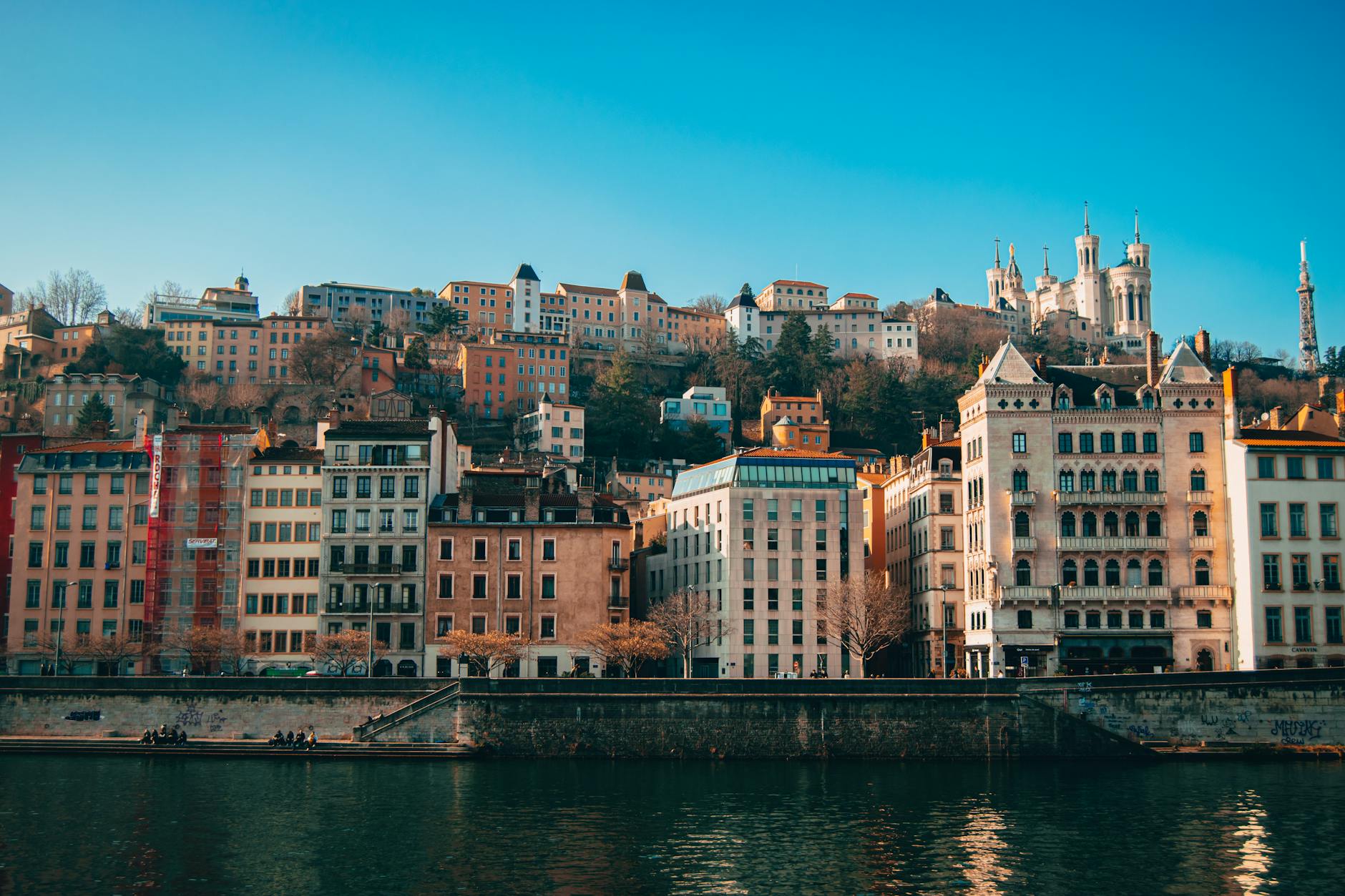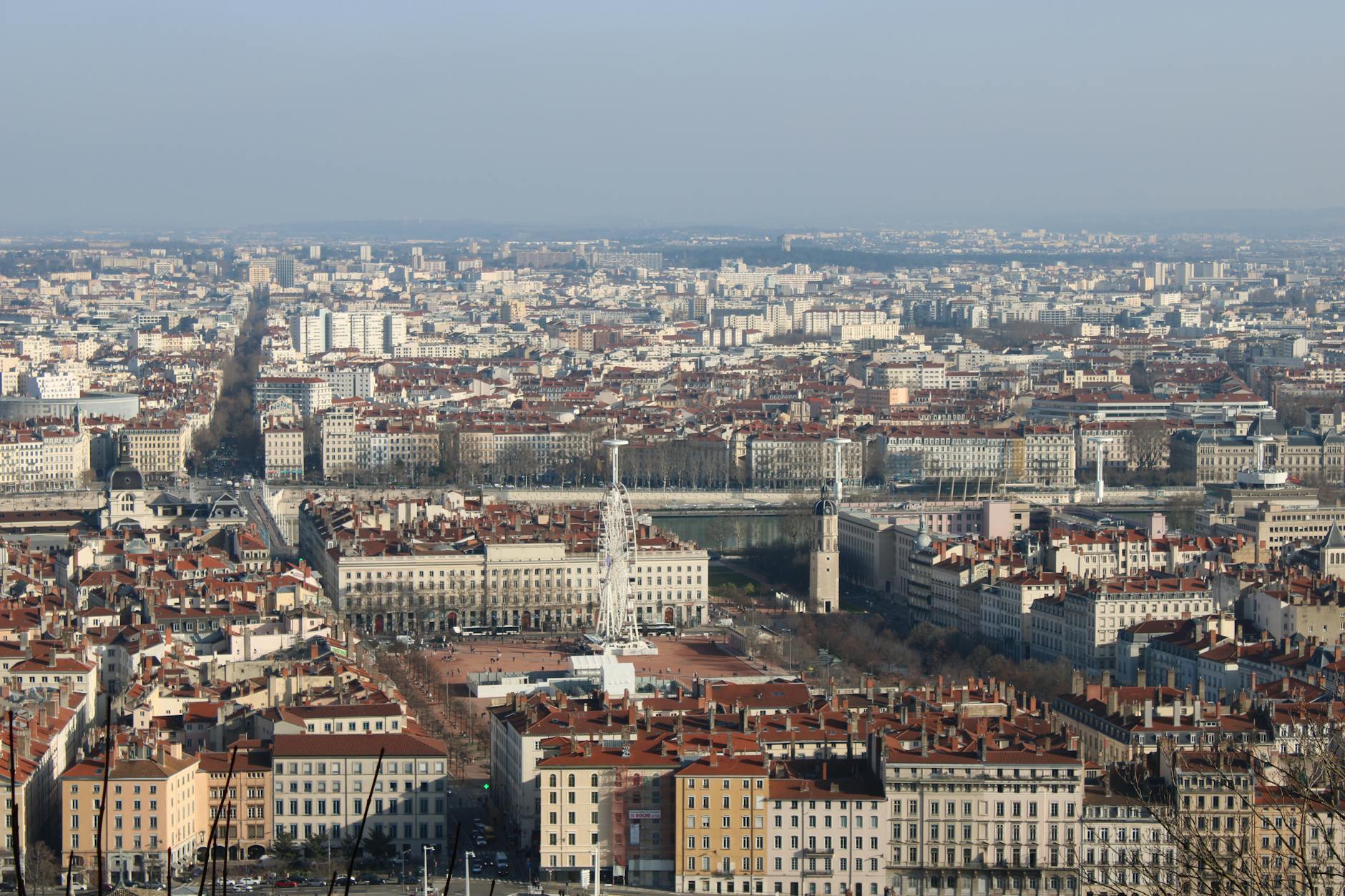
Lyon is a generous tourist city because it does not force every good moment into one famous monument. The pleasure is in the sequence: Vieux Lyon and Saint-Jean, Fourviere above the city, Presqu'ile streets and squares, the Saone and Rhone riverbanks, Croix-Rousse, Parc de la Tete d'Or, Les Halles de Lyon Paul Bocuse, Confluence, small cafes, bridges, markets, murals, and the way the city changes from a food trip to an architecture trip to a river walk within a few blocks. That richness is also the planning problem. A tourist who tries to see everything can spend too much of the trip crossing the city, climbing hills at the wrong time, eating at inconvenient hours, or reaching the best views when everyone is already tired. A strong Lyon tourist plan is built around neighborhoods and energy, not around a raw list of attractions. Choose a base that makes evenings easy, group the old town and hill logically, treat meals as anchors, use parks and river walks as pressure valves, and keep arrival and departure simple. The paid short-term report applies that judgment to the traveler's exact hotel, arrival point, trip length, food interests, mobility, pace, budget, and current local conditions.
Build the trip around zones, not scattered sights
Lyon is easiest when the tourist thinks in connected zones. Vieux Lyon, Saint-Jean, and Fourviere belong together, but the hill changes the effort. Presqu'ile can hold squares, shopping streets, cafes, river crossings, and evening returns. Croix-Rousse is a different rhythm, with slopes, silk-weaving history, murals, and a more local feel. Confluence works best when the museum or modern riverfront is actually part of the plan, not because the visitor saw it on a map. Parc de la Tete d'Or is a pressure valve, not a place to squeeze in between two distant commitments.
The tourist should decide what kind of Lyon day they want before adding stops. A historic day can start in Vieux Lyon, rise to Fourviere, and return by funicular or river. A food-and-walking day can stay around Presqu'ile, Les Halles, and the riverfront. A slower day can use parks, cafes, and one museum. The trip becomes better when each day has a shape, instead of becoming a series of half-finished crossings.
- Group Vieux Lyon, Saint-Jean, Fourviere, Presqu'ile, Croix-Rousse, Confluence, and Parc de la Tete d'Or by actual route logic.
- Give each day a clear shape: historic, food-focused, museum-focused, river-focused, or deliberately slow.
- Avoid crossing Lyon repeatedly just to collect disconnected sights.
Choose a base that supports evenings
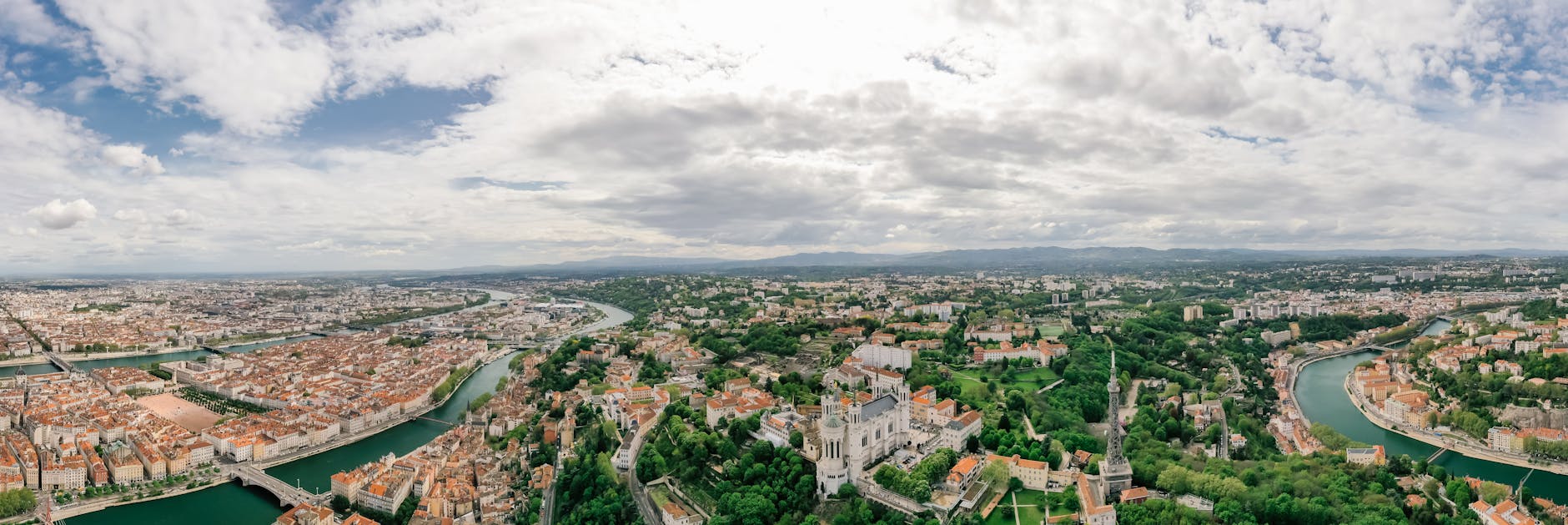
Tourists often choose Lyon lodging by charm, price, or a central label that hides the real tradeoffs. Presqu'ile around Bellecour, Cordeliers, Jacobins, and the river crossings is a strong default for many short stays because restaurants, shops, transit, taxis, and evening walks stay close together. Vieux Lyon can be memorable and atmospheric, but old buildings, cobblestones, narrow lanes, tourist density, and late returns should be considered. Part-Dieu can be practical for rail arrivals and airport transfers, but it may not deliver the city-break feeling a tourist expects. Croix-Rousse and Confluence can work well for specific styles of trip, but they are not neutral choices.
The most important question is what happens after dinner. If the traveler will be out late, drinking wine, carrying shopping, moving with children, managing mobility limits, or returning in rain, the hotel area matters more than it looked at booking. A good base makes the last movement of the day short and obvious. That gives the tourist more freedom during the day because the night is already solved.
- Use central Presqu'ile as a strong default when evening meals, taxis, shopping, and short returns matter.
- Treat Vieux Lyon, Part-Dieu, Croix-Rousse, and Confluence as distinct lodging choices with real tradeoffs.
- Judge the hotel by the return after dinner, not only by the morning sightseeing map.
Use Vieux Lyon and Fourviere deliberately
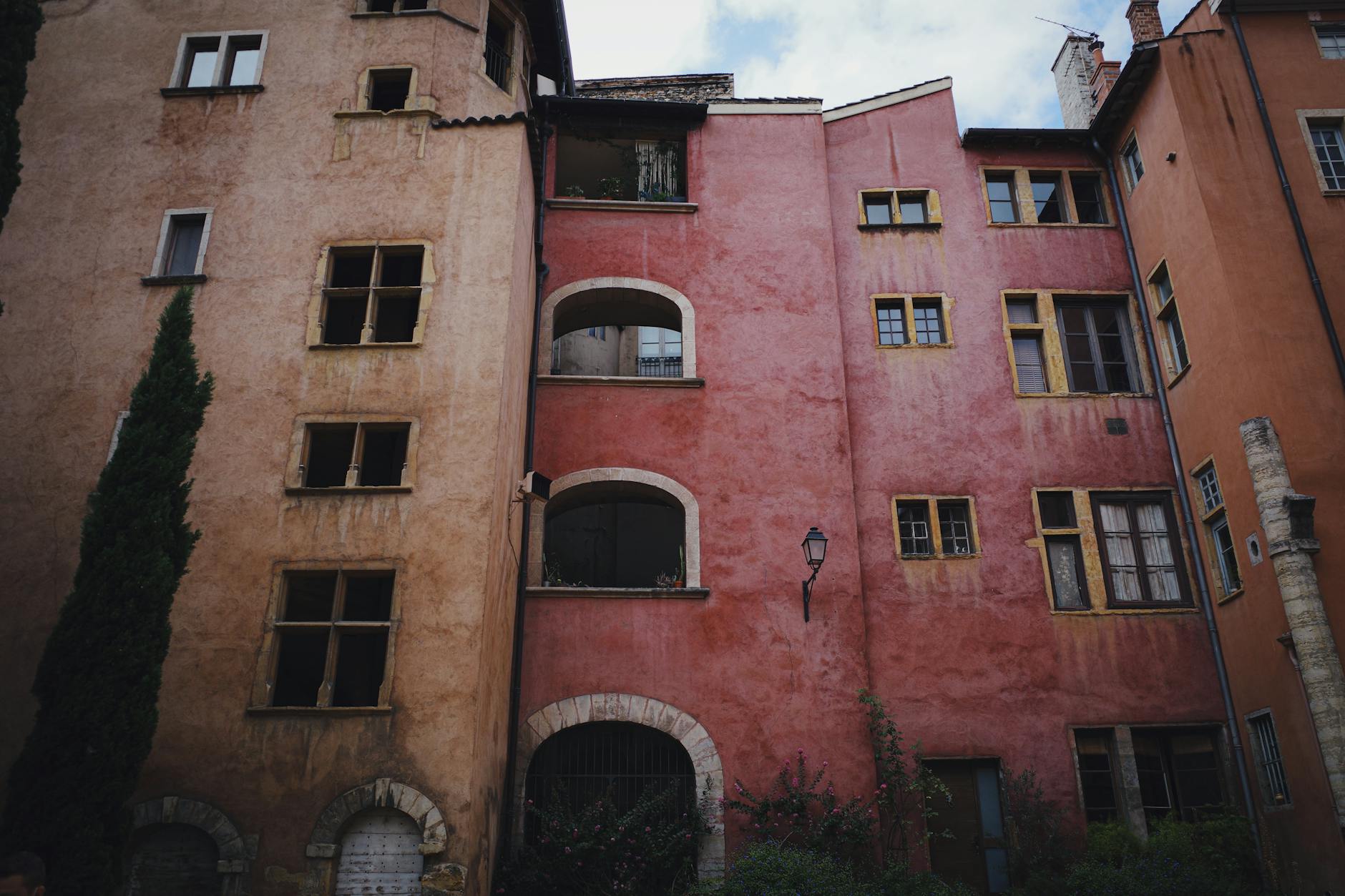
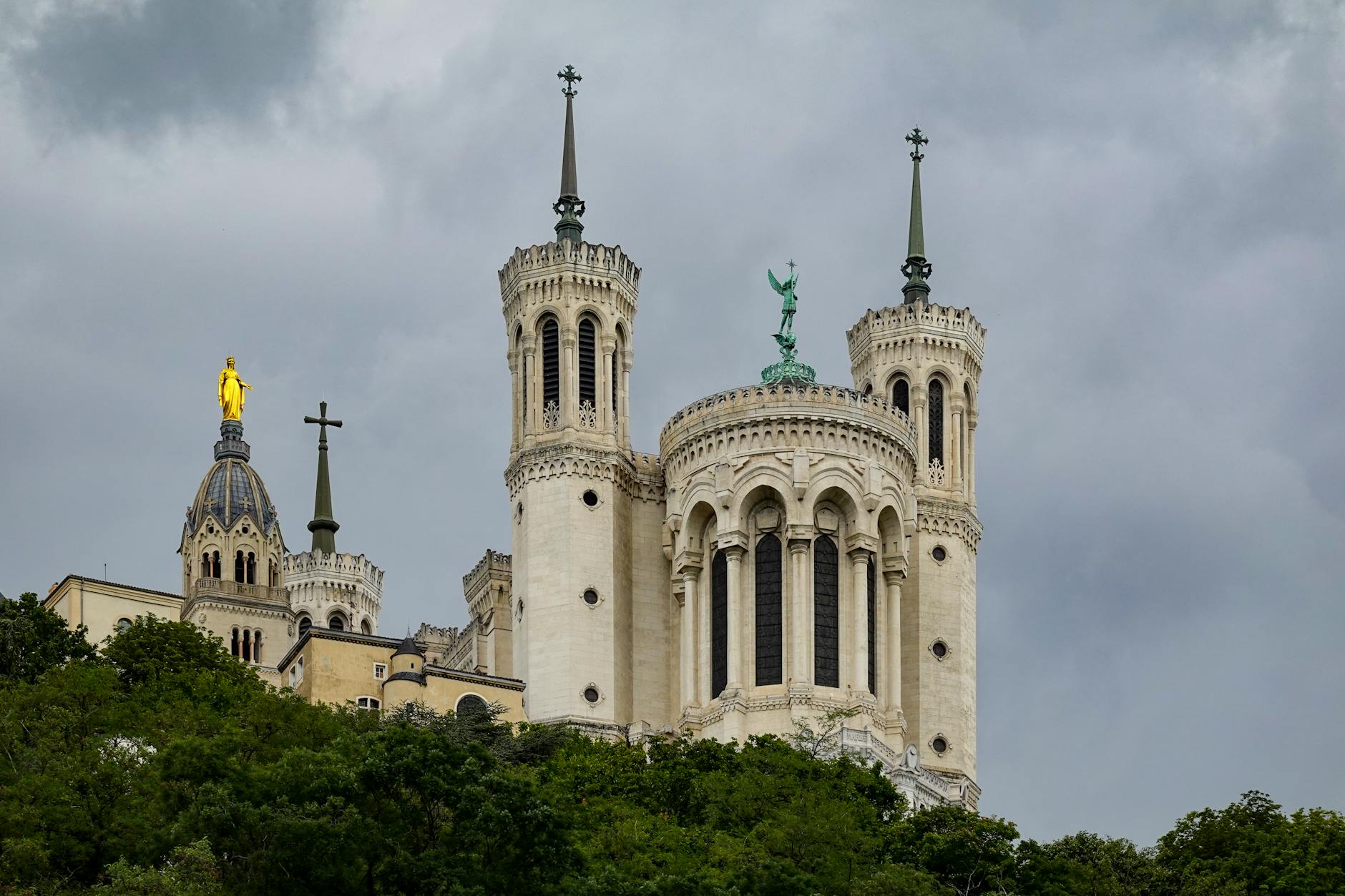
Vieux Lyon and Fourviere are essential for many tourists, but they should not be treated as effortless because they are close together. The old town rewards slow walking, courtyards, facades, Saint-Jean, cafes, and the feel of the streets. Fourviere adds views, the basilica, Roman sites nearby, and a different sense of the city. The weak version of the day is to wander too long below, climb or queue at the wrong moment, become hungry on the hill, and then rush back down without enjoying either level.
The better plan chooses the direction and the threshold. Some travelers should take the funicular up and walk down only if the weather, shoes, and knees allow it. Others may want the climb as part of the experience. Families, older travelers, travelers with medical constraints, and anyone on a hot or rainy day should be more conservative. The tourist should also decide whether this is a morning light, sunset view, or early-evening plan, because Fourviere feels different in each version.
- Pair Vieux Lyon and Fourviere intentionally instead of assuming proximity means low effort.
- Use the funicular when hills, heat, rain, fatigue, children, or mobility limits would drain the day.
- Choose whether Fourviere is a morning, sunset, or early-evening experience before building the rest of the route.
Treat food as an anchor, not a side quest
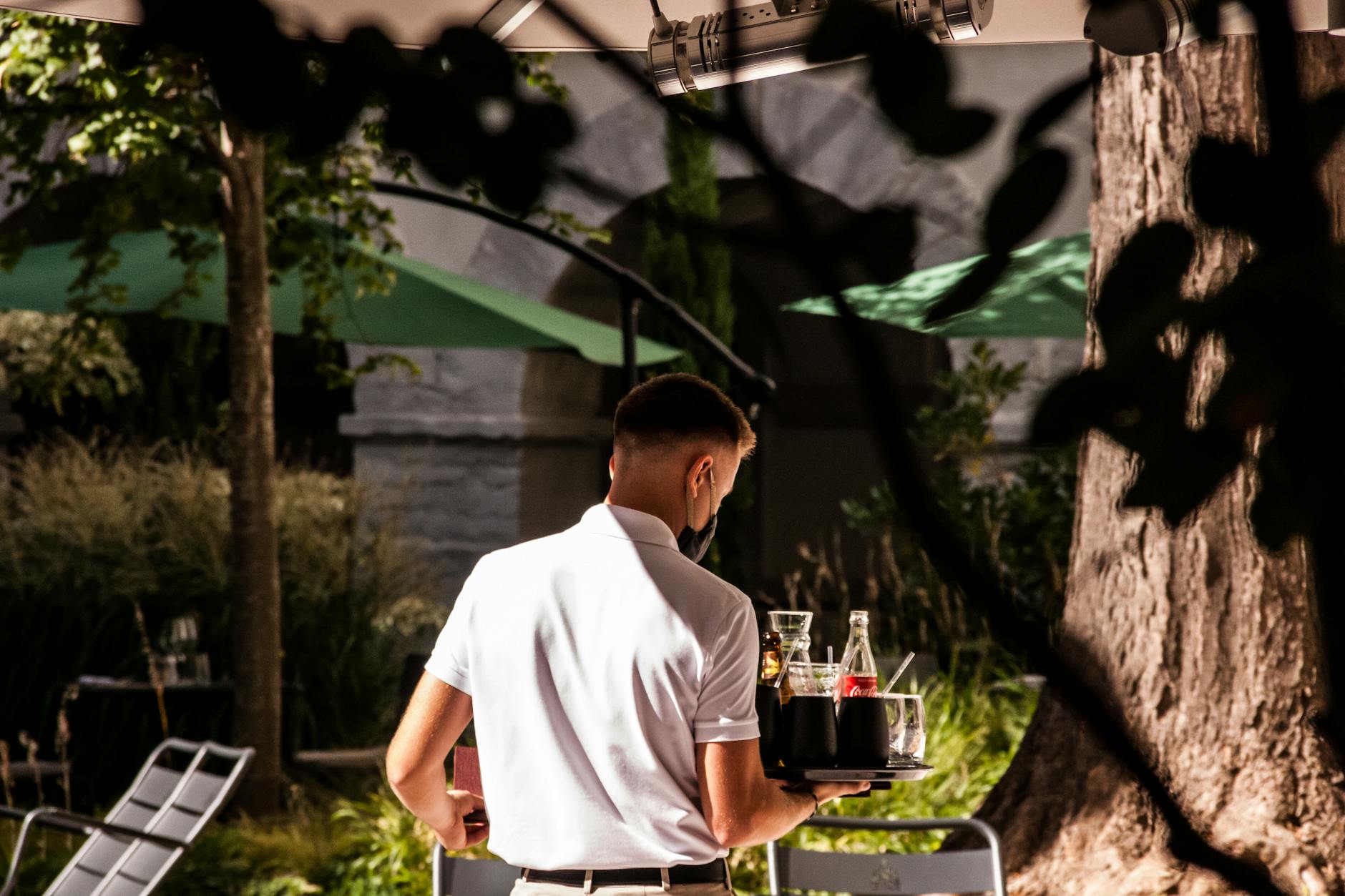
Lyon's food reputation is not a decorative feature of the trip. For many tourists it is the trip. Bouchons, Les Halles de Lyon Paul Bocuse, bakeries, cafes, markets, wine bars, and neighborhood restaurants can shape the day as strongly as museums or viewpoints. The mistake is assuming good meals will simply appear between attractions. A tourist who delays lunch until after a hill climb or chooses dinner far from the hotel may discover that food planning affects the whole mood of the city.
The visitor should decide which meals deserve planning and which should stay flexible. A traditional bouchon may be better as a reserved lunch or an early dinner. Les Halles can work as a food anchor rather than a quick detour. A simple cafe near the hotel may be more valuable on a tired evening than a famous place across town. Food in Lyon is best when geography, appetite, budget, and return route are all part of the decision.
- Plan the meals that matter instead of assuming Lyon's food scene will solve itself at the right hour.
- Use bouchons, Les Halles, cafes, bakeries, markets, and wine bars as route anchors.
- Keep at least one simple dinner or cafe option near the hotel for tired or rainy evenings.
Leave room for parks, museums, and weather
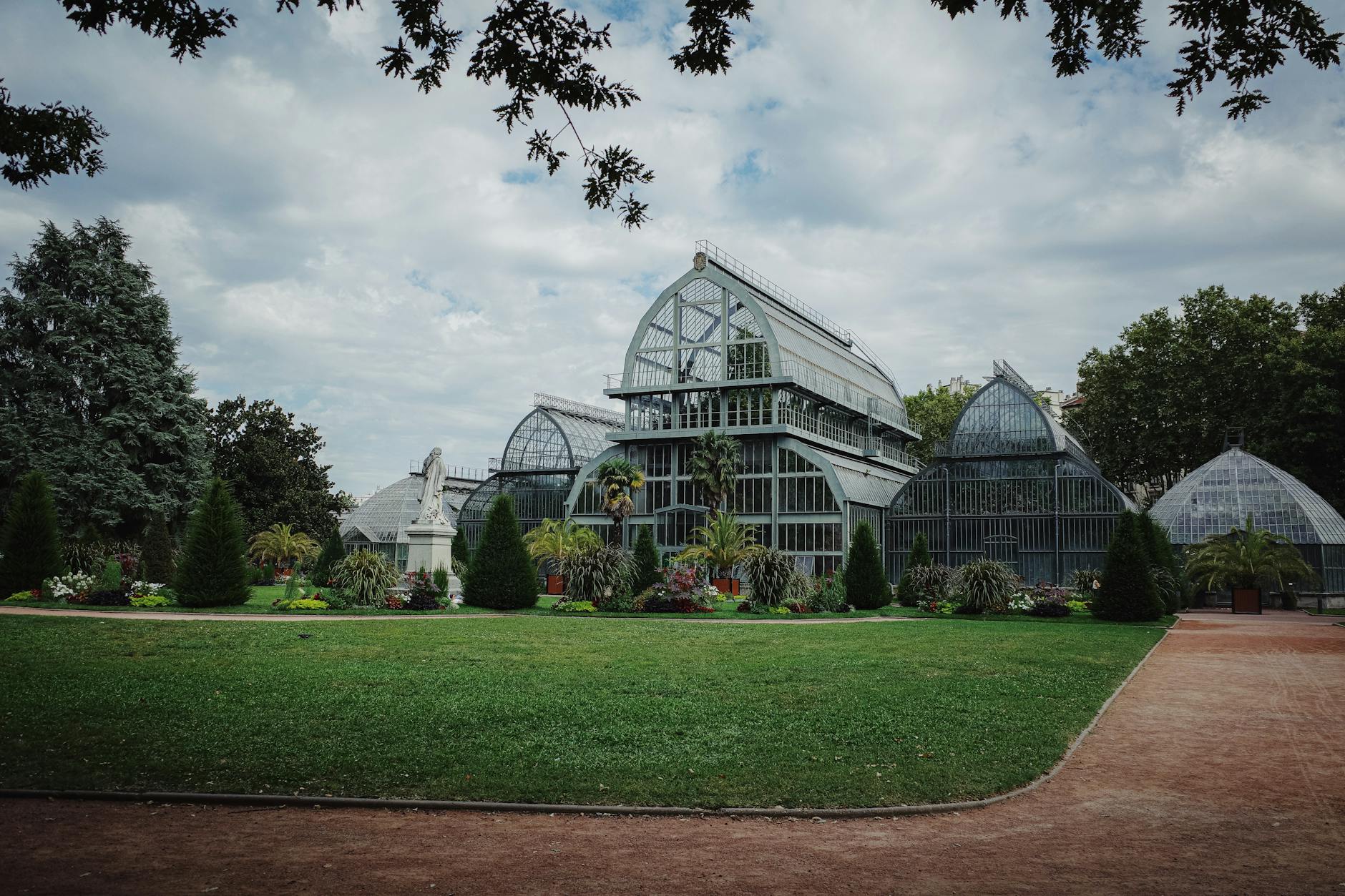
The strongest tourist itineraries in Lyon usually include a place where the day can breathe. Parc de la Tete d'Or, riverbanks, museum cafes, quieter squares, botanical spaces, and the modern Confluence area can all change the pace. They are useful not because they are lesser sights, but because they keep the trip from becoming a forced march through stone streets, hills, meals, and transport. A tourist who builds in one slower block often sees more, because the rest of the day remains enjoyable.
Weather should be treated as an itinerary variable. Heat makes exposed walks and hills harder. Rain changes cobblestones and river plans. Cold can make long outdoor gaps unpleasant. Museums, covered food stops, cafes, and short taxi-supported movements should be available as substitutions. Lyon has enough depth for changes, but only if the tourist has not built every hour around a fixed outdoor sequence.
- Use parks, riverbanks, museum cafes, and quieter squares as real parts of the trip, not leftovers.
- Keep indoor or lower-effort substitutions ready for heat, rain, cold, or fatigue.
- Avoid making every day a continuous walk through hills, old streets, and restaurant reservations.
Keep arrival, transport, and evenings simple
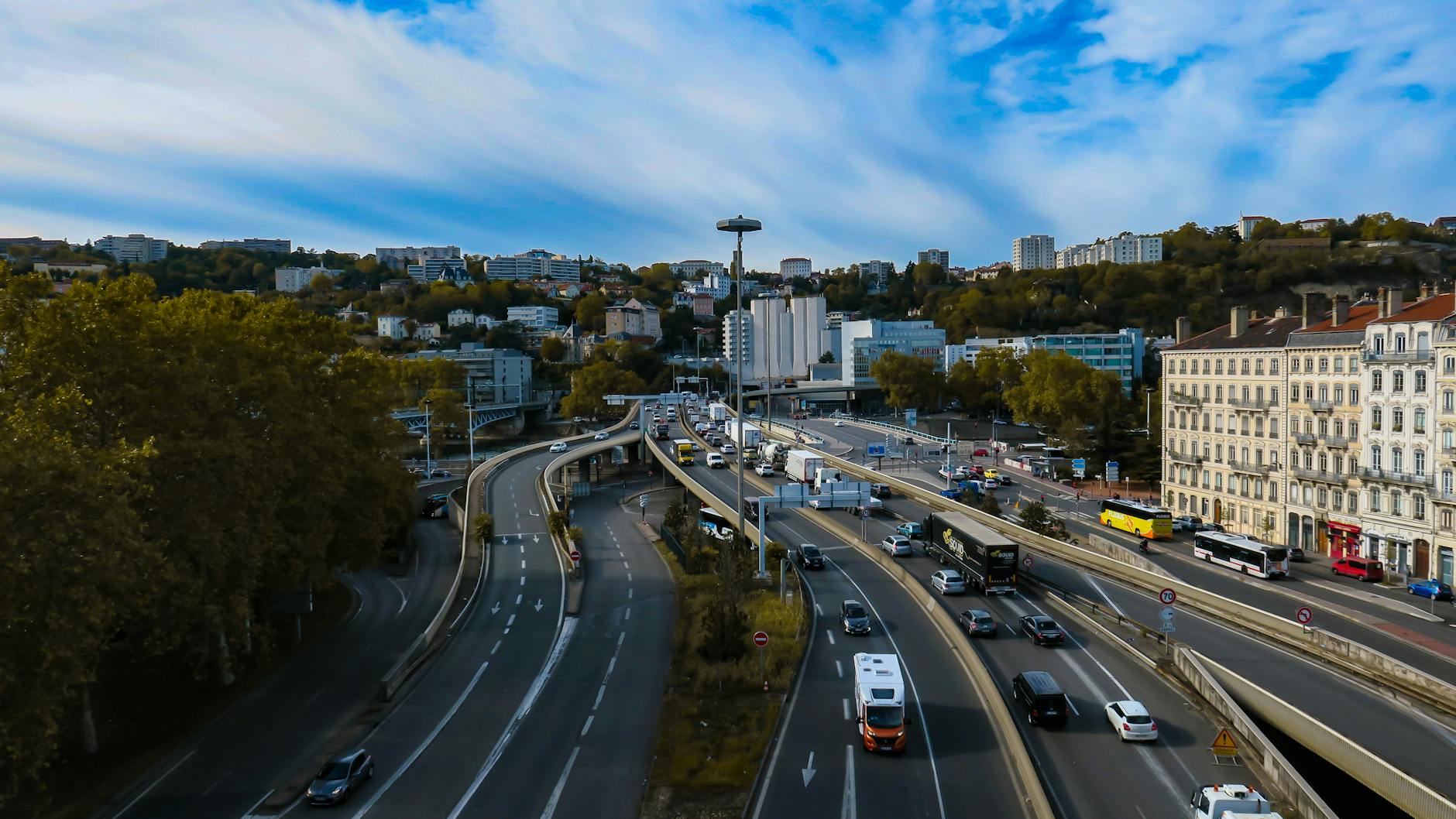
Lyon is easier when the tourist does not spend the first and last hours of each day solving movement. Saint-Exupery Airport, Rhonexpress, Part-Dieu, Perrache, metro, tram, bus, taxi, and walking can all be good answers, but not for every traveler or every hour. A late arrival with luggage, a family after a long flight, an older traveler, or a tourist staying in a less direct district may need a simpler transfer than a confident solo traveler arriving at midday.
Evening movement should be chosen before dinner starts. A walk across a river or through old streets may be lovely at 7 p.m. and less appealing at 10:30 p.m. in rain or after wine. Tourists should keep phone battery, hotel address, payment backup, and a taxi or direct-transit option ready. The goal is not to shrink Lyon. It is to make the trip feel relaxed because the fragile movements have already been made boring.
- Choose airport or rail transfer by arrival hour, luggage, confidence, weather, and hotel location.
- Check metro, tram, taxi, and walking options before the route becomes time-sensitive.
- Plan evening returns before dinner, especially across rivers, up hills, or through quieter streets.
When to order a short-term travel report
A repeat visitor with a central hotel and a loose plan may not need a custom report. A tourist with a short stay, first visit, late arrival, family needs, mobility concerns, medical constraints, food priorities, budget pressure, special occasion, or uncertainty between neighborhoods can benefit from a more precise plan. Lyon is not hard in a general sense. It is easy to make slightly wrong choices that cost the best parts of a short trip.
The report should test the exact hotel, arrival route, neighborhood sequence, Vieux Lyon and Fourviere timing, food geography, museum and park choices, weather exposure, evening returns, current local signals, and fallback options. The value is not a generic list of attractions. It is a practical trip design that helps the tourist decide what to do, what to skip, where to eat, when to rest, and how to leave enough space for Lyon to feel like a place rather than a checklist.
- Order when hotel choice, short trip length, food priorities, late arrival, family needs, mobility, or medical constraints matter.
- Provide hotel candidates, arrival details, trip length, must-see sights, food interests, budget, and preferred pace.
- Use the report to shape the route, not just to add more things to do.