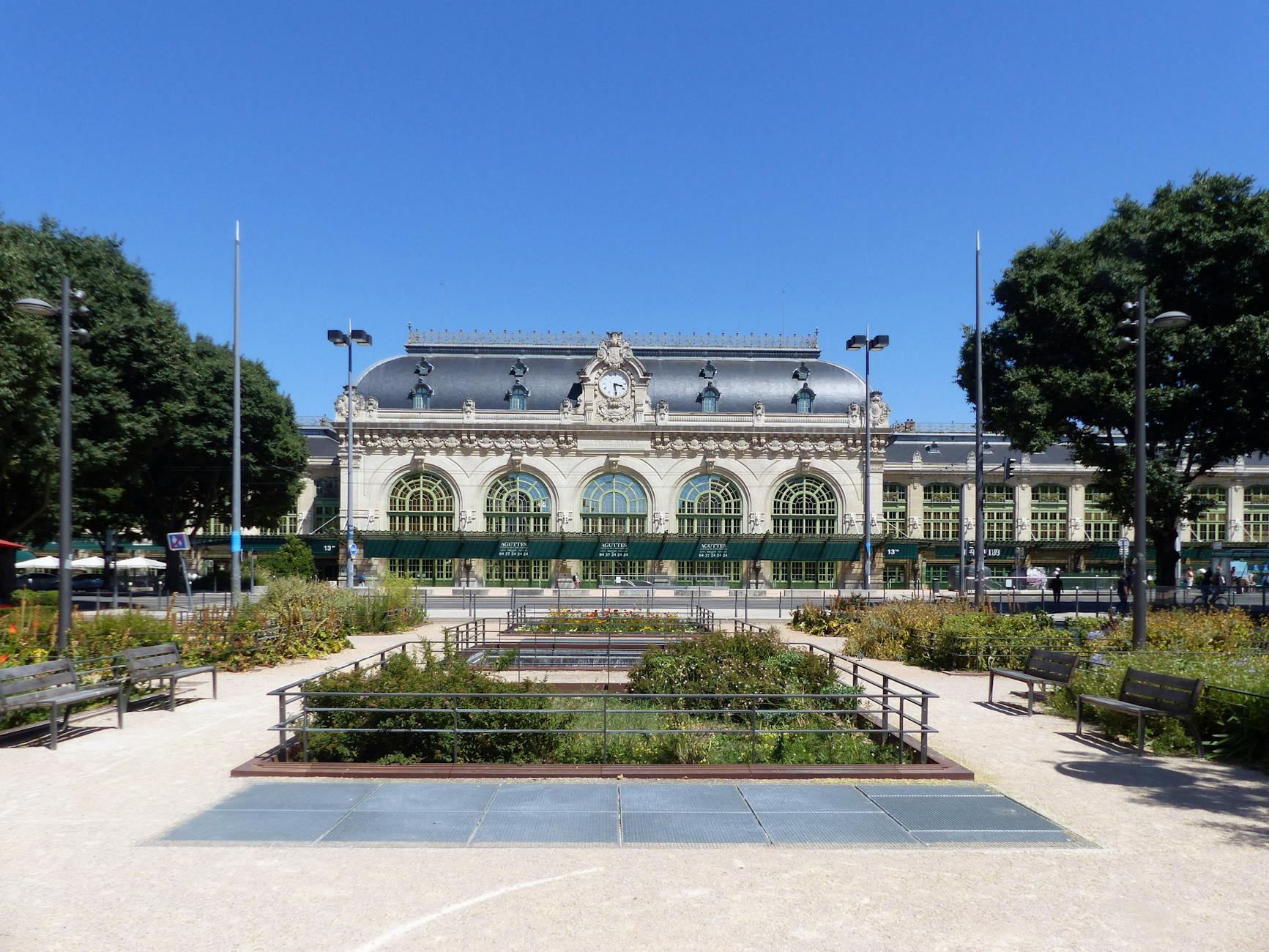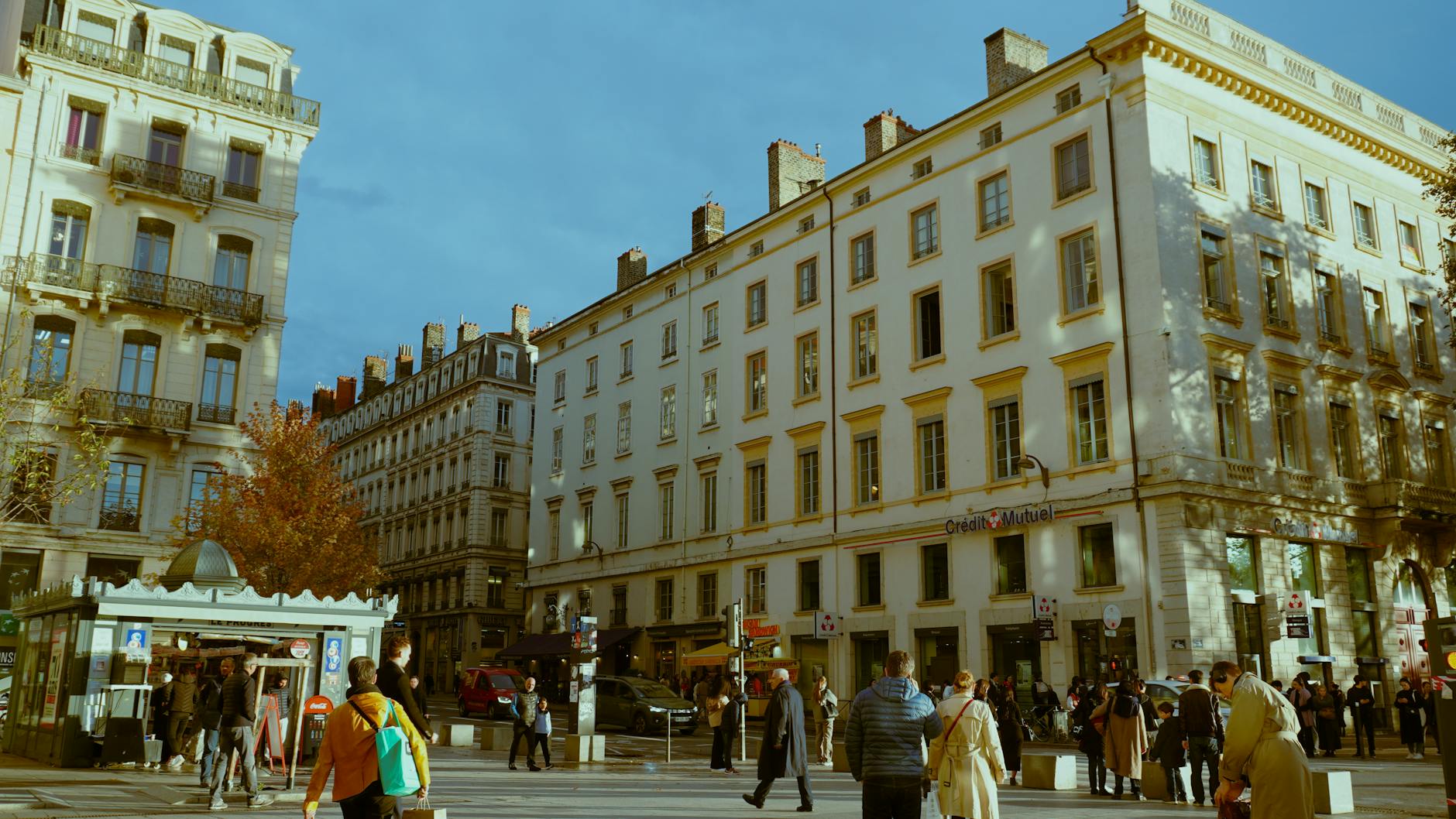
Lyon is a strong city for solo travel because it is rich, walkable, food-centered, and easier to size up than many larger European capitals. A solo traveler can build satisfying days around Presqu'ile, Vieux Lyon, Fourviere, river walks, museums, markets, cafes, parks, and a good meal without needing a large group or a complicated itinerary. The same qualities that make Lyon attractive, however, need a little structure when the traveler is alone. No one else is watching the bag at the cafe, checking the return route after dinner, noticing fatigue, or making the second payment method available if the first one fails. The best solo Lyon plan is not defensive or timid. It is deliberate. Choose a base that makes evenings easy, keep arrival simple, use public space confidently during the day, make restaurant choices that feel comfortable alone, and set clear limits for after-dark wandering. The paid short-term report applies that logic to the traveler's exact hotel, arrival point, comfort level, walking tolerance, food priorities, identity considerations, and preferred balance of independence and support.
Choose a base that makes solo evenings easy
For a solo traveler, the hotel base matters more than it might for a group. Presqu'ile is often the strongest starting point because restaurants, shops, river walks, museums, transit, and taxi options are close enough to keep evenings flexible. A hotel near Bellecour, Cordeliers, Jacobins, or the central river corridors can make it easier to go out, return early, or change plans without turning the evening into a logistics problem. Vieux Lyon can be atmospheric, but it should be checked for access, crowds, noise, and the route back after dinner. Part-Dieu is practical for trains but may not feel like the best solo leisure base.
A solo traveler should judge hotels by the whole day: arrival, room access, front-desk coverage, elevator, nearby food, late-return route, lobby comfort, and how easy it is to step out for a simple meal. The right base gives the traveler options. The wrong base makes every choice feel bigger than it needs to be.
- Use Presqu'ile or central river areas when solo evening flexibility matters.
- Check front-desk coverage, elevator, nearby food, late-return route, and room access before booking.
- Treat Vieux Lyon charm and Part-Dieu practicality as specific choices, not automatic defaults.
Make arrival low-effort and predictable
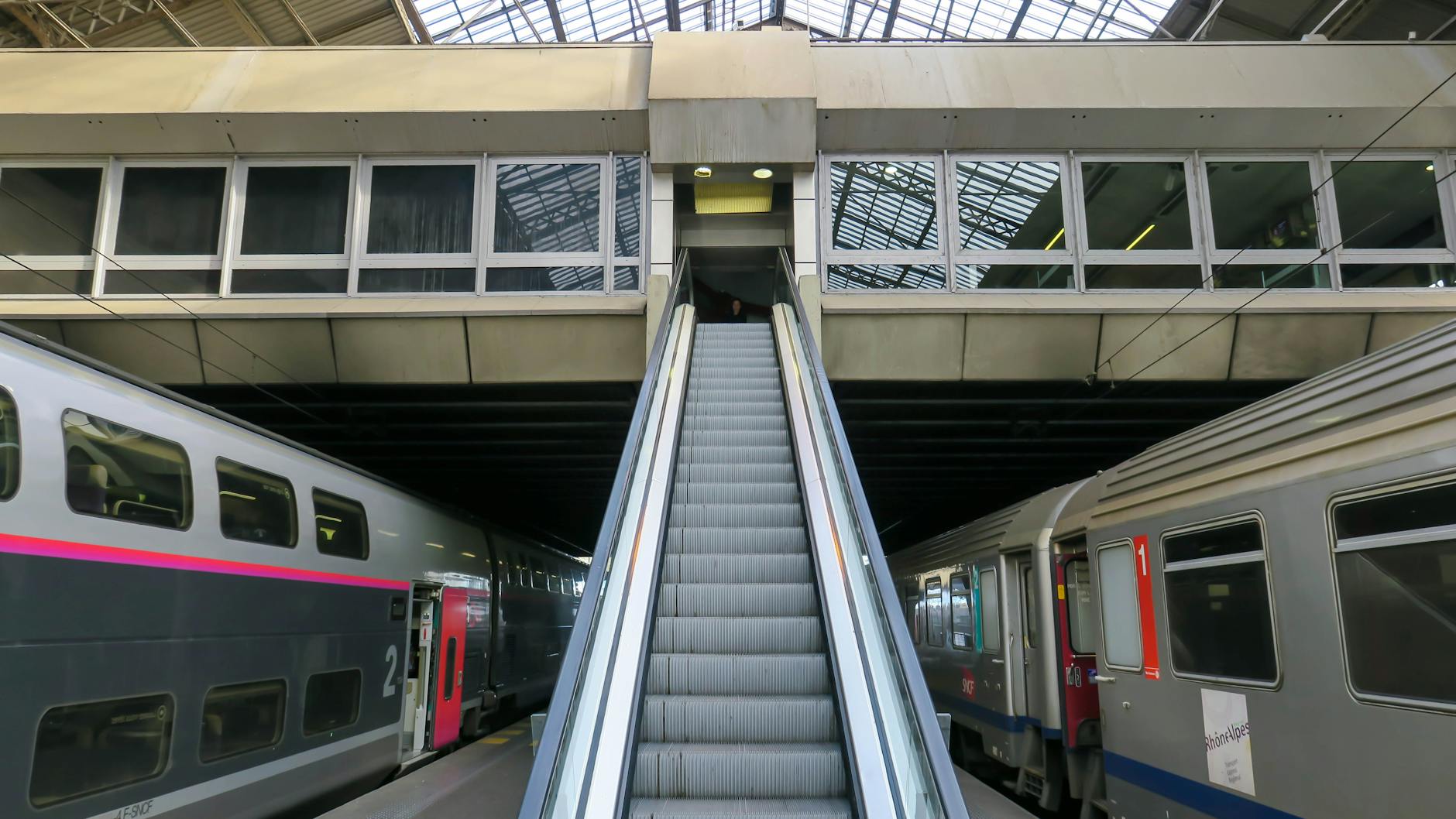
Solo arrival is the moment when avoidable friction has the most leverage. Saint-Exupery Airport requires a real transfer decision, and Part-Dieu station can be busy, especially with luggage and a phone in hand. A solo traveler should know the route to the hotel before landing or stepping off the train, including the backup plan if the first option is delayed, crowded, or uncomfortable. Rhonexpress, metro, tram, taxi, and hotel car can all be reasonable depending on hour, luggage, energy, and final address.
The first evening should be deliberately simple after a late or tiring arrival. A short walk near the hotel, a nearby meal, and a clean reset may be better than pushing immediately into Vieux Lyon or a cross-town dinner. Solo travelers often have the freedom to do more, but the first night is not the moment to prove it.
- Know the airport or station-to-hotel route and backup before arrival.
- Choose taxi or hotel car when late hours, luggage, fatigue, or uncertainty makes transit less comfortable.
- Keep the first evening close to the hotel after a long travel day.
Build days around confident public-space use
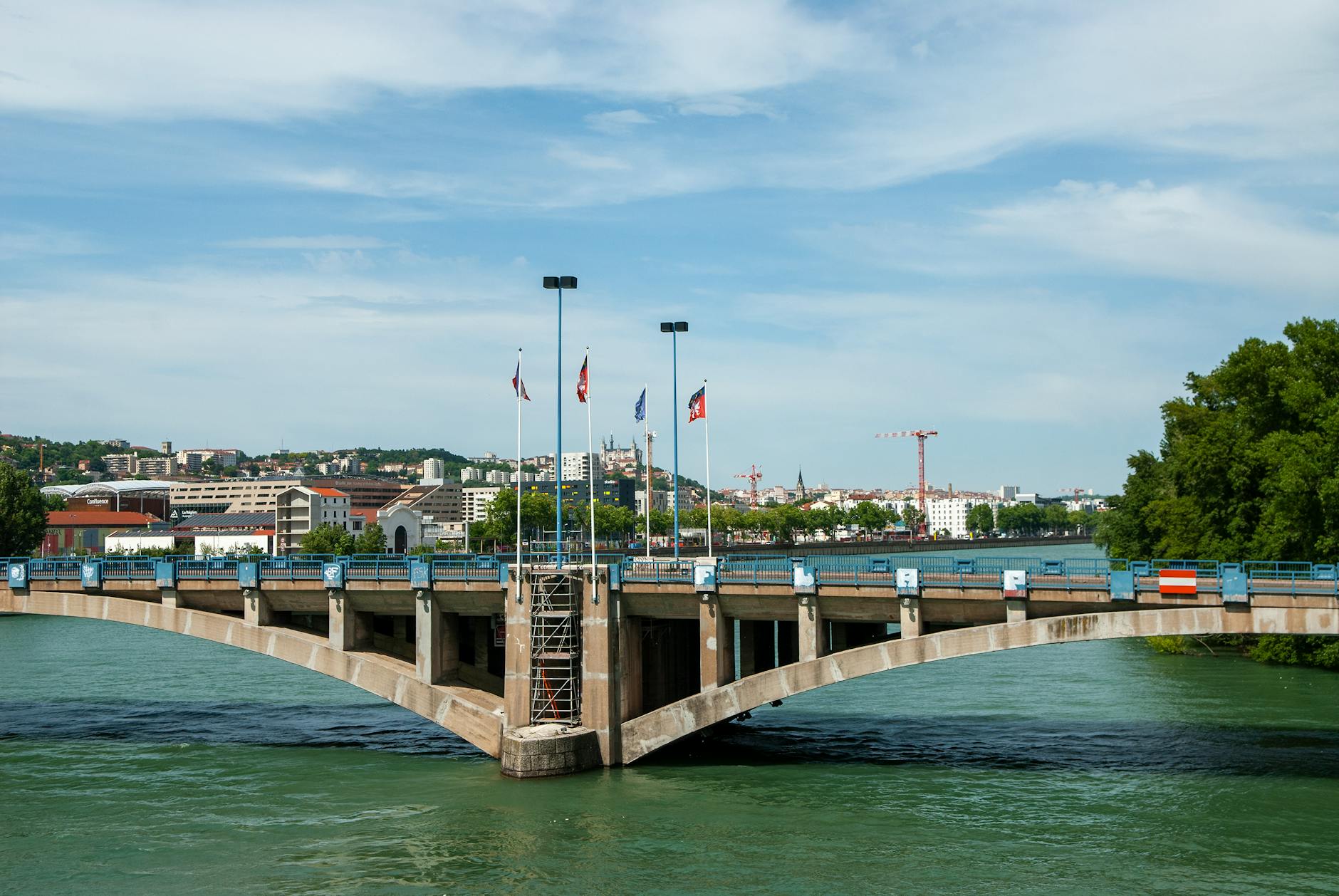
Lyon is well suited to solo daytime movement. Presqu'ile, the riverbanks, Vieux Lyon, Fourviere, museums, parks, and central shopping streets can all work well alone. The traveler should still think about route shape. It is easier to feel confident when the day has one or two anchors, nearby meal options, clear transport choices, and a known way back to the hotel. A wandering day can be excellent; an aimless day with low phone battery and no food plan can become irritating quickly.
Solo travelers should use Lyon's geography to their advantage. Group Vieux Lyon and Fourviere rather than repeatedly crossing the river. Use the Saone or Rhone as orientation lines. Keep a small list of cafes, museums, and parks where stopping alone feels natural. The city rewards independent exploration when the traveler has enough structure to relax into it.
- Set one or two daily anchors, then leave space for wandering around them.
- Use the rivers, Presqu'ile, and Fourviere as orientation points.
- Keep solo-friendly cafes, museums, parks, and transit stops in reserve.
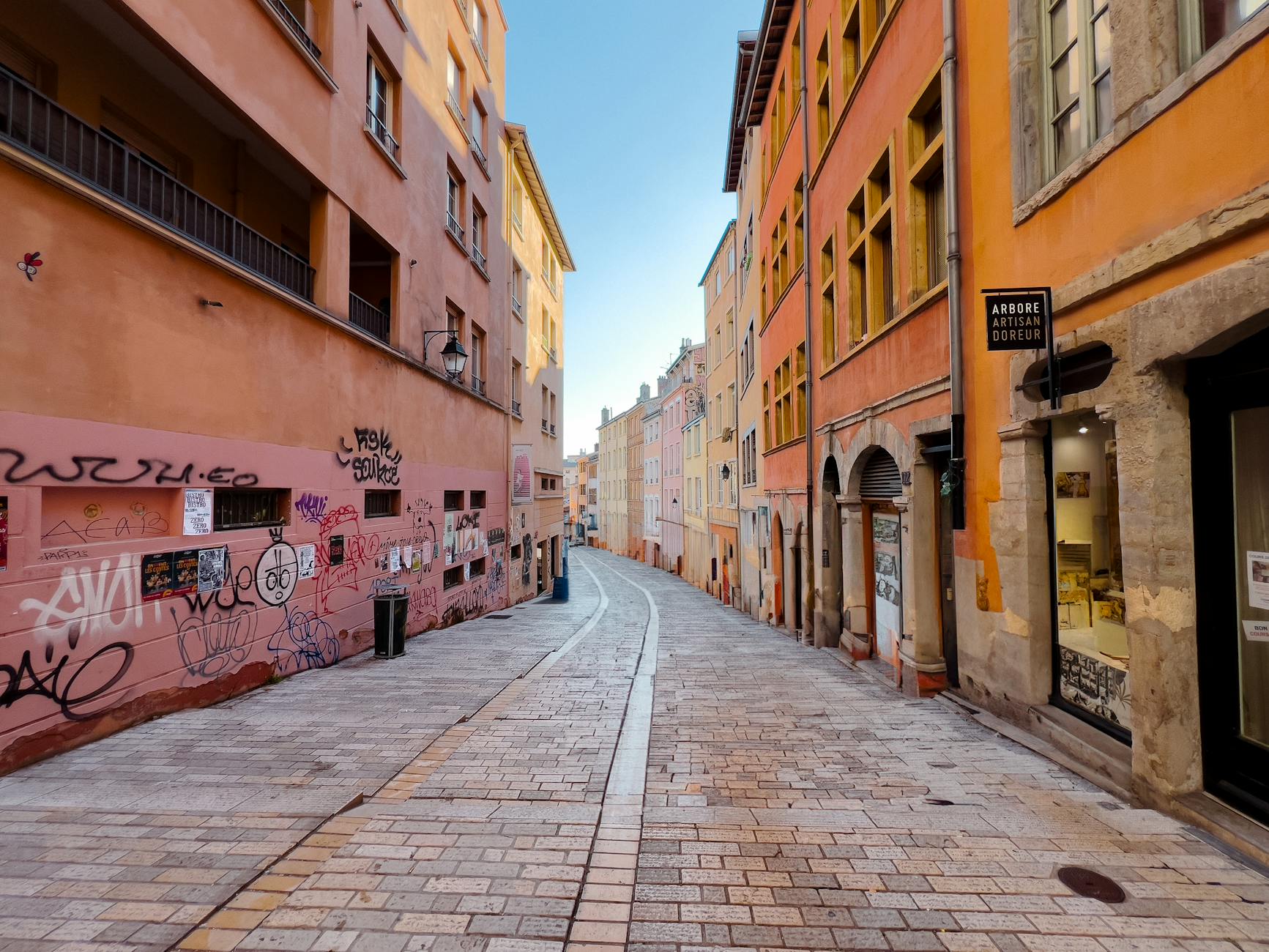
Handle cafes and restaurants with intent
Lyon's food culture can be very good for solo travelers, but it rewards deliberate choices. Some restaurants are easier alone than others. A counter, terrace, bistro table, market stop, lunch reservation, or early dinner can feel natural. A long formal meal in a crowded room may still be worthwhile, but the traveler should choose it because it fits the night, not because it was the first famous name available.
Solo dining also changes bag and device control. A traveler should avoid leaving a phone, camera, or purse unattended while ordering, paying, or stepping away. It helps to choose restaurants close to the hotel or a reliable return route, especially after wine or a late meal. The point is not to avoid memorable meals. It is to make them easy to enjoy without managing too many small risks alone.
- Choose restaurants where solo seating, timing, and return route feel comfortable.
- Reserve high-priority meals, but keep simpler nearby options for low-energy evenings.
- Maintain phone, bag, and payment control at cafes, terraces, counters, and markets.
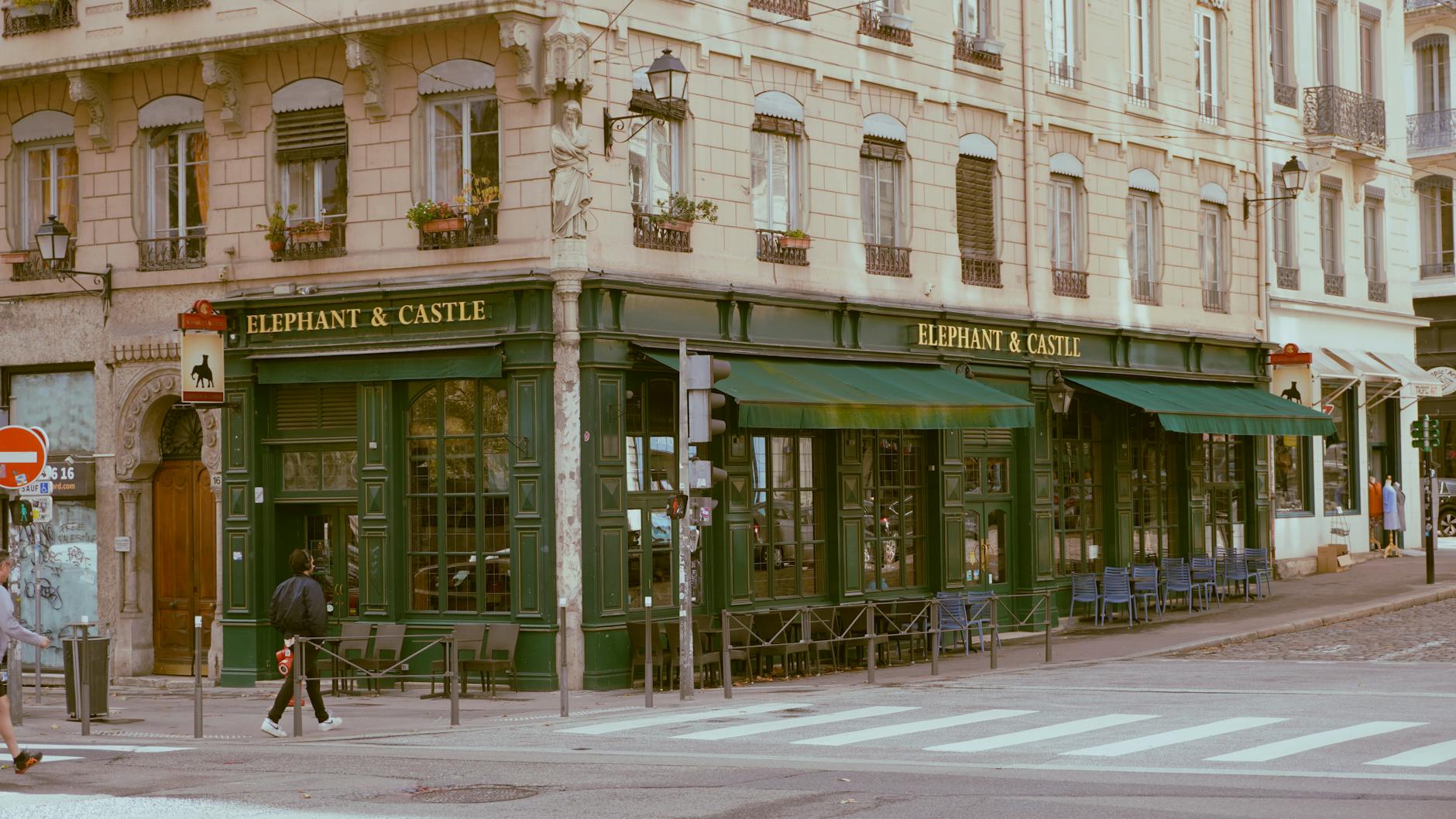
Set after-dark rules before the evening starts
A solo traveler can enjoy Lyon after dark, but the route home should be settled before dinner or drinks begin. Central streets, river views, lit bridges, and restaurant districts can be pleasant, while quiet side streets, station edges, empty river stretches, or unfamiliar hill routes may feel different once the traveler is tired. The question is not whether an area is categorically safe or unsafe. The question is whether the route is comfortable for this traveler at this hour.
The traveler should know the walking route, transit option, taxi fallback, hotel address, and phone battery status before staying out late. If a route feels uncertain, take the boring option. Lyon is easier to enjoy when the solo traveler does not have to make navigation, safety, and payment decisions all at the end of the night.
- Choose the evening return route before dinner or drinks.
- Use taxi or direct transit when fatigue, weather, hills, or unfamiliar streets reduce confidence.
- Keep phone battery, hotel address, and backup payment available after dark.
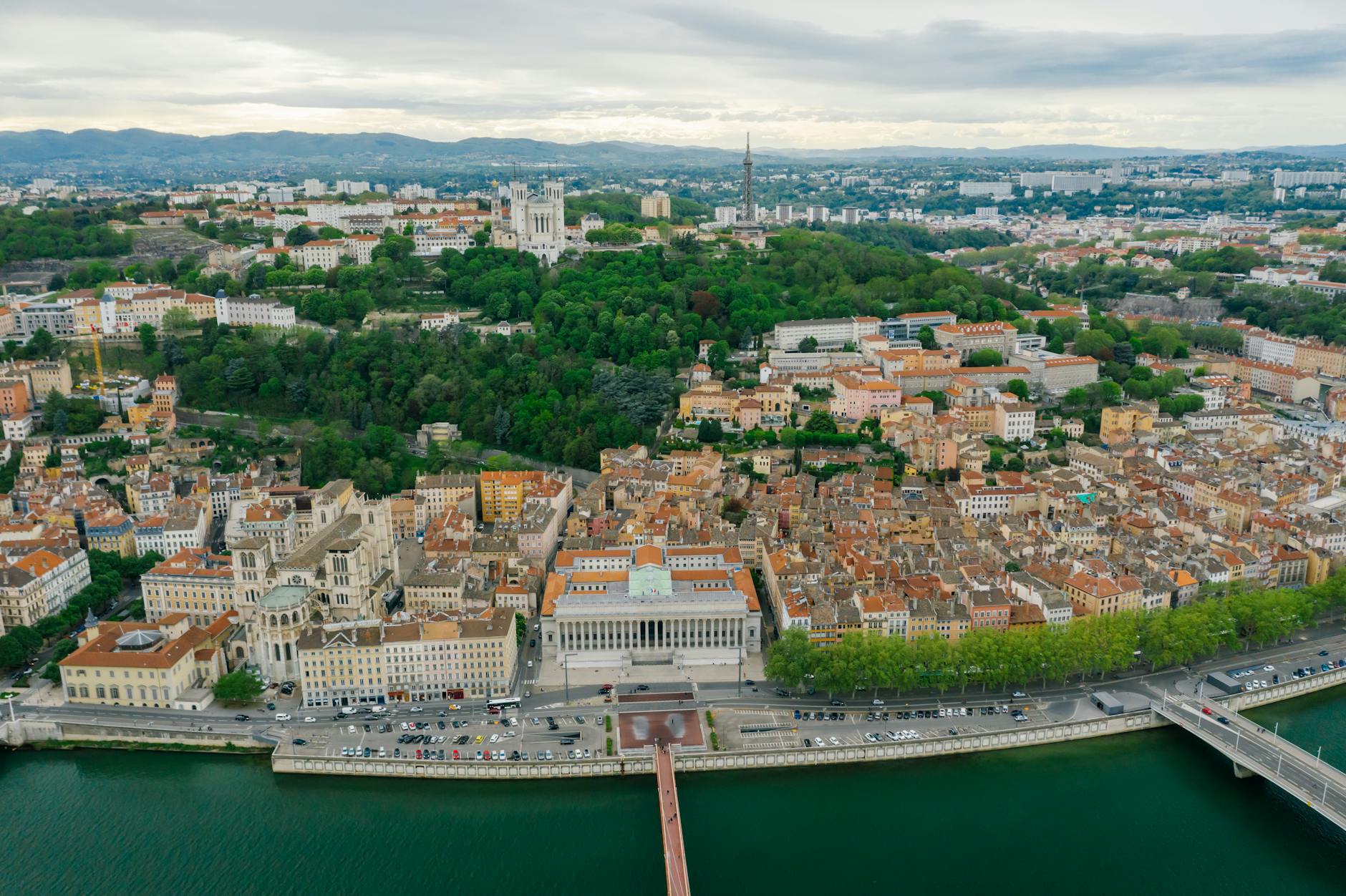
Protect phone, payment, documents, and fallback capacity
Solo travel exposes small dependencies. If the phone dies, the payment card fails, or a passport is misplaced, there is no companion to fill the gap. A solo traveler in Lyon should carry a charged phone, portable battery, offline map, hotel address, backup payment, passport copy, and emergency contact access. The passport itself should not be carried casually unless needed; hotel storage and local requirements should be handled deliberately.
This planning also applies to health and comfort. Medication, allergies, glasses, contact lenses, mobility limits, and anxiety about navigating alone should be accounted for before the day begins. A solo traveler does not need a complicated emergency plan, but they do need enough redundancy that a normal travel problem stays small.
- Carry phone power, offline map, hotel address, backup payment, and emergency contacts.
- Keep passport, medication, glasses, and essential documents controlled and redundant where sensible.
- Know the nearest pharmacy or medical fallback if medication, allergies, or health constraints matter.
When to order a short-term travel report
A confident solo traveler with a central hotel, flexible schedule, and good French or European travel experience may not need a custom report. A report becomes more useful when the traveler is arriving late, uncertain about where to stay, uncomfortable with solo dining, managing medical or mobility needs, carrying valuable equipment, planning nights out, navigating identity-specific concerns, or trying to fit Lyon into a tight rail or multi-city itinerary.
The report should test the hotel base, arrival route, after-dark return options, restaurant geography, phone and payment fallback, medical access, current transport signals, and the plan's weak points. For a solo traveler in Lyon, the value is not a generic safety lecture. It is a practical structure that lets the traveler be independent without making every decision alone in the moment.
- Order when hotel choice, late arrival, solo dining, nights out, medical needs, valuables, or identity-specific concerns matter.
- Provide arrival details, hotel candidates, walking tolerance, comfort level, food priorities, and any medical or mobility constraints.
- Use the report to set the base, first transfer, daily route, dinner plan, after-dark return, and fallback options.