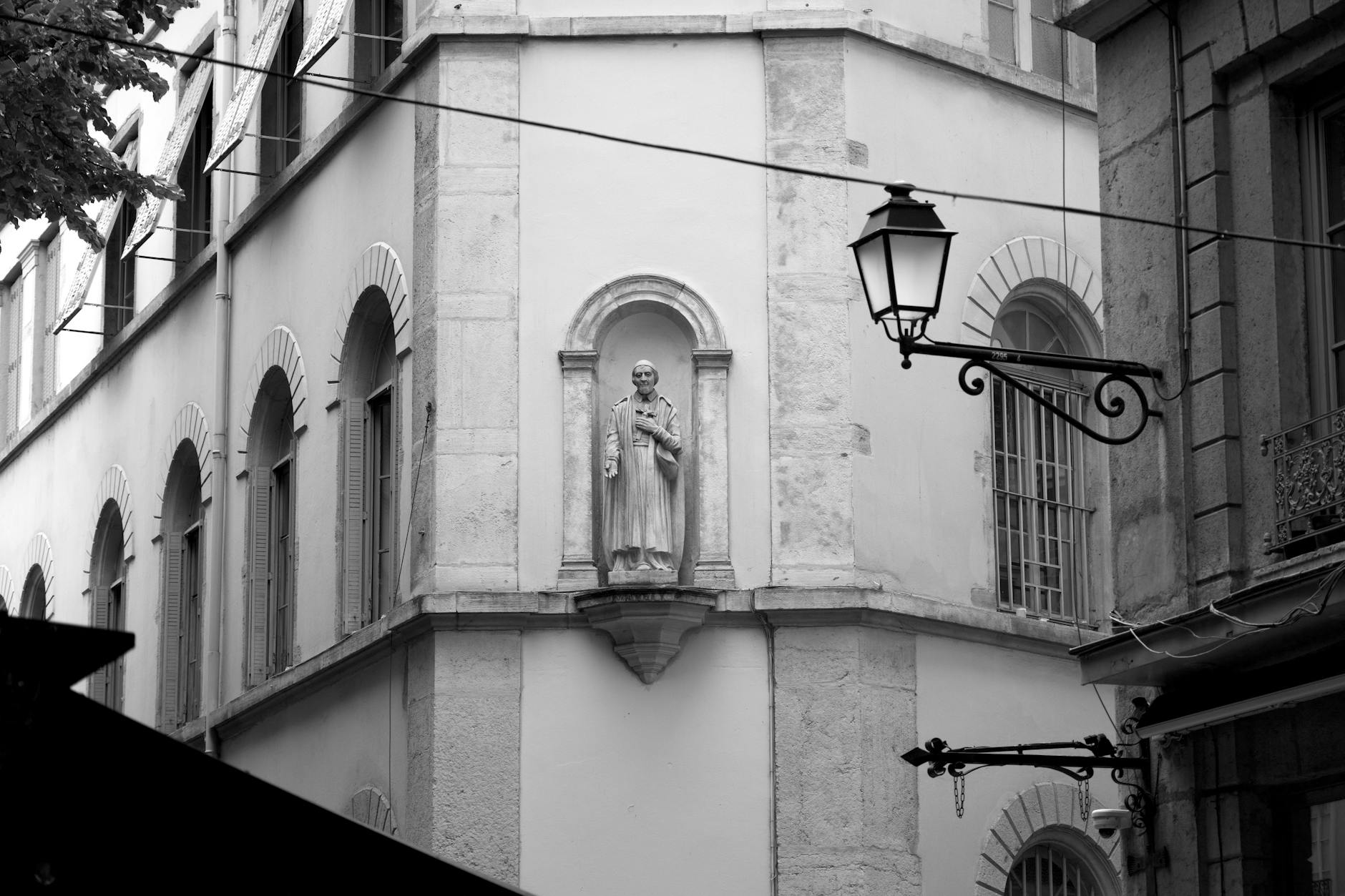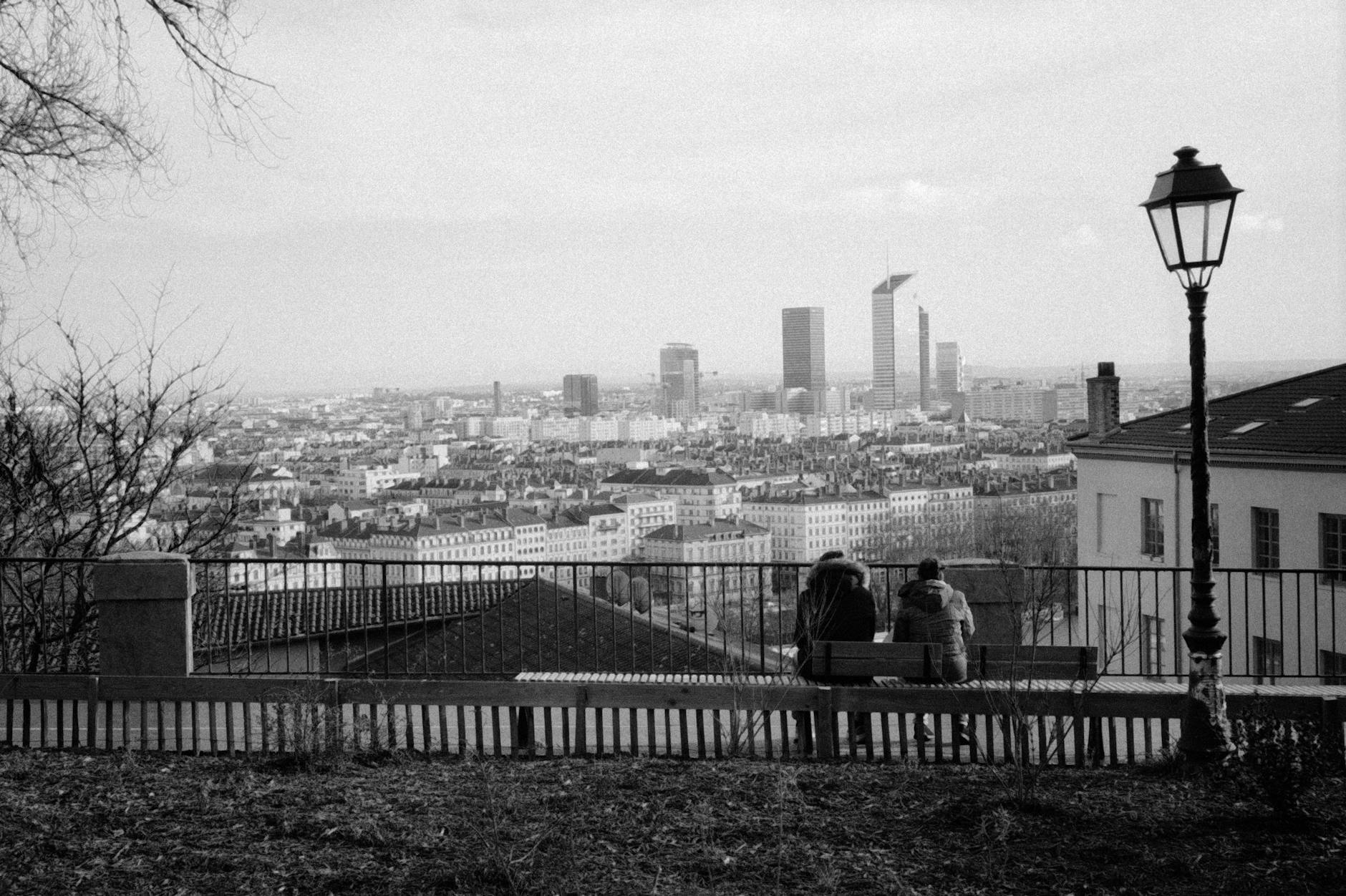
A second or third visit to Lyon should not be treated as a smaller version of the first. The traveler has probably already seen Vieux Lyon, Fourviere, Presqu'ile, the riverbanks, perhaps Les Halles, and one or two major museums. That familiarity is useful, but it can also become a trap. Repeat visitors often assume they know the city well enough to improvise, then end up repeating the same routes, eating in the same central cluster, and missing the chance to use Lyon more deeply. The better return trip asks a different question: what kind of Lyon did the first trip not have time to reveal? For a repeat leisure visitor, the plan should shift from coverage to texture. Stay in a different base if the trip supports it. Spend more time in Croix-Rousse, Brotteaux, the slopes between neighborhoods, Confluence, Monplaisir, river paths, markets, galleries, bookshops, and seasonal events. Use familiar landmarks as anchors rather than obligations. The paid short-term report applies that logic to the traveler's prior Lyon experience, hotel options, food priorities, seasonal timing, mobility, budget, and current local conditions.
Decide what the return trip is for
A repeat visit should begin with purpose, not habit. If the first Lyon trip was a highlights circuit, the next one might be about food, neighborhoods, contemporary museums, markets, bookshops, parks, Roman history, silk-weaving traces, architecture, or simply living inside the city for a few slower days. Without that decision, the visitor may drift back to the same route: Vieux Lyon, Fourviere, a central dinner, a river walk, and departure. That is not a failure, but it leaves much of the return trip underused.
The repeat traveler should identify what is already solved and what remains unexplored. If the old town is familiar, use it as a brief return rather than the center. If Presqu'ile was only a shopping corridor last time, treat it as a food, cafe, and evening base. If the first trip missed Croix-Rousse, Confluence, or local markets, give those areas real time instead of treating them as leftovers.
- Choose a return-trip theme: food, neighborhoods, museums, markets, architecture, parks, or slower local rhythm.
- Use first-trip landmarks as anchors, not as obligations to repeat in full.
- Give one underexplored district enough time to become the point of the trip.
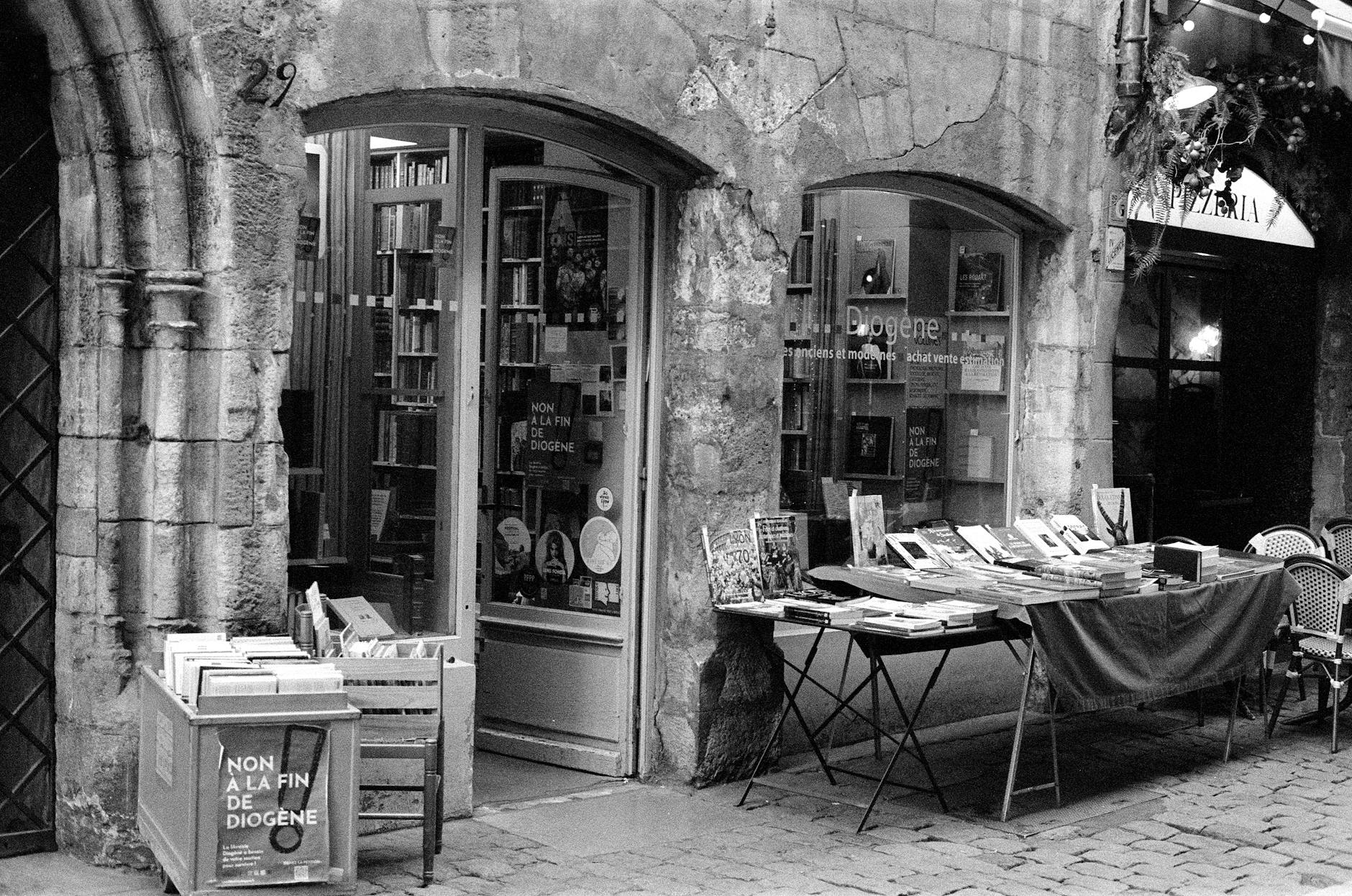
Consider a different base this time
A repeat leisure visitor has more permission to choose a base that would have felt risky on a first trip. Presqu'ile remains the easiest default for short stays, but the return visitor may get more from Croix-Rousse, Brotteaux, a river-adjacent hotel, a Confluence-oriented stay, or a quieter address that makes mornings and evenings feel less tourist-centered. The right answer depends on the repeat goal. A food return, a museum return, a walking return, and a restaurant-heavy weekend do not need the same base.
The danger is choosing novelty without checking logistics. A charming district can still create late-night taxi dependence, longer hills, fewer simple breakfasts, or weaker access to the departure point. The repeat visitor should know what they are trading away from the first-trip base: convenience, atmosphere, transit, food density, quiet, or proximity to a specific set of new interests.
- Choose a new base only when it supports the specific purpose of the return trip.
- Test Croix-Rousse, Brotteaux, Confluence, riverfront, and quieter districts against evenings and departure logistics.
- Do not mistake novelty for better geography.
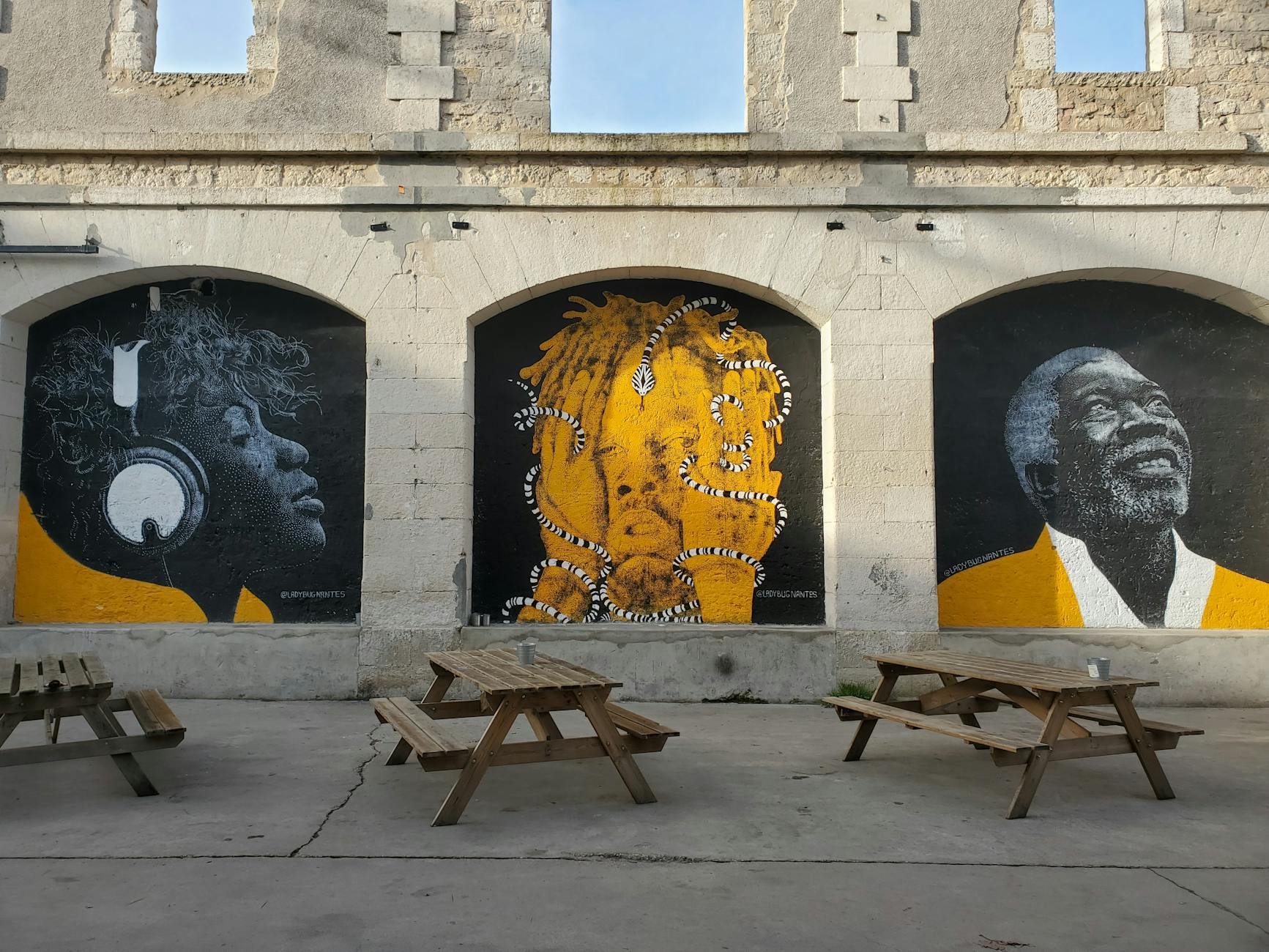
Use food as a deeper map
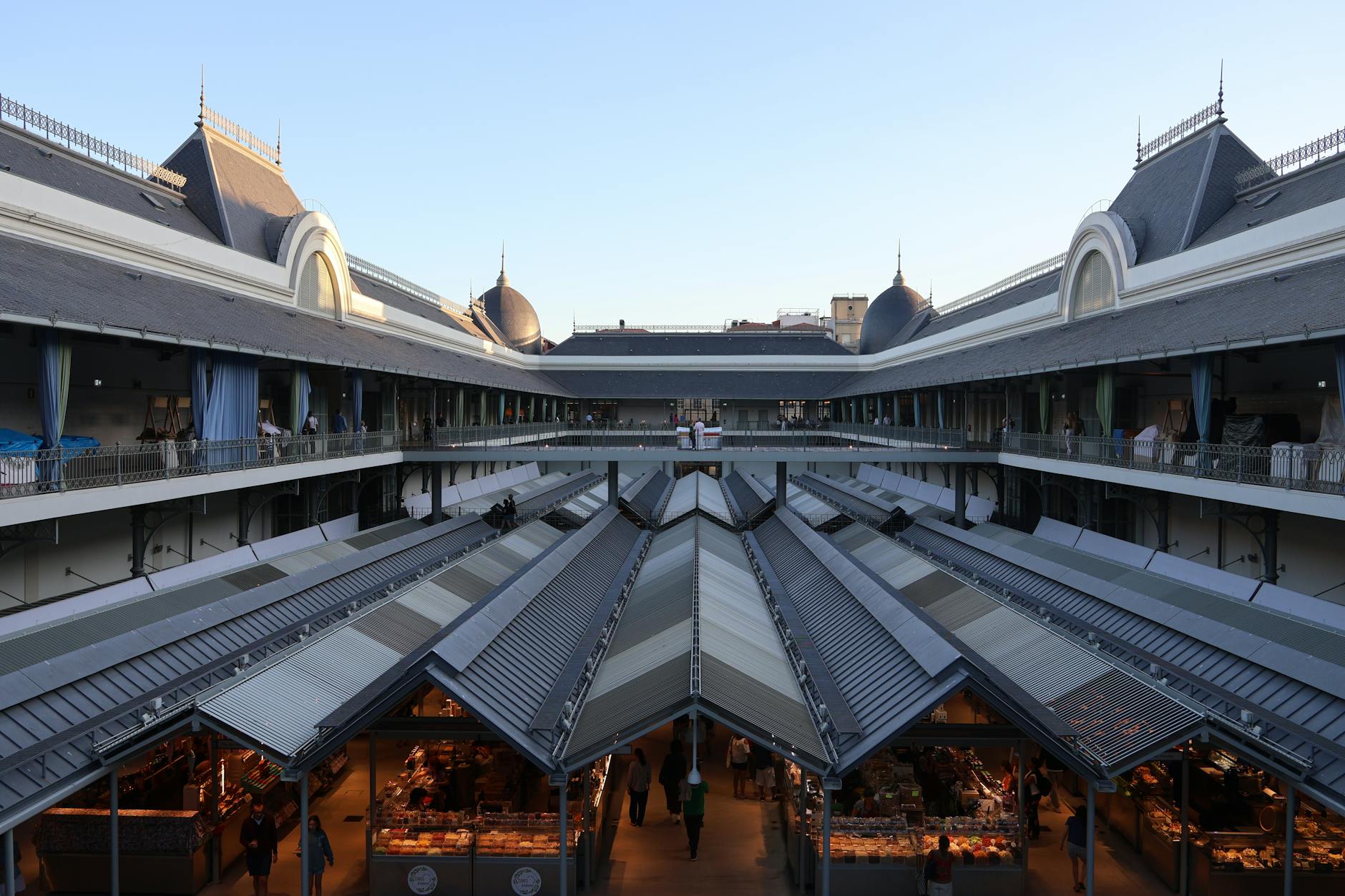
Lyon's food reputation can be flattened into one bouchon dinner and one market stop. A repeat visitor should resist that. The second trip is a chance to use food as a map of the city: Les Halles for one kind of abundance, neighborhood bakeries for morning rhythm, smaller wine bars for evenings, market streets for local texture, and restaurants that match the district rather than only the guidebook. The goal is not to eat more aggressively. It is to eat more precisely.
Reservations, opening days, and meal geography matter more on a return trip because the traveler may be aiming at specific places rather than simply accepting what is nearby. The itinerary should avoid placing a demanding meal after the hardest walking block, or requiring a long late return after wine. A good food plan gives each day one anchor and keeps one flexible backup nearby.
- Use food to explore districts, not only to check off a famous bouchon or market.
- Check opening days, reservations, lunch hours, and return routes before building the day around a meal.
- Keep one simple fallback near the hotel for rainy, tired, or overbooked evenings.
Let river routes replace checklist pressure
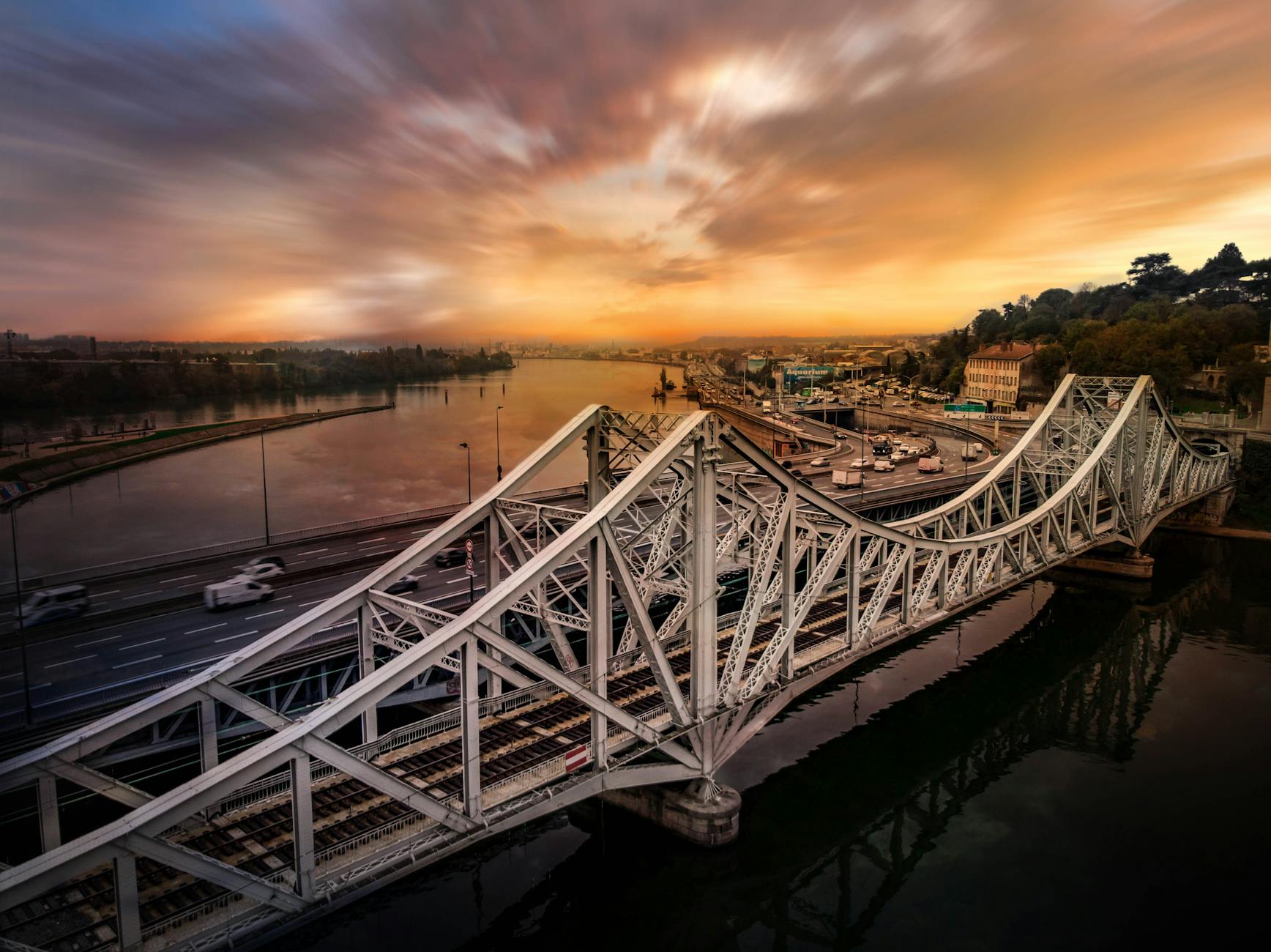
The repeat visitor can afford to spend time on routes that do not look efficient on a sightseeing checklist. River walks, bridges, sunset crossings, quiet benches, and slow movement between neighborhoods can be the point of a return trip. The Saone and Rhone are not just scenery. They are orientation tools. They help the traveler understand how Vieux Lyon, Presqu'ile, Guillotiere, Confluence, and the business districts relate to one another.
This is also where repeat visitors should be more tactical. A river walk can be excellent in good weather and exposed in heat, rain, or wind. Some stretches are better for daytime wandering, others for an early evening return, and some are better used as short connectors rather than long commitments. The plan should leave space for the kind of Lyon that appears between destinations.
- Use the Saone and Rhone as orientation routes, not just scenic backgrounds.
- Choose river walks by weather, time of day, distance, and where the evening ends.
- Let one slow route replace a lower-value attraction when the trip needs breathing room.
Go beyond the familiar museum decision
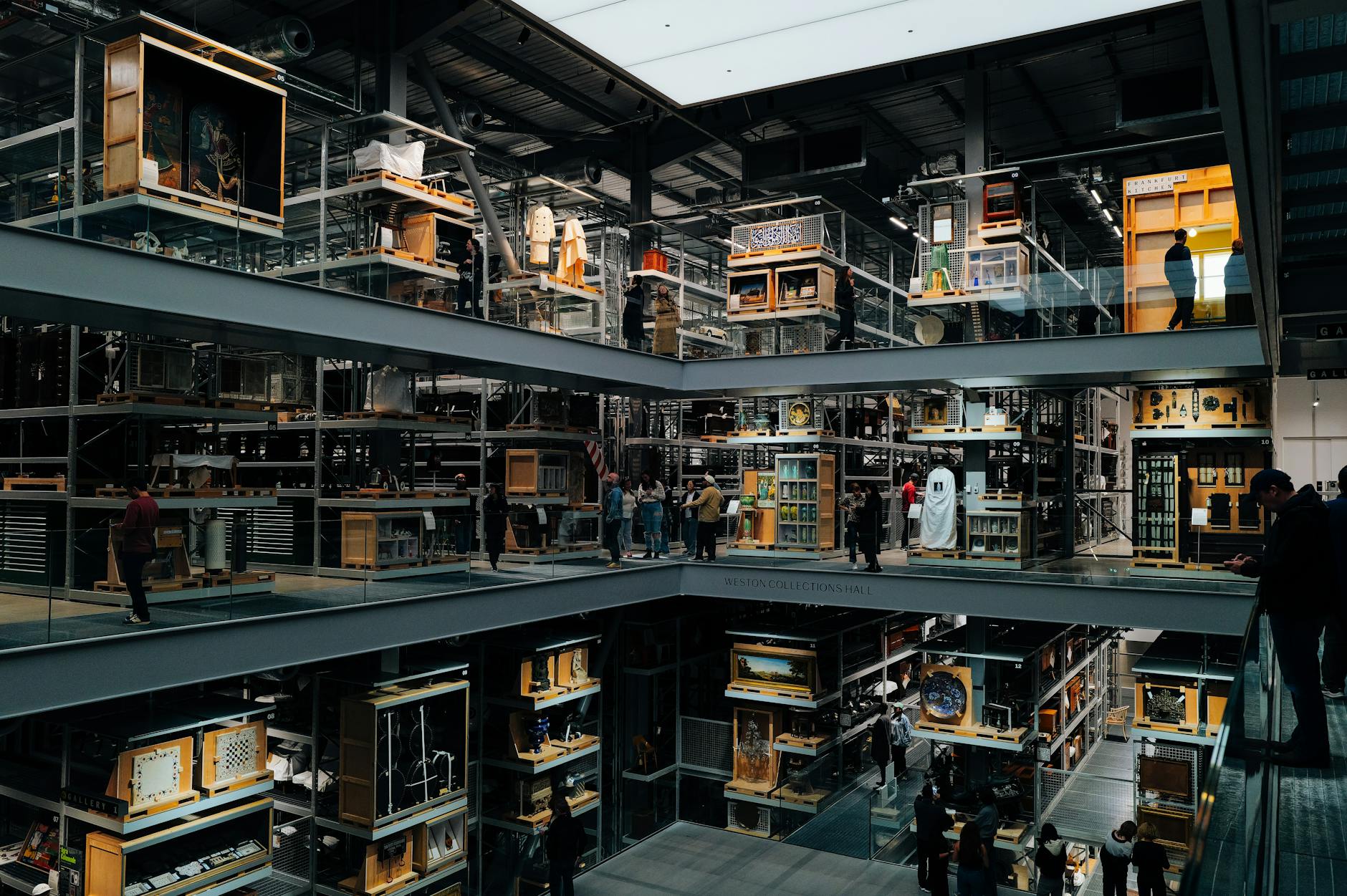
First-time tourists often choose museums by fame or proximity. Repeat visitors can choose them by mood and sequence. A museum or gallery day can be paired with Confluence, a river route, a specific lunch, or a rainy-weather plan. Contemporary exhibits, cinema history, Roman sites, fine arts, temporary shows, and smaller cultural spaces do not all serve the same trip. The repeat visitor should choose the cultural stop that extends the return theme rather than filling an empty afternoon.
The same principle applies to parks and public spaces. Parc de la Tete d'Or can be a reset rather than a detour. Croix-Rousse can be approached through history, markets, murals, or just a slower morning. A return trip does not need to prove itself by adding more. It should use depth to make fewer choices feel more deliberate.
- Choose museums, galleries, parks, and cultural stops by the theme of the return trip.
- Use rainy days and slower mornings as opportunities, not as failed sightseeing time.
- Let depth replace volume when the traveler already knows the main tourist circuit.
Use seasonality instead of ignoring it
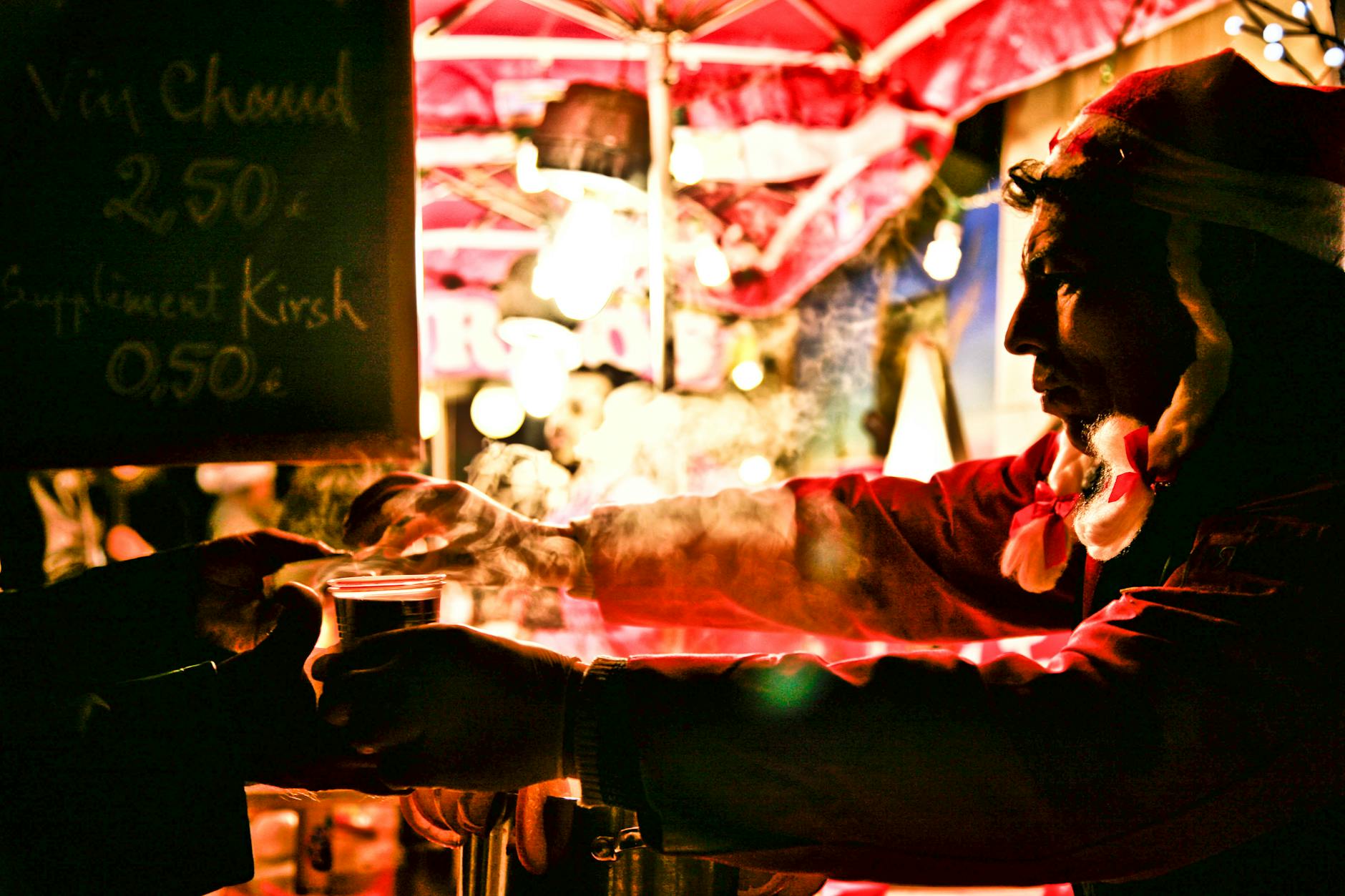
A repeat visit is a good reason to choose Lyon by season rather than by cheapest available dates. Winter markets, December lighting, spring parks, summer river life, autumn food, festival periods, trade fairs, school holidays, and restaurant closures can all change what the city gives back. A traveler who has already seen Lyon once should not treat the calendar as background. Season can be the new content of the trip.
Seasonality also affects friction. Heat changes hills and exposed river walks. Rain changes cobbles and outdoor dining. Major events can change hotel pricing, crowd flow, and transit. Restaurant holidays can weaken a food-focused plan. The repeat visitor should decide whether to lean into a seasonal event or avoid the pressure it creates.
- Use the calendar deliberately: markets, lights, festivals, food seasons, parks, and museum programming can define the return.
- Check closures, event crowds, weather, hotel pricing, and restaurant availability before committing.
- Choose whether to pursue a seasonal event or avoid the congestion around it.
When to order a short-term travel report
A repeat visitor who wants to revisit familiar places casually may not need a custom report. A report becomes more useful when the traveler wants the second trip to feel meaningfully different: a new base, a food-focused weekend, a seasonal event, a museum-heavy itinerary, a slower local rhythm, a special occasion, a trip with friends who have not been before, or a route that combines old favorites with new districts without wasting time.
The report should test what the traveler already knows, what they want to avoid repeating, hotel tradeoffs, neighborhood depth, food geography, seasonal conditions, current local signals, transport fallbacks, and the right amount of structure. For a repeat leisure visitor, the value is not more attractions. It is a sharper return: enough novelty to justify coming back, enough familiarity to feel relaxed, and enough practical planning to avoid turning the second trip into a weaker copy of the first.
- Order when the return trip needs a new base, deeper neighborhoods, seasonal timing, food focus, or special-occasion planning.
- Provide what the traveler already did in Lyon, what they liked, what they want to avoid, and the trip's new purpose.
- Use the report to make the return trip distinct without making it overplanned.