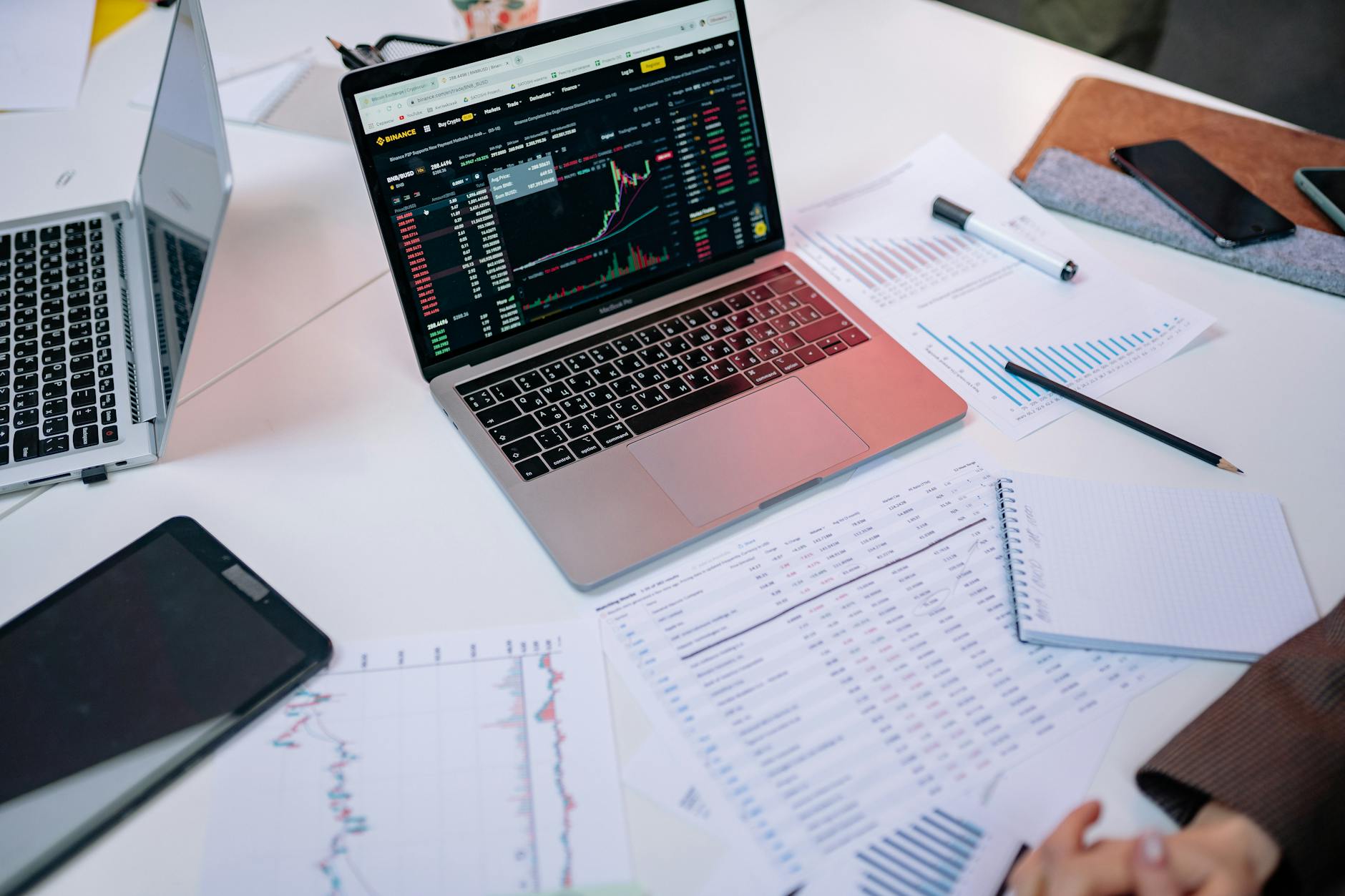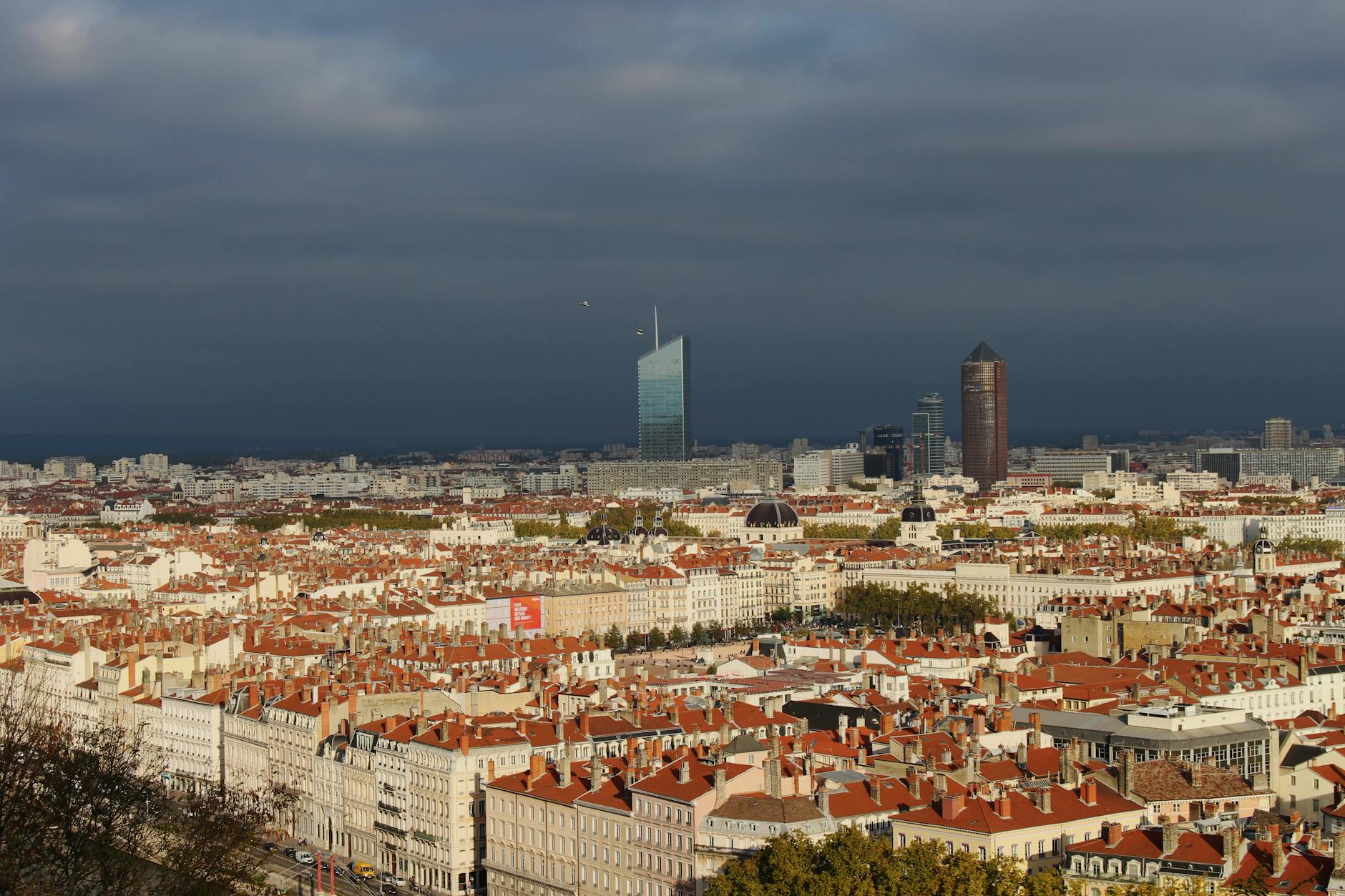
An investor trip to Lyon is not just a business visit with nicer restaurants. The traveler may be moving between a target-company office, adviser meetings, a management presentation, lender or counsel calls, a facility visit, and a private dinner where the real discussion happens after the formal agenda. The city is compact in some ways, but deal work often pushes beyond the tourist center into Part-Dieu, Confluence, Gerland, Villeurbanne, Ecully, Saint-Priest, or industrial and life-science locations east and south of the core. That geography matters because short deal trips are usually dense and confidential. A thirty-minute transfer mistake can compress a diligence block. A hotel lobby that feels convenient for sightseeing may be wrong for calls, printing, or controlled conversations. A restaurant can be excellent and still be useless for a sensitive dinner. The goal is to turn Lyon from an attractive city into an operating environment: where meetings happen, where documents are handled, where private conversations can occur, and where the traveler has enough slack to think clearly before decisions are made.
Map the deal geography before booking
The first planning question is not which hotel looks best. It is where the deal actually lives. A Lyon transaction can involve a target near Part-Dieu, a lawyer or adviser in Presqu'ile, a technology or design meeting near Confluence, a health or research site around Gerland, an owner-manager in Villeurbanne, or a plant, warehouse, or supplier visit toward the airport corridor and eastern suburbs. Those locations are close enough to tempt casual scheduling, but not close enough to ignore traffic, rail-station arrival, security checks, and the time needed to reset between meetings.
For investor and deal teams, the map should be built around decision value. A short courtesy meeting can tolerate less precision than a management presentation, facility inspection, lender review, or signing-sensitive conversation. If the trip includes more than one primary site, the traveler should know which location controls the hotel choice, which meetings can move, and which cannot. The best itinerary is usually not the one with the fewest kilometers. It is the one that protects the highest-value conversation and avoids turning diligence into a sequence of late arrivals.
- List the target, advisers, lenders, counsel, facility sites, and dinner locations before choosing the hotel.
- Treat Part-Dieu, Presqu'ile, Confluence, Gerland, Villeurbanne, Ecully, and the eastern suburbs as different operating zones.
- Rank each meeting by decision value so the itinerary protects the sites that matter most.
Protect arrival, rail, and site-visit timing
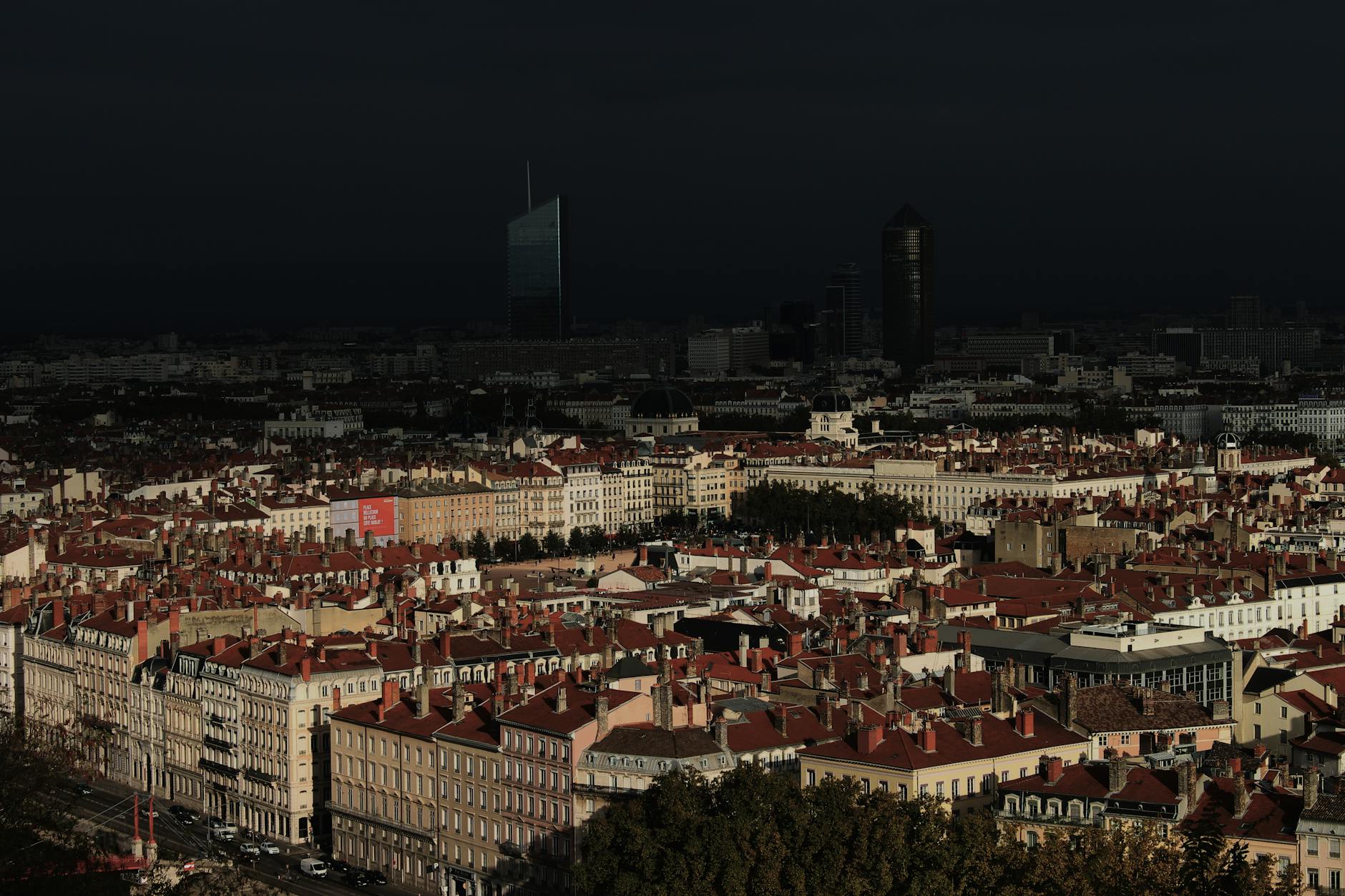
Lyon can be reached through Saint-Exupery Airport, TGV arrivals at Part-Dieu or Perrache, and regional rail or road links from Paris, Geneva, Grenoble, Marseille, and other business centers. That gives a deal traveler options, but it also creates a common mistake: assuming arrival mode is interchangeable. Part-Dieu may be ideal for a city-center meeting, while an airport arrival can make more sense for an eastern industrial visit. Perrache can be workable for Presqu'ile or Confluence, but it is not the same arrival experience as Part-Dieu for a first meeting with a hard start time.
For site visits, do not depend on casual transit planning. A private car or prebooked taxi may be more practical when the team needs to reach a plant, logistics site, lab, or suburban office, especially if the day includes documents, samples, PPE, or a tight return for an adviser session. The arrival plan should include a buffer before the first serious conversation. A traveler who steps directly from a delayed train or airport transfer into a management meeting may be physically present but not ready to evaluate the business.
- Match airport, Part-Dieu, or Perrache arrival to the first high-value meeting, not to habit.
- Use private transport for facility visits when timing, materials, PPE, or multiple passengers make public transit fragile.
- Leave a reset buffer before management presentations, negotiation sessions, or final diligence reviews.

Choose a hotel that can support confidential work
A hotel for a deal trip has to do more than provide a comfortable bed. It may need a quiet desk, reliable connectivity, enough room for late document review, private calling options, practical access to taxis, and a lobby that does not force every sensitive conversation into public view. A stylish property can still be the wrong base if the room is small, the workspace is poor, or the traveler has to handle investor updates, data-room checks, adviser calls, and note synthesis from a busy cafe table.
Location should follow the deal map. Part-Dieu can work for rail access and office-heavy schedules. Presqu'ile may be better for central advisers and controlled dinners. Confluence or Gerland may matter when the trip is built around innovation, life science, or campus-like sites. A hotel near the airport may be reasonable for a one-night industrial visit but weak for central meetings. Before booking, the traveler should verify desk quality, late food options, printing or business support, room privacy, and how quickly a car can reach the next morning's first site.
- Prioritize desk quality, call privacy, connectivity, printing support, food access, and easy car pickup.
- Choose the neighborhood from the meeting map: Part-Dieu, Presqu'ile, Confluence, Gerland, airport, or another deal zone.
- Avoid hotels that turn sensitive work into lobby calls, cafe calls, or rushed room improvisation.
Treat diligence days as operating days
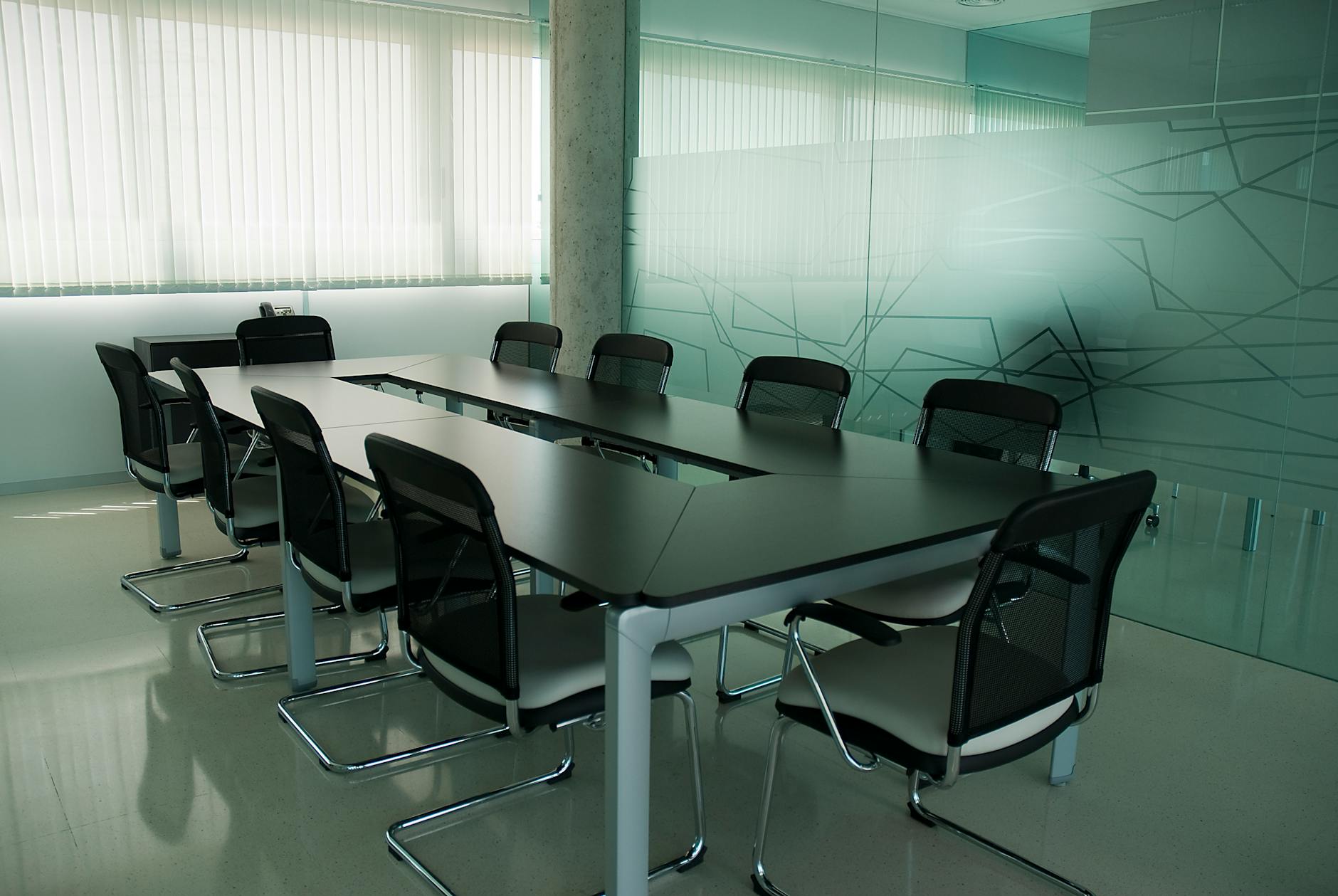
Diligence in Lyon may involve management presentations, financial review, customer or supplier calls, site tours, technical sessions, facility safety rules, or side meetings with advisers who are not in the same part of the city. The danger is treating the trip as a stack of meetings rather than as a working day with inputs, decisions, and synthesis. A good schedule protects time before the first formal session, travel time between locations, and a quiet block afterward to identify what changed.
Facility visits deserve special attention. If the target is connected to manufacturing, logistics, health technology, food, chemicals, or research, the visitor may need identification, PPE, footwear guidance, visitor registration, photography rules, and clarity on whether sensitive areas are accessible. If an interpreter or technical specialist is required, that support should be positioned where the hard questions happen. The point is not simply to arrive. It is to make sure the right people are in the right room, with the right permissions and enough time to understand what they are seeing.
- Build diligence days around preparation, movement, questioning, site access, and synthesis blocks.
- Confirm visitor rules, IDs, PPE, photography limits, and technical support before facility visits.
- Reserve quiet time after major sessions to capture risk items, open questions, and changed assumptions.
Control devices, documents, and conversations
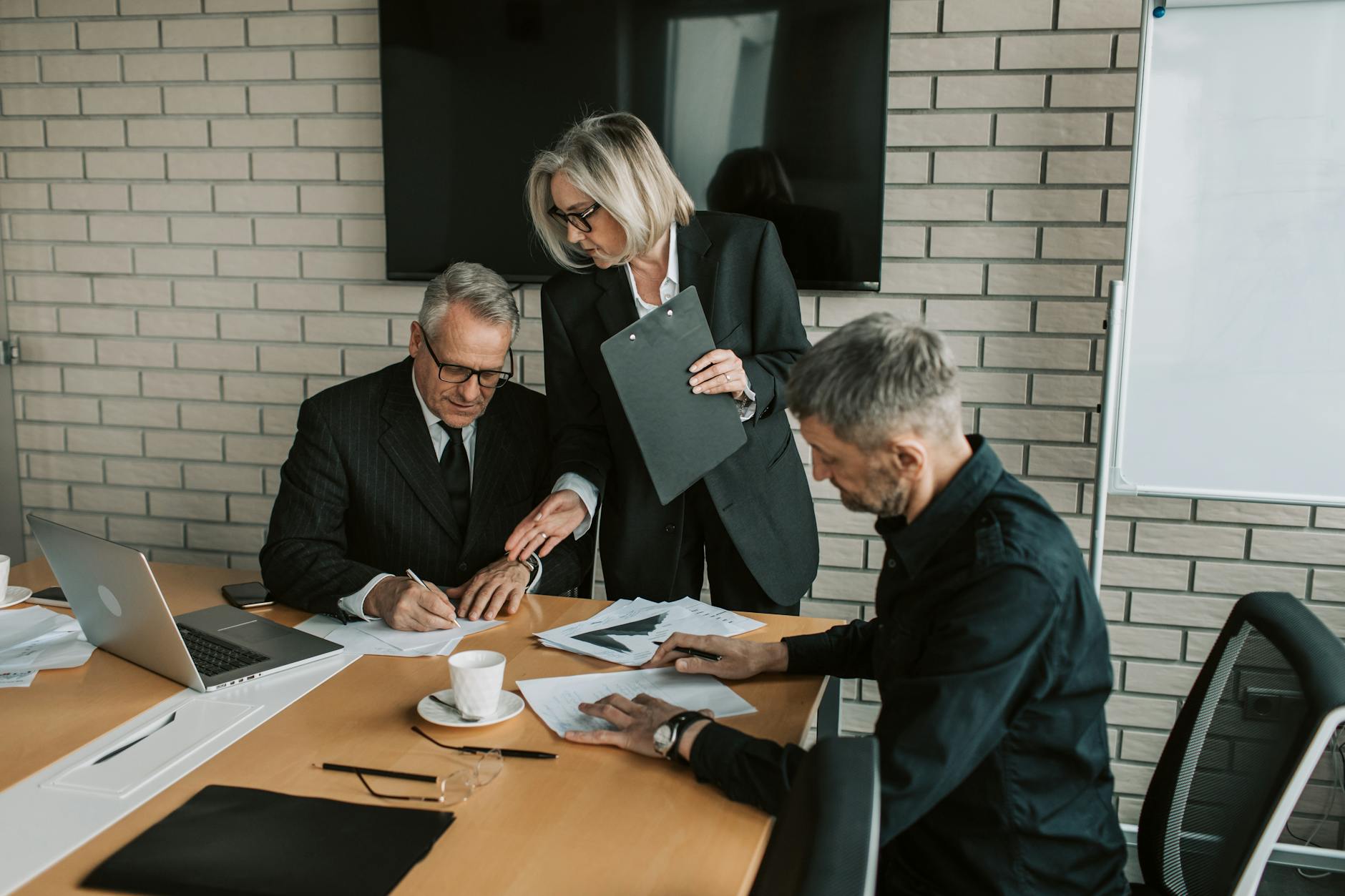
Deal travel creates obvious confidentiality problems and less obvious ones. A deck left open on a laptop in a lounge, a call taken in a taxi, a printed diligence note carried through a restaurant, or a visible screen during rail travel can expose more than the traveler intends. Lyon does not require special paranoia, but it does require normal transaction discipline applied outside the office. The traveler should know what can be said aloud, what belongs only in the data room, and which materials should never be printed or carried loosely.
Before departure, confirm VPN access, MFA recovery, roaming, data-room permissions, offline availability for essential documents, and what happens if a device fails during the trip. If several people are traveling, define who owns the master schedule, who handles document access, who updates counsel or the investment committee, and who records open issues. The trip will feel easier if the information-control rules are boring, explicit, and settled before the team is moving between stations, hotels, offices, and dinner tables.
- Avoid open screens, sensitive calls, or loose printed documents in lounges, taxis, trains, restaurants, and hotel lobbies.
- Check VPN, MFA, data-room access, roaming, offline files, and backup-device plans before travel.
- Assign responsibility for the schedule, document access, adviser updates, and open-issue tracking.
Use meals and informal meetings carefully
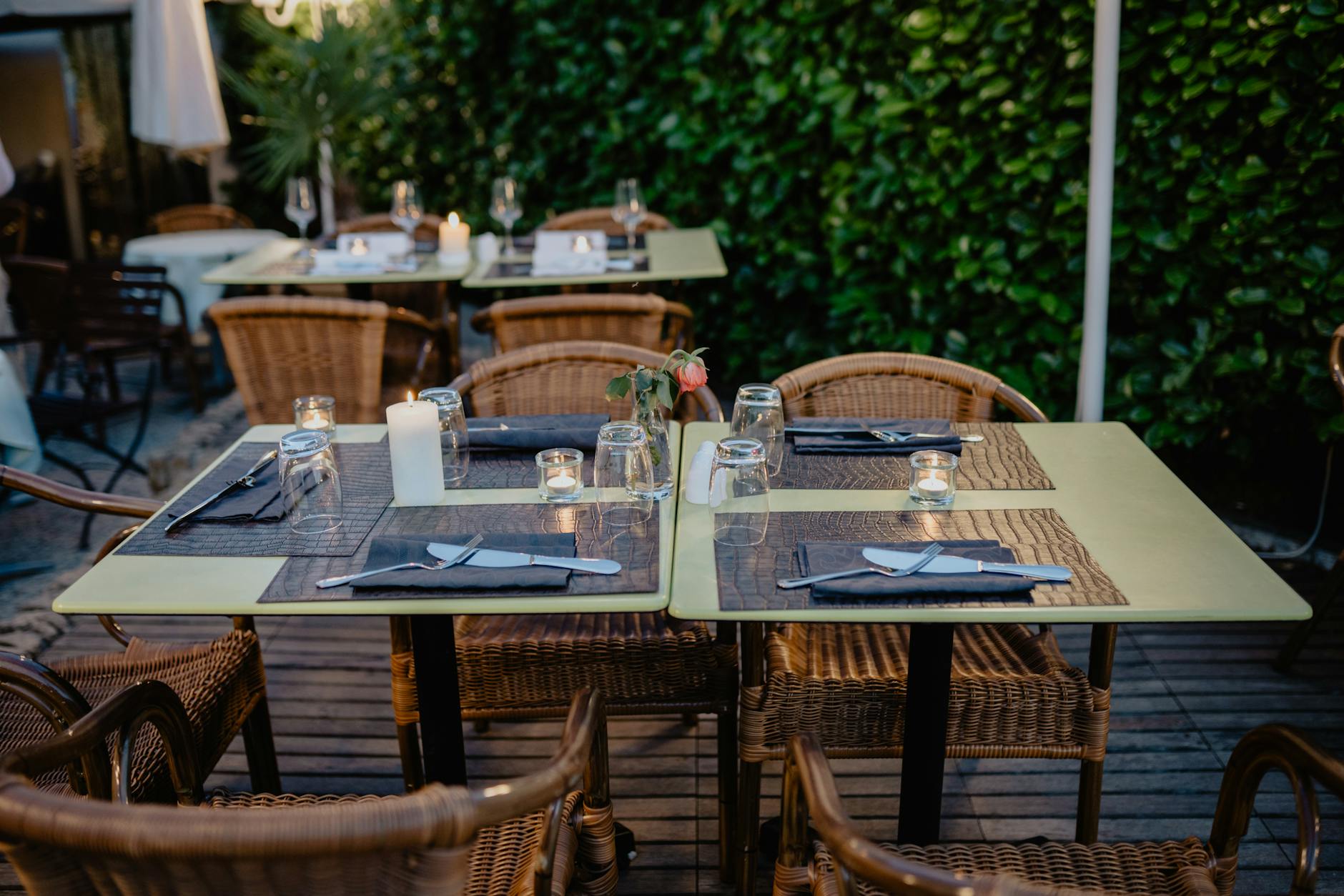
Lyon's reputation as a food city is useful for relationship building, but it can mislead deal teams. The right dinner is not necessarily the most famous restaurant. It is the place where the intended conversation can actually happen. A sensitive founder dinner, management-team meal, adviser debrief, or partner conversation may need a quiet table, easy arrival, controlled sightlines, simple dietary handling, and a return route that does not exhaust the people who still have work to do afterward.
Informal meetings should have a purpose. A lunch can test chemistry with a management team. A coffee can clarify an issue without bringing the full room back together. A dinner can surface concerns that no one wants to raise in a boardroom. But every informal setting creates a note-taking and confidentiality challenge. Decide in advance who will capture the useful points, which topics should not be discussed in public, and whether the restaurant's location supports the next morning's schedule.
- Choose restaurants for conversation quality, privacy, geography, and the work that follows, not just reputation.
- Give informal meetings a defined purpose: chemistry, clarification, adviser debrief, or sensitive issue testing.
- Plan how the team will capture useful points without turning a private meal into a visible document session.
When to order a short-term travel report
A solo investor with one familiar adviser meeting may not need a custom Lyon report. A report becomes much more useful when the trip includes a target company, a management presentation, a facility visit, several advisers, lender or counsel calls, confidential dinners, airport-to-meeting pressure, or movement between central Lyon and outer business zones. Those are the trips where a generic city guide does not answer the real questions.
The report should test the meeting map, hotel base, arrival logic, car and rail options, site-visit sequence, confidential-work requirements, dinner choices, current disruption risks, and the recovery windows needed for analysis after each major session. The value is not a tourist overview of Lyon. It is a transaction-aware operating brief that helps the traveler protect judgment, confidentiality, and timing while moving through a city where the most important meeting may not be in the most obvious place.
- Order when target geography, site visits, advisers, confidential dinners, or tight arrival timing make improvisation expensive.
- Provide target addresses, adviser locations, hotel candidates, arrival mode, site-visit rules, and the intended meeting sequence.
- Use the report to protect timing, confidentiality, and decision quality rather than to replace commercial diligence.